Malawi Eyebiter
Dimidiochromis compressiceps
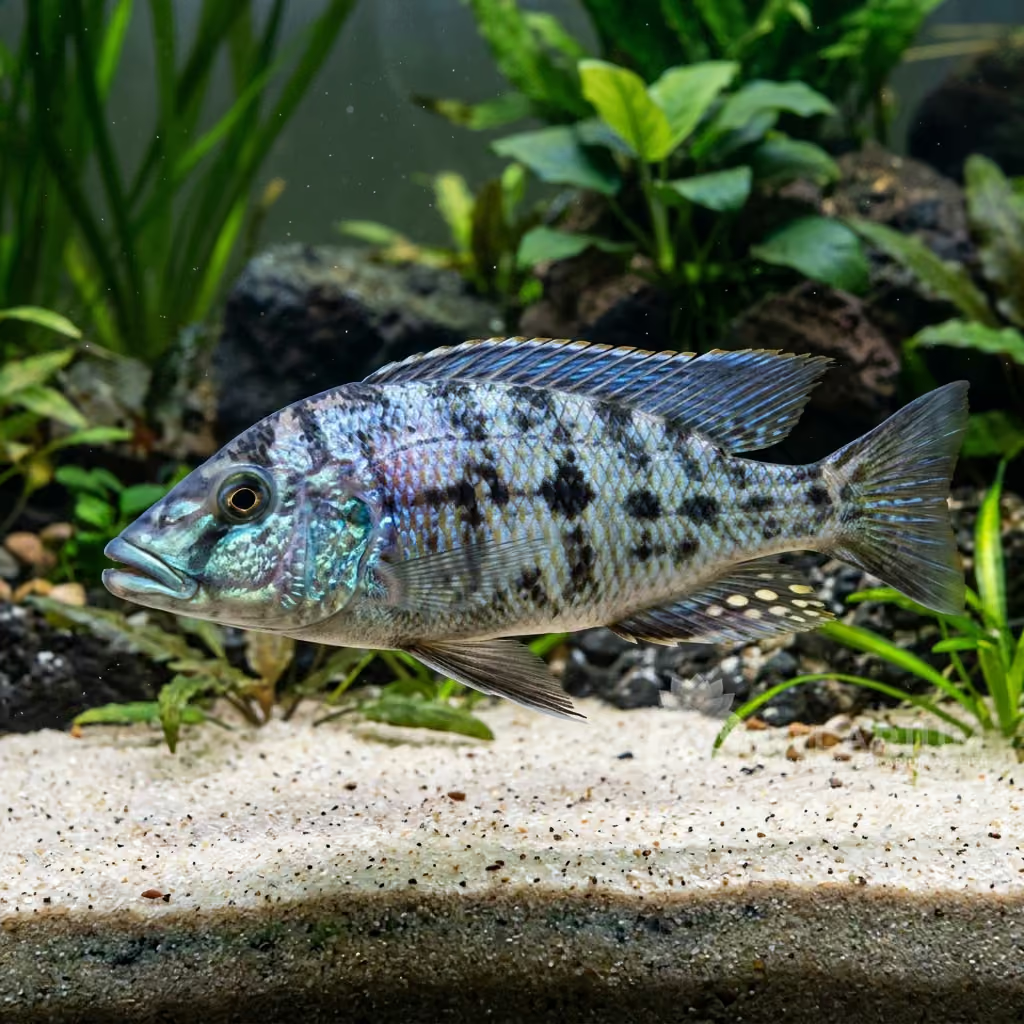
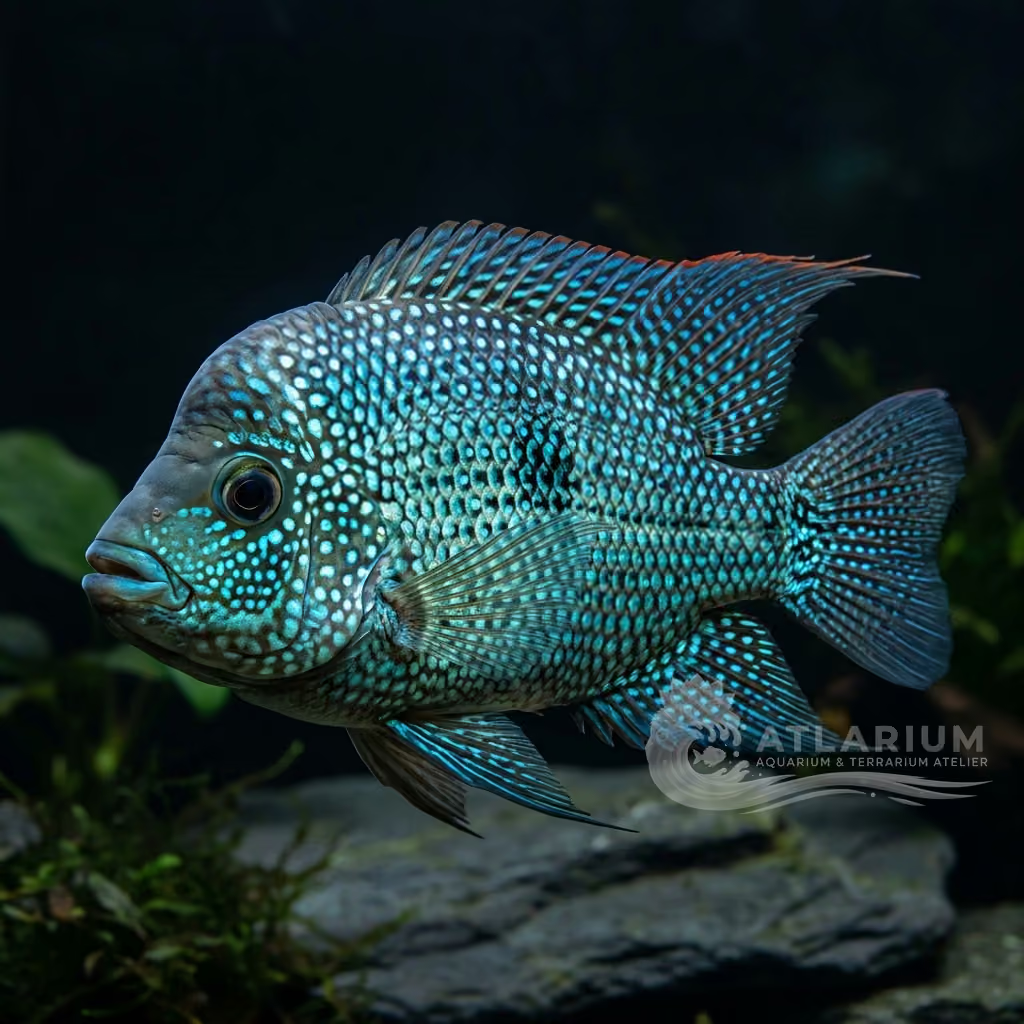
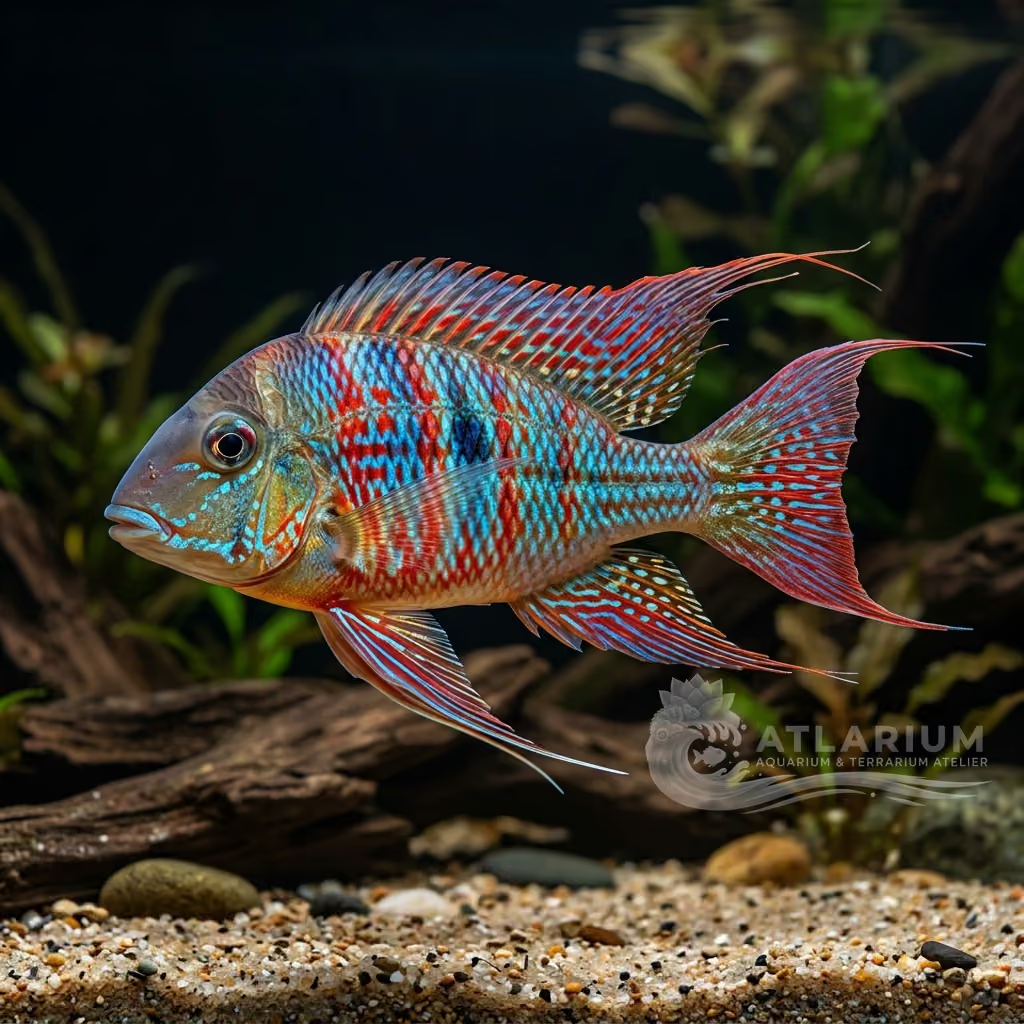
The 'Malawi Eyebiter' (25 cm). Formidable and bizarre ambush predator with a laminar profile (extremely flattened) to hide among the reeds and swallow small prey. False myth: does not intentionally blind companions, but eats live small fish.
Water Temperature
23 - 28 °C
pH Value
7.8 - 8.6
Water type
Freshwater
Tank level
Surface and middle
Adult size
25 cm
Minimum tank volume
>= 300 L
Minimum group
>= 1
GH
10 - 25 dGH
KH
5 - 12 dKH
TDS
200 - 495 ppm
Conductivity
313 - 773 uS/cm

Species description
Geographical Origin and Habitat: Endemic to Lake Malawi (Africa), where it patrols the sandy littoral zones thick with Vallisneria reeds. It is specialized in hunting among the reeds by camouflaging itself upside down.
Taxonomy and Morphology: Malawi Eyebiter (Dimidiochromis compressiceps). Its body is laterally compressed like the blade of a knife. Disproportionately large protrusible mouth with a strongly prominent lower jaw for swallowing whole fish.
Social Behavior: Lethal ambush fish (extreme piscivore). Lies in wait vertically (head down) to imitate a blade of grass and then darts suddenly. Males become aggressive when breeding; females cohabit.
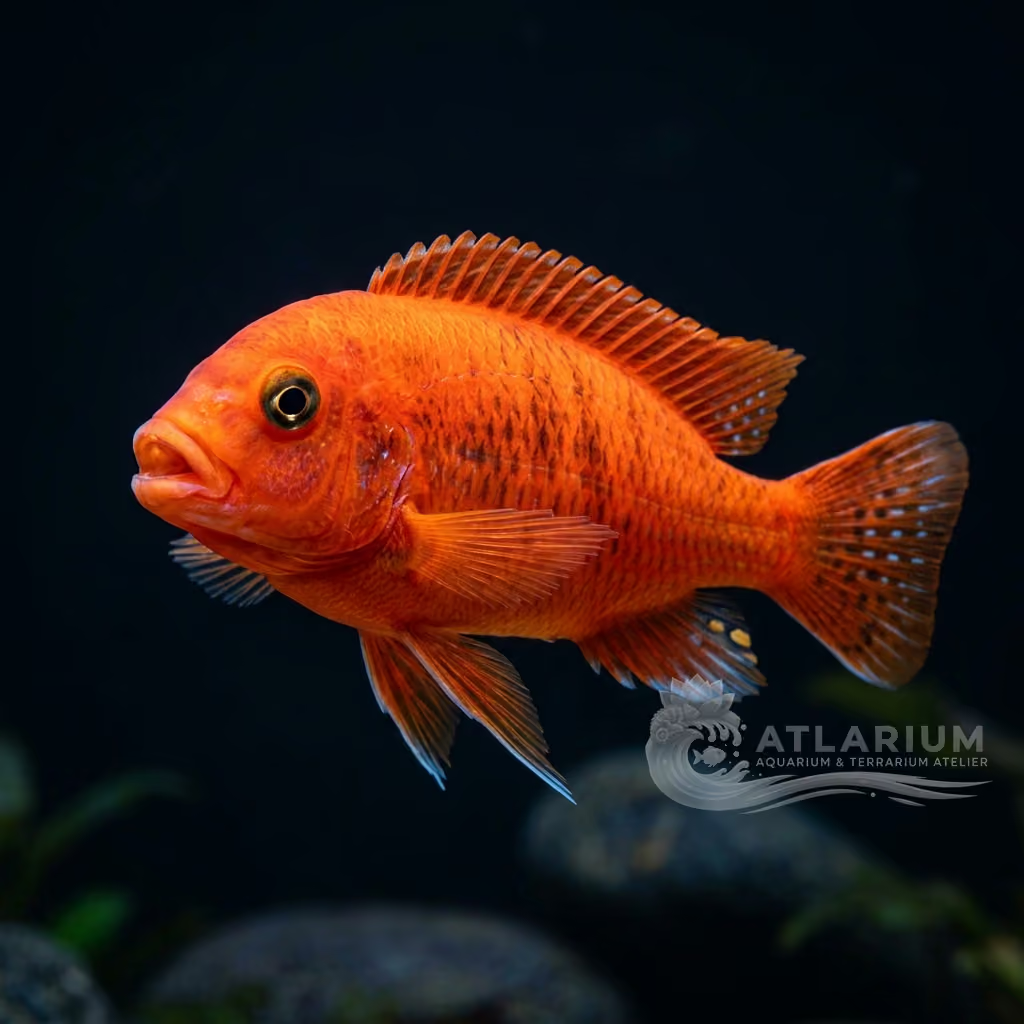
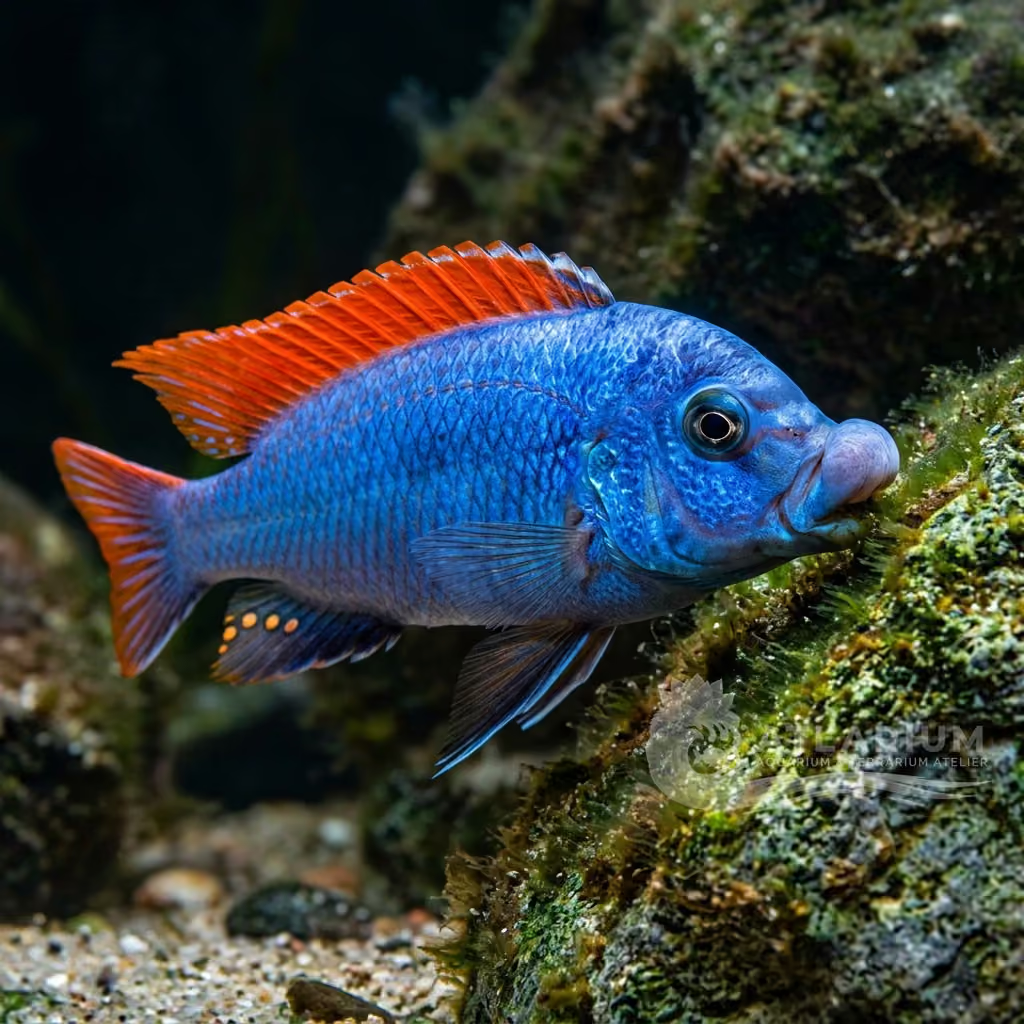
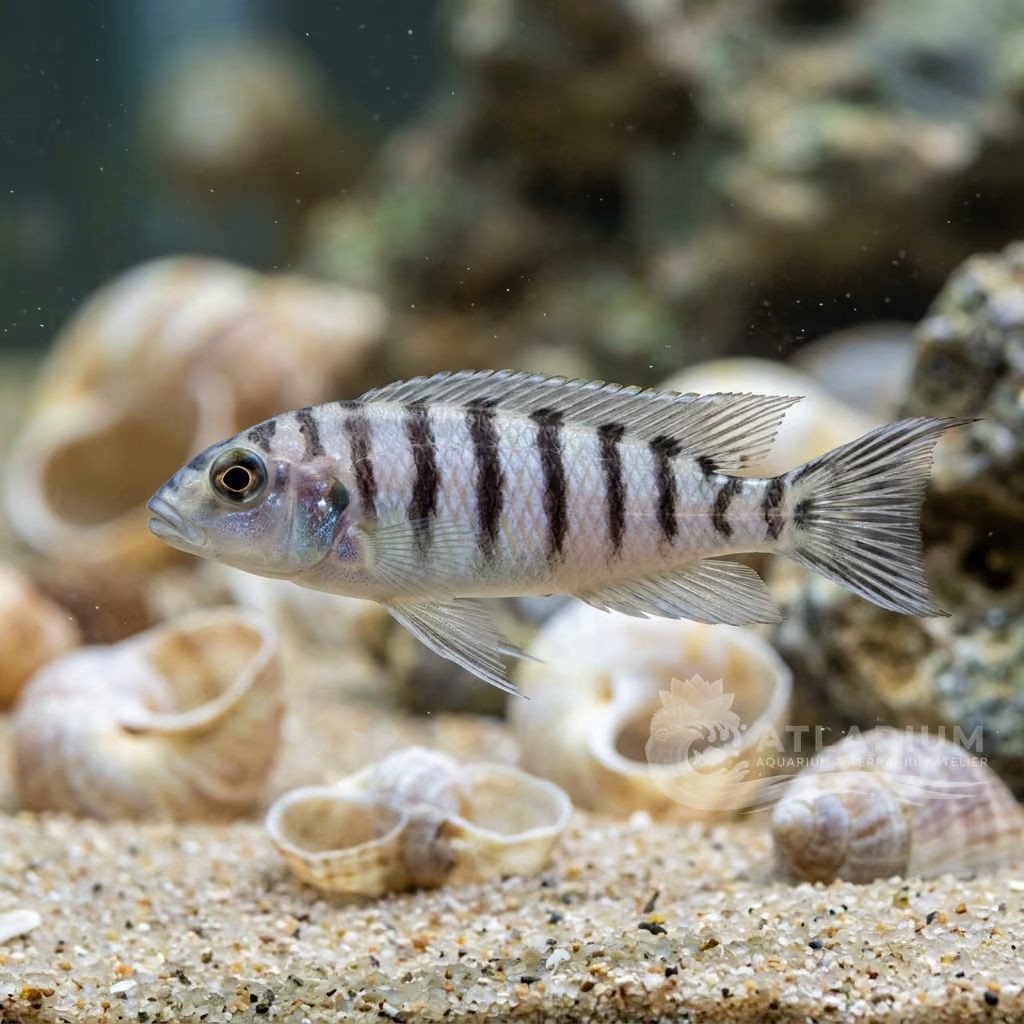
Coloration and Sexual Dimorphism: Juveniles and females are silvery, with a sharp black lateral band from snout to tail. Adult males explode in a dazzling iridescent azure/cobalt blue nuptial suit with orange egg-spotted ventral fins.

Care, breeding and tankmates
Aquarium Setup: Requires monstrous dimensions (200 cm / 80 inches tank) or it will live badly and cause massacres. Essential to create thick forests of giant Vallisneria or similar plants on the sides and leave enormous space for central swimming.
Diet and Feeding: Piscivore. Must be accustomed to large pellets, white fish (smelt, frozen whole bleak), mussel meat and Pacific krill. It is strongly not recommended to give it live food as it foments hyper-aggression in the tank.
Water Quality: No mysteries: hard, alkaline water (pH 8) and very heavy filtration, given the mass of feces produced by a 25 cm (10 inch) meat devourer. Tolerates nitrates above 40ppm poorly.
Compatibility and Cohabitation: Any young Mbuna or Haplochromine cichlid (Nimbochromis, Tyrannochromis) that passes near it and measures less than 8-10 cm (3-4 inches) will magically disappear in 1 second (in nature the "Malawi Eyebiter" also eats the eyes of other fish).
Aquarium Breeding: Polygamous maternal mouthbrooder. Builds a large "bowl nest" (Bower) on a flat rock or in the sand. The female will keep an immense offspring in her mouth (up to 250 larvae!) for about three weeks.
Risks and Diseases: Males clash hard, damaging their mouth and scales; these wounds in water loaded with compounds lead to intractable fungal attacks. Very low bloat risk compared to other cichlids.

Geographic origin and distribution
Endemic to Lake Malawi (Africa), where it patrols the sandy littoral zones thick with Vallisneria reeds. It is specialized in hunting among the reeds by camouflaging itself upside down.
Origin
Africa and Madagascar

Fish profile
- Temperament
- Semi-aggressive
- The Malawi Eyebiter is a formidable, highly predatory, and aggressive cichlid that demands respect and careful tank planning. They are solitary hunters by nature and can be exceptionally intolerant of conspecifics and similarly shaped fish. Despite the gruesome folklore surrounding their common name, they rarely attack the eyes of living, healthy tank mates, preferring to swallow prey whole. They require a very large aquarium and an experienced keeper who understands the dynamics of large African cichlids.
- Diet
- Omnivore
- In Lake Malawi, they are specialized ambush predators that primarily feed on smaller fish, earning their ominous common name. In the aquarium, they require a high-protein, carnivorous diet consisting of large pellets, frozen silversides, krill, and chopped seafood. While live feeder fish can be offered to stimulate natural hunting behaviors, they must be rigorously quarantined to prevent disease transmission. They should never be fed mammalian or avian meat (like beef heart), as they cannot properly digest the complex fats.
- Life expectancy
- 8-10 years
- Adult size
- 25 cm
- Sex ratio
- Harem
- To manage the male's intense aggression, they should be kept in a strict harem ratio of one male to at least three or four females. This disperses the male's relentless breeding behavior, preventing any single female from being stressed or injured. Keeping multiple males in the same tank is generally disastrous unless the aquarium is exceptionally large (hundreds of gallons) with massive rock formations breaking sightlines. If a harem is not possible, keeping a single male as a solitary showpiece is a viable option.
- Feeding frequency
- Twice daily
- Adult Malawi Eyebiters should be fed one large meal a day, or even slightly less frequently, to prevent obesity and water fouling. Overfeeding is a significant risk with large predators and can quickly lead to severe degradation of the aquarium's water quality. Juveniles will require more frequent, smaller feedings (twice a day) to support their rapid growth rate. All uneaten food must be removed promptly to prevent ammonia spikes.
- Bioload
- Medium to High
- The Malawi Eyebiter is a large, heavily built predatory cichlid that produces a very heavy bioload. Because their diet consists of substantial meaty foods, they generate significant amounts of solid waste and ammonia. To maintain safe water parameters, a highly oversized filtration system, often utilizing large canister filters or sumps, is absolutely essential. Weekly large-volume water changes are mandatory to keep nitrate levels in check and maintain the pristine water quality they require.
- Flow
- Stagnant
- They originate from the open waters and reedy shorelines of Lake Malawi, preferring moderate to strong water flow. Excellent circulation is necessary not only for their physical well-being but also to ensure heavy waste is transported to the filtration intakes. Strong powerheads can be used to create currents that mimic the lake's natural water movement. However, there should also be calmer areas behind rock formations where they can rest out of the main current.
- Jump risk
- Yes
- Due to their size and powerful swimming capabilities, they pose a significant jump risk, especially when startled or aggressively pursuing prey. A heavy, tightly fitted lid is completely mandatory to prevent this large fish from launching itself out of the tank. Ensure there are no large gaps around filter pipes or heaters where a determined fish could escape. Heavy glass or acrylic lids are often required, as their sheer strength can dislodge lighter plastic covers.
- Reproduction
- Oviparous
- They are maternal mouthbrooders, a common reproductive strategy among Lake Malawi cichlids. The male will dig a shallow pit in the sand and aggressively display to attract a female, culminating in a typical cichlid circling embrace. After spawning, the female scoops up the fertilized eggs into her buccal cavity and retreats to a quiet area to incubate them for about three weeks. During this time, the female will not eat, and once released, the fry are relatively large and can immediately accept crushed flakes or baby brine shrimp.
- Compatibility & tankmates
- Semi-aggressive
- They are highly predatory and possess a notoriously aggressive temperament, making them entirely unsuitable for standard community tanks. They must never be housed with small fish, particularly Mbuna or any species small enough to fit in their large mouths, as they will undoubtedly be eaten. Suitable tank mates include other large, robust, and relatively peaceful Haplochromis or Peacock cichlids that are too large to be considered prey. Even with appropriate tank mates, the aquarium must be vast to allow for distinct territories and minimize aggression.
- Tank level
- Top/Middle
- They are primarily mid-water to upper-water column swimmers, utilizing their laterally compressed bodies to navigate efficiently. However, as ambush predators, they will frequently position themselves among tall plants or rock structures in the lower levels to stalk prey. The tank should feature a large open swimming area in the center, flanked by tall Vallisneria plants or vertical rock structures to mimic their natural reed bed habitat. A sandy substrate is preferred for their occasional digging behaviors.

Scientific Parameters & Models
FishBase
Window to the official scientific data of the species
FishBase v25.04Data synced on: 06/15/2026
- Trophic level
- 4.2 ± 0.73 se
- Resilience
- High (less than 15 months)
- Phylogenetic uniqueness (PD50)
- 0.5625
- Bayesian Length-Weight
- a = 0.01445, b = 2.99
- VulnerabilityLow vulnerability (13 / 100)

Related species
Recommendations grouped by close relatives, companion choices, and similar care.