

Encyclopaedia
Watanabe's Angelfish
Genicanthus watanabei
An awe-inspiring deep-reef swimmer, the Watanabe's Angelfish exhibits highly contrasting stripes in males. It is fully reef-safe, actively feeding on passing plankton, and prone to jumping if unsecured.
Share
Check out Watanabe's Angelfish on Atlarium
22 - 26 °C
8.1 - 8.4
Marine
Surface
15 cm
>= 500 L
>= 1
15 - 25 dGH
8 - 12 dKH
Species description
Care, breeding and tankmates
Geographic Origin and Distribution
Origin
Fish profile
- Temperament
- Peaceful
- Diet
- Carnivore
- Sex ratio
- Harem
- Feeding frequency
- THREE_FOUR_DAILY
- Bioload
- The bioload is moderate. Efficient biological filtration is required. Regular water changes keep nitrates low.
- Flow
- Strong
- Jump risk
- Yes
- Reproduction
- Oviparous
- Compatibility & tankmates
- Reef safe
- Tank level
- Top
Window to the official scientific data of the species
Scientific Parameters & Models
- Trophic level
- 3.4 ± 0.45 se
- Resilience
- Medium (1.4 - 4.4 years)
- Phylogenetic uniqueness (PD50)
- 0.501
- Bayesian Length-Weight
- a = 0.0302, b = 2.89
Image gallery
Licensed images linked to the species or, when marked, to the closest representative taxon.
Related species
Recommendations grouped by close relatives, companion choices, and similar care.
Variants and close relatives
Same atlas type, nearby scientific identity, genus, or family.

Blackspot Angelfish
Genicanthus melanospilos
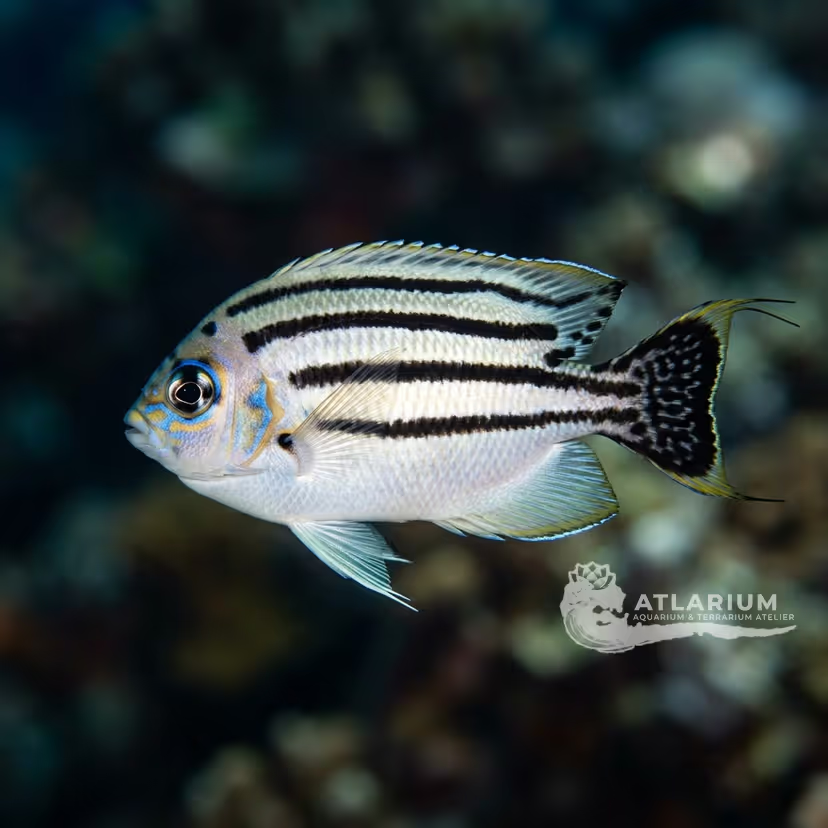
Lamarck's angelfish
Genicanthus lamarck

Ornate Angelfish
Genicanthus bellus

Zebra angelfish
Genicanthus caudovittatus

Japanese swallowtail angelfish
Genicanthus semifasciatus
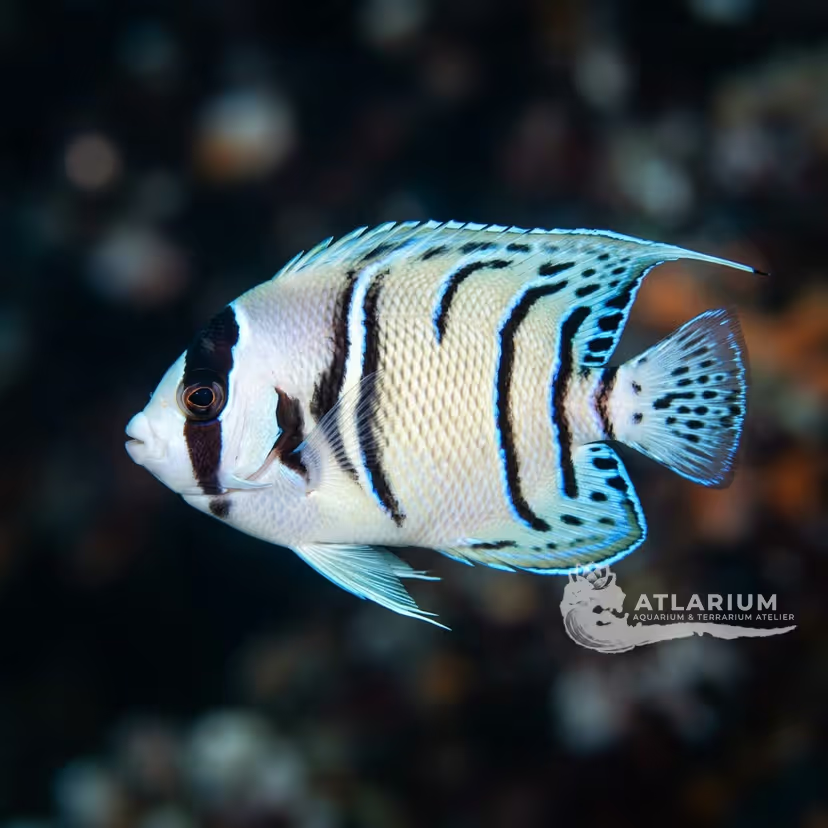
Masked Angelfish
Genicanthus personatus

Colin's Angelfish
Centropyge colini

Fisher's Angelfish
Centropyge fisheri
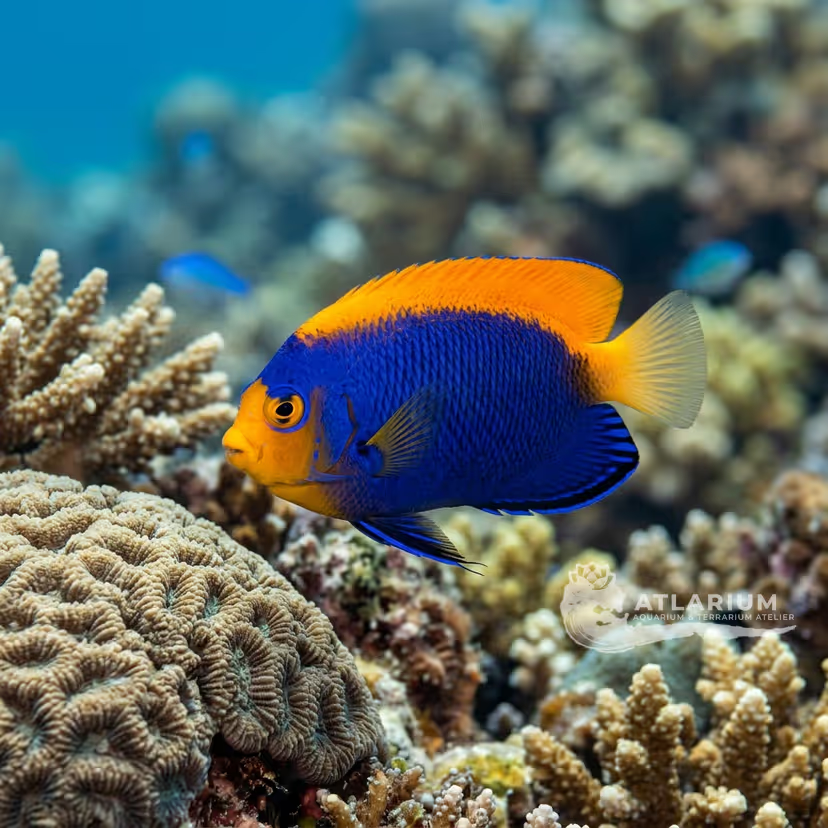
African flameback angelfish
Centropyge acanthops

Barred Angelfish
Paracentropyge multifasciata

Clarion Angelfish
Holacanthus clarionensis

Flameback Angelfish
Centropyge aurantonotus

Joculator Angelfish
Centropyge joculator

Limbaugh's angelfish
Holacanthus limbaughi

Yellowfin Angelfish
Centropyge flavipectoralis
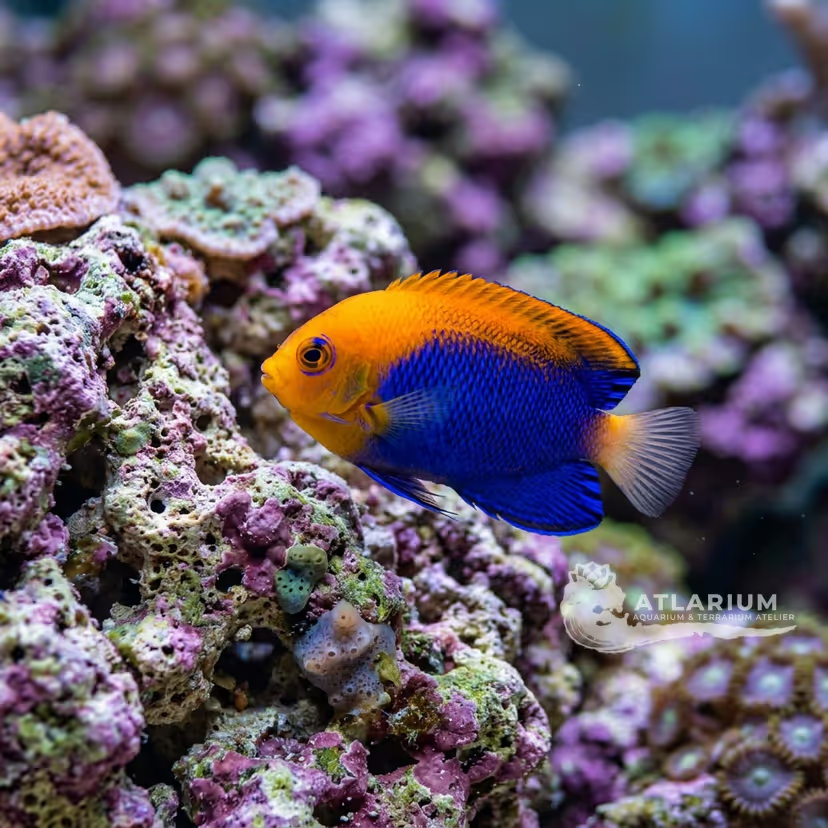
Resplendent Angelfish
Centropyge resplendens
Recommended companions
Compatible cards from coherent ecosystems with matching parameters.

Armed Snapping Shrimp
Alpheus armatus
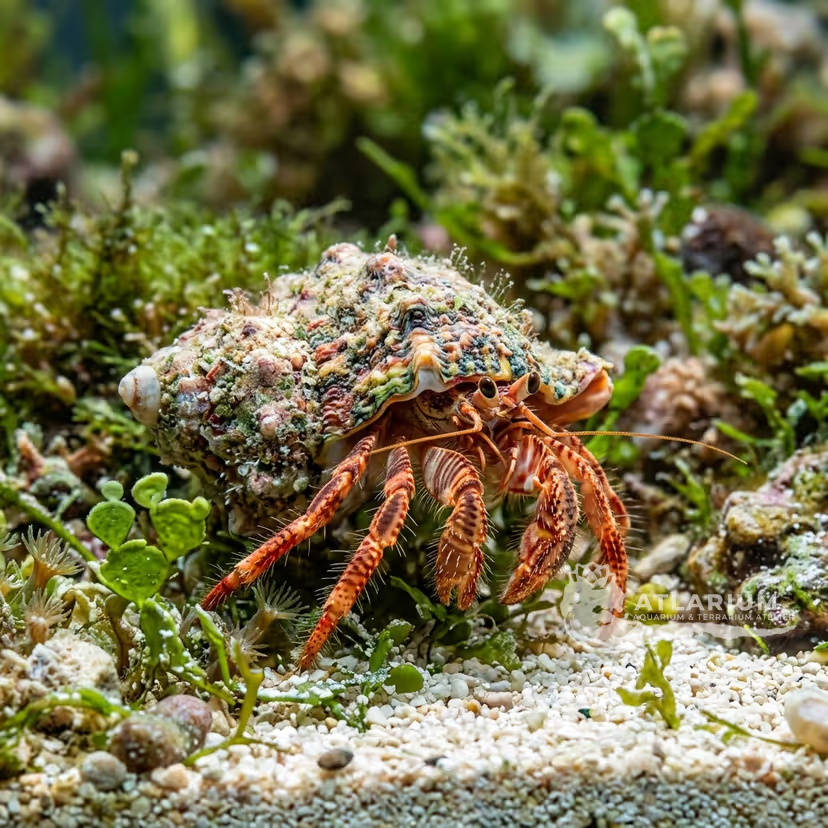
Antillean hermit crab
Clibanarius brasiliensis

Arethusa Hermit Crab
Clibanarius arethusa

Bahia Cleaner Shrimp
Lysmata bahia

Boschma's hermit crab
Clibanarius boschmai

Cook's hermit crab
Clibanarius cooki

Danai's hermit crab
Clibanarius danai

De Man's Hermit Crab
Clibanarius demani

Feather Duster Worm
Sabellastarte spectabilis
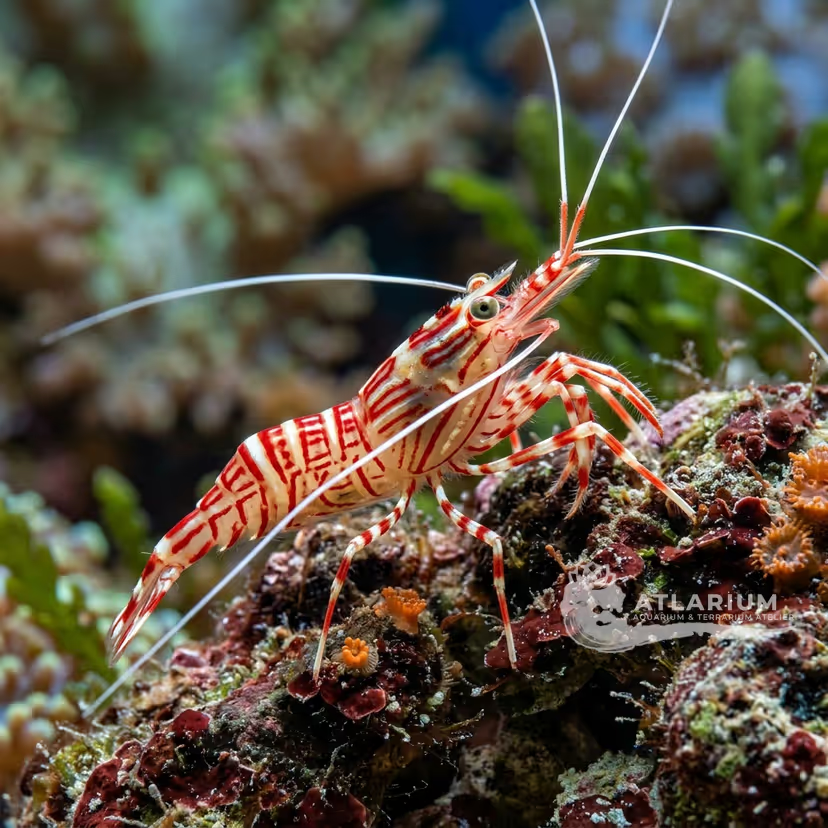
Lysmata prima shrimp
Lysmata

African snapping shrimp
Alpheus africanus
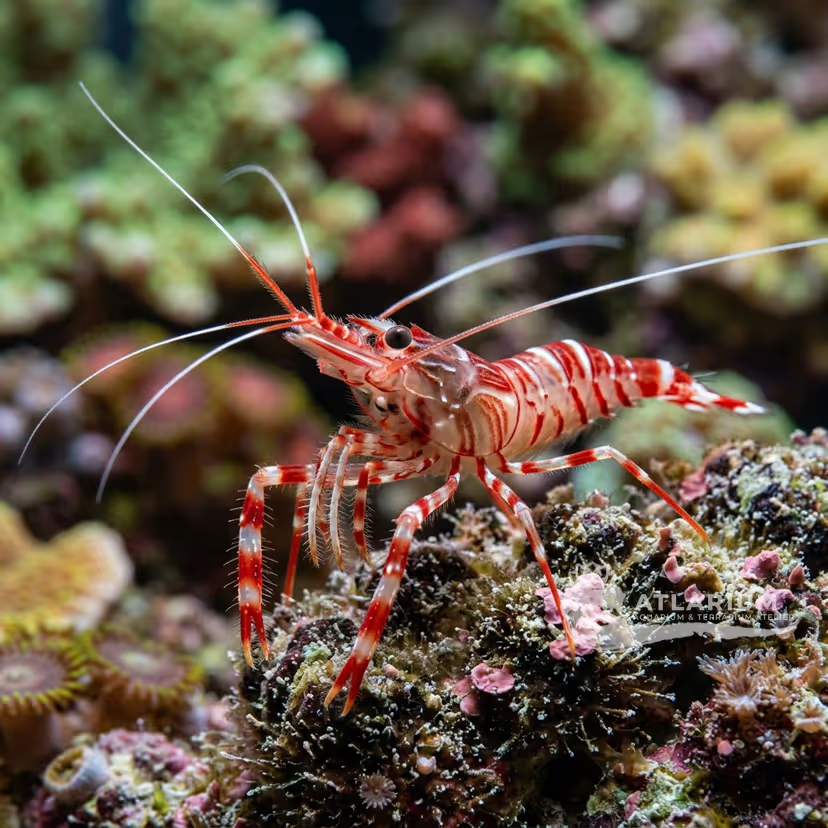
Anker's Cleaner Shrimp
Lysmata ankeri

Blood-spotted Hermit Crab
Clibanarius cruentatus
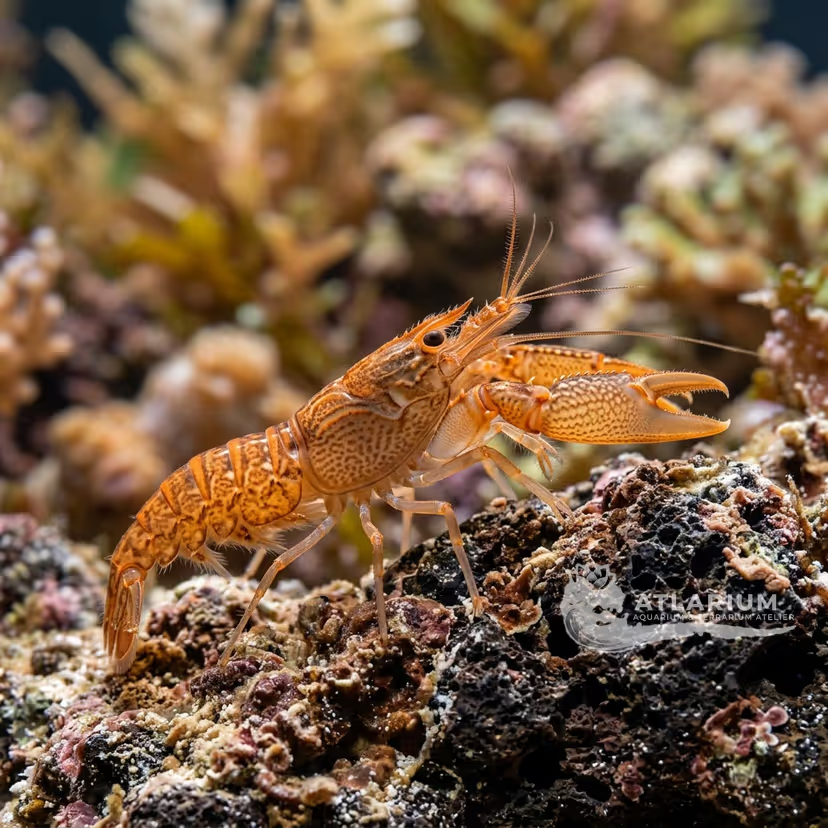
Bouvier's snapping shrimp
Alpheus bouvieri

Camel shrimp
Rhynchocinetes durbanensis

Chapin's Hermit Crab
Clibanarius chapini
Similar care
Cards with similar requirements, difficulty, habitat, and husbandry profile.
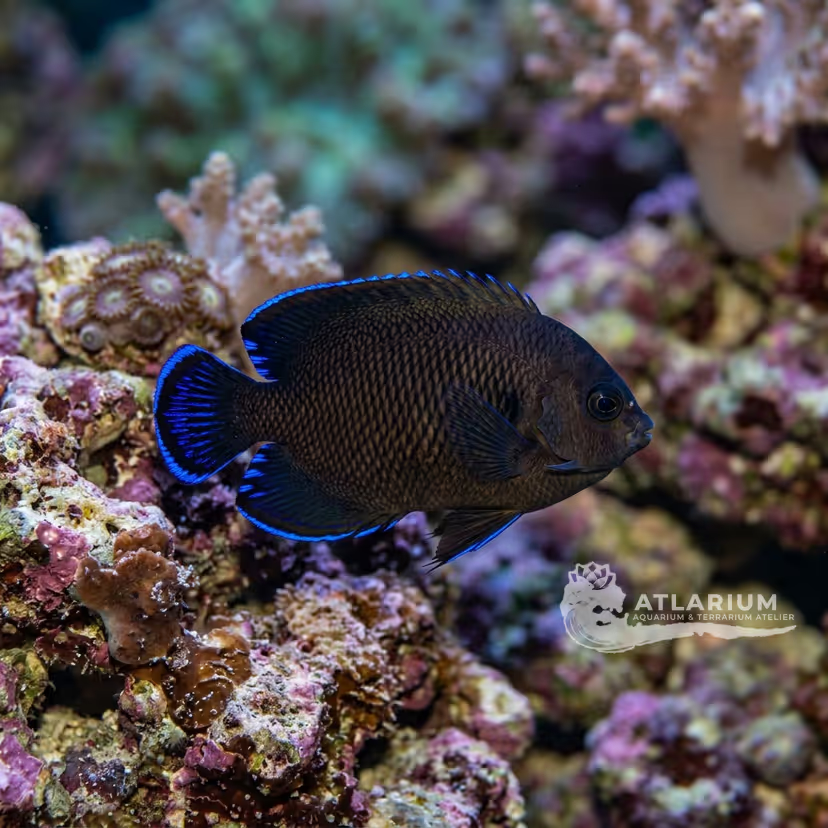
Dusky Angelfish
Centropyge multispinis
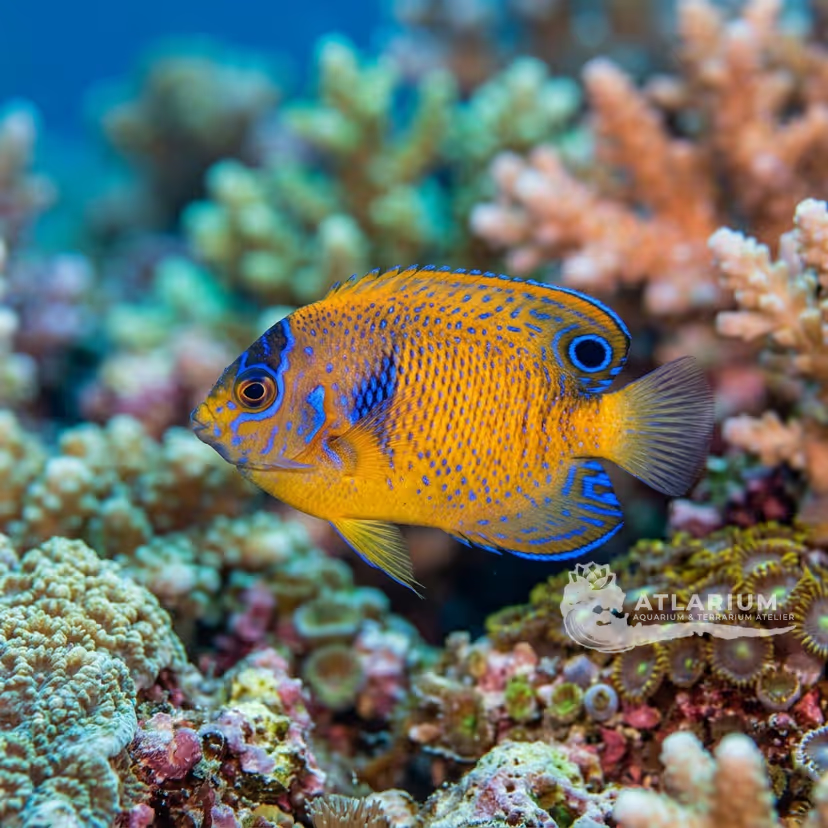
Japanese Pygmy Angelfish
Centropyge interrupta
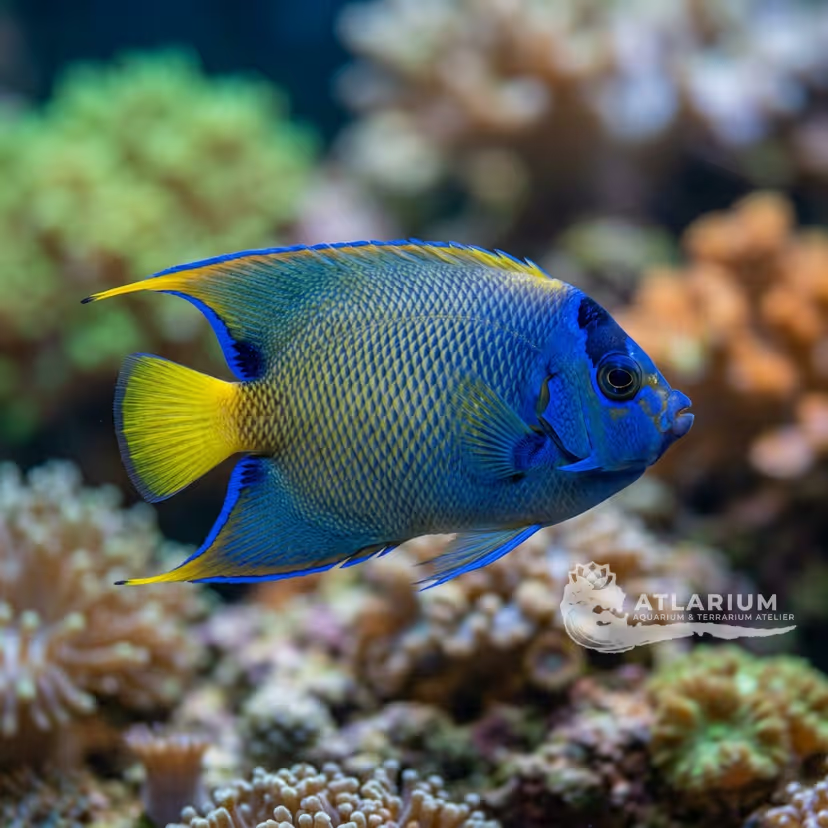
Blue Angelfish
Holacanthus bermudensis

Passer Angelfish
Holacanthus passer

Debelius' angelfish
Centropyge debelius
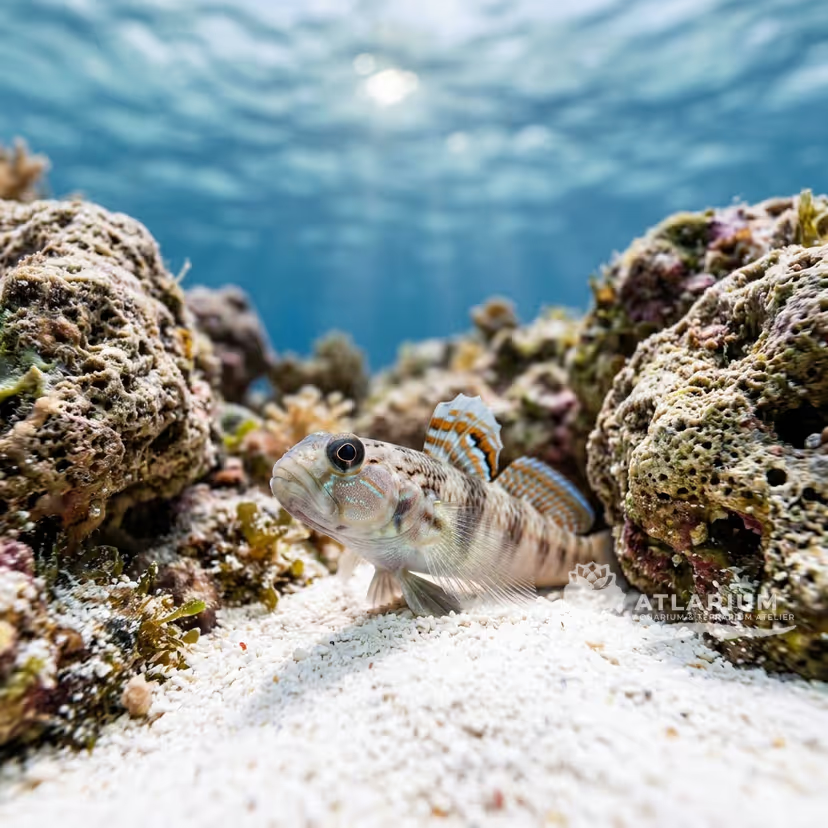
Downing's Shrimpgoby
Amblyeleotris downingi
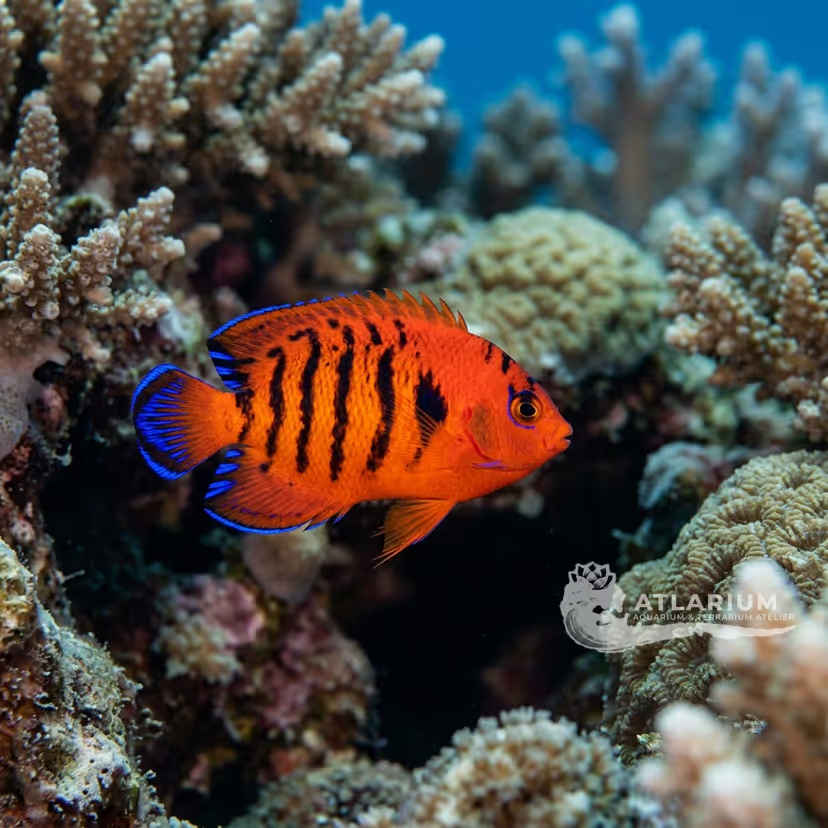
Shepard's angelfish
Centropyge shepardi

Royal Dottyback
Pictichromis paccagnellae
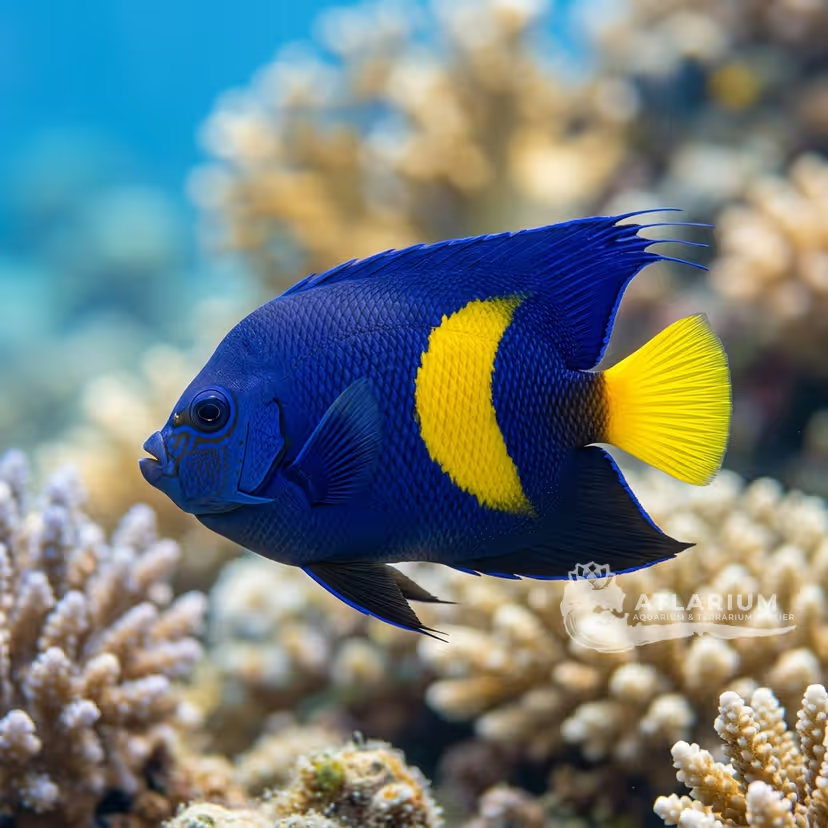
Asfur angelfish
Pomacanthus asfur

Black-axil Chromis
Chromis atripectoralis
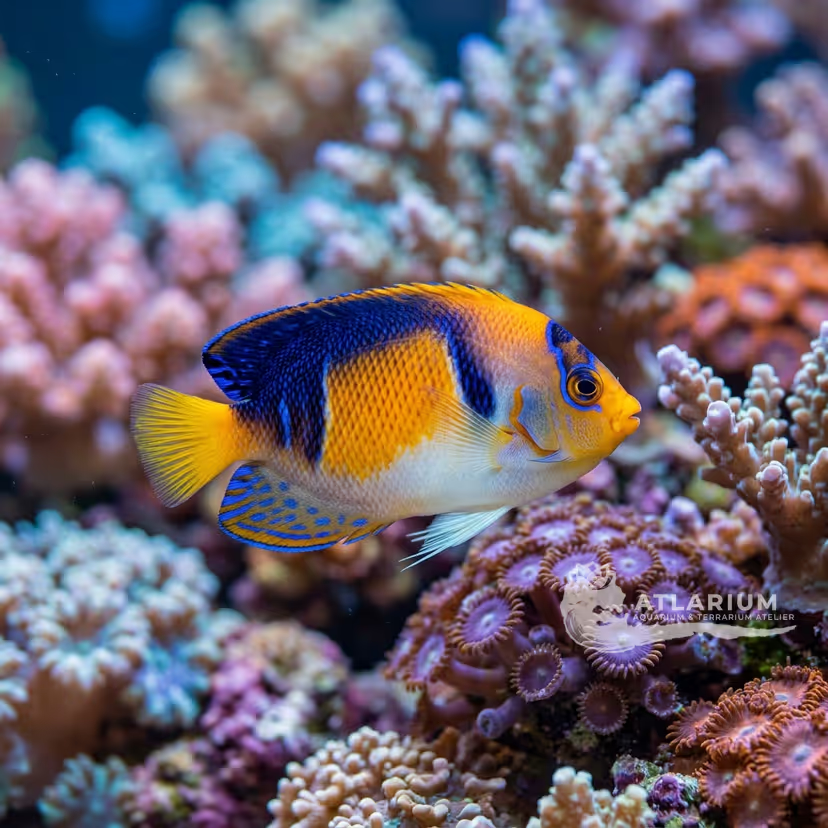
Multicolor Angelfish
Centropyge multicolor

Blue Chromis
Chromis cyanea
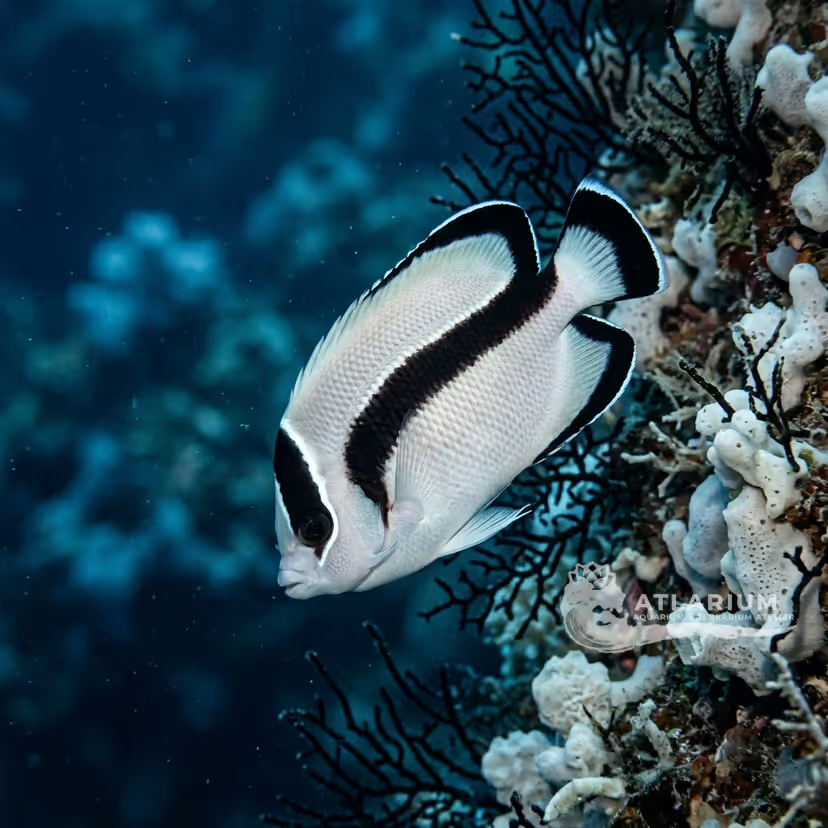
Bandit Angelfish
Apolemichthys arcuatus
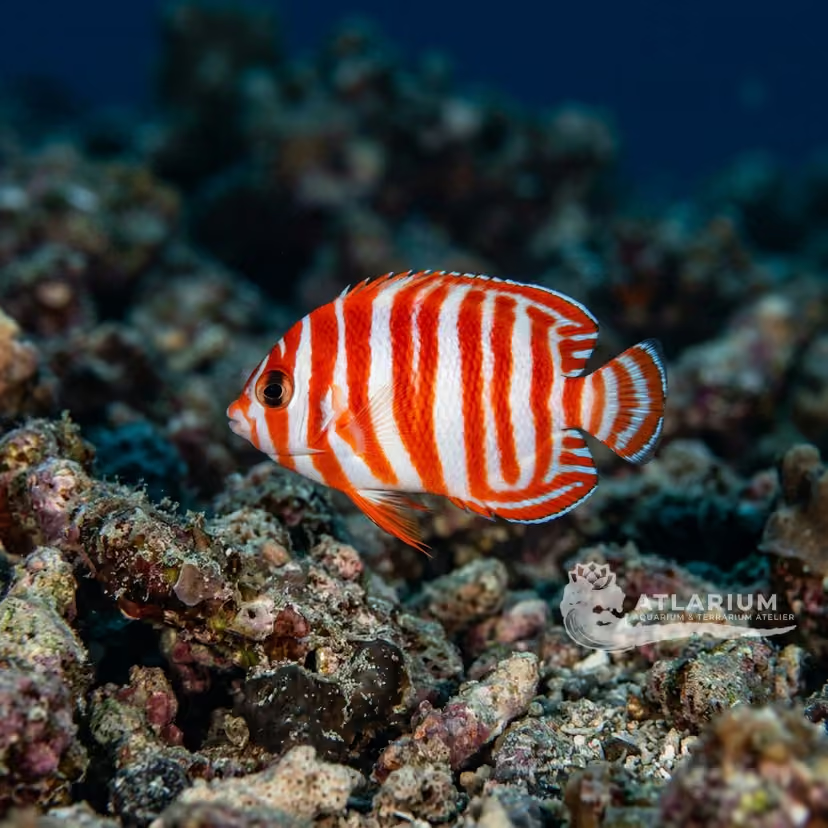
Peppermint Angelfish
Centropyge boylei
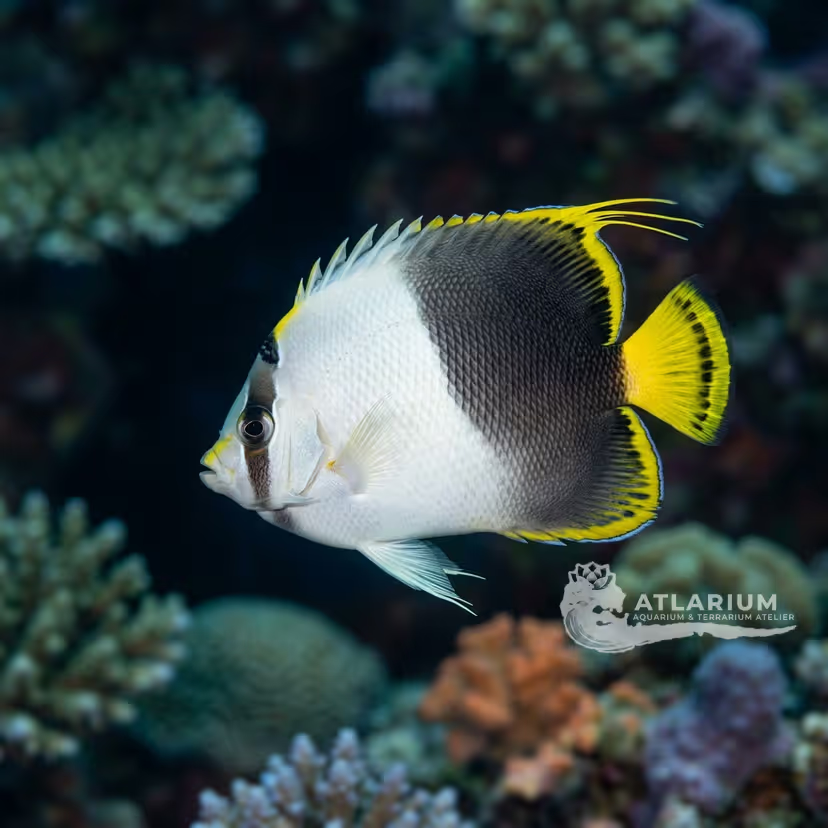
Singapore Angelfish
Chaetodontoplus mesoleucus

Blue assessor
Assessor macneilli