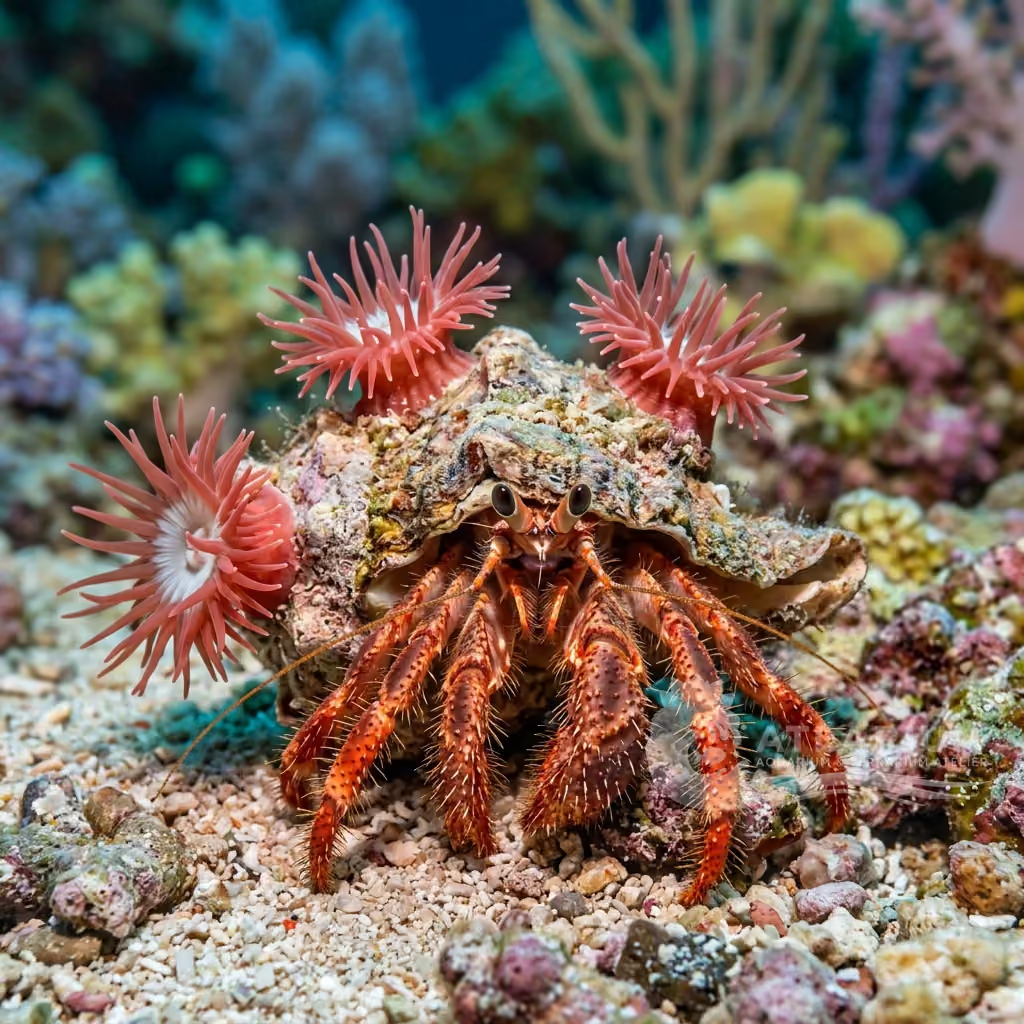
Boxer Crab
Lybia plumosa
The Boxer Crab is famous for wielding tiny anemones in its claws for defense and food gathering. This shy, miniature marvel is 100% reef-safe and perfect for peaceful nano aquariums.
Water Temperature
22 - 28 °C
pH Value
8.1 - 8.4
Water type
Marine
Invertebrate type
Marine crab
Adult size
2.5 cm
Minimum group
>= 1
Ecological role
Scavenger
Copper sensitivity
High

Species description
Geographical Origin and Habitat: Lybia plumosa is widely distributed throughout the tropical waters of the Indo-Pacific region. It is commonly found among coral rubble, crevices in live rocks, under stones, and in shallow sandy flats of intertidal and subtidal zones at depths of 1 to 15 meters, preferring areas sheltered from strong wave action.
Taxonomy: Belonging to the family Xanthidae. It is a tiny crab species, with adults rarely exceeding 1.5 cm in carapace width. Its chelipeds (claws) are highly modified with specialized, inward-pointing denticles designed specifically to hold and carry small stinging sea anemones, typically from the genus *Bunodeopsis* or *Triactis*.
Social Behavior: It is a shy, peaceful, and cryptic species that spends most of the day hiding under rocks. When threatened by a predator, it waves its claws, presenting the stinging anemones like boxing gloves to deter the attacker. This is one of the most famous examples of obligate mutualism in the ocean.
Coloration and Sexual Dimorphism: The body features a light brown, cream, or pinkish background color, decorated with a distinct mosaic pattern of thin dark lines. The walking legs are banded. The anemones held in its claws are translucent white or light pink. Gravid females carry a conspicuous orange egg mass beneath their abdomen.

Care, breeding and tankmates
Tank Setup: Due to its tiny size, it is highly suited for nano-reef aquariums of at least 20 liters (5 gallons). The tank should be furnished with plenty of live rock arranged to create micro-crevices and caves where the crab can hide. A substrate of fine or medium coral sand is preferred.
Diet and Feeding: Omnivorous and detritivorous. It uses the tentacles of its anemones to mop up organic detritus, microalgae, and food particles from the sand and rock surfaces. In captivity, it feeds on leftovers, crushed flakes, sinking micro-pellets, and fine frozen foods like cyclops or baby brine shrimp.
Water Quality: Keep marine parameters stable: temperature 22-28 °C, pH 8.1-8.4, and salinity at SG 1.023-1.025. Proper levels of iodine and calcium are vital to support successful molting. It is highly sensitive to copper-based treatments, ammonia spikes, and rapid salinity drops.
Compatibility and Tankmates: 100% reef safe. It will not harm corals. Do not house with large, aggressive, or predatory fish (such as hawkfish, dottybacks, puffers, or large wrasses) that might prey on it or stress it into dropping its anemones. Best kept with small, passive species like gobies.
Aquarium Breeding: Breeding in home aquariums is extremely difficult. Mated females regularly carry orange egg masses under their abdomen until they hatch. The pelagic larvae require specialized rearing conditions and micro-phytoplankton food, and are typically lost to mechanical filtration.
Risks and Diseases: The primary risk is the loss of its symbiotic anemones due to stress or physical harassment. If it loses them, it may split a remaining anemone into two halves (which will clone) or find pest aiptasia anemones as replacements. It is highly vulnerable during its molt, requiring safe hiding spots.

Geographic origin and distribution
Lybia plumosa is widely distributed throughout the tropical waters of the Indo-Pacific region. It is commonly found among coral rubble, crevices in live rocks, under stones, and in shallow sandy flats of intertidal and subtidal zones at depths of 1 to 15 meters, preferring areas sheltered from strong wave action.
Origin
Tropical oceans and reefs

Invertebrate profile
- Diet
- Omnivore
- As a robust omnivore, Lybia plumosa actively searches for both plant matter and meaty food items. They consume detritus, algae, and any small leftover scraps of food provided to the tank. Sinking wafers and chopped seafood can supplement their daily scavenging.
- Ecological role
- Scavenger
- Lybia plumosa serves as a highly effective scavenger, breaking down larger pieces of organic waste. They aerate the substrate with their movement and control nuisance algae growth. Their constant activity maintains the health and cleanliness of the benthic zone.
- Adult size
- 2.5 cm
- Jump risk
- Yes
- Although they do not jump, Lybia plumosa possesses exceptional climbing abilities and a strong desire to explore. Many crabs can effortlessly climb up airlines, heater cords, or silicon edges. A secure top cover is absolutely essential to prevent escapes.
- Shock sensitivity
- Medium
- Lybia plumosa should be acclimated carefully to avoid the shock of rapidly changing water parameters. Wide fluctuations in salinity or temperature can compromise their immune systems or trigger premature molting. Consistency in water quality is paramount for their long-term health.
- Calcium and minerals
- High
- Sufficient calcium availability is an absolute requirement for Lybia plumosa to maintain its hard carapace. Poor calcium levels can cause incomplete molting and eventual death. Feeding calcium-enriched diets and keeping minerals in balance is vital for their exoskeleton strength.
- Molting
- Yes
- During molting, Lybia plumosa sheds its old shell to allow for growth and regeneration of lost limbs. It is entirely soft and defenseless during this process, requiring secure caves or crevices for hiding. The old molt should remain in the tank so the crab can recycle the calcium.
- Reproduction
- Oviparous
- Rearing Lybia plumosa in an aquarium is generally quite difficult due to their complicated larval phases. Females carry dense clusters of eggs on their abdomen before releasing them as planktonic zoea. These microscopic larvae usually require separate rearing vessels and very specific live foods.
- Compatibility & tankmates
- Peaceful
- Lybia plumosa is generally safe with fish that are too large to be eaten but too small to view the crab as prey. Certain predatory species of fish should be entirely avoided. Be cautious when keeping them with slower bottom-dwelling species which might be pinched.

Related species
Recommendations grouped by close relatives, companion choices, and similar care.