
Encyclopaedia
Blue assessor
Assessor macneilli
The blue assessor is a fascinating cave-dweller known to swim completely upside down. With its dark navy-blue body, this peaceful carnivore thrives in small reef tanks loaded with dark overhangs.
Share
Check out Blue assessor on Atlarium
22 - 27 °C
8.1 - 8.4
Marine
All levels
7 cm
>= 100 L
>= 1
8 - 12 dKH
Species description
Care, breeding and tankmates
Geographic Origin and Distribution
Origin
Fish profile
- Temperament
- Peaceful
- Diet
- Carnivore
- Sex ratio
- Group
- Feeding frequency
- Twice daily
- Bioload
- Assessors have a very low bioload. They are small and do not produce much waste. Perfect for smaller reef tanks.
- Flow
- Strong
- Jump risk
- Yes
- Reproduction
- Mouthbrooder
- Compatibility & tankmates
- Reef safe
- Tank level
- All levels
Window to the official scientific data of the species
Scientific Parameters & Models
- Trophic level
- 3.4 ± 0.2 se
- Resilience
- High (less than 15 months)
- Phylogenetic uniqueness (PD50)
- 0.625
- Bayesian Length-Weight
- a = 0.01047, b = 2.89
Image gallery
Licensed images linked to the species or, when marked, to the closest representative taxon.
Related species
Recommendations grouped by close relatives, companion choices, and similar care.
Variants and close relatives
Same atlas type, nearby scientific identity, genus, or family.


Recommended companions
Compatible cards from coherent ecosystems with matching parameters.
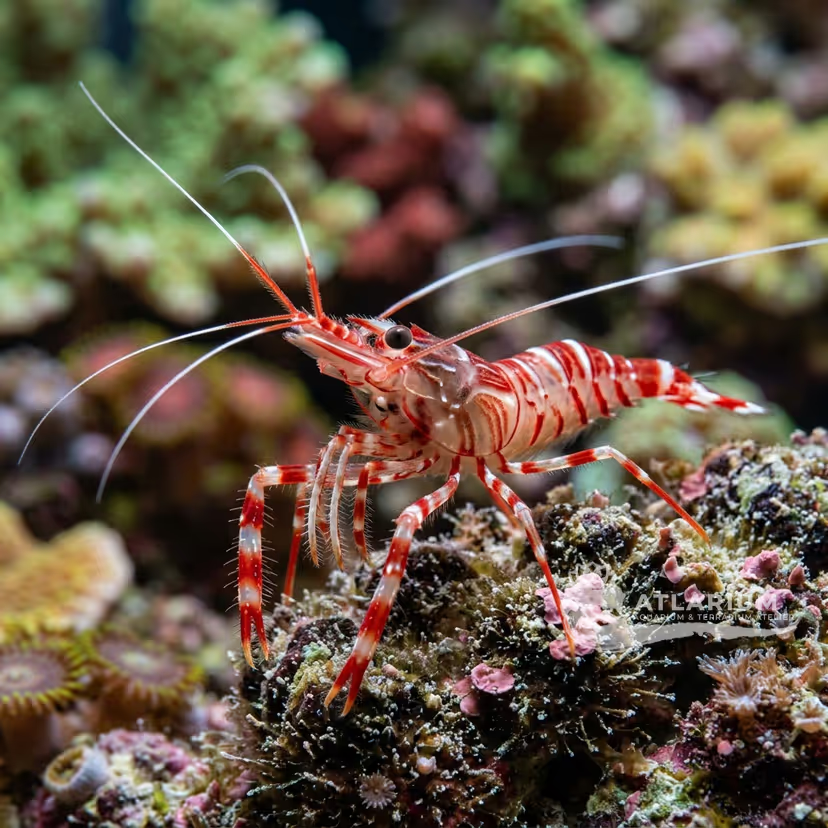
Anker's Cleaner Shrimp
Lysmata ankeri

Armed Snapping Shrimp
Alpheus armatus

Blood-spotted Hermit Crab
Clibanarius cruentatus
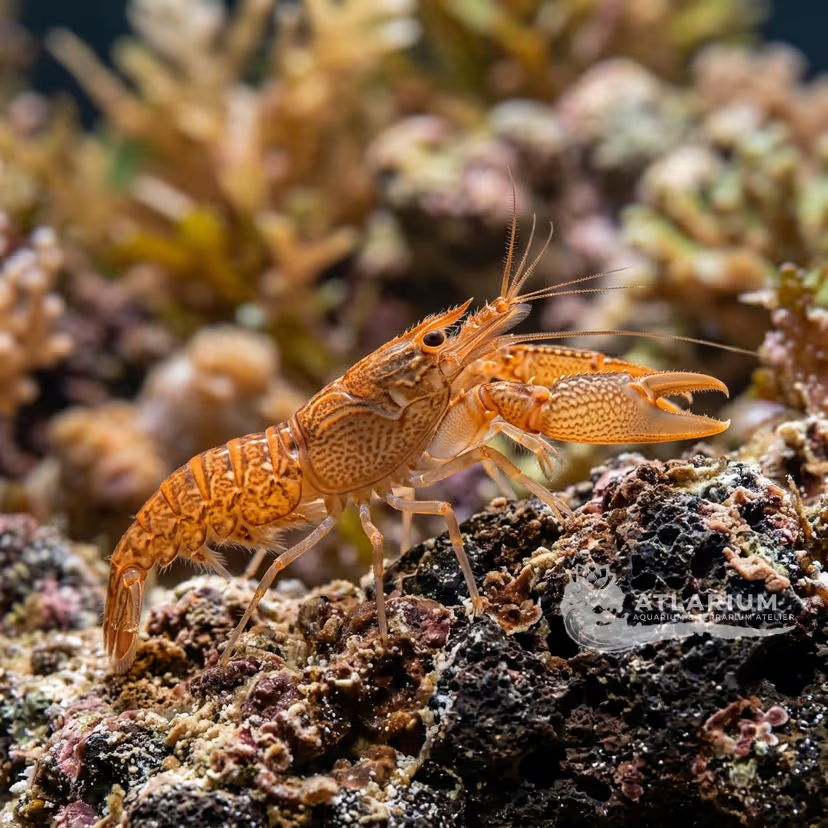
Bouvier's snapping shrimp
Alpheus bouvieri

Camel shrimp
Rhynchocinetes durbanensis

Chapin's Hermit Crab
Clibanarius chapini

Chocolate Chip Starfish
Protoreaster nodosus
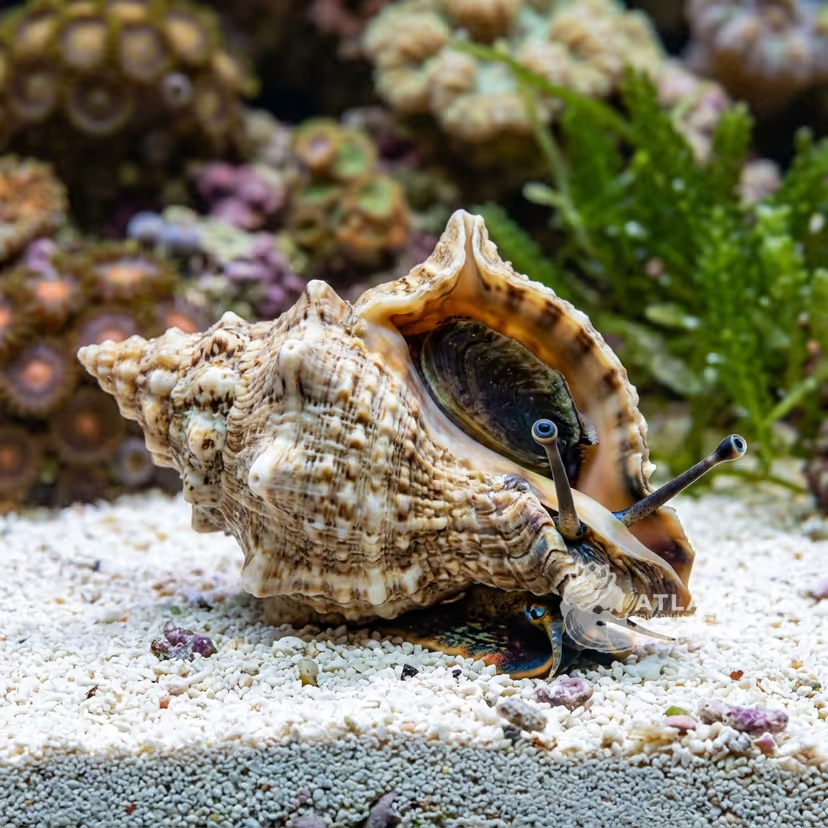
Florida Fighting Conch
Strombus alatus
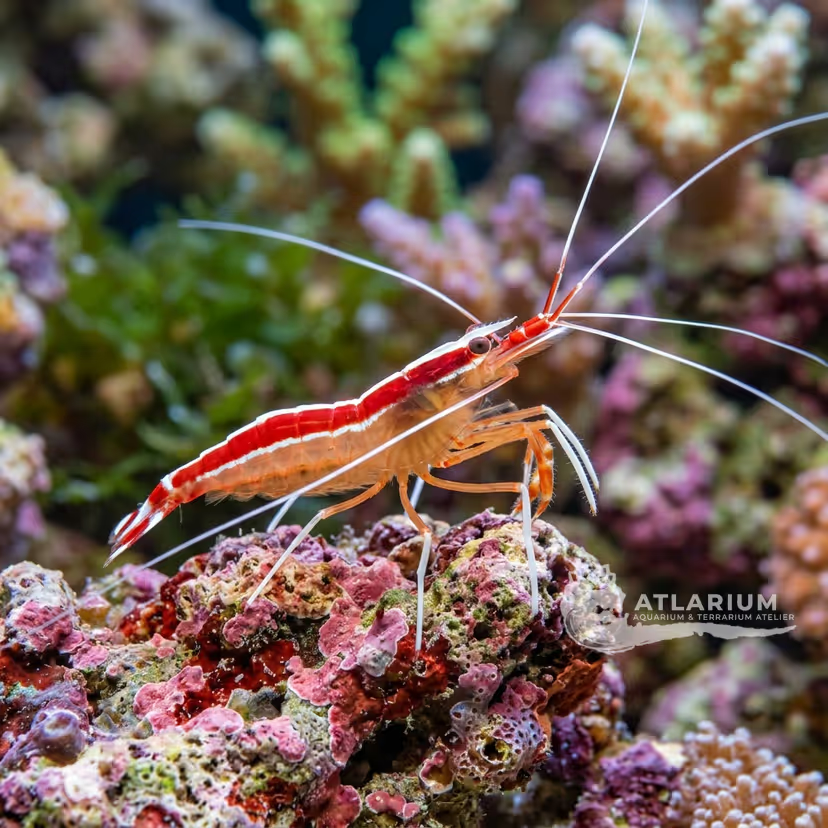
Grabham's cleaner shrimp
Lysmata grabhami

Green Sea Urchin
Lytechinus variegatus

Lipke's Cleaner Shrimp
Lysmata lipkei

Acorn dog whelk
Nassarius glans

Ambon Hermit Crab
Clibanarius ambonensis

Anchisteus Cleaner Shrimp
Lysmata anchisteus

Blue-eyed Hermit Crab
Clibanarius corallinus

Blue-legged Boxer Shrimp
Stenopus cyanoscelis
Similar care
Cards with similar requirements, difficulty, habitat, and husbandry profile.

Barber Goby
Elacatinus figaro

Royal Dottyback
Pictichromis paccagnellae
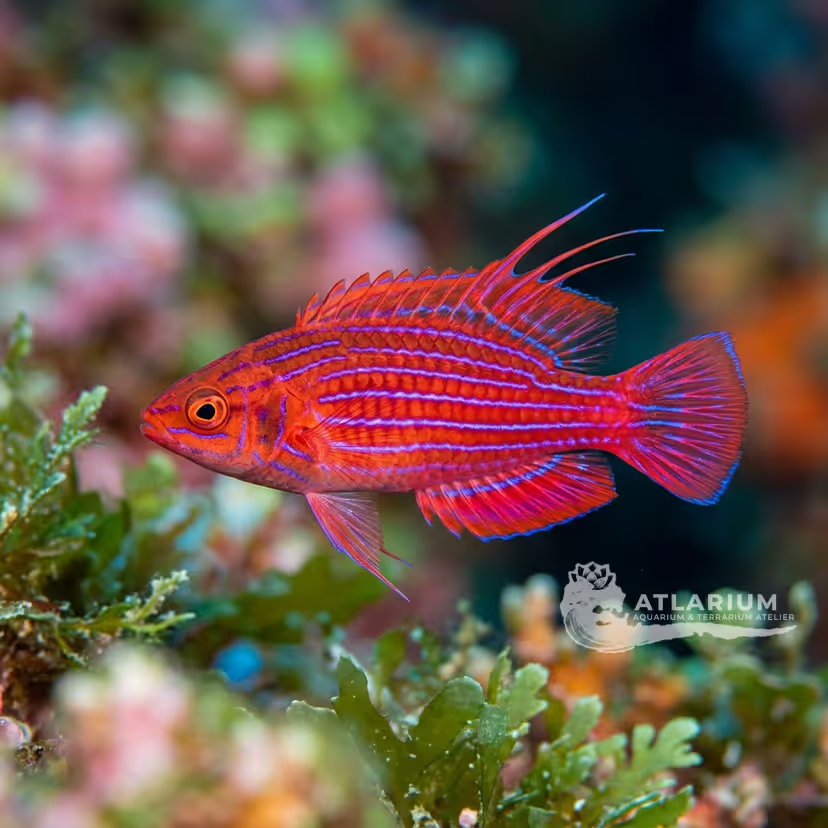
Eightline flasher wrasse
Paracheilinus octotaenia
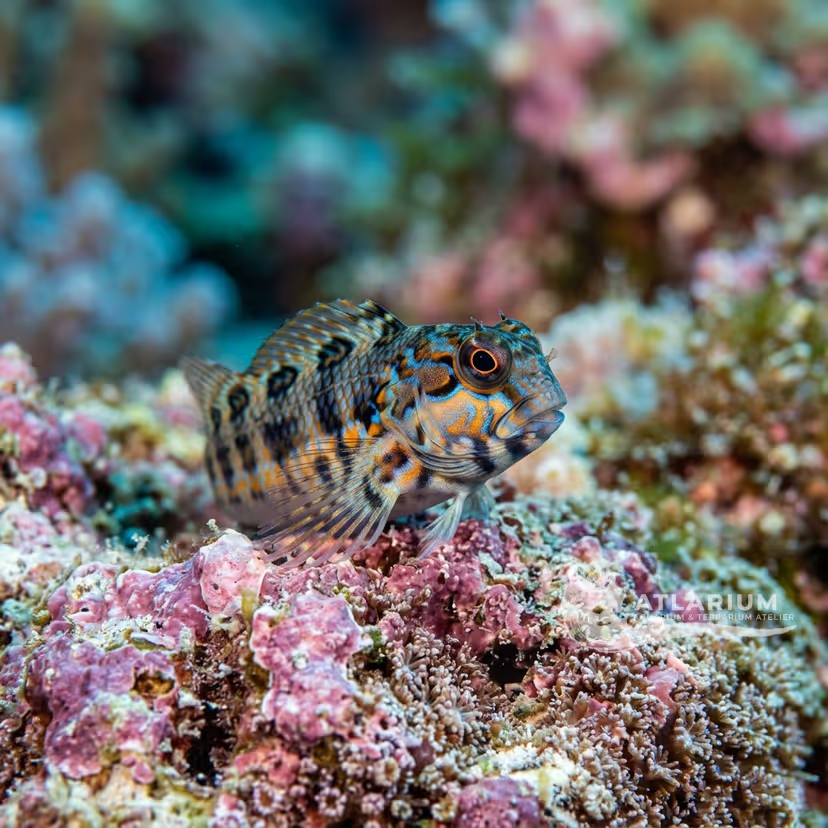
Allen's blenny
Ecsenius alleni
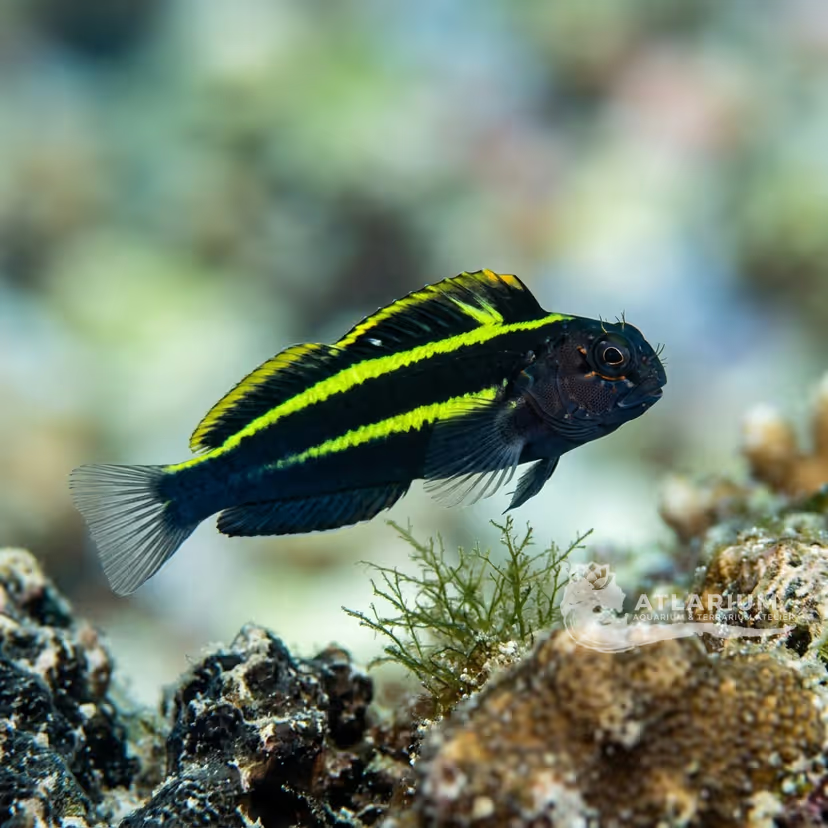
Bundoon blenny
Meiacanthus bundoon

Blue Dottyback
Pseudochromis

Beautiful-cheek shrimpgoby
Amblyeleotris callopareia

Butterfly wrasse
Halichoeres papilionaceus

Erdmann's dottyback
Pseudochromis erdmanni

Girdled goby
Priolepis cincta
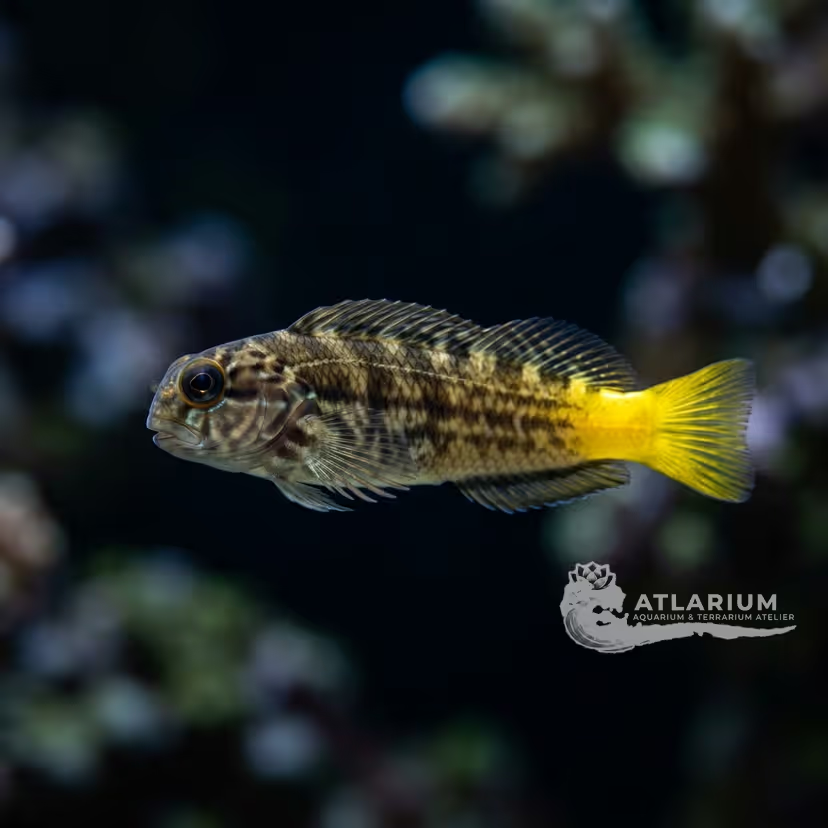
Black combtooth blenny
Ecsenius namiyei

Black-axil Chromis
Chromis atripectoralis
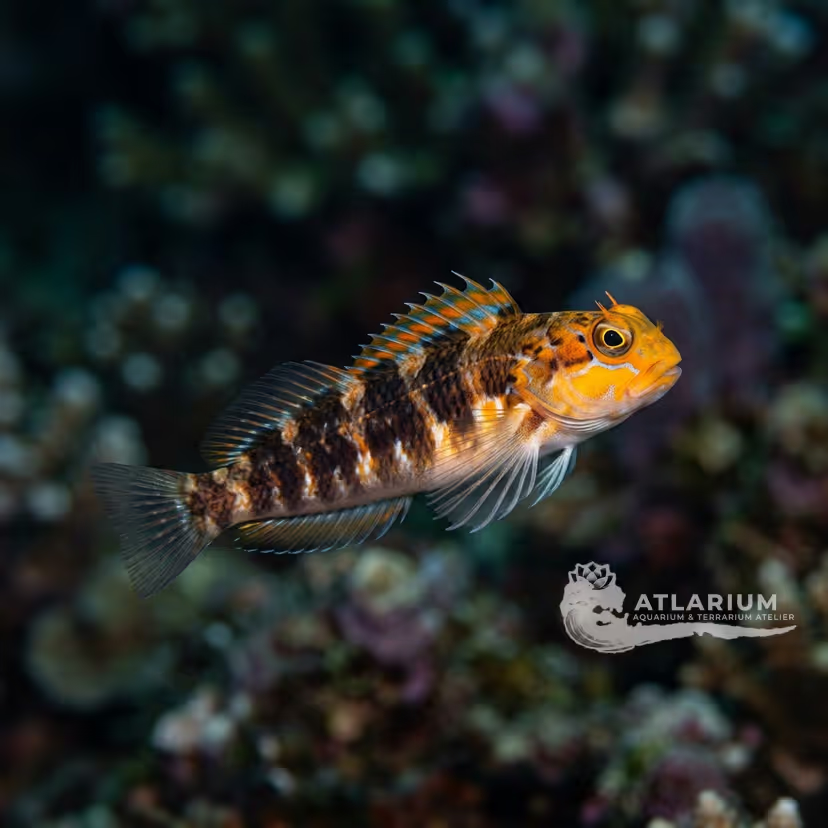
Yelloweye Combtooth Blenny
Ecsenius opsifrontalis

Five-lined Coral Goby
Gobiodon quinquestrigatus

Ambon Chromis
Chromis amboinensis
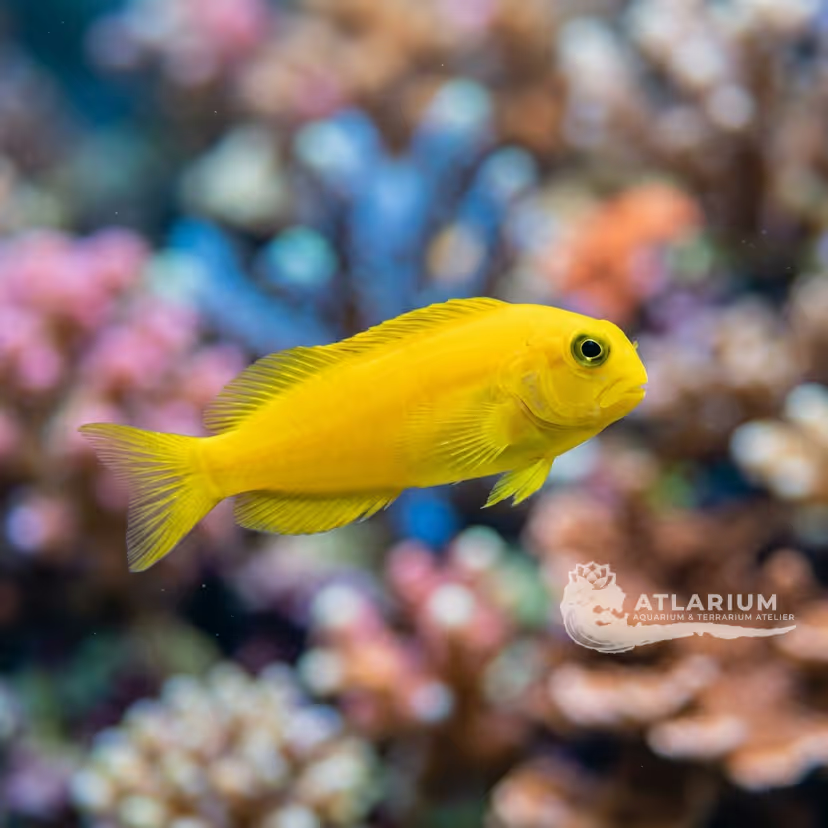
Canary fangblenny
Meiacanthus oualanensis