Girdled goby
Priolepis cincta
A small, cryptic marine goby perfect for nano-reefs, known for its dark vertical bands and unusual perching behavior in crevices.
Water Temperature
22 - 28 °C
pH Value
8 - 8.5
Water type
Marine
Tank level
Bottom
Adult size
7 cm
Minimum tank volume
>= 50 L
Minimum group
>= 1
KH
8 - 12 dKH

Species description
Geographical Origin and Habitat: Priolepis cincta is widely distributed throughout the tropical waters of the Indo-Pacific, ranging from the Red Sea and East Africa to the Hawaiian and Tuamotu islands, and north to southern Japan. It inhabits coral reefs and rocky shores, primarily dwelling in shaded environments such as deep caves, rock crevices, and beneath coral overhangs, at depths ranging from 2 to 30 meters. It lives in close contact with vertical walls and cave ceilings.
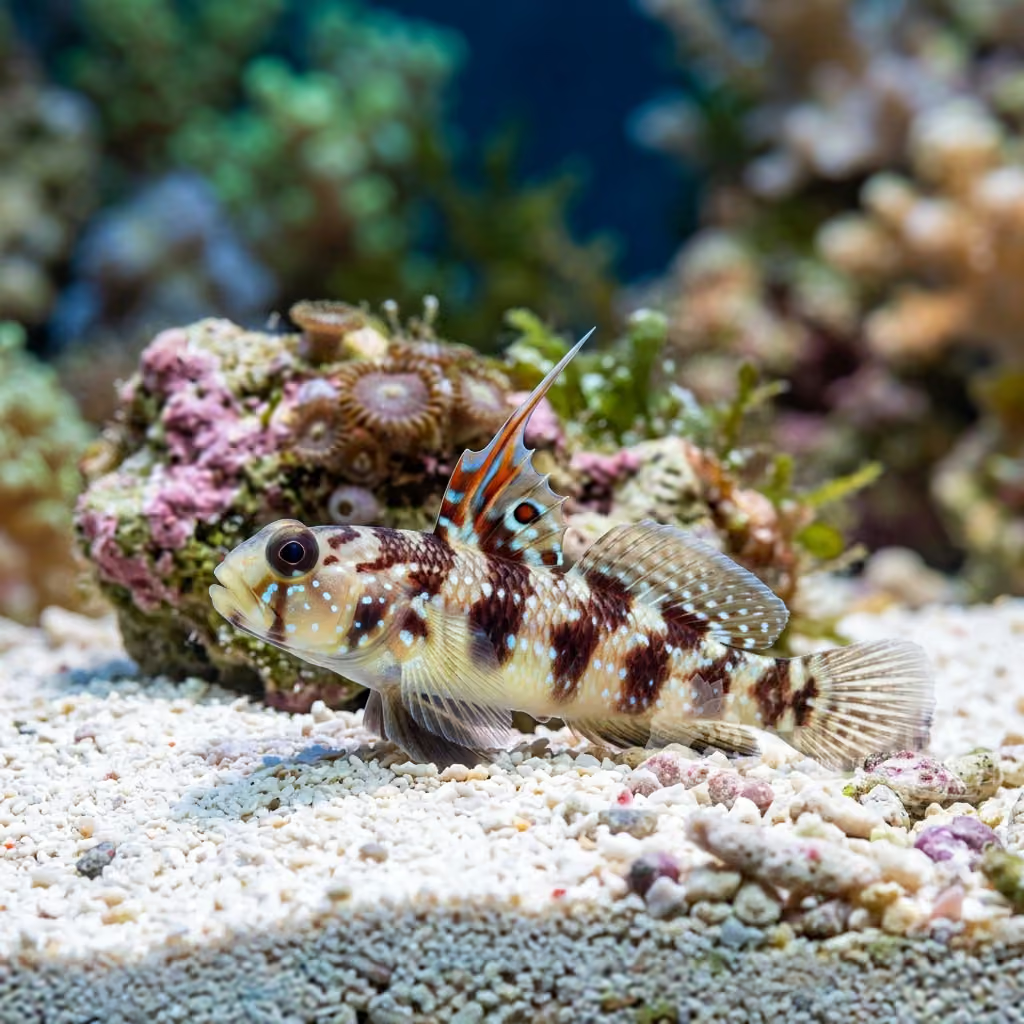
Taxonomy and Morphology: It belongs to the family Gobiidae and the genus Priolepis. It is a very small fish, rarely exceeding 4-5 cm in total length. It features a rounded head with large eyes set high and a wide mouth with small teeth. The pelvic fins are fused into a disc-like suction cup, which is a morphological adaptation that allows it to cling securely to vertical rock surfaces or even hang upside down from cave ceilings.
Social Behavior: This species is extremely cryptic and shy. It spends the majority of its life hidden inside micro-caves or cracks within the live rock, darting out only for a fraction of a second to capture passing food. It displays territorial behavior toward other gobies of its own species, but is completely peaceful toward all other tankmates. It is active mainly during crepuscular and nocturnal hours, though it acclimates to tank lighting.
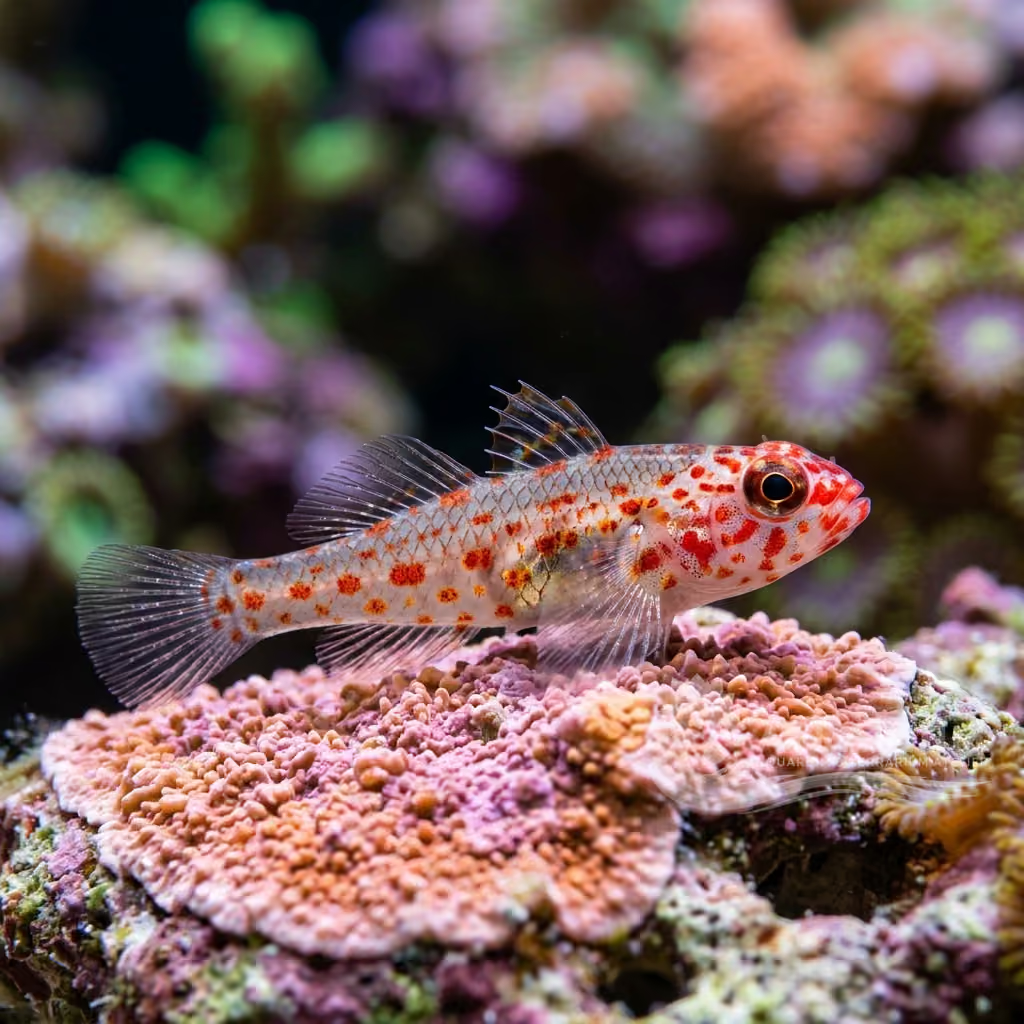
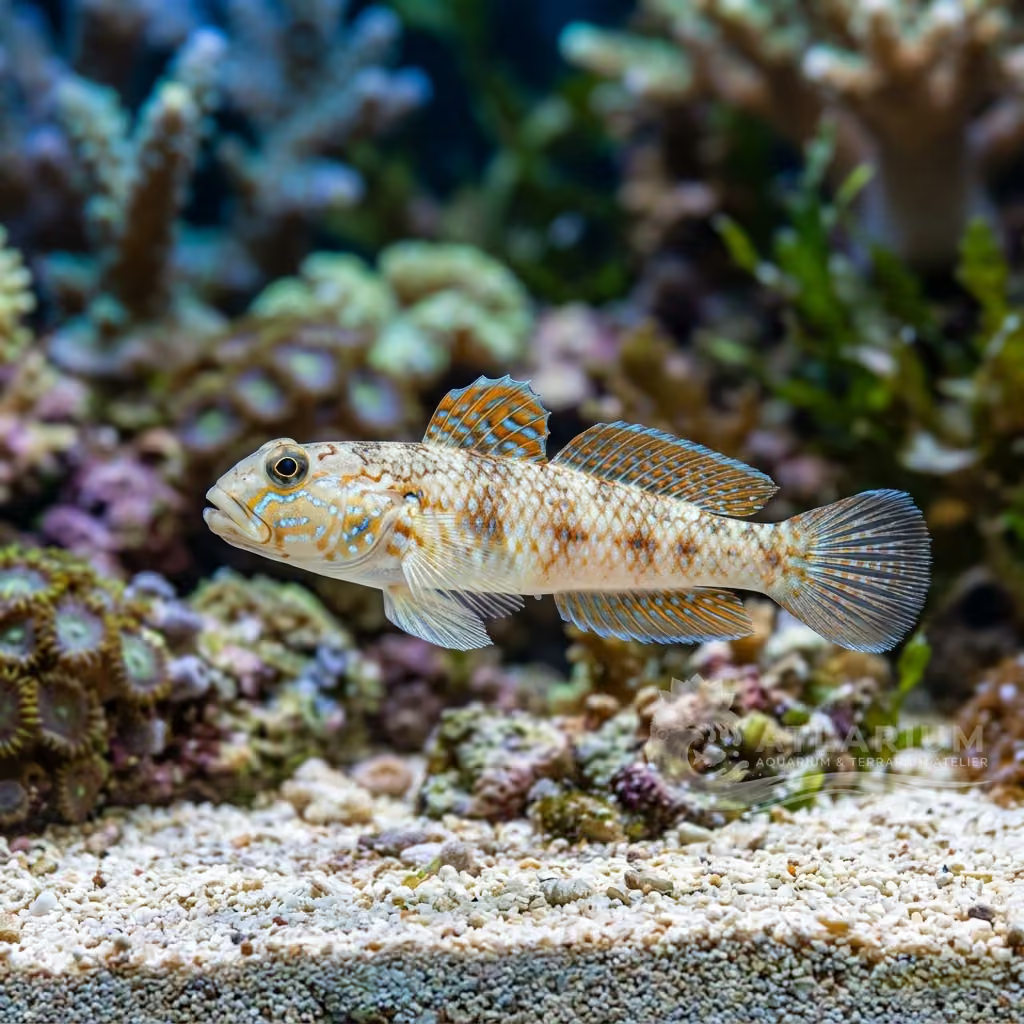
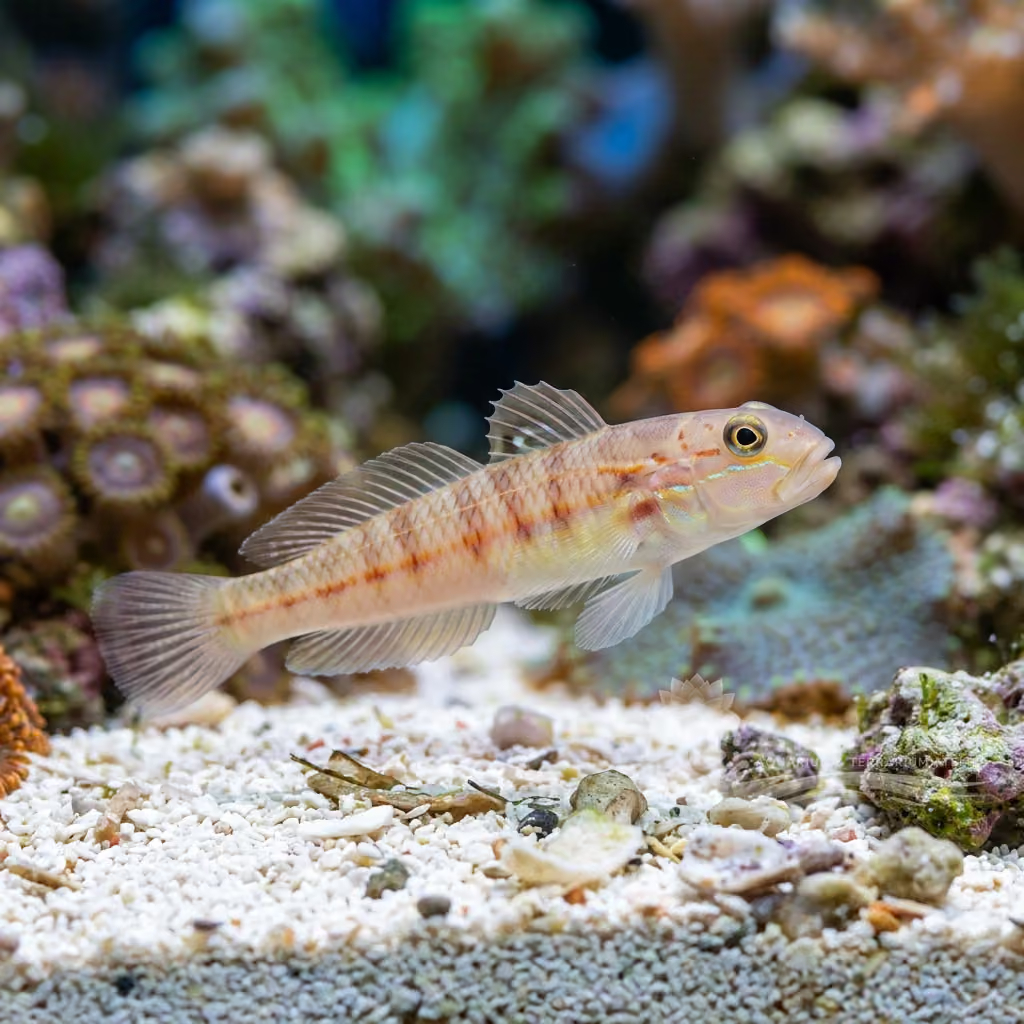
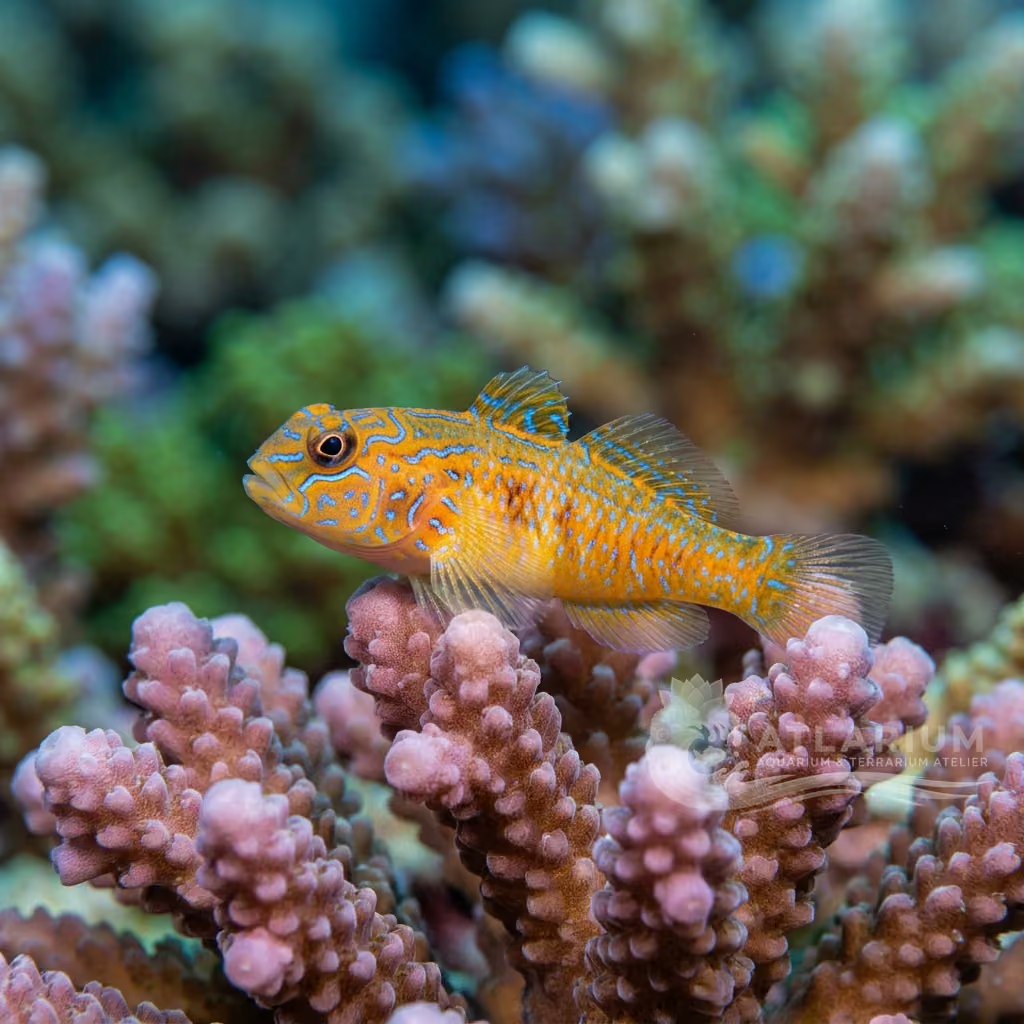
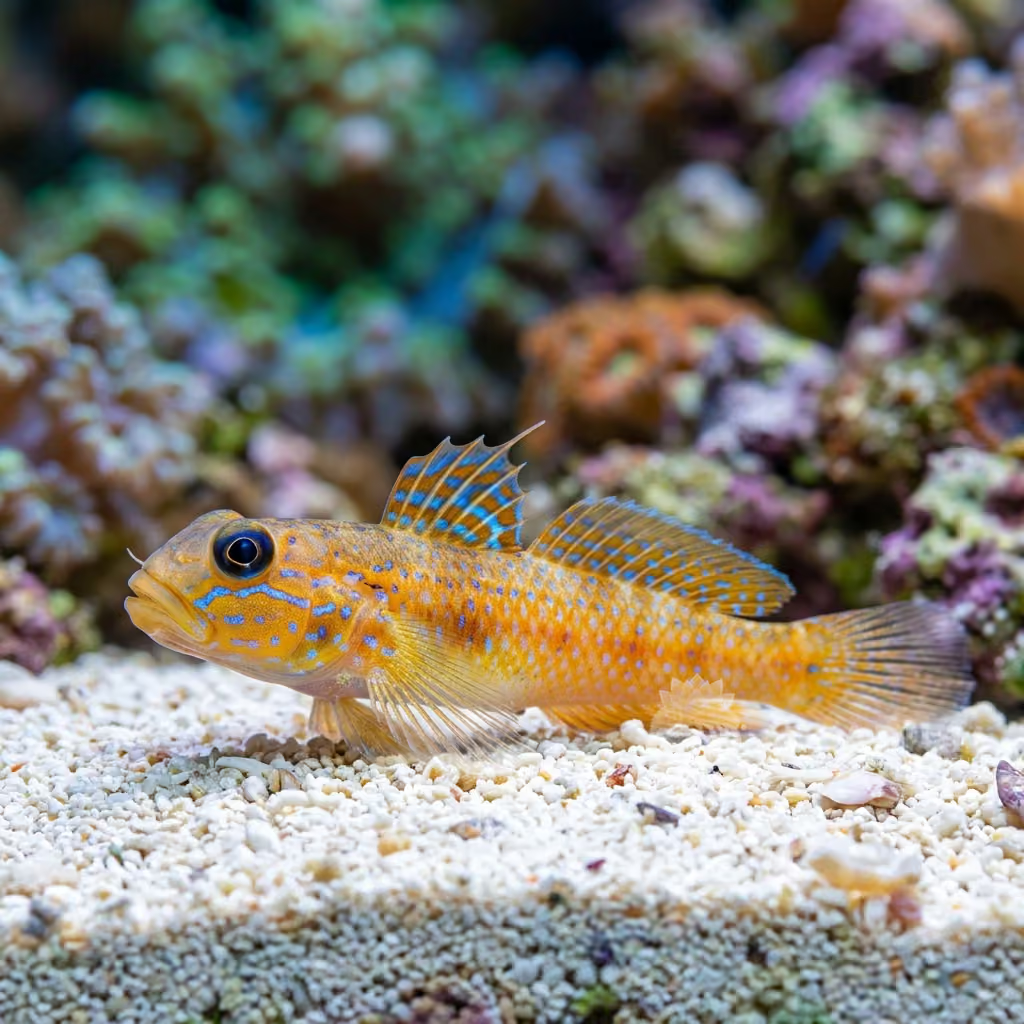
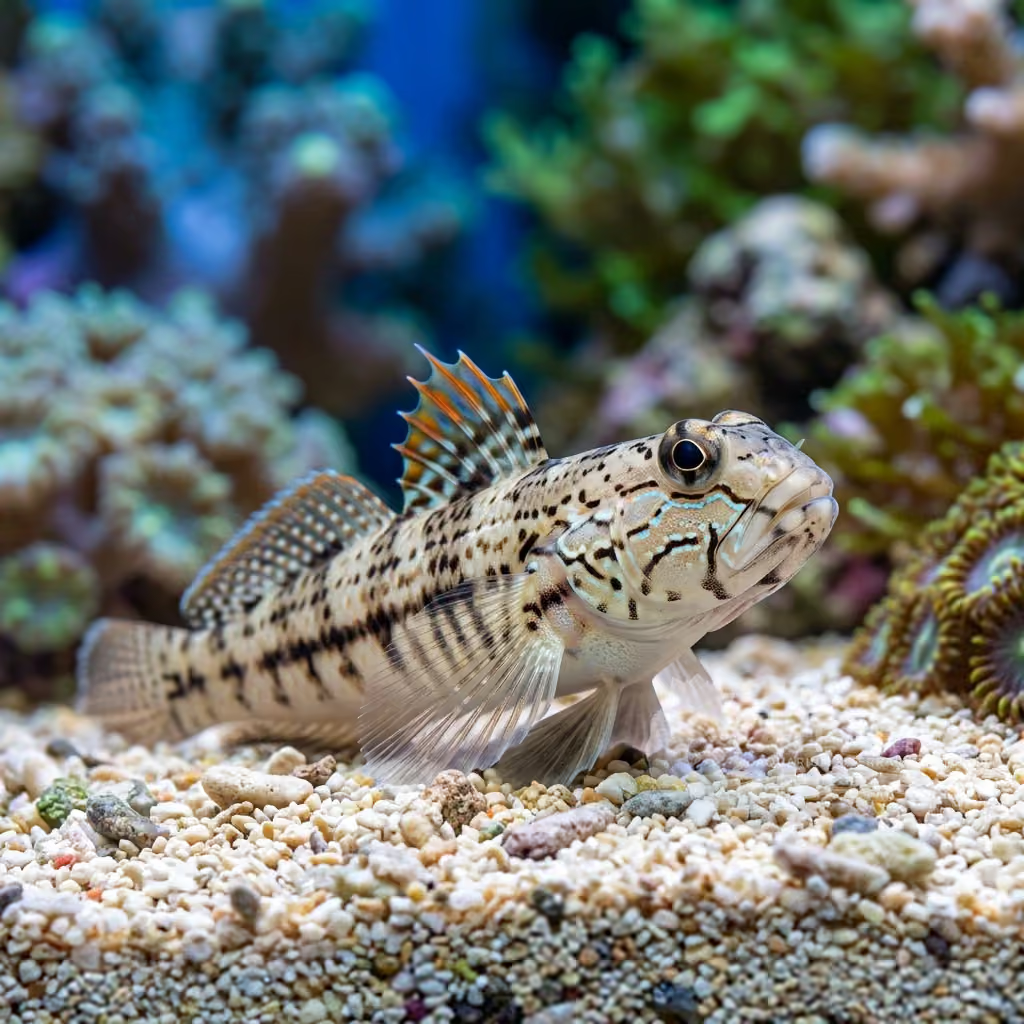
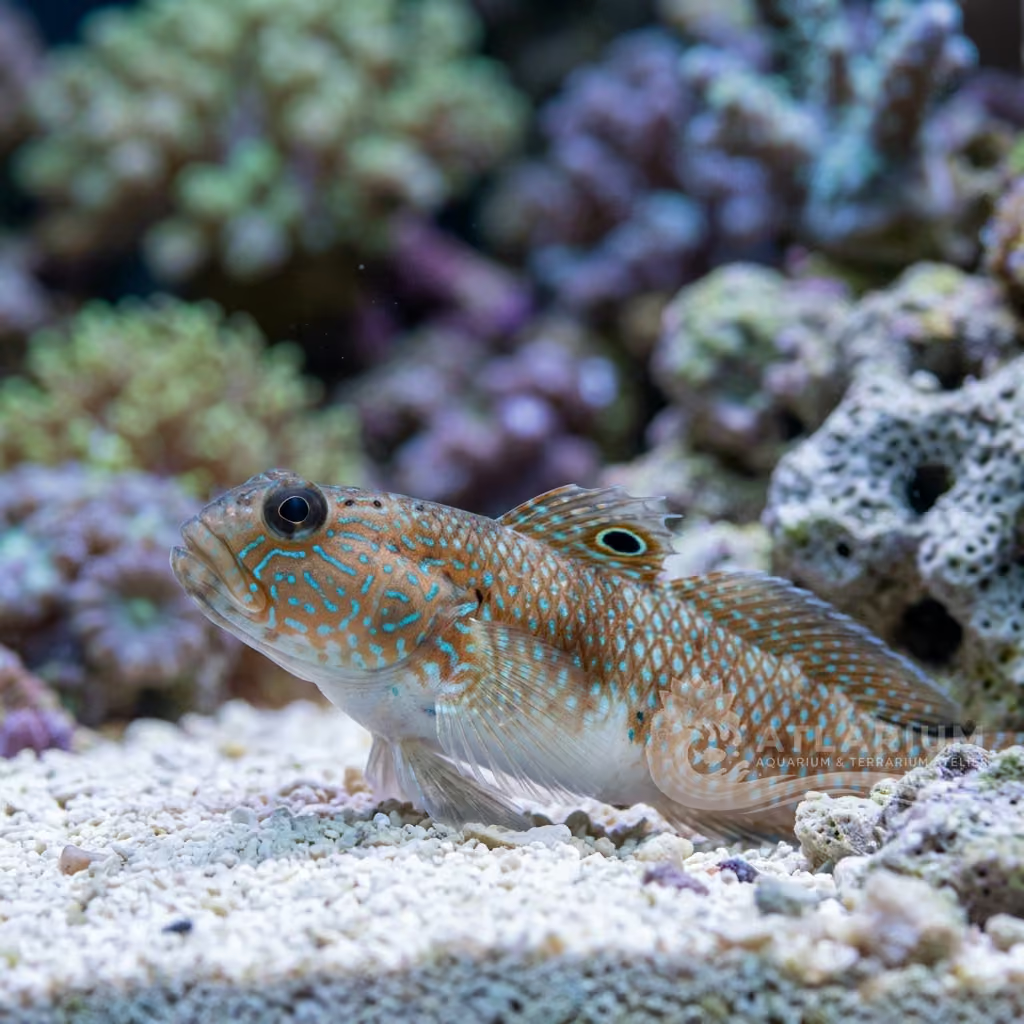
Coloration and Sexual Dimorphism: The body coloration ranges from light brown to yellowish, and is completely crossed by a series of dark vertical bands (dark brown or reddish-brown) bordered by thin, pale lines. This banding pattern provides excellent camouflage in shaded reef areas. There is no visible sexual dimorphism between males and females, making visual sexing virtually impossible.

Care, breeding and tankmates
Aquarium Setup: Due to its small size, this goby is exceptionally well-suited for nano-reef aquariums, with a minimum volume of 40-50 liters. The setup must include plenty of live rock arranged to create narrow caves, crevices, and overhangs where the fish can display its natural upside-down perching behavior. A substrate of fine sand or crushed coral is ideal for completing the natural habitat.
Diet and Feeding: It is a carnivore that feeds on micro-benthic invertebrates and zooplankton. In the aquarium, it easily accepts small frozen foods like copepods, brine shrimp, mysis, and chopped bloodworms. Over time, it can adapt to high-quality dry micro-pellets. Due to its shy nature, target feeding near its cave is highly recommended to prevent faster tankmates from outcompeting it for food.
Water Quality: Requires stable and clean water parameters: temperature 23-26 °C, pH 8.1-8.4, specific gravity 1.020-1.025, and KH 8-12. Although it is a relatively hardy goby, it is sensitive to high levels of nitrates and phosphates, making regular water changes and efficient filtration necessary to maintain optimal water quality.
Compatibility and Cohabitation: This species is 100% reef-safe and will not damage hard or soft corals, clams, or ornamental invertebrates. It is a peaceful community fish that can be kept with other small community species such as clownfish, gobies of other genera, and small wrasses. Avoid keeping it with large predatory fish that could easily swallow it.
Aquarium Breeding: Breeding in captivity is extremely rare and difficult. They are demersal spawners: the female lays adhesive eggs inside a rock crevice or on the ceiling of a micro-cave, which are then fertilized by the male. The male guards the nest until they hatch. The pelagic larvae are tiny and require specialized live foods like rotifers for rearing.
Risks and Diseases: The primary risk is starvation if housed with active, fast-feeding fish that consume all the food before the goby can venture out to eat. It is also prone to jumping out of the tank when startled, so a covered aquarium is essential. It has average resistance to common marine parasites, provided stress levels are kept low.

Geographic origin and distribution
Priolepis cincta is widely distributed throughout the tropical waters of the Indo-Pacific, ranging from the Red Sea and East Africa to the Hawaiian and Tuamotu islands, and north to southern Japan. It inhabits coral reefs and rocky shores, primarily dwelling in shaded environments such as deep caves, rock crevices, and beneath coral overhangs, at depths ranging from 2 to 30 meters. It lives in close contact with vertical walls and cave ceilings.
Origin
Tropical oceans and reefsAfrica and MadagascarEast Asia

Fish profile
- Temperament
- Peaceful
- The Girdled Goby is an extremely peaceful, highly cryptic, and initially very skittish fish that relies on camouflage and hiding for defense. It is highly non-aggressive toward other tank inhabitants, preferring to retreat rapidly into the rockwork at the first sign of danger. Over time, in a completely peaceful environment, they will become bolder and perch visibly outside their burrows.
- Diet
- Carnivore
- In the wild, they are micro-predators that actively hunt for tiny crustaceans and zooplankton among the reef crevices. In captivity, they must be offered very small, meaty foods such as frozen cyclops, baby brine shrimp, and finely chopped mysis. Once fully acclimated, they may eventually accept high-quality, sinking micro-pellets designed for carnivores.
- Life expectancy
- 1-5 years
- Adult size
- 7 cm
- Sex ratio
- Flexible
- There are absolutely no visually obvious external differences to reliably determine the sex of the Girdled Goby. They are generally tolerant of their own kind if the aquarium provides a vast abundance of intricate rockwork and numerous hiding places. However, in small nano tanks, keeping a single specimen is strongly recommended to completely avoid fierce territorial squabbles.
- Feeding frequency
- Twice daily
- Due to their small stomachs and active, hovering nature, they should be fed small amounts at least twice daily. Target feeding with a pipette near their chosen crevice is often highly necessary to ensure they receive food before faster tank mates consume it all. Consistent feeding helps to gradually draw this shy species out into the open.
- Bioload
- Low to Medium
- The Girdled Goby is a very small, cryptic species that produces an exceptionally negligible bioload in the marine aquarium. They are easily supported by standard nano-reef filtration and standard live rock biological processing. Regular, minor water changes are perfectly adequate to maintain the high water quality they require for long-term health.
- Flow
- Strong
- They prefer moderate water flow that gently sweeps microscopic food particles past their chosen rocky outcrops. Extremely strong, turbulent flow can easily overpower them and force them to remain permanently hidden deep within the rockwork. A gentle, varied current provided by a controllable wavemaker creates the ideal foraging environment.
- Jump risk
- Yes
- Like virtually all small gobies, they are highly prone to jumping if startled by tank mates, sudden lighting changes, or during maintenance. A tightly fitting mesh lid or solid canopy is an absolute necessity to completely prevent fatal jumping incidents. Securing the tank strongly ensures their safety in smaller, more easily disturbed nano aquariums.
- Reproduction
- Rare / not documented
- Captive breeding of the Girdled Goby is extremely rare and severely undocumented in the home aquarium hobby. Like related gobies, they likely lay adhesive demersal eggs inside a small cave, heavily guarded by the male until hatching. Raising the extremely minute pelagic larvae would require highly specialized rotifer cultures and advanced rearing techniques.
- Compatibility & tankmates
- Peaceful
- This goby is highly peaceful, shy, and makes an absolutely excellent addition to a peaceful nano reef or gentle community tank. It should only be housed with other small, non-aggressive species like blennies, small cardinals, and peaceful dartfish. It must never be kept with predatory fish, large wrasses, or aggressive crabs that may easily hunt and consume it.
- Tank level
- Bottom
- This species strictly inhabits the lower levels of the aquarium, remaining strongly tied to the live rock and substrate. They spend the vast majority of their time perched upside down on cave ceilings or securely hovering just outside a rocky crevice. Abundant, complex rockwork with numerous small caves is absolutely critical for their psychological well-being.

Scientific Parameters & Models
FishBase
Window to the official scientific data of the species
FishBase v25.04Data synced on: 06/15/2026
- Trophic level
- 3.3 ± 0.3 se
- Resilience
- High (less than 15 months)
- Phylogenetic uniqueness (PD50)
- 0.5
- Bayesian Length-Weight
- a = 0.00871, b = 3.04
- VulnerabilityLow vulnerability (10 / 100)

Related species
Recommendations grouped by close relatives, companion choices, and similar care.