Encyclopaedia

FishMarineEasy
©AI Generated·Proprietary

Aurora Goby

Amblyeleotris aurora

The Aurora shrimpgoby lives in Indian Ocean sandy reefs, famously sharing a burrow in symbiosis with pistol shrimp. It acts as a lookout while the blind shrimp digs.

Taxonomy
Class:Actinopteri
Order:Perciformes
Family:Gobiidae
Subfamily:Gobiinae
Genus:Amblyeleotris
Species:Amblyeleotris aurora

Share

Check out Aurora Goby on Atlarium

PracticeRecognition quizzesPhotos, names, origins, and puzzles to review Atlas species.Open quizzes
Water Temperature

22 - 26 °C

pH Value

8 - 8.5

Water type

Marine

Tank level

Bottom

Adult size

11 cm

Minimum tank volume

>= 114 L

Minimum group

>= 1

KH

8 - 12 dKH

Species description

Geographical Origin and Habitat: Indian Ocean, distributed from East Africa to the Andaman Sea, including the Maldives. Lives in sheltered sandy areas near coral reefs at depths of 10 to 35 meters.
Taxonomy and Morphology: Belongs to the family Gobiidae. Reaches approximately 11 cm in length. Elongated and cylindrical body, expressive upward-facing eyes, and a broad mouth adapted for sifting sand.
Social Behavior: Peaceful and shy fish. Lives in symbiosis with pistol shrimp (primarily Alpheus randalli). The goby acts as a sentry outside the burrow, alerting the blind shrimp with rapid tail movements.
Coloration and Sexual Dimorphism: Spectacular pattern consisting of 5 vibrant pinkish-red vertical bars on a creamy-white background. The head features small red and golden spots. The caudal fin shows concentric colored rings. No sexual dimorphism.

Care, breeding and tankmates

Aquarium Setup: Requires a tank of at least 114 liters (30 gallons). A 5-8 cm deep bed of fine sand mixed with rubble is absolutely required to help the pistol shrimp construct stability in the tunnels.
Diet and Feeding: Carnivorous micropredator. Feed small frozen foods: mysis, brine shrimp, and chopped crustacean flesh. Target feeding with a pipette near the burrow may be needed initially.
Water Quality: Clean, stable water. pH 8.0-8.5, specific gravity 1.020-1.026, temperature 22-26°C (72-78°F). Very hardy once established in the tank.
Compatibility and Cohabitation: 100% reef-safe. Ideal companion for peaceful reef tanks. Avoid active, territorial, or large predatory tankmates that will scare it into constant hiding.
Aquarium Breeding: No successful captive breeding records. Spawning occurs in the burrow, but hatching and the pelagic larval stage are extremely difficult to manage.
Risks and Diseases: High jump risk: the tank must be strictly covered with a lid or jumping guard net. Very shy during the first few weeks.

Geographic Origin and Distribution

Indian Ocean, distributed from East Africa to the Andaman Sea, including the Maldives. Lives in sheltered sandy areas near coral reefs at depths of 10 to 35 meters.

Origin

Tropical oceans and reefsAfrica and MadagascarSouth and Southeast Asia

Fish profile

Temperament
Territorial
Amblyeleotris aurora is a peaceful and relatively shy goby that will not bother other reef inhabitants. It is entirely non-aggressive toward unrelated species and focuses its defensive behavior solely on protecting its immediate burrow from intruders. However, it can show strong territorial behavior toward conspecifics or other similar goby species sharing the same bottom space. When paired with a symbiotic pistol shrimp, it displays a fascinating, watchful behavior, acting as the eyes for its nearly blind crustacean partner.
Diet
Carnivore
This goby is a carnivore that requires a varied diet of small, meaty marine foods. In captivity, it should be offered high-quality frozen foods such as mysis shrimp, enriched brine shrimp, finely chopped krill, and other small crustaceans. Since they feed primarily on particles drifting near the bottom, target feeding with a pipette or baster near their burrow is highly recommended. Over time, they may also accept high-quality marine pellets or flake foods that sink to the substrate.
Life expectancy
5-8 years
Under optimal aquarium conditions and with proper care, Amblyeleotris aurora can live for 5 to 8 years. Providing a stable marine environment, a stress-free habitat, and a varied diet is crucial to achieving their maximum longevity. Additionally, keeping them alongside their symbiotic partner, the pistol shrimp, significantly enhances their sense of security and overall well-being. Regular water changes and maintaining correct salinity and temperature parameters also play a vital role in extending their lifespan.
Sex ratio
ONE_TO_ONE
In the home aquarium, Amblyeleotris aurora is best kept singly or as a verified, naturally mated pair. Housing multiple specimens of the same sex in a small tank will lead to territorial aggression and fighting over burrowing sites. If a larger aquarium is used, multiple individuals can be kept, provided there is enough space and sand for separate territories. When pairing, introducing a male and a female simultaneously is the safest approach to establish a stable bond.
Feeding frequency
Twice daily
To maintain its health and active behavior, Amblyeleotris aurora should be fed small portions two to three times a day. Because they have relatively high metabolisms and small stomachs, frequent feedings are much better than one large meal. Target feeding near their burrow entrance ensures they receive their share of food before faster, open-water swimmers can consume it. If kept with a symbiotic shrimp, they will often carry small pieces of food down into the burrow to share with their partner.
Bioload
Low
Amblyeleotris aurora is a small benthic marine goby that produces a very low biological waste footprint. Because it spends most of its time resting near the entrance of its sandy burrow, it does not require heavy biological filtration. However, maintaining a clean substrate and moderate filtration is essential to prevent the buildup of detritus around its home. A well-aerated system with a standard skimmer is typically more than sufficient for managing its waste.
Flow
Strong
This species prefers a moderate water flow that mimics its natural coastal reef and sandy flat habitats. While some water movement is necessary to carry suspended food particles toward its burrow, the flow near the substrate should not be so strong that it blows away the sand or prevents the goby from swimming comfortably. A gentle to moderate current allows the goby to hover easily outside its home without expending excessive energy. Proper flow also helps keep the sandy substrate clean and oxygenated.
Jump risk
Yes
Like many gobies, Amblyeleotris aurora presents a high risk of jumping out of the aquarium, especially when startled or first introduced. To prevent tragic escapes, a tight-fitting lid or a fine mesh cover is absolutely mandatory. Even minor openings around filtration pipes or cables should be carefully sealed, as these fish can slip through surprisingly small gaps. Providing plenty of hiding spots and a symbiotic pistol shrimp can help reduce their stress and lower the likelihood of jumping behavior.
Reproduction
Oviparous
Amblyeleotris aurora is an oviparous species that lays its eggs inside the safety of its underground burrow. Once spawning is complete, the male takes on the role of guarding and fanning the egg mass until they hatch. Hatching typically occurs during the night, releasing tiny planktonic larvae into the water column. Unfortunately, breeding this species in captivity is extremely difficult and rarely achieved by hobbyists due to the microscopic size of the larvae and their complex feeding requirements during the planktonic phase.
Compatibility & tankmates
Peaceful
This goby is highly compatible with peaceful reef fish such as firefish, small wrasses, dartfish, and peaceful cardinalfish. It should never be housed with large, predatory, or highly aggressive tank mates like groupers, lionfish, or aggressive dottybacks that might view it as food or harass it. It has an exceptional mutualistic compatibility with pistol shrimps of the genus Alpheus, particularly Alpheus randalli, which makes for a fascinating display. Avoid keeping it with other bottom-dwelling fish that might compete aggressively for the same burrowing sites.
Tank level
Bottom
This species is strictly benthic and spends its entire life on or very close to the aquarium substrate. It is almost always found at the bottom of the tank, hovering near the entrance of its burrow or retreat. While it may occasionally hover a few centimeters above the sand to catch passing food, it will quickly retreat downward at the slightest sign of danger. Consequently, the layout of the tank's lower zone, particularly the sand bed, is the most critical element of its habitat.

Window to the official scientific data of the species

Data synced on: 06/15/2026

Scientific Parameters & Models

Trophic level
3.3 ± 0.4 se
Resilience
High (less than 15 months)
Phylogenetic uniqueness (PD50)
0.5
Bayesian Length-Weight
a = 0.00741, b = 3.09
VulnerabilityLow vulnerability (10 / 100)

Image gallery

Licensed images linked to the species or, when marked, to the closest representative taxon.

Related species

Recommendations grouped by close relatives, companion choices, and similar care.

Variants and close relatives

Same atlas type, nearby scientific identity, genus, or family.

Wheeler's watchman goby

Wheeler's watchman goby

Amblyeleotris wheeleri

View details->
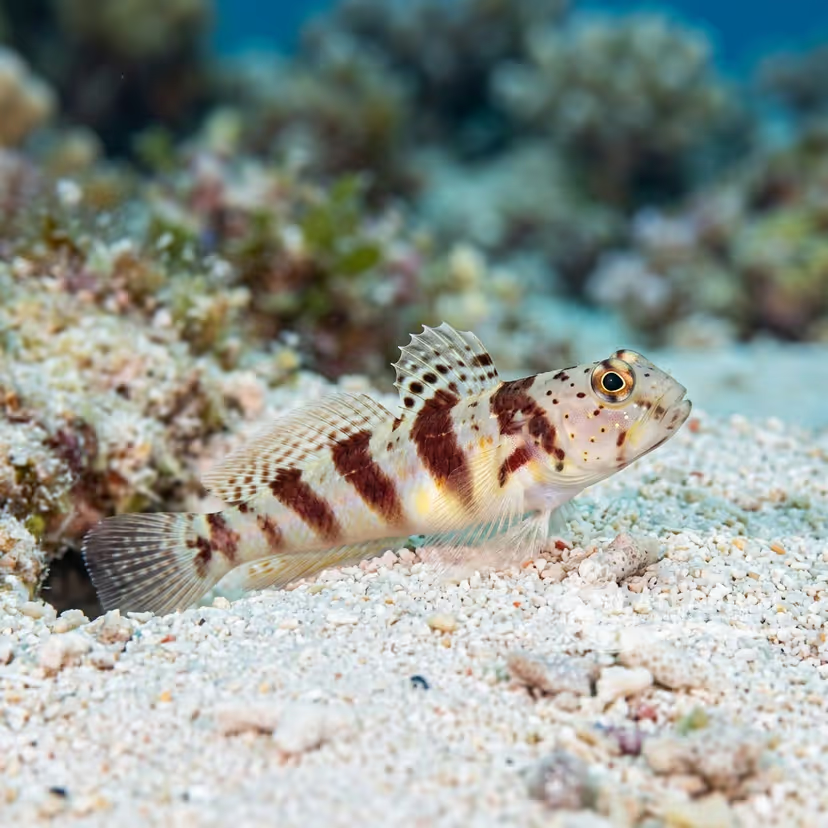
Banded-head Shrimpgoby

Banded-head Shrimpgoby

Amblyeleotris cephalotaenius
View details->
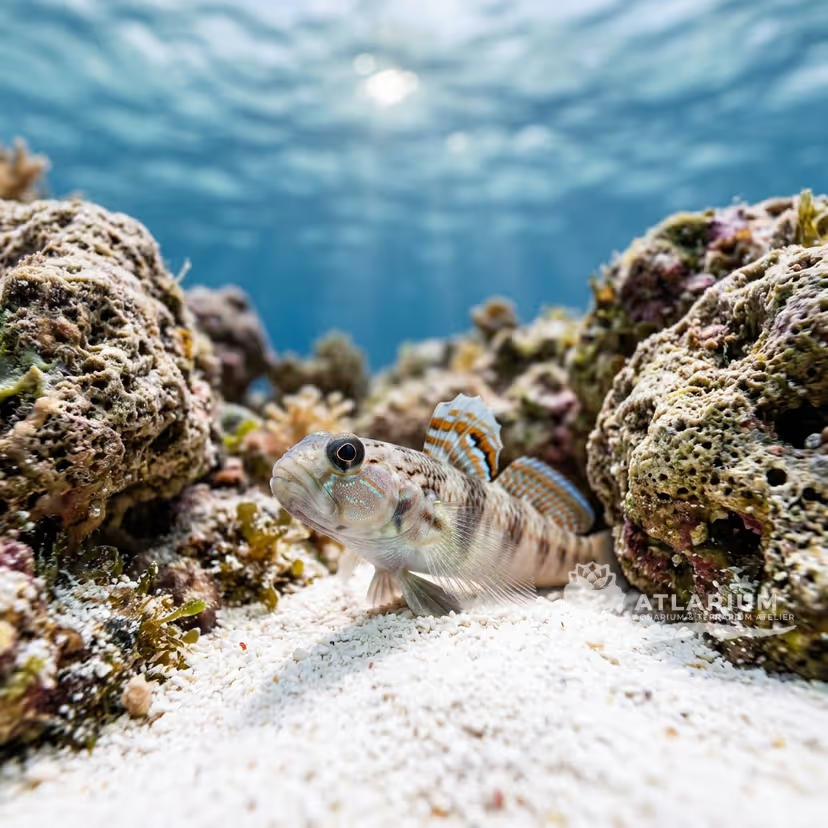
Diagonal-bar Shrimpgoby

Diagonal-bar Shrimpgoby

Amblyeleotris diagonalis
View details->
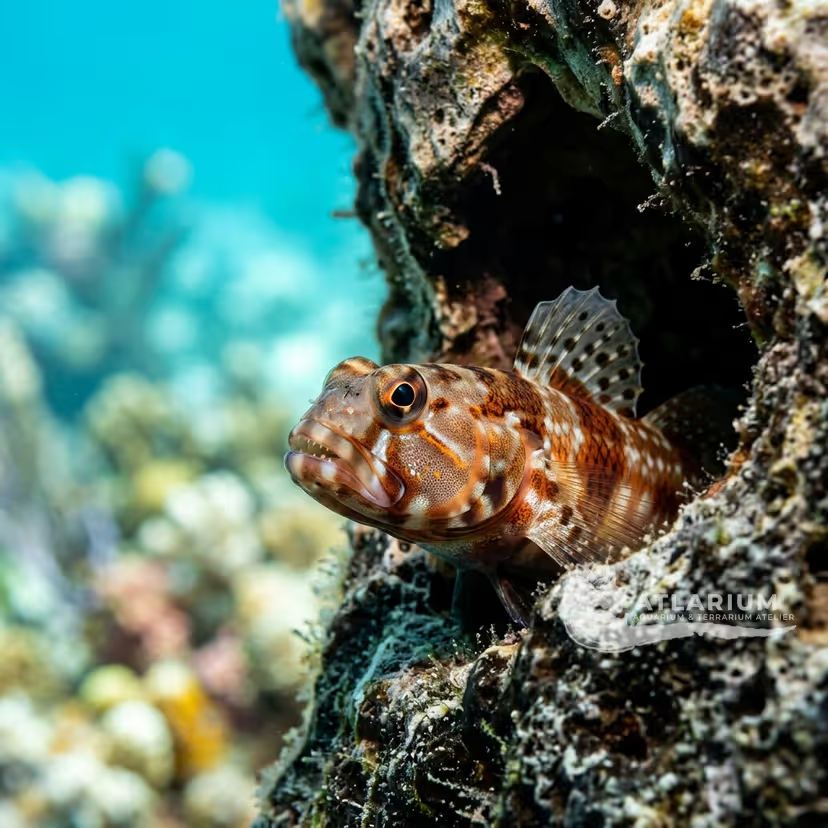
Downing's Shrimpgoby

Downing's Shrimpgoby

Amblyeleotris downingi
View details->
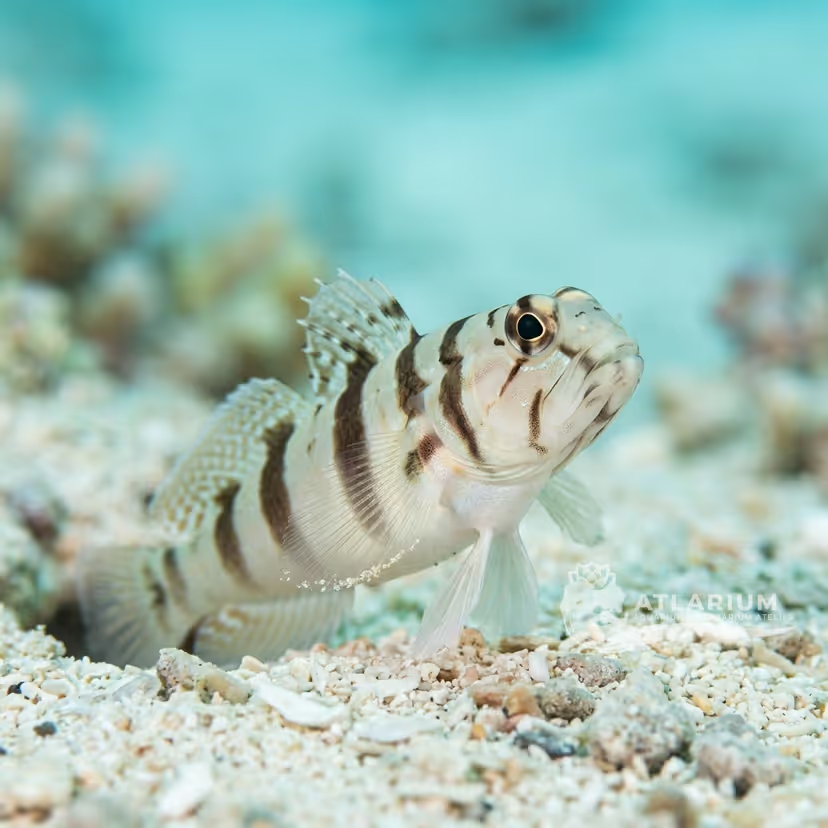
Ellipse shrimpgoby

Ellipse shrimpgoby

Amblyeleotris ellipse
View details->
New Caledonia Shrimpgoby

New Caledonia Shrimpgoby

Amblyeleotris novaecaledoniae

View details->
Red-banded Shrimpgoby

Red-banded Shrimpgoby

Amblyeleotris fasciata

View details->
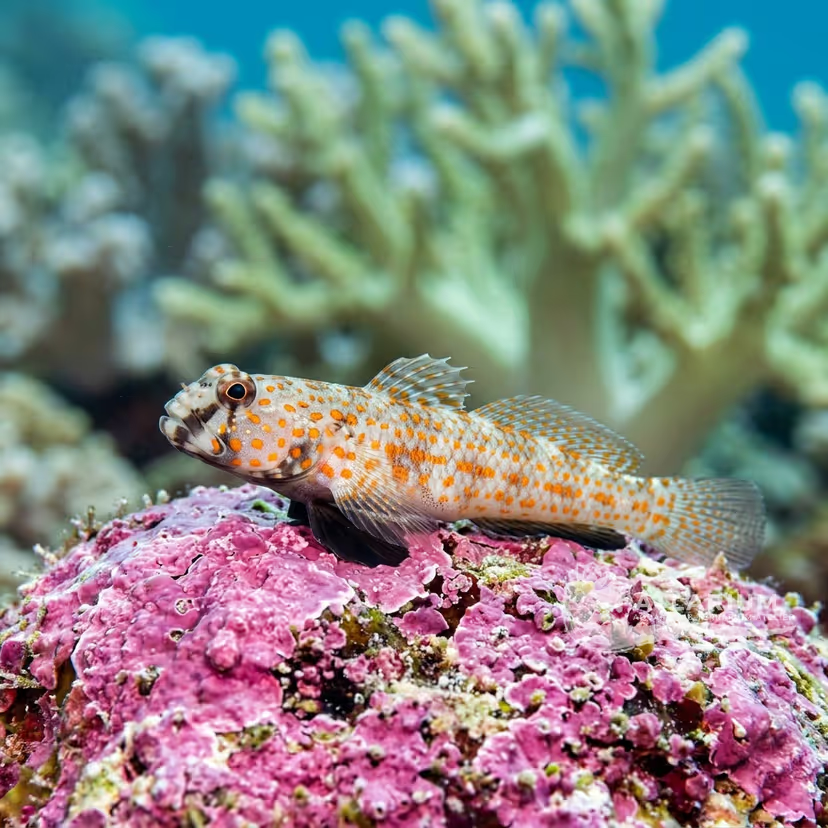
Spotted-tail Shrimpgoby

Spotted-tail Shrimpgoby

Amblyeleotris bellicauda
View details->
Orange-spotted Prawn-goby

Orange-spotted Prawn-goby

Amblyeleotris guttata

View details->
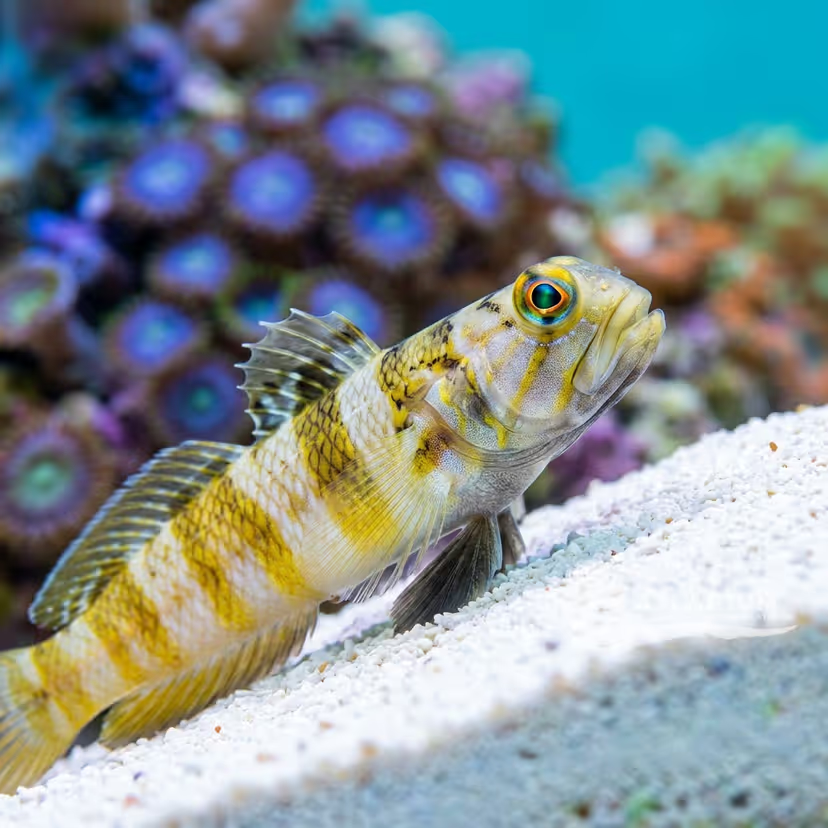
Randall's Shrimp Goby

Randall's Shrimp Goby

Amblyeleotris randalli
View details->
Steinitz' Goby

Steinitz' Goby

Amblyeleotris steinitzi

View details->
Beautiful-cheek shrimpgoby

Beautiful-cheek shrimpgoby

Amblyeleotris callopareia

View details->
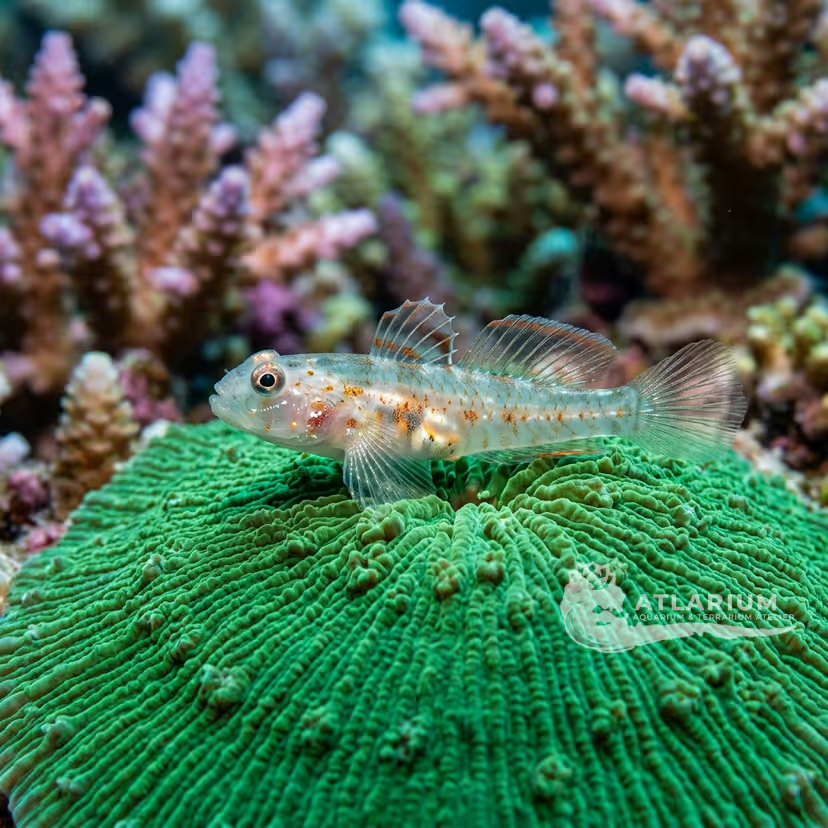
Blackhead Shrimpgoby

Blackhead Shrimpgoby

Amblyeleotris melanocephala
View details->
Delicate Shrimpgoby

Delicate Shrimpgoby

Amblyeleotris delicatulus
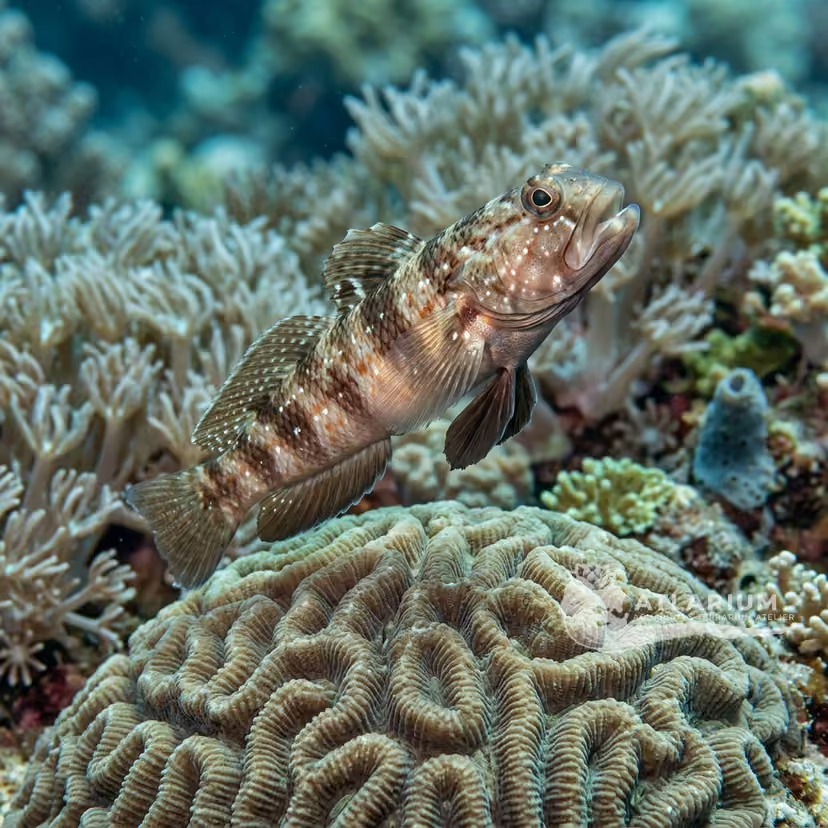
View details->
Giant prawn-goby

Giant prawn-goby

Amblyeleotris fontanesii

View details->
Harris's Shrimpgoby

Harris's Shrimpgoby

Amblyeleotris harrisorum

View details->

Recommended companions

Compatible cards from coherent ecosystems with matching parameters.

Grape caulerpa
Plant

Grape caulerpa

Caulerpa racemosa

View details->
Caulerpa prolifera
Plant

Caulerpa prolifera

Caulerpa prolifera
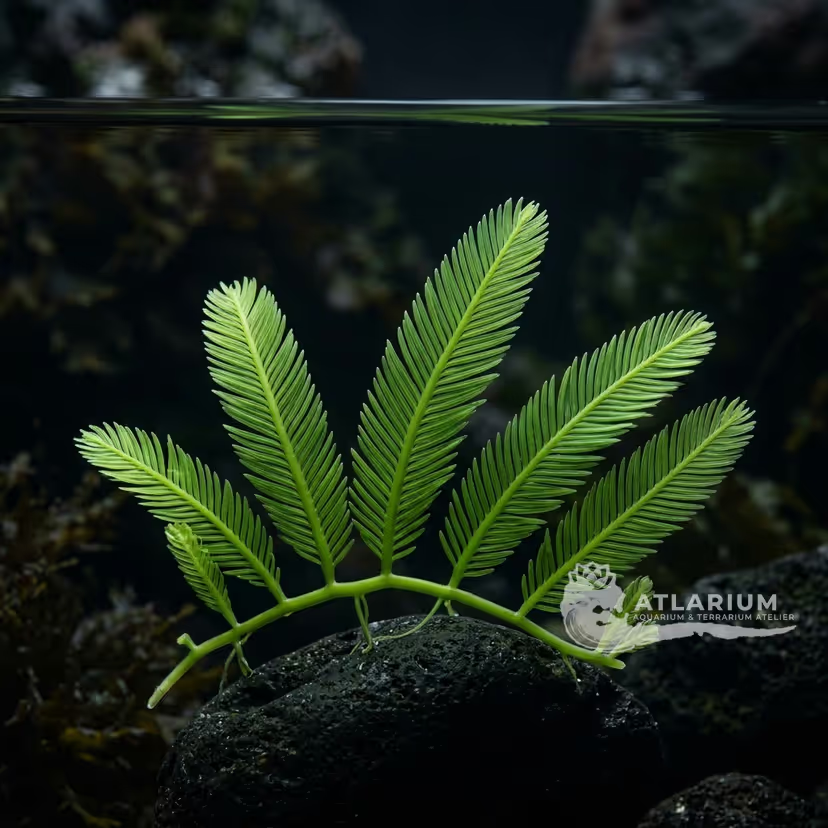
View details->
Caulerpa taxifolia
Plant

Caulerpa taxifolia

Caulerpa taxifolia
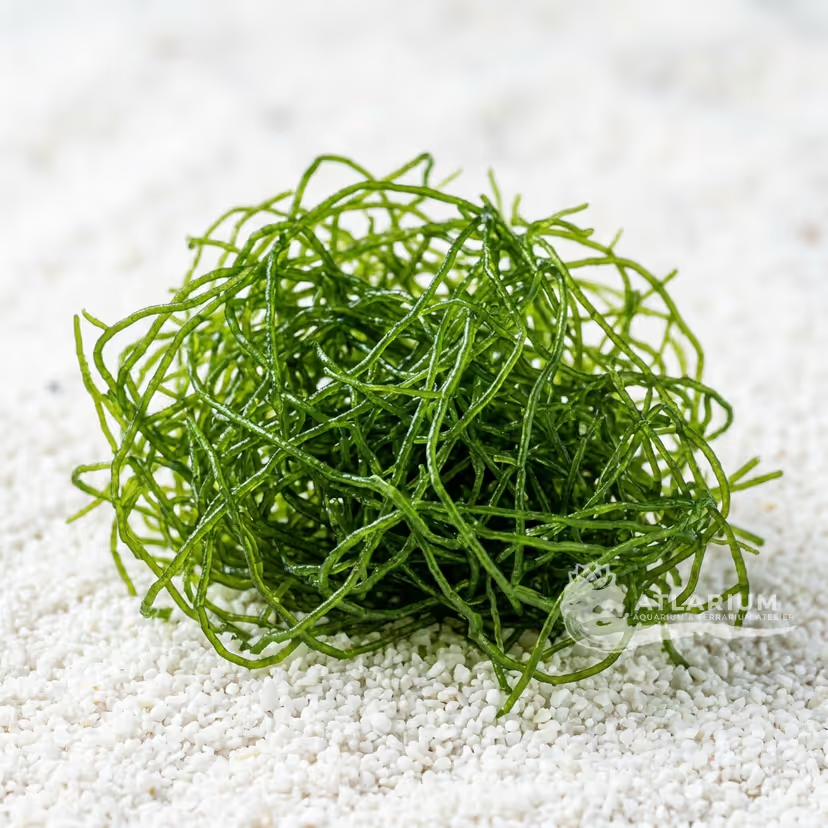
View details->
Chaetomorpha macroalgae
Plant

Chaetomorpha macroalgae

Chaetomorpha linum

View details->
Dead man fingers algae
Plant

Dead man fingers algae

Codium fragile

View details->
Halimeda macroalgae
Plant

Halimeda macroalgae

Halimeda opuntia

View details->
Peacock tail algae
Plant

Peacock tail algae

Padina pavonica

View details->
Red gracilaria
Plant

Red gracilaria

Gracilaria parvispora

View details->
Red grape algae
Plant

Red grape algae

Botryocladia uvaria

View details->
Sea lettuce
Plant

Sea lettuce

Ulva lactuca

View details->
Red Mangrove
Plant

Red Mangrove

Rhizophora mangle

View details->

Similar care

Cards with similar requirements, difficulty, habitat, and husbandry profile.
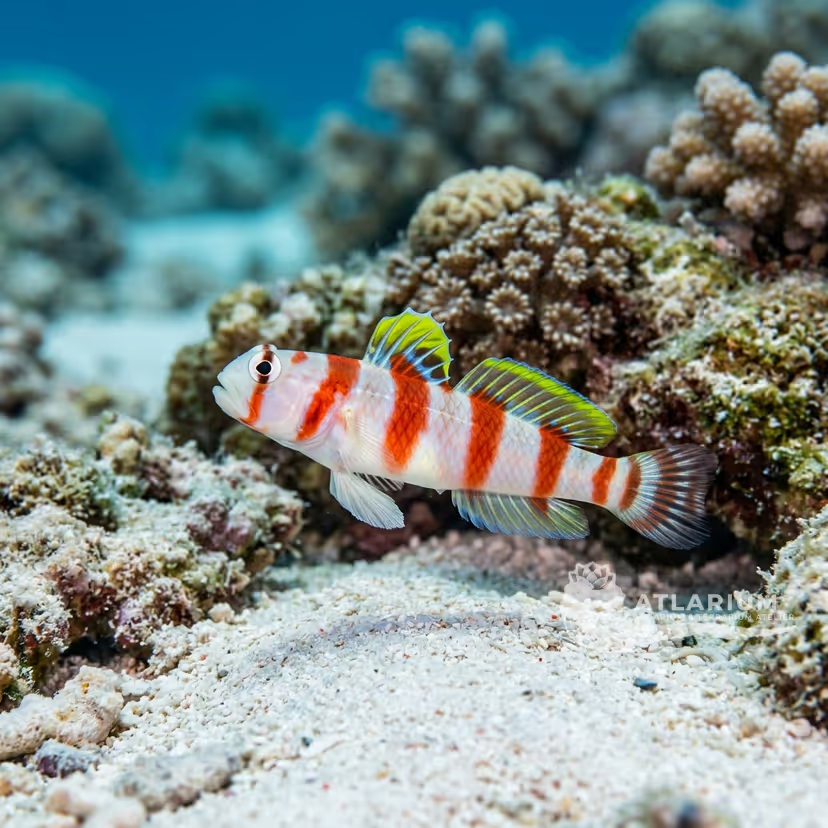
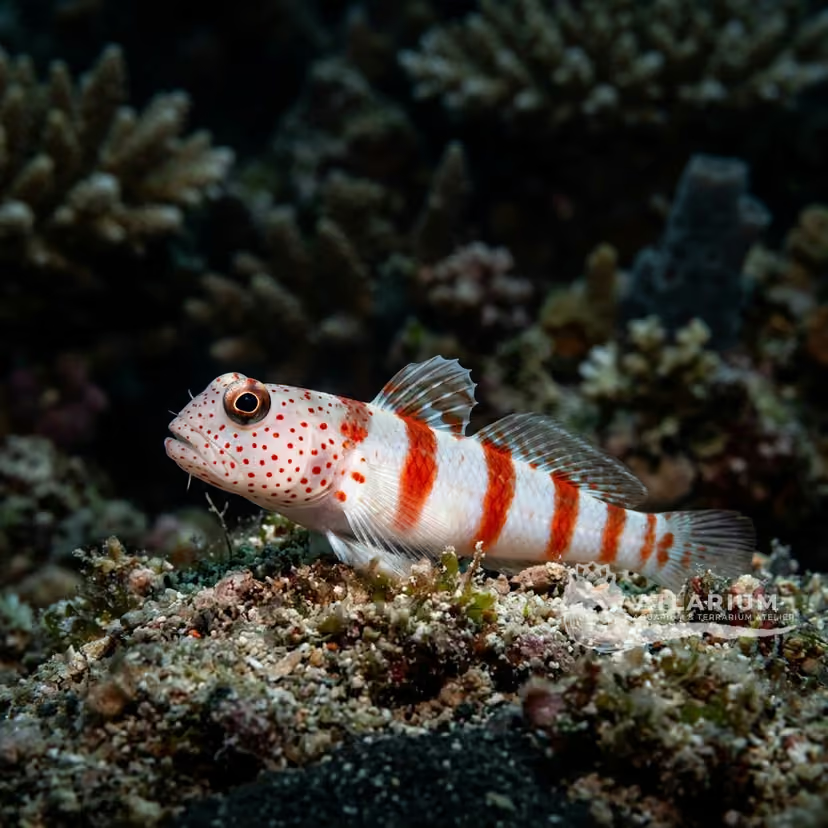
Masui's Shrimpgoby

Masui's Shrimpgoby

Amblyeleotris masuii
View details->
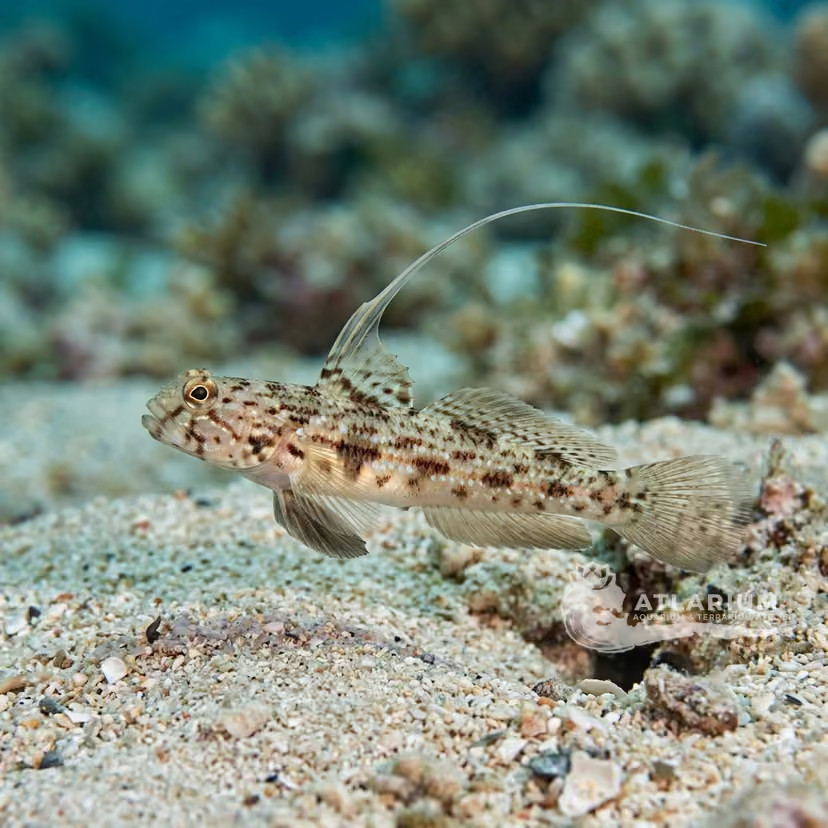
Redspotted shrimpgoby

Redspotted shrimpgoby

Amblyeleotris ogasawarensis
View details->
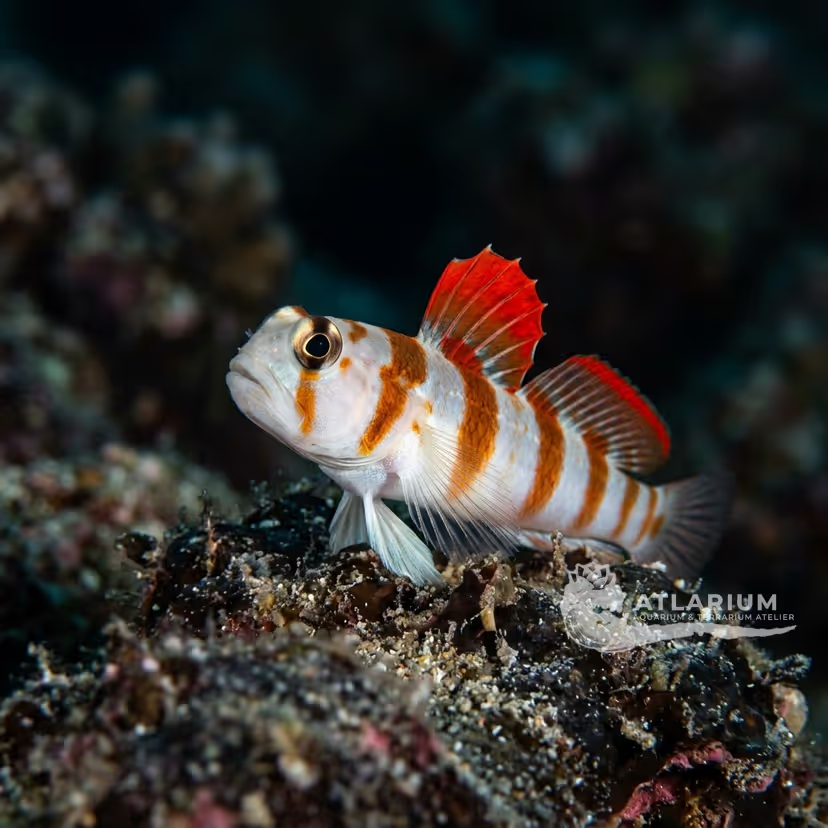
Long-filament Shrimpgoby

Long-filament Shrimpgoby

Amblyeleotris macronema
View details->
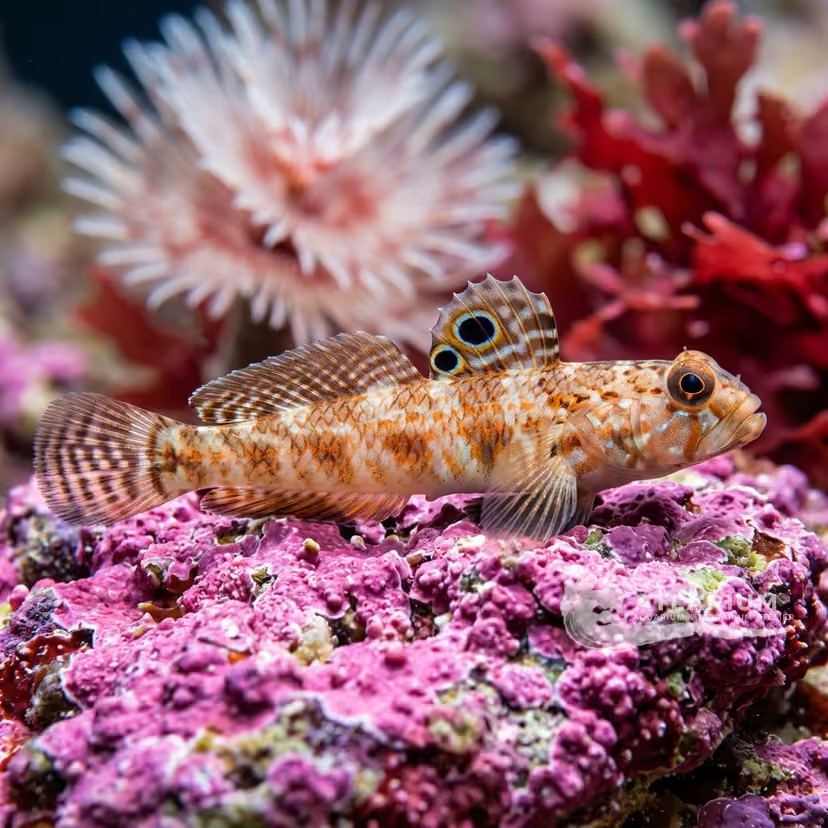
Redmargin shrimpgobid

Redmargin shrimpgobid

Amblyeleotris rubrimarginata
View details->
Twin-spot Shrimpgoby

Twin-spot Shrimpgoby

Amblyeleotris biguttata

View details->
Bleeker's Shrimpgoby

Bleeker's Shrimpgoby

Amblyeleotris bleekeri

View details->
Broadband Goby

Broadband Goby

Amblyeleotris latifasciata
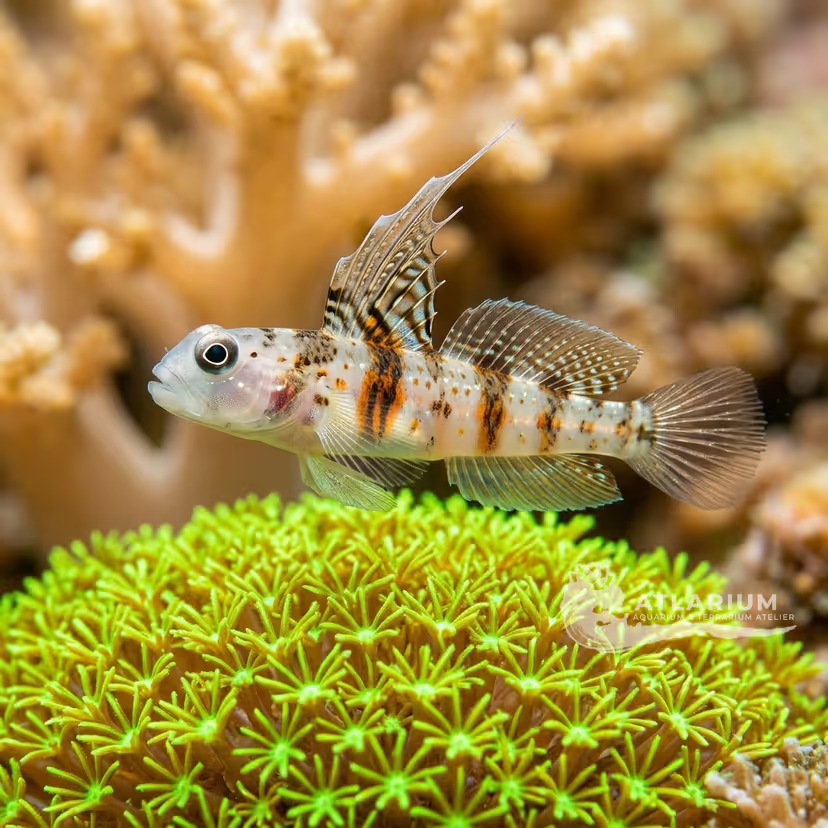
View details->
Naked-headed Shrimpgoby

Naked-headed Shrimpgoby

Amblyeleotris gymnocephala
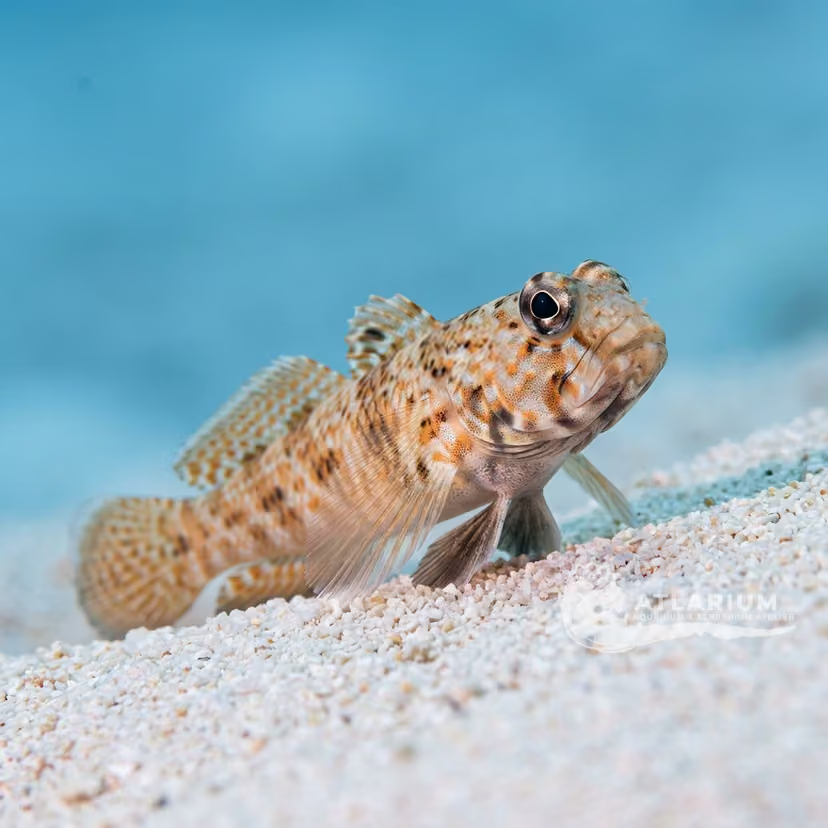
View details->
Periophthalma Shrimp Goby

Periophthalma Shrimp Goby

Amblyeleotris periophthalma
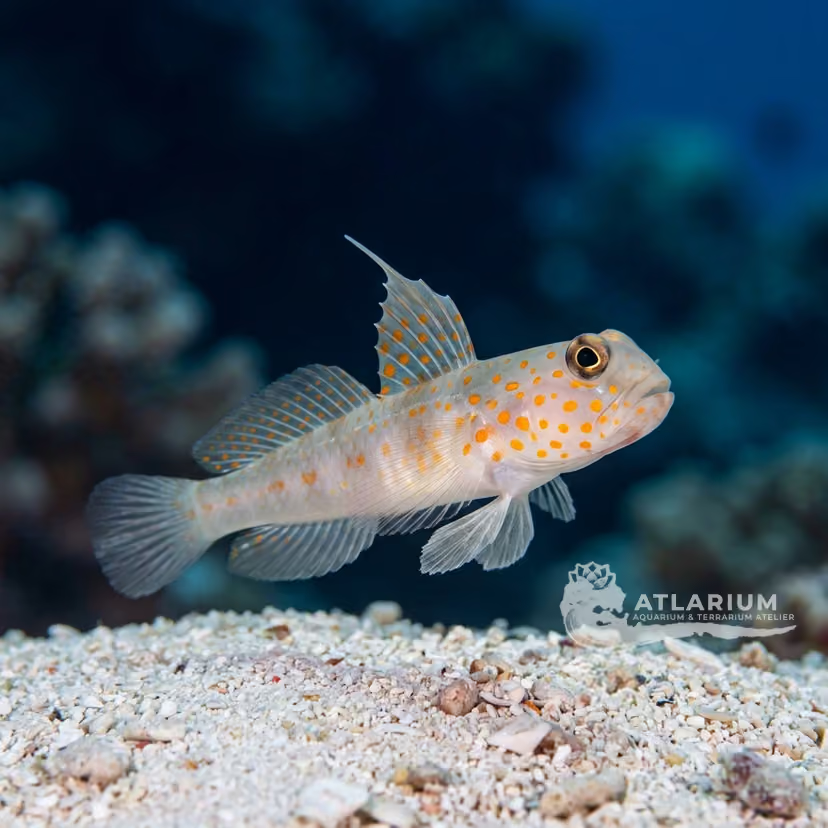
View details->
Neumann's prawn-goby

Neumann's prawn-goby

Amblyeleotris neumanni
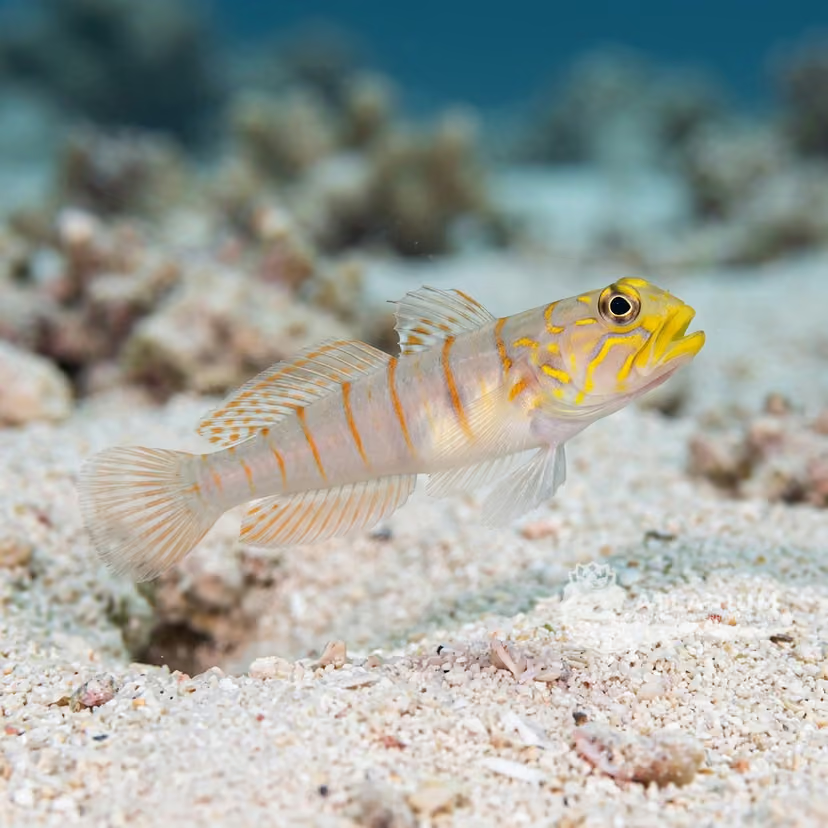
View details->
Morishita's Shrimpgoby

Morishita's Shrimpgoby

Amblyeleotris morishitai
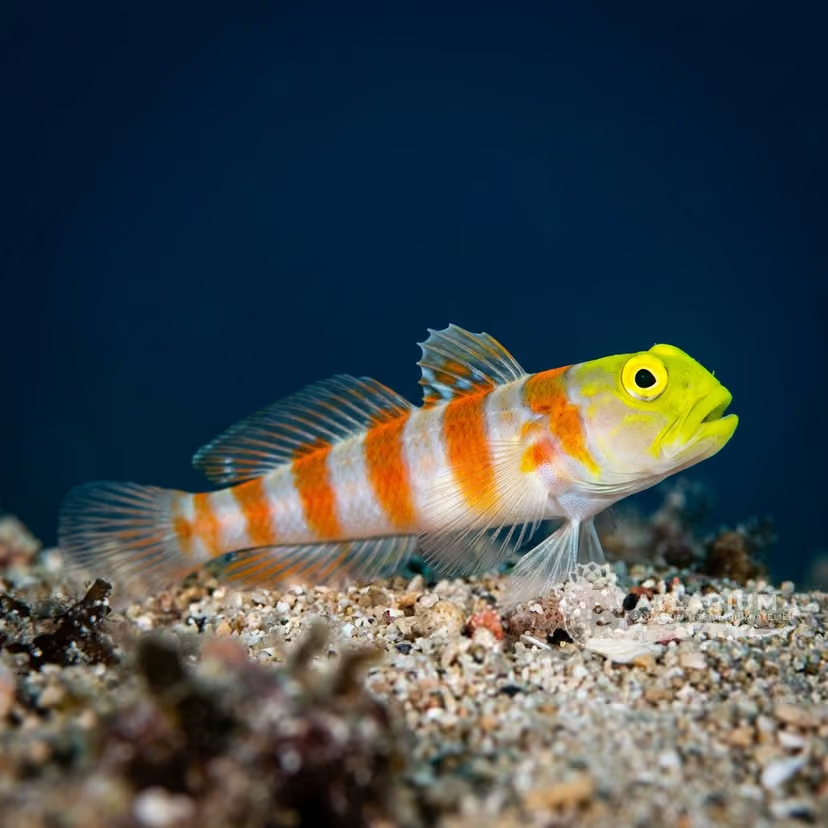
View details->
Yano's Shrimp Goby

Yano's Shrimp Goby

Amblyeleotris yanoi
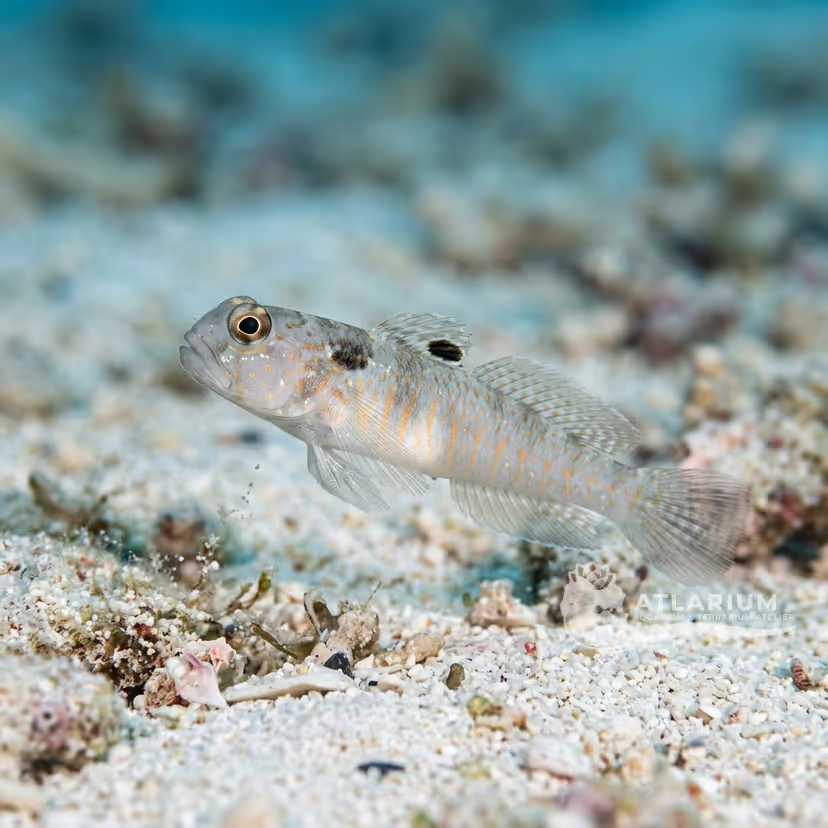
View details->
Neglected Shrimpgoby

Neglected Shrimpgoby

Amblyeleotris neglecta
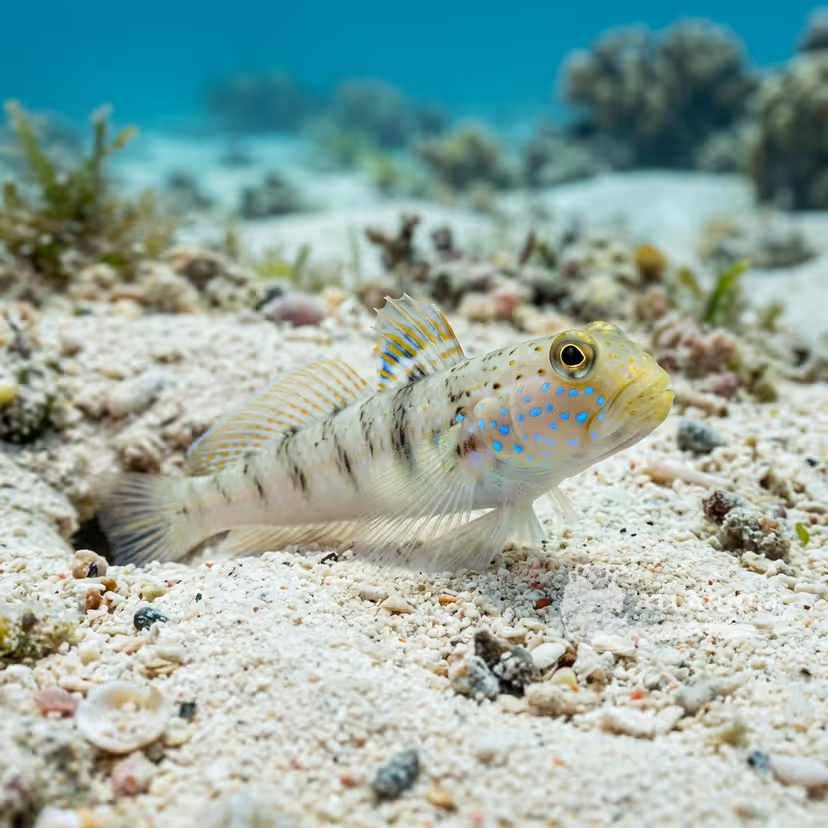
View details->
Marquesas Shrimpgoby

Marquesas Shrimpgoby

Amblyeleotris marquesas
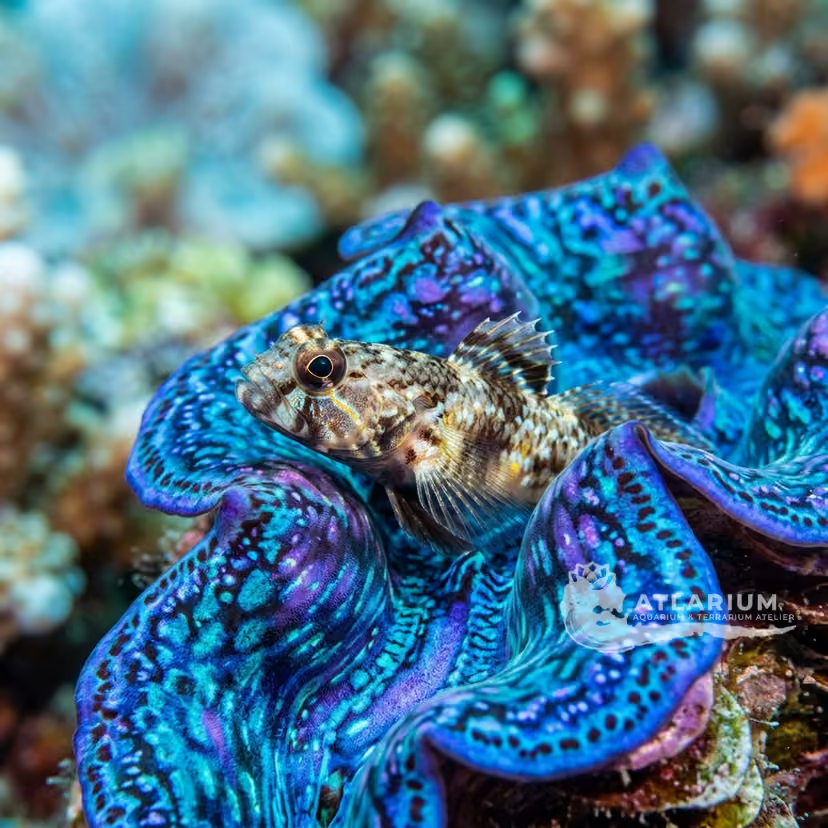
View details->
Japanese shrimp goby

Japanese shrimp goby

Amblyeleotris japonica

View details->
Girdled goby

Girdled goby

Priolepis cincta

View details->
Last updated: 06/30/2026
Aurora Goby (Amblyeleotris aurora) Care Guide & Tank Setup | Atlarium