Encyclopaedia

FishMarineIntermediate
©AI Generated·Proprietary

Yano's Shrimp Goby

Amblyeleotris yanoi

Yano's Shrimp Goby is a colorful marine fish that shares a fascinating symbiotic relationship with digging Alpheus snapping shrimps. It thrives in calm, mature reef environments.

Taxonomy
Class:Actinopteri
Order:Perciformes
Family:Gobiidae
Subfamily:Gobiinae
Genus:Amblyeleotris
Species:Amblyeleotris yanoi

Share

Check out Yano's Shrimp Goby on Atlarium

PracticeRecognition quizzesPhotos, names, origins, and puzzles to review Atlas species.Open quizzes
Water Temperature

22 - 26 °C

pH Value

8.1 - 8.4

Water type

Marine

Tank level

Bottom

Adult size

7 cm

Minimum tank volume

>= 80 L

Minimum group

>= 1

Species description

Geographical Origin and Habitat: Amblyeleotris yanoi is native to the tropical Western Pacific Ocean, primarily recorded from the Ryukyu Islands in Japan, the Philippines, Indonesia, and the Great Barrier Reef. It inhabits the sandy and muddy bottoms adjacent to outer reef slopes and sheltered lagoons at depths ranging from 3 to 35 meters where substrate allows burrowing.
Taxonomy and Morphology: A member of the Gobiidae family and the genus Amblyeleotris. Commonly known as Yano's shrimp goby or sentinel goby. It has a slender, elongated, cylindrical body typical of sand gobies, with eyes set high on its head to watch for predators. Adults reach a maximum length of 6-8 cm.
Social Behavior: Diurnal and peaceful. It lives in a mutualistic symbiotic relationship with snapping shrimps of the genus Alpheus (especially Alpheus randalli or Alpheus bellulus). The shrimp digs and maintains the burrow, while the goby acts as a sentry, warning the nearly blind shrimp of danger with tail signals.
Coloration and Sexual Dimorphism: Features a creamy-white body background crossed by 5 or 6 oblique orange or bright red bands. The head is decorated with small blue and yellow spots, and the dorsal fin has a yellow tinge with a distinct black spot. There are no obvious visual markers to distinguish between the sexes.

Care, breeding and tankmates

Aquarium Setup: Requires a marine aquarium of at least 80-100 liters. The most important setup requirement is a deep sand bed (at least 5-8 cm) composed of fine aragonite sand mixed with small shell fragments and coral rubble, which are essential for the shrimp to reinforce its burrow walls.
Diet and Feeding: Carnivorous, feeding on small benthic crustaceans and zooplankton. In captivity, it readily accepts frozen foods such as mysis, brine shrimp, lobster eggs, and minced krill. It can be trained to eat small dry pellets. Feed twice daily, preferably casting food near the burrow entrance.
Water Quality: Requires clean, stable marine parameters: water temperature 24-27°C, pH 8.1-8.4, specific gravity (SG) 1.022-1.025, and low nitrates. Good filtration is necessary, but keep bottom water flow moderate to prevent sand erosion and keep the burrow from constantly collapsing.
Compatibility and Cohabitation: Extremely peaceful and reef-safe. It is highly recommended to house them with a symbiotic Alpheus shrimp to observe their natural behaviors. Compatible with peaceful reef fishes (clownfish, blennies, anthias). Avoid bottom-dwelling predators like lionfish, morays, or large groupers.
Aquarium Breeding: Breeding in captivity is extremely rare. The pair spawns inside the burrow maintained by the shrimp, where the male guards the eggs until they hatch. Raising the pelagic larvae is difficult due to their tiny size, requiring specialized live feeds and protocols.
Risks and Diseases: Quite hardy, but prone to jumping out of the tank if startled, especially at night; a tight-fitting lid or mesh screen is mandatory. They can suffer from stress or injury if kept with aggressive sand-dwelling species that compete for burrow space.

Geographic Origin and Distribution

Amblyeleotris yanoi is native to the tropical Western Pacific Ocean, primarily recorded from the Ryukyu Islands in Japan, the Philippines, Indonesia, and the Great Barrier Reef. It inhabits the sandy and muddy bottoms adjacent to outer reef slopes and sheltered lagoons at depths ranging from 3 to 35 meters where substrate allows burrowing.

Origin

Tropical oceans and reefsSouth and Southeast AsiaEast AsiaAustralia, New Guinea, and Oceania

Fish profile

Temperament
Territorial
It is a peaceful, shy, and cautious fish that prefers to stay close to the safety of its established burrow. While it will bravely defend its immediate territory from other bottom-dwellers, it ignores fish swimming higher up. Providing plenty of rubble and a quiet environment helps it feel secure and behave naturally.
Diet
Carnivore
As a micro-predator, its natural diet consists mostly of tiny benthic crustaceans and zooplankton found near the substrate. In captivity, it eagerly accepts frozen mysis shrimp, brine shrimp, and sinking carnivore pellets. Providing a varied, high-quality meaty diet is critical for maintaining its health and vibrant coloration.
Sex ratio
Pair
There are no obvious external differences between males and females, making sexing this species visually almost impossible. They are best kept singly or as a confirmed mated pair to avoid territorial disputes. Placing multiple unsexed individuals in a small tank usually leads to aggressive territorial battles over burrow sites.
Feeding frequency
Twice daily
Feeding small portions two to three times daily is recommended to mimic its natural, continuous foraging behavior. Because it rarely ventures far from its burrow, targeted feeding near its home may be necessary in a busy tank. Care should be taken to ensure it gets enough food without overfeeding the entire system.
Bioload
This species has a minimal impact on the overall bioload of the aquarium due to its small size and sedentary lifestyle. It produces very little waste compared to more active, open-water swimmers. Routine maintenance and standard filtration are entirely sufficient to keep the water pristine.
Flow
Strong
It favors gentle to moderate water flow, reflecting the calm sandy bottoms and rubble zones it inhabits in the ocean. Exceedingly strong currents can collapse its delicate burrow and make feeding difficult. A well-planned, indirect flow pattern allows the goby to thrive while keeping detritus from accumulating.
Jump risk
Yes
Like most gobies, this fish is easily spooked and possesses a strong instinct to jump when frightened or chased. A tight-fitting lid or a fine mesh cover is absolutely necessary to prevent it from leaping out of the aquarium. Keeping it in an open-top tank is highly risky and often ends poorly.
Reproduction
Oviparous
Captive breeding of this species is extremely rare and technically demanding, primarily due to the difficulty of raising its microscopic pelagic larvae. In their natural habitat, they are substrate spawners that lay adhesive eggs deep within the safety of their burrow. The male takes on the responsibility of guarding and oxygenating the eggs until they hatch.
Compatibility & tankmates
Reef safe
It is a fantastic community fish for peaceful reef aquariums, coexisting easily with corals and small, non-aggressive tank mates. This fish forms a fascinating symbiotic bond with pistol shrimp, which provides an incredible behavioral display. Large or predatory fish must be avoided, as they will easily consume this small goby.
Tank level
Bottom
This bottom-dwelling fish spends the vast majority of its life resting on the sand bed or hovering just outside its burrow. It relies heavily on a deep sand substrate to create its home alongside its symbiotic shrimp partner. It will only dart higher into the water column momentarily to grab a passing morsel of food.

Window to the official scientific data of the species

Data synced on: 06/15/2026

Scientific Parameters & Models

Trophic level
3.4 ± 0.4 se
Resilience
High (less than 15 months)
Phylogenetic uniqueness (PD50)
0.5
Bayesian Length-Weight
a = 0.00741, b = 3.09
VulnerabilityLow vulnerability (10 / 100)

Image gallery

Licensed images linked to the species or, when marked, to the closest representative taxon.

Related species

Recommendations grouped by close relatives, companion choices, and similar care.

Variants and close relatives

Same atlas type, nearby scientific identity, genus, or family.

Banded-head Shrimpgoby

Banded-head Shrimpgoby

Amblyeleotris cephalotaenius

View details->
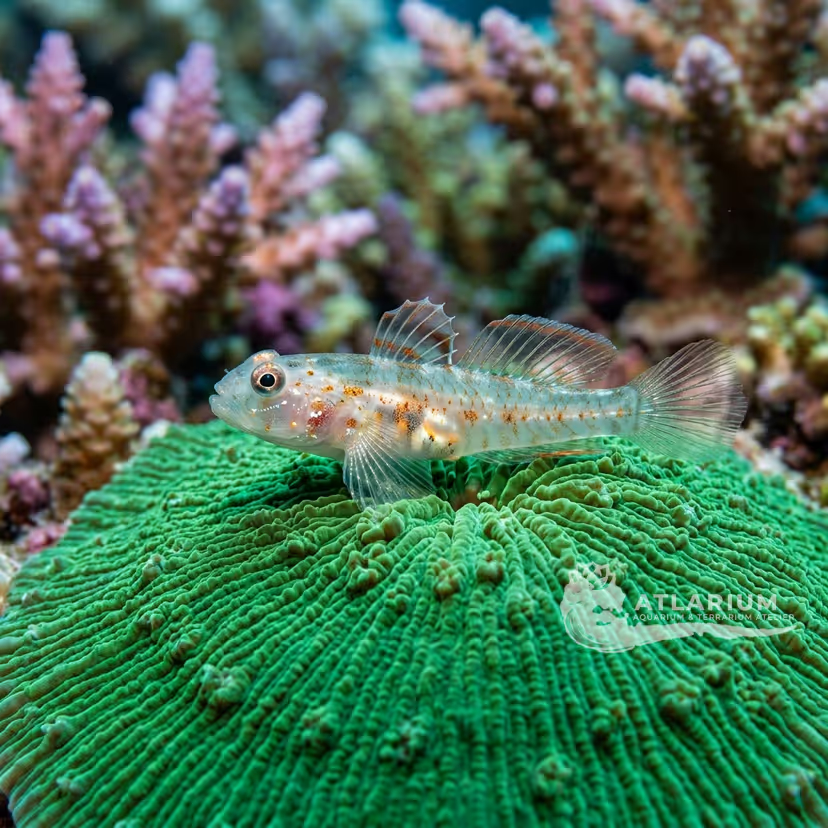
Blackhead Shrimpgoby

Blackhead Shrimpgoby

Amblyeleotris melanocephala
View details->
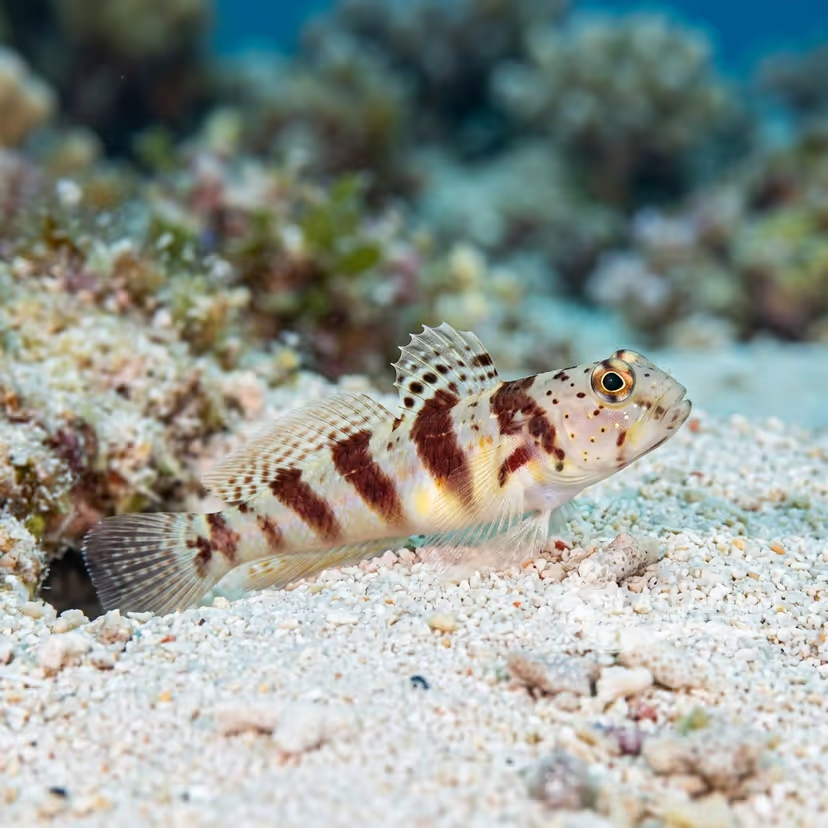
Delicate Shrimpgoby

Delicate Shrimpgoby

Amblyeleotris delicatulus
View details->
Diagonal-bar Shrimpgoby

Diagonal-bar Shrimpgoby

Amblyeleotris diagonalis
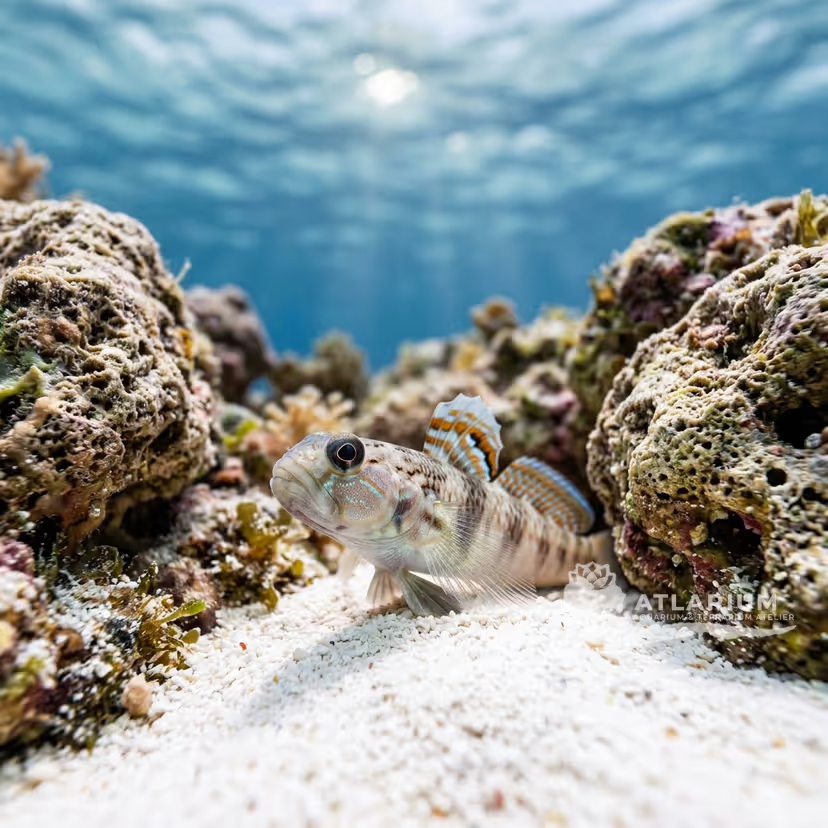
View details->
Downing's Shrimpgoby

Downing's Shrimpgoby

Amblyeleotris downingi
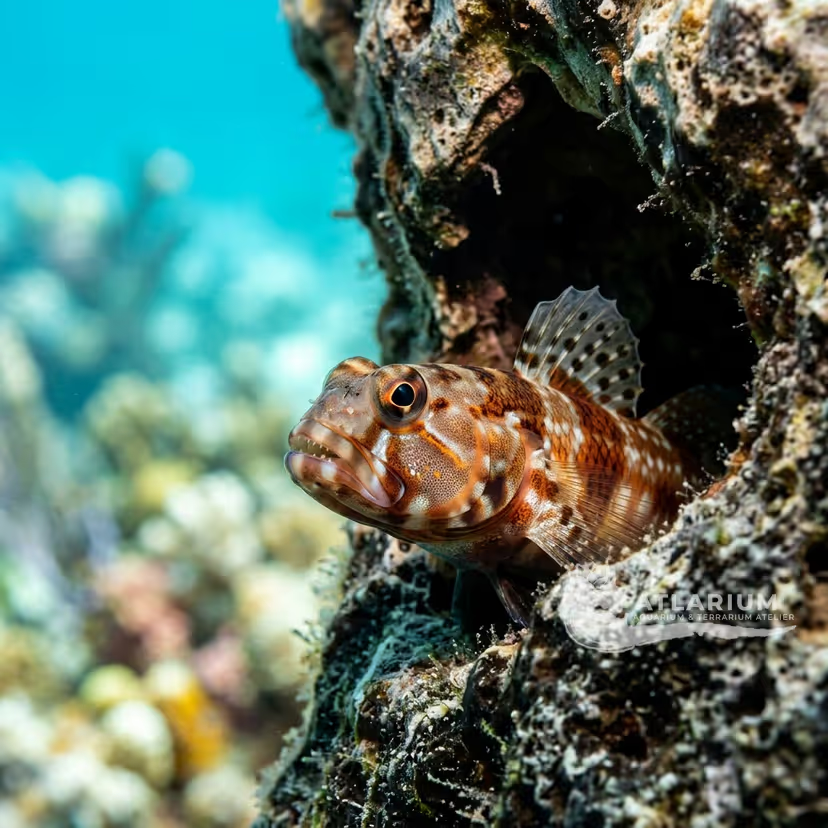
View details->
Ellipse shrimpgoby

Ellipse shrimpgoby

Amblyeleotris ellipse
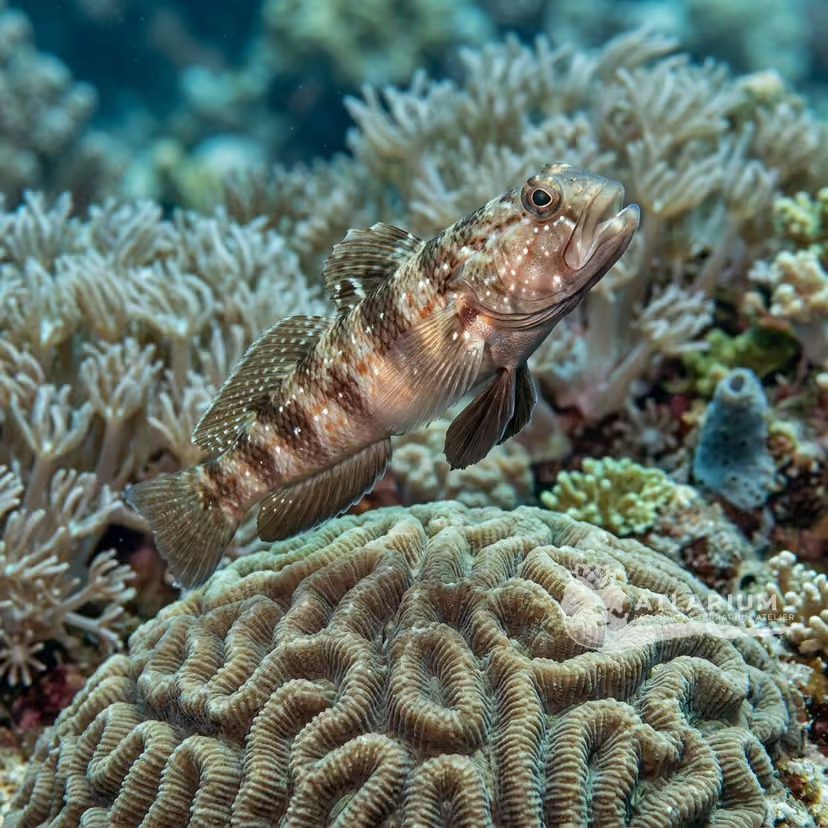
View details->
Giant prawn-goby

Giant prawn-goby

Amblyeleotris fontanesii

View details->
Harris's Shrimpgoby

Harris's Shrimpgoby

Amblyeleotris harrisorum
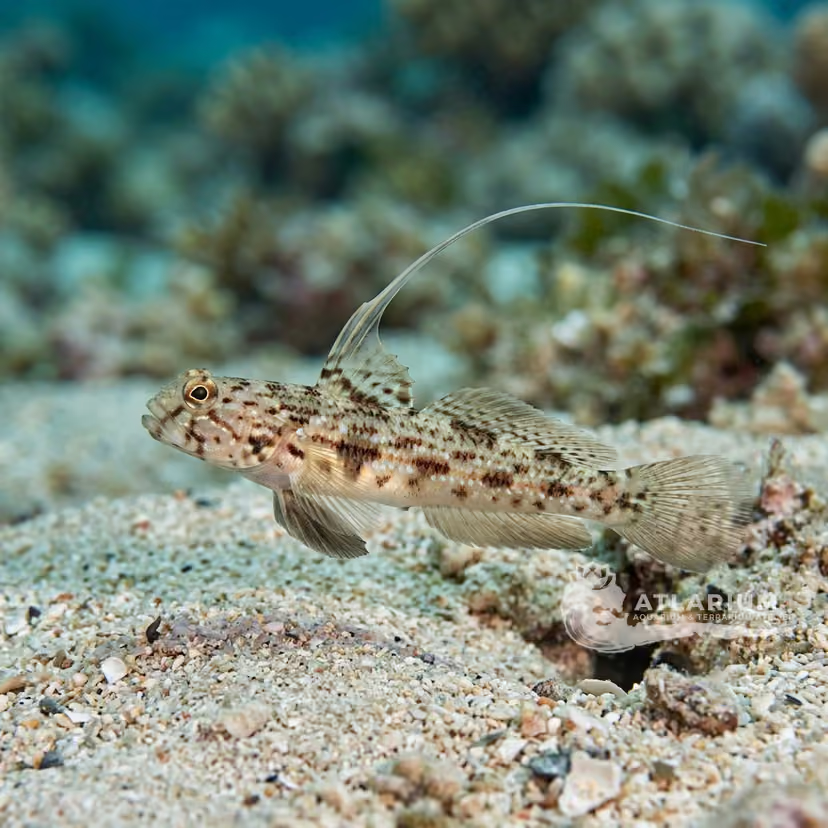
View details->
Long-filament Shrimpgoby

Long-filament Shrimpgoby

Amblyeleotris macronema
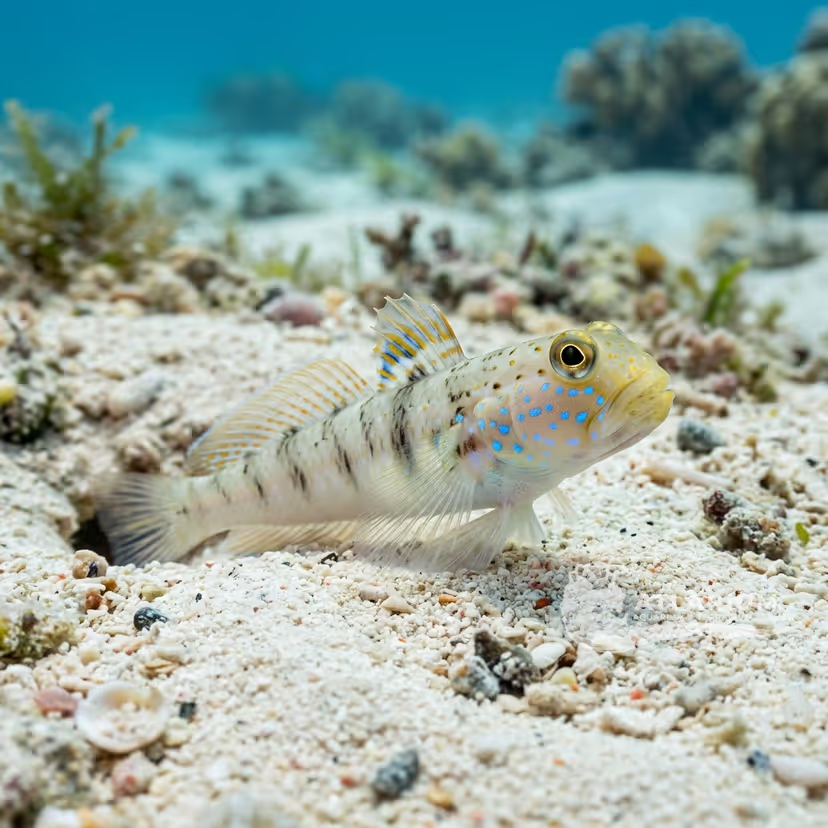
View details->
Marquesas Shrimpgoby

Marquesas Shrimpgoby

Amblyeleotris marquesas
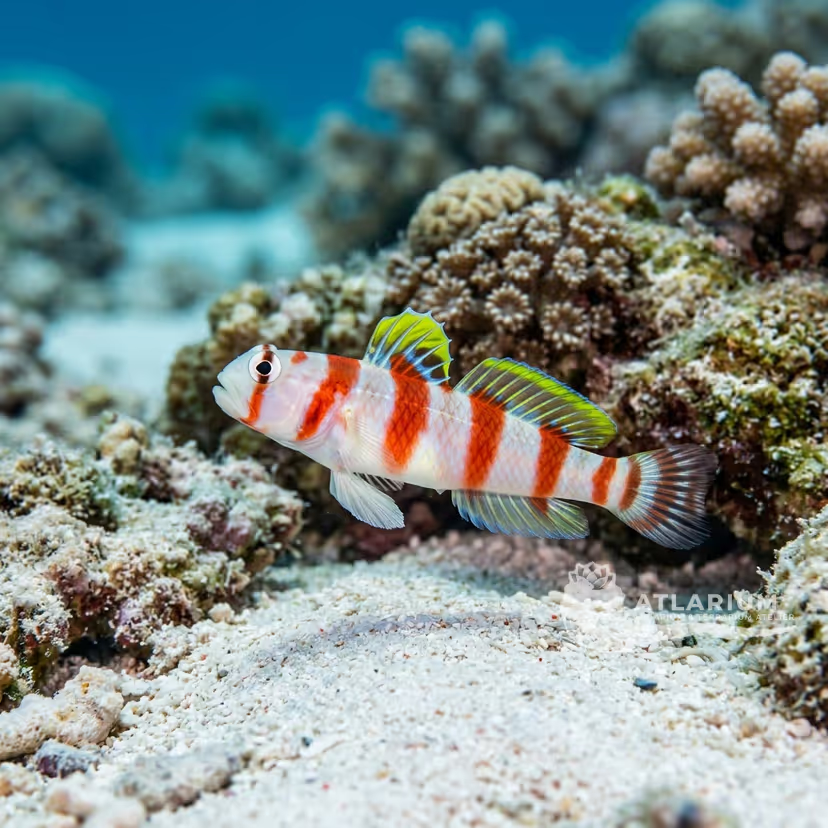
View details->
Masui's Shrimpgoby

Masui's Shrimpgoby

Amblyeleotris masuii
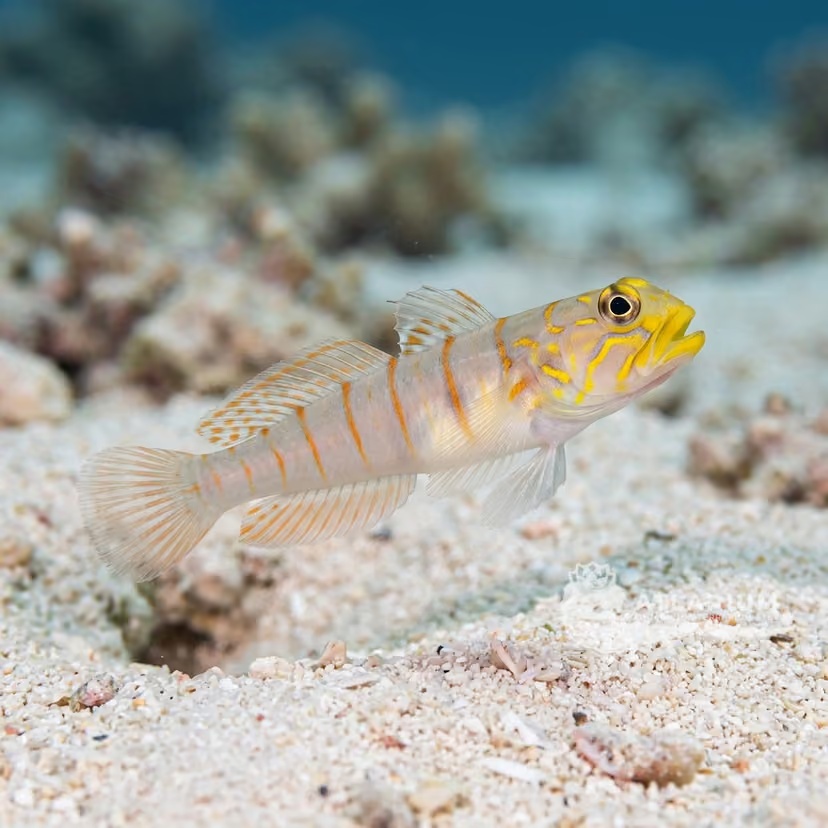
View details->
Morishita's Shrimpgoby

Morishita's Shrimpgoby

Amblyeleotris morishitai
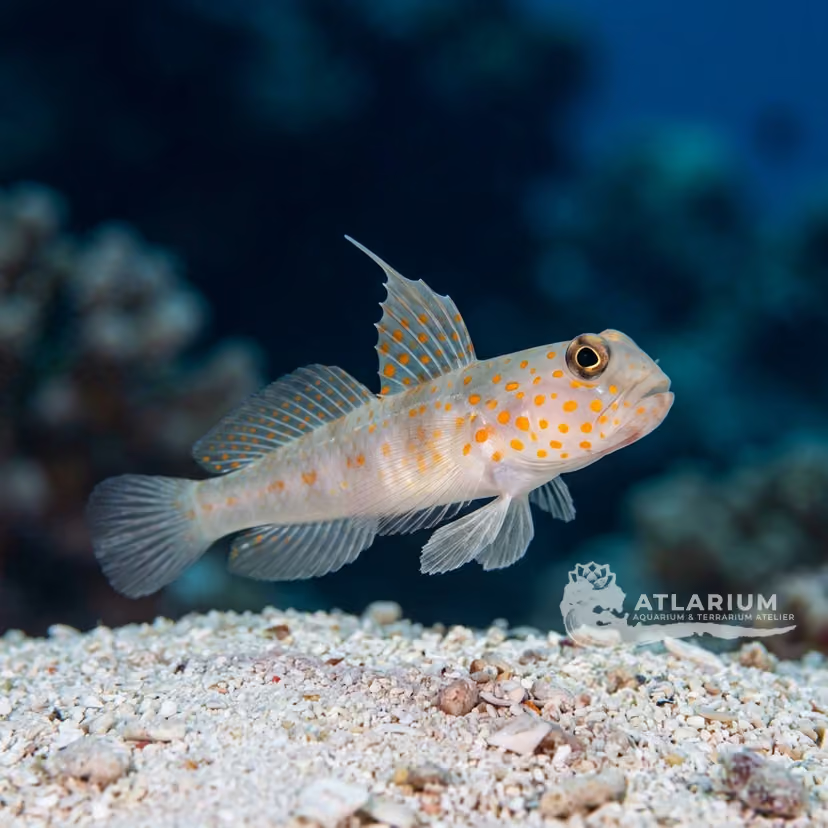
View details->
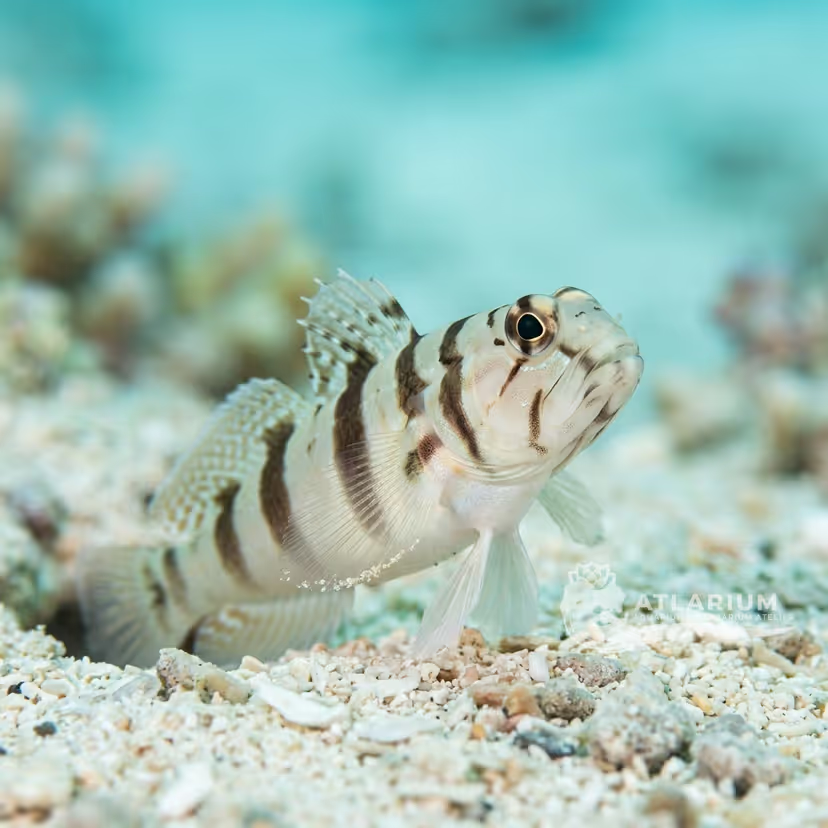
Neumann's prawn-goby

Neumann's prawn-goby

Amblyeleotris neumanni
View details->
New Caledonia Shrimpgoby

New Caledonia Shrimpgoby

Amblyeleotris novaecaledoniae

View details->
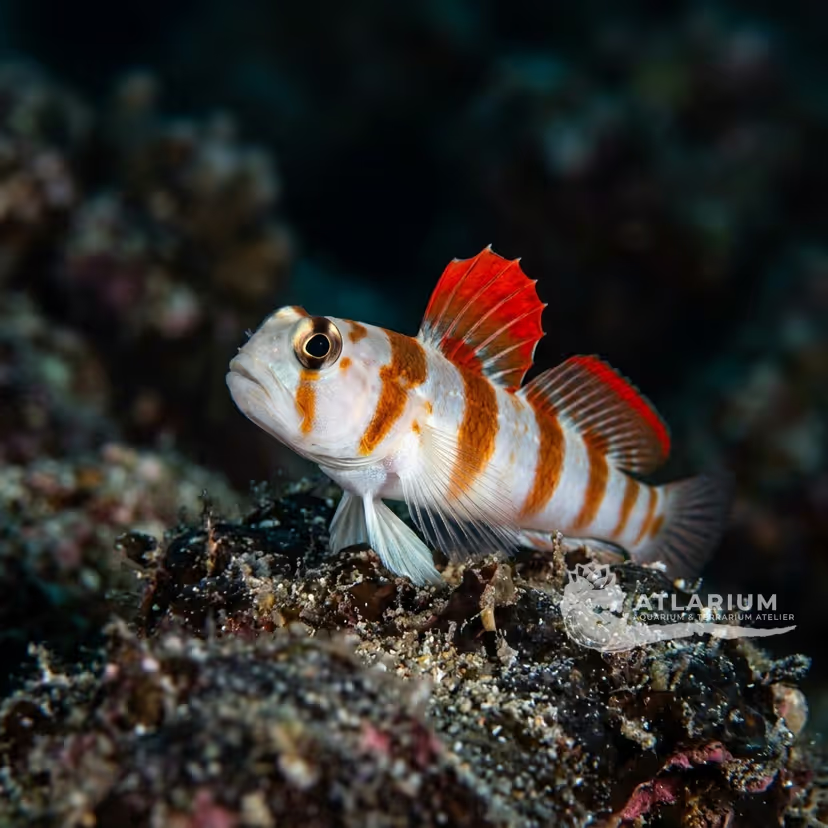
Red-banded Shrimpgoby

Red-banded Shrimpgoby

Amblyeleotris fasciata
View details->
Redmargin shrimpgobid

Redmargin shrimpgobid

Amblyeleotris rubrimarginata

View details->

Recommended companions

Compatible cards from coherent ecosystems with matching parameters.

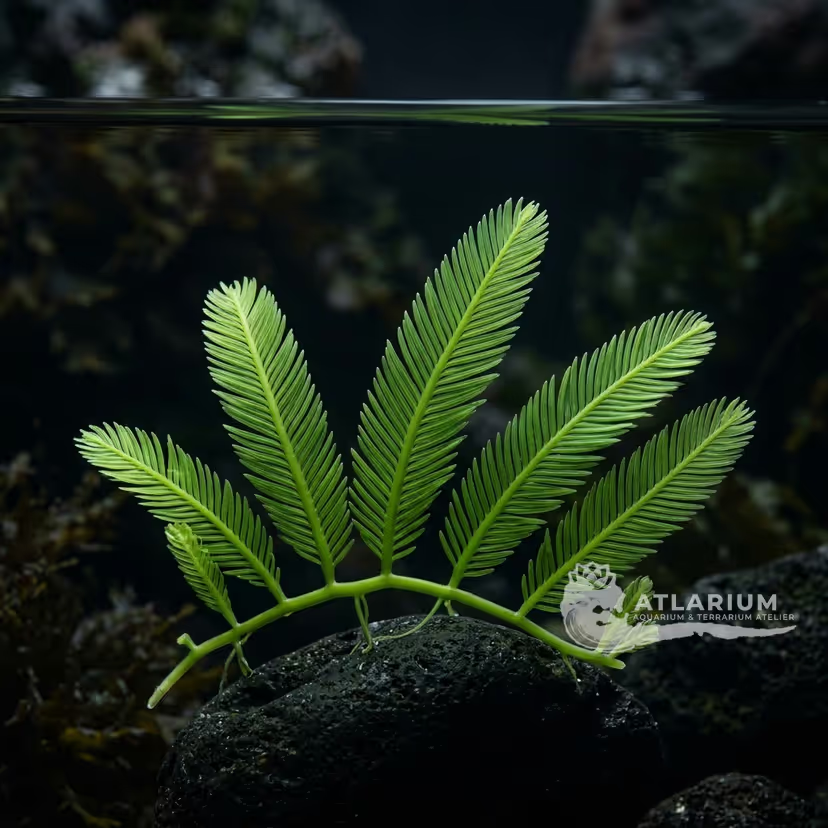
Caulerpa prolifera
Plant

Caulerpa prolifera

Caulerpa prolifera
View details->
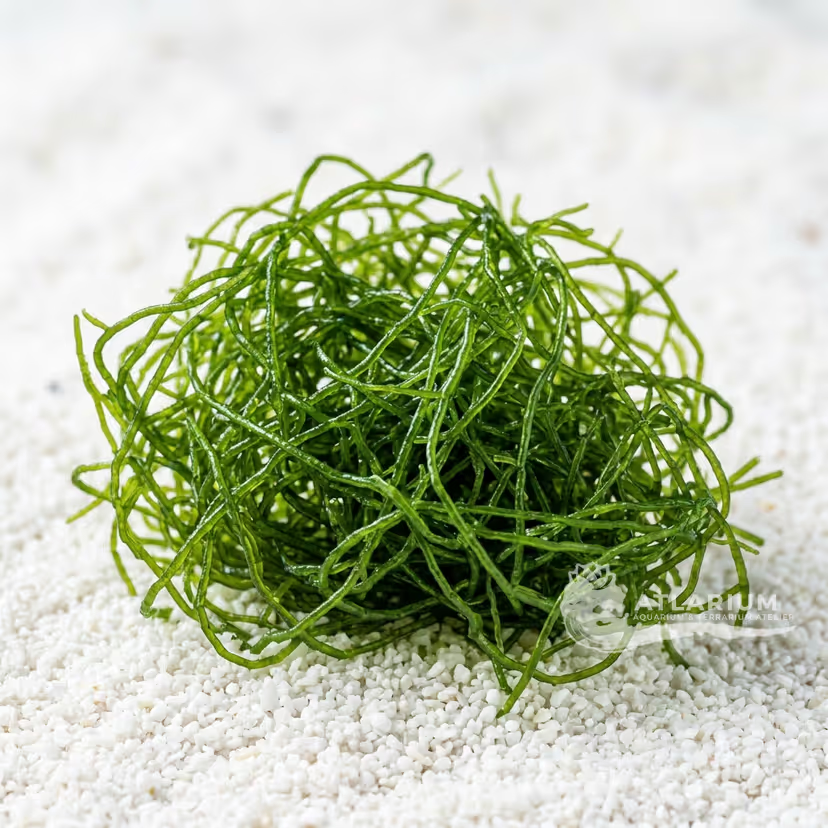
Caulerpa taxifolia
Plant

Caulerpa taxifolia

Caulerpa taxifolia
View details->
Chaetomorpha macroalgae
Plant

Chaetomorpha macroalgae

Chaetomorpha linum

View details->
Dead man fingers algae
Plant

Dead man fingers algae

Codium fragile

View details->
Grape caulerpa
Plant

Grape caulerpa

Caulerpa racemosa

View details->
Halimeda macroalgae
Plant

Halimeda macroalgae

Halimeda opuntia

View details->
Peacock tail algae
Plant

Peacock tail algae

Padina pavonica

View details->
Red gracilaria
Plant

Red gracilaria

Gracilaria parvispora

View details->
Red grape algae
Plant

Red grape algae

Botryocladia uvaria

View details->
Sea lettuce
Plant

Sea lettuce

Ulva lactuca

View details->
Red Mangrove
Plant

Red Mangrove

Rhizophora mangle

View details->

Similar care

Cards with similar requirements, difficulty, habitat, and husbandry profile.

Spotted-tail Shrimpgoby

Spotted-tail Shrimpgoby

Amblyeleotris bellicauda
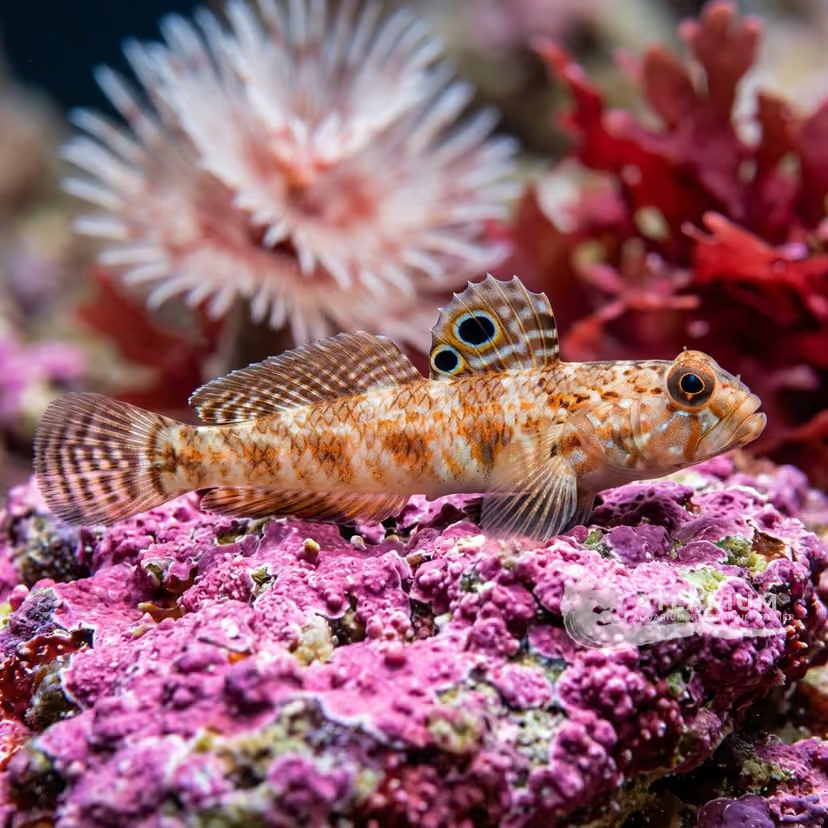
View details->
Twin-spot Shrimpgoby

Twin-spot Shrimpgoby

Amblyeleotris biguttata

View details->
Randall's Shrimp Goby

Randall's Shrimp Goby

Amblyeleotris randalli
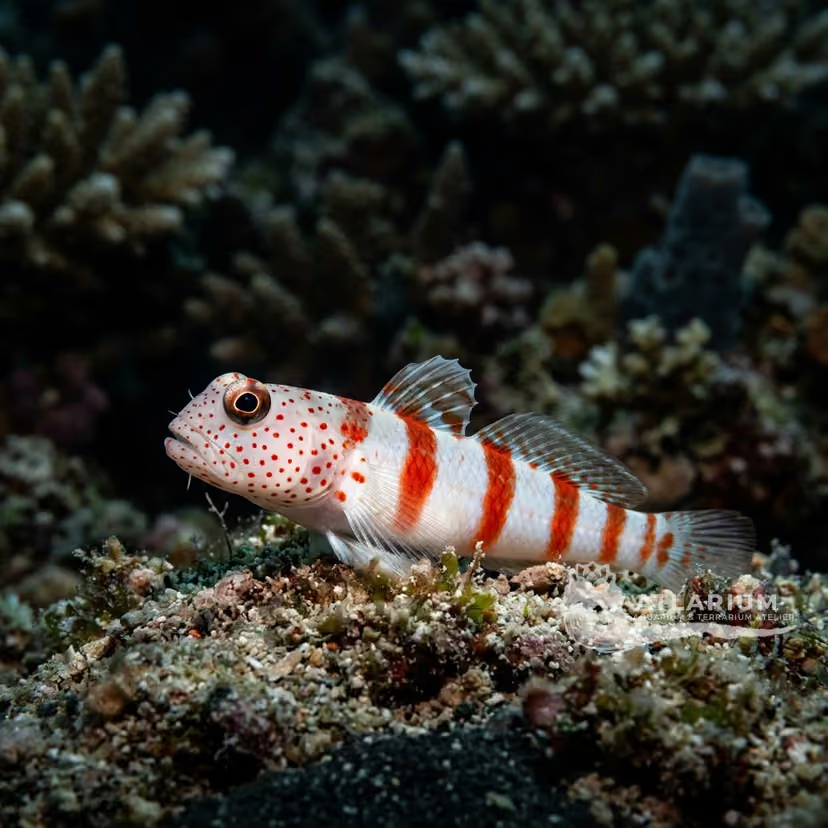
View details->
Redspotted shrimpgoby

Redspotted shrimpgoby

Amblyeleotris ogasawarensis

View details->
Arch-fin shrimpgoby

Arch-fin shrimpgoby

Amblyeleotris arcupinna

View details->
Beautiful-cheek shrimpgoby

Beautiful-cheek shrimpgoby

Amblyeleotris callopareia

View details->
Bleeker's Shrimpgoby

Bleeker's Shrimpgoby

Amblyeleotris bleekeri

View details->
Broadband Goby

Broadband Goby

Amblyeleotris latifasciata
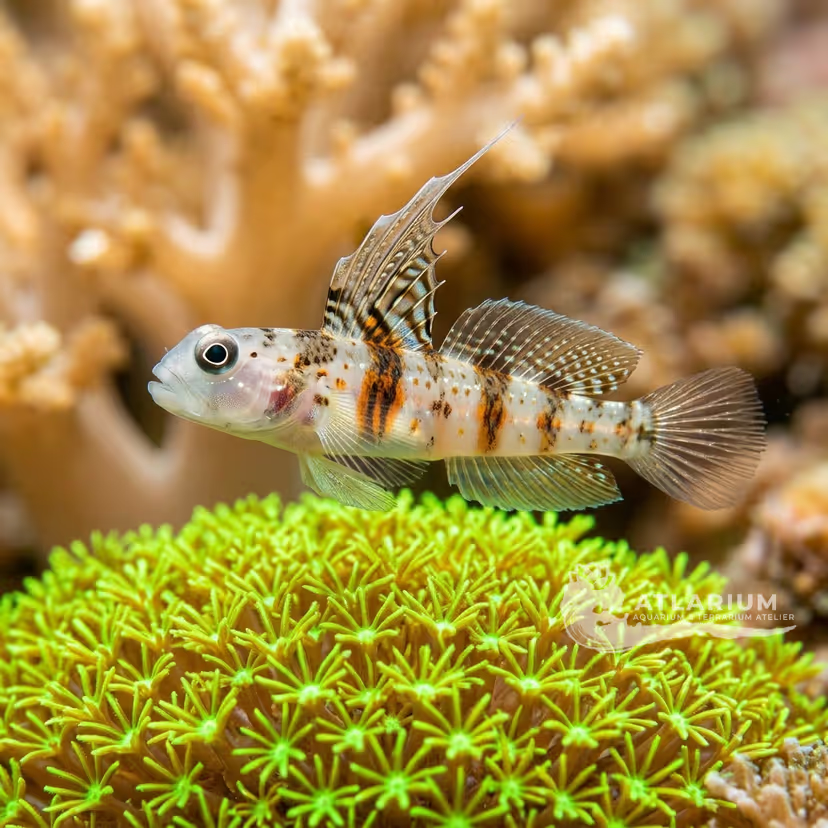
View details->
Naked-headed Shrimpgoby

Naked-headed Shrimpgoby

Amblyeleotris gymnocephala
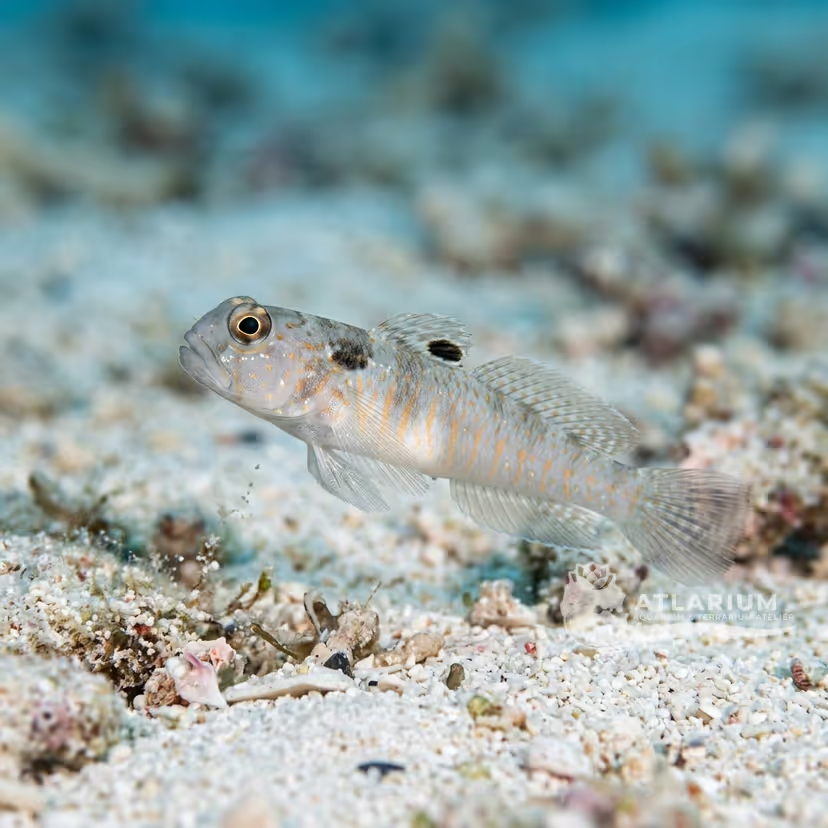
View details->
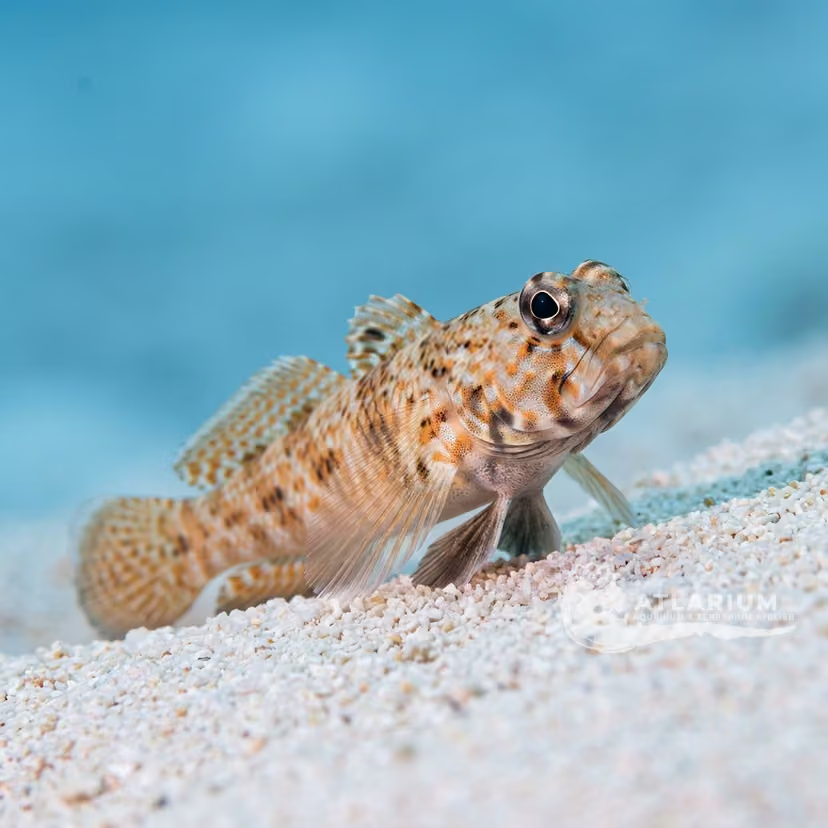
Neglected Shrimpgoby

Neglected Shrimpgoby

Amblyeleotris neglecta
View details->
Periophthalma Shrimp Goby

Periophthalma Shrimp Goby

Amblyeleotris periophthalma

View details->
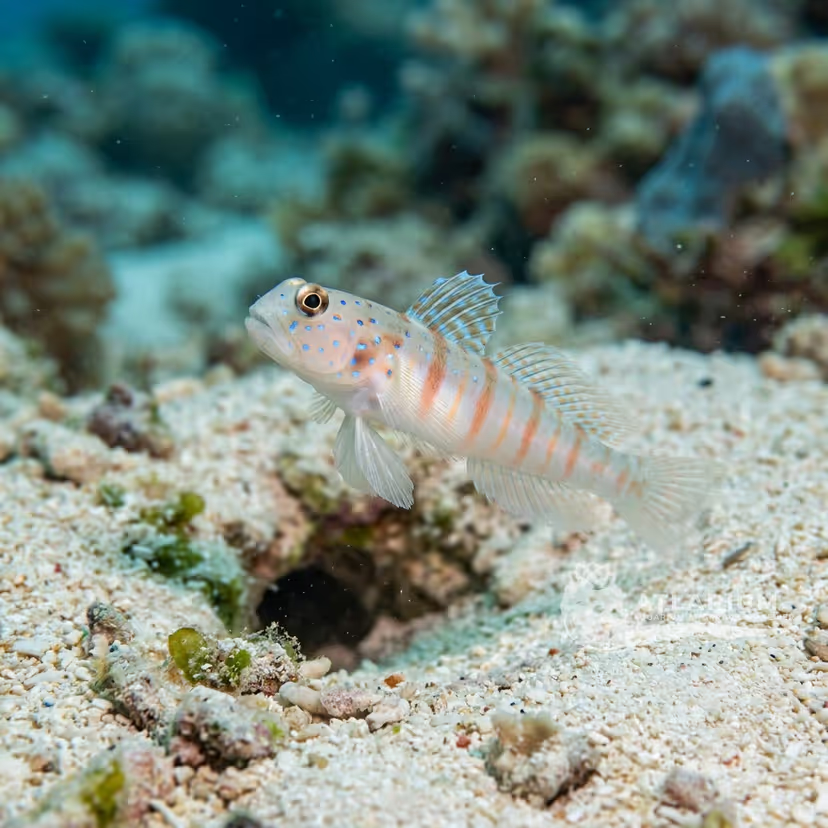
Spikefin goby

Spikefin goby

Discordipinna griessingeri
View details->
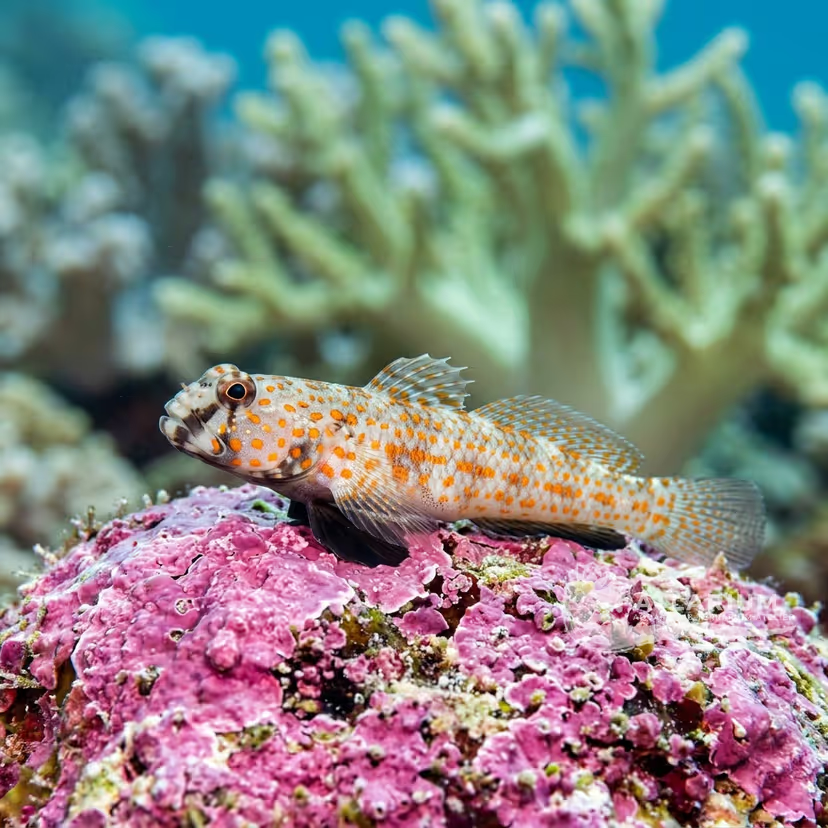
Memnonian Shrimpgoby

Memnonian Shrimpgoby

Amblyeleotris memnonia
View details->
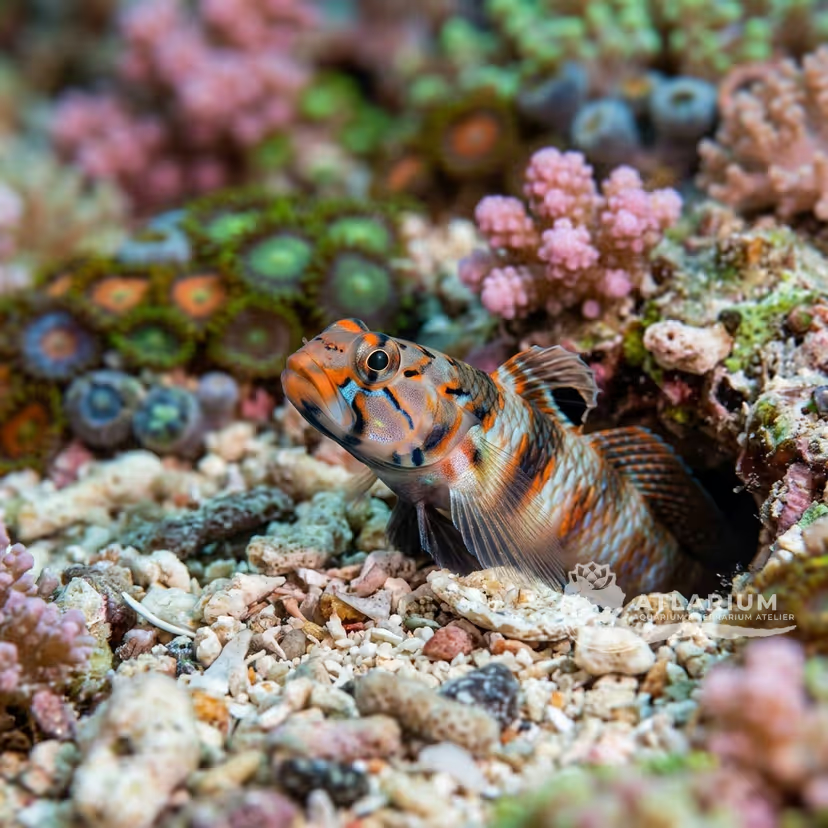
Orange-spotted Prawn-goby

Orange-spotted Prawn-goby

Amblyeleotris guttata
View details->
Aurora Goby

Aurora Goby

Amblyeleotris aurora

View details->
Japanese shrimp goby

Japanese shrimp goby

Amblyeleotris japonica

View details->
Last updated: 06/30/2026
Yano's Shrimp Goby (Amblyeleotris yanoi) Care Guide & Tank Setup | Atlarium