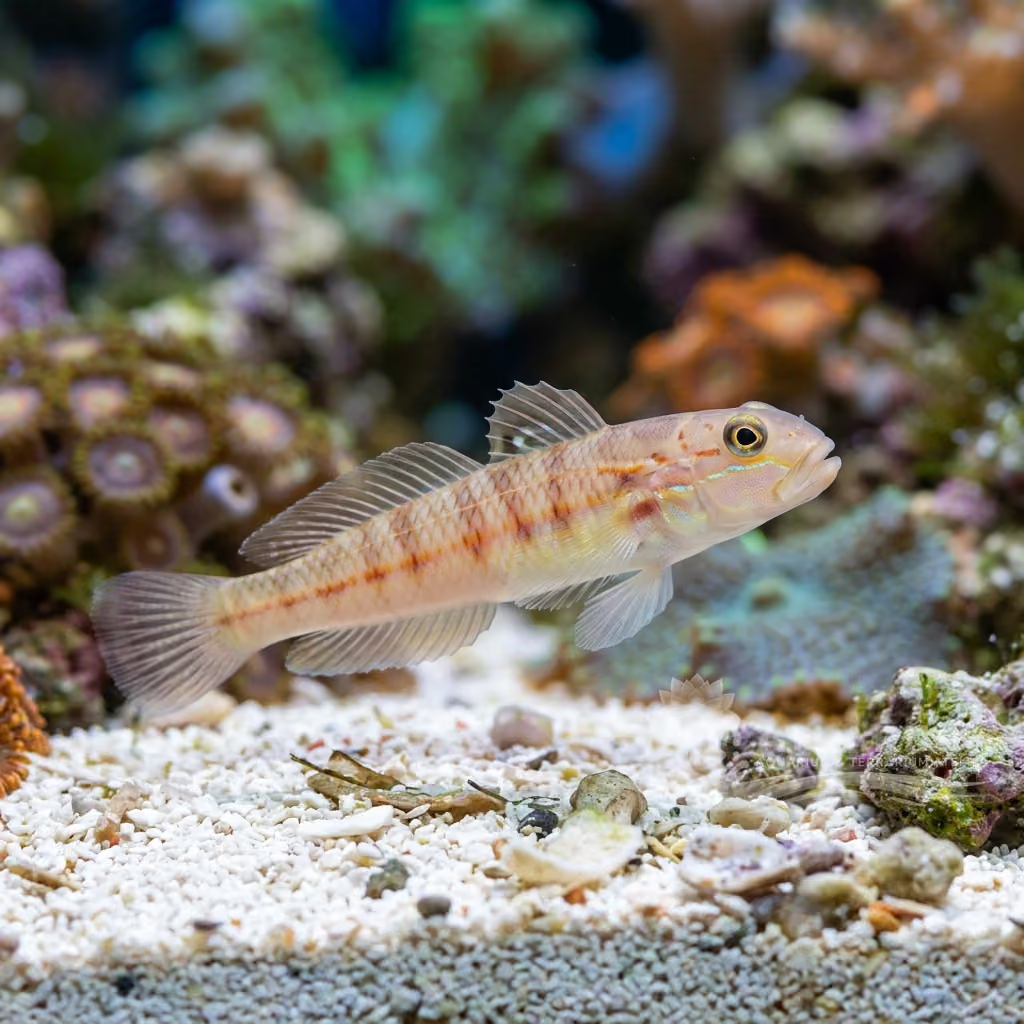
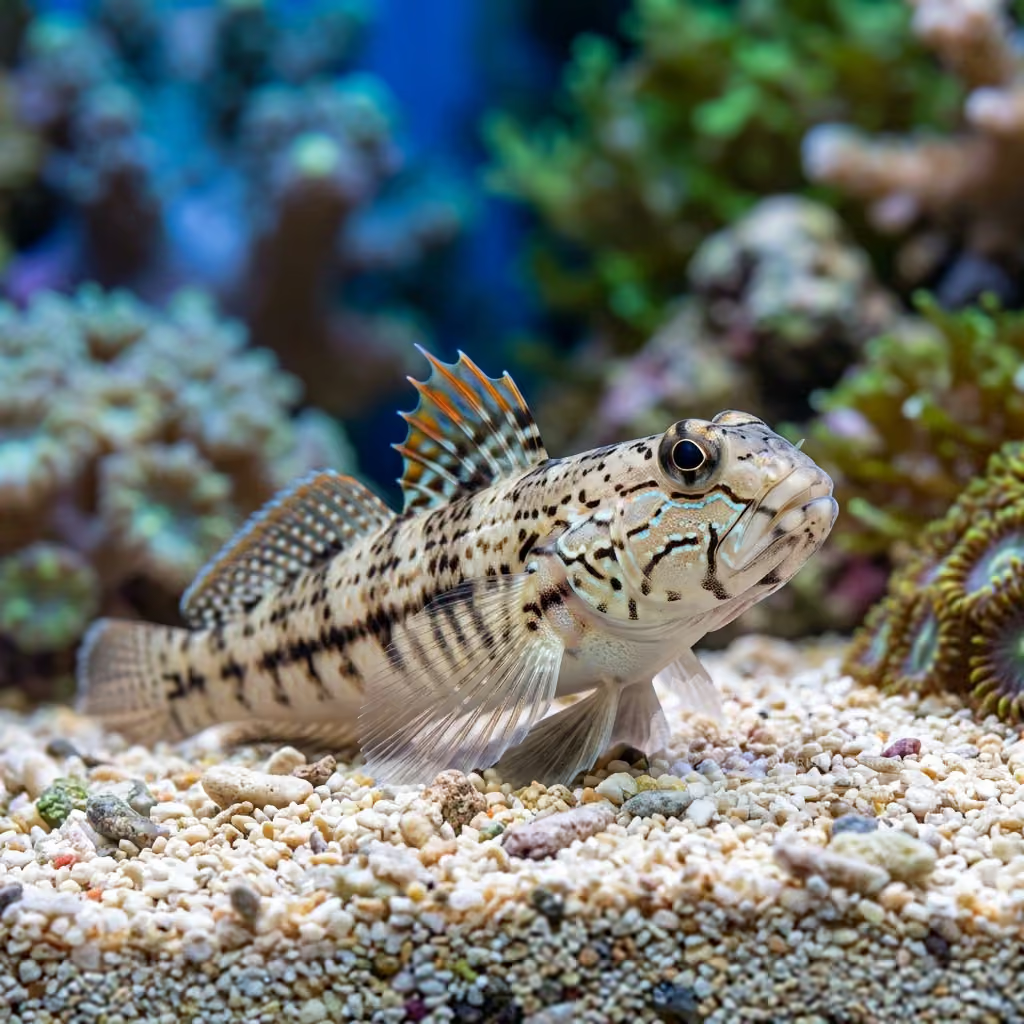
Randall's Shrimp Goby
Amblyeleotris randalli
Randall's Shrimp Goby is a peaceful marine fish from the Western Pacific. It forms a mutualistic bond with pistol shrimp, requiring a sandy substrate to build shared burrows.
Water Temperature
22 - 27 °C
pH Value
8.1 - 8.4
Water type
Marine
Tank level
Bottom
Adult size
9 cm
Minimum tank volume
>= 80 L
Minimum group
>= 1
KH
8 - 12 dKH

Species description
Geographical Origin and Habitat: Tropical Western Pacific. Inhabits sandy lagoons and sheltered seaward reefs, preferring areas with fine sand mixed with coral rubble at depths ranging from 5 to 30 meters.
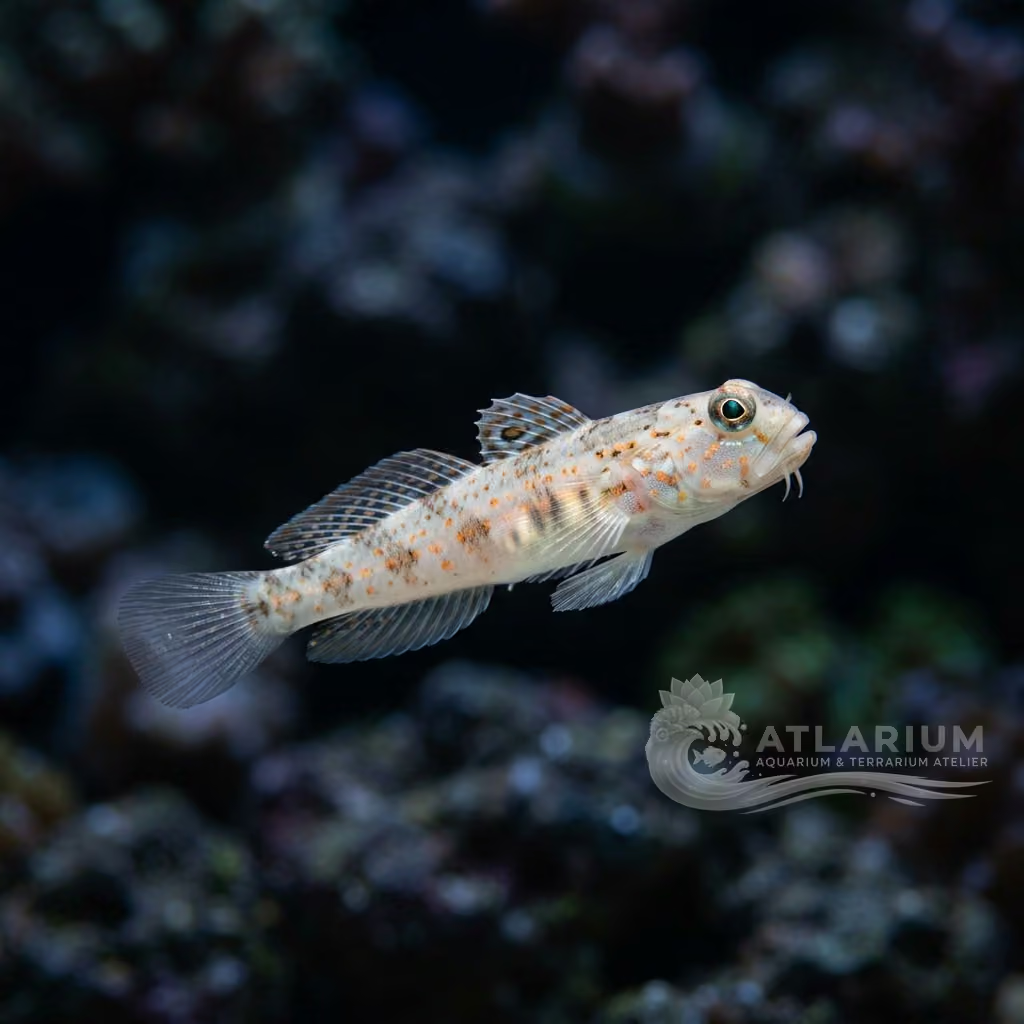
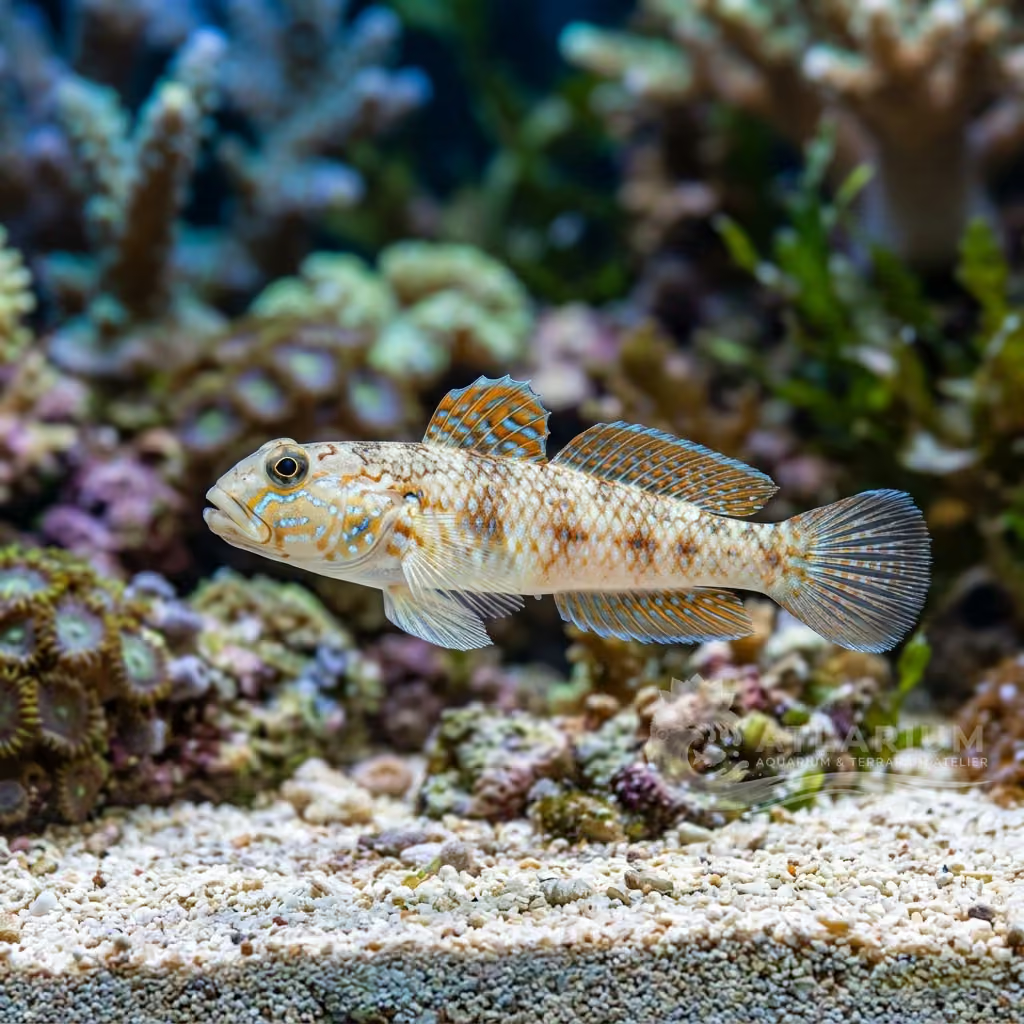
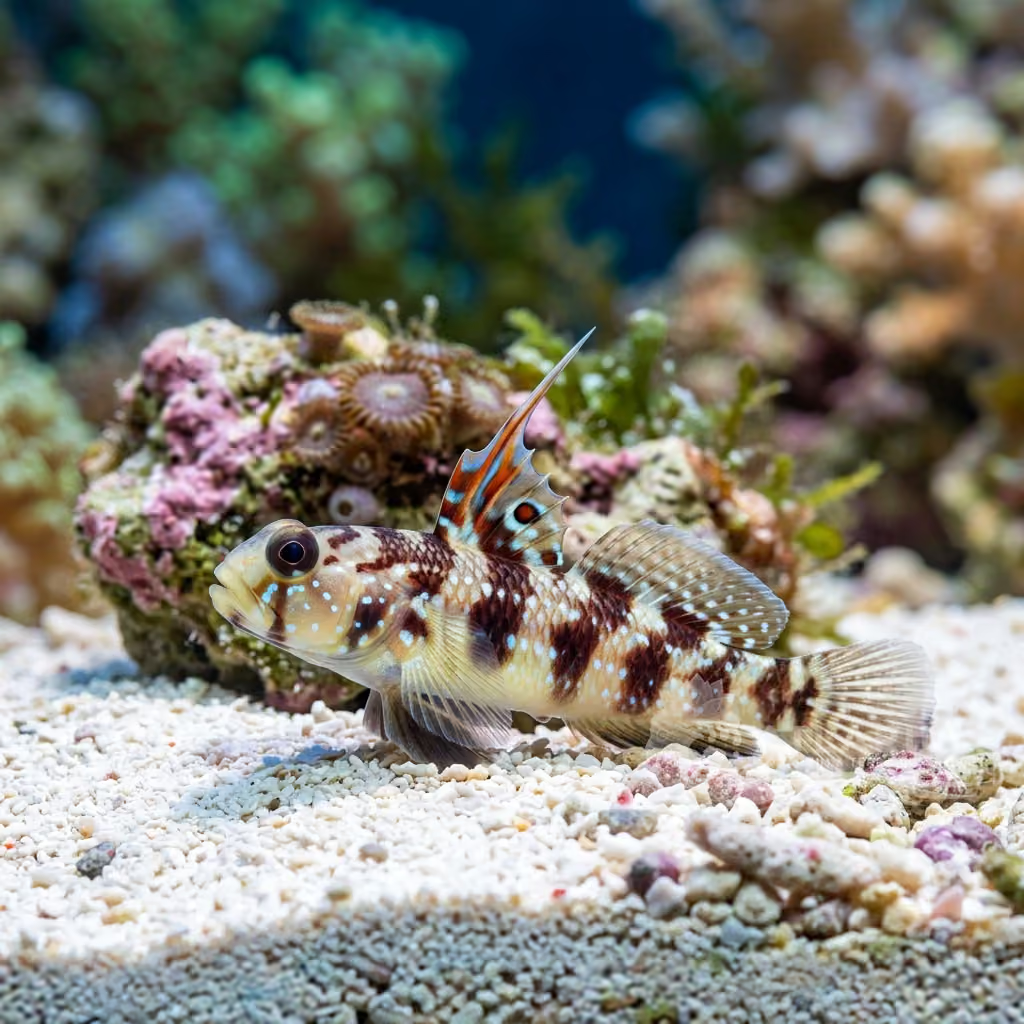
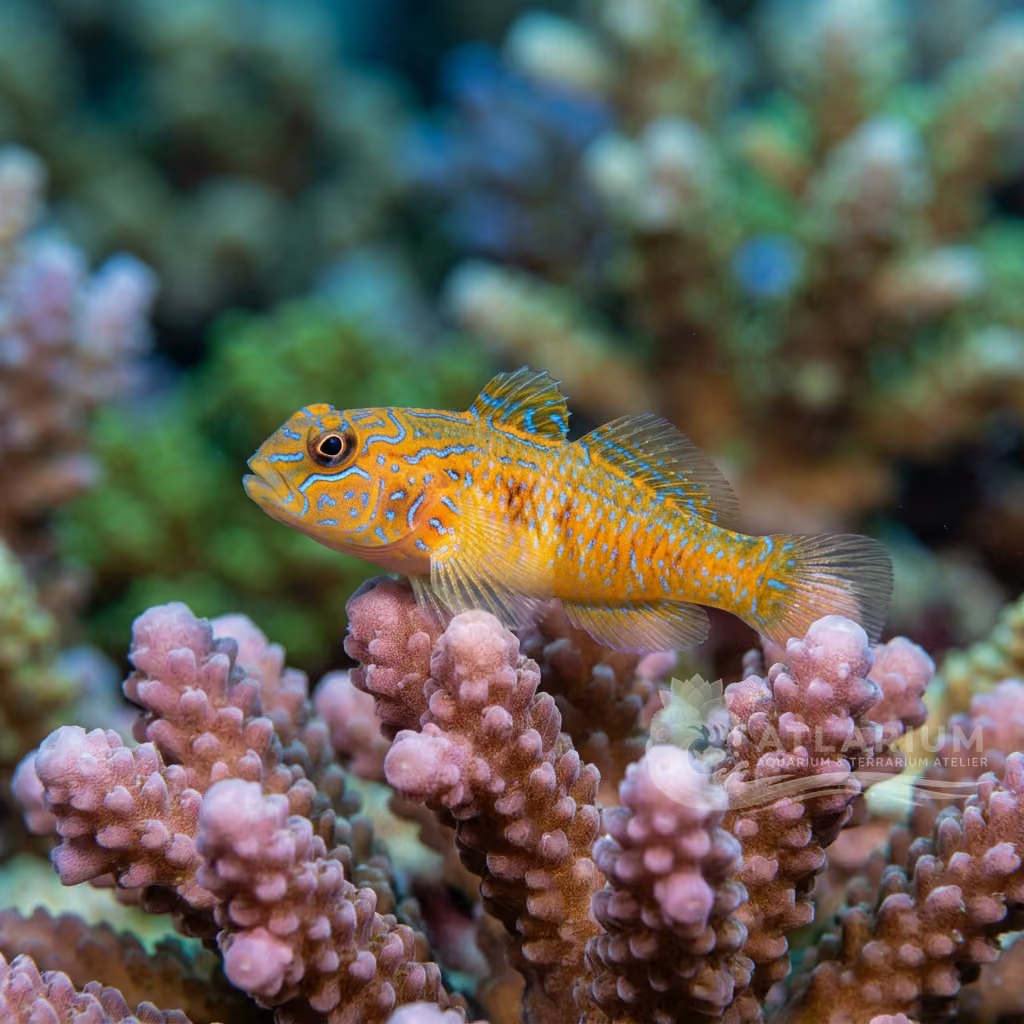
Taxonomy and Morphology: Member of the family Gobiidae. Reaches about 9 cm in length. Features an elongated body, high-set eyes on the head to scan the surroundings, and a prominent sail-like dorsal fin.
Social Behavior: Peaceful and shy fish. Lives in a tight mutualistic relationship with pistol shrimp (Alpheus randalli), which excavate and maintain the shared burrow while the goby acts as a sentry.
Coloration and Sexual Dimorphism: Silver-white body crossed by approximately 7 narrow vertical orange or golden stripes. The large dorsal fin displays a prominent black spot surrounded by orange dots. No visible sexual dimorphism.

Care, breeding and tankmates
Aquarium Setup: Needs a tank of at least 80 liters (20 gallons) with a deep substrate of fine sand (at least 5-7 cm / 2-3 inches) mixed with coral rubble and shell fragments to allow stable burrow construction.
Diet and Feeding: Carnivore. Offer mysis, brine shrimp, finely chopped shrimp, and frozen preparations for carnivores. Gradually accepts small sinking pellets and granules.
Water Quality: Requires stable standard marine parameters. Temperature 22-27°C (72-80°F), pH 8.1-8.4, specific gravity 1.020-1.025. Standard biological filtration is sufficient with regular water changes.
Compatibility and Cohabitation: Completely reef-safe. Excellent for calm community aquariums. Avoid predatory fish, large dottybacks, or aggressive tankmates that could scare it into permanent hiding.
Aquarium Breeding: Reproduction in home aquariums is extremely difficult to achieve. Eggs are laid inside the burrow and guarded by the breeding pair.
Risks and Diseases: High jump risk: when startled, it darts upward. A tight-fitting lid or fine mesh screen is essential. Monitor for potential skin infections.

Geographic origin and distribution
Tropical Western Pacific. Inhabits sandy lagoons and sheltered seaward reefs, preferring areas with fine sand mixed with coral rubble at depths ranging from 5 to 30 meters.
Origin
Tropical oceans and reefsEast Asia

Fish profile
- Temperament
- Territorial
- Amblyeleotris randalli is an exceptionally peaceful and passive species towards other fish, making it an excellent candidate for reef aquariums. However, they are highly territorial towards conspecifics and other bottom-dwelling gobies if the aquarium is too small to accommodate multiple territories. They spend most of their day alertly guarding their burrow, displaying a fascinating cooperative behavior with their shrimp partner. Unless provoked or crowded, they will remain docile and ignore most tankmates.
- Diet
- Carnivore
- This goby is primarily a carnivore that requires a varied diet consisting of small, meaty foods. In the aquarium, they should be offered high-quality mysis shrimp, vitamin-enriched brine shrimp, and finely chopped marine seafood like krill or table shrimp. They may eventually accept sinking pellets or flake foods, but these should not form the bulk of their diet. It is important to target feed near their burrow to ensure they receive adequate food without having to swim too far from their safe haven.
- Life expectancy
- 5-8 years
- Adult size
- 9 cm
- Sex ratio
- 1:1 ratio
- In the home aquarium, Amblyeleotris randalli is best housed individually or as a established mated pair. It is difficult to distinguish sexes due to minimal sexual dimorphism, making the formulation of pairs challenging for average hobbyists. Attempting to keep multiple males or unpaired specimens in the same small enclosure can lead to territorial disputes and aggression. Therefore, introducing a single specimen or a verified male-female pair is the most reliable stocking strategy.
- Feeding frequency
- Twice daily
- Amblyeleotris randalli should be fed at least two times a day to maintain their energy levels and health. Because they have a small digestive tract, smaller and more frequent feedings are much more beneficial than a single large meal. During the initial acclimation period, it might be necessary to feed them three times a day to encourage active foraging. Consistent daily feeding schedules help them establish a routine and feel secure in their designated feeding area.
- Bioload
- Low
- Amblyeleotris randalli is a small benthic species that generates a very low biological load in the aquarium. Their compact size, typically reaching a maximum length of about 9 centimeters, means they consume minimal food and produce negligible waste. However, to maintain optimal water quality and prevent debris buildup near their burrow, a reliable filtration system is recommended. Weekly partial water changes and proper skimming are usually sufficient to manage their low bioload.
- Flow
- Strong
- This species prefers a moderate and indirect water flow that brings planktonic food items within their reach without causing excessive turbulence. Strong, direct currents can disturb the sandy substrate, collapse their burrow, and make it difficult for the goby to hover comfortably. Conversely, weak flow might not distribute food effectively or keep the water sufficiently oxygenated. A moderate, laminar flow that replicates their natural reef slope or lagoon habitat is ideal.
- Jump risk
- Yes
- Like many other gobiid species, Amblyeleotris randalli presents a high risk of jumping out of the aquarium, especially when startled or introduced to a new environment. Their natural flight response is to dart quickly, which can launch them out of uncovered tanks. A tight-fitting lid or a fine mesh screen cover is absolutely mandatory to prevent tragic losses. Particular care should be taken during maintenance or nighttime hours when sudden lights or movements can trigger their jumping reflex.
- Reproduction
- Oviparous
- Reproduction of Amblyeleotris randalli in the home aquarium is extremely rare and difficult to achieve. They are demersal spawners, laying adhesive eggs inside the safety of their burrow where the male guards them until they hatch. While pairing and spawning may occasionally occur in captivity, successfully raising the tiny, delicate planktonic larvae is an advanced challenge. The larvae require specialized microscopic live foods, such as rotifers, and very specific rearing setups to survive.
- Compatibility & tankmates
- Peaceful
- Amblyeleotris randalli is highly compatible with a wide range of peaceful reef fish, such as firefish, small wrasses, and cardinalfish. Their most famous compatibility is with symbiotic alpheid pistol shrimp, specifically Alpheus randalli, with whom they form a lifelong mutualistic bond. They should not be kept with large, predatory, or aggressive species like groupers, lionfish, or large dottybacks that could easily swallow or harass them. Additionally, keeping them with other burrowing gobies in small tanks should be avoided to prevent territorial competition.
- Tank level
- Bottom
- This species is strictly a bottom-dweller, spending almost all of its time hovering directly over or resting inside its burrow. They rely heavily on the substrate, rarely venturing into the middle or upper columns of the water column except during feeding times or when startled. A deep sand bed mixed with rubble is essential for them to establish their home at the tank bottom. They will generally stay within a few inches of their burrow entrance to remain close to their symbiotic shrimp partner.

Scientific Parameters & Models
FishBase
Window to the official scientific data of the species
FishBase v25.04Data synced on: 06/15/2026
- Trophic level
- 3.4 ± 0.4 se
- Resilience
- High (less than 15 months)
- Phylogenetic uniqueness (PD50)
- 0.5
- Bayesian Length-Weight
- a = 0.00741, b = 3.09
- VulnerabilityLow vulnerability (10 / 100)

Related species
Recommendations grouped by close relatives, companion choices, and similar care.