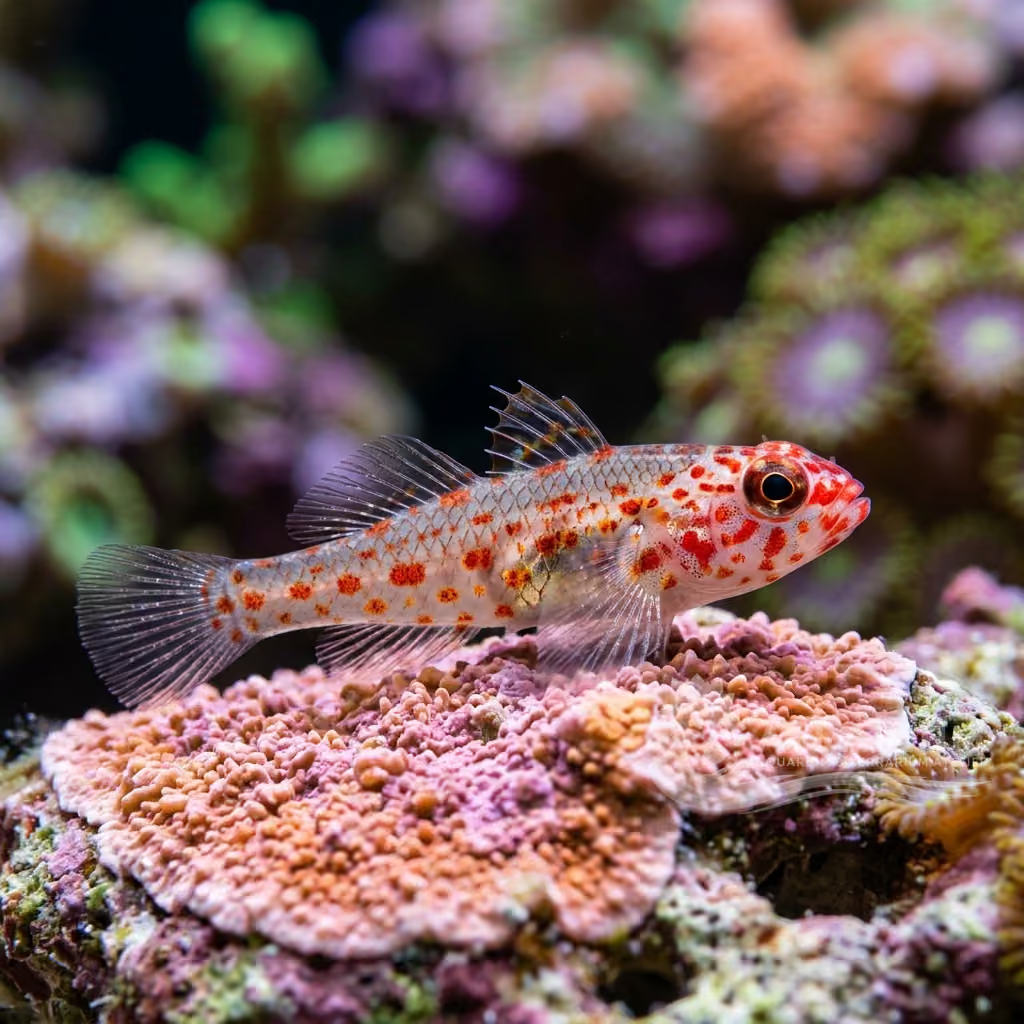
Luther's Goby
Cryptocentrus lutheri
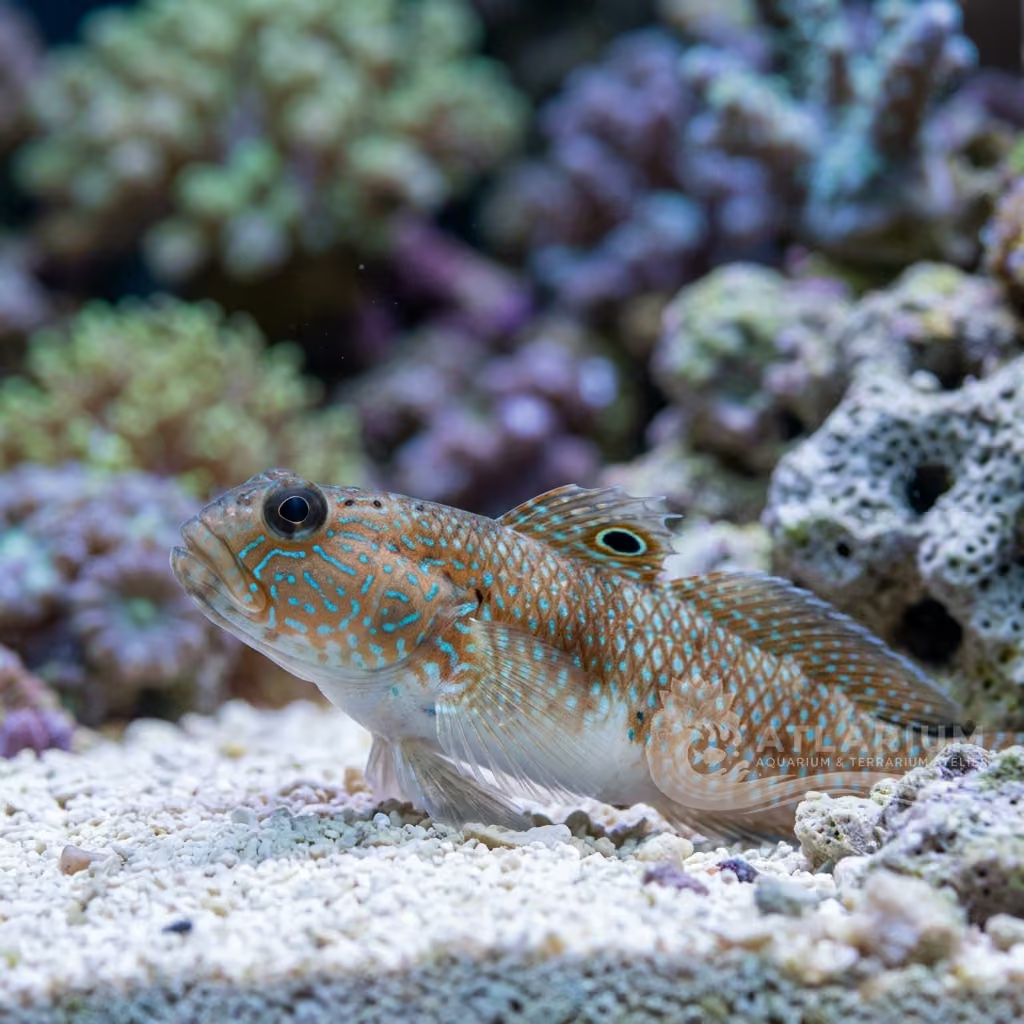
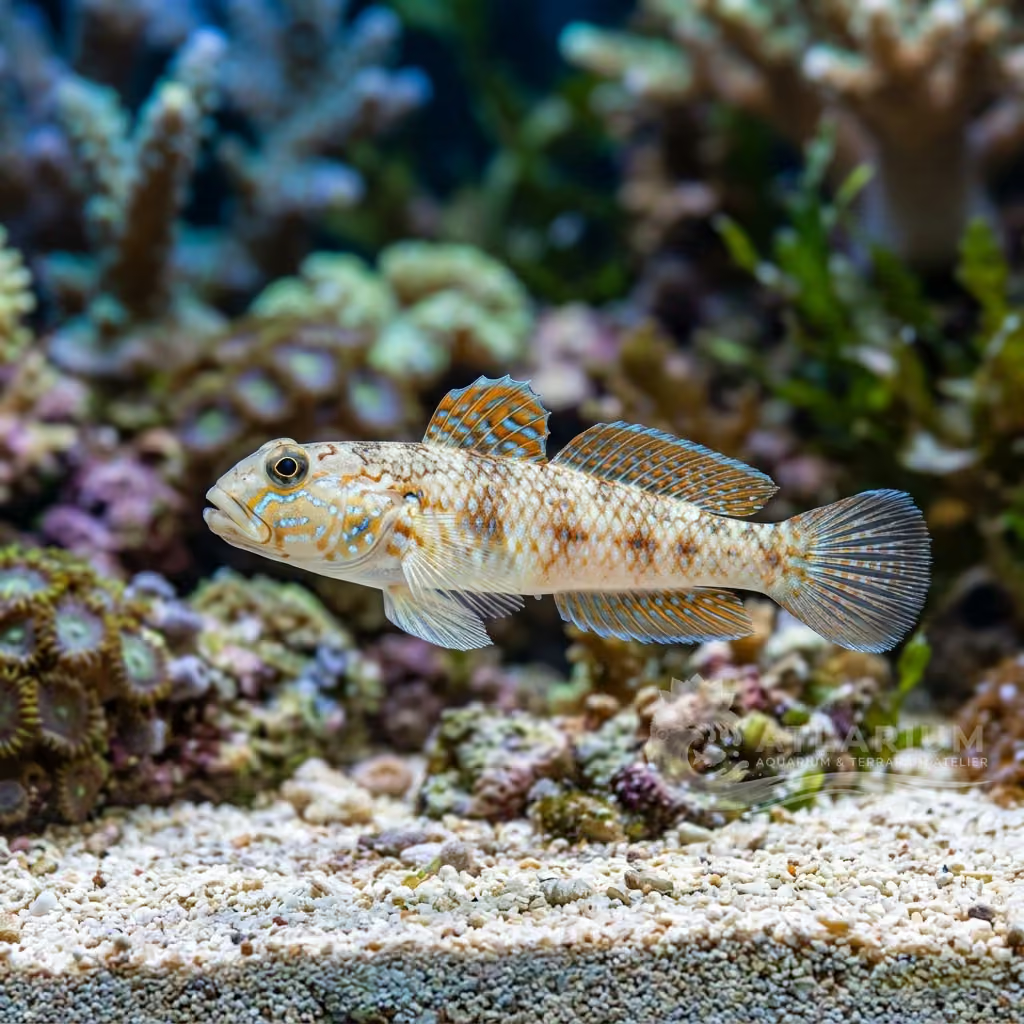
Luther's Goby is a peaceful marine fish renowned for partnering with pistol shrimp to form complex burrow systems. It requires a deep sand bed and stable rocks to thrive in community tanks.
Water Temperature
23 - 27 °C
pH Value
8.1 - 8.4
Water type
Marine
Tank level
Bottom
Adult size
11 cm
Minimum tank volume
>= 110 L
Minimum group
>= 1
KH
8 - 12 dKH

Species description
Geographical Origin and Habitat: Western Indian Ocean, specifically in the Red Sea and East Africa, extending to the Persian Gulf. Inhabits shallow sandy slopes and lagoons near coral reef margins.
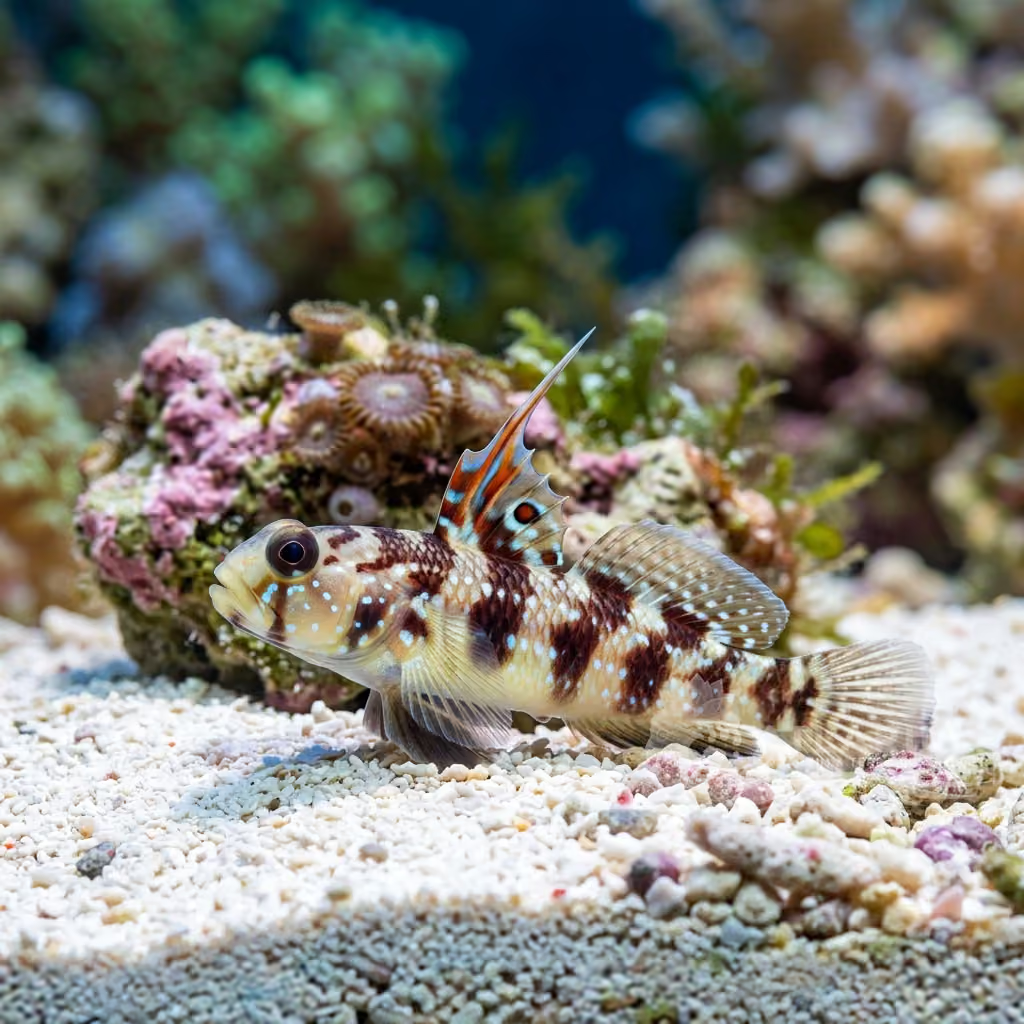
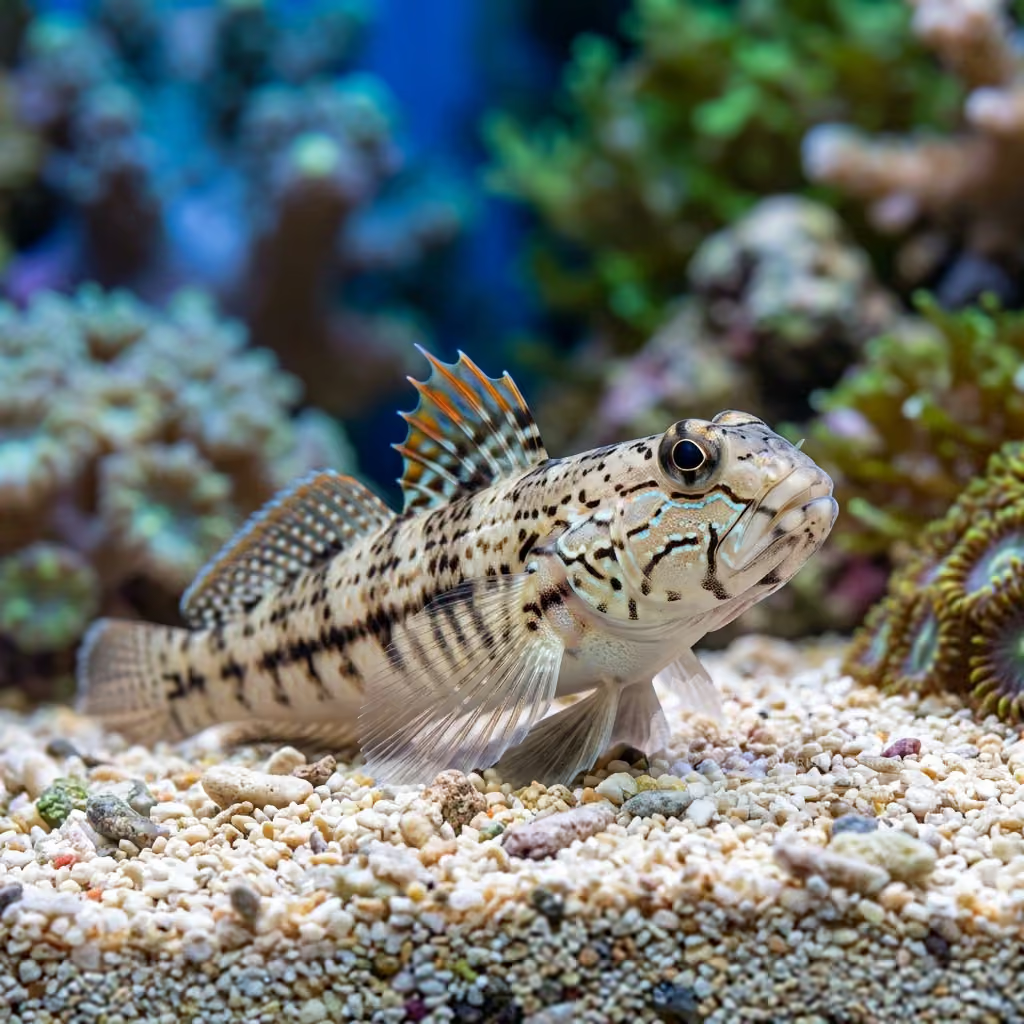
Taxonomy and Morphology: Belongs to the family Gobiidae. Reaches a maximum length of 11 cm. Characterized by a cylindrical body, high-set eyes, and a wide mouth typical of predatory gobies.
Social Behavior: Lives in mutualistic symbiosis with alpheid (pistol) shrimp. The goby acts as a sentinel, warning the nearly blind shrimp of predators, while the shrimp digs and maintains a shared sandy burrow.
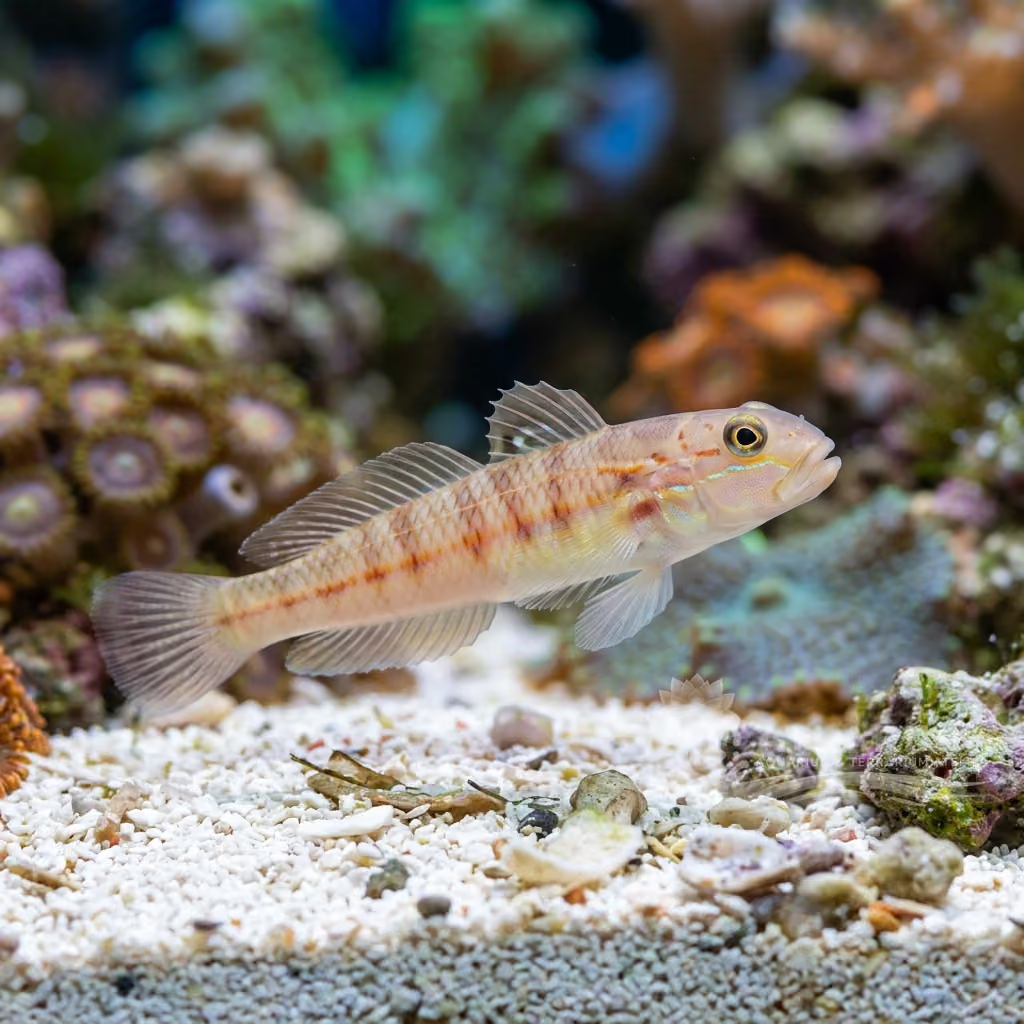
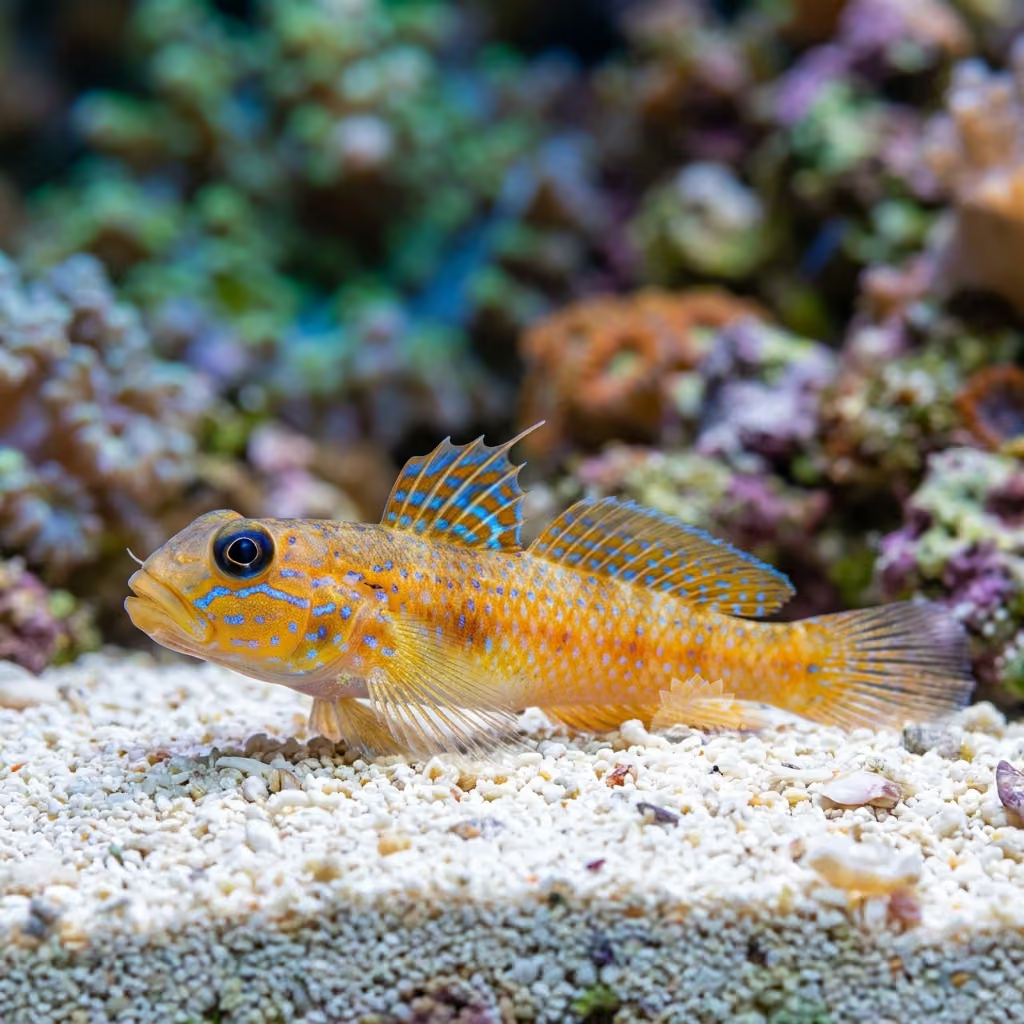
Coloration and Sexual Dimorphism: Grayish-sand base color with dark vertical bands and numerous small light and bluish spots on the body and head. Males are slightly larger and display brighter colors during spawning.

Care, breeding and tankmates
Aquarium Setup: Requires a tank of at least 110 liters with a deep, fine sandy substrate (at least 5-7 cm) and rubble/shells for burrow construction. Rockwork must rest on the tank glass, not the sand.
Diet and Feeding: Carnivore. Feeds on small benthic invertebrates. Provide a varied diet of frozen foods like mysis shrimp, brine shrimp, and high-quality sinking marine pellets.
Water Quality: Maintain marine conditions with pH 8.1-8.4, temperature 23-27°C, salinity 1.020-1.025, and dKH 8-12. Regular water changes and good filtration are essential.
Compatibility and Cohabitation: Peaceful with most reef fish. Should be paired with a symbiotic pistol shrimp (e.g. Alpheus bellulus). May show territorial aggression toward other benthic gobies in smaller setups.
Aquarium Breeding: Egg layer. Spawns inside the burrow. The male guards the eggs until they hatch. Raising the pelagic larvae in captivity is highly challenging and rarely documented.
Risks and Diseases: Known jumper, so a tight-fitting lid is mandatory. Can suffer from starvation if kept in tanks with aggressive food competitors, or if the sand bed is too clean.

Geographic origin and distribution
Western Indian Ocean, specifically in the Red Sea and East Africa, extending to the Persian Gulf. Inhabits shallow sandy slopes and lagoons near coral reef margins.
Origin
Tropical oceans and reefsAfrica and MadagascarSouth and Southeast Asia

Fish profile
- Temperament
- Peaceful
- They are peaceful, observant, and somewhat shy fish. They spend the vast majority of their time perched on their pelvic fins, watching the tank while their symbiotic shrimp maintains the burrow. They show aggression only when defending their immediate territory from similar bottom-dwellers. They are an intriguing and low-maintenance addition to the marine community.
- Diet
- Carnivore
- They are micro-carnivores that rely on zooplankton and tiny crustaceans in the wild. In the aquarium, they readily accept a variety of frozen meaty foods, including mysis shrimp, enriched brine shrimp, and finely diced seafood. They can also be trained to accept sinking pellets. Providing a varied, high-quality meaty diet is essential for their health and longevity.
- Life expectancy
- 3-5 years
- Adult size
- 11 cm
- Sex ratio
- Flexible
- They should be kept singly or in a bonded male-female pair. Two males in the same tank will often fight relentlessly over territory and burrows. A bonded pair will share a burrow with their pistol shrimp and exhibit interesting pair-bonding behaviors. Unless a confirmed pair is acquired, it is best to stick to a single specimen.
- Feeding frequency
- Twice daily
- Feed them small portions once or twice a day. They are not aggressive eaters and rely on food drifting close to their burrow. Target feeding with a pipette is often necessary to ensure they get their share, especially in a tank with active swimmers. Make sure some food reaches the bottom for their symbiotic shrimp as well.
- Bioload
- Low
- Luther's Watchman Goby has a minimal bioload, making it a perfect inhabitant for nano tanks or carefully managed reef aquariums. Because of their small size and lethargic swimming habits, they do not produce significant waste. A standard filtration system suited to the tank's volume will handle their bioload effortlessly. Regular water changes are still recommended for overall tank health.
- Flow
- Strong
- Moderate, gentle flow is preferred by Luther's Watchman Goby. Strong, direct currents can collapse their burrows and make it difficult for them to feed. A gentle, sweeping flow from a wavemaker that keeps food suspended near the bottom is ideal. They will spend most of their time sheltered near their burrow entrance.
- Jump risk
- Yes
- Like most gobies, they are extremely prone to jumping. A tight-fitting lid or a fine mesh cover is an absolute requirement for their aquarium. They will often jump if frightened, bullied, or during the initial acclimation period. Ensuring they have a secure burrow and a peaceful environment significantly reduces the risk.
- Reproduction
- Egg scatterer
- Breeding in captivity is possible but successfully raising the larvae is incredibly difficult. They are cave spawners that lay their eggs inside their constructed burrow, with the male providing parental care. The hatched larvae are extremely small and pelagic, requiring microscopic specialized foods like rotifers. Rearing them requires an advanced, dedicated breeding setup.
- Compatibility & tankmates
- Peaceful
- They are highly peaceful towards other fish and invertebrates, making them an excellent reef citizen. Their iconic symbiotic pairing with a pistol shrimp is fascinating and highly recommended for observing natural behaviors. They will act aggressively toward other small, bottom-dwelling gobies if the tank is not large enough to support multiple territories. They are entirely safe with corals and clams.
- Tank level
- Bottom
- They are exclusively bottom-dwelling fish that rely on a deep sand bed. A substrate depth of at least two to three inches, mixed with some coarser rubble, is necessary for them to construct stable burrows. They will rarely venture far from their burrow entrance, quickly retreating inside at the first sign of danger. They are not active swimmers in the water column.

Scientific Parameters & Models
FishBase
Window to the official scientific data of the species
FishBase v25.04Data synced on: 06/15/2026
- Trophic level
- 3.3 ± 0.4 se
- Resilience
- High (less than 15 months)
- Phylogenetic uniqueness (PD50)
- 0.5
- Bayesian Length-Weight
- a = 0.00741, b = 3.09
- VulnerabilityLow vulnerability (10 / 100)

Related species
Recommendations grouped by close relatives, companion choices, and similar care.