

Encyclopaedia
Black combtooth blenny
Ecsenius namiyei
A sleek, jet-black blenny with a vibrant yellow tail, this highly active species elegantly grazes on rockwork. It makes a charismatic, reef-safe companion, but requires ample microalgae to thrive.
Share
Check out Black combtooth blenny on Atlarium
23 - 27 °C
8.1 - 8.4
Marine
Bottom
11 cm
>= 150 L
>= 1
8 - 12 dKH
Species description
Care, breeding and tankmates
Geographic Origin and Distribution
Origin
Fish profile
- Temperament
- Peaceful
- Diet
- Herbivore
- Sex ratio
- Solitary
- Feeding frequency
- Twice daily
- Bioload
- The Ecsenius namiyei adds a very low bioload to the aquarium system, making it an excellent choice for smaller tanks. Their small size and efficient metabolism ensure that they do not heavily pollute the water. Routine maintenance and a standard protein skimmer are more than adequate to handle their waste. This makes them highly suitable for delicate reef environments where water purity is paramount.
- Flow
- Strong
- Jump risk
- Yes
- Reproduction
- Oviparous
- Compatibility & tankmates
- Reef safe
- Tank level
- Bottom
Window to the official scientific data of the species
Scientific Parameters & Models
- Trophic level
- 2 ± 0 se
- Resilience
- High (less than 15 months)
- Phylogenetic uniqueness (PD50)
- 0.5
- Bayesian Length-Weight
- a = 0.00776, b = 3
Image gallery
Licensed images linked to the species or, when marked, to the closest representative taxon.
Related species
Recommendations grouped by close relatives, companion choices, and similar care.
Variants and close relatives
Same atlas type, nearby scientific identity, genus, or family.
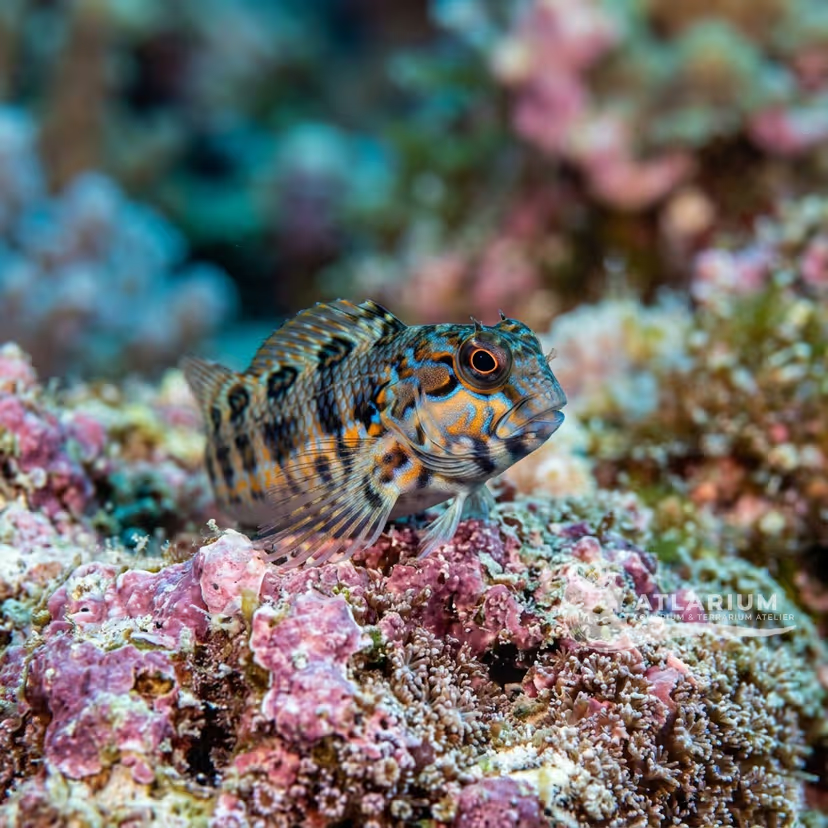
Allen's blenny
Ecsenius alleni

Axelrod's blenny
Ecsenius axelrodi
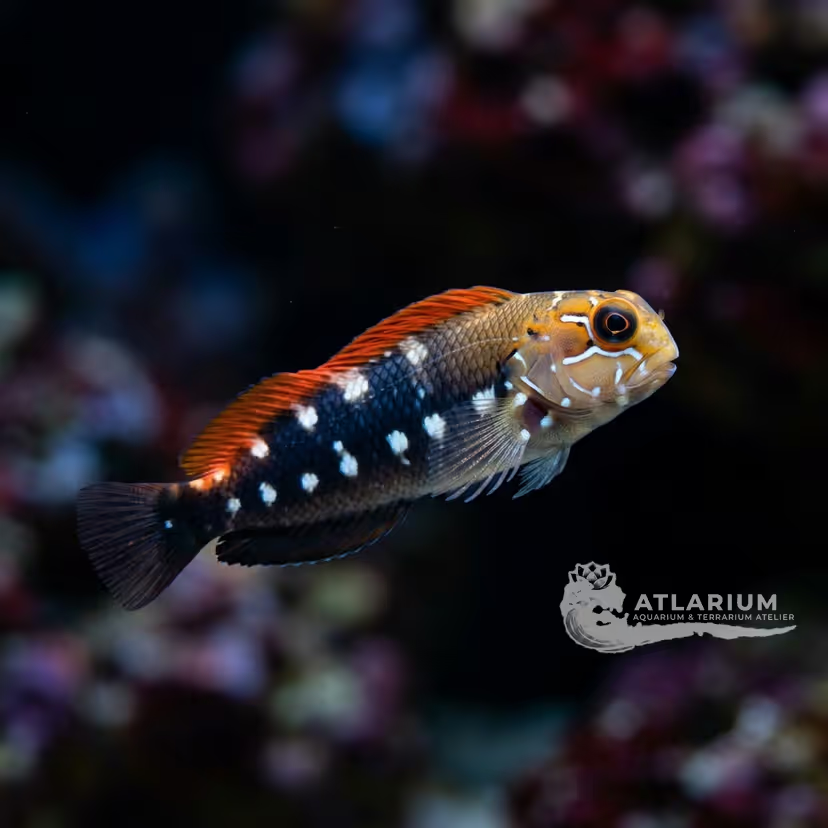
Fiji Blenny
Ecsenius fijiensis

Linear Blenny
Ecsenius lineatus

Monoculus blenny
Ecsenius monoculus

Ocular Blenny
Ecsenius oculus
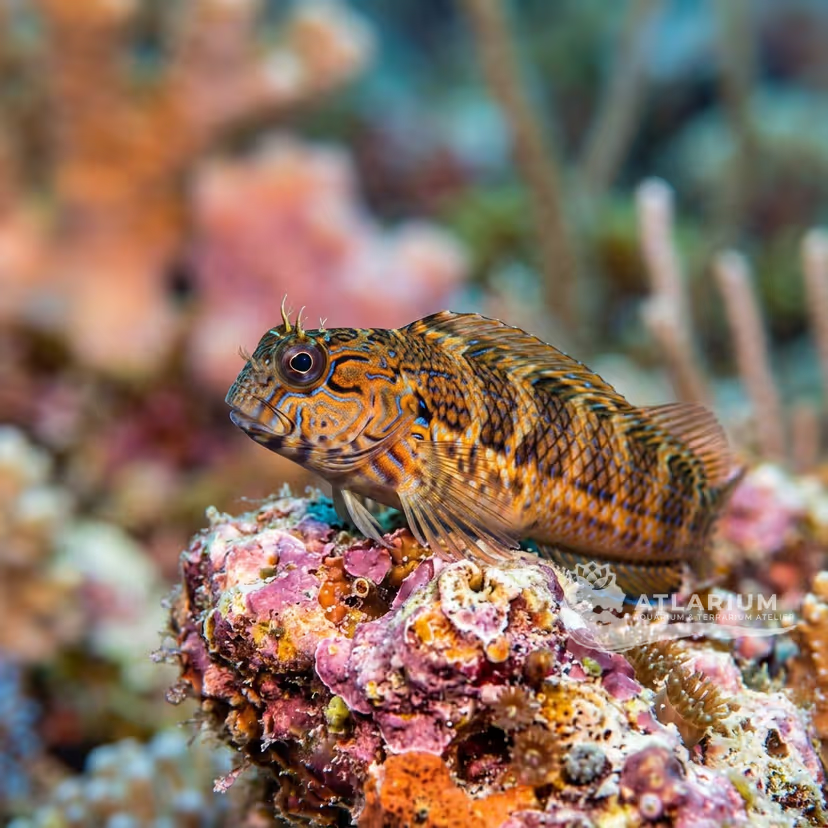
Portenoy's Blenny
Ecsenius portenoyi

Saddle blenny
Ecsenius sellifer
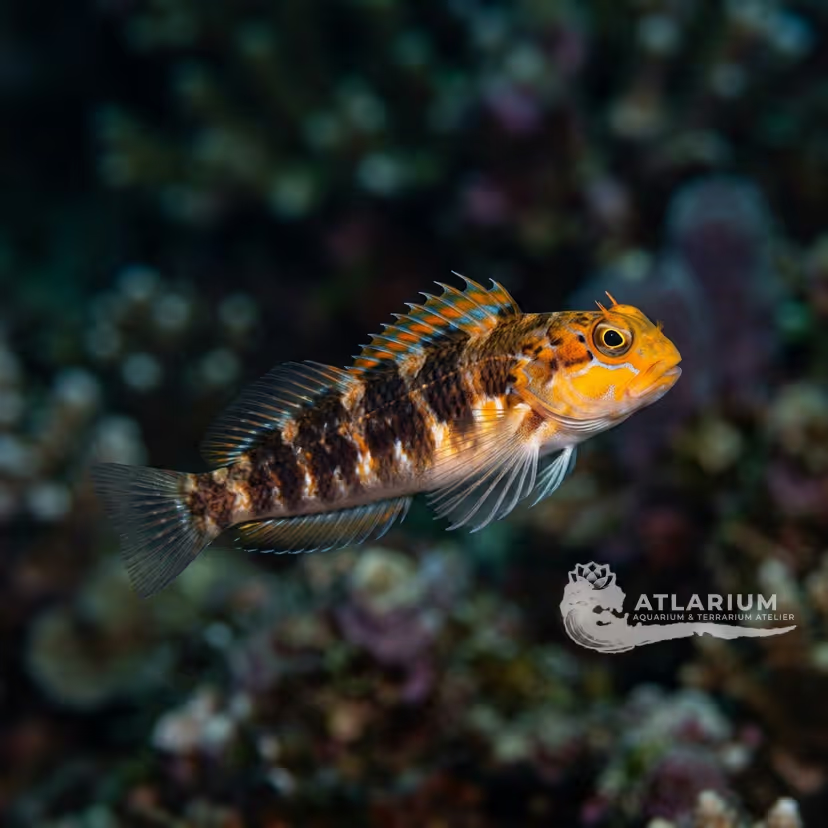
Yelloweye Combtooth Blenny
Ecsenius opsifrontalis
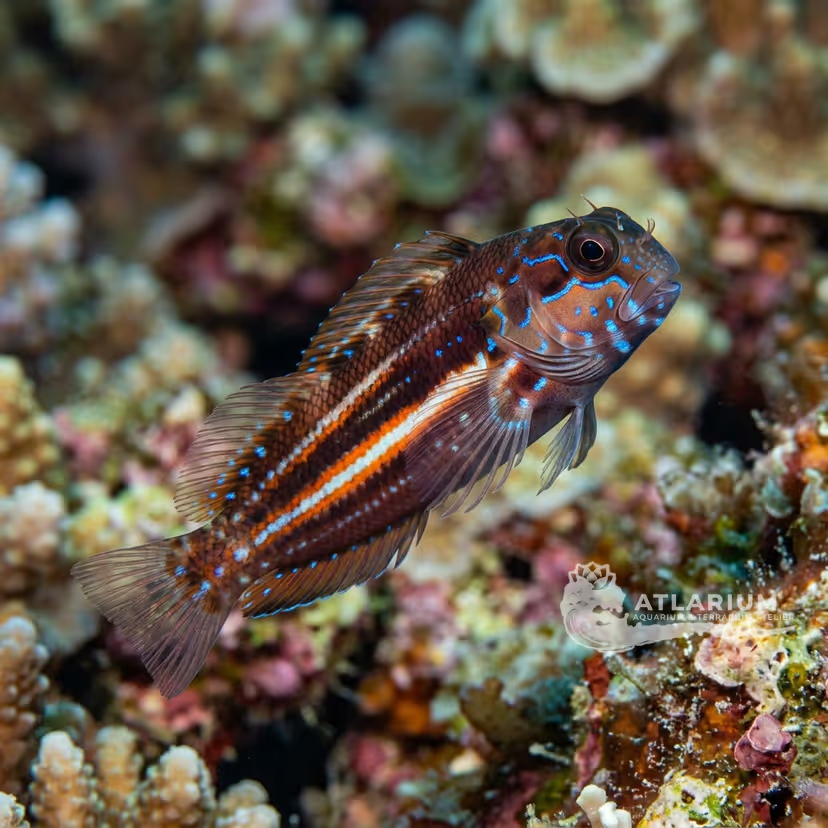
Beautiful Blenny
Ecsenius pulcher
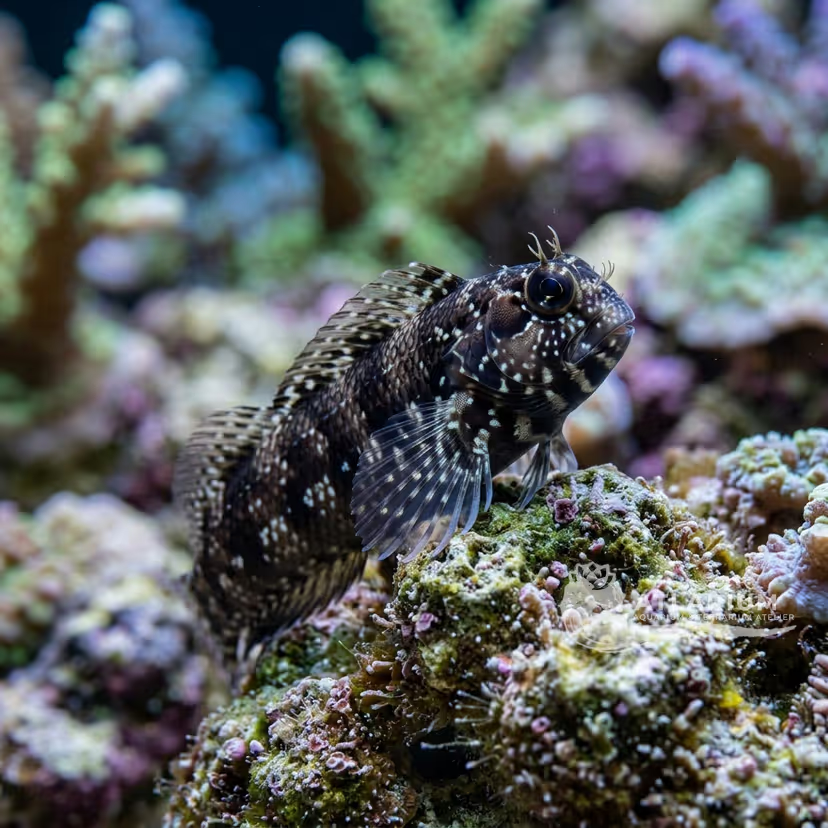
Springer's Blenny
Ecsenius springeri
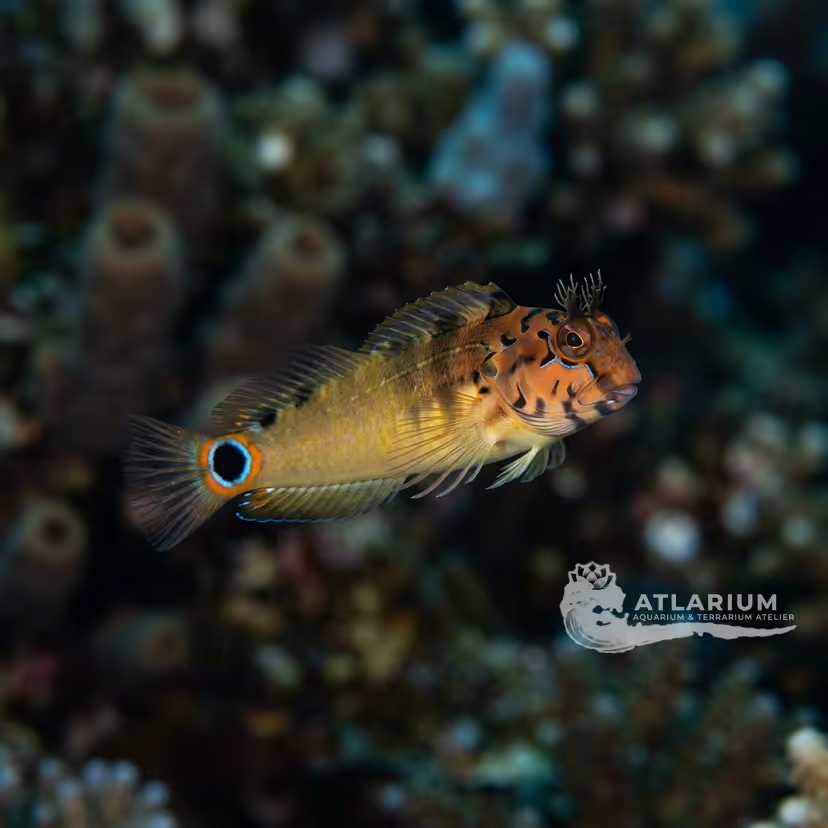
Tailspot blenny
Ecsenius stigmatura

Aron's blenny
Ecsenius aroni

Many-spotted blenny
Ecsenius polystictus

Bluebelly blenny
Ecsenius caeruliventris

Yellowtail Clown Blenny
Ecsenius melarchus
Recommended companions
Compatible cards from coherent ecosystems with matching parameters.

Long-spined sea urchin
Diadema setosum
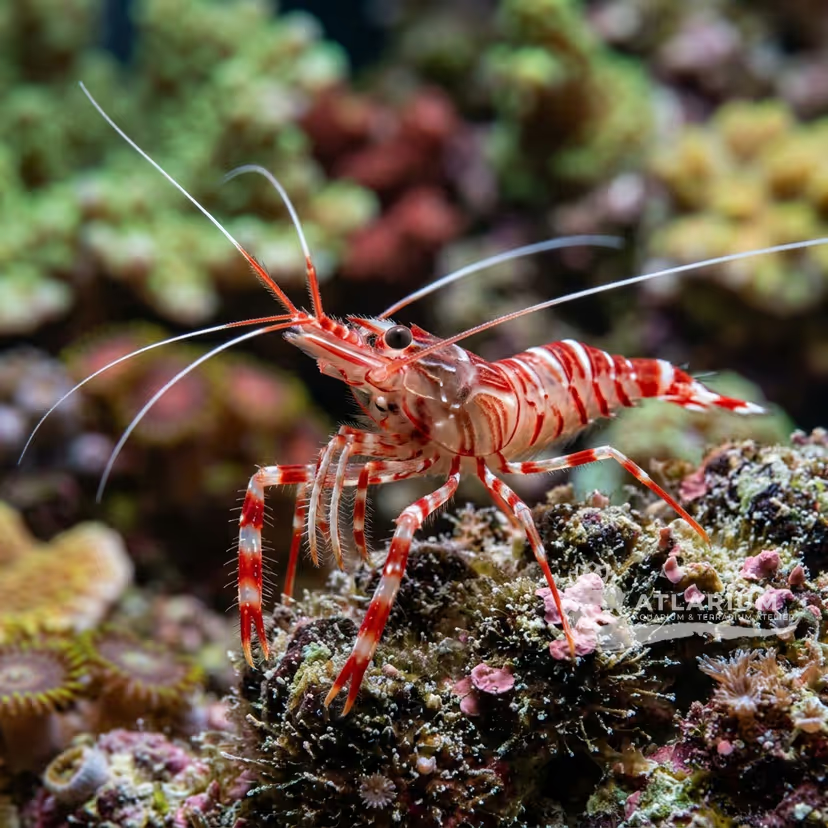
Anker's Cleaner Shrimp
Lysmata ankeri

Armed Snapping Shrimp
Alpheus armatus

Blood-spotted Hermit Crab
Clibanarius cruentatus
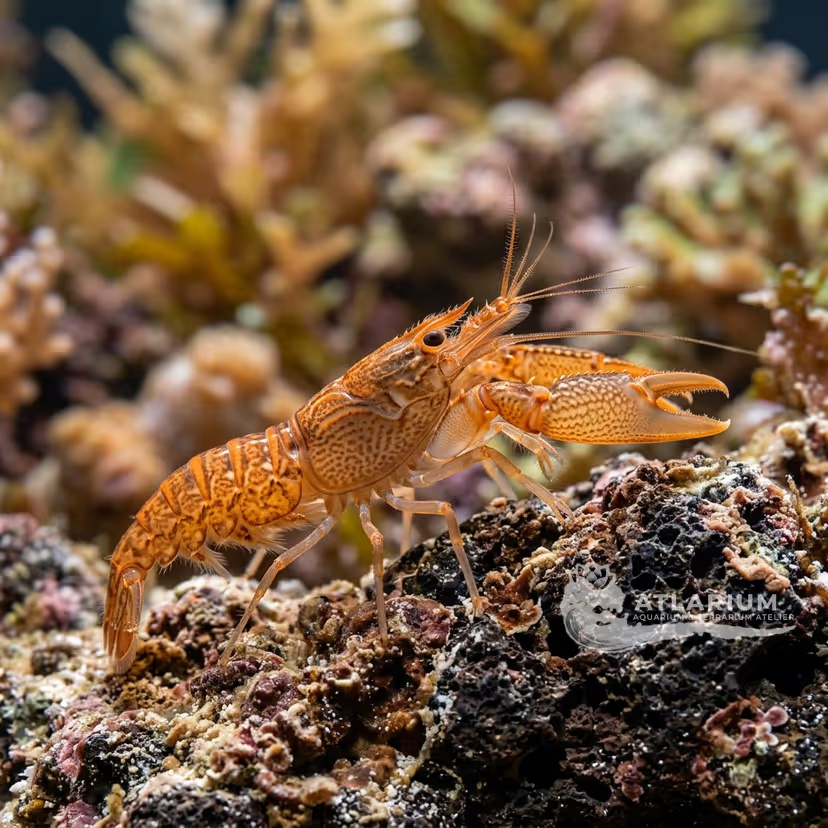
Bouvier's snapping shrimp
Alpheus bouvieri

Camel shrimp
Rhynchocinetes durbanensis

Chapin's Hermit Crab
Clibanarius chapini

Chocolate Chip Starfish
Protoreaster nodosus
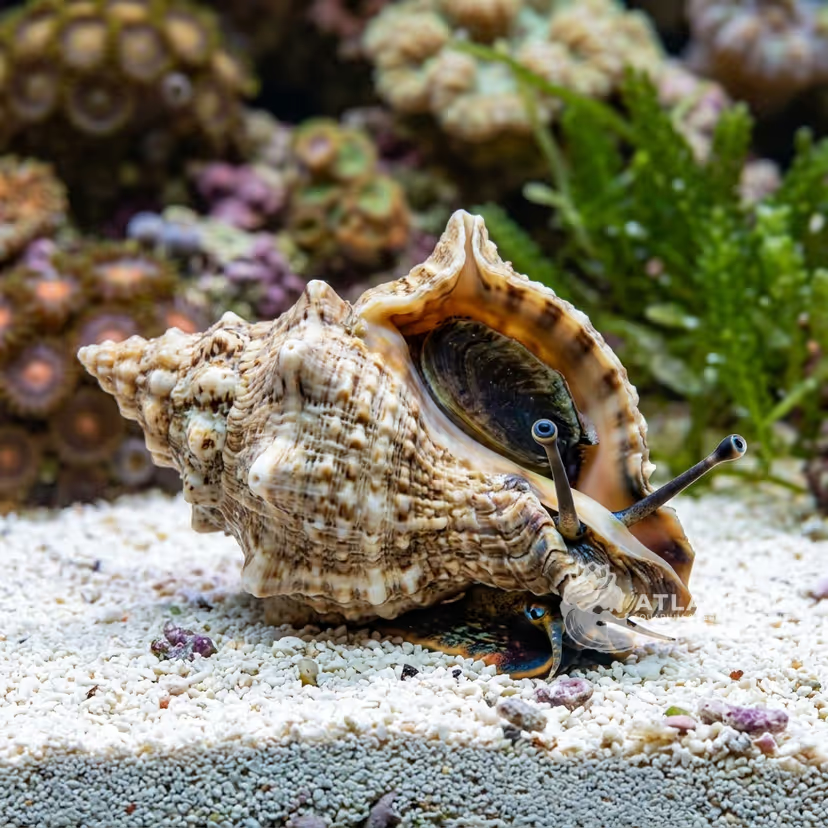
Florida Fighting Conch
Strombus alatus
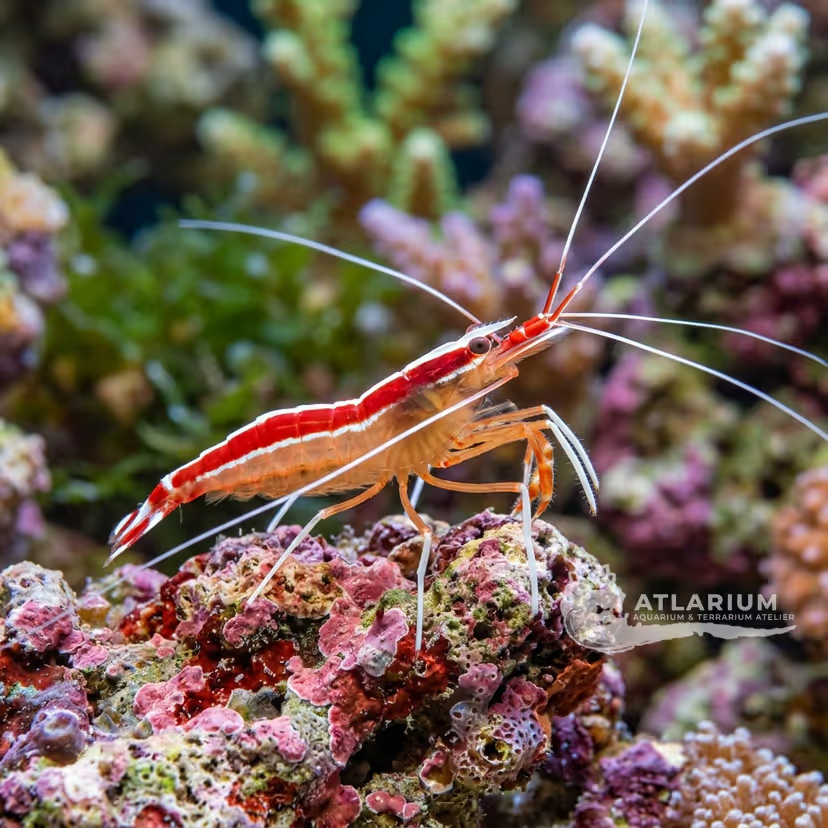
Grabham's cleaner shrimp
Lysmata grabhami

Green Sea Urchin
Lytechinus variegatus

Lipke's Cleaner Shrimp
Lysmata lipkei

Acorn dog whelk
Nassarius glans

Ambon Hermit Crab
Clibanarius ambonensis

Anchisteus Cleaner Shrimp
Lysmata anchisteus

Blue-eyed Hermit Crab
Clibanarius corallinus
Similar care
Cards with similar requirements, difficulty, habitat, and husbandry profile.
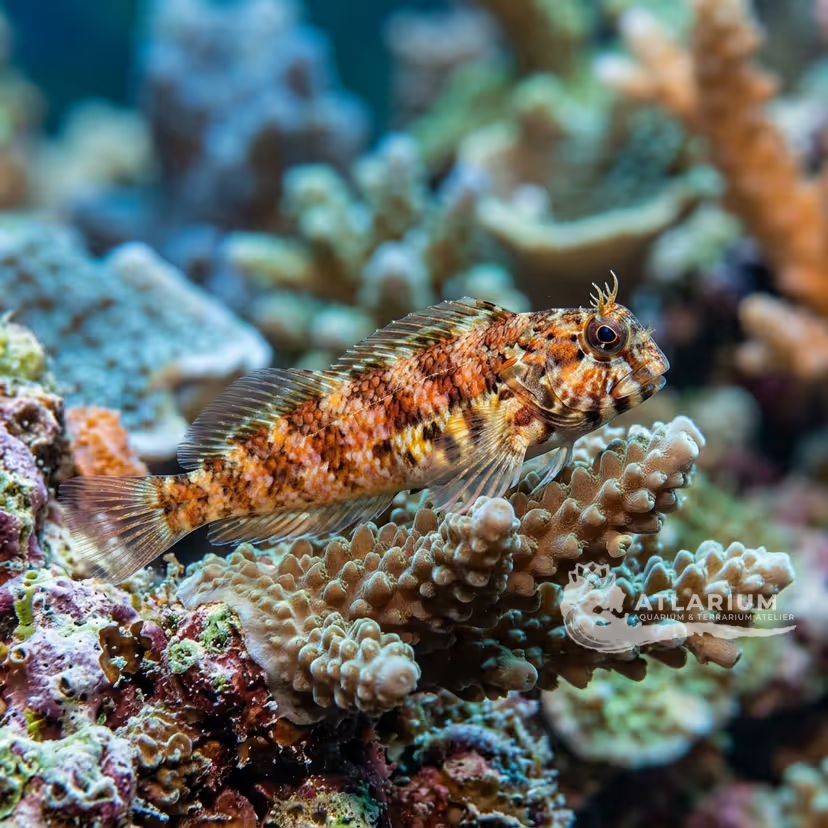
Lubbock's combtooth blenny
Ecsenius lubbocki
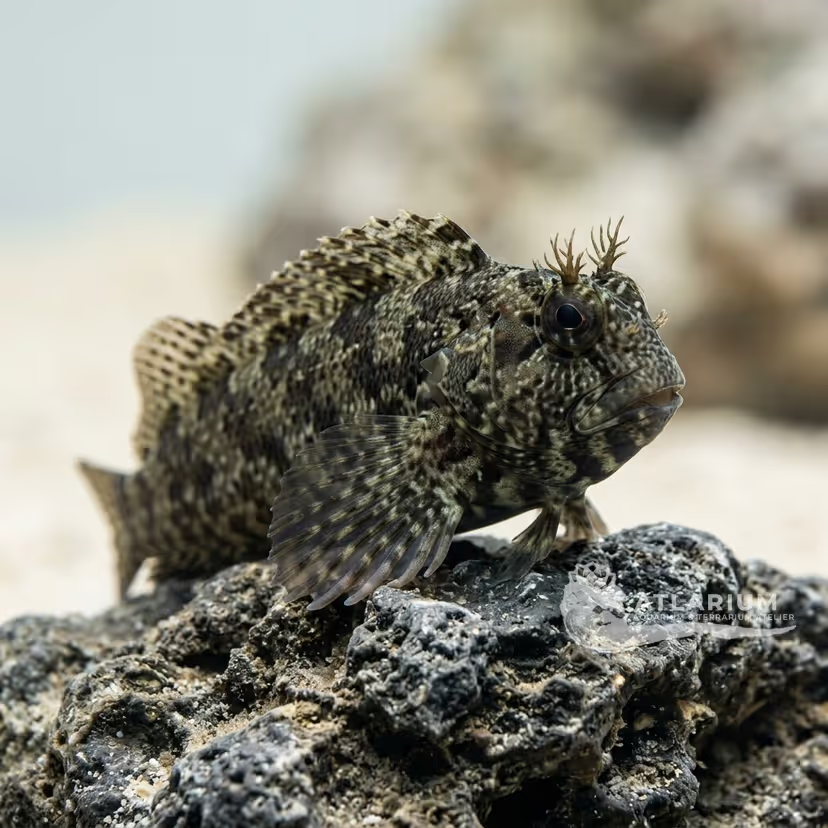
Lawnmower Blenny
Salarias fasciatus
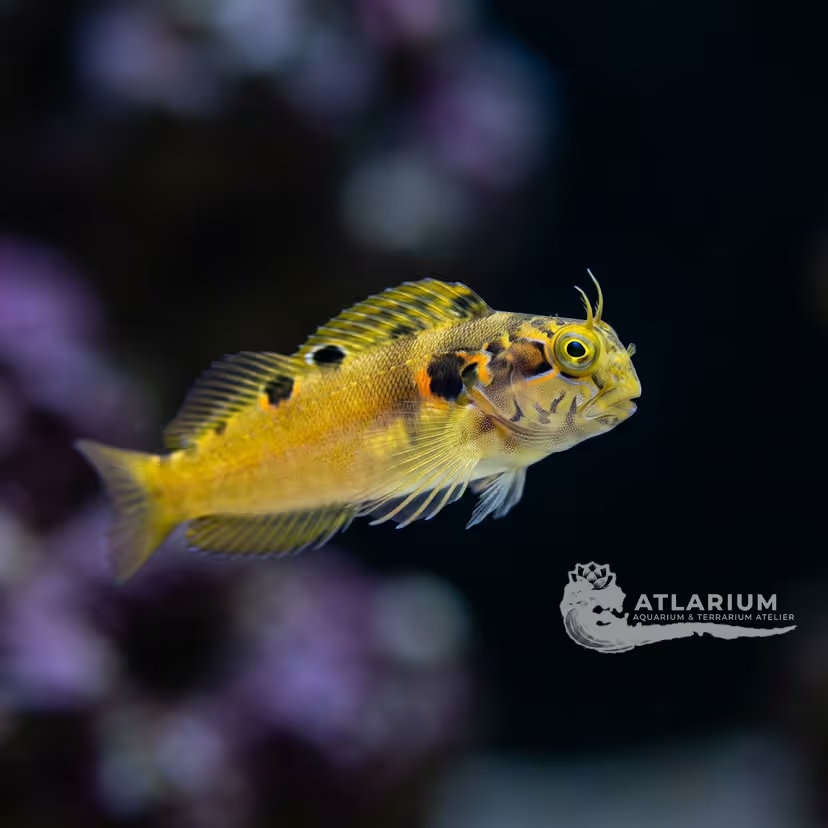
Two-spot bimaculatus blenny
Ecsenius bimaculatus

Collette's blenny
Ecsenius collettei
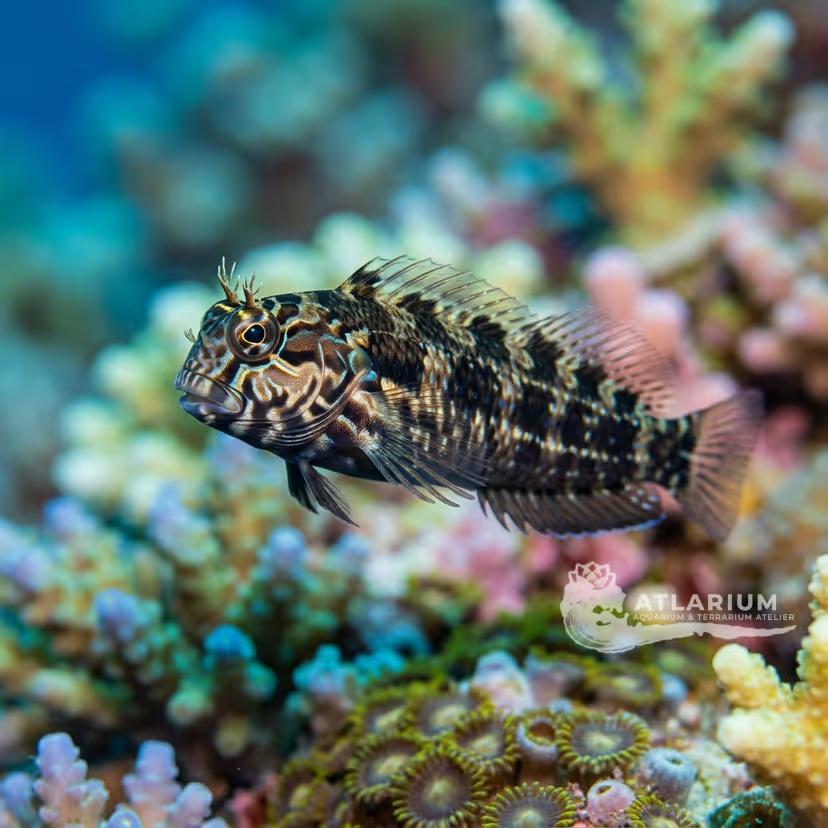
Banda combtooth blenny
Ecsenius bandanus

Greek Blenny
Ecsenius

Australian combtooth blenny
Ecsenius australianus

Dentex Blenny
Ecsenius dentex

Fourmanoir's Blenny
Ecsenius fourmanoiri
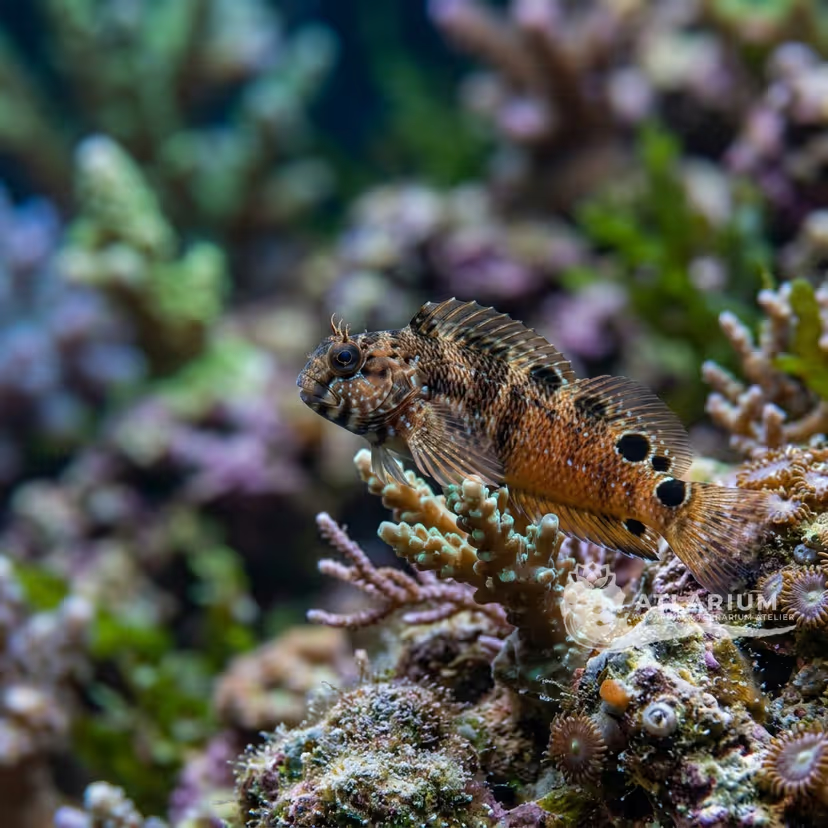
Yellow-eye combtooth-blenny
Ecsenius ops

Bath's Combtooth Blenny
Ecsenius bathi

Orange-spotted Blenny
Blenniella chrysospilos
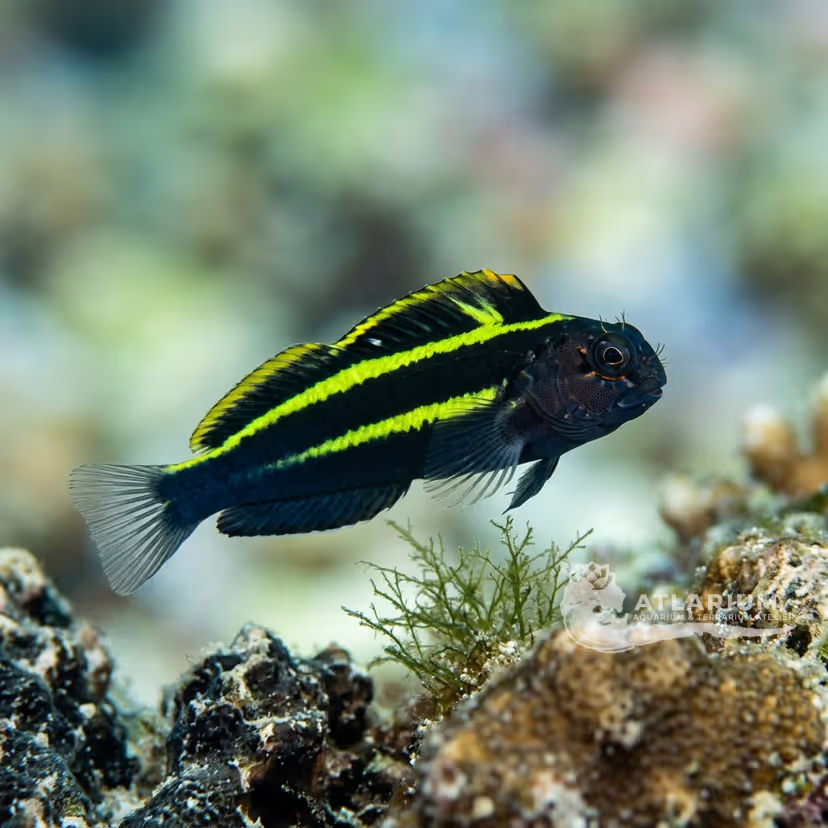
Bundoon blenny
Meiacanthus bundoon
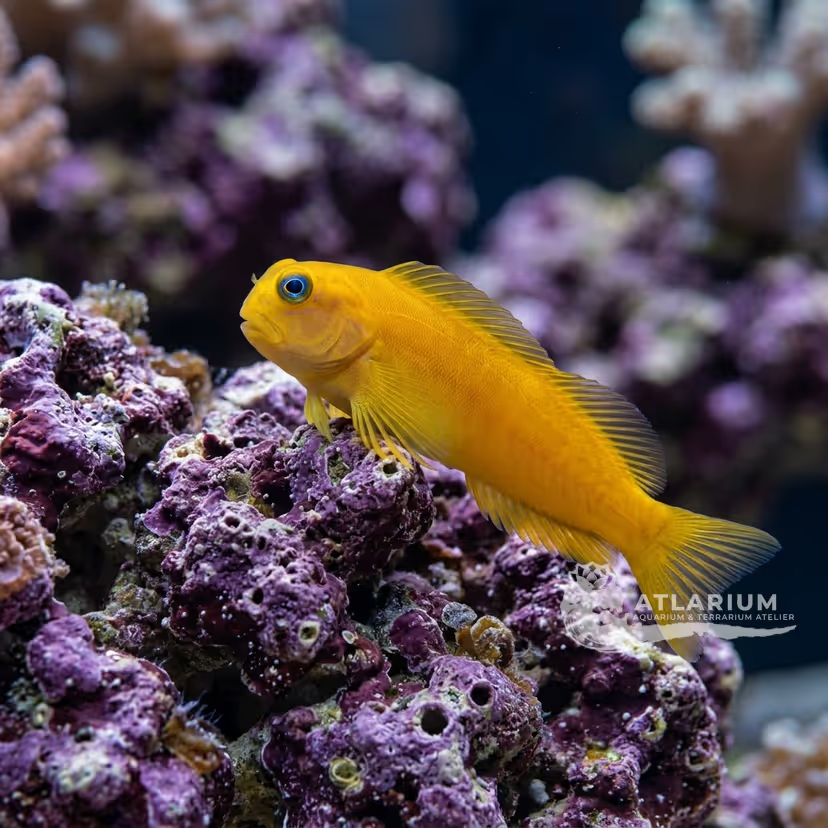
Midas blenny
Ecsenius midas

Butterfly wrasse
Halichoeres papilionaceus

One-stripe Fangblenny
Meiacanthus ditrema