Linear Blenny
Ecsenius lineatus
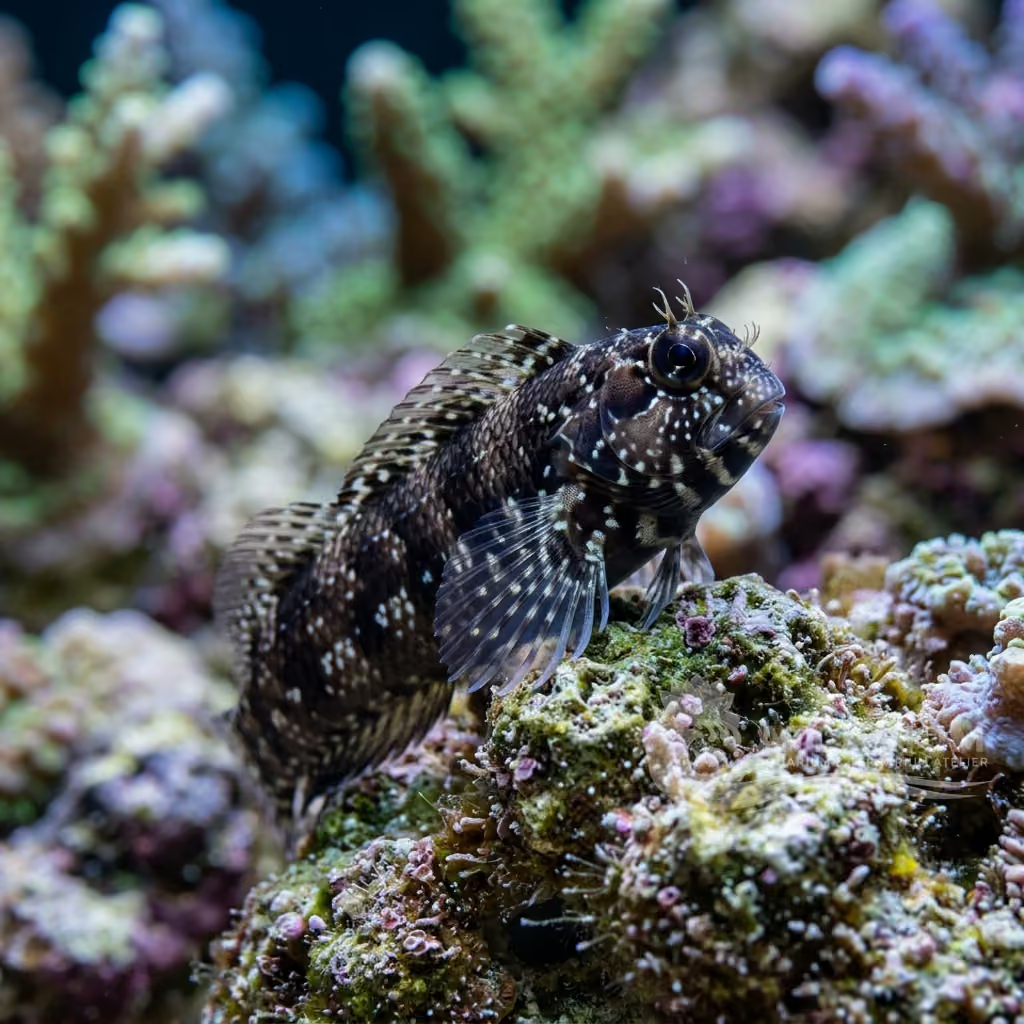
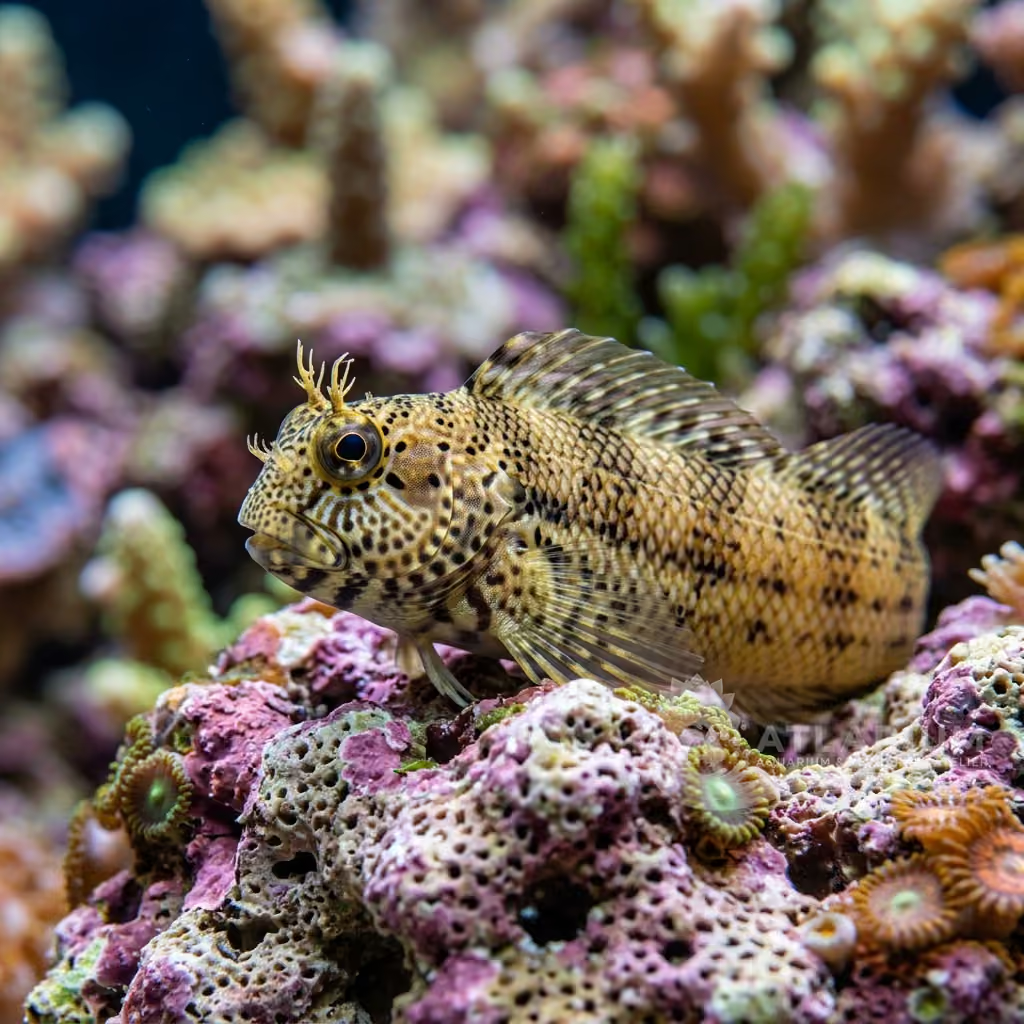
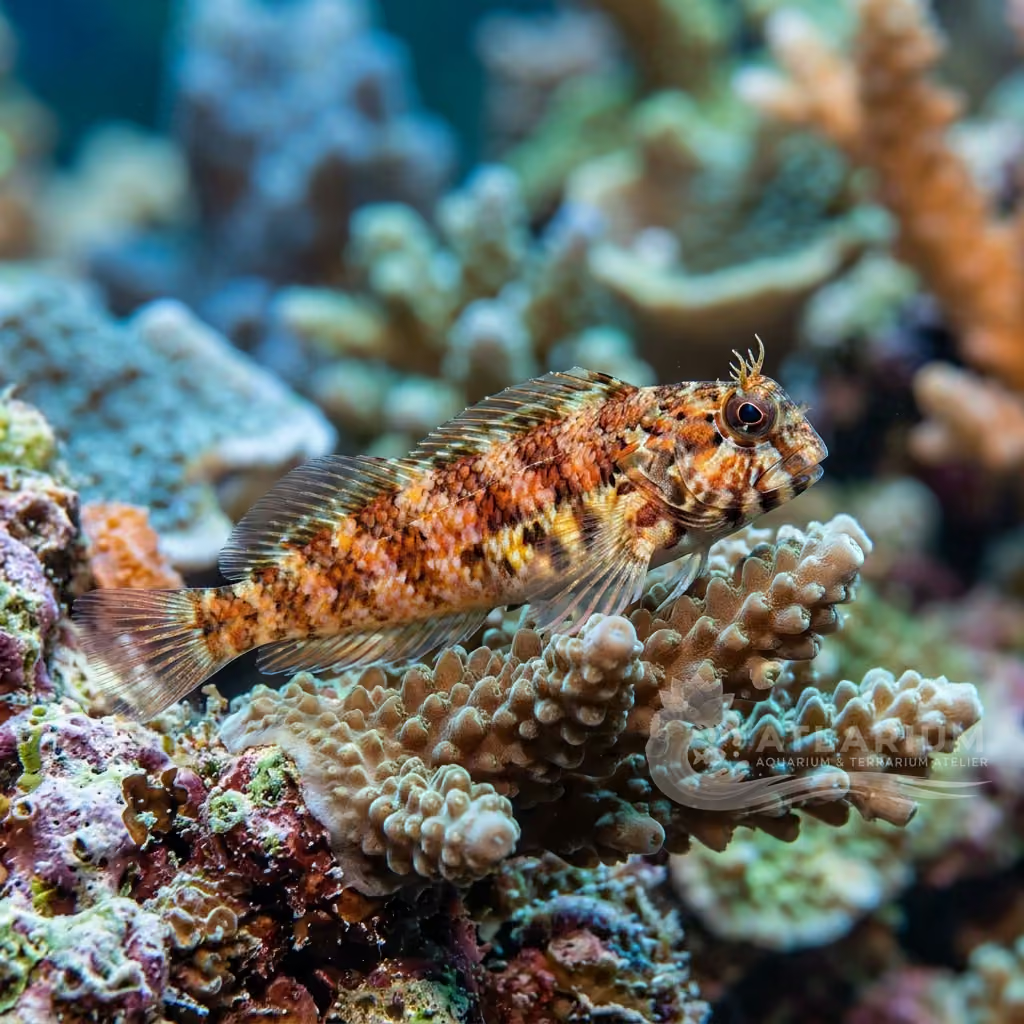
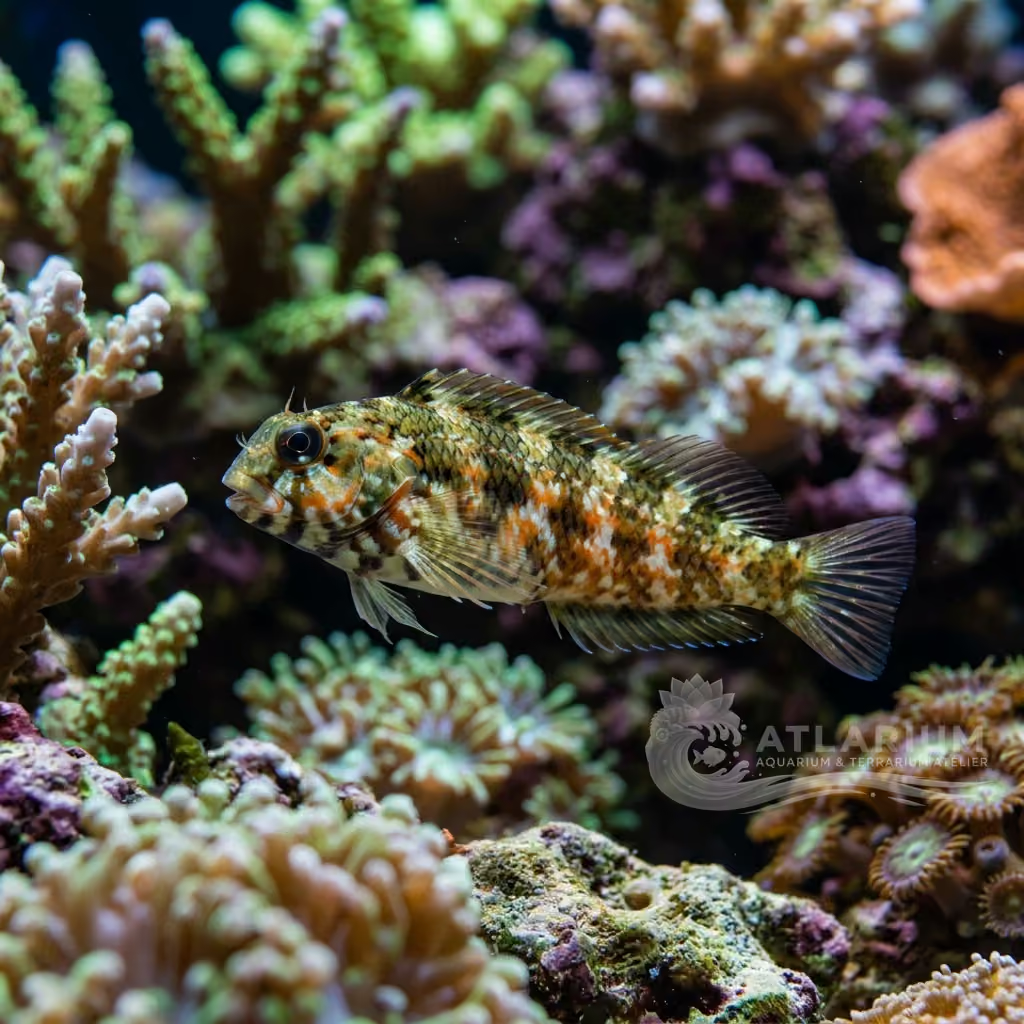
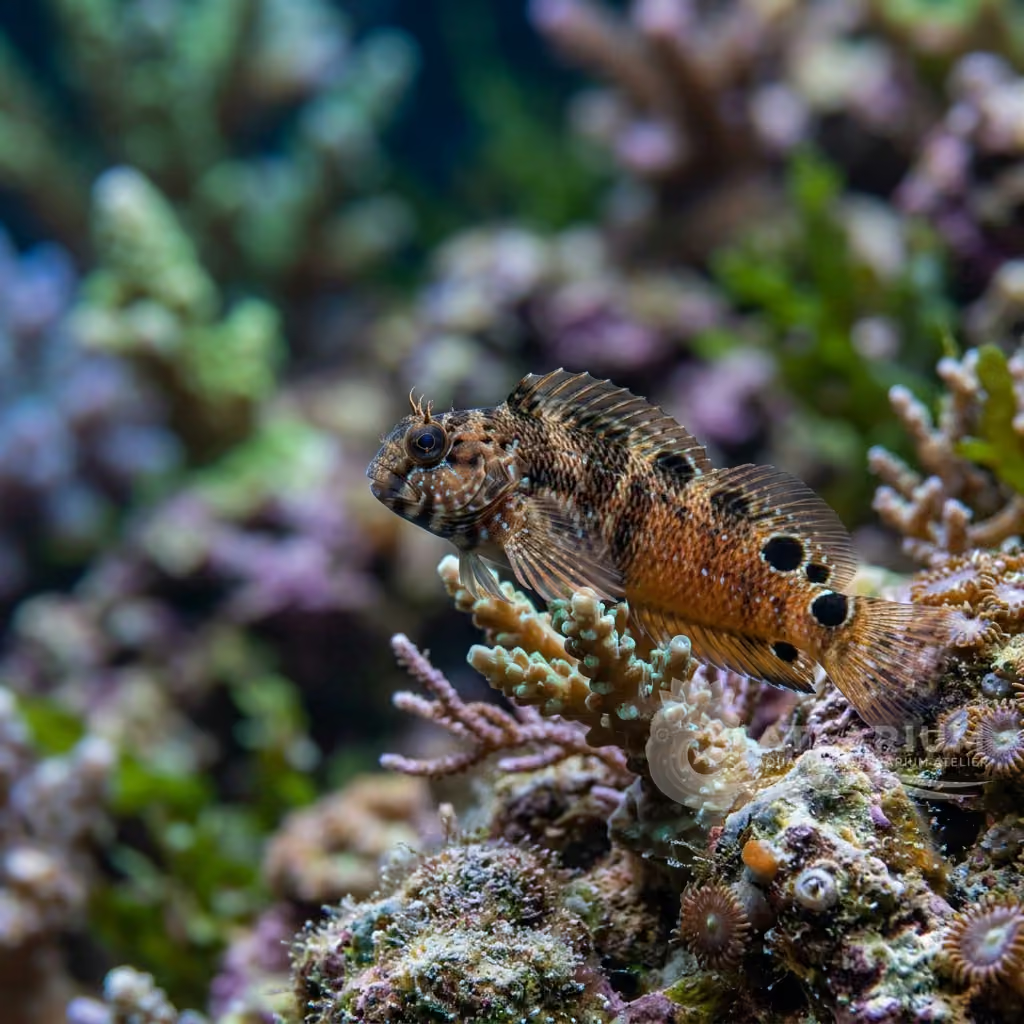
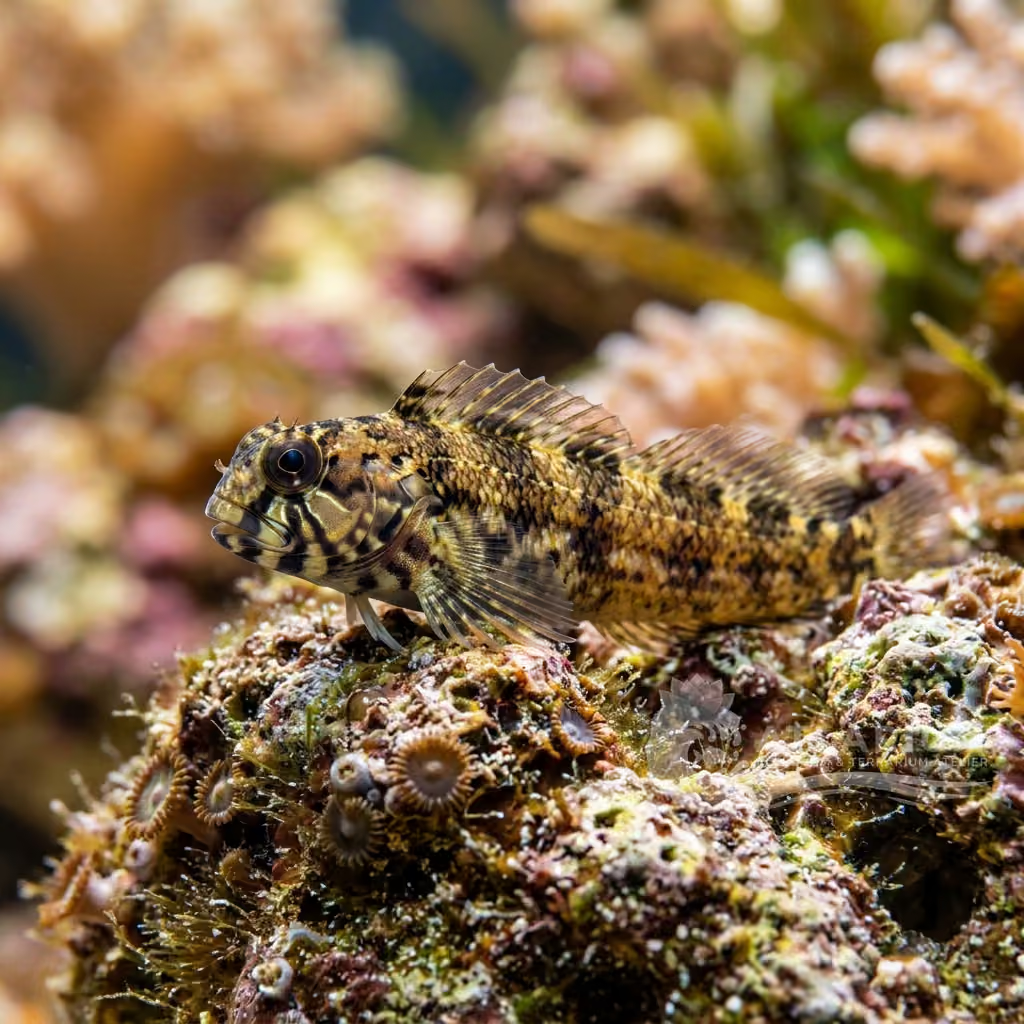
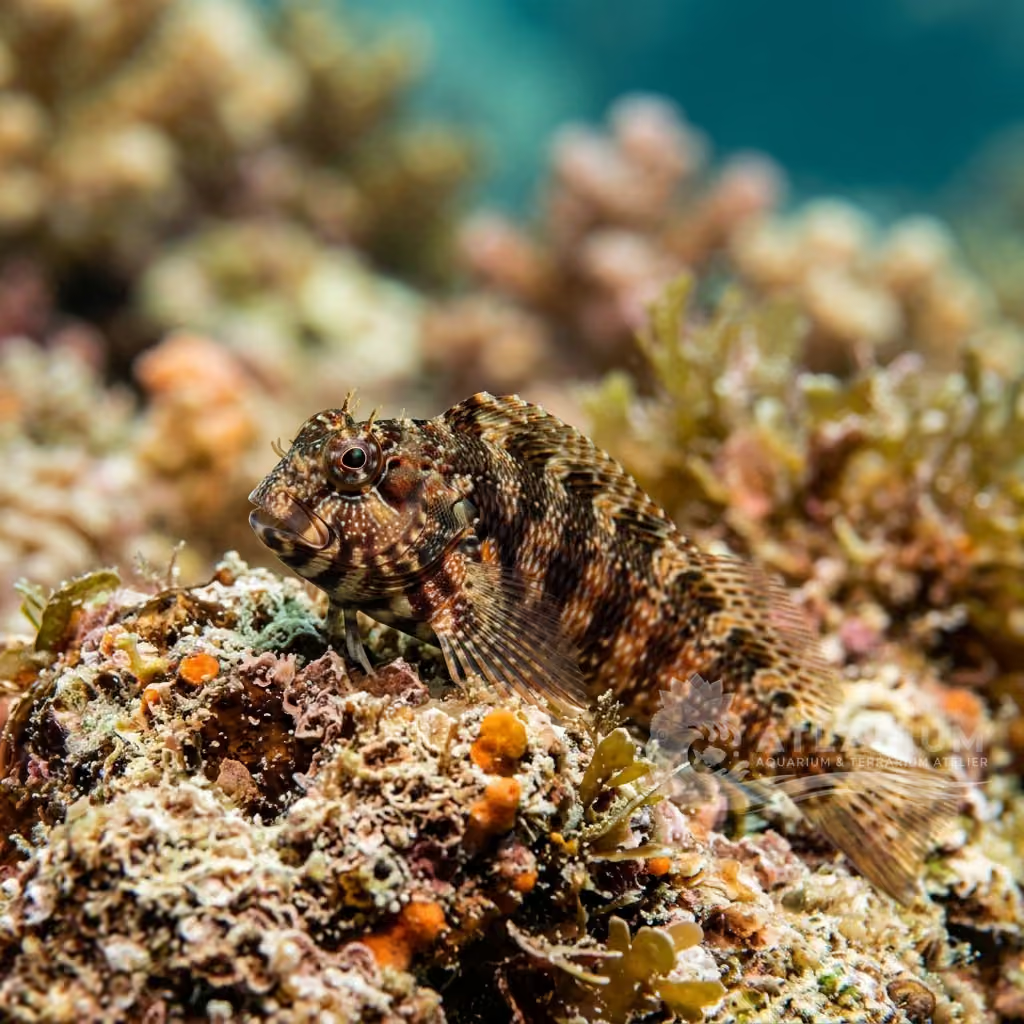
Featuring a bold, horizontal yellow-white stripe cutting across its dark body, this curious blenny tirelessly perches on reef setups. It is an excellent microalgae grazer suited for mature aquariums.
Water Temperature
23 - 27 °C
pH Value
8.1 - 8.4
Water type
Marine
Tank level
Bottom
Adult size
9 cm
Minimum tank volume
>= 100 L
Minimum group
>= 1
KH
8 - 12 dKH

Species description
Geographical Origin and Habitat: This blenny is widely distributed across the tropical Indo-West Pacific, from the Gulf of Aden and East Africa to Samoa, north to southern Japan, and south to the Great Barrier Reef. It typically inhabits clear seaward reefs, shallow lagoons, and areas rich in stony corals at depths of 1 to 20 meters.
Taxonomy and Morphology: Belongs to the class Actinopterygii, order Perciformes, family Blenniidae, and genus Ecsenius. It features a scaleless, elongated body coated in protective mucus. The head is rounded with prominent, independently moving eyes and a downward-facing mouth equipped with comb-like teeth.
Social Behavior: Peaceful toward most tankmates but territorial toward conspecifics and similar-looking blennies. It spends its day perching on live rocks or hard corals, darting out to feed, and retreating into caves when threatened. It exhibits a highly curious and expressive personality.
Coloration and Sexual Dimorphism: The body coloration features a dark brown to black upper half and a pale cream or yellowish belly. A bold, horizontal yellow or white line runs along the middle of the body from the snout to the tail. There is no major sexual dimorphism; males are slightly larger.

Care, breeding and tankmates
Aquarium Setup: An aquarium of at least 60-80 liters (15-20 gallons) is recommended. Provide ample live rock with many crevices, holes, and perch sites. A mature tank with active micro-algae growth on rocky surfaces will provide natural grazing opportunities.
Diet and Feeding: Primarily herbivorous. In the wild, it grazes on microalgae and detritus from rocks. In captivity, feed algae-rich foods such as spirulina flakes, marine pellets, and dried nori sheets. Supplement with occasional meaty frozen foods like mysis and brine shrimp.
Water Quality: Requires standard marine conditions: temperature 24°C-28°C (75°F-82°F), pH 8.1-8.4, and specific gravity 1.020-1.025. Ensure efficient mechanical and biological filtration, regular water changes, and maintain very low levels of organic waste.
Compatibility and Cohabitation: 100% reef-safe and compatible with stony and soft corals. It lives peacefully with small reef fish like gobies, clownfish, and firefish. Avoid housing with other Ecsenius species or competitive algal grazers in smaller tanks to prevent fighting.
Aquarium Breeding: Breeding in home aquaria is extremely difficult. They are demersal spawners; females lay adhesive eggs inside a cave or empty shell, which the male then fertilizes and guards. The hatched larvae are planktonic and require specialized rearing.
Risks and Diseases: Susceptible to marine white spot disease (Cryptocaryon irritans). Because blennies are scaleless fish, they are highly sensitive to copper-based medications. Treatment should be carried out cautiously, avoiding standard therapeutic copper doses if possible.

Geographic origin and distribution
This blenny is widely distributed across the tropical Indo-West Pacific, from the Gulf of Aden and East Africa to Samoa, north to southern Japan, and south to the Great Barrier Reef. It typically inhabits clear seaward reefs, shallow lagoons, and areas rich in stony corals at depths of 1 to 20 meters.
Origin
Tropical oceans and reefsAfrica and MadagascarEast AsiaAustralia, New Guinea, and Oceania

Fish profile
- Temperament
- Semi-aggressive
- Overall, the Ecsenius lineatus boasts a peaceful, comical, and highly engaging temperament. They are extremely curious fish that will often observe the aquarist through the glass. While peaceful with dissimilar species, they will fiercely defend their chosen perch against similar blennies or gobies. Providing ample rockwork and line-of-sight breaks easily mitigates any mild territorial disputes.
- Diet
- Herbivore
- The Ecsenius lineatus is primarily an omnivore with a strong preference for marine microalgae. They will actively graze on rocks, keeping nuisance algae growth under control. Their diet must be heavily supplemented with high-quality spirulina flakes, algae wafers, and occasional meaty items like mysis shrimp. A varied diet ensures they receive the necessary vitamins for vibrant coloration and long-term health.
- Life expectancy
- 5-7 years
- Adult size
- 9 cm
- Sex ratio
- Solitary
- It is generally best to keep them individually unless you can acquire a confirmed mated pair. Housing two males or two females of the same species in a standard-sized tank will usually result in intense territorial aggression. Visual sexing can be challenging, though males sometimes exhibit slightly larger bodies or elongated fin rays. A solitary individual will comfortably establish its own territory without stress.
- Feeding frequency
- Twice daily
- Because they have small stomachs and are constant grazers, they benefit from being fed one to two times daily. Providing small, frequent meals mimics their natural foraging behavior on the reef. An established aquarium with plenty of live rock will allow them to snack on algae between scheduled feedings. Ensuring they have a continuous food source prevents undesirable nipping at corals.
- Bioload
- Low to Medium
- The Ecsenius lineatus adds a very low bioload to the aquarium system, making it an excellent choice for smaller tanks. Their small size and efficient metabolism ensure that they do not heavily pollute the water. Routine maintenance and a standard protein skimmer are more than adequate to handle their waste. This makes them highly suitable for delicate reef environments where water purity is paramount.
- Flow
- Strong
- They thrive in environments with moderate to strong water flow that replicates the dynamic currents of a natural reef. Good circulation helps keep their favored resting spots clear of detritus and promotes healthy oxygenation. They will often be seen perched on rocks right in the path of the current, watching for passing food. Adequate flow is essential for their overall well-being and active behavior.
- Jump risk
- Yes
- Blennies are known to be significant jump risks, especially when first introduced or if they feel threatened. They can easily propel themselves out of an open-topped aquarium. A well-fitted lid or a custom mesh screen is absolutely vital to keeping this fish safely inside the tank. Many aquarists have unfortunately lost these charismatic fish to carpet surfing incidents.
- Reproduction
- Oviparous
- The Ecsenius lineatus is a demersal spawner, laying their eggs in small crevices or empty shells. The male will diligently guard and fan the nest until the eggs hatch into pelagic larvae. While spawning is frequently observed in home aquariums, successfully raising the tiny fry is incredibly difficult. It requires specialized microscopic live foods and dedicated rearing systems.
- Compatibility & tankmates
- Reef safe
- This species is considered reef safe and is generally a fantastic community fish. They get along well with most peaceful tank mates and will not actively bother corals or mobile invertebrates. However, they may occasionally nip at the mantles of clams or large-polyp stony corals if underfed. They can display territorial behavior towards other blennies or fish with a similar body shape.
- Tank level
- Bottom
- This fish is predominantly a bottom to mid-level dweller, spending most of its time perched on live rock. They find a favorite crevice or barnacle shell and reverse into it, leaving only their curious head exposed. While they occasionally dart into the water column to catch food, they quickly return to their rocky perches. Their comical perching behavior is a defining characteristic of the species.

Scientific Parameters & Models
FishBase
Window to the official scientific data of the species
FishBase v25.04Data synced on: 06/15/2026
- Trophic level
- 2 ± 0 se
- Resilience
- High (less than 15 months)
- Phylogenetic uniqueness (PD50)
- 0.5
- Bayesian Length-Weight
- a = 0.00776, b = 3
- VulnerabilityLow vulnerability (10 / 100)

Related species
Recommendations grouped by close relatives, companion choices, and similar care.