Encyclopaedia

FishMarineEasy
©AI Generated·Proprietary

Axelrod's blenny

Ecsenius axelrodi

A tiny, peaceful herbivorous blenny from the Western Pacific. Ideal for 60L setups, it perches on live rock to graze on microalgae and requires strong lighting.

Taxonomy
Class:Actinopteri
Order:Perciformes
Family:Blenniidae
Genus:Ecsenius
Species:Ecsenius axelrodi

Share

Check out Axelrod's blenny on Atlarium

PracticeRecognition quizzesPhotos, names, origins, and puzzles to review Atlas species.Open quizzes
Water Temperature

23 - 27 °C

pH Value

8.1 - 8.4

Water type

Marine

Tank level

Bottom

Adult size

6 cm

Minimum tank volume

>= 60 L

Minimum group

>= 1

KH

8 - 12 dKH

Species description

Geographical Origin and Habitat: Ecsenius axelrodi is native to the Western Central Pacific Ocean, with documented populations in the Banda Sea, Solomon Islands, and Papua New Guinea. It inhabits coral reefs rich in stony coral growth and shallow coastal rocky structures, typically living at depths of 1 to 15 meters in well-lit areas that promote algae growth.
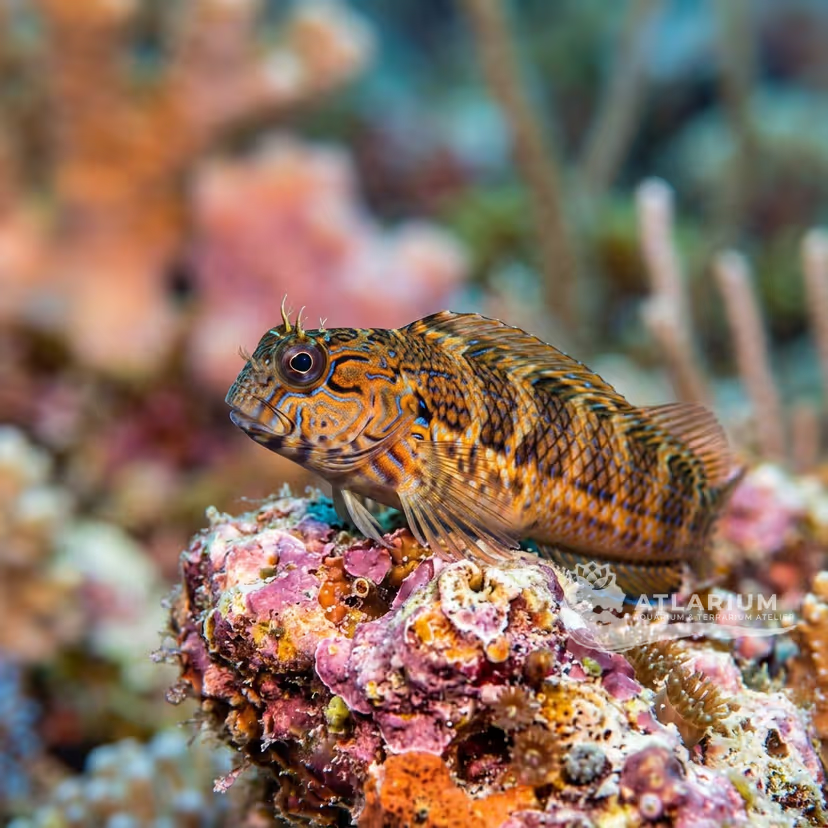
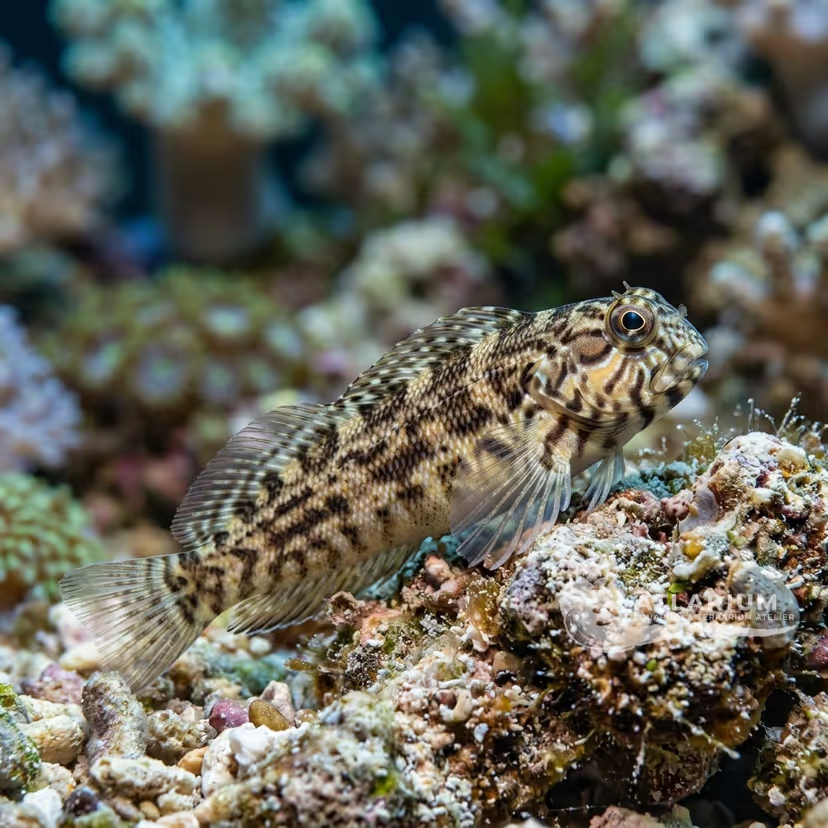
Taxonomy and Morphology: Belongs to the family Blenniidae and the genus Ecsenius. It is a small fish that reaches a maximum length of about 5 to 6 centimeters. It features an elongated, cylindrical, scaleless body with mobile eyes positioned high on the head, and comb-like teeth adapted for scraping rock surfaces.
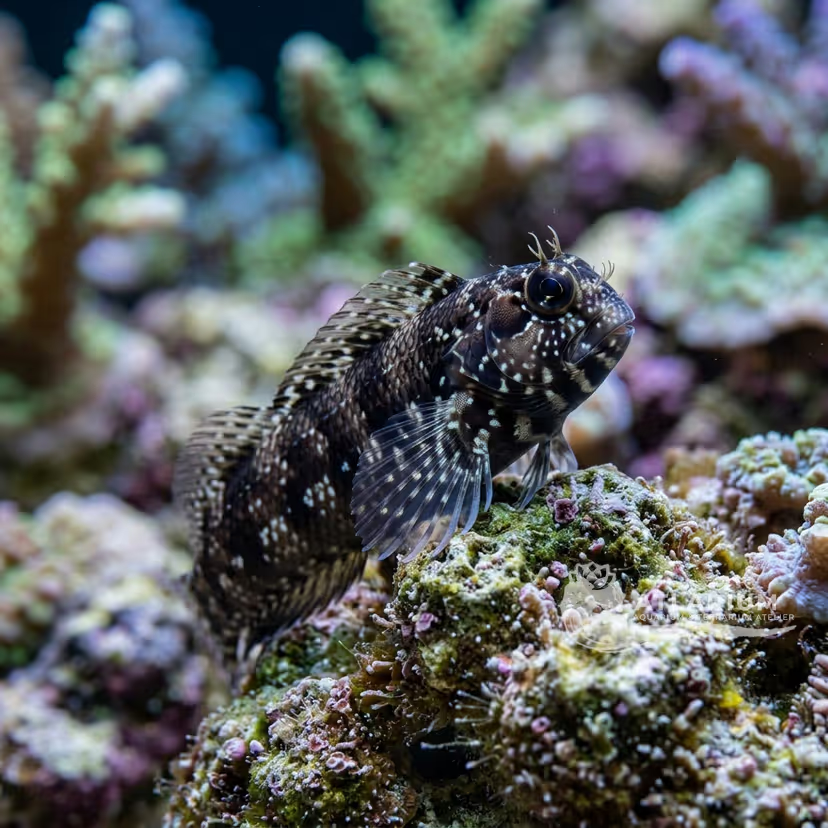
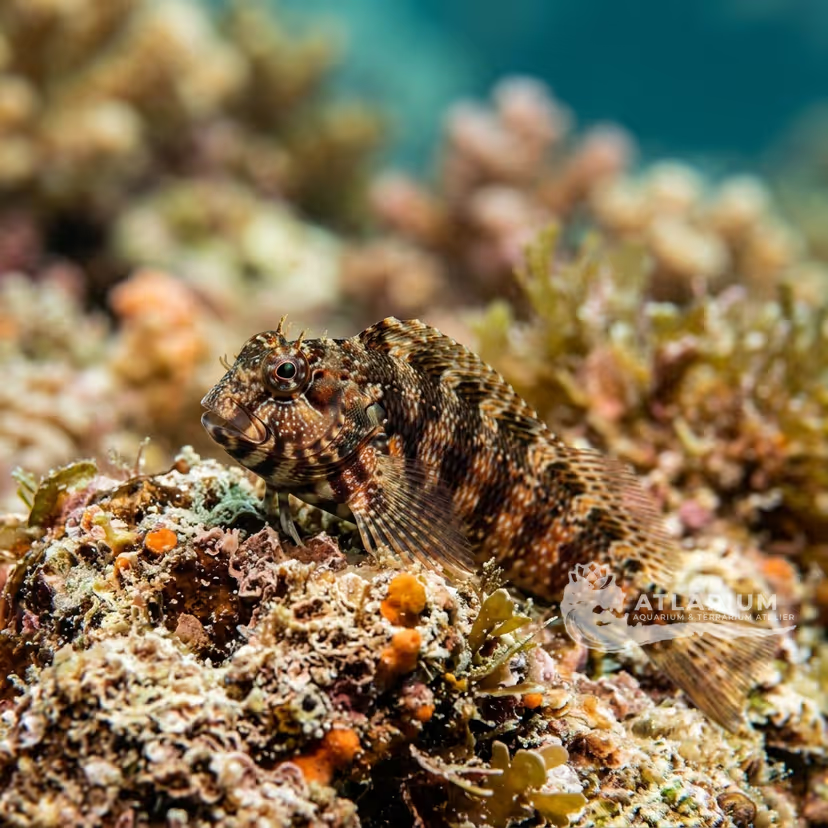
Social Behavior: A very peaceful, curious fish with a lot of personality. It spends most of its time perching on rocks or hard corals, observing the surrounding environment. It swims in short, quick bursts from one perch to another. It may show mild intraspecific territoriality toward other blennies of the same genus.
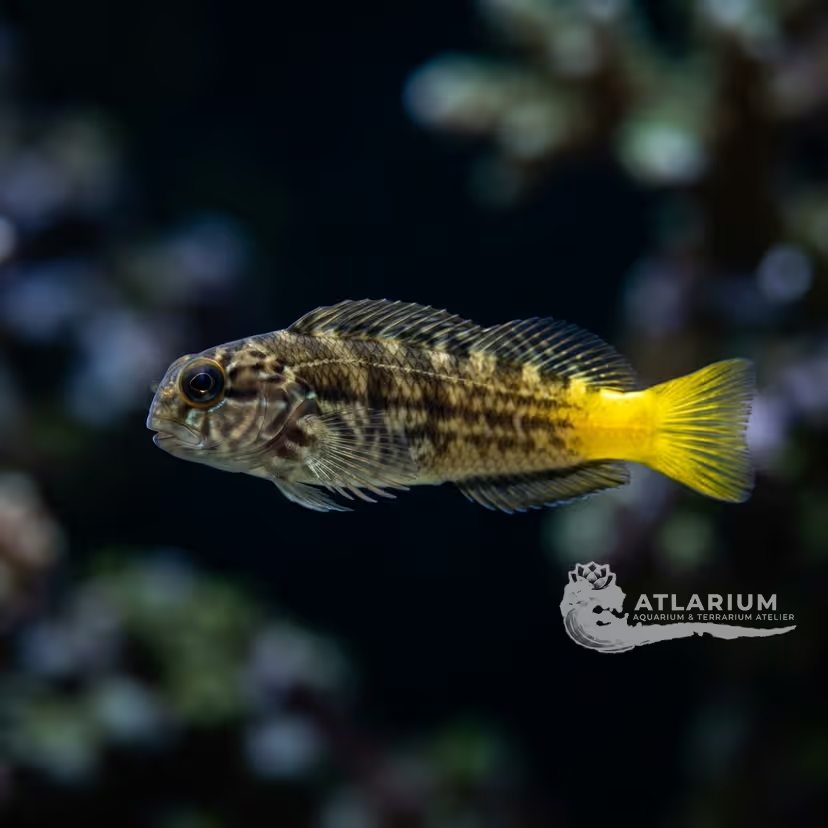
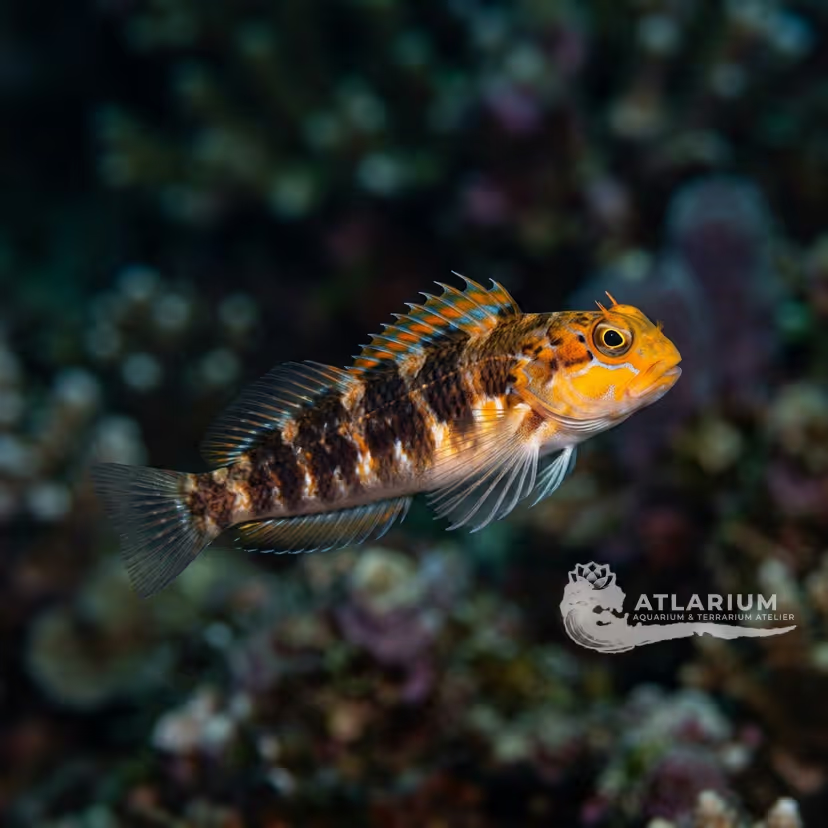
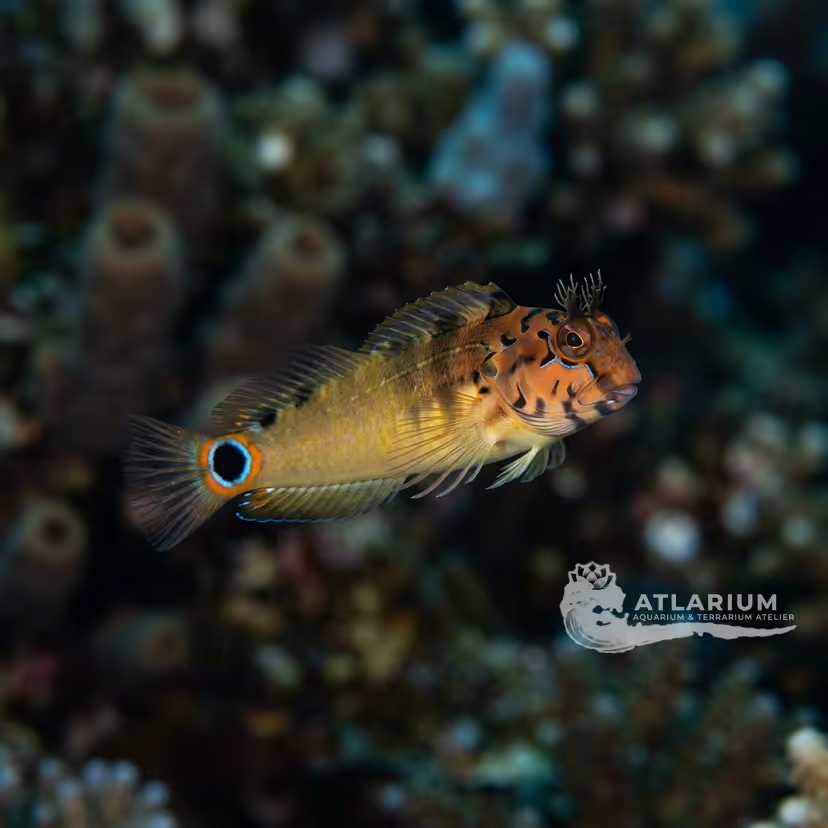
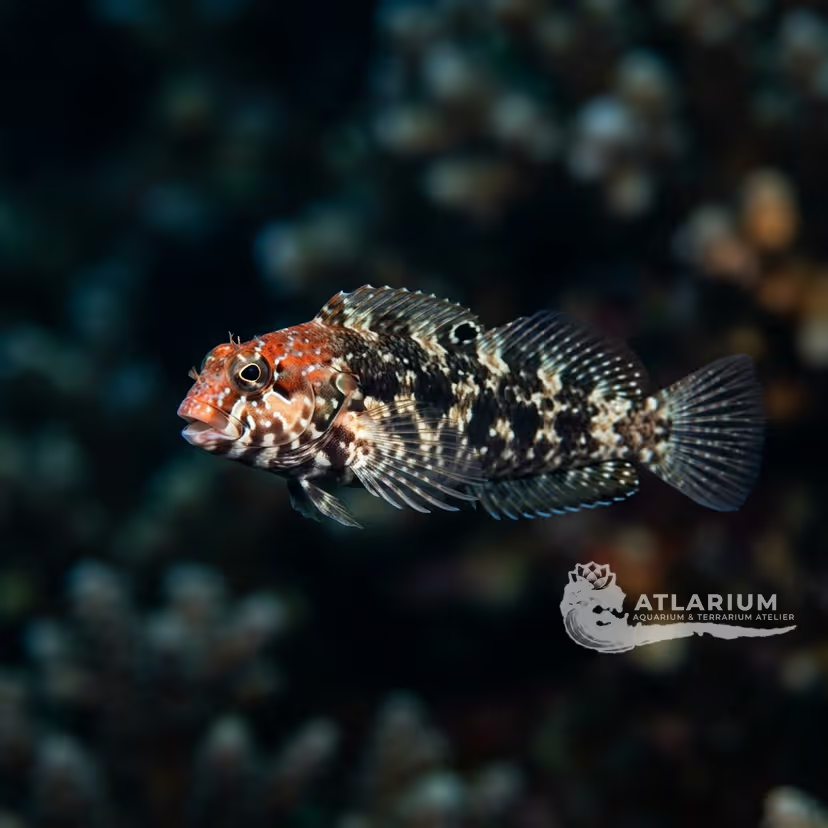
Coloration and Sexual Dimorphism: Displays an attractive color pattern: bold black and white longitudinal stripes run along the anterior half of the body, transitioning into a bright yellow-orange coloration on the posterior half and caudal fin. White spots may be present. Genders are visually identical, showing no obvious dimorphism.

Care, breeding and tankmates

Aquarium Setup: Requires an aquarium of at least 60 liters. The tank should be furnished with plenty of live rock arranged to create ledges, high perches, and vertical crevices where the fish can sit and hide. Strong lighting is recommended to encourage the growth of natural algal biofilm for grazing.
Diet and Feeding: Primarily an herbivore and detritivore. In the wild, it constantly scrapes rocks for microalgae. In captivity, its diet should consist of Spirulina-based foods, dried Nori seaweed, herbivore flakes or pellets, and occasional small offerings of frozen foods like cyclops or mysis to provide necessary protein.
Water Quality: Standard marine parameters: water temperature between 24 and 27 °C, pH levels of 8.1 to 8.4, and a specific gravity of 1.020 to 1.025. Ensure stable chemical parameters and moderate water movement. Regular water changes and a reliable filter are important to prevent organic waste buildup.
Compatibility and Cohabitation: Excellent reef-safe species. It is peaceful toward corals and invertebrates, though it may occasionally nip at SPS coral polyps if underfed. It coexists well with other peaceful community fish; avoid keeping multiple blennies of the same genus in small aquariums to prevent territorial conflicts.
Aquarium Breeding: Breeding in home aquariums is possible but rare. They are cave-spawning egg-layers; the female deposits adhesive eggs inside a small crevice or empty shell, which the male fertilizes and guards until they hatch. Raising the pelagic larvae is difficult and requires live rotifer cultures.
Risks and Diseases: The primary risk is starvation; if introduced into a sterile, newly established tank without natural algae growth, it may starve. It is susceptible to Marine Ich under stressful conditions or temperature swings. A tight cover is advised as they may jump if startled.

Geographic Origin and Distribution

Ecsenius axelrodi is native to the Western Central Pacific Ocean, with documented populations in the Banda Sea, Solomon Islands, and Papua New Guinea. It inhabits coral reefs rich in stony coral growth and shallow coastal rocky structures, typically living at depths of 1 to 15 meters in well-lit areas that promote algae growth.

Origin

Tropical oceans and reefsAfrica and MadagascarSouth and Southeast AsiaAustralia, New Guinea, and Oceania

Fish profile

Temperament
Active
The Ecsenius axelrodi is highly regarded for its comical, observant, and largely peaceful personality. It often rests visibly on rocks, seemingly watching the aquarist just as closely as it watches its tank mates. While it boldly defends its specific burrow from intruders, it is otherwise completely indifferent to other fish species. This combination of spunk and general peacefulness makes it an enduring favorite in the marine hobby.
Diet
Herbivore
As a dedicated herbivore, the Ecsenius axelrodi spends the majority of its day scraping microalgae from live rock and glass. Its diet must be heavily supplemented with high-quality marine algae, spirulina flakes, and specialized herbivore pellets. Providing a mature aquarium with plenty of natural algal growth is essential for its long-term health. While it may occasionally nip at meaty foods, plant matter should remain its primary nutritional source.
Sex ratio
Flexible
It is generally best to house the Ecsenius axelrodi individually, as they are notoriously intolerant of their own kind in confined spaces. Males are particularly combative with one another and will fight relentlessly over prime rockwork territories. While a confirmed male-female pair can sometimes be kept in a larger system, sexing them visually is quite difficult. Introducing multiple specimens simultaneously to a large tank is the only way to potentially mitigate severe aggression.
Feeding frequency
Twice daily
Because of its constant grazing habits, the Ecsenius axelrodi benefits from multiple small feedings rather than one large meal. Offering prepared herbivore foods two to three times a day closely mimics its natural feeding rhythm. If the aquarium has abundant natural microalgae, the frequency of supplemental feeding can be slightly reduced. Ensuring continuous access to food prevents malnutrition and keeps its immune system strong.
Bioload
The Ecsenius axelrodi produces a very minimal bioload, making it an excellent choice for smaller aquariums or systems nearing capacity. Its diminutive size ensures that it adds almost no significant waste to the water column. Aquarists will find that standard filtration and regular maintenance are more than enough to handle its presence. This low impact allows for a cleaner reef environment without the need for oversized protein skimmers.
Flow
Moderate
The Ecsenius axelrodi thrives in moderate to strong water movement, which accurately replicates the dynamic reef crests it naturally inhabits. Strong currents help to continually wash away detritus from its favorite perching areas and rocky crevices. This flow also promotes the healthy growth of the algal films it relies on for sustenance. Be sure to provide some sheltered pockets within the rockwork where it can rest without fighting the current.
Jump risk
Yes
Like most of its relatives, the Ecsenius axelrodi possesses a significant risk of jumping out of open aquariums. It is prone to leaping when startled by sudden lighting changes, sudden movements outside the tank, or aggressive tank mates. A tightly fitting lid, mesh screen, or canopy is an absolute necessity when keeping this fish. Without proper covering, it is unfortunately common to find this species dried up on the floor.
Reproduction
Oviparous
The Ecsenius axelrodi is a benthic egg layer that utilizes small crevices, barnacle shells, or rocky caves for spawning. In the wild, the male diligently guards the clutch of eggs and aggressively defends the nest against potential egg predators. Captive breeding has been documented, though raising the microscopic fry requires advanced planktonic food cultures. For most hobbyists, reproduction in a mixed reef display remains a rare and challenging event.
Compatibility & tankmates
Peaceful
This species is remarkably peaceful towards most tank mates, making it a staple for community reef setups. The Ecsenius axelrodi generally ignores corals and invertebrates, though it may occasionally perch on larger stony corals. It can, however, show severe territorial aggression towards other blennies of similar body shape. Keeping it as the sole benthic grazer in a smaller tank is highly recommended to prevent conflicts.
Tank level
Bottom
As a true benthic species, the Ecsenius axelrodi spends the vast majority of its time in the lower portions of the aquarium. It hops or swims in short bursts from rock to rock, rarely venturing into the open upper water column. It will claim specific holes or crevices as its permanent residence, reversing into them tail-first. This bottom-dwelling behavior adds wonderful dimension and activity to the lower strata of the reef.

Window to the official scientific data of the species

Data synced on: 06/15/2026

Scientific Parameters & Models

Trophic level
2 ± 0 se
Resilience
High (less than 15 months)
Phylogenetic uniqueness (PD50)
0.5
Bayesian Length-Weight
a = 0.00776, b = 3
VulnerabilityLow vulnerability (10 / 100)

Image gallery

Licensed images linked to the species or, when marked, to the closest representative taxon.

Related species

Recommendations grouped by close relatives, companion choices, and similar care.

Variants and close relatives

Same atlas type, nearby scientific identity, genus, or family.
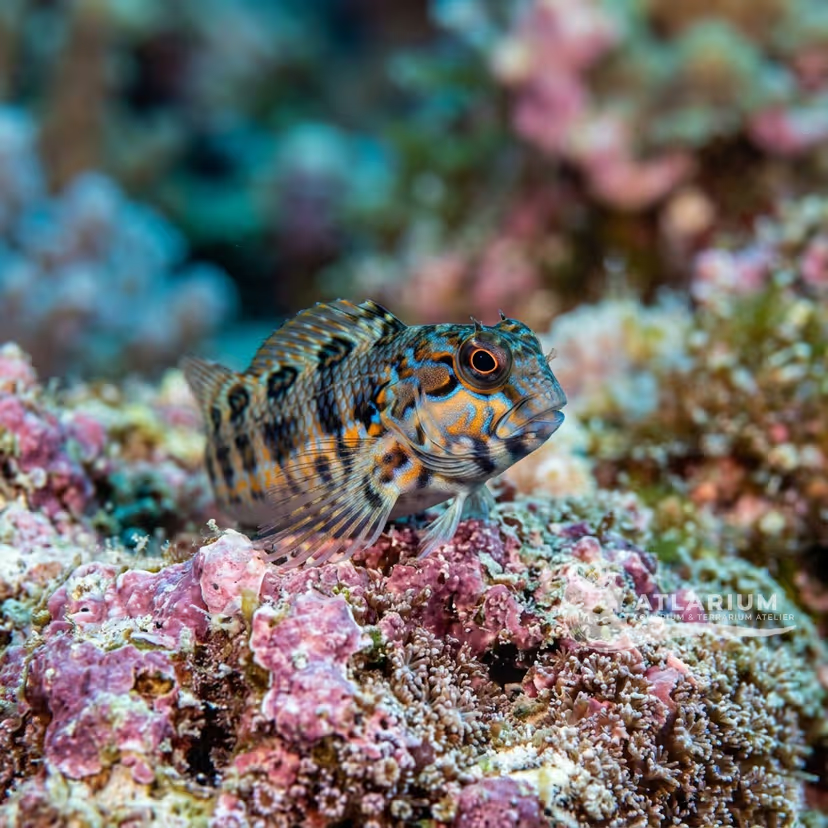
Allen's blenny

Allen's blenny

Ecsenius alleni

View details->
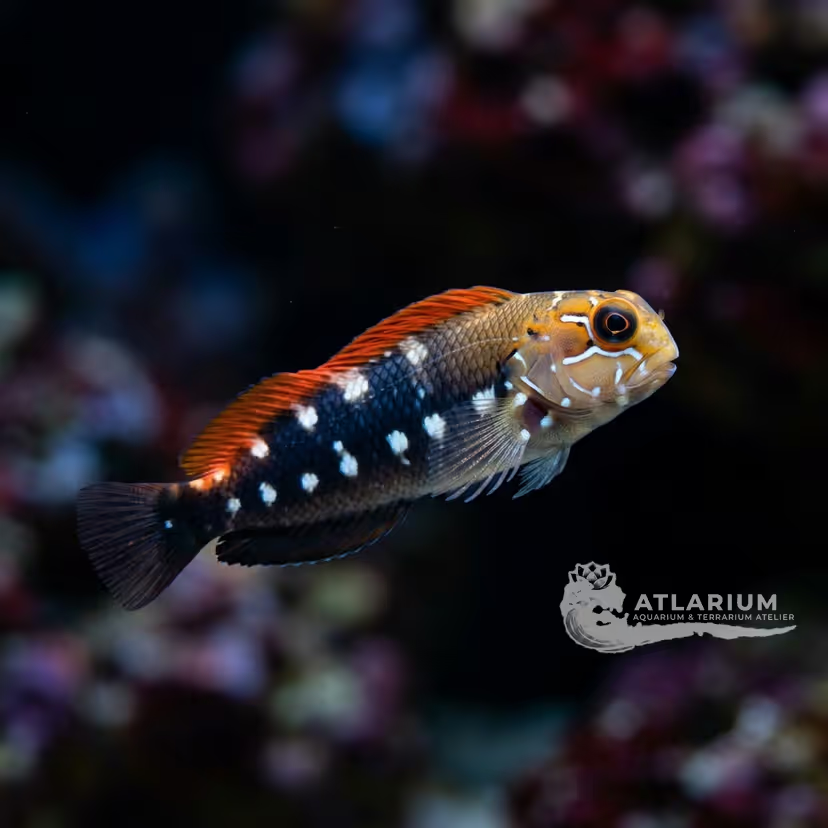
Black combtooth blenny

Black combtooth blenny

Ecsenius namiyei
View details->
Fiji Blenny

Fiji Blenny

Ecsenius fijiensis

View details->
Linear Blenny

Linear Blenny

Ecsenius lineatus

View details->
Monoculus blenny

Monoculus blenny

Ecsenius monoculus

View details->
Ocular Blenny

Ocular Blenny

Ecsenius oculus

View details->
Portenoy's Blenny

Portenoy's Blenny

Ecsenius portenoyi

View details->
Saddle blenny

Saddle blenny

Ecsenius sellifer

View details->
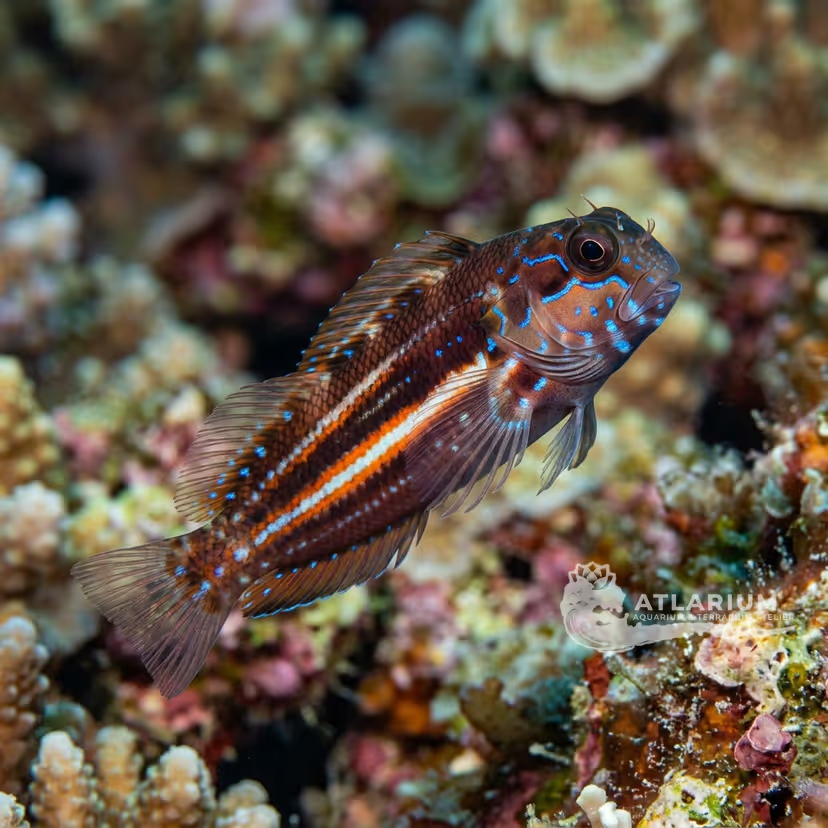
Yelloweye Combtooth Blenny

Yelloweye Combtooth Blenny

Ecsenius opsifrontalis
View details->
Beautiful Blenny

Beautiful Blenny

Ecsenius pulcher

View details->
Springer's Blenny

Springer's Blenny

Ecsenius springeri

View details->
Tailspot blenny

Tailspot blenny

Ecsenius stigmatura

View details->
Aron's blenny

Aron's blenny

Ecsenius aroni

View details->
Many-spotted blenny

Many-spotted blenny

Ecsenius polystictus

View details->
Bluebelly blenny

Bluebelly blenny

Ecsenius caeruliventris

View details->
Yellowtail Clown Blenny

Yellowtail Clown Blenny

Ecsenius melarchus

View details->

Recommended companions

Compatible cards from coherent ecosystems with matching parameters.

Long-spined sea urchin
Invertebrate

Long-spined sea urchin

Diadema setosum
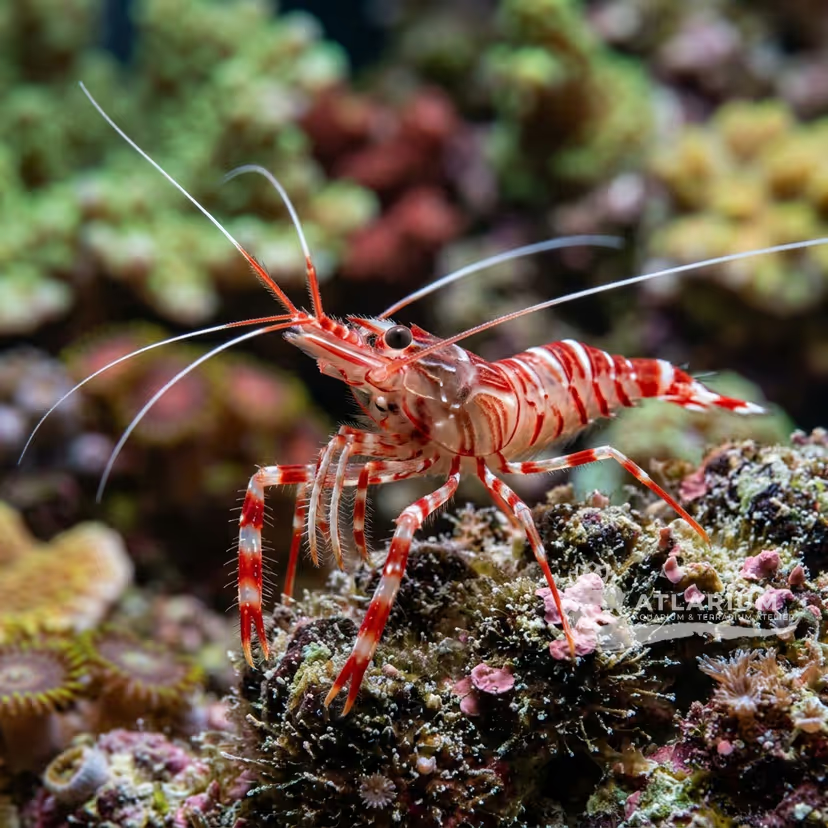
View details->
Anker's Cleaner Shrimp
Invertebrate

Anker's Cleaner Shrimp

Lysmata ankeri

View details->
Armed Snapping Shrimp
Invertebrate

Armed Snapping Shrimp

Alpheus armatus

View details->
Blood-spotted Hermit Crab
Invertebrate

Blood-spotted Hermit Crab

Clibanarius cruentatus
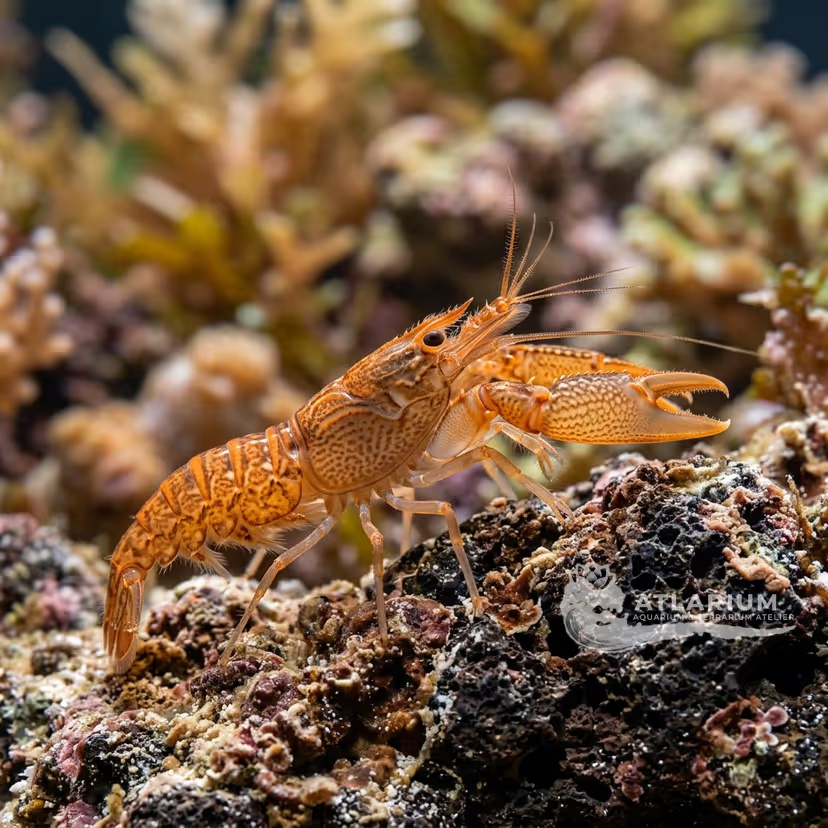
View details->
Bouvier's snapping shrimp
Invertebrate

Bouvier's snapping shrimp

Alpheus bouvieri

View details->
Camel shrimp
Invertebrate

Camel shrimp

Rhynchocinetes durbanensis

View details->
Chapin's Hermit Crab
Invertebrate

Chapin's Hermit Crab

Clibanarius chapini

View details->
Chocolate Chip Starfish
Invertebrate

Chocolate Chip Starfish

Protoreaster nodosus
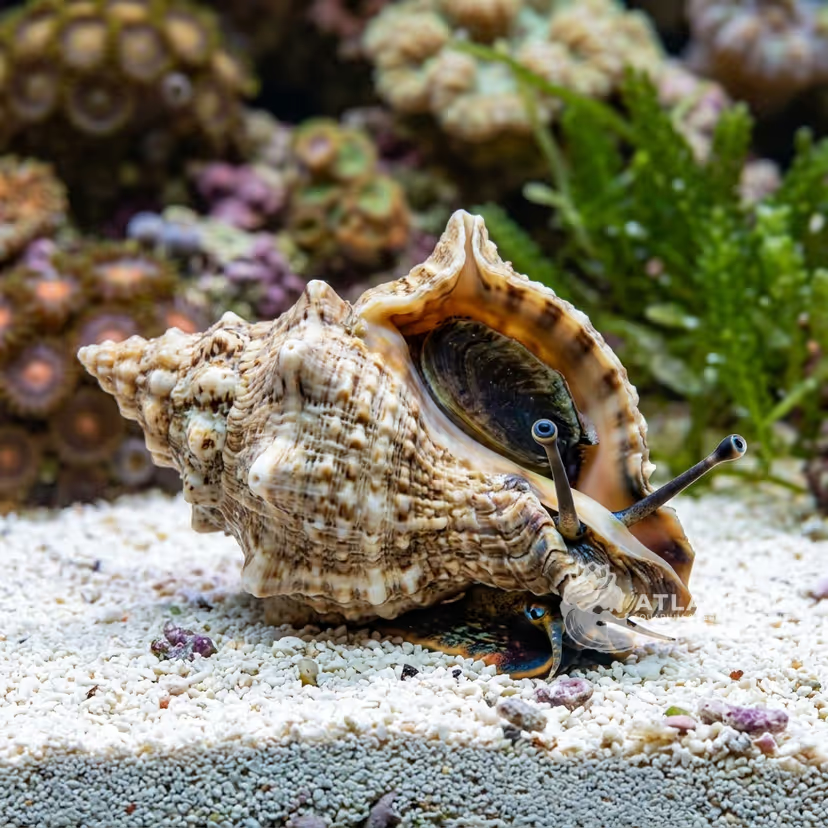
View details->
Florida Fighting Conch
Invertebrate

Florida Fighting Conch

Strombus alatus
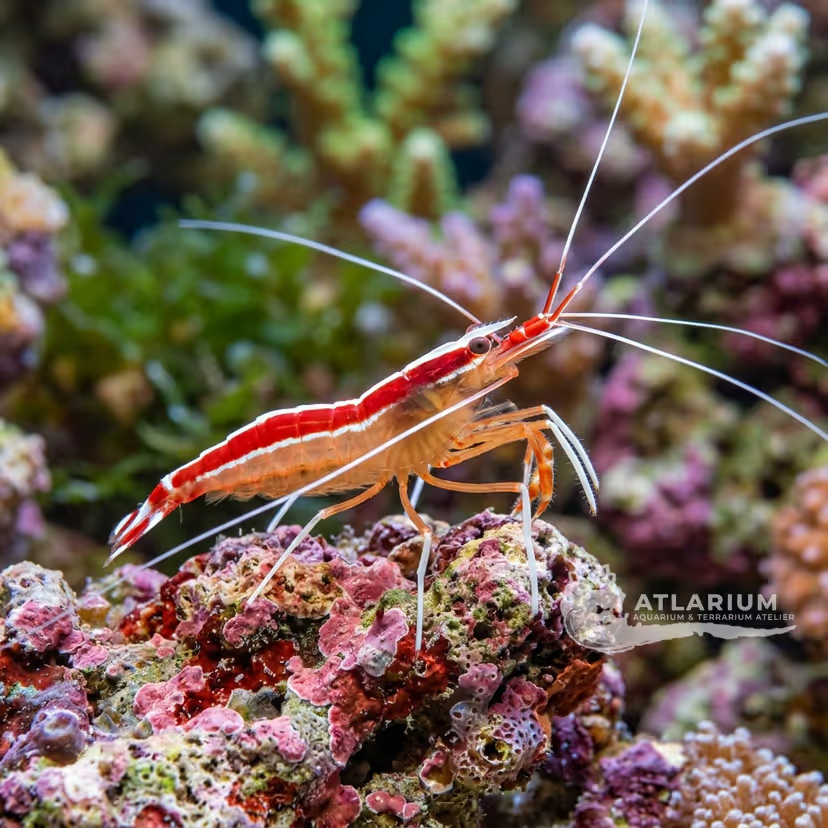
View details->
Grabham's cleaner shrimp
Invertebrate

Grabham's cleaner shrimp

Lysmata grabhami

View details->
Green Sea Urchin
Invertebrate

Green Sea Urchin

Lytechinus variegatus

View details->
Lipke's Cleaner Shrimp
Invertebrate

Lipke's Cleaner Shrimp

Lysmata lipkei

View details->
Acorn dog whelk
Invertebrate

Acorn dog whelk

Nassarius glans

View details->
Ambon Hermit Crab
Invertebrate

Ambon Hermit Crab

Clibanarius ambonensis

View details->
Anchisteus Cleaner Shrimp
Invertebrate

Anchisteus Cleaner Shrimp

Lysmata anchisteus

View details->
Blue-eyed Hermit Crab
Invertebrate

Blue-eyed Hermit Crab

Clibanarius corallinus

View details->

Similar care

Cards with similar requirements, difficulty, habitat, and husbandry profile.
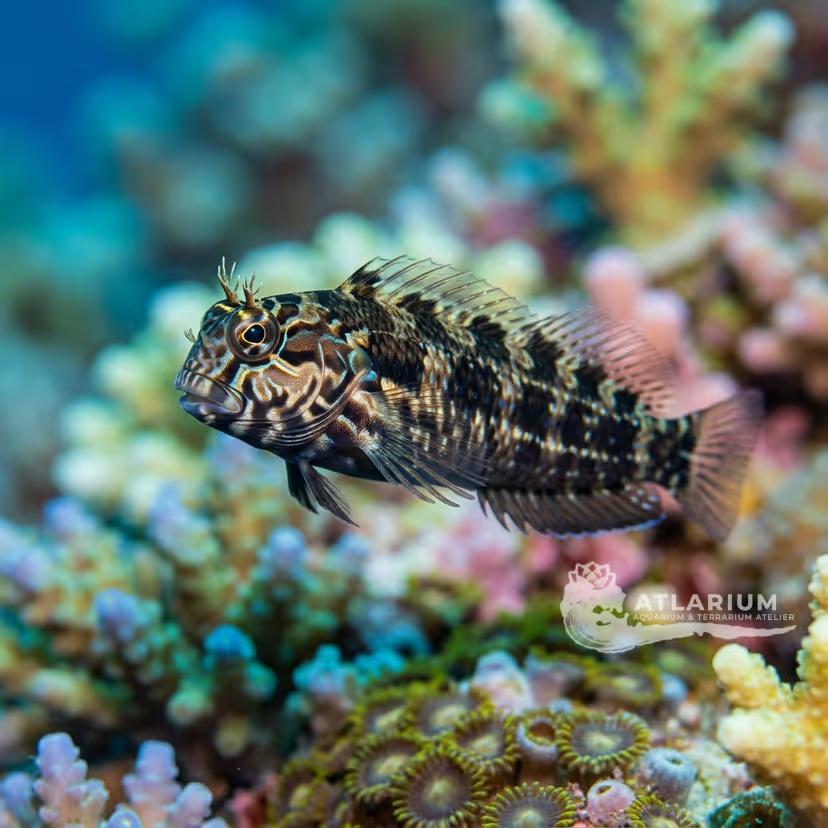
Banda combtooth blenny

Banda combtooth blenny

Ecsenius bandanus
View details->
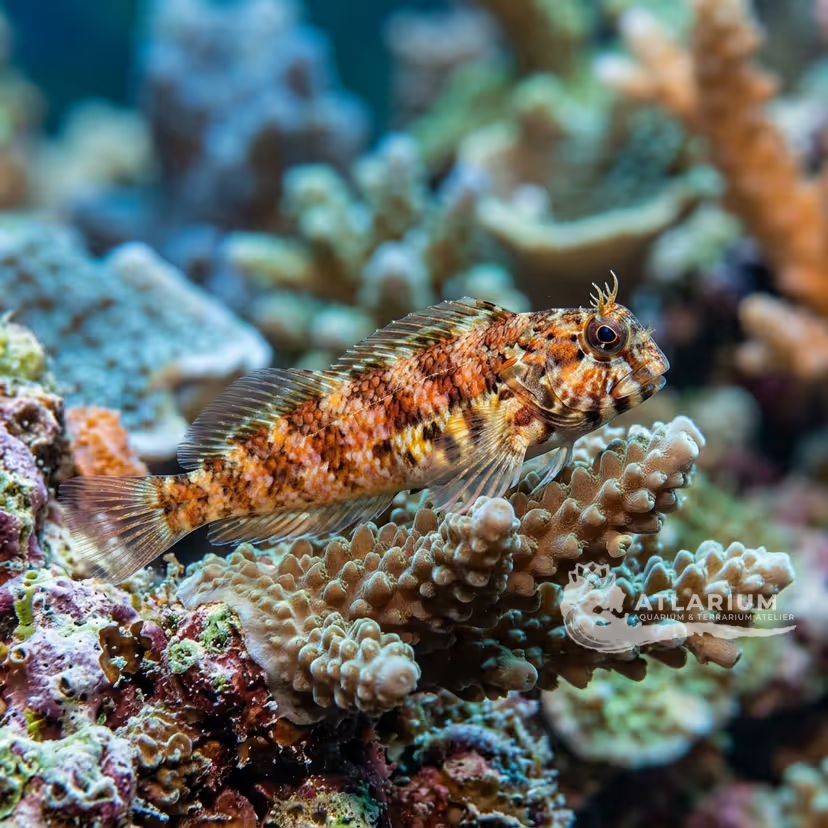
Lubbock's combtooth blenny

Lubbock's combtooth blenny

Ecsenius lubbocki
View details->
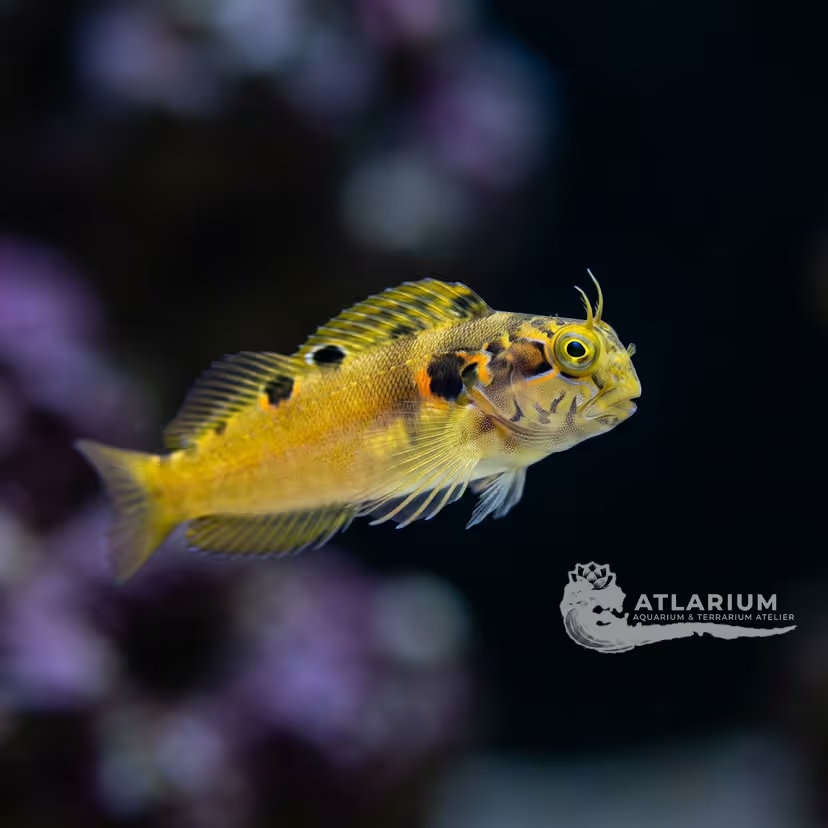
Two-spot bimaculatus blenny

Two-spot bimaculatus blenny

Ecsenius bimaculatus

View details->
Collette's blenny

Collette's blenny

Ecsenius collettei

View details->
Isos Blenny

Isos Blenny

Ecsenius isos

View details->
Fourline Blenny

Fourline Blenny

Ecsenius aequalis

View details->
Greek Blenny

Greek Blenny

Ecsenius

View details->
Yaeyama Blenny

Yaeyama Blenny

Ecsenius yaeyamaensis

View details->
Australian combtooth blenny

Australian combtooth blenny

Ecsenius australianus

View details->
Dentex Blenny

Dentex Blenny

Ecsenius dentex

View details->
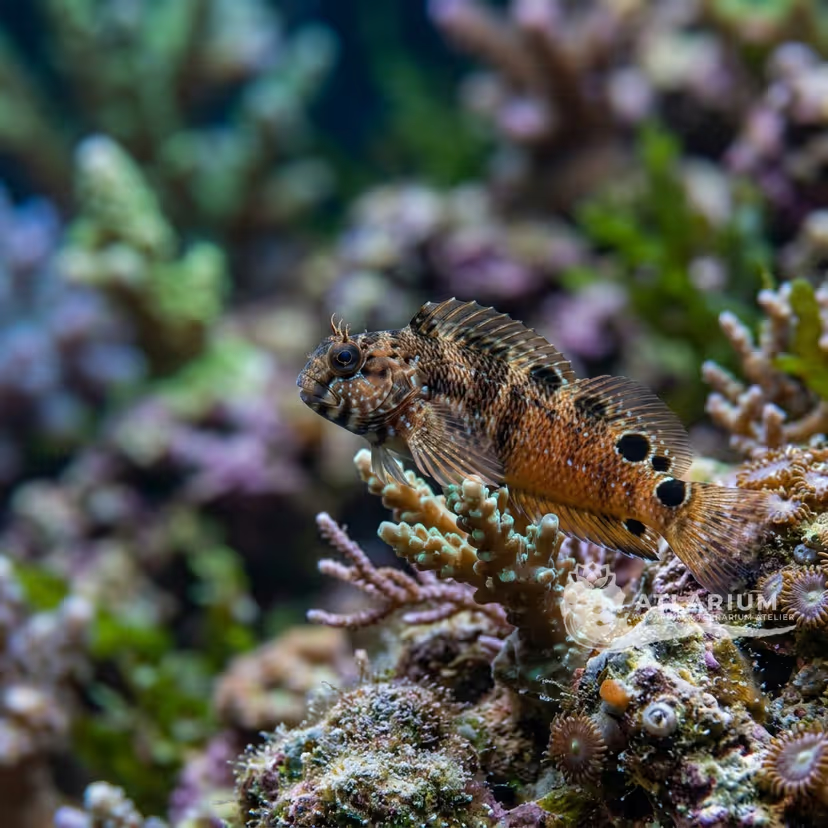
Fourmanoir's Blenny

Fourmanoir's Blenny

Ecsenius fourmanoiri
View details->
Yellow-eye combtooth-blenny

Yellow-eye combtooth-blenny

Ecsenius ops
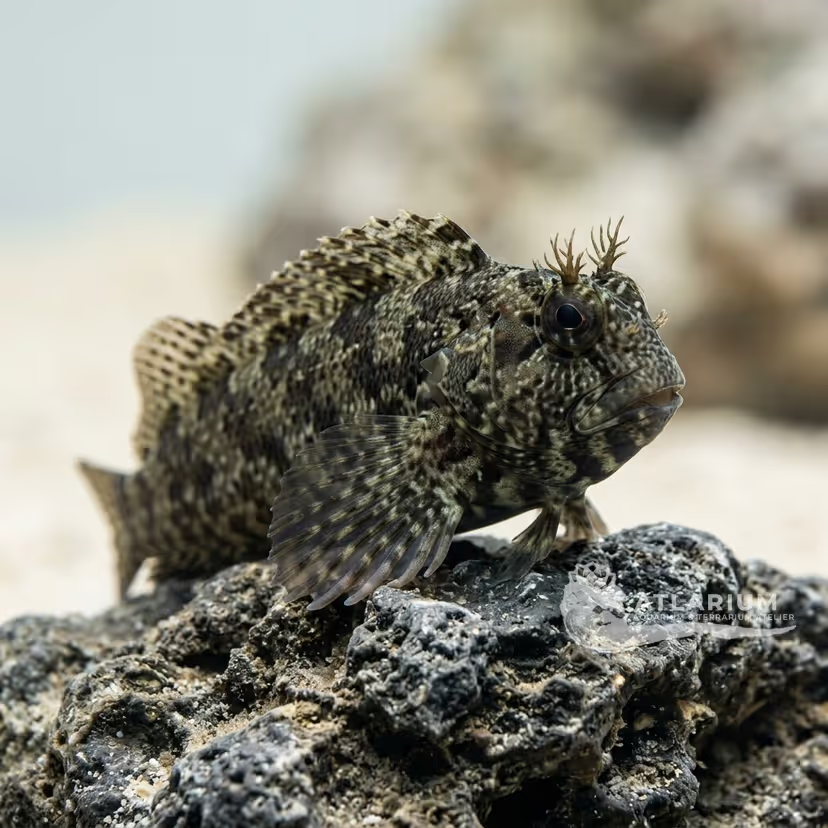
View details->
Lawnmower Blenny

Lawnmower Blenny

Salarias fasciatus

View details->
One-stripe Fangblenny

One-stripe Fangblenny

Meiacanthus ditrema
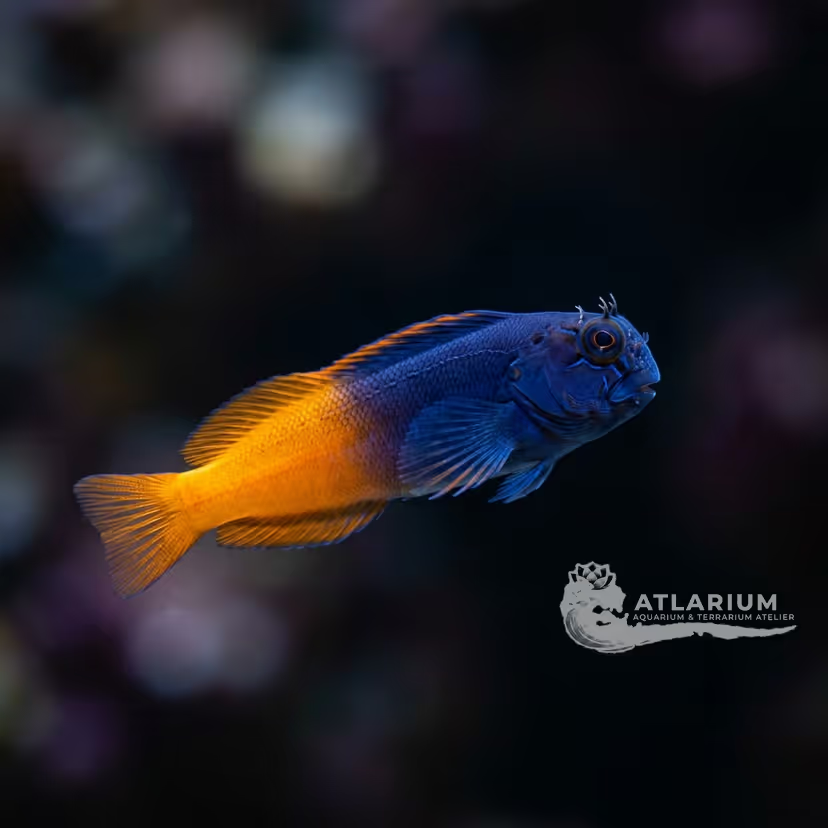
View details->
Gravier's Blenny

Gravier's Blenny

Ecsenius gravieri

View details->
Patzner's Blenny

Patzner's Blenny

Salarias patzneri

View details->
Last updated: 06/30/2026
Axelrod's blenny (Ecsenius axelrodi) Care Guide & Tank Setup | Atlarium