

Encyclopaedia
Many-spotted blenny
Ecsenius polystictus
Ecsenius polystictus is a small and peaceful herbivorous marine blenny from the Western Indo-Pacific. Active and full of character, it is perfect for reef tanks.
Share
Check out Many-spotted blenny on Atlarium
22 - 26 °C
8.1 - 8.4
Marine
Bottom
8 cm
>= 80 L
>= 1
8 - 12 dKH
Species description
Care, breeding and tankmates
Geographic Origin and Distribution
Origin
Fish profile
- Temperament
- Active
- Diet
- Herbivore
- Sex ratio
- Solitary
- Feeding frequency
- Twice daily
- Bioload
- The Ecsenius polystictus produces a relatively small amount of waste, contributing minimially to the overall bioload of the aquarium. Regular water changes and standard filtration are typically sufficient to handle their waste output. They do not put a heavy strain on the biological filtration systems, making them suitable for mature reef tanks. Their small adult size means they consume less food and thus excrete less.
- Flow
- Strong
- Jump risk
- Yes
- Reproduction
- Oviparous
- Compatibility & tankmates
- Peaceful
- Tank level
- Bottom
Window to the official scientific data of the species
Scientific Parameters & Models
- Trophic level
- 2 ± 0 se
- Resilience
- High (less than 15 months)
- Phylogenetic uniqueness (PD50)
- 0.5
- Bayesian Length-Weight
- a = 0.01047, b = 2.98
Image gallery
Licensed images linked to the species or, when marked, to the closest representative taxon.
Related species
Recommendations grouped by close relatives, companion choices, and similar care.
Variants and close relatives
Same atlas type, nearby scientific identity, genus, or family.

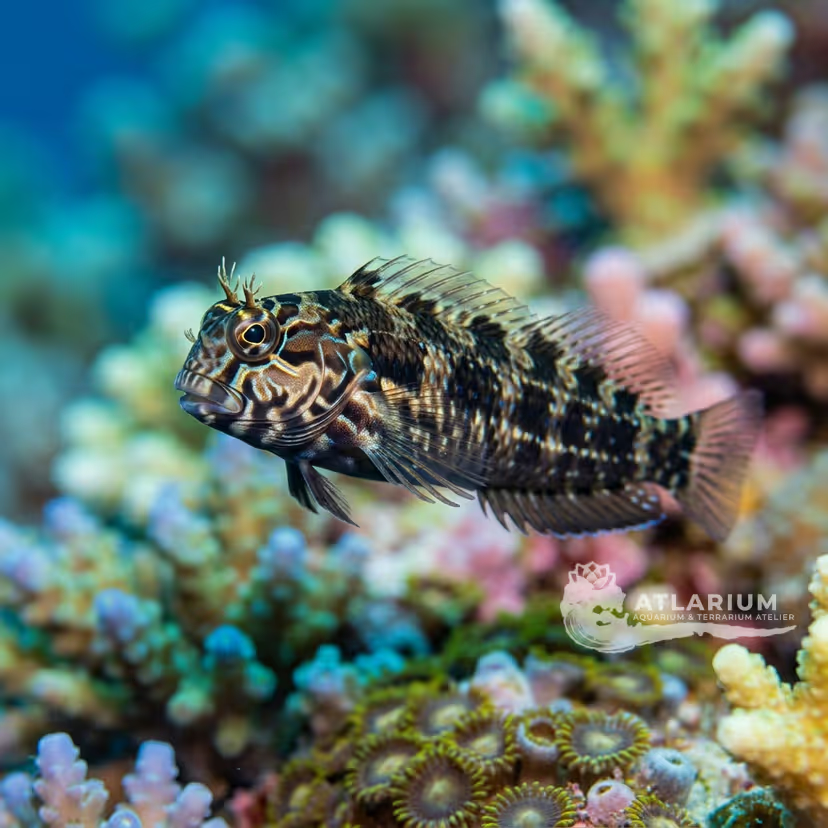
Aron's blenny
Ecsenius aroni
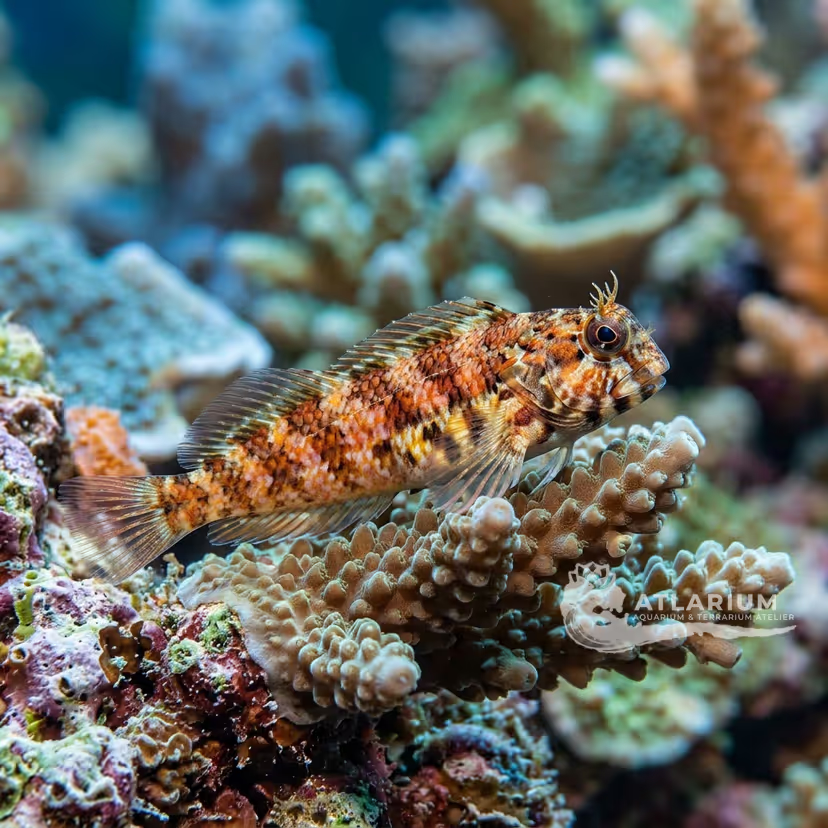
Banda combtooth blenny
Ecsenius bandanus
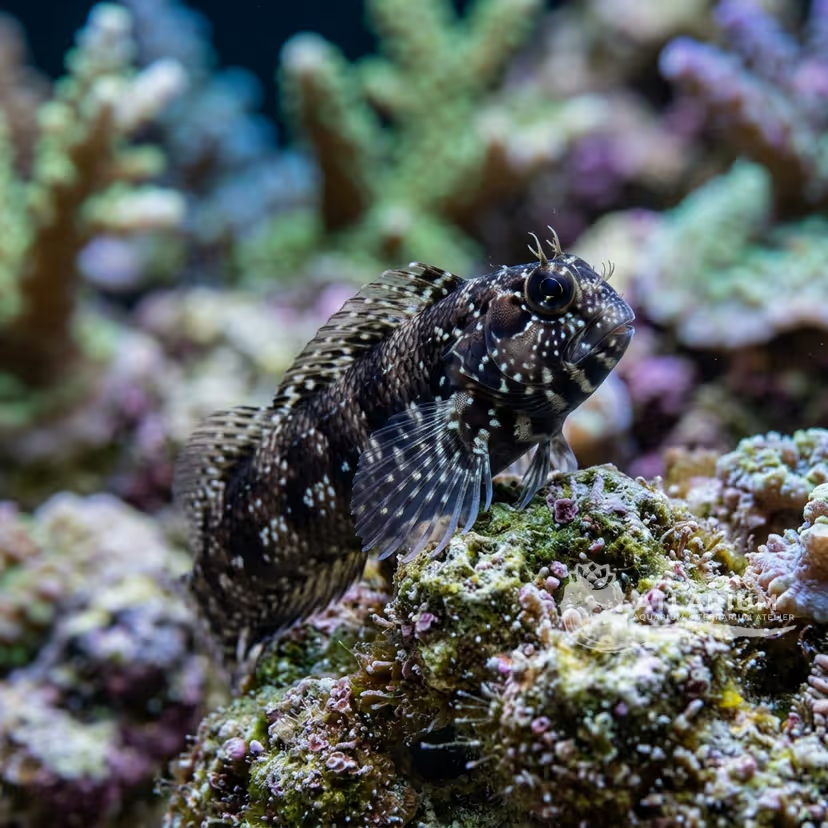
Lubbock's combtooth blenny
Ecsenius lubbocki
Springer's Blenny
Ecsenius springeri

Greek Blenny
Ecsenius
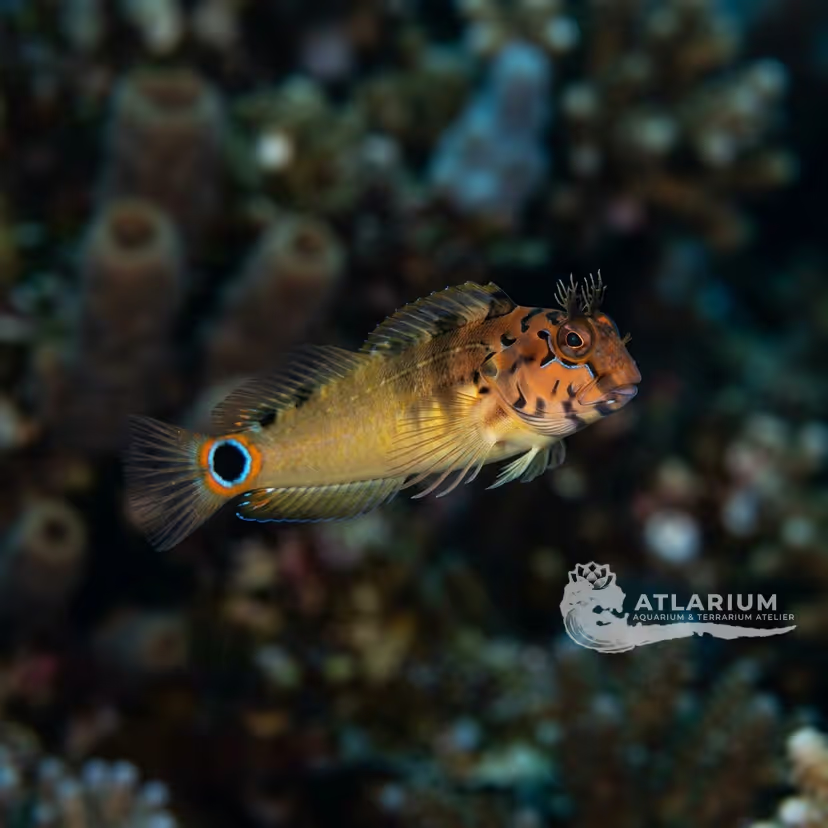
Tailspot blenny
Ecsenius stigmatura
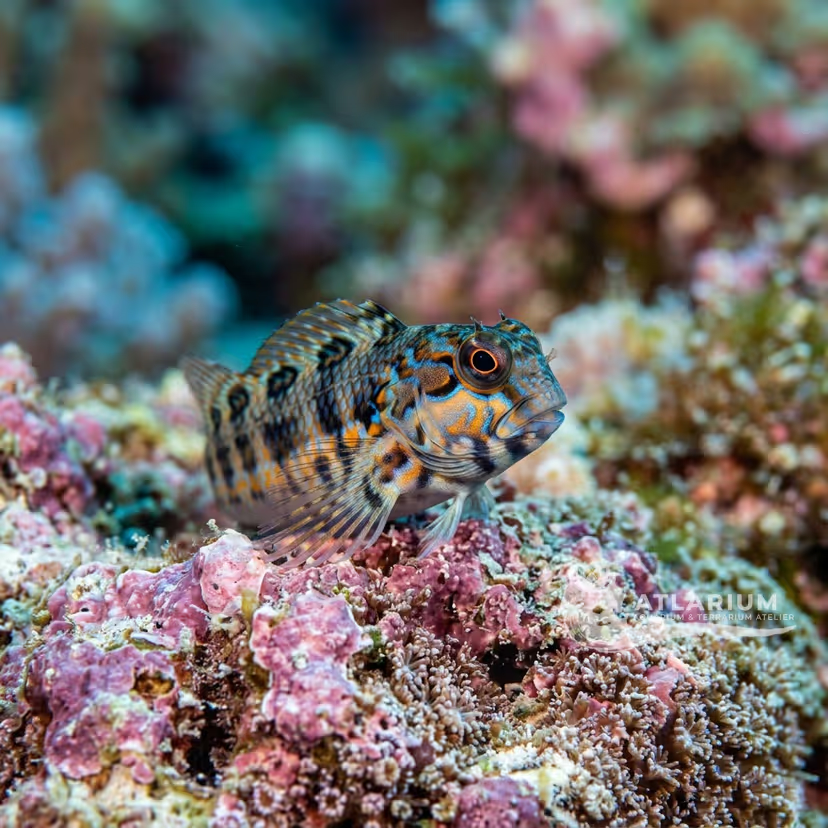
Allen's blenny
Ecsenius alleni

Axelrod's blenny
Ecsenius axelrodi
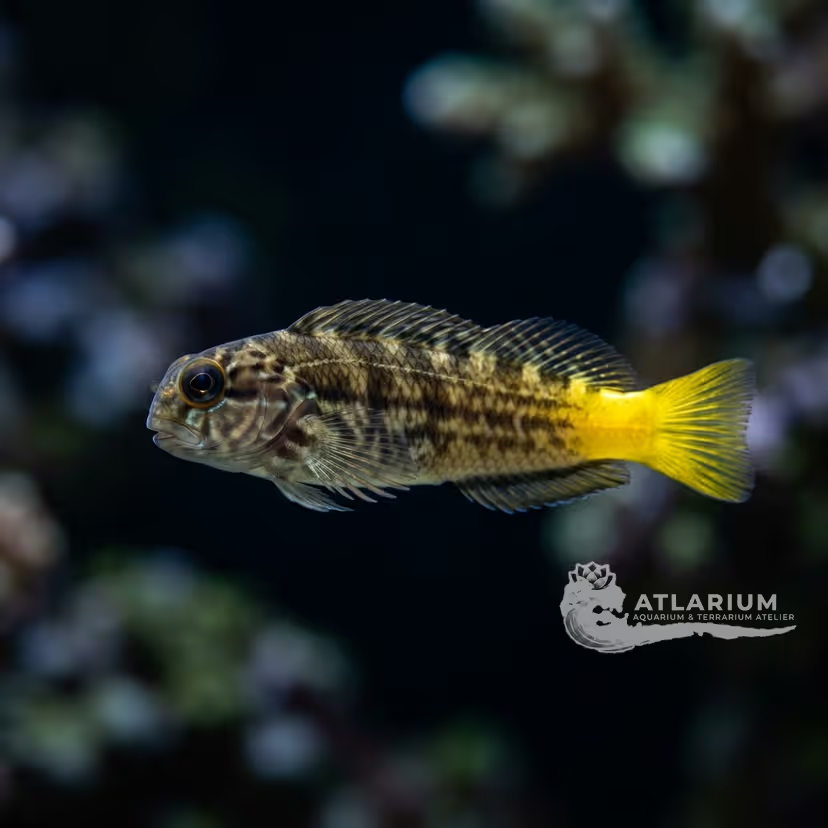
Black combtooth blenny
Ecsenius namiyei
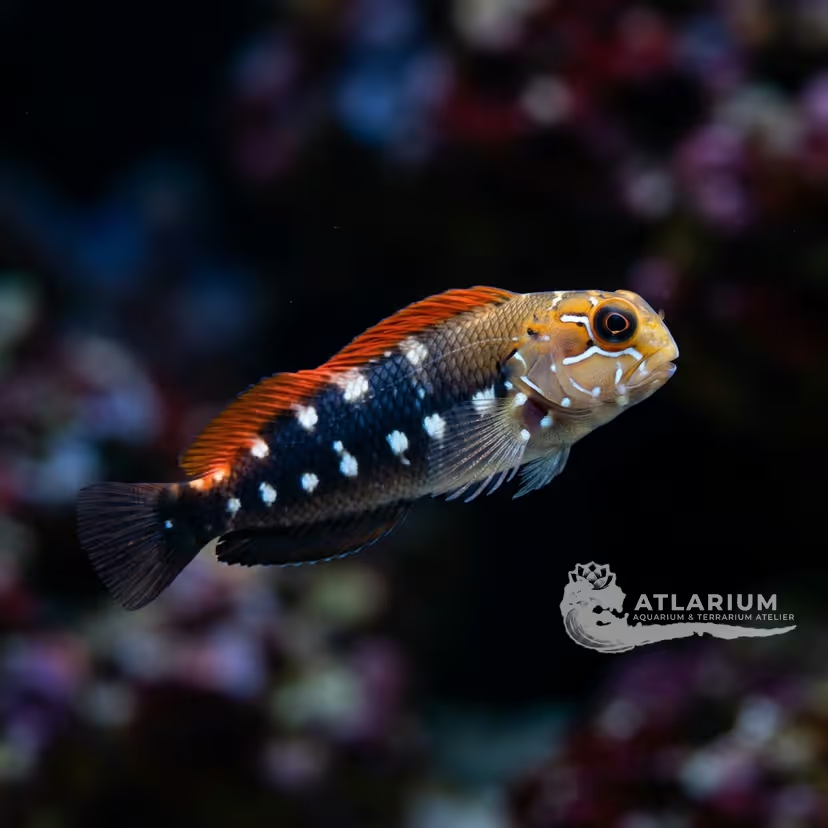
Fiji Blenny
Ecsenius fijiensis

Linear Blenny
Ecsenius lineatus

Monoculus blenny
Ecsenius monoculus

Ocular Blenny
Ecsenius oculus
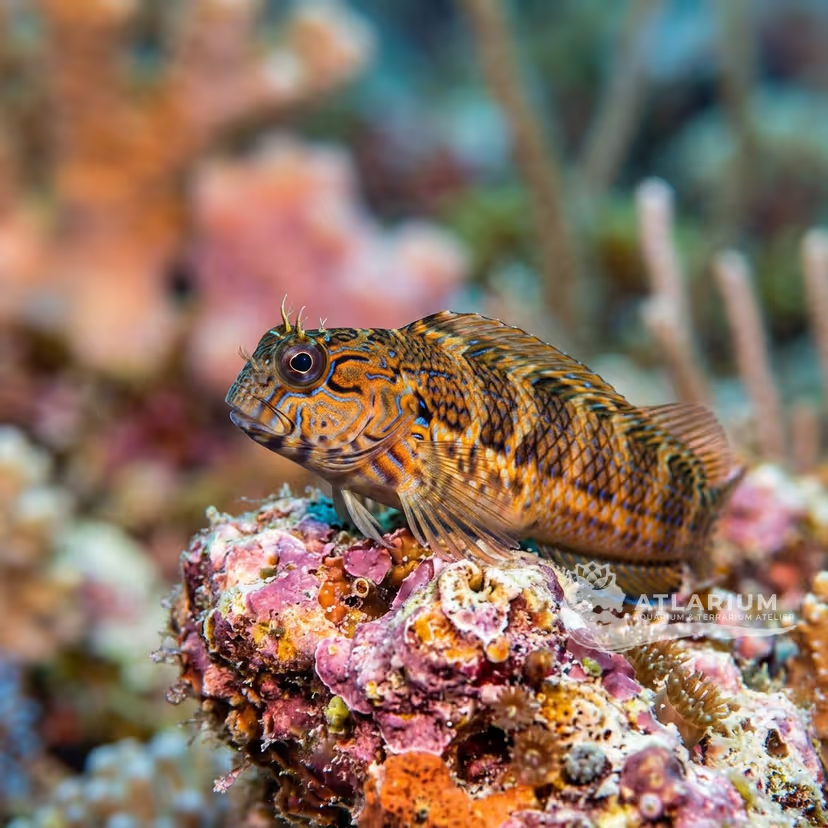
Portenoy's Blenny
Ecsenius portenoyi

Saddle blenny
Ecsenius sellifer
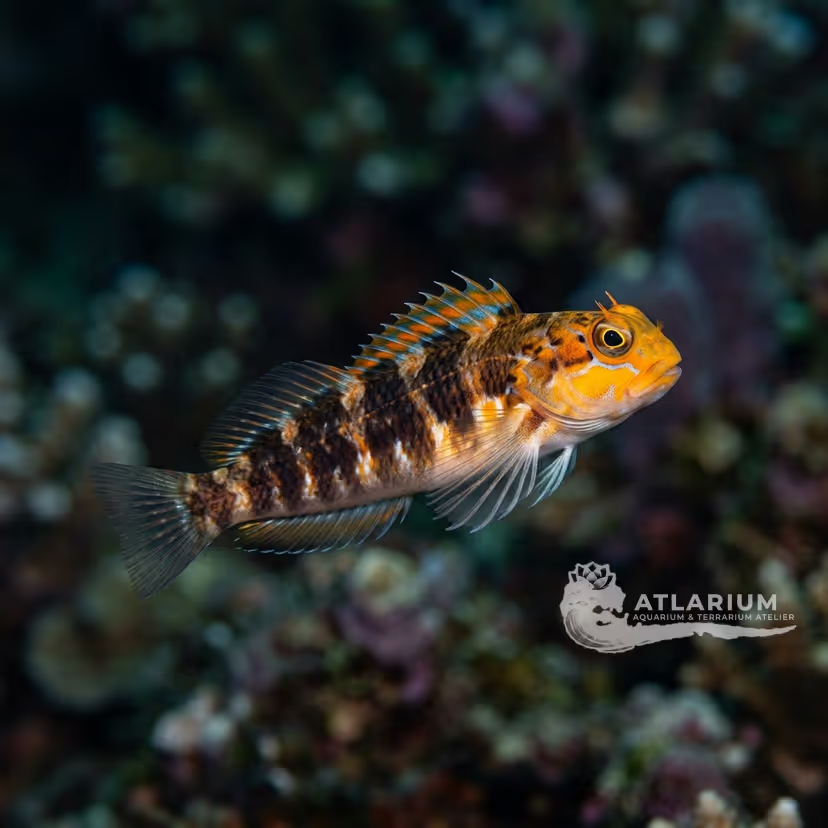
Yelloweye Combtooth Blenny
Ecsenius opsifrontalis
Recommended companions
Compatible cards from coherent ecosystems with matching parameters.
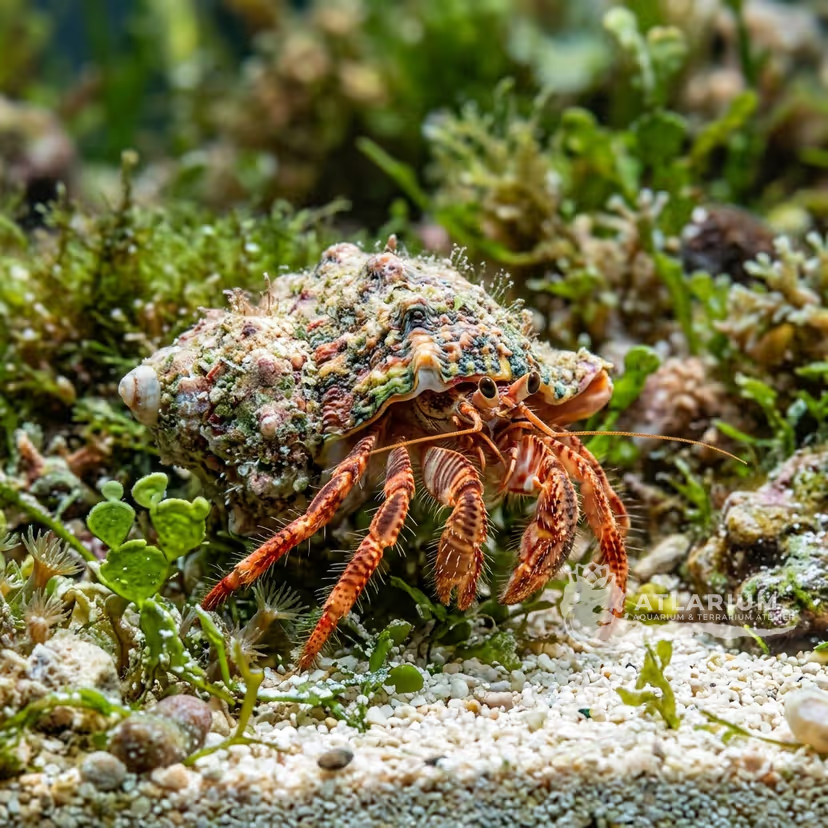
Antillean hermit crab
Clibanarius brasiliensis

Arethusa Hermit Crab
Clibanarius arethusa

Bahia Cleaner Shrimp
Lysmata bahia

Boschma's hermit crab
Clibanarius boschmai

Cook's hermit crab
Clibanarius cooki

Danai's hermit crab
Clibanarius danai

De Man's Hermit Crab
Clibanarius demani

Feather Duster Worm
Sabellastarte spectabilis
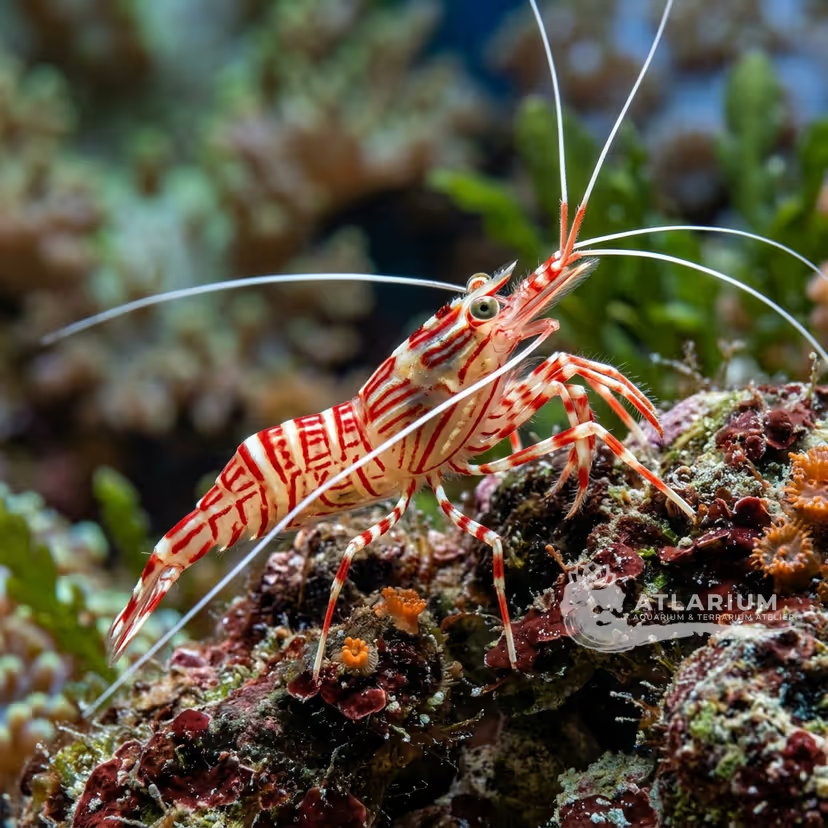
Lysmata prima shrimp
Lysmata

African snapping shrimp
Alpheus africanus
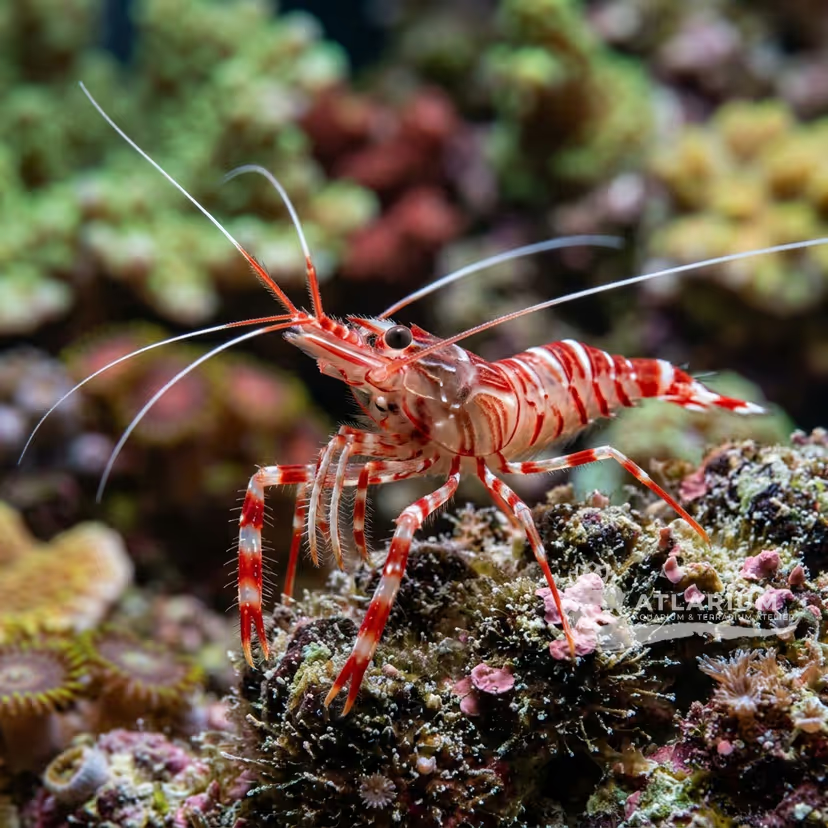
Anker's Cleaner Shrimp
Lysmata ankeri

Armed Snapping Shrimp
Alpheus armatus

Blood-spotted Hermit Crab
Clibanarius cruentatus
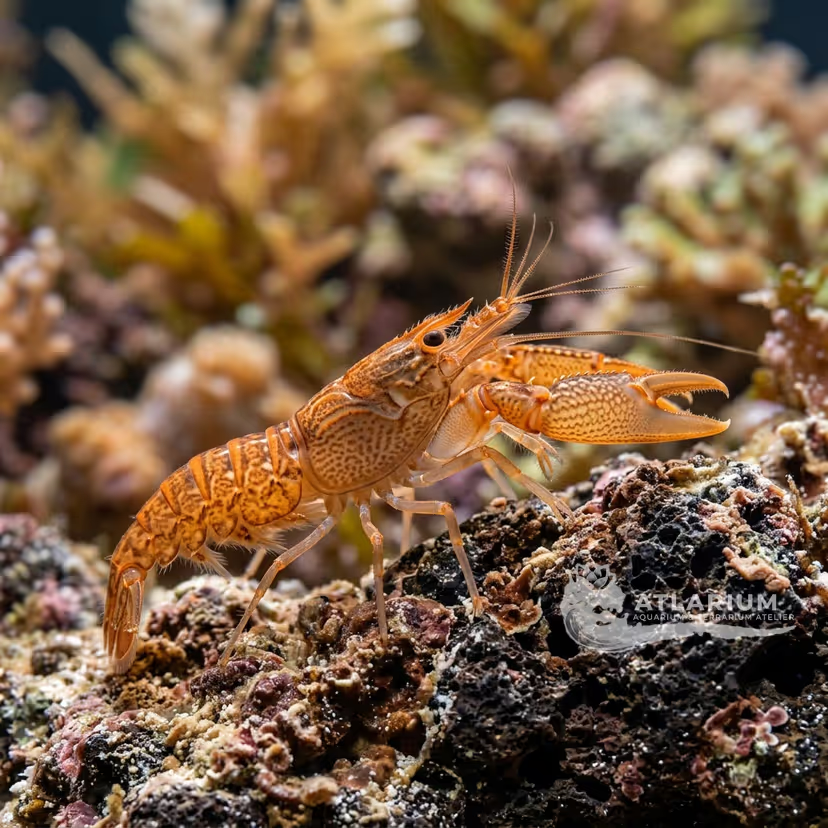
Bouvier's snapping shrimp
Alpheus bouvieri

Camel shrimp
Rhynchocinetes durbanensis

Chapin's Hermit Crab
Clibanarius chapini
Similar care
Cards with similar requirements, difficulty, habitat, and husbandry profile.

Australian combtooth blenny
Ecsenius australianus
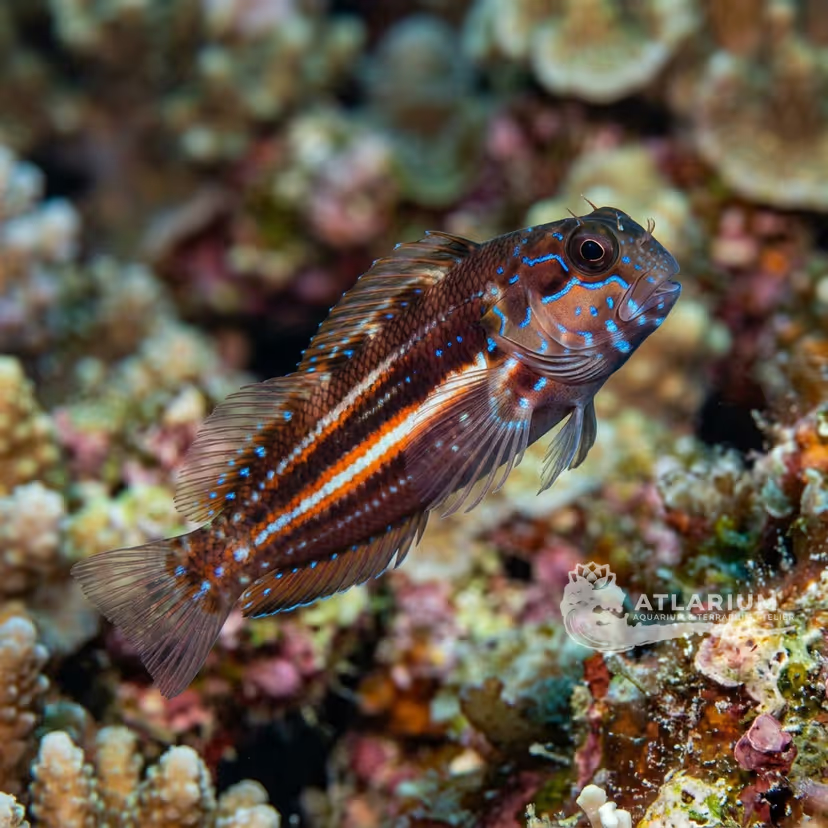
Beautiful Blenny
Ecsenius pulcher

Dentex Blenny
Ecsenius dentex

Fourmanoir's Blenny
Ecsenius fourmanoiri
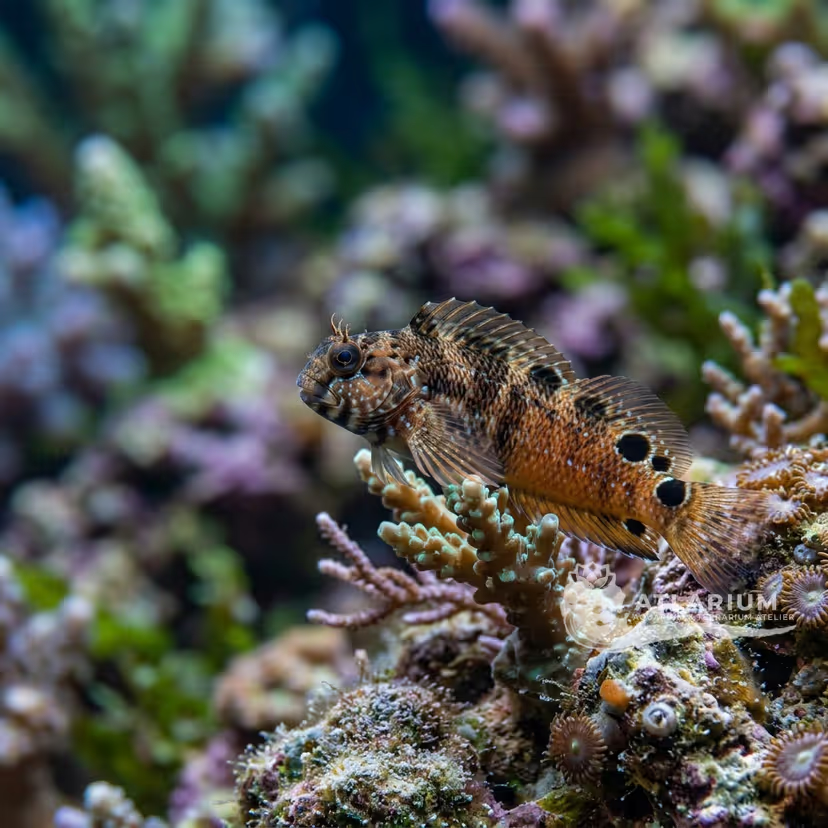
Yellow-eye combtooth-blenny
Ecsenius ops

Yellowtail Clown Blenny
Ecsenius melarchus

Fourline Blenny
Ecsenius aequalis

Collette's blenny
Ecsenius collettei
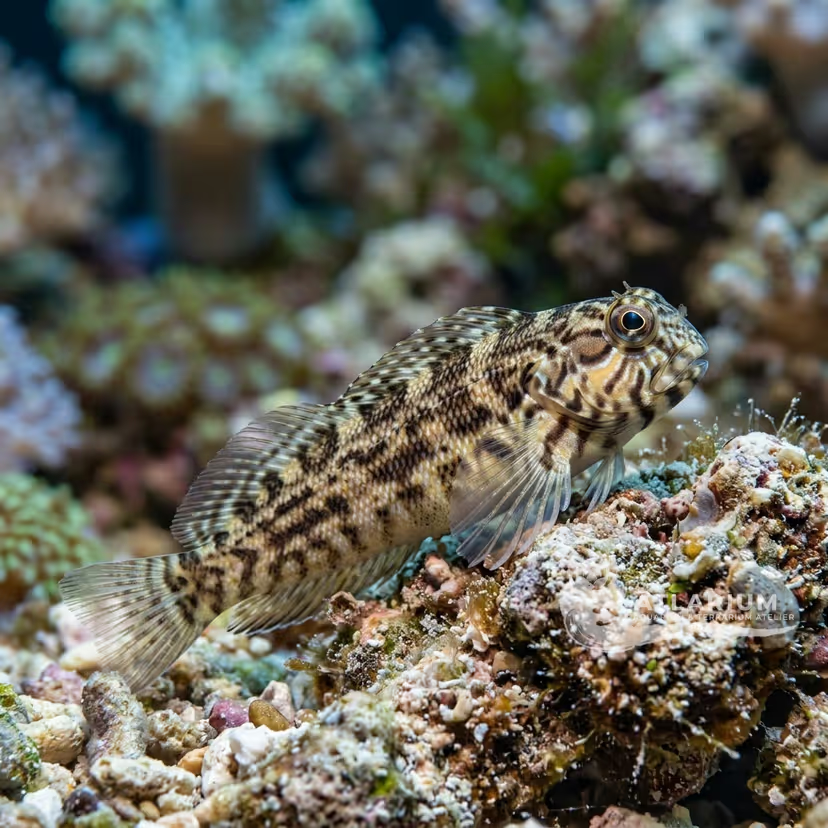
Isos Blenny
Ecsenius isos
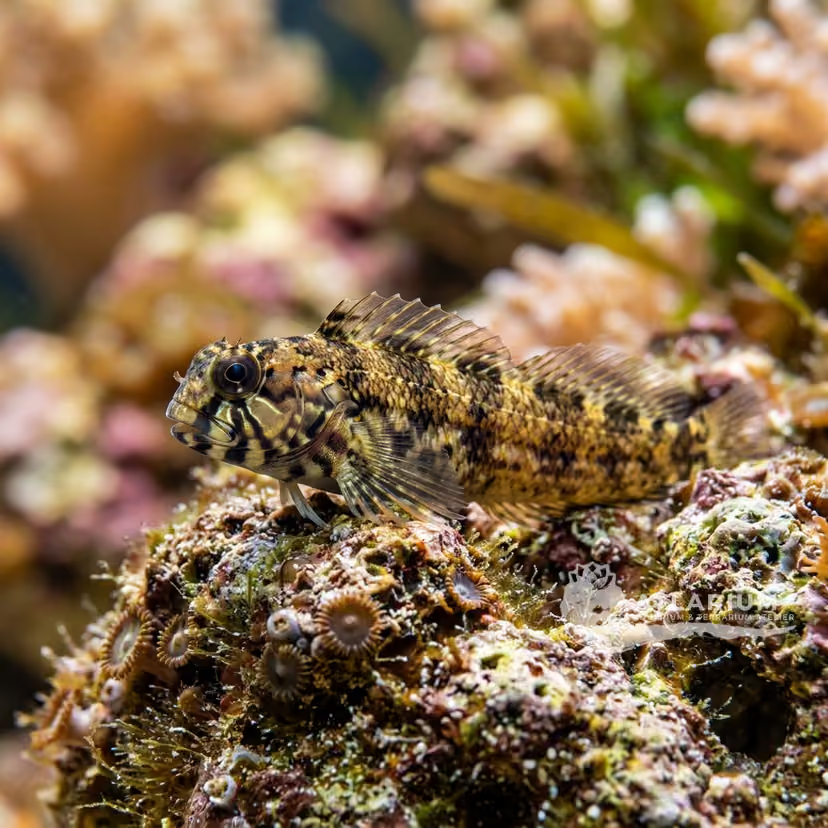
Queensland Blenny
Ecsenius mandibularis
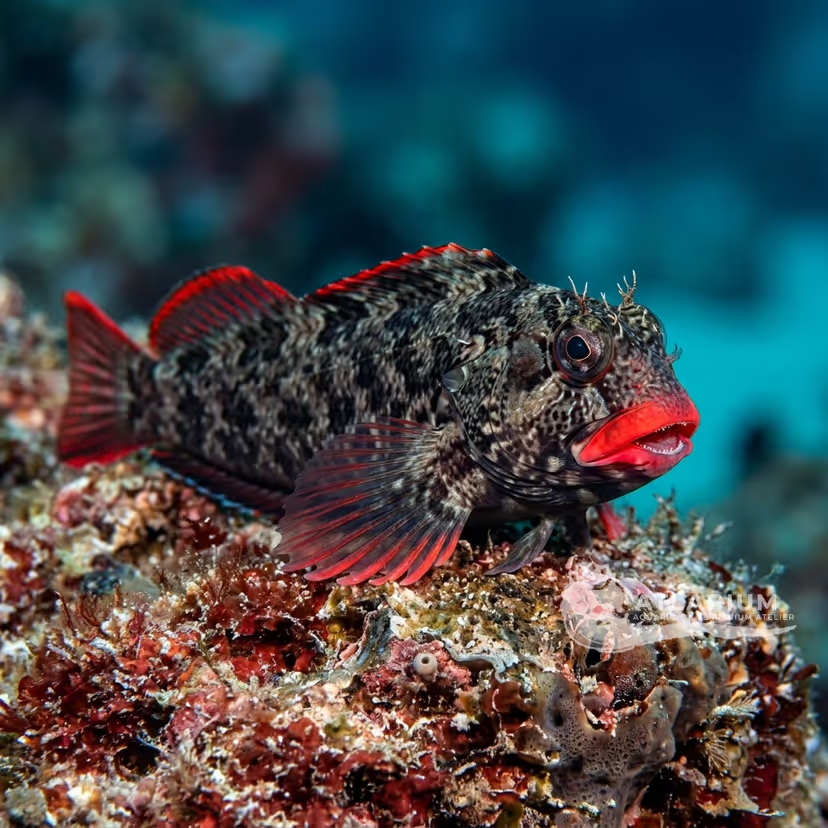
Redlip Blenny
Ophioblennius atlanticus
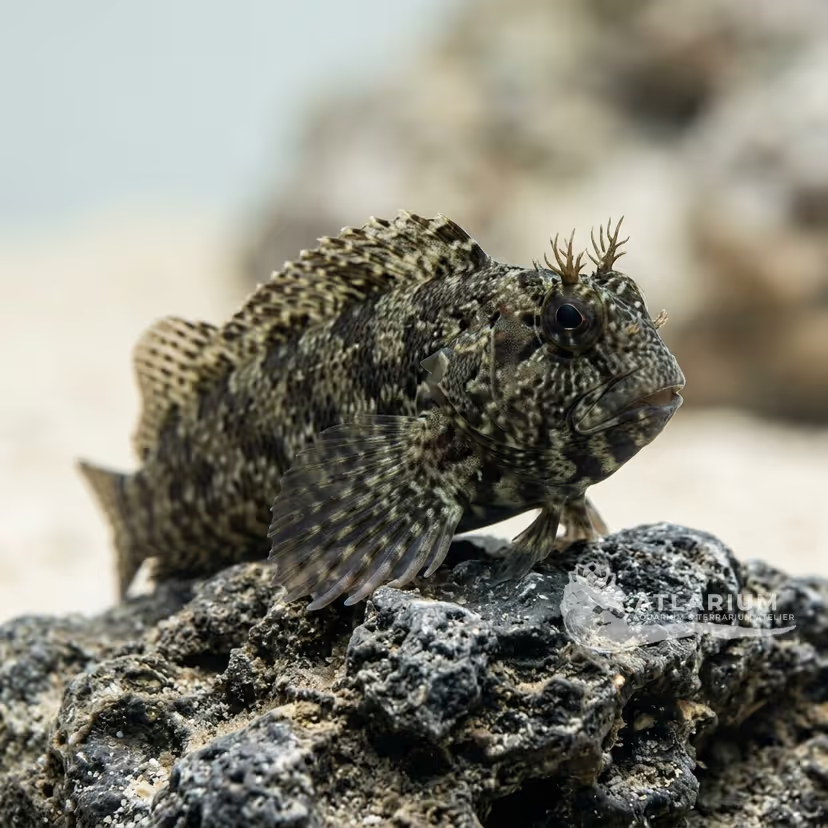
Lawnmower Blenny
Salarias fasciatus

Chestnut Eyelash Blenny
Cirripectes castaneus
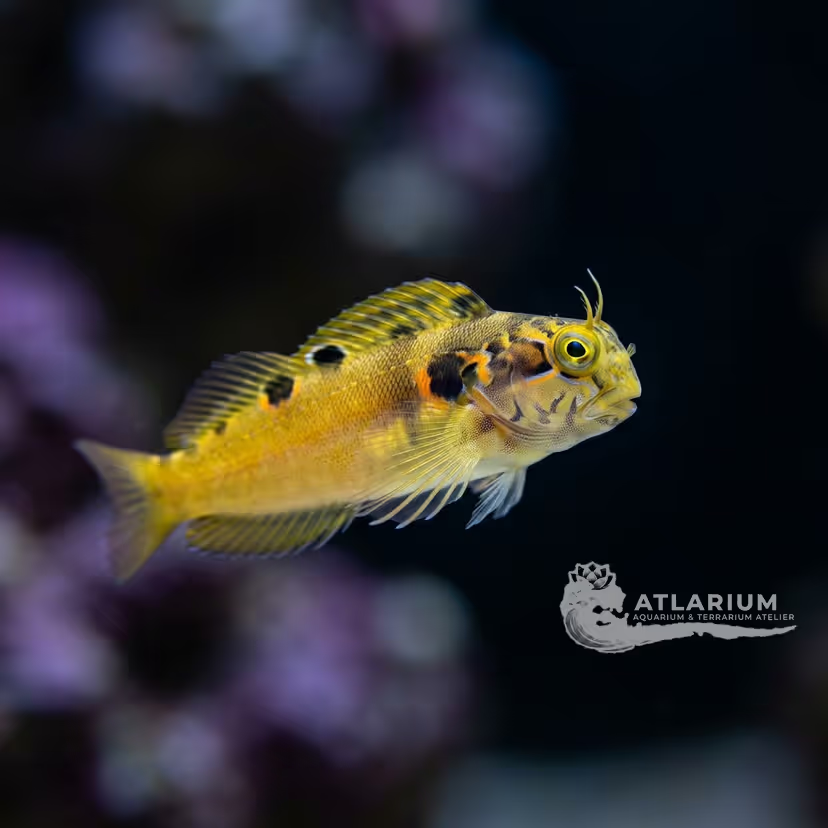
Two-spot bimaculatus blenny
Ecsenius bimaculatus

Bluebelly blenny
Ecsenius caeruliventris

Bath's Combtooth Blenny
Ecsenius bathi