
Encyclopaedia
Lysmata prima shrimp
Lysmata
A small, highly active marine cleaner shrimp native to the Western Indo-Pacific. It is uniquely characterized by distinct red longitudinal body stripes.
Share
Check out Lysmata prima shrimp on Atlarium
22 - 26 °C
8.1 - 8.4
Marine
Marine shrimp
4.5 cm
>= 1
8 - 12 dKH
Pest control
Species description
Care, breeding and tankmates
Geographic Origin and Distribution
Origin
Invertebrate profile
- Diet
- Omnivore
- Ecological role
- Pest control
- Shock sensitivity
- High
- Calcium and minerals
- Medium
- Molting
- Yes
- Reproduction
- Oviparous
- Compatibility & tankmates
- Reef safe
Image gallery
Licensed images linked to the species or, when marked, to the closest representative taxon.
Related species
Recommendations grouped by close relatives, companion choices, and similar care.
Variants and close relatives
Same atlas type, nearby scientific identity, genus, or family.

Bahia Cleaner Shrimp
Lysmata bahia
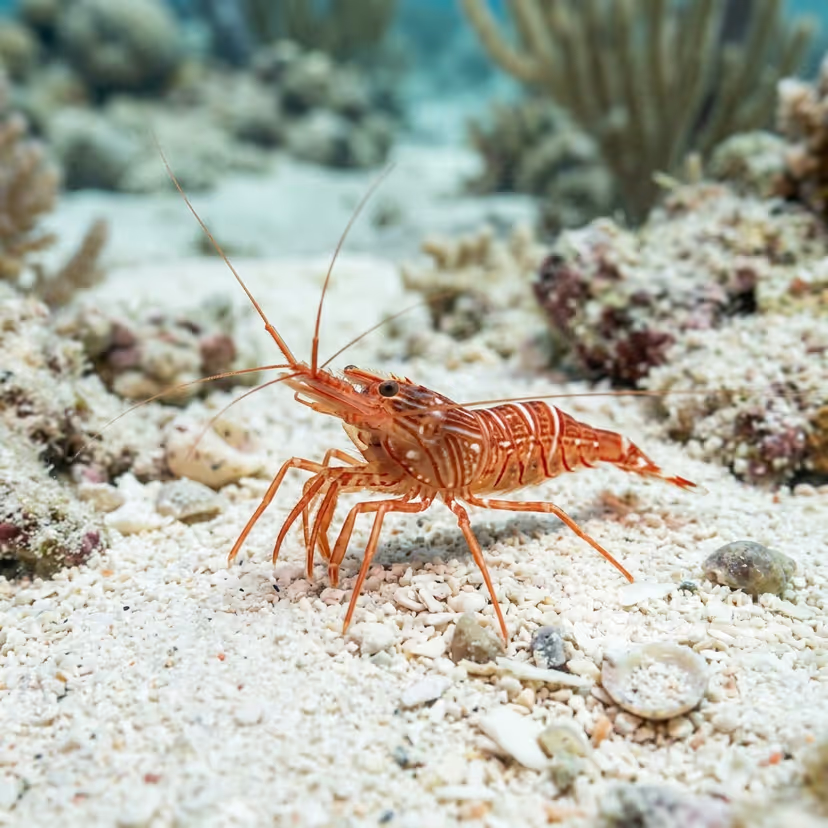
Udo's Peppermint Shrimp
Lysmata udoi
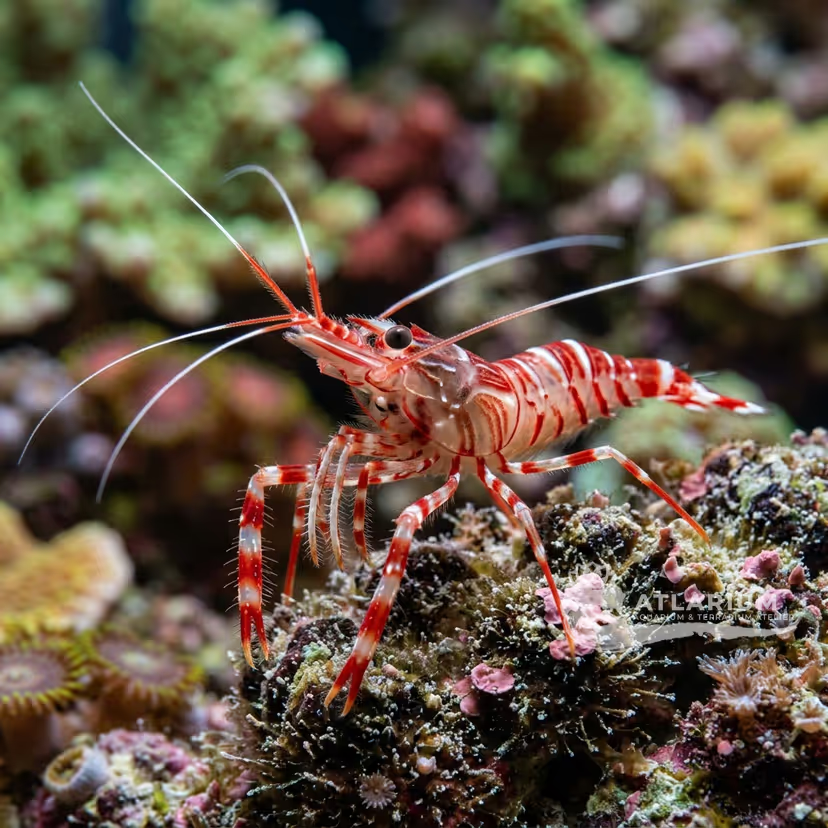
Anker's Cleaner Shrimp
Lysmata ankeri
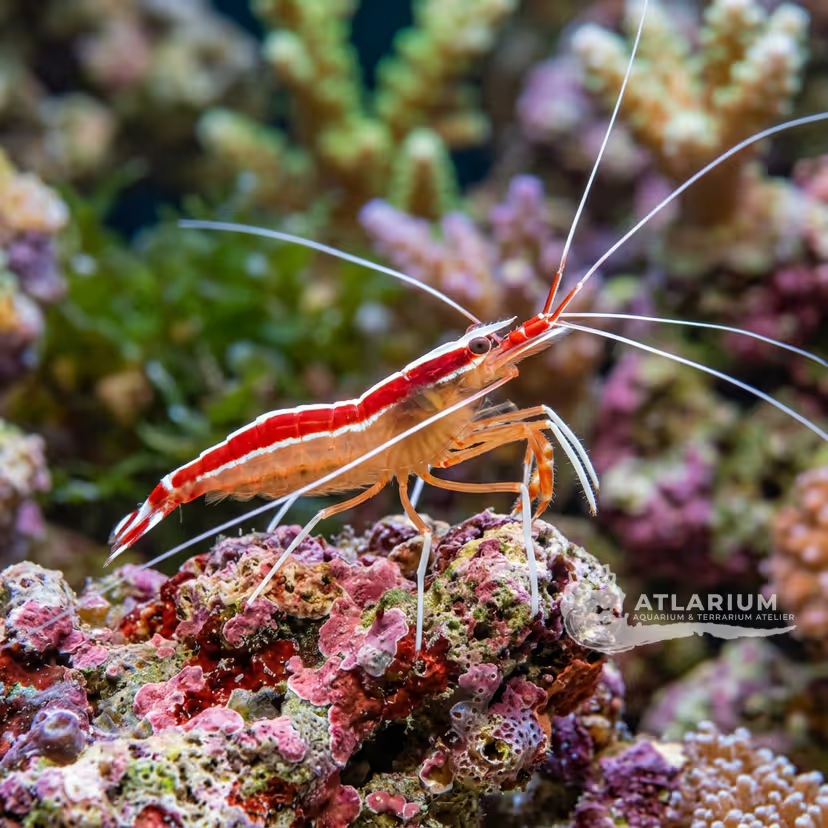
Grabham's cleaner shrimp
Lysmata grabhami

Lipke's Cleaner Shrimp
Lysmata lipkei
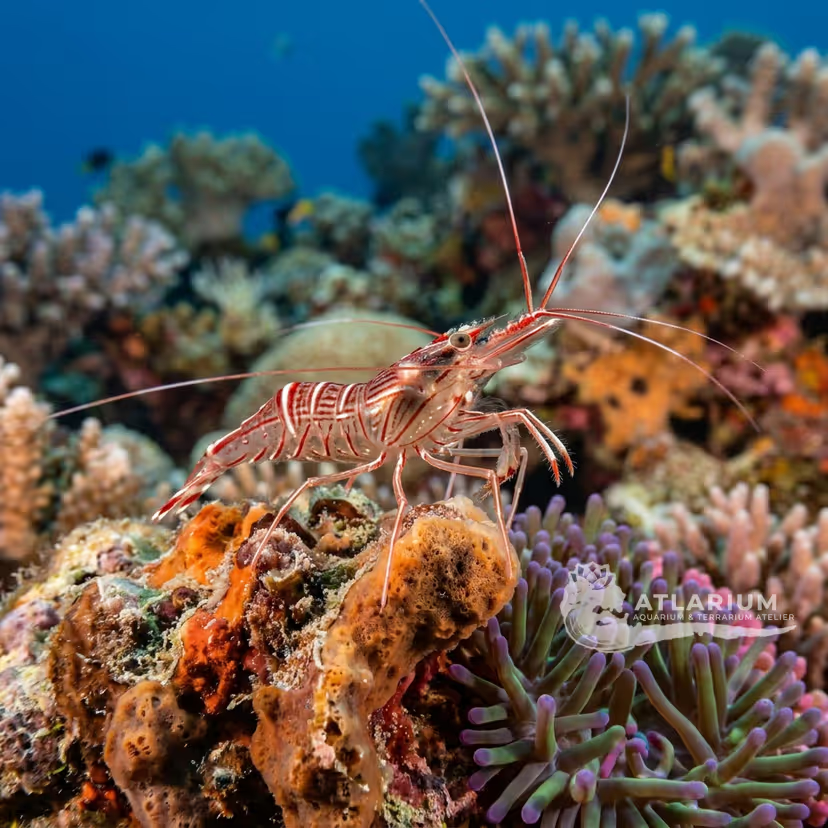
Ternate cleaner shrimp
Lysmata ternatensis

Anchisteus Cleaner Shrimp
Lysmata anchisteus

Boggess' Peppermint Shrimp
Lysmata boggessi

Kuekenthal's cleaner shrimp
Lysmata kuekenthali

Lined Shrimp
Lysmata vittata
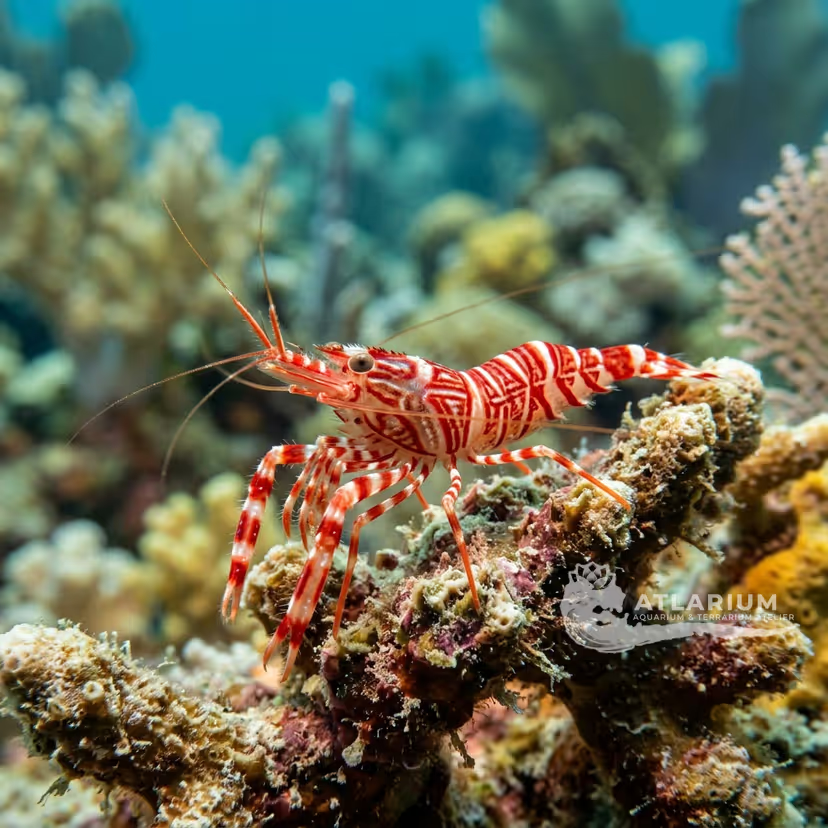
Nayarit Peppermint Shrimp
Lysmata nayaritensis
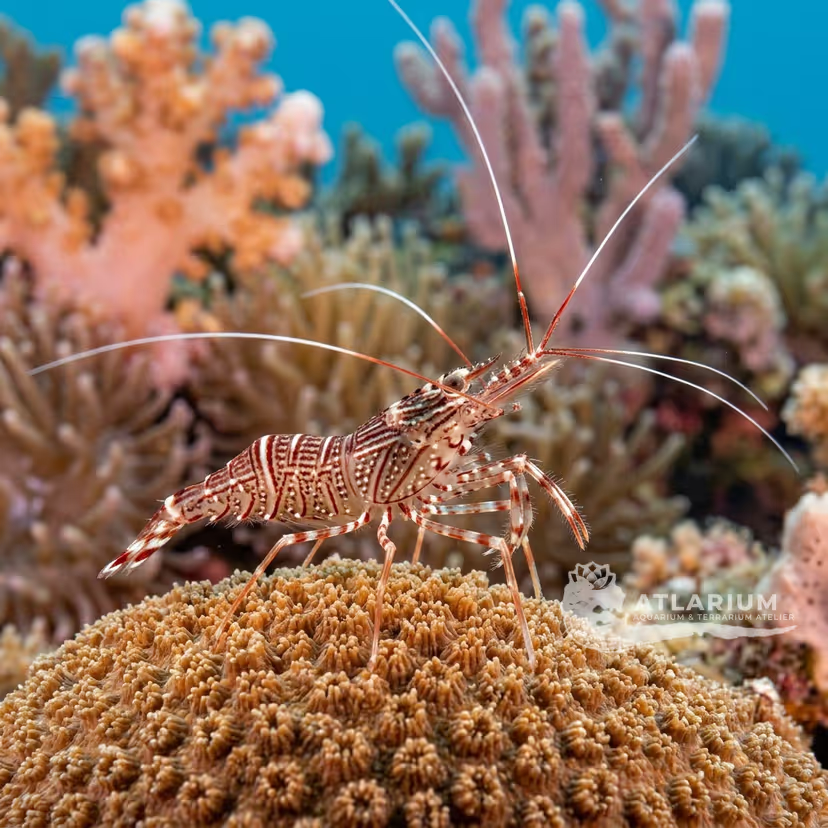
Peppermint Shrimp var. multiscissa
Lysmata multiscissa
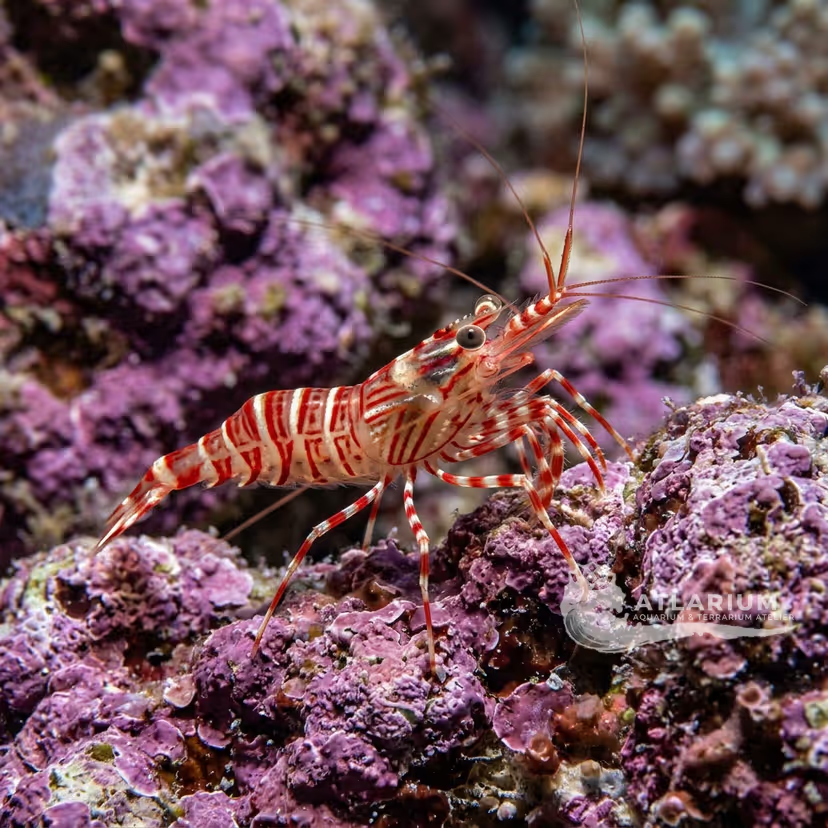
Rathbun's Peppermint Shrimp
Lysmata rathbunae

Slender-billed cleaner shrimp
Lysmata gracilirostris
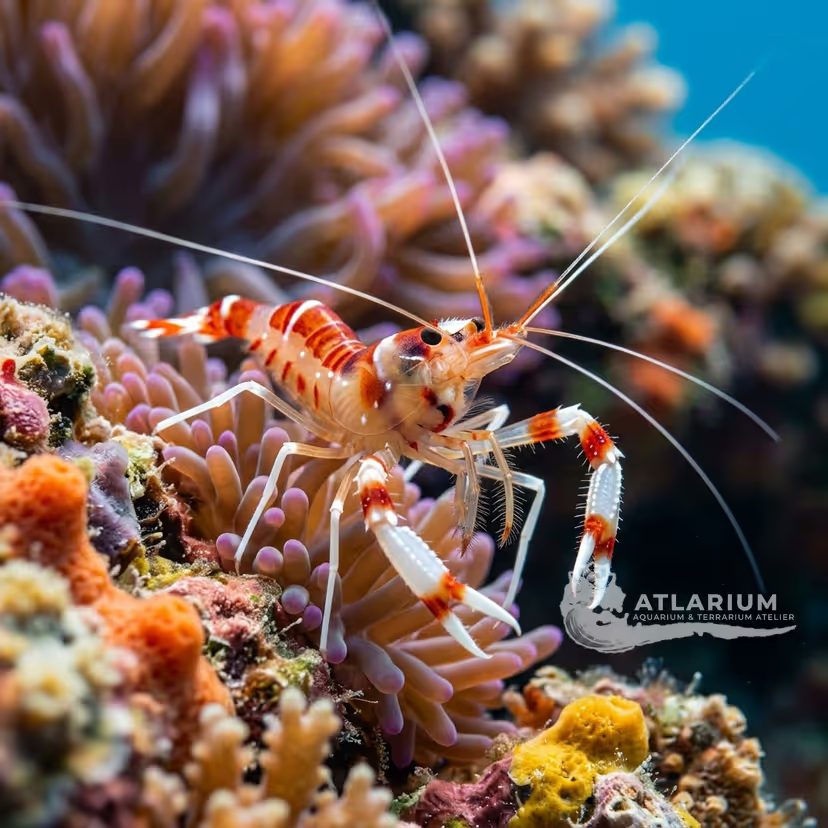
Splendid Cleaner Shrimp
Lysmata splendida

Malagasy cleaner shrimp
Lysmata malagasy
Recommended companions
Compatible cards from coherent ecosystems with matching parameters.

Black-axil Chromis
Chromis atripectoralis

Blue assessor
Assessor macneilli
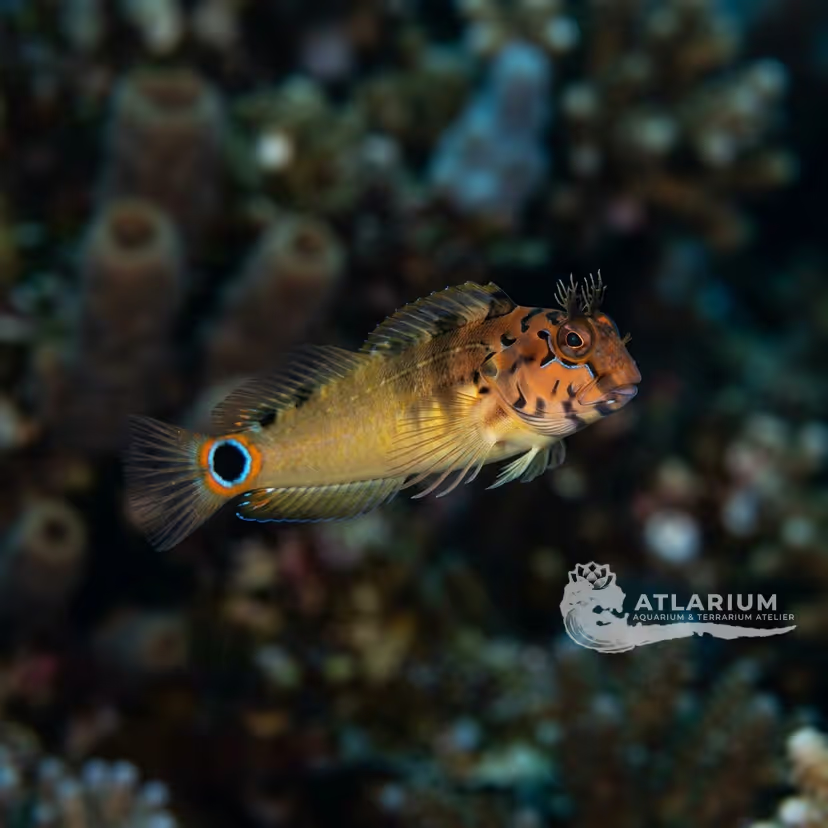
Tailspot blenny
Ecsenius stigmatura
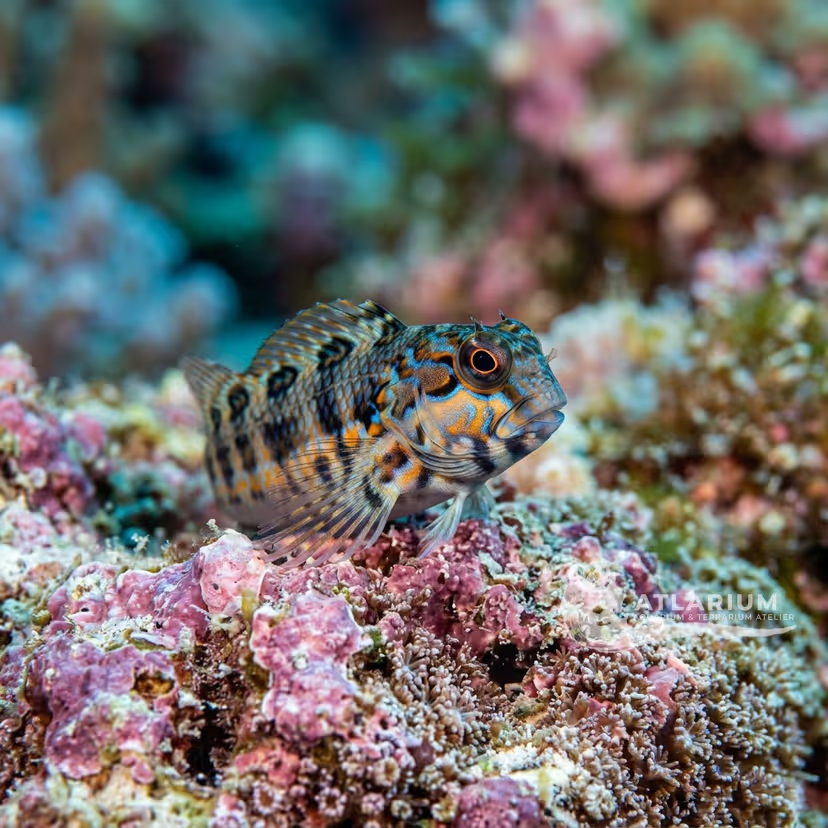
Allen's blenny
Ecsenius alleni

Axelrod's blenny
Ecsenius axelrodi
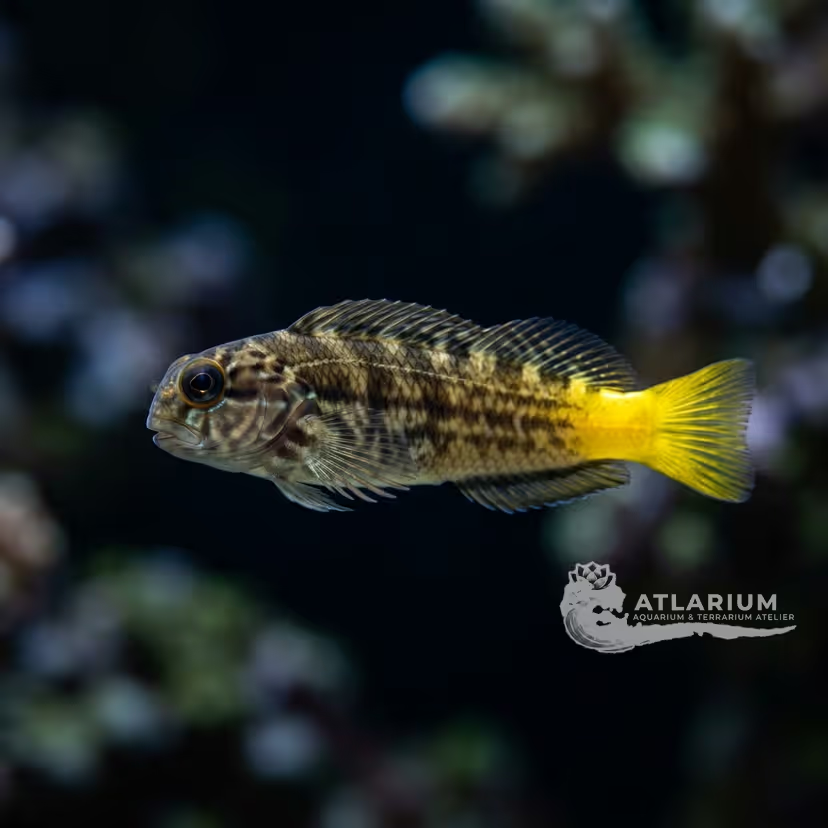
Black combtooth blenny
Ecsenius namiyei
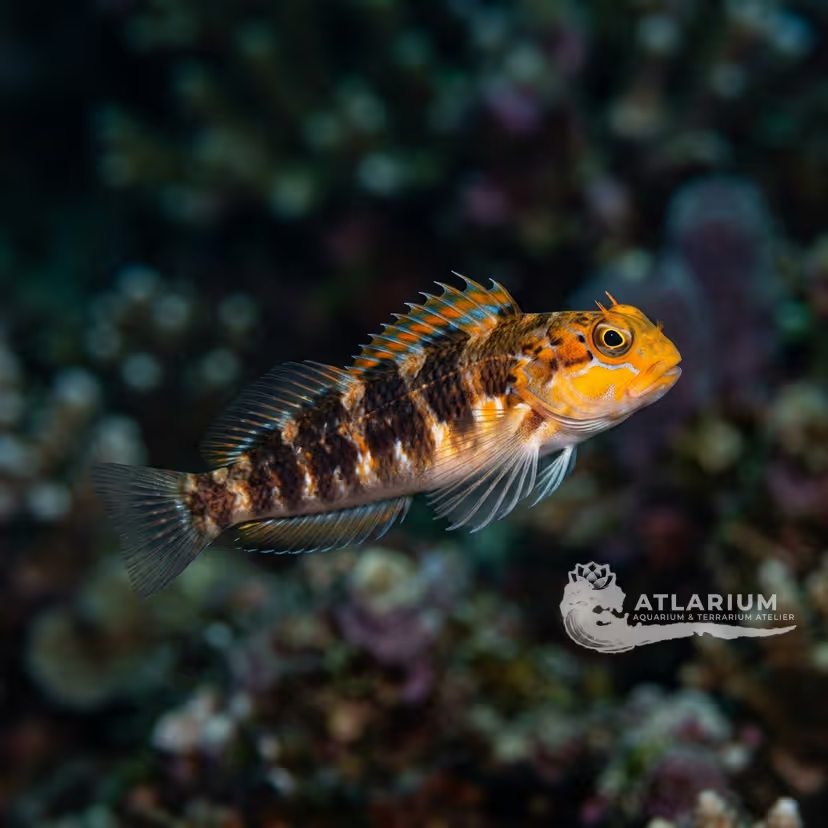
Yelloweye Combtooth Blenny
Ecsenius opsifrontalis

Barrier Reef chromis
Chromis nitida
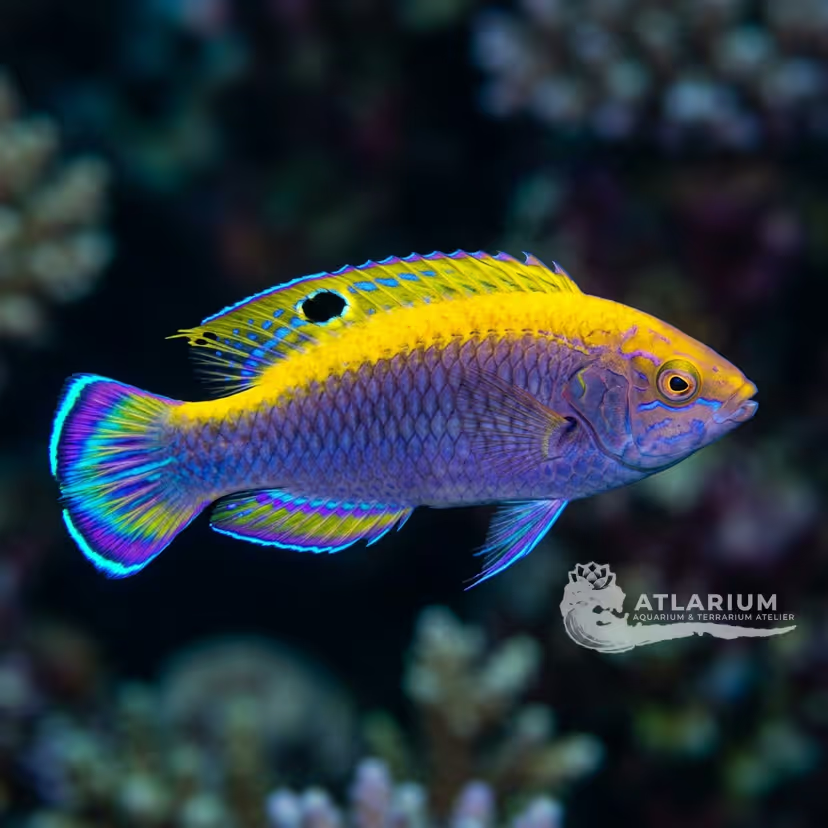
Beau's Fairy Wrasse
Cirrhilabrus beauperryi

Blackhead Shrimpgoby
Amblyeleotris melanocephala

Collette's blenny
Ecsenius collettei

Grape caulerpa
Caulerpa racemosa
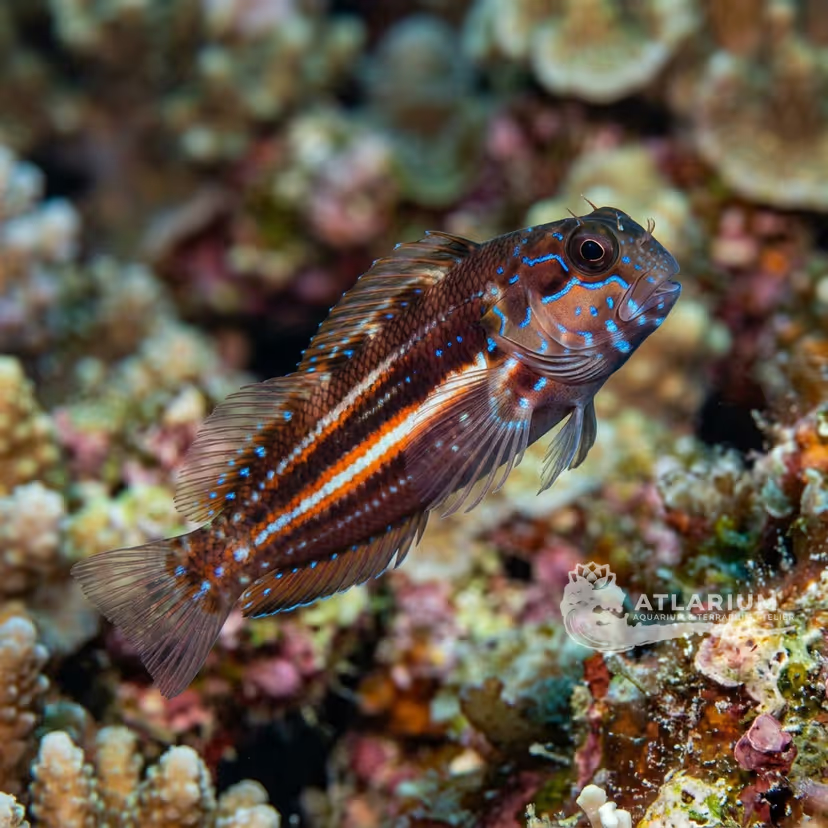
Beautiful Blenny
Ecsenius pulcher

Caulerpa prolifera
Caulerpa prolifera
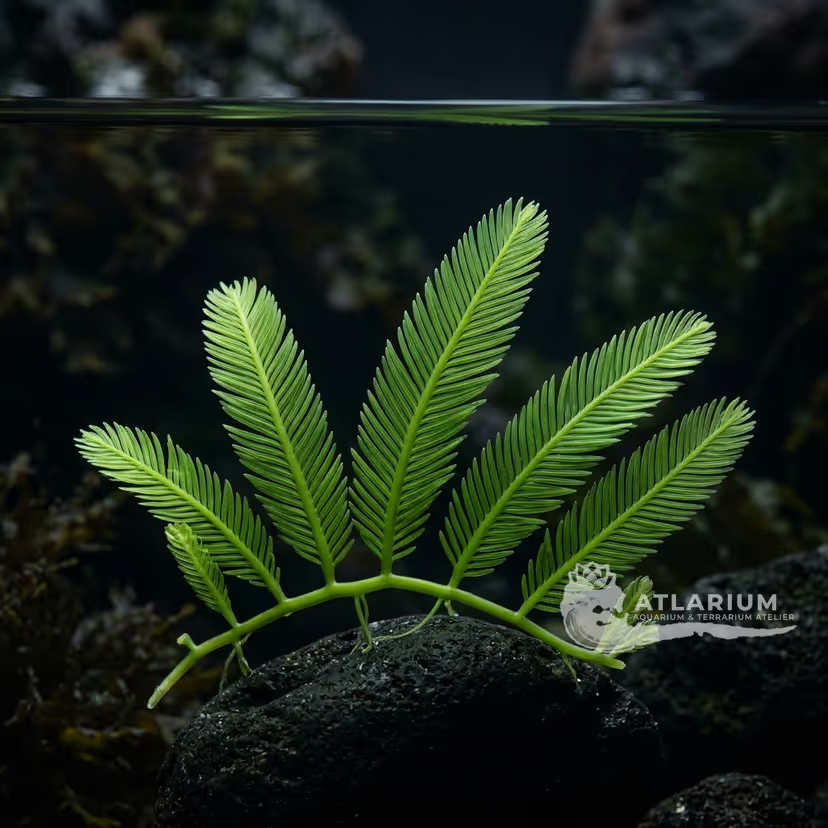
Caulerpa taxifolia
Caulerpa taxifolia
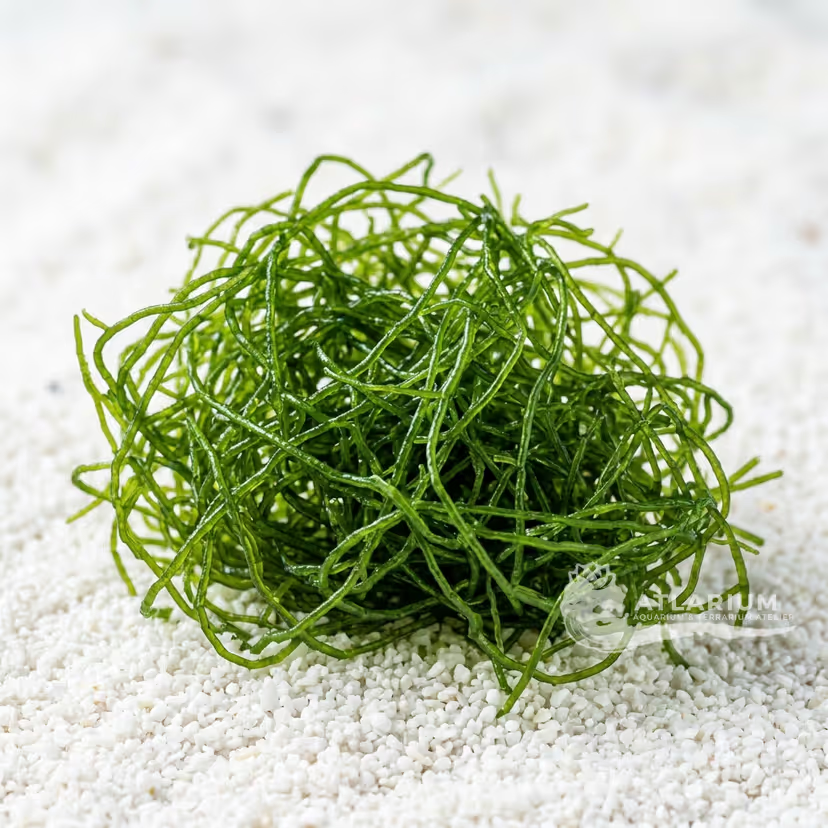
Chaetomorpha macroalgae
Chaetomorpha linum
Similar care
Cards with similar requirements, difficulty, habitat, and husbandry profile.
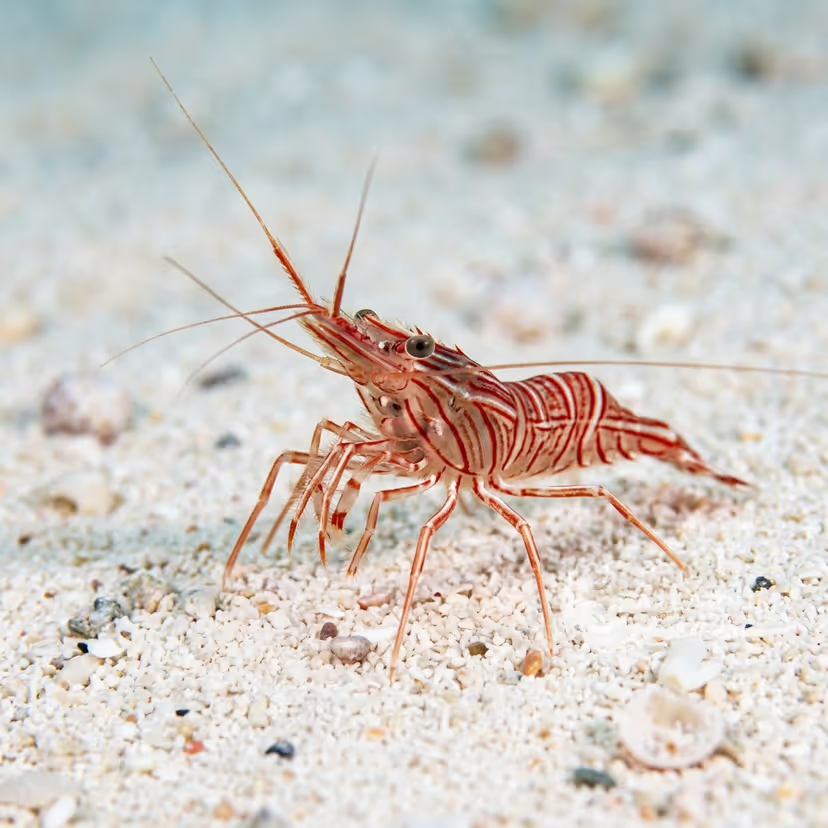
Three-spined Peppermint Shrimp
Lysmata trisetacea
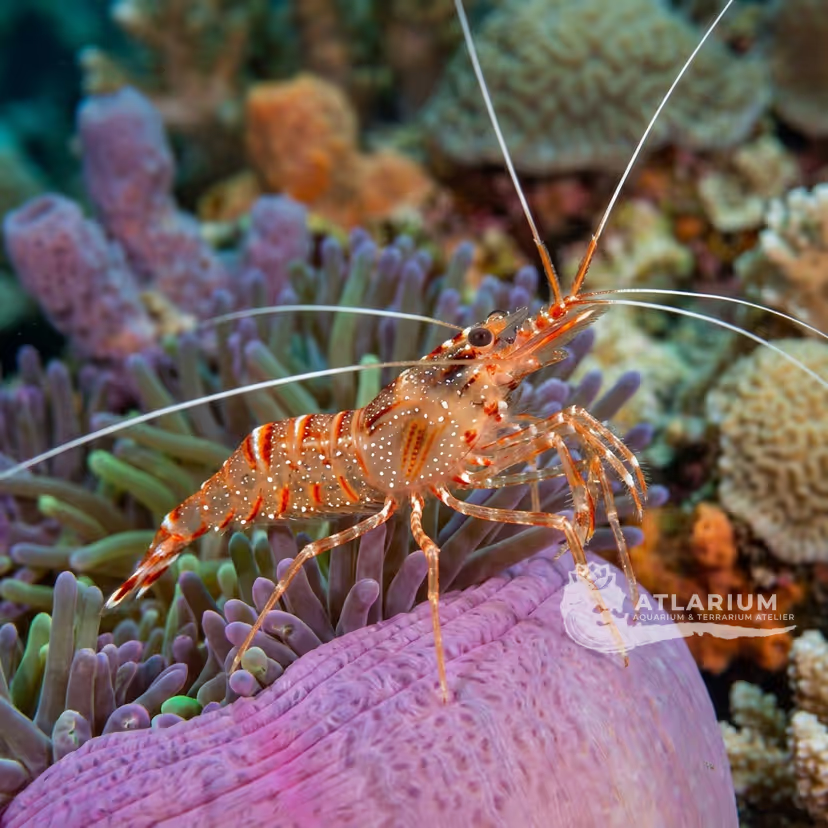
Silver-spotted cleaner shrimp
Lysmata argentopunctata
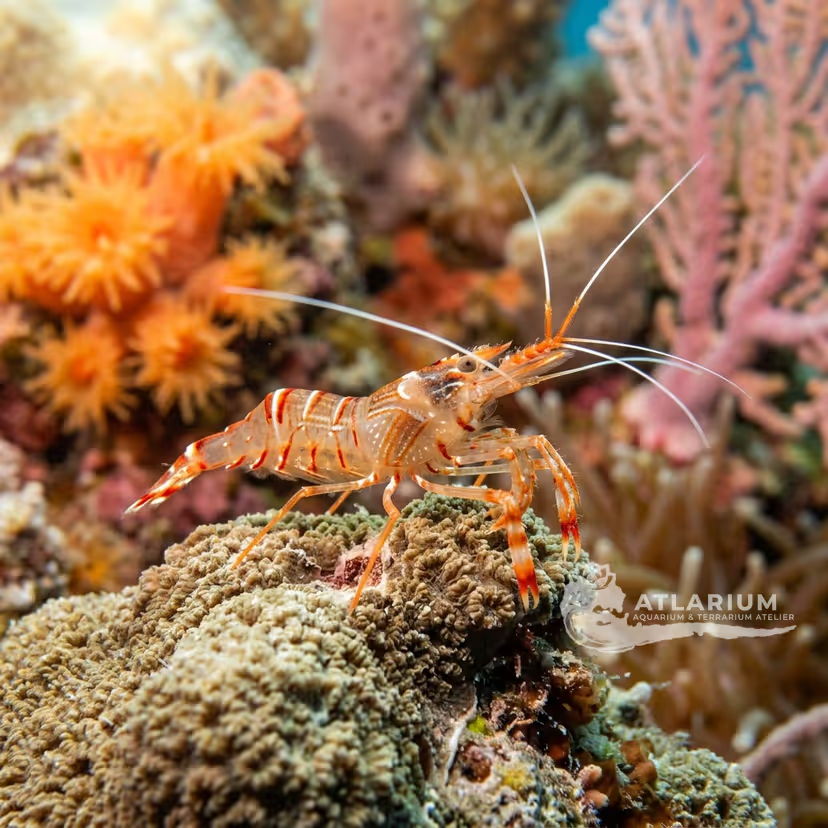
Moreland's Cleaner Shrimp
Lysmata morelandi

Armed Snapping Shrimp
Alpheus armatus
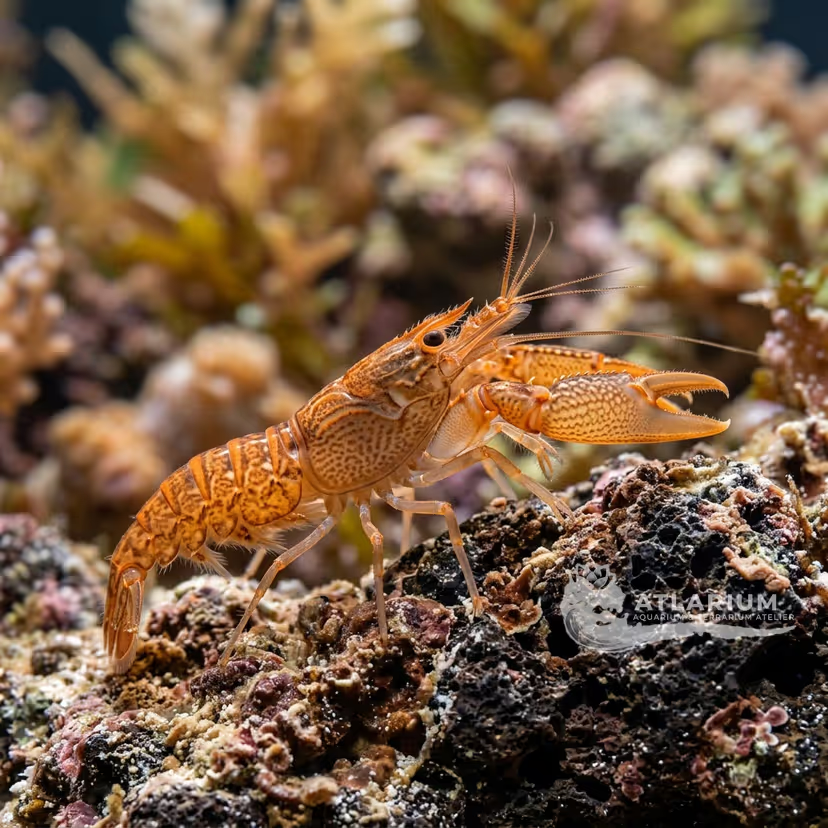
Bouvier's snapping shrimp
Alpheus bouvieri

Flat-clawed pistol shrimp
Alpheus aequus

Bigclaw snapping shrimp
Alpheus heterochaelis

Fine-striped Pistol Shrimp
Alpheus

Marble Shrimp
Saron marmoratus

Saron Shrimp
Saron neglectus

Sharp-carinated Snapping Shrimp
Alpheus acutocarinatus

African snapping shrimp
Alpheus africanus

Sharp-femured Pistol Shrimp
Alpheus acutofemoratus

Edwards' Snapping Shrimp
Alpheus edwardsii
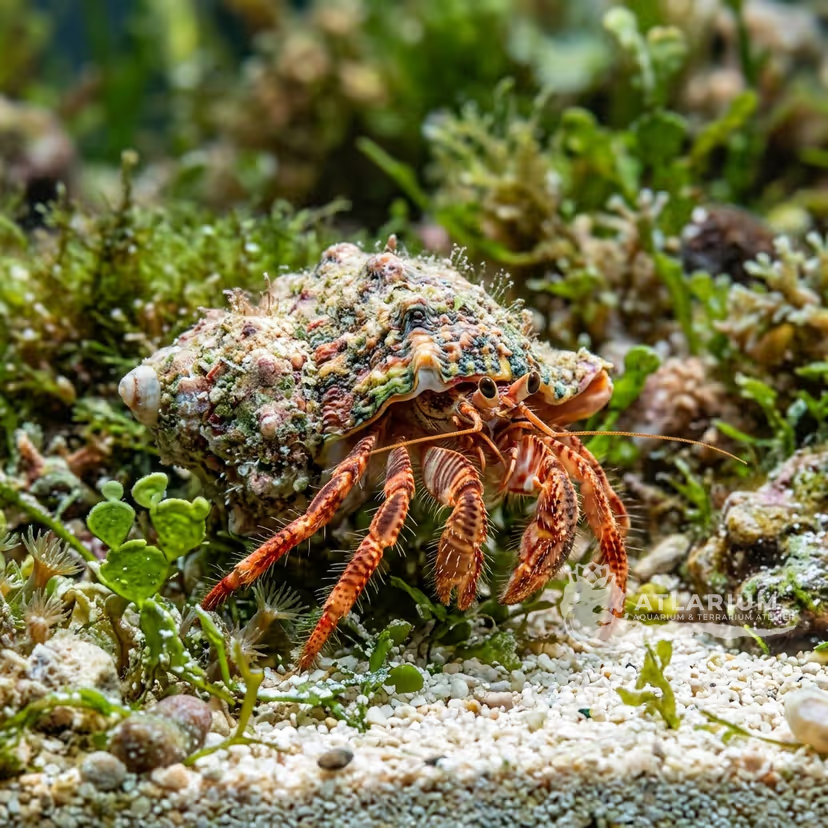
Antillean hermit crab
Clibanarius brasiliensis

Danai's hermit crab
Clibanarius danai