Florida snapping shrimp
Alpheus floridanus
A burrowing snapping shrimp originating from Florida and the Caribbean. It is a perfect and fascinating addition for aquariums featuring deep sand beds.
Water Temperature
22 - 26 °C
pH Value
8.1 - 8.4
Water type
Marine
Invertebrate type
Marine shrimp
Adult size
5 cm
Minimum group
>= 1
KH
8 - 12 dKH
Ecological role
Symbiont
Copper sensitivity
High

Species description
Geographical Origin and Habitat: The species Alpheus floridanus is a fascinating and unique invertebrate native to Western Atlantic, from Florida and the Gulf of Mexico to Brazil, and tropical coasts of the Eastern Atlantic (West Africa). It predominantly populates sandy and muddy bottoms of sheltered lagoons, tidal flats, and shallow seagrass meadows, where it finds shelter within rocky crevices, cracks, and areas rich in debris or vegetation to protect itself from natural predators and direct light. The geographical distribution of this organism reflects its ecological adaptability to various marine or brackish microhabitats.
Taxonomy: From a systematic perspective, Alpheus floridanus belongs to the class Malacostraca, order Decapoda, and the family Alpheidae. This species was officially classified by Kingsley, 1878 and is phylogenetically linked to congeneric species with which it shares some morphological characteristics, yet it is distinguished by structural and genetic details of its appendages.
Social Behavior: This invertebrate exhibits a behavior that is predominantly active swimmer and burrower, mostly nocturnal, and territorial towards conspecifics and tends to carry out its primary activities during crepuscular or nocturnal hours. In a controlled environment, it quickly adapts to the presence of tankmates and the aquarist, though it retains the tendency to seek dark shelters. It plays a fundamental ecological role as an important bioturbator that turns over the sand, promoting oxygenation of the upper substrate layers.
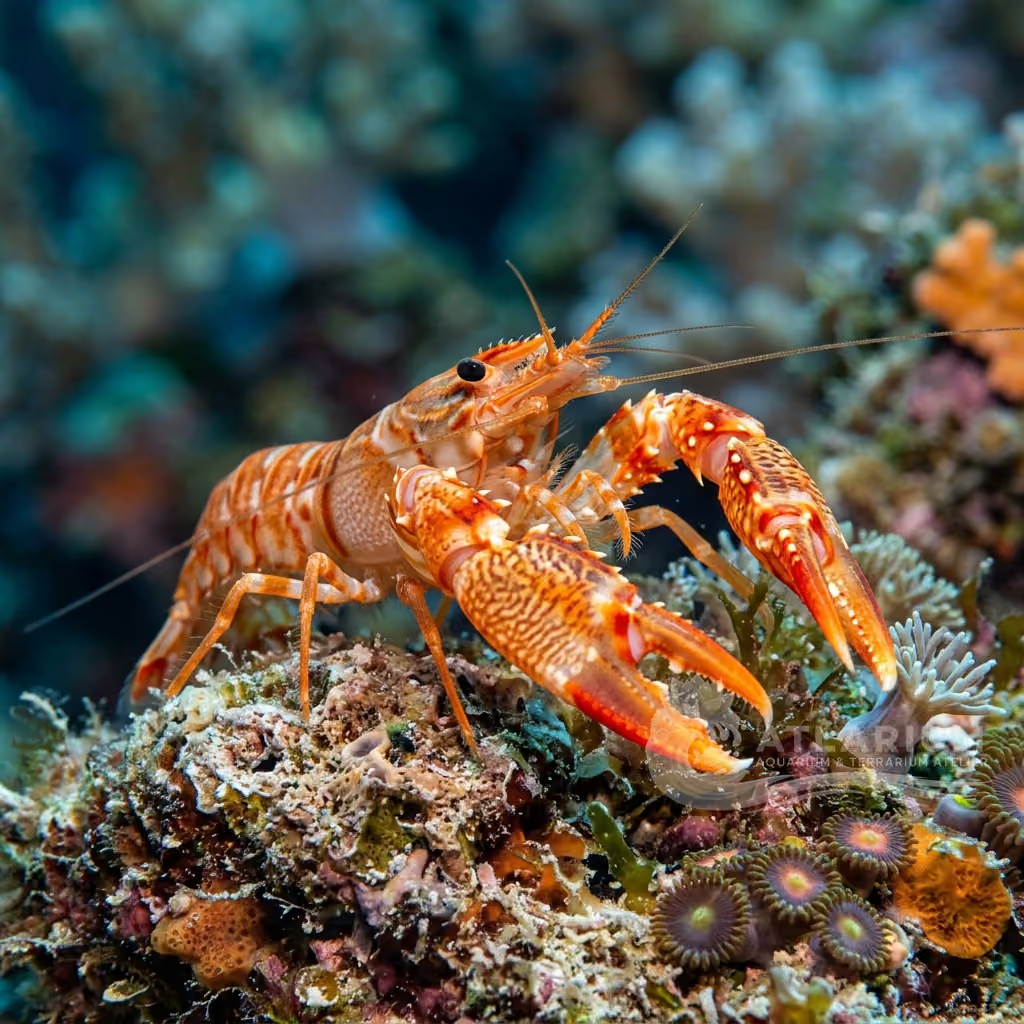
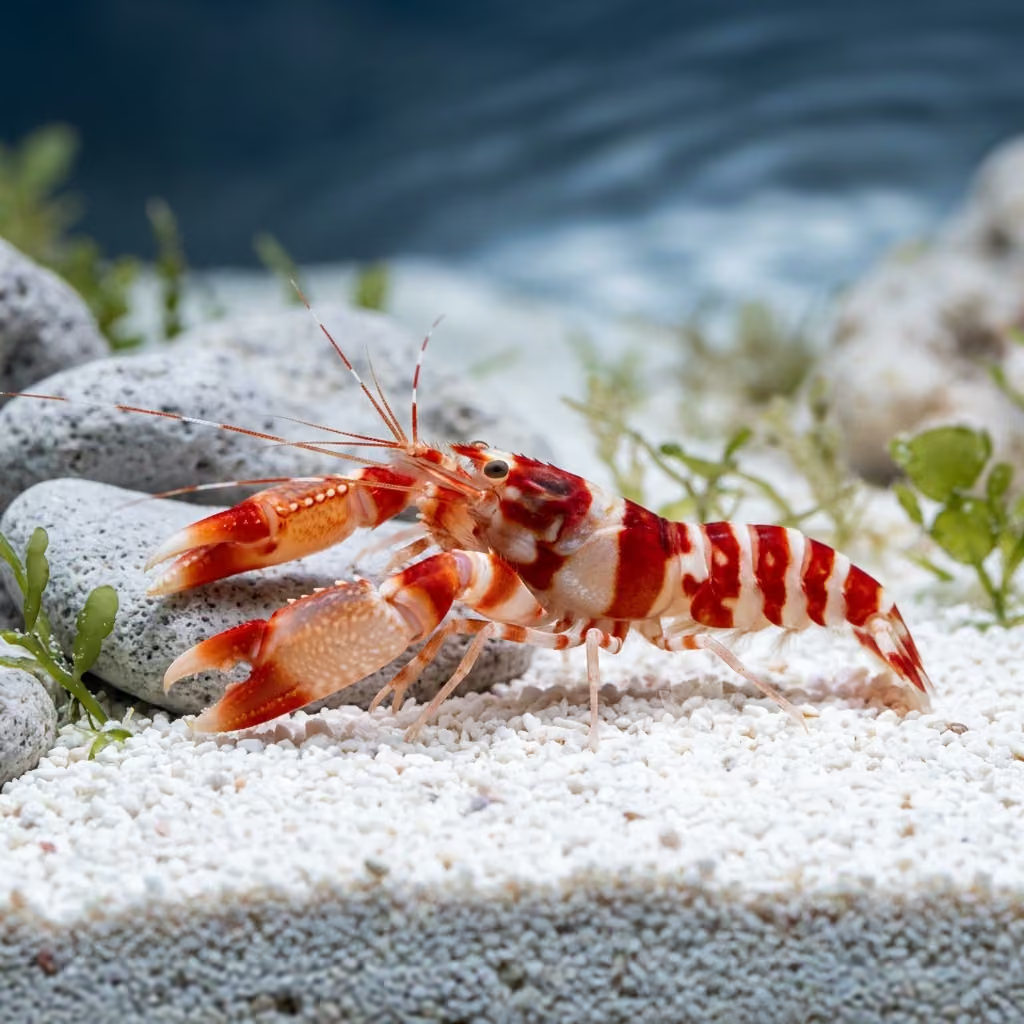
Coloration and Sexual Dimorphism: The coloration of this species is characterized by translucent greyish-brown body with thin darker bands, and a prominent asymmetrical snapping claw. These chromatic features offer excellent camouflage in its natural habitat. Regarding sexual dimorphism, the sexes are externally similar; females are only visually recognized when carrying eggs under their abdomen.

Care, breeding and tankmates
Tank Setup: To properly house Alpheus floridanus, a stable aquarium with a minimum volume of 80 liters to provide sufficient substrate surface is recommended. The tank must be set up with a substrate layer of fine sand at least 6-8 cm deep combined with small rock fragments to facilitate stable burrow construction to ensure a stimulating and safe environment. The presence of hiding places is crucial, especially during the molting period when the body is unprotected.
Diet and Feeding: The diet of this invertebrate is predominantly omnivorous detritivore and opportunistic. In the aquarium, it readily accepts sinking pellets, flakes, frozen foods like brine shrimp or mysis, and small organic detritus on the substrate. Integrating the diet with specific vitamins and minerals helps keep the specimen healthy and prevents nutritional deficiencies.
Water Quality: The stability of water parameters is fundamental for the long-term health of Alpheus floridanus. Ideal values include a temperature of 24-27 °C, pH of 8.1-8.4, specific gravity of 1.023-1.025 specific gravity, and KH of 8-12 dKH. It is essential to perform regular water changes to maintain ammonia and nitrites at zero, and limit nitrates. regular iodine to prevent exoskeleton molting issues, along with calcium for claw development.
Compatibility and Tankmates: In terms of compatibility, this species proves to be peaceful with reef tankmates, but territorial with other snapping shrimp. It can be housed with gobies of the genus Cryptocentrus, small peaceful fish, and non-aggressive marine invertebrates. Conversely, cohabitation with benthic predatory fish such as groupers, triggerfish, predatory wrasses, or large crabs is absolutely not recommended, as they could harm or prey on it.
Aquarium Breeding: Breeding Alpheus floridanus in the aquarium extremely high due to the complexity of the planktonic zoea larval cycle. The reproductive cycle involves mating occurs post-molting; the female carries eggs under her abdomen until they hatch, releasing planktonic larvae. The development of larvae or offspring requires stable conditions and microscopic live feeds in the early stages.
Risks and Diseases: The main health risks for this species are related to incomplete molting due to iodine deficiencies, osmotic shock, and burrow collapse in the absence of rubble. Like all crustaceans, it is extremely sensitive to harmful concentrations of copper and heavy chemical pharmaceutical compounds. Rapid fluctuations in chemical parameters can cause fatal osmotic stress.

Geographic origin and distribution
The species Alpheus floridanus is a fascinating and unique invertebrate native to Western Atlantic, from Florida and the Gulf of Mexico to Brazil, and tropical coasts of the Eastern Atlantic (West Africa). It predominantly populates sandy and muddy bottoms of sheltered lagoons, tidal flats, and shallow seagrass meadows, where it finds shelter within rocky crevices, cracks, and areas rich in debris or vegetation to protect itself from natural predators and direct light. The geographical distribution of this organism reflects its ecological adaptability to various marine or brackish microhabitats.
Origin
Tropical oceans and reefsExtra-Amazon South AmericaCentral America and CaribbeanNorth AmericaAfrica and MadagascarEast Asia

Invertebrate profile
- Diet
- Omnivore
- This species is primarily a scavenger and carnivore, continuously foraging the substrate for uneaten food, detritus, and small benthic organisms. In captivity, their diet should be supplemented with meaty foods such as mysis shrimp, brine shrimp, and sinking pellets. Providing a varied diet is crucial for their long-term health and successful molting.
- Ecological role
- Symbiont
- In the wild, this shrimp plays a vital role as a bioturbator, constantly turning over the sand and gravel. This digging behavior helps oxygenate the substrate and prevents the buildup of toxic anaerobic zones. Furthermore, they often form beneficial symbiotic relationships with certain goby species, sharing a burrow for mutual protection.
- Adult size
- 5 cm
- Jump risk
- Yes
- While not known to be prolific jumpers like some fish, they can suddenly propel themselves backward using a powerful tail flick if startled. This explosive movement could inadvertently launch them out of an uncovered tank. It is highly recommended to use a tightly fitting lid to prevent any accidental escapes during feeding or tank maintenance.
- Shock sensitivity
- High
- They are highly sensitive to sudden fluctuations in water parameters such as salinity, temperature, and pH. Acclimation should be performed very slowly, preferably using the drip method over several hours. Sudden changes can induce shock, premature molting, or even immediate death in sensitive individuals.
- Calcium and minerals
- High
- As a crustacean, this species requires adequate calcium levels and proper alkalinity to construct and harden its exoskeleton after molting. Iodine and magnesium traces are also essential to facilitate smooth molting processes. Regular water changes and appropriate dosing usually maintain these necessary elemental levels.
- Molting
- Regular
- During the molting process, the shrimp becomes extremely vulnerable and will retreat to its burrow or hideout until its new shell hardens. It is crucial to leave the discarded exoskeleton in the tank, as the shrimp will consume it to recover lost calcium and nutrients. Do not disturb the animal during this critical period to avoid causing fatal stress.
- Reproduction
- Oviparous
- Breeding in captivity is rare and quite challenging due to the specialized requirements of their planktonic larval stages. Females carry the fertilized eggs under their abdomen until they hatch into free-swimming zoeae. These larvae typically require specialized microscopic foods and a dedicated rearing setup to survive into adulthood.
- Compatibility & tankmates
- Community
- This species is generally peaceful towards most tankmates but can be fiercely territorial towards conspecifics or similar bottom-dwelling crustaceans. They are best kept either singly, in a mated pair, or associated with a compatible watchman goby. Avoid keeping them with large, aggressive predatory fish that may view them as a food source.

Related species
Recommendations grouped by close relatives, companion choices, and similar care.