Fine-striped Pistol Shrimp
Alpheus ochrostriatus
A marine pistol shrimp famous for its mutualistic symbiotic relationship with watchman gobies (family Gobiidae) and its ability to produce loud popping sounds.
Water Temperature
22 - 28 °C
pH Value
8.1 - 8.4
Water type
Marine
Invertebrate type
Marine shrimp
Adult size
4.5 cm
Minimum group
>= 1
KH
8 - 12 dKH
Ecological role
Symbiont
Copper sensitivity
High

Species description
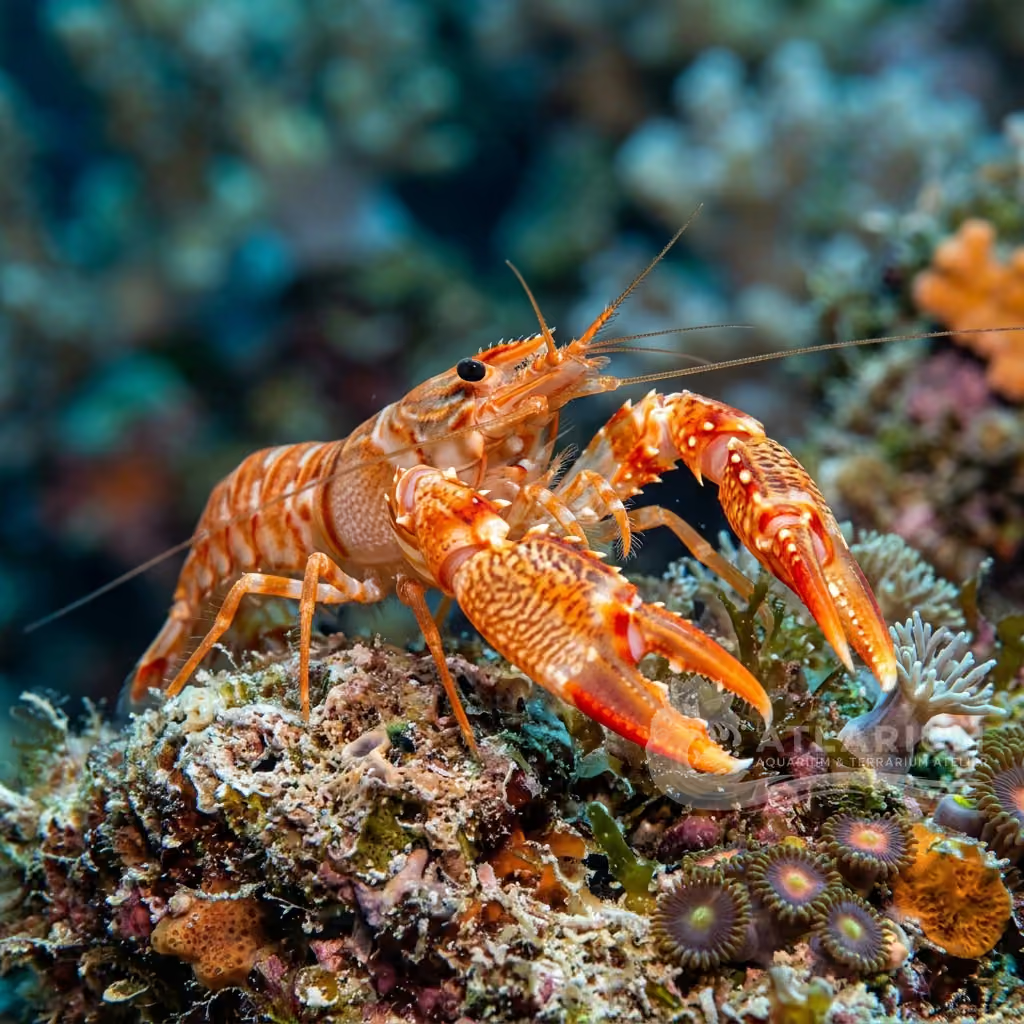
Geographical Origin and Habitat: Widely distributed in the tropical Indo-Pacific, from East Africa to Polynesia. Inhabits shallow sandy bottoms near reefs, digging complex burrow systems.
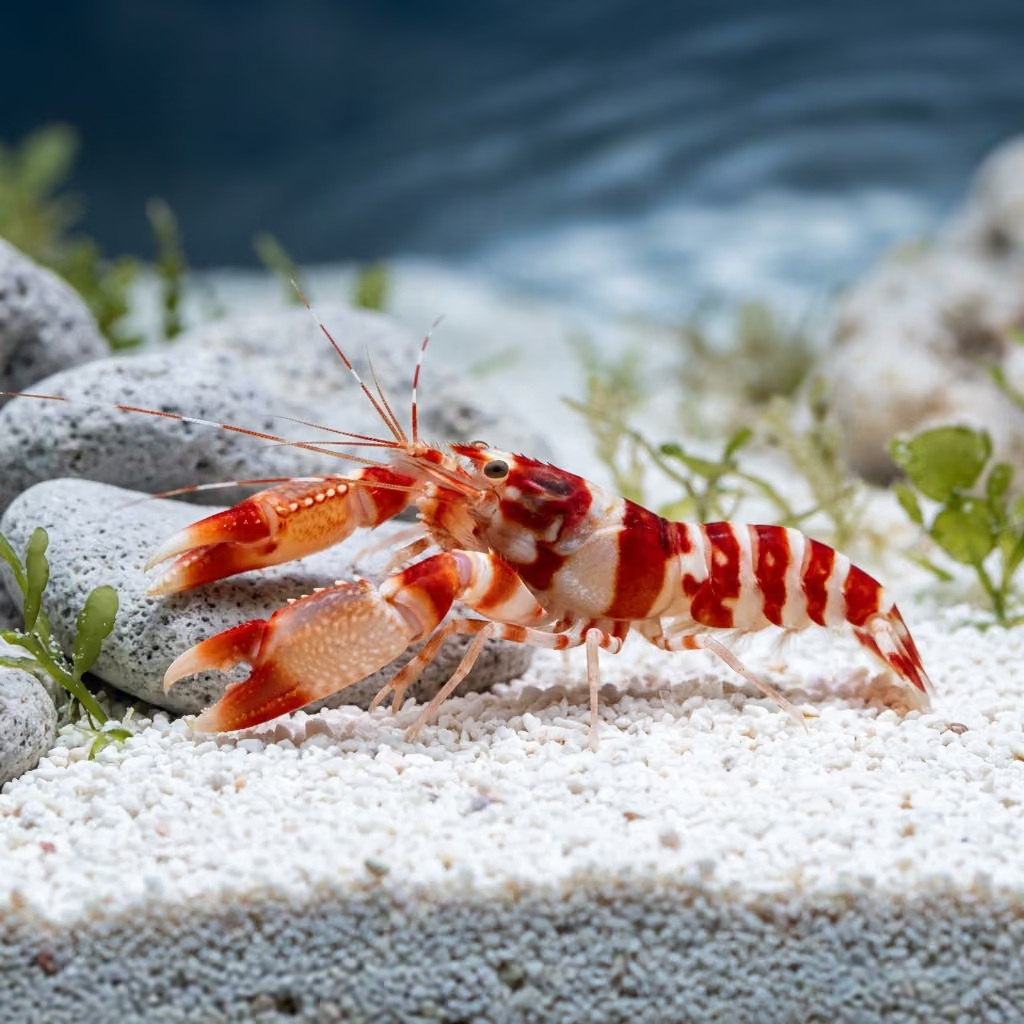
Taxonomy: Member of the family Alpheidae. Features a highly modified, asymmetrical snapper claw used to shoot high-pressure cavitation bubbles that create a loud pop. Reaches 4-5 cm.
Social Behavior: Fossorial species living inside its burrow. Forms a famous symbiotic partnership with shrimp gobies (e.g. Cryptocentrus or Amblyeleotris): the goby acts as a lookout while the blind-sighted shrimp digs.
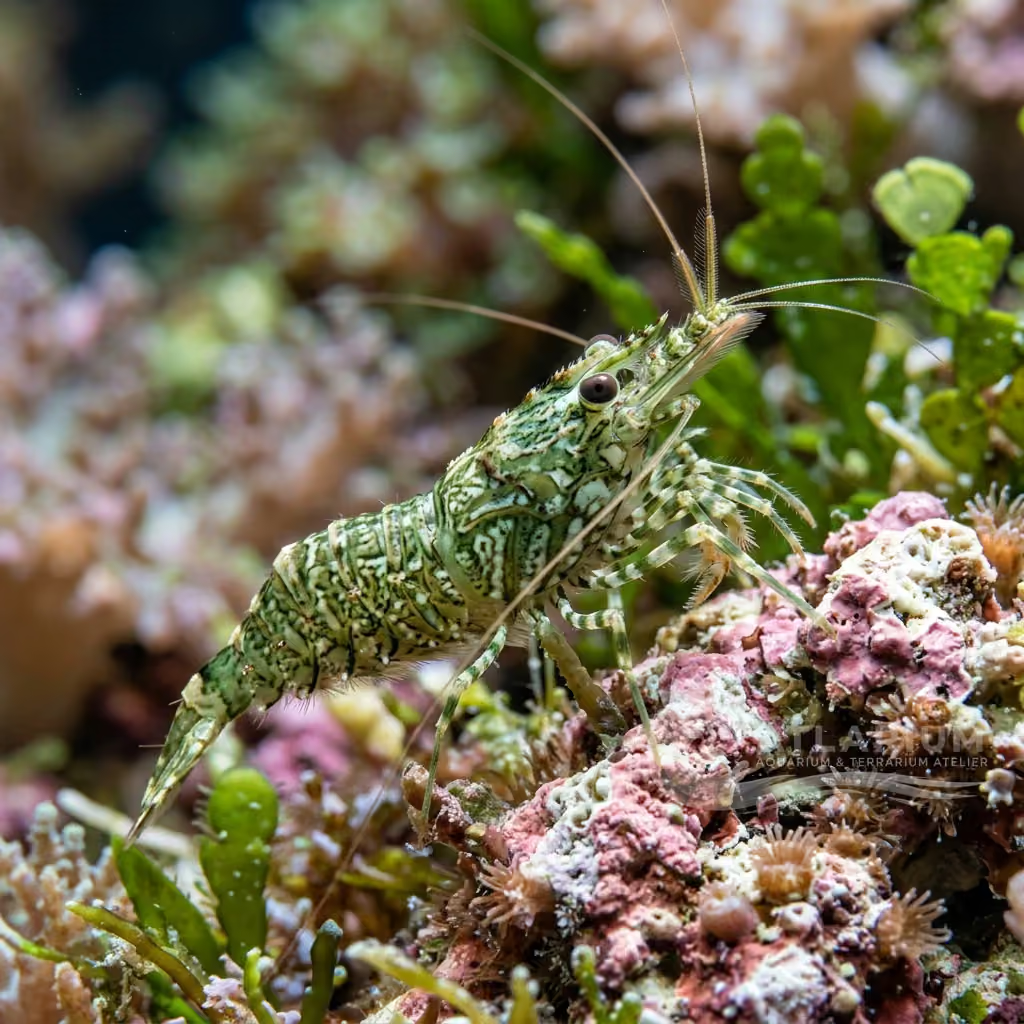
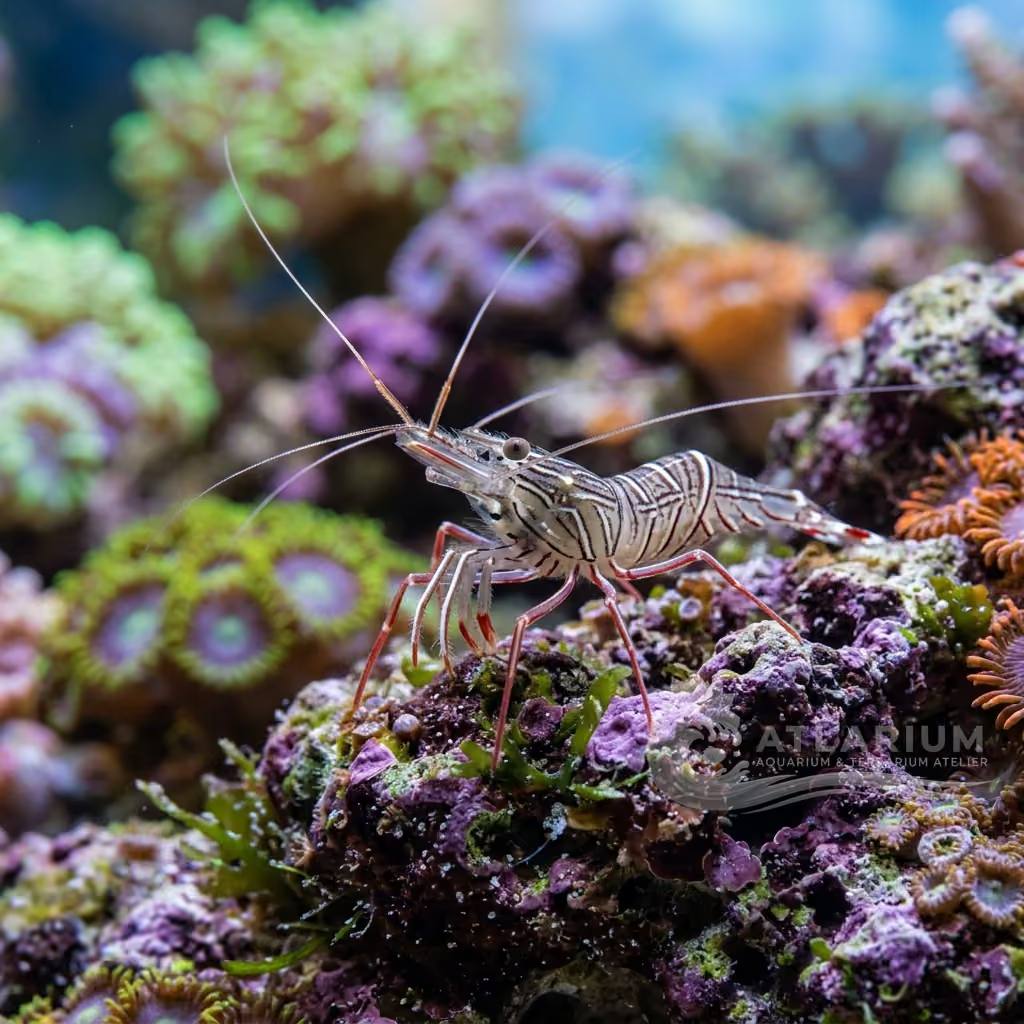
Coloration and Sexual Dimorphism: Translucent body decorated with fine longitudinal brown, golden, or reddish stripes, and blue highlights on the antennae and legs. No visible external dimorphism.

Care, breeding and tankmates
Tank Setup: Requires a tank of at least 15 gallons with a deep sand bed (2-3 inches) mixed with shell rubble for burrow building. Ensure rockwork is placed directly on the glass to prevent collapses.
Diet and Feeding: Omnivorous. Feeds on organic debris, micro-crustaceans, and food leftovers near its burrow. Accepts sinking pellets and frozen foods (mysis, brine shrimp) brought close to its tunnel.
Water Quality: Standard reef conditions. Temperature 22-28°C, pH 8.1-8.4, salinity SG 1.020-1.025. Sensitive to sudden salinity changes. Strictly zero copper levels.
Compatibility and Tankmates: 100% reef-safe. Best housed with a compatible symbiotic watchman goby. Do not keep with large predatory fish or aggressive crabs (e.g. puffers, lionfish, large crabs).
Aquarium Breeding: Very rare in captivity. Females carry eggs under their abdomen. Planktonic larval stages are highly delicate and usually perish in standard filtration systems.
Risks and Diseases: Lack of deep sandy substrate causes high stress due to inability to dig. Highly sensitive to copper. Rock collapses if structures are not stabilized at the bottom.

Geographic origin and distribution
Widely distributed in the tropical Indo-Pacific, from East Africa to Polynesia. Inhabits shallow sandy bottoms near reefs, digging complex burrow systems.
Origin
Tropical oceans and reefsAfrica and Madagascar

Invertebrate profile
- Diet
- Omnivore
- As a carnivore/scavenger, Alpheus plays an active role in consuming various organic matters in its environment. Its diet in captivity should be varied, including specialized pellets, frozen foods, and natural algae or detritus depending on its specific preferences. Regular and balanced feeding is crucial for its health and longevity.
- Ecological role
- Symbiont
- The primary ecological role of Alpheus is acting as a sand sifter/symbiotic within the aquarium ecosystem. By constantly foraging, it helps manage waste, uneaten food, or pests, contributing significantly to water quality. Its presence introduces a natural balance and mimics complex biological interactions found in the wild.
- Adult size
- 4.5 cm
- Jump risk
- Yes
- The jump or escape risk for Alpheus is considered medium. Like many active invertebrates, it may attempt to climb out of the water if it feels stressed, threatened, or if water conditions deteriorate. A tight-fitting lid or mesh screen is highly recommended to prevent accidental escapes.
- Shock sensitivity
- High
- Alpheus is quite sensitive to sudden shifts in water parameters, particularly salinity, temperature, and pH. It is highly recommended to use a slow drip acclimation method over several hours when introducing it to a new tank. Maintaining stable conditions is vital to prevent stress-induced ailments or mortality.
- Calcium and minerals
- Medium
- To support healthy molting and exoskeleton growth, Alpheus requires adequate calcium and trace elements like iodine in the water. Regular water changes with a high-quality salt mix usually provide sufficient levels, but specific supplementation may be necessary in heavily stocked reef tanks. Monitoring calcium and alkalinity ensures proper skeletal development.
- Molting
- Regular
- During the molting process, Alpheus becomes extremely vulnerable to predators and aggressive tankmates. It will typically retreat to a secure hiding spot until its new exoskeleton hardens. It is important to leave the discarded molt in the tank, as the invertebrate will often consume it to reclaim valuable minerals.
- Reproduction
- Bubble nest builder
- Breeding Alpheus in a home aquarium is incredibly challenging due to its complex reproductive cycle. It typically involves a planktonic larval stage that requires highly specialized foods and precise water conditions to survive. In most standard setups, any spawned larvae will quickly become food for fish and corals.
- Compatibility & tankmates
- Reef safe
- When considering tankmates, Alpheus is generally compatible with peaceful fish and other similarly sized invertebrates. Since its reef compatibility is rated as 'yes', careful observation is required if kept with delicate corals or smaller ornamental shrimp. Aggressive or large predatory fish should always be avoided to ensure its safety.

Related species
Recommendations grouped by close relatives, companion choices, and similar care.