Tiger Pistol Shrimp
Alpheus bellulus
Alpheus bellulus is an Indo-Pacific pistol shrimp known for symbiotic goby pairings. It needs a deep, mixed aragonite substrate to construct stable, complex tunnels.
Water Temperature
24 - 28 °C
pH Value
8.1 - 8.4
Water type
Marine
Invertebrate type
Marine shrimp
Adult size
5 cm
Minimum group
>= 1
Ecological role
Symbiont
Copper sensitivity
High

Species description
Geographical Origin and Habitat: Alpheus bellulus is natively distributed across the warm tropical waters of the Western Indo-Pacific, specifically near the shallow reefs of East Africa, the Philippines, Indonesia, and down to the Great Barrier Reef. It inhabits sandy or muddy flats adjacent to coral reefs, favoring zones rich in coral rubble and gravel where it can construct stable burrows at depths ranging from 1 to 20 meters.
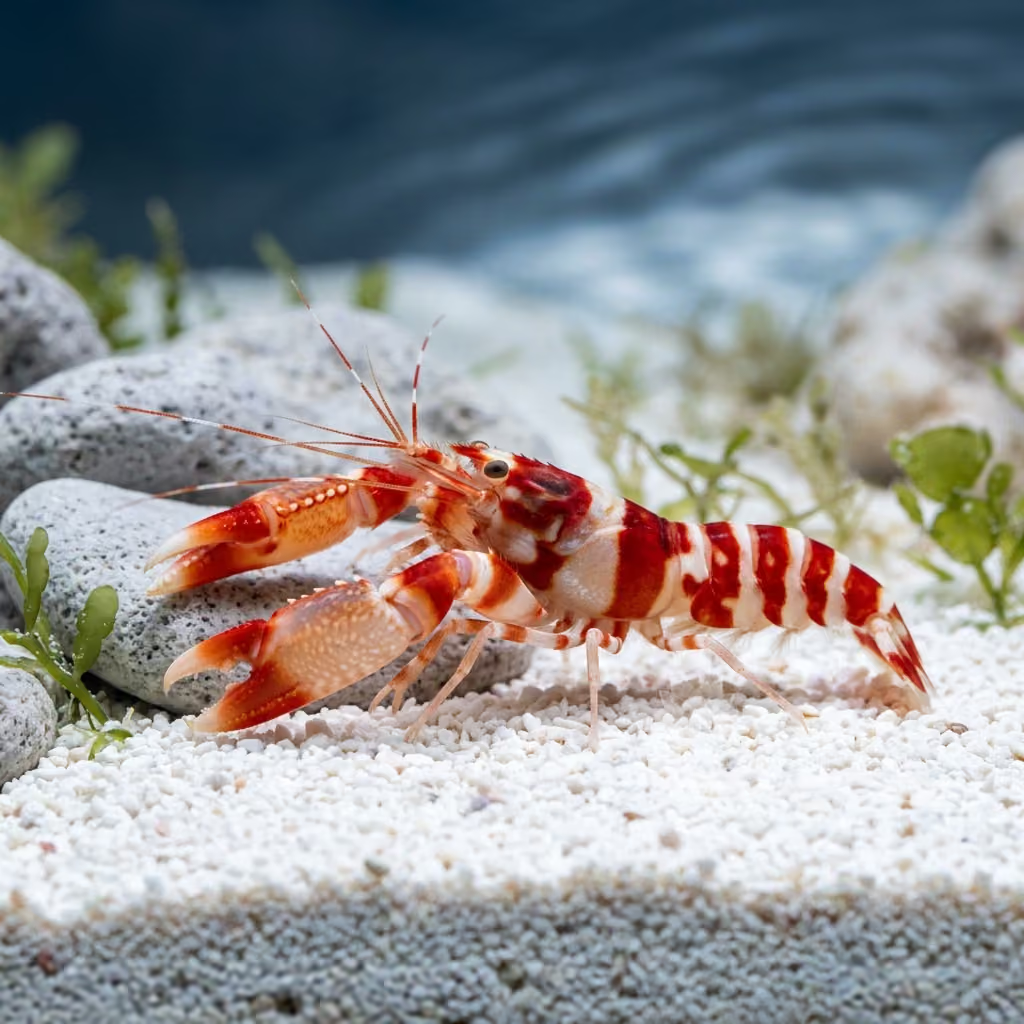
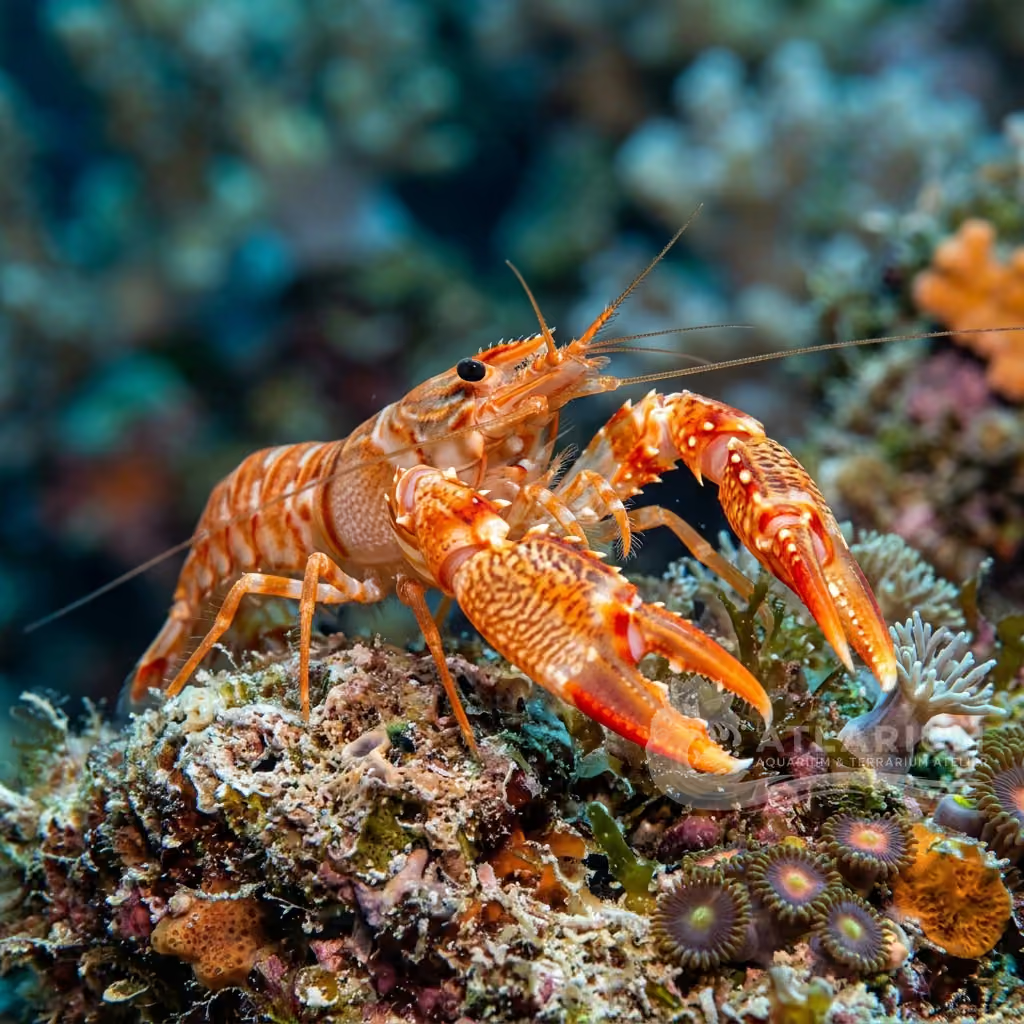
Taxonomy: Belonging to the family Alpheidae, this shrimp has a segmented body with alternate bands of cream-white and burgundy-brown. Its most striking morphological feature is the massive asymmetry of its front claws: one claw is heavily enlarged and modified into a biological "pistol" designed to generate high-speed water jets and sonic cavitation bubbles.
Social Behavior: This species is virtually blind and relies entirely on a mutualistic symbiotic relationship with watchman gobies of the family Gobiidae (especially Amblyeleotris and Cryptocentrus). The shrimp maintains and expands the burrow while the goby stands guard at the entrance, signaling danger through tail vibrations detected by the shrimp's antennae.
Coloration and Sexual Dimorphism: The body features distinct tiger-like zebra stripes of dark brown, orange, and pale yellow. Sexual dimorphism is subtle; males generally possess a slightly larger snapping claw relative to their body size, while mature females exhibit a wider abdomen to accommodate egg clutches beneath their pleopods.

Care, breeding and tankmates
Tank Setup: Requires a mature marine aquarium with a deep substrate layer (8-10 cm) consisting of fine aragonite sand mixed with crushed coral and small shell fragments. This mix enables the shrimp to build stable tunnels. Live rocks must be placed directly onto the glass bottom before adding sand to prevent structural collapses due to digging.
Diet and Feeding: An opportunistic omnivorous scavenger. In aquariums, it readily accepts fish food leftovers, frozen foods (mysis, brine shrimp, chopped krill), and sinking pellets. When paired with a goby, the fish will often bring food to the entrance of the burrow for the shrimp to feed on safely.
Water Quality: Demands stable marine parameters: salinity of 1.023-1.025, pH between 8.1 and 8.4, temperature from 24°C to 28°C, and negligible nitrate levels. Calcium (400-440 ppm) and magnesium must be monitored to ensure healthy molting. Copper is highly toxic and must never be introduced.
Compatibility and Tankmates: Housed with a symbiotic goby (e.g. Cryptocentrus cinctus) is highly recommended. Fully reef-safe and compatible with other peaceful reef fish. Do not house with predatory species that target small crustaceans, such as hawkfish, wrasses, groupers, or lionfish.
Aquarium Breeding: Breeding in captivity is possible but challenging. After mating, the female carries green egg clutches under her abdomen until hatching. The larvae are released as planktonic organisms and require specialized micro-foods in a separate rearing system to survive.
Risks and Diseases: The primary risk involves molting failures (ecdysis complications) due to insufficient iodine levels or fluctuations in salinity and mineral content. Physical injury or predation from improper tankmates is also a major risk. Always avoid chemical treatments containing copper.

Geographic origin and distribution
Alpheus bellulus is natively distributed across the warm tropical waters of the Western Indo-Pacific, specifically near the shallow reefs of East Africa, the Philippines, Indonesia, and down to the Great Barrier Reef. It inhabits sandy or muddy flats adjacent to coral reefs, favoring zones rich in coral rubble and gravel where it can construct stable burrows at depths ranging from 1 to 20 meters.
Origin
Tropical oceans and reefsAfrica and MadagascarSouth and Southeast AsiaAustralia, New Guinea, and Oceania

Invertebrate profile
- Diet
- Omnivore
- The diet of Alpheus bellulus typically reflects its natural foraging behavior as a marine snapping shrimp. It thrives on a varied diet that can include specialized commercial foods, naturally occurring biofilm, and appropriately sized organic matter. Providing a balanced nutritional profile ensures robust health, strong coloration, and proper energy levels. Supplemental feeding should be adjusted based on the maturity of the tank and the presence of natural food sources.
- Ecological role
- Symbiont
- In its native habitat and the home aquarium, Alpheus bellulus plays a vital ecological role. It contributes significantly to the processing of organic waste and the maintenance of a balanced micro-ecosystem. By engaging in natural behaviors like scavenging, grazing, or sifting, it helps prevent the accumulation of detritus. This species is often considered a crucial component of a comprehensive clean-up crew.
- Life expectancy
- 3-5 years
- Adult size
- 5 cm
- Jump risk
- Yes
- Despite being aquatic, Alpheus bellulus can present a flight or jump risk under certain conditions. Many invertebrates will attempt to climb out of the water if parameters drop off, oxygen is low, or they are harassed by tank mates. A tightly fitting lid or screen top is highly recommended to prevent accidental desiccation. Ensuring ideal water conditions is the best deterrent to escape attempts.
- Shock sensitivity
- High
- Sudden shifts in water parameters can trigger severe osmotic shock in Alpheus bellulus. It requires slow, careful acclimation, preferably using the drip method over several hours. Rapid changes in temperature, salinity, or pH can lead to immediate stress, failed molts, or mortality. Maintaining absolute stability in the tank is more important than chasing specific target values.
- Calcium and minerals
- High
- Adequate calcium levels are absolutely essential for the structural integrity and growth of Alpheus bellulus. For crustaceans and snails, it facilitates proper shell and exoskeleton development, while for corals, it builds the skeletal structure. Aquarists must regularly monitor calcium concentration alongside alkalinity and magnesium. Supplementation through specialized products or mineral-rich foods may be necessary in depleted systems.
- Molting
- Regular
- If applicable to this species, the molting process is a highly vulnerable period for Alpheus bellulus. During this time, the animal will hide while its new exoskeleton hardens, requiring peace and stable water chemistry. The discarded molt should generally be left in the tank, as it provides a valuable source of recycled minerals. A lack of iodine or calcium can lead to fatal molting issues, often referred to as the 'white ring of death'.
- Reproduction
- Oviparous
- The reproductive strategy of Alpheus bellulus can range from simple cloning and fragmentation to complex larval stages requiring varying water conditions. Successful captive breeding often signifies excellent water quality and a well-balanced environment. While some species will readily multiply and populate the tank, others may require specialized rearing setups for the offspring to survive. Researching their specific larval development phase is critical for aquarists aiming to breed them.
- Compatibility & tankmates
- With caution
- When selecting tank mates for Alpheus bellulus, cautious planning is imperative to avoid predation or aggressive competition. Small or peaceful invertebrates should not be housed with aggressive fish, loaches, or large crabs that might view them as food. Conversely, some specialized invertebrates form symbiotic relationships that can be highlighted in a community setup. A heavily planted or intricately rock-scaped tank often provides necessary refuges.

Related species
Recommendations grouped by close relatives, companion choices, and similar care.