Birdsnest coral
Seriatopora hystrix
The Birdsnest coral (Seriatopora hystrix) is a fast-growing small polyp stony (SPS) coral featuring a densely branched, needle-like structure, highly valued in reef aquariums for its striking pink or green coloration.
Water Temperature
24 - 28 °C
pH Value
8.1 - 8.4
Water type
Marine
Invertebrate type
SPS Coral
Adult size
20 cm
Minimum group
>= 1
Ecological role
Symbiont
Copper sensitivity
High

Species description
Geographical Origin and Habitat: The Birdsnest Coral (Seriatopora hystrix) is a unique, fast-growing Small Polyp Stony (SPS) coral native to the warm, shallow reef flats and highly illuminated, high-energy lagoon zones of the Indo-Pacific Ocean, the Red Sea, and the Great Barrier Reef. Their natural biotope is defined by bright, shallow water where they form distinct, spherical colonies attached to the hard reef substrate, providing essential micro-habitats for tiny crabs and shrimp.
Taxonomy: Scientifically classified within the Pocilloporidae family, they are branching SPS corals. Defining Feature: they are recognizable by their complex, densely intertwined skeletal structure. They consist of hundreds of thin, needle-like, sharply pointed calcified branches that weave together to form a perfectly spherical bush or nest.
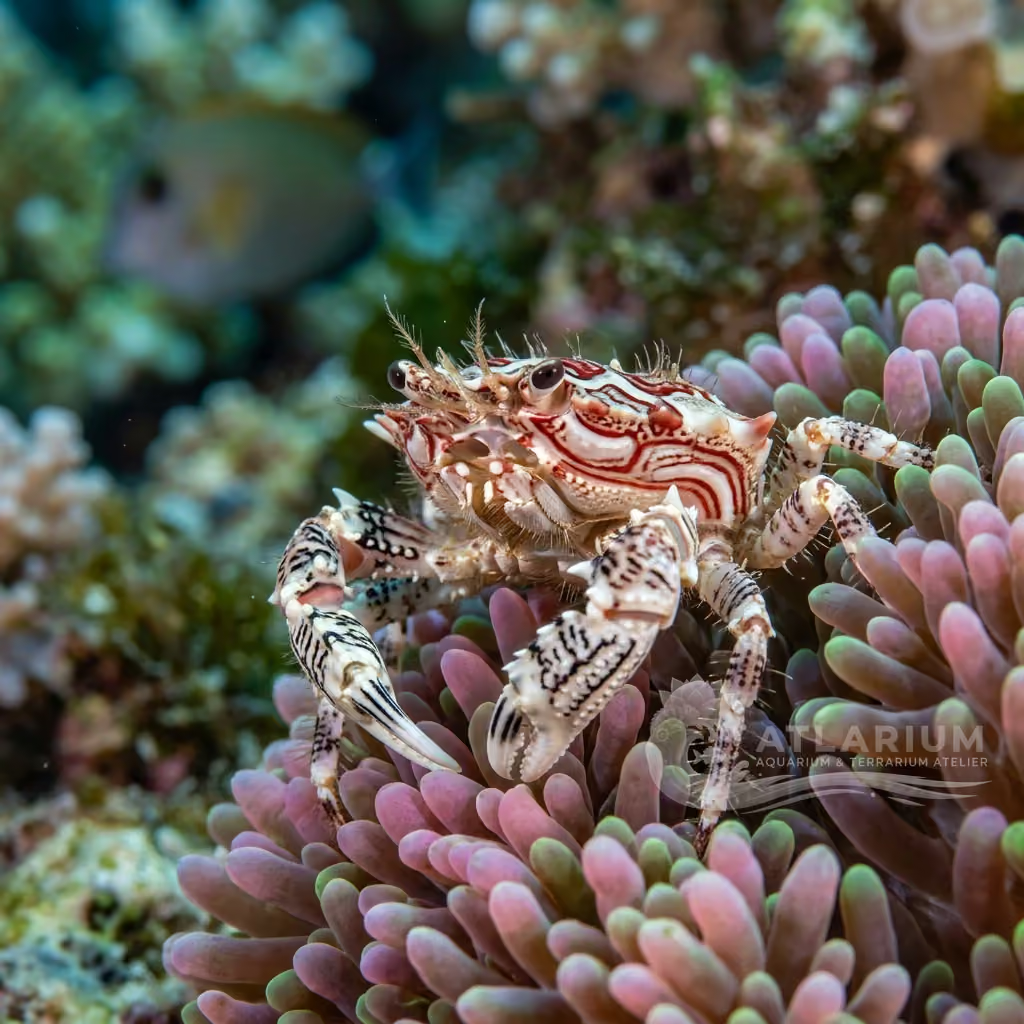
Social Behavior: They are completely sessile and peaceful invertebrates. They possess no sweeper tentacles and pose zero stinging threat to neighboring corals. Due to the extreme density of their interlocking branches, mature Birdsnest colonies provide safe, impenetrable havens for tiny, symbiotic reef inhabitants, particularly Clown Gobies and small Trapezia crabs.
Coloration and Sexual Dimorphism: Sexual dimorphism is non-existent. Their coloration is vibrant, striking, and highly sought after by SPS enthusiasts. The entire calcified, needle-like skeleton is typically a single, unbroken, highly saturated color. The most famous and coveted morph is the Pink Birdsnest, which presents in a blinding, electric magenta or hot pink. Other common morphs include bright neon green or vivid canary yellow.

Care, breeding and tankmates
Tank Setup: The aquarium architecture must accommodate their spherical growth and demand for intense lighting. A minimum 110-liter marine aquarium is required. Critical Requirement: they must be securely epoxied to the middle or upper peaks of the live rock structure. Critical Flow Requirement: because their branches are woven so tightly together, they require strong, chaotic water flow to blast through the nest and prevent detritus from settling deep inside.
Diet and Feeding: They are strictly autotrophic, utilizing their internal symbiotic zooxanthellae algae to convert intense aquarium lighting into nearly 100% of their daily energy requirements. They do not require direct target feeding; the microscopic polyps are too small to consume meaty foods. However, they actively absorb dissolved organic amino acids and fine coral foods from the water column.
Water Quality: Celebrated as an excellent first SPS coral because they grow rapidly and act as an indicator species for water quality. They demand stable tropical heat (24-27°C) and salinity between 1.025 and 1.026. They require intense lighting (PAR 200-300). Critical Requirement: they require pristine stability in Calcium (420-450 ppm), Alkalinity (8-10 dKH), and Magnesium. Sudden drops in Alkalinity will cause rapid tissue loss.
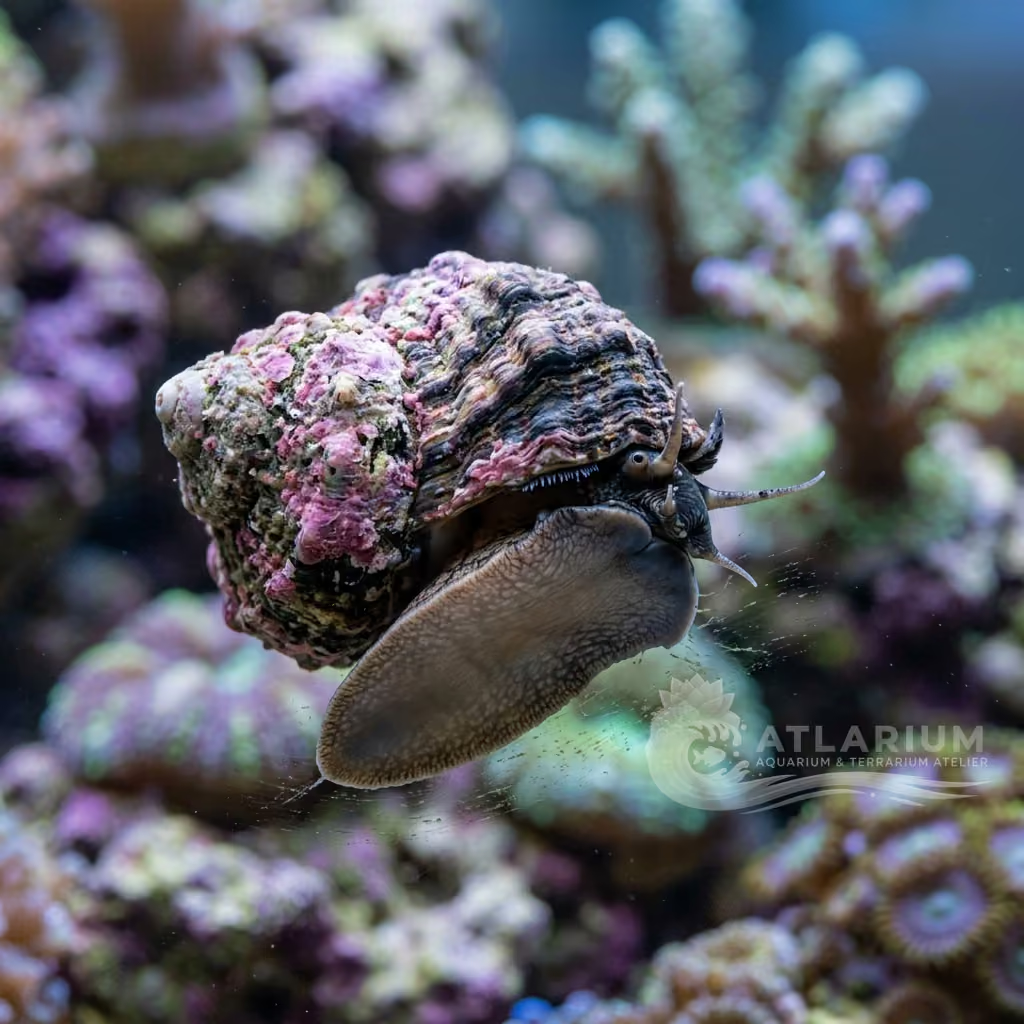
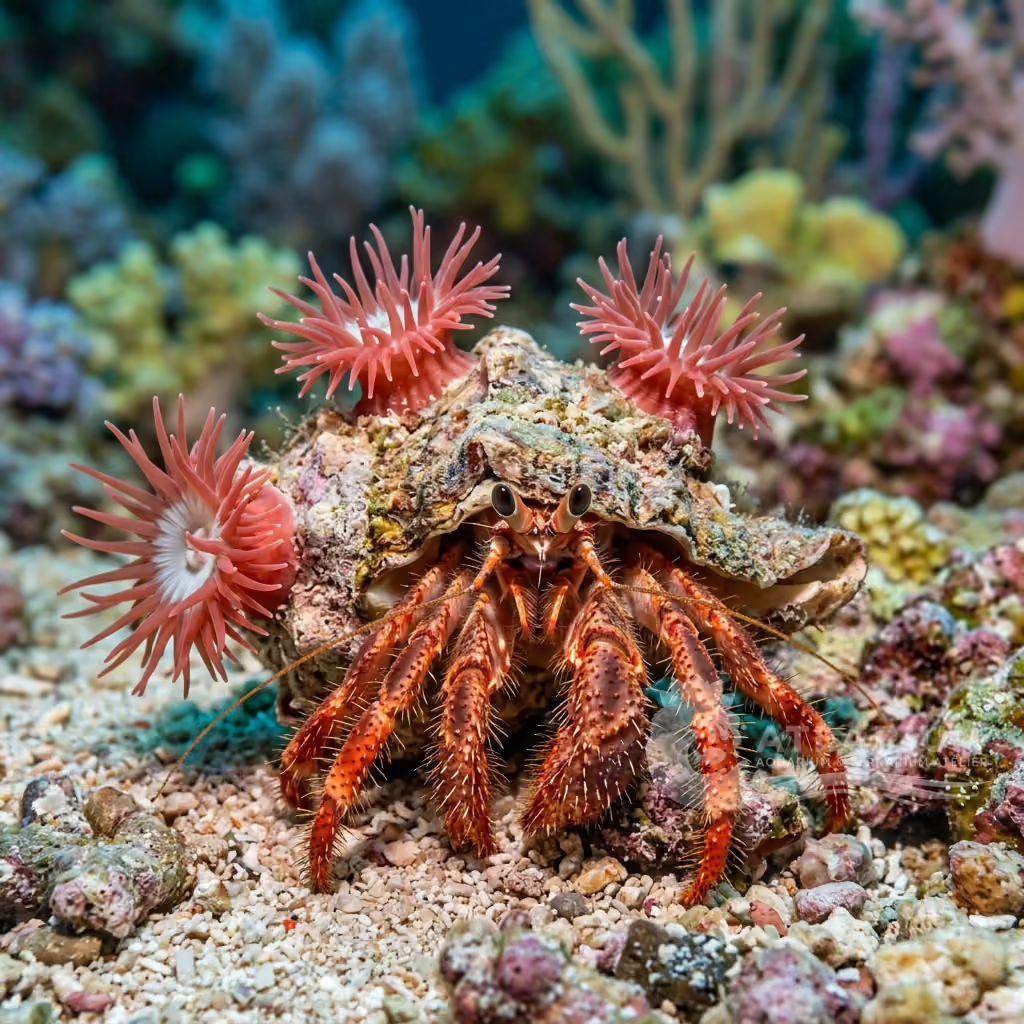
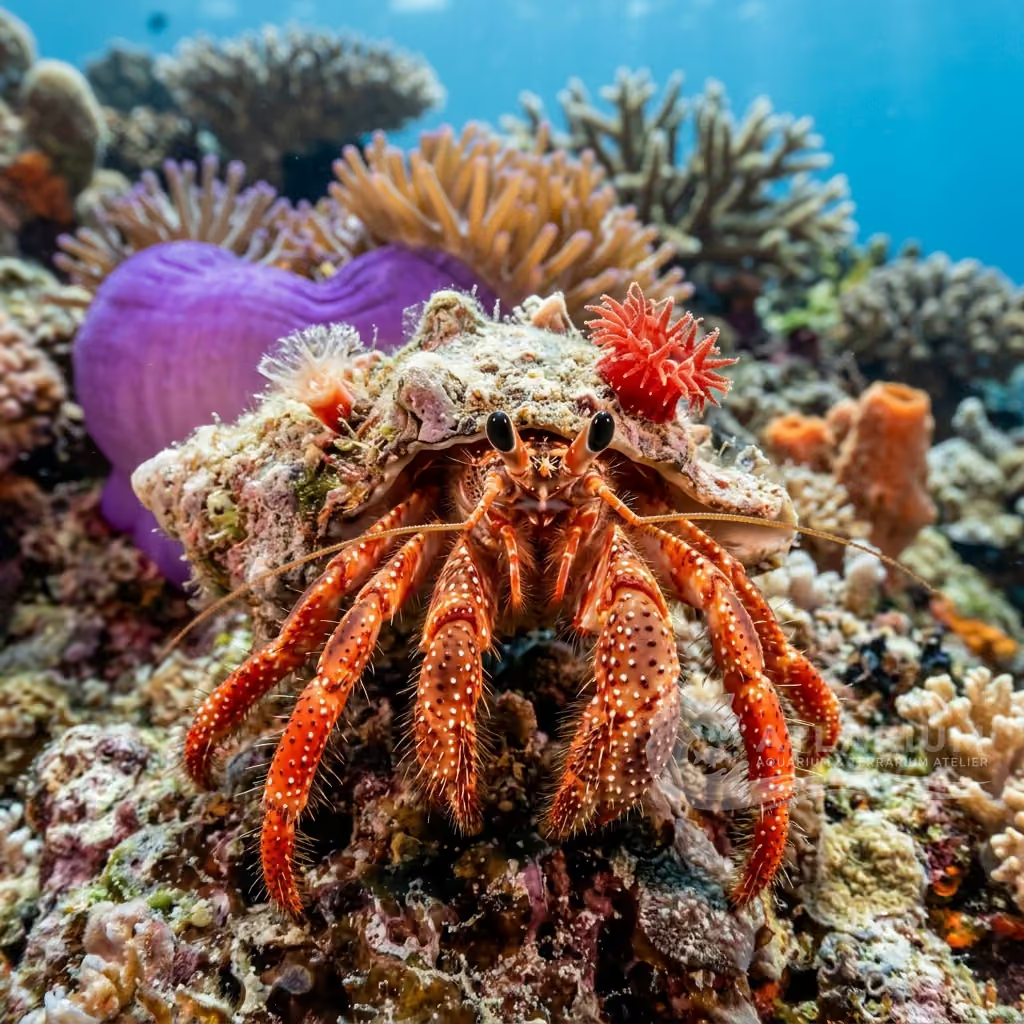
Compatibility and Tankmates: Compatibility is absolute regarding their peaceful nature. However, their physical fragility makes them vulnerable. Critical Warning: the skeletal branches are needle-thin and brittle. They must not be housed with large, clumsy invertebrates like large Turbo Snails or massive Hermit Crabs, which will crush and snap the branches. Keep away from aggressive LPS corals.
Aquarium Breeding: Propagating (fragging) the Birdsnest Coral is straightforward. Because the skeleton is thin and brittle, aquarists can snap off a branch and glue it upright onto a ceramic frag plug. Due to their fast growth rate, the fragment will rapidly encrust the plug and branch out to form a spherical colony in a few months.
Risks and Diseases: Critical Structural Risk: the greatest threat to a mature colony is internal suffocation. As the colony grows, the outer branches block water flow to the inner branches. If flow is insufficient, detritus accumulates inside, causing the inner core to die. The second risk is Rapid Tissue Necrosis (RTN) caused by sudden water parameter fluctuations.

Geographic origin and distribution
The Birdsnest Coral (Seriatopora hystrix) is a unique, fast-growing Small Polyp Stony (SPS) coral native to the warm, shallow reef flats and highly illuminated, high-energy lagoon zones of the Indo-Pacific Ocean, the Red Sea, and the Great Barrier Reef. Their natural biotope is defined by bright, shallow water where they form distinct, spherical colonies attached to the hard reef substrate, providing essential micro-habitats for tiny crabs and shrimp.
Origin
Tropical oceans and reefs

Invertebrate profile
- Diet
- Photosynthetic
- While it derives the vast majority of its energy requirements from its symbiotic zooxanthellae via intense photosynthesis, it also actively feeds. The bird's nest coral benefits from the capture of dissolved organics and very fine particulate matter, such as zooplankton and coral snow, from the water column. Supplemental feeding, combined with stable parameters, will visibly accelerate its growth rate and enhance polyp extension.
- Ecological role
- Symbiont
- In the wild, the dense, interwoven branches of Seriatopora hystrix provide crucial microhabitats and protective nurseries for a myriad of small reef fish and invertebrates, notably coral crabs. In a home aquarium, its rapid, branching growth creates complex, three-dimensional structures that offer hiding spots for small gobies and blennies. It plays a significant role in reef building by continuously depositing calcium carbonate.
- Adult size
- 20 cm
- Jump risk
- No
- Shock sensitivity
- High
- This species is highly sensitive to rapid fluctuations in alkalinity, salinity, and temperature, which can easily trigger rapid tissue necrosis (RTN). It requires a meticulously slow and careful acclimation process, typically via the drip method, before being introduced to a new system. Stable, consistent water parameters are an absolute necessity to prevent sudden colony collapse.
- Calcium and minerals
- High
- Because it is a fast-growing stony coral, the bird's nest coral has an exceptionally high demand for dissolved calcium, alkalinity, and magnesium to construct its rigid skeleton. If these vital elements are depleted from the water column, the coral's growth will completely stall, and its branches will become brittle and prone to breaking. Consistent monitoring and regular dosing or the use of a calcium reactor are required in heavily stocked SPS tanks.
- Molting
- No
- As a small polyp stony coral, Seriatopora hystrix does not molt. Instead, the individual polyps continuously secrete calcium carbonate beneath their base, steadily lengthening and thickening the colony's skeletal branches. This ongoing calcification process requires absolute chemical stability and optimal lighting to maintain the coral's structural integrity.
- Reproduction
- Oviparous
- In the home aquarium, bird's nest coral is most commonly and easily propagated through asexual fragmentation. Aquarists can simply snap off a piece of a branch using bone cutters and glue it to a frag plug, where it will quickly heal and form a new colony. In the wild, they also reproduce sexually via broadcast spawning, but this is a rare occurrence in enclosed captive environments.
- Compatibility & tankmates
- Verify
- This coral is generally peaceful and lacks the long, aggressive sweeper tentacles found in some other SPS and LPS corals. However, its delicate branches are highly susceptible to being stung by more aggressive neighboring corals, so it must be placed with adequate clearance. It should also be protected from large, clumsy fish or crabs that might accidentally snap its fragile branches.

Image gallery
Licensed images linked to the species or, when marked, to the closest representative taxon.

Related species
Recommendations grouped by close relatives, companion choices, and similar care.