Porcelain Anemone Crab
Neopetrolisthes maculatus
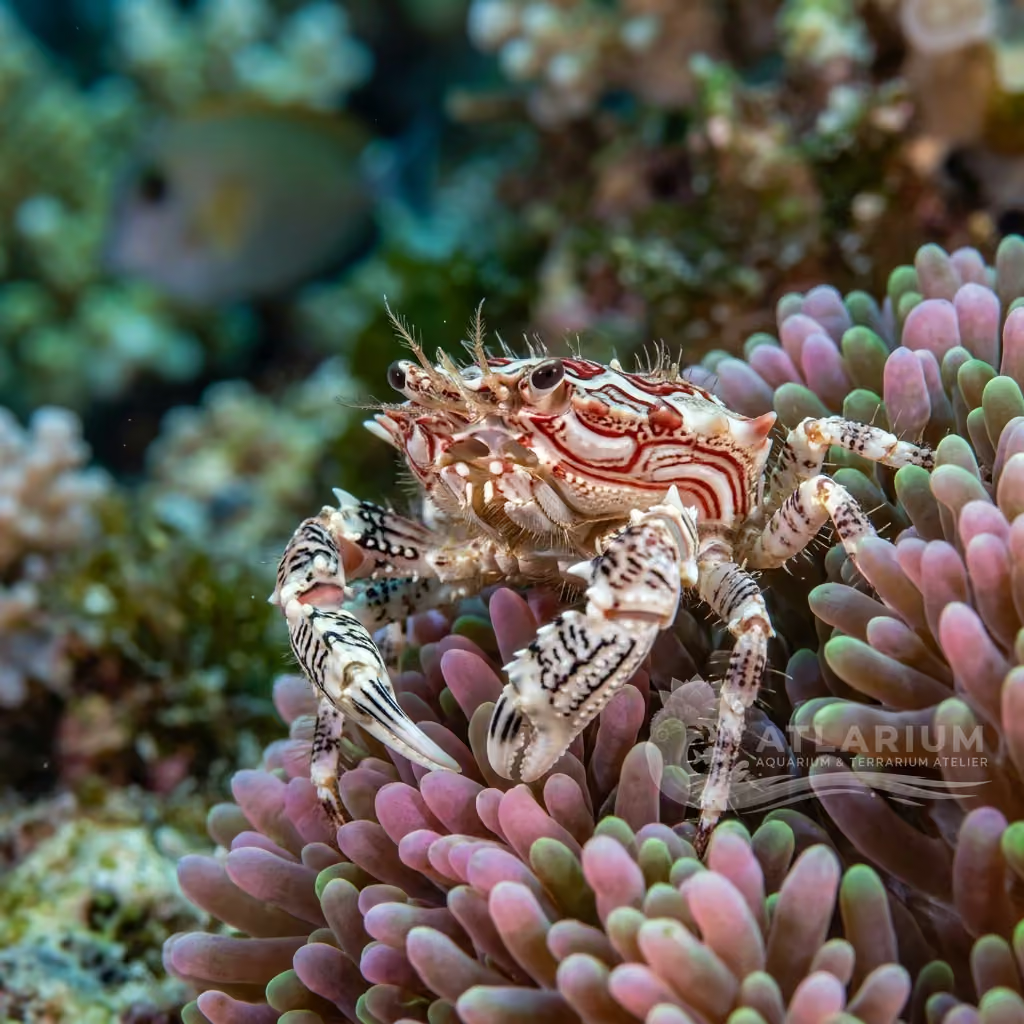
The Spotted Porcelain Crab thrives in obligate symbiosis with sea anemones. Filter-feeding with specialized fan-like appendages, this peaceful nano-reef inhabitant requires a healthy host anemone.
Water Temperature
22 - 28 °C
pH Value
8.1 - 8.4
Water type
Marine
Invertebrate type
Marine crab
Adult size
5 cm
Minimum group
>= 1
Ecological role
Symbiont
Copper sensitivity
High

Species description
Geographical Origin and Habitat: Widely distributed in the Indo-Pacific, living in obligate symbiosis with large sea anemones on shallow coral reefs. This porcelain crab lives in obligate symbiosis with large sea anemones on tropical coral reefs throughout the Indo-Pacific.
Taxonomy: Classified within the Porcellanidae family. It features large flattened claws and specialized fan-like structures (maxillipeds) for filter-feeding. Its morphology features wide, flattened claws used for territorial defense and specialized fan-like mouthparts for filter feeding.
Social Behavior: Peaceful and territorial only towards other crabs of the same sex on the same anemone. It spends its life clinging to the host anemone. Peaceful social behavior toward fish, but it aggressively defends its host anemone against competing crabs or shrimp.
Coloration and Sexual Dimorphism: Porcelain-white body covered in numerous small red or reddish-brown spots. Males have slightly larger claws than females. The snowy white coloration speckled with tiny reddish-purple dots provides excellent camouflage among the host's tentacles.

Care, breeding and tankmates
Tank Setup: A reef aquarium of at least 10 gallons with a healthy host anemone (like *Entacmaea quadricolor* or carpets) is required. The setup requires the presence of a healthy host sea anemone (such as Stichodactyla or Entacmaea species) in the aquarium.
Diet and Feeding: Filter feeder. It sweeps the water with its fans. Supplement with live or preserved phytoplankton, zooplankton, and fine powder foods. Feeds by filtering the water column with its fans; benefits from regular target feedings of phytoplankton, zooplankton, and powdered foods.
Water Quality: Requires standard marine water conditions: pH 8.1-8.4, temperature 22-28°C, salinity 1.023-1.025, and zero copper content. Requires stable, pristine water parameters typical of reef tanks, paying close attention to calcium and magnesium for shell growth.
Compatibility and Tankmates: Safe with corals. Do not house with crab-eating fish like wrasses, hawkfish, or puffers, nor with highly aggressive crabs. Fully reef-safe; coexists peacefully with reef-dwelling fish, though crustacean-eating predators must be strictly avoided.
Aquarium Breeding: Females carry orange eggs under their abdominal flap. Planktonic larvae are released but rarely survive in standard reef tanks. Breeding in aquariums results in the release of planktonic larvae which rarely survive to settlement in domestic systems.
Risks and Diseases: Autotomy (dropping limbs) when threatened or stressed. Highly sensitive to rapid salinity shifts during water changes. Main risks include molting failure due to iodine deficiency and predation by hawkfish, puffers, or wrasses.

Geographic origin and distribution
Widely distributed in the Indo-Pacific, living in obligate symbiosis with large sea anemones on shallow coral reefs. This porcelain crab lives in obligate symbiosis with large sea anemones on tropical coral reefs throughout the Indo-Pacific.
Origin
Tropical oceans and reefs

Invertebrate profile
- Diet
- Omnivore
- As a robust omnivore, Neopetrolisthes maculatus actively searches for both plant matter and meaty food items. They consume detritus, algae, and any small leftover scraps of food provided to the tank. Sinking wafers and chopped seafood can supplement their daily scavenging.
- Ecological role
- Symbiont
- Neopetrolisthes maculatus serves as a highly effective scavenger, breaking down larger pieces of organic waste. They aerate the substrate with their movement and control nuisance algae growth. Their constant activity maintains the health and cleanliness of the benthic zone.
- Adult size
- 5 cm
- Jump risk
- Yes
- Although they do not jump, Neopetrolisthes maculatus possesses exceptional climbing abilities and a strong desire to explore. Many crabs can effortlessly climb up airlines, heater cords, or silicon edges. A secure top cover is absolutely essential to prevent escapes.
- Shock sensitivity
- Medium
- Neopetrolisthes maculatus should be acclimated carefully to avoid the shock of rapidly changing water parameters. Wide fluctuations in salinity or temperature can compromise their immune systems or trigger premature molting. Consistency in water quality is paramount for their long-term health.
- Calcium and minerals
- High
- Sufficient calcium availability is an absolute requirement for Neopetrolisthes maculatus to maintain its hard carapace. Poor calcium levels can cause incomplete molting and eventual death. Feeding calcium-enriched diets and keeping minerals in balance is vital for their exoskeleton strength.
- Molting
- Regular
- During molting, Neopetrolisthes maculatus sheds its old shell to allow for growth and regeneration of lost limbs. It is entirely soft and defenseless during this process, requiring secure caves or crevices for hiding. The old molt should remain in the tank so the crab can recycle the calcium.
- Reproduction
- Oviparous
- Rearing Neopetrolisthes maculatus in an aquarium is generally quite difficult due to their complicated larval phases. Females carry dense clusters of eggs on their abdomen before releasing them as planktonic zoea. These microscopic larvae usually require separate rearing vessels and very specific live foods.
- Compatibility & tankmates
- Highly aggressive
- Neopetrolisthes maculatus is generally safe with fish that are too large to be eaten but too small to view the crab as prey. Certain predatory species of fish should be entirely avoided. Be cautious when keeping them with slower bottom-dwelling species which might be pinched.

Related species
Recommendations grouped by close relatives, companion choices, and similar care.