Lined Shrimp
Lysmata vittata
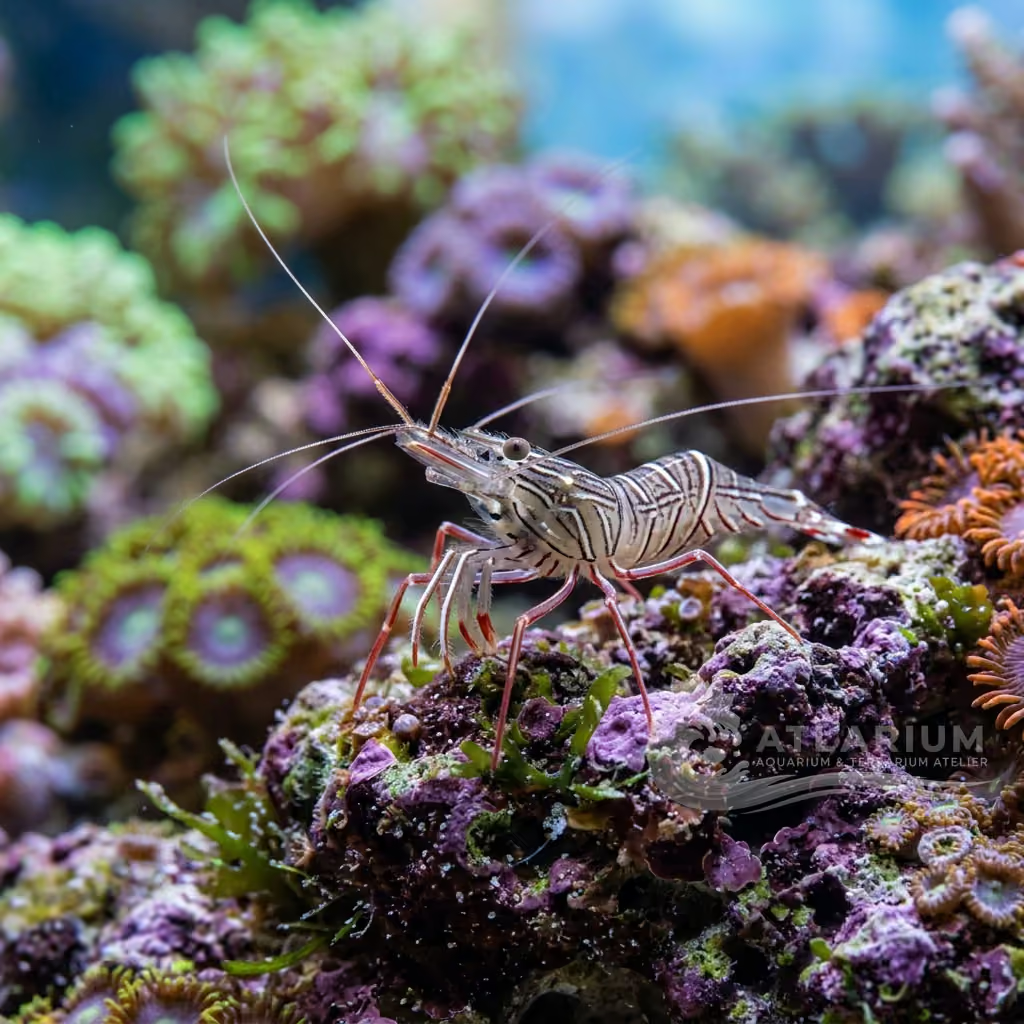
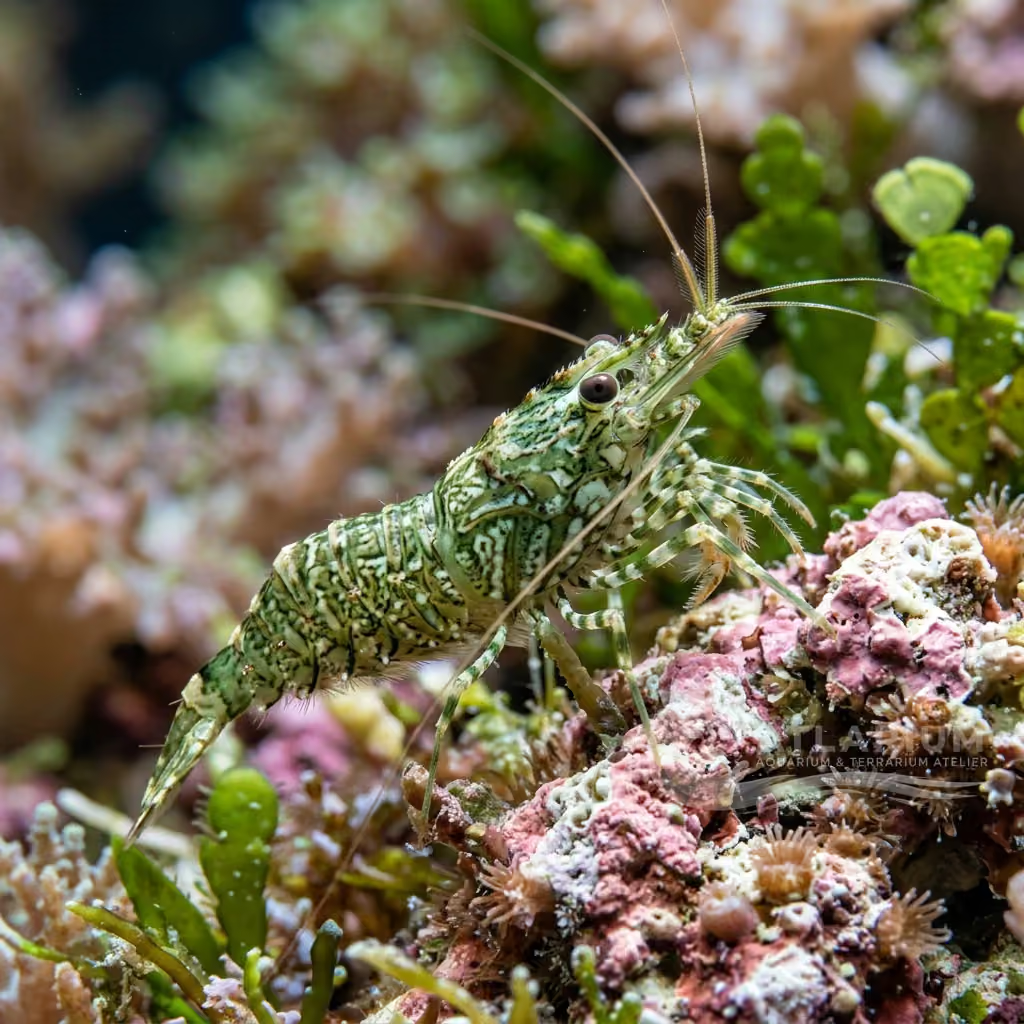
The Lined Peppermint Shrimp is a peaceful nano-reef resident that occasionally controls Aiptasia anemones. It loves rocky caves and overhangs, scavenging efficiently during the night.
Water Temperature
22 - 28 °C
pH Value
8.1 - 8.4
Water type
Marine
Invertebrate type
Marine shrimp
Adult size
3.5 cm
Minimum group
>= 1
KH
8 - 12 dKH
Ecological role
Cleaner
Copper sensitivity
High

Species description
Geographical Origin and Habitat: Lysmata vittata, commonly known as the East Asian Lined Shrimp or Lined Peppermint Shrimp, is native to the temperate and subtropical waters of the Western Indo-Pacific, particularly from northern China to southern Russia. Due to human activities (such as ballast water transport), the species has been accidentally introduced to parts of the Western Atlantic (New York, Chesapeake Bay) and New Zealand. It inhabits shallow coastal waters, macroalgae beds, mangrove zones, and rocky reefs rich in organic sediments.
Taxonomy: This species belongs to the infraorder Caridea, family Lysmatidae (formerly Hippolytidae), and genus Lysmata. The taxonomy of Lysmata vittata is complex, as it is part of a species complex of morphologically similar shrimp collectively referred to in the aquarium hobby as 'peppermint shrimp.' It is often confused with Lysmata wurdemanni or Lysmata boggessi, but remains genetically distinct.
Social Behavior: It is a peaceful, gregarious species with primarily nocturnal habits. During the day, it prefers to remain hidden inside rocky caves or under overhangs, often associating in small groups of 3 to 5 individuals. While it exhibits occasional cleaning behaviors toward visiting fish, it is mostly an active scavenger that patrols the substrate in search of detritus and organic leftovers.
Coloration and Sexual Dimorphism: The body is translucent, crossed by distinct longitudinal and transverse red-orange or brown stripes that form a grid-like or banded pattern. Unlike other Lysmata species, the red bands are very thin and densely packed. This species is a protandric simultaneous hermaphrodite: individuals first mature as functional males and later develop female reproductive organs, allowing them to act as both sexes during mating.

Care, breeding and tankmates
Tank Setup: Can be housed in small aquariums or nano-reef tanks starting from 40-50 liters. The tank must feature plenty of live rock arranged to create small caves, dark overhangs, and crevices where the shrimp can hide during the day and feel secure. It prefers low to moderate water current and the presence of macroalgae to climb and search for food. Lighting should not be excessively bright.
Diet and Feeding: An opportunistic omnivore. It is highly popular among aquarists because it actively consumes Aiptasia (pest anemones), although individual effectiveness can vary. It readily accepts any type of aquarium food: frozen mysis, brine shrimp, bloodworms, dry flakes, pellets, and chopped seafood. It should be fed regularly to prevent it from bothering corals in search of food.
Water Quality: Requires stable marine parameters: temperature between 22°C and 27°C, pH 8.0-8.4, and salinity between 1.023 and 1.026. Keep nitrate and phosphate levels low. Dissolved iodine levels must be monitored and supplemented regularly to support proper molting. Like all marine crustaceans, it is highly sensitive to heavy metals and copper-based treatments.
Compatibility and Tankmates: Very peaceful with fish and other invertebrates. It can be kept in small groups of its own species. It is generally considered reef-safe, although hungry individuals may occasionally nip at the polyps of soft or LPS corals, or steal food directly from coral mouths. Avoid housing it with crustacean predators like puffers, hawkfish, triggers, and large wrasses.
Aquarium Breeding: Breeding in captivity occurs easily. Since they are simultaneous hermaphrodites, individuals fertilize each other and carry eggs under their abdomen. The planktonic larvae are released at night and require phytoplankton and rotifers in separate rearing tanks without mechanical filtration to prevent suction and death.
Risks and Diseases: The primary risk is osmotic shock from rapid introduction; a slow drip-acclimation process is mandatory. Another critical factor is molting complications caused by iodine deficiency or stress. During the molting period, the shrimp is soft and vulnerable to predation, even by normally peaceful tankmates.

Geographic origin and distribution
Lysmata vittata, commonly known as the East Asian Lined Shrimp or Lined Peppermint Shrimp, is native to the temperate and subtropical waters of the Western Indo-Pacific, particularly from northern China to southern Russia. Due to human activities (such as ballast water transport), the species has been accidentally introduced to parts of the Western Atlantic (New York, Chesapeake Bay) and New Zealand. It inhabits shallow coastal waters, macroalgae beds, mangrove zones, and rocky reefs rich in organic sediments.
Origin
Cosmopolitan or introducedNorth AmericaEast AsiaTropical oceans and reefs

Invertebrate profile
- Diet
- Omnivore
- As a carnivore/aiptasia eater, Lysmata vittata plays an active role in consuming various organic matters in its environment. Its diet in captivity should be varied, including specialized pellets, frozen foods, and natural algae or detritus depending on its specific preferences. Regular and balanced feeding is crucial for its health and longevity.
- Ecological role
- Cleaner
- The primary ecological role of Lysmata vittata is acting as a pest control within the aquarium ecosystem. By constantly foraging, it helps manage waste, uneaten food, or pests, contributing significantly to water quality. Its presence introduces a natural balance and mimics complex biological interactions found in the wild.
- Adult size
- 3.5 cm
- Jump risk
- Yes
- The jump or escape risk for Lysmata vittata is considered medium. Like many active invertebrates, it may attempt to climb out of the water if it feels stressed, threatened, or if water conditions deteriorate. A tight-fitting lid or mesh screen is highly recommended to prevent accidental escapes.
- Shock sensitivity
- High
- Lysmata vittata is quite sensitive to sudden shifts in water parameters, particularly salinity, temperature, and pH. It is highly recommended to use a slow drip acclimation method over several hours when introducing it to a new tank. Maintaining stable conditions is vital to prevent stress-induced ailments or mortality.
- Calcium and minerals
- Medium
- To support healthy molting and exoskeleton growth, Lysmata vittata requires adequate calcium and trace elements like iodine in the water. Regular water changes with a high-quality salt mix usually provide sufficient levels, but specific supplementation may be necessary in heavily stocked reef tanks. Monitoring calcium and alkalinity ensures proper skeletal development.
- Molting
- Yes
- During the molting process, Lysmata vittata becomes extremely vulnerable to predators and aggressive tankmates. It will typically retreat to a secure hiding spot until its new exoskeleton hardens. It is important to leave the discarded molt in the tank, as the invertebrate will often consume it to reclaim valuable minerals.
- Reproduction
- Oviparous
- Breeding Lysmata vittata in a home aquarium is incredibly challenging due to its complex reproductive cycle. It typically involves a planktonic larval stage that requires highly specialized foods and precise water conditions to survive. In most standard setups, any spawned larvae will quickly become food for fish and corals.
- Compatibility & tankmates
- Peaceful
- When considering tankmates, Lysmata vittata is generally compatible with peaceful fish and other similarly sized invertebrates. Since its reef compatibility is rated as 'yes', careful observation is required if kept with delicate corals or smaller ornamental shrimp. Aggressive or large predatory fish should always be avoided to ensure its safety.

Related species
Recommendations grouped by close relatives, companion choices, and similar care.