Encyclopaedia

FishMarineEasy
©AI Generated·Proprietary

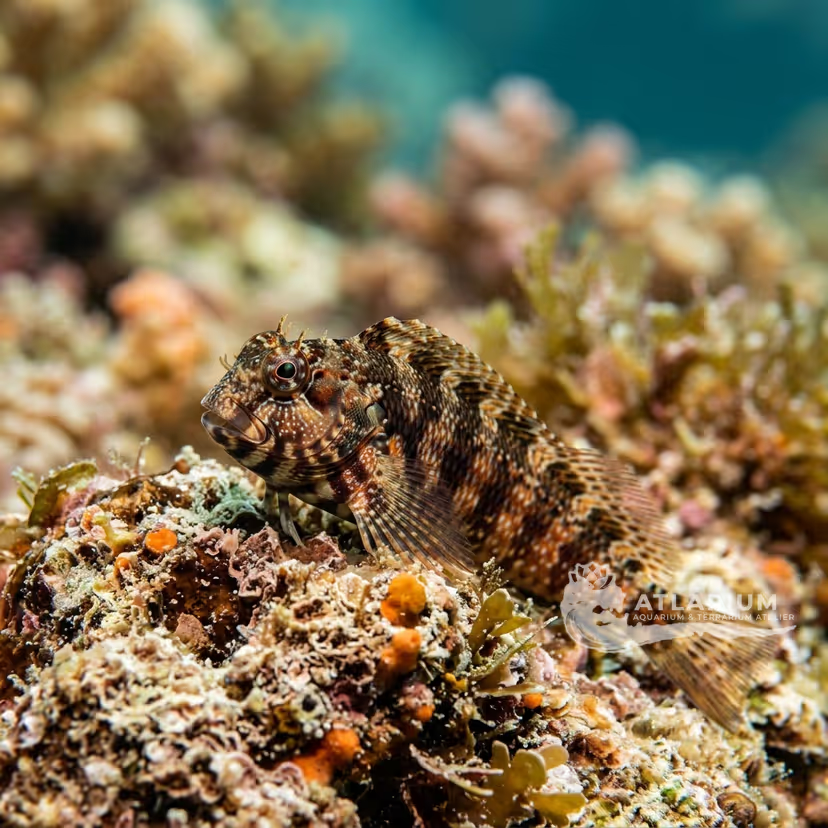
Bath's Combtooth Blenny

Ecsenius bathi

A diminutive, active, and distinctly colorful combtooth blenny from the Western Pacific, prized by hobbyists for its diligent and natural algae-grazing behaviors.

Taxonomy
Class:Actinopteri
Order:Perciformes
Family:Blenniidae
Genus:Ecsenius
Species:Ecsenius bathi

Share

Check out Bath's Combtooth Blenny on Atlarium

PracticeRecognition quizzesPhotos, names, origins, and puzzles to review Atlas species.Open quizzes
Water Temperature

22 - 27 °C

pH Value

8.1 - 8.4

Water type

Marine

Tank level

Bottom and middle

Adult size

4 cm

Minimum tank volume

>= 60 L

Minimum group

>= 1

Species description

Geographical Origin and Habitat: Ecsenius bathi is native to the Western Pacific Ocean, primarily recorded from Indonesia and the Philippines. It inhabits shallow, coral-rich reefs and rocky drop-offs at depths ranging from 3 to 20 meters, where algae grow.
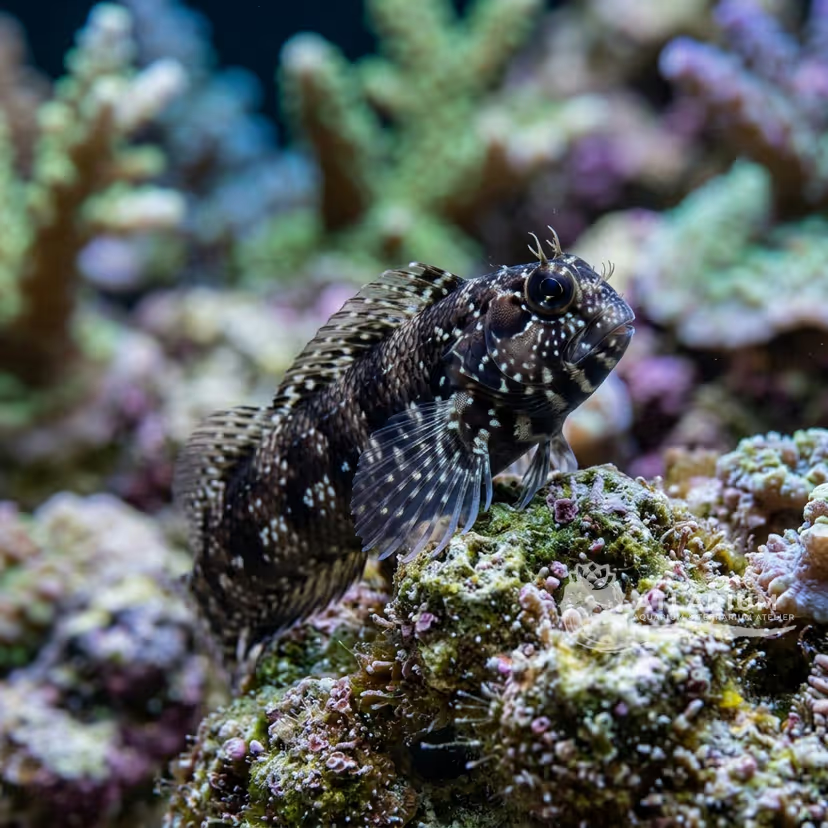
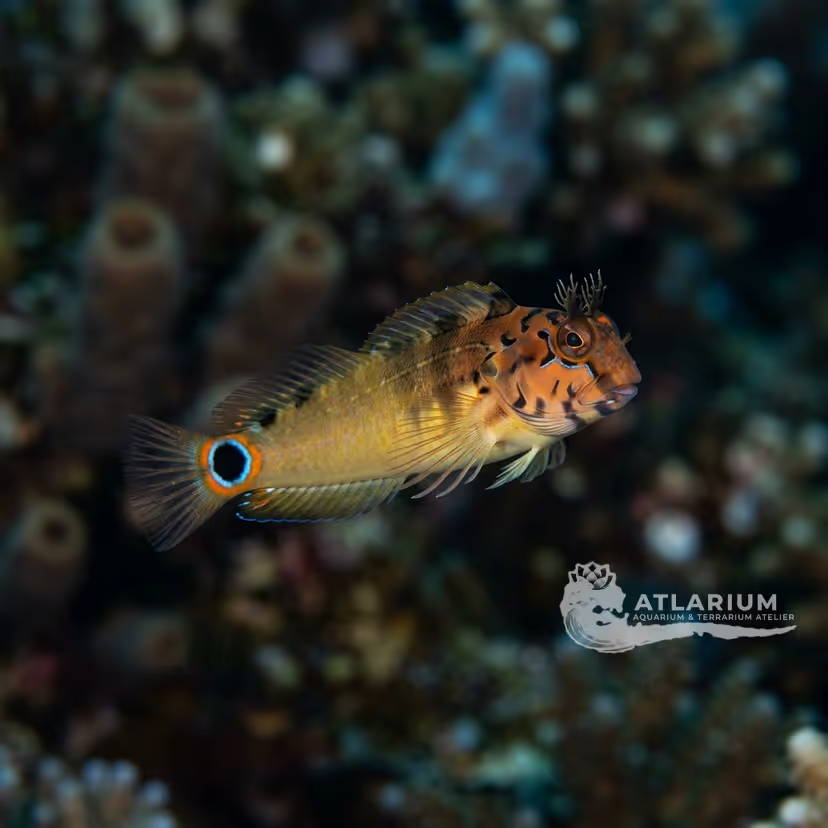
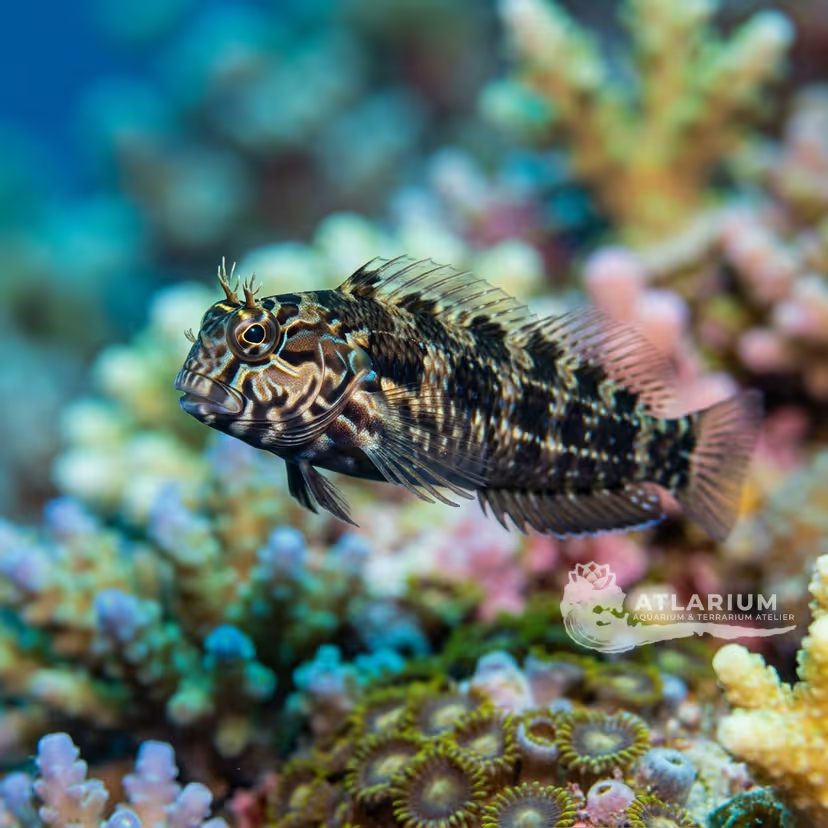
Taxonomy and Morphology: Member of the family Blenniidae, genus Ecsenius. Features a slender, scale-less body and comb-like teeth tailored for scraping microalgae from hard substrates. This miniature species reaches a maximum size of only 4 cm.
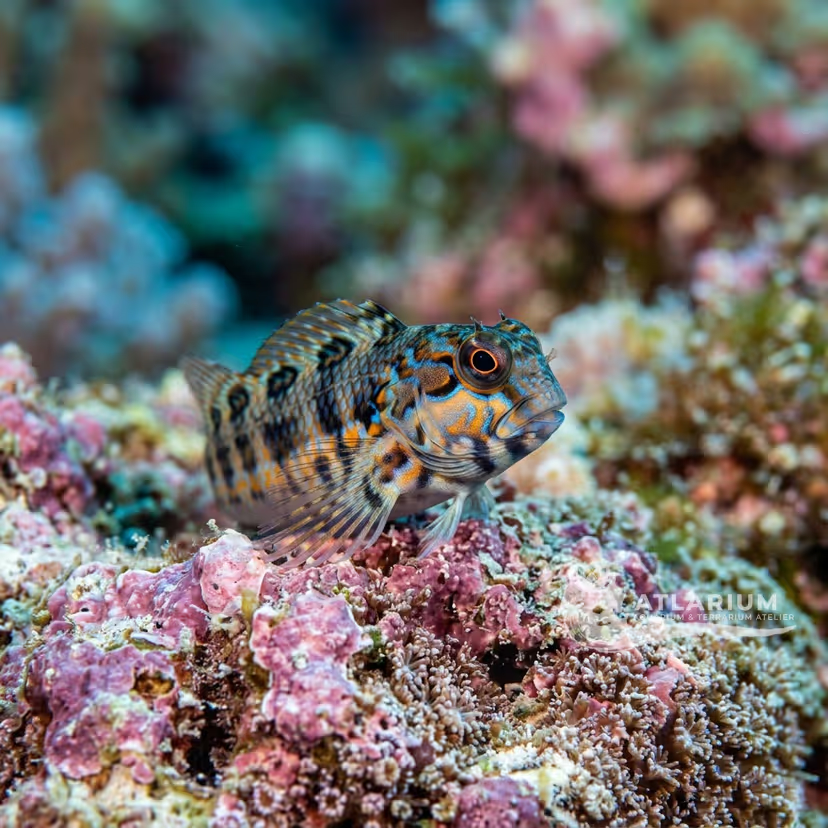
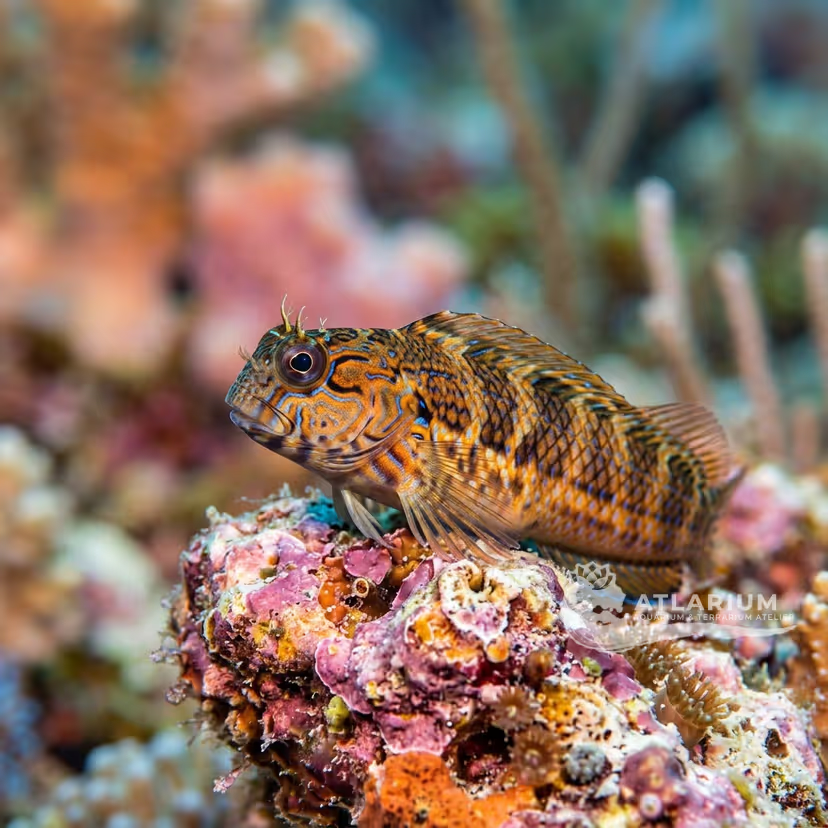
Social Behavior: Curious, diurnal, and very active. They spend their time perched on rock ledges or coral branches, keeping a close eye on their surroundings with independent eye movements. Territorial only toward similar blennies.
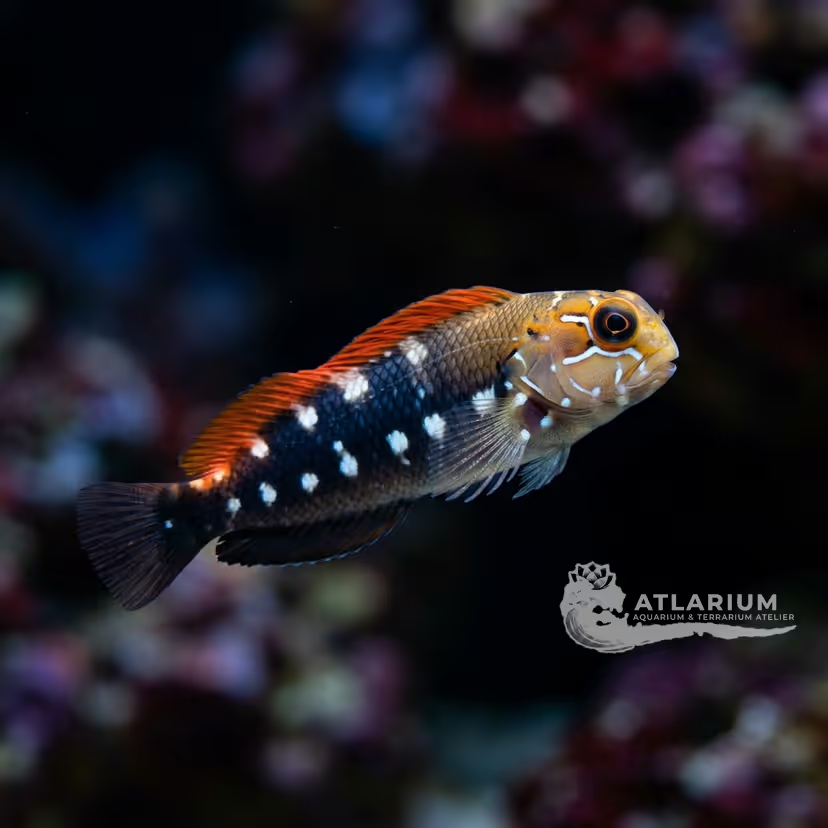
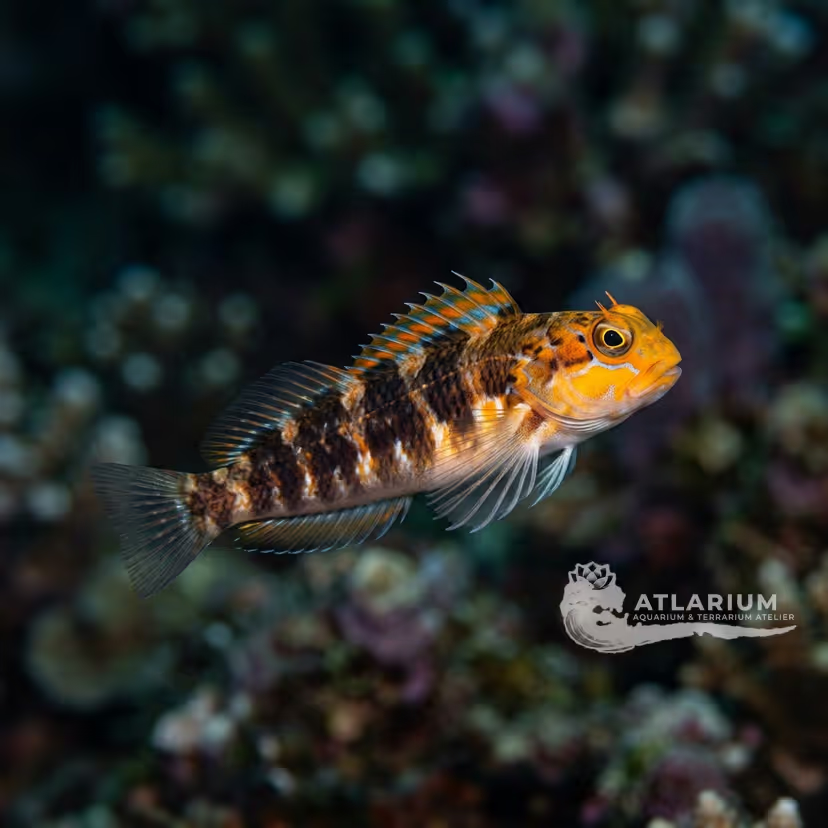
Coloration and Sexual Dimorphism: Displays a striking bicolored appearance: the upper half of the body is dark blackish-brown, while the lower half is pale white or bright yellow. Neon blue highlights frame the eyes. No distinct sexual dimorphism.

Care, breeding and tankmates

Aquarium Setup: Minimum tank size of 60 liters (approx. 15 gallons). The tank should be decorated with plenty of mature live rock. Hiding spots, small caves, and crevices are essential to provide shelter and natural perching sites.
Diet and Feeding: Primarily herbivorous. Naturally grazes on microalgae and detritus on rocks. In the aquarium, feed dried seaweed (nori), spirulina flakes, herbivore pellets, and occasional small frozen foods. Requires a well-established tank with algae growth.
Water Quality: Keep standard marine parameters stable: temperature 22°C to 27°C, pH 8.1 to 8.4, and specific gravity 1.020 to 1.025. Moderate water movement is preferred. Regular water changes help maintain high water quality.
Compatibility and Cohabitation: Excellent candidate for peaceful reef or community tanks. They are reef-safe and do not bother corals. May fight with other blennies or similarly shaped fish. Best kept as a single specimen per aquarium.
Aquarium Breeding: Egg-spawners. They deposit adhesive eggs in small cavities or empty shells, which the male guards until they hatch. Captive breeding is rare in home aquariums due to the complex requirements of the tiny larvae.
Risks and Diseases: Starvation is the primary risk if placed in a sterile tank without natural algae growth. Ensure they are eating prepared foods. They are also capable of jumping out of the tank, so a secure cover is recommended.

Geographic Origin and Distribution

Ecsenius bathi is native to the Western Pacific Ocean, primarily recorded from Indonesia and the Philippines. It inhabits shallow, coral-rich reefs and rocky drop-offs at depths ranging from 3 to 20 meters, where algae grow.

Origin

Tropical oceans and reefsSouth and Southeast Asia

Fish profile

Temperament
Peaceful
Bath's blenny is a peaceful and highly entertaining fish with a big personality. They are incredibly observant and often seem to be watching the aquarist just as much as they are being watched. Once settled, they are quite bold and will spend much of their day perched in plain sight.
Diet
Herbivore
As an obligate herbivore, its diet consists primarily of microalgae scraped from live rock. It must be provided with supplementary marine algae, spirulina, and high-quality herbivore pellets. Failing to provide enough vegetable matter in their diet can lead to malnutrition and fading colors.
Sex ratio
Solitary
Keeping a single specimen is the best practice to avoid aggressive territorial disputes among males. If a true mated pair is acquired, they will often inhabit the same general area peacefully. Multiple males in the same tank will result in severe fighting and stress.
Feeding frequency
Continuous
They are natural continuous grazers, requiring small amounts of food available throughout the day. Direct feeding once or twice a day with specialized herbivore food is highly recommended. Providing an algae clip with nori ensures they always have something to graze upon.
Bioload
Bath's blenny is a very small fish that contributes an insignificantly small bioload to the aquarium. Standard protein skimming and regular water changes will easily maintain pristine conditions. It is an excellent choice for smaller, densely stocked reef systems where nutrient management is critical.
Flow
Strong
Moderate water flow is ideal for this species, providing good oxygenation and promoting algae growth. They often perch on rocks in areas of moderate flow, watching the current for small particles. They will seek out lower flow areas to rest and sleep at night.
Jump risk
Yes
This blenny is known for its startling speed and tendency to jump when frightened. A secure, tight-fitting mesh or glass top is absolutely necessary to prevent escape. Open top tanks are a major hazard for this skittish fish.
Reproduction
Oviparous
Breeding occurs with the female laying eggs in a secure rocky crevice. The male fertilizes the eggs and diligently guards them, fanning them with his pectoral fins to ensure oxygenation. Rearing the microscopic larvae is exceptionally challenging and rarely accomplished by hobbyists.
Compatibility & tankmates
Peaceful
It is a peaceful, completely reef-safe species that will not bother corals or invertebrates. It gets along with a vast array of peaceful community fish such as cardinalfish and gobies. It should not be housed with large aggressive predators or highly territorial blennies.
Tank level
Middle/Bottom
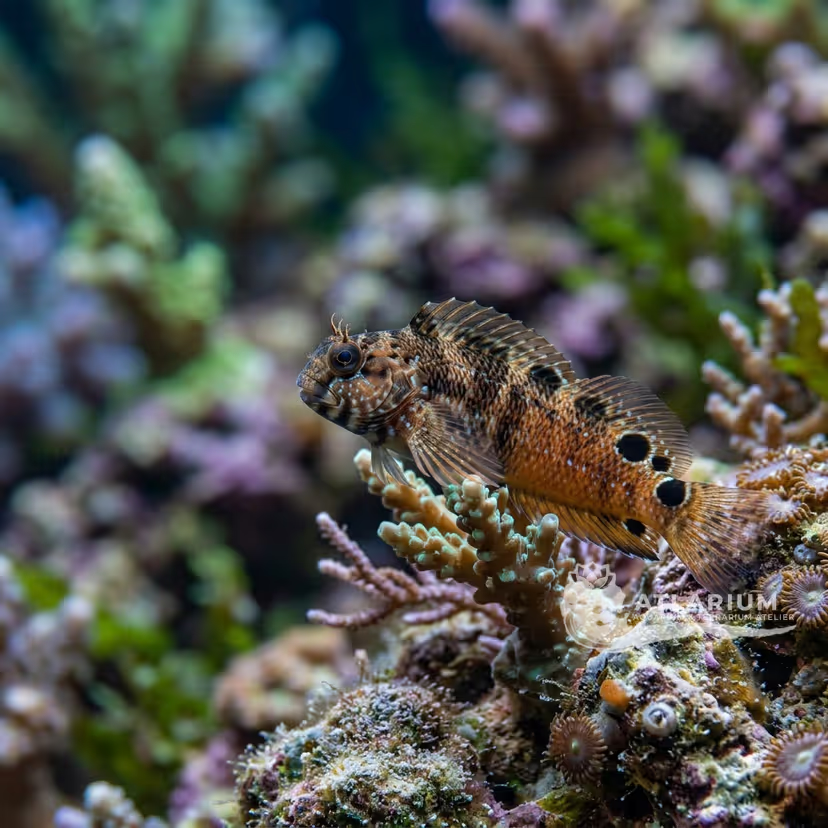
They are exclusively bottom-dwelling fish that rely on the live rock for habitat. They use the rockwork to hop around, as they do not actively swim in the open water column. They require numerous small holes and crevices to use as safe retreats and sleeping quarters.

Window to the official scientific data of the species

Data synced on: 06/15/2026

Scientific Parameters & Models

Trophic level
2 ± 0 se
Resilience
High (less than 15 months)
Phylogenetic uniqueness (PD50)
0.5
Bayesian Length-Weight
a = 0.00776, b = 3
VulnerabilityLow vulnerability (10 / 100)

Image gallery

Licensed images linked to the species or, when marked, to the closest representative taxon.

Related species

Recommendations grouped by close relatives, companion choices, and similar care.

Variants and close relatives

Same atlas type, nearby scientific identity, genus, or family.

Dilemma Blenny

Dilemma Blenny

Ecsenius dilemma

View details->
Fourline Blenny

Fourline Blenny

Ecsenius aequalis

View details->
Springer's Blenny

Springer's Blenny

Ecsenius springeri

View details->
Tailspot blenny

Tailspot blenny

Ecsenius stigmatura

View details->
Allen's blenny

Allen's blenny

Ecsenius alleni

View details->
Aron's blenny

Aron's blenny

Ecsenius aroni

View details->
Australian combtooth blenny

Australian combtooth blenny

Ecsenius australianus

View details->
Axelrod's blenny

Axelrod's blenny

Ecsenius axelrodi

View details->
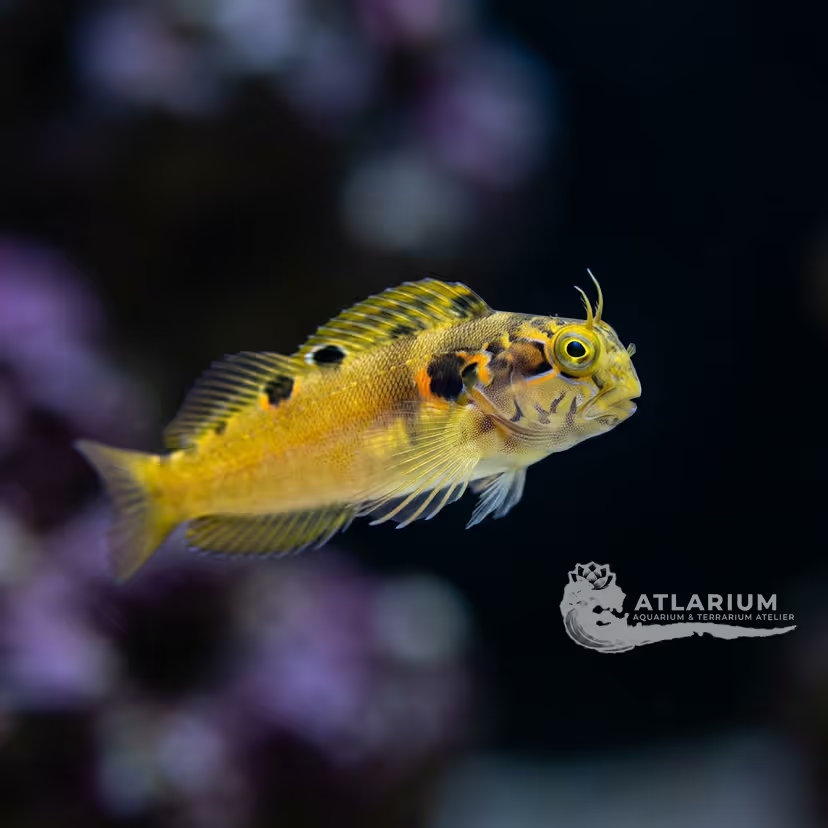
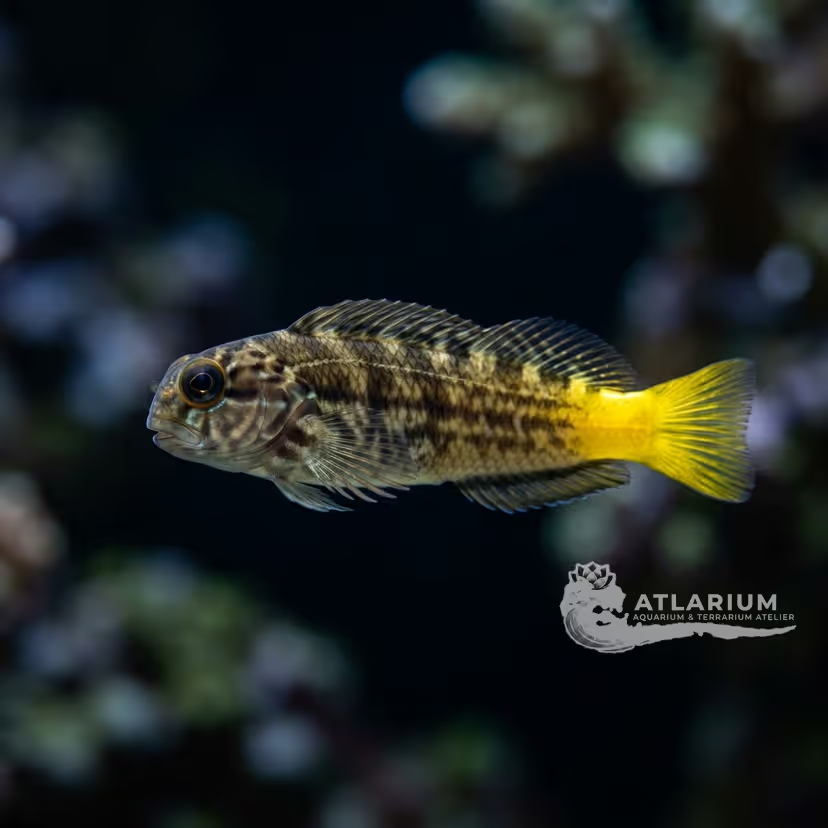
Banda combtooth blenny

Banda combtooth blenny

Ecsenius bandanus
View details->
Black combtooth blenny

Black combtooth blenny

Ecsenius namiyei

View details->
Bluebelly blenny

Bluebelly blenny

Ecsenius caeruliventris

View details->
Collette's blenny

Collette's blenny

Ecsenius collettei

View details->
Dentex Blenny

Dentex Blenny

Ecsenius dentex

View details->
Fiji Blenny

Fiji Blenny

Ecsenius fijiensis

View details->
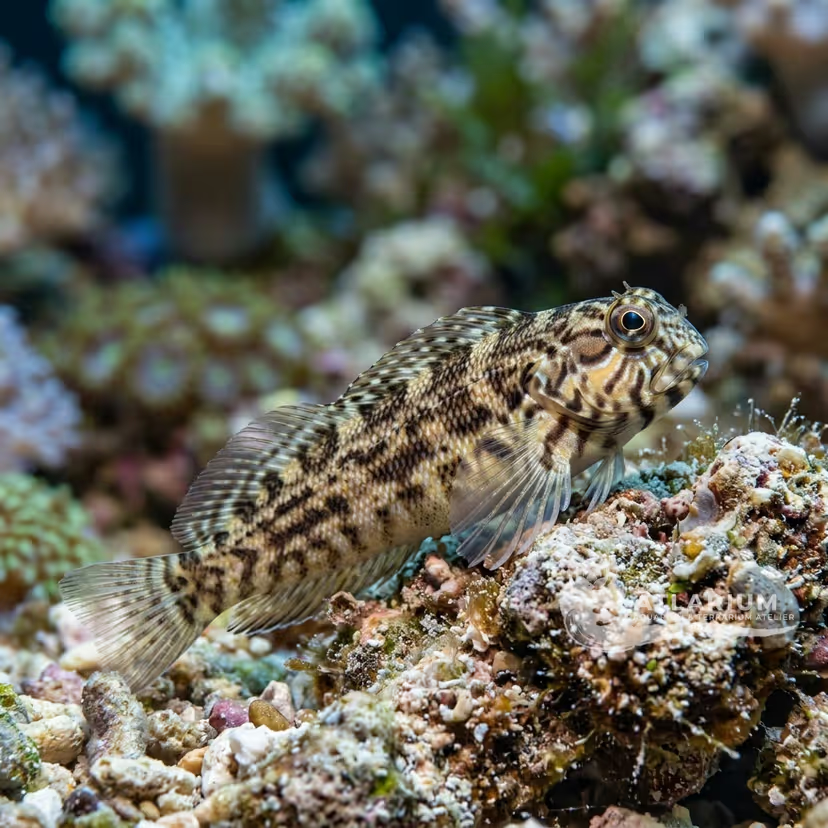
Fourmanoir's Blenny

Fourmanoir's Blenny

Ecsenius fourmanoiri
View details->
Isos Blenny

Isos Blenny

Ecsenius isos

View details->

Recommended companions

Compatible cards from coherent ecosystems with matching parameters.
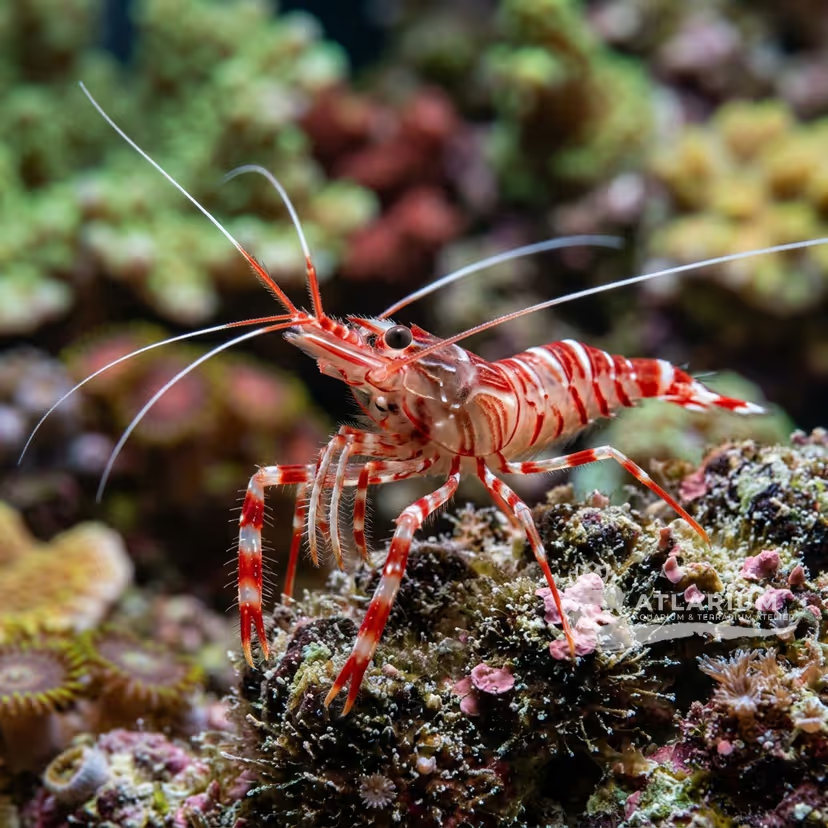
Anker's Cleaner Shrimp
Invertebrate

Anker's Cleaner Shrimp

Lysmata ankeri

View details->
Armed Snapping Shrimp
Invertebrate

Armed Snapping Shrimp

Alpheus armatus

View details->
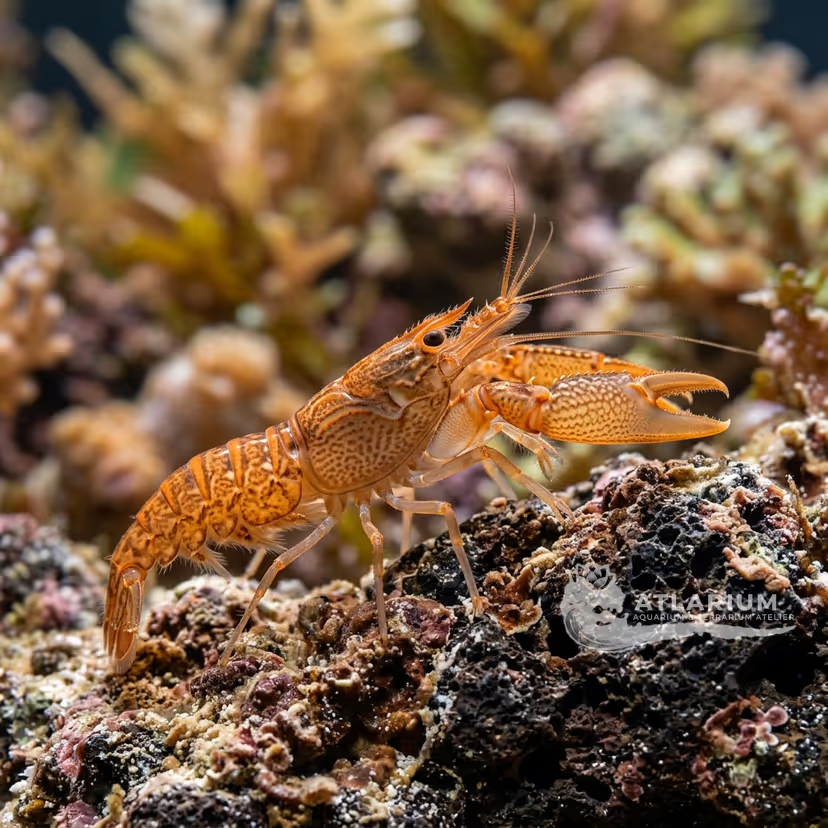
Blood-spotted Hermit Crab
Invertebrate

Blood-spotted Hermit Crab

Clibanarius cruentatus
View details->
Bouvier's snapping shrimp
Invertebrate

Bouvier's snapping shrimp

Alpheus bouvieri

View details->
Camel shrimp
Invertebrate

Camel shrimp

Rhynchocinetes durbanensis

View details->
Chapin's Hermit Crab
Invertebrate

Chapin's Hermit Crab

Clibanarius chapini

View details->
Chocolate Chip Starfish
Invertebrate

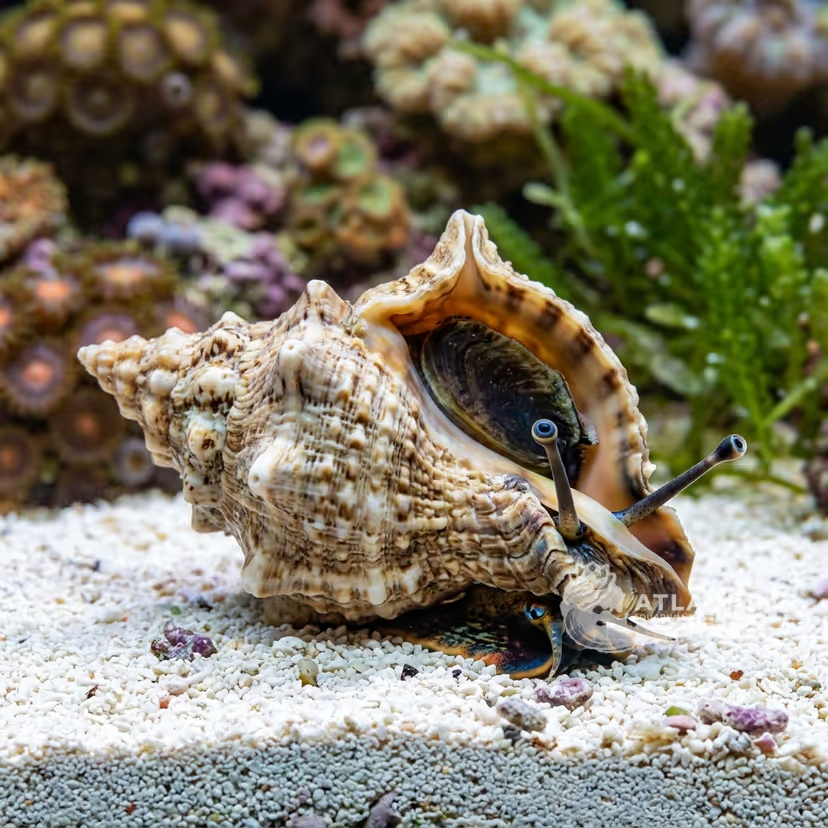
Chocolate Chip Starfish

Protoreaster nodosus
View details->
Florida Fighting Conch
Invertebrate

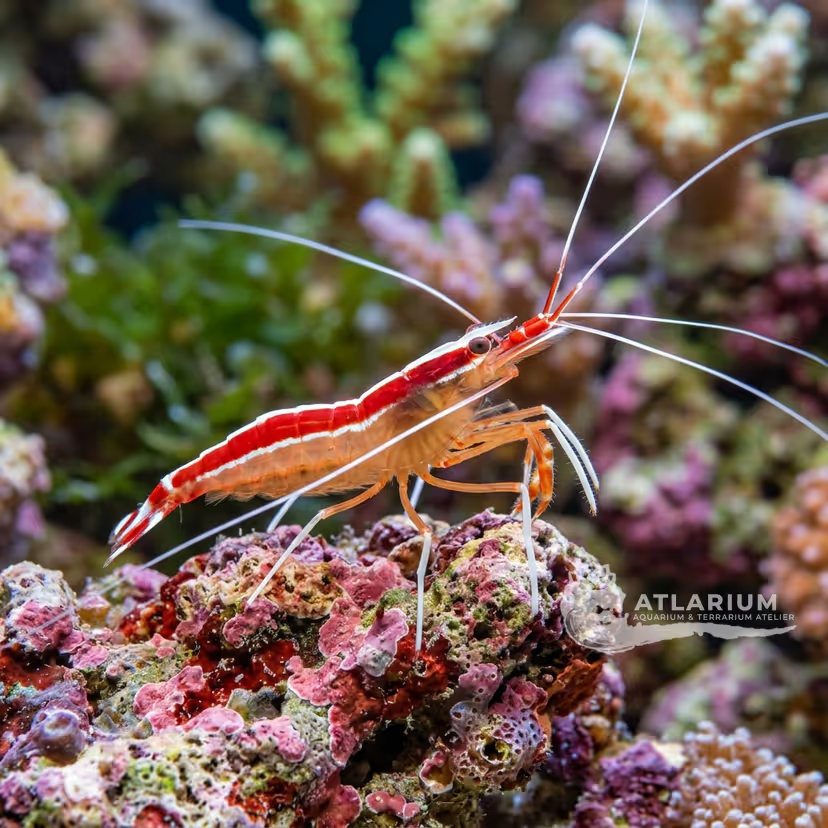
Florida Fighting Conch

Strombus alatus
View details->
Grabham's cleaner shrimp
Invertebrate

Grabham's cleaner shrimp

Lysmata grabhami

View details->
Green Sea Urchin
Invertebrate

Green Sea Urchin

Lytechinus variegatus

View details->
Lipke's Cleaner Shrimp
Invertebrate

Lipke's Cleaner Shrimp

Lysmata lipkei

View details->
Acorn dog whelk
Invertebrate

Acorn dog whelk

Nassarius glans

View details->
Ambon Hermit Crab
Invertebrate

Ambon Hermit Crab

Clibanarius ambonensis

View details->
Anchisteus Cleaner Shrimp
Invertebrate

Anchisteus Cleaner Shrimp

Lysmata anchisteus

View details->
Areola babylon snail
Invertebrate

Areola babylon snail

Babylonia areolata

View details->
Blue-eyed Hermit Crab
Invertebrate

Blue-eyed Hermit Crab

Clibanarius corallinus

View details->

Similar care

Cards with similar requirements, difficulty, habitat, and husbandry profile.
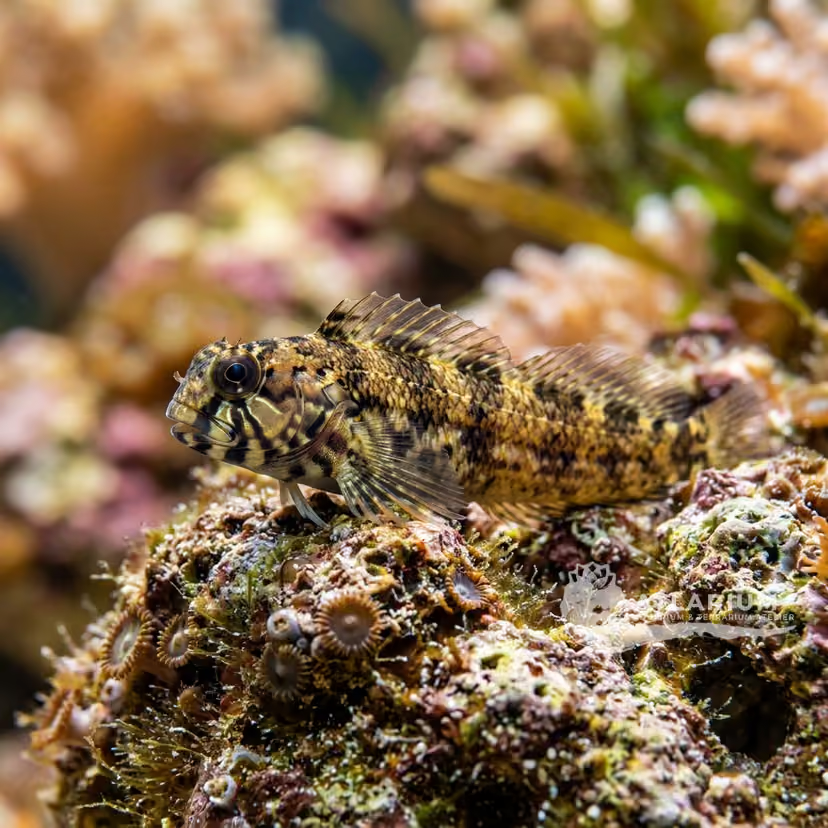
Queensland Blenny

Queensland Blenny

Ecsenius mandibularis
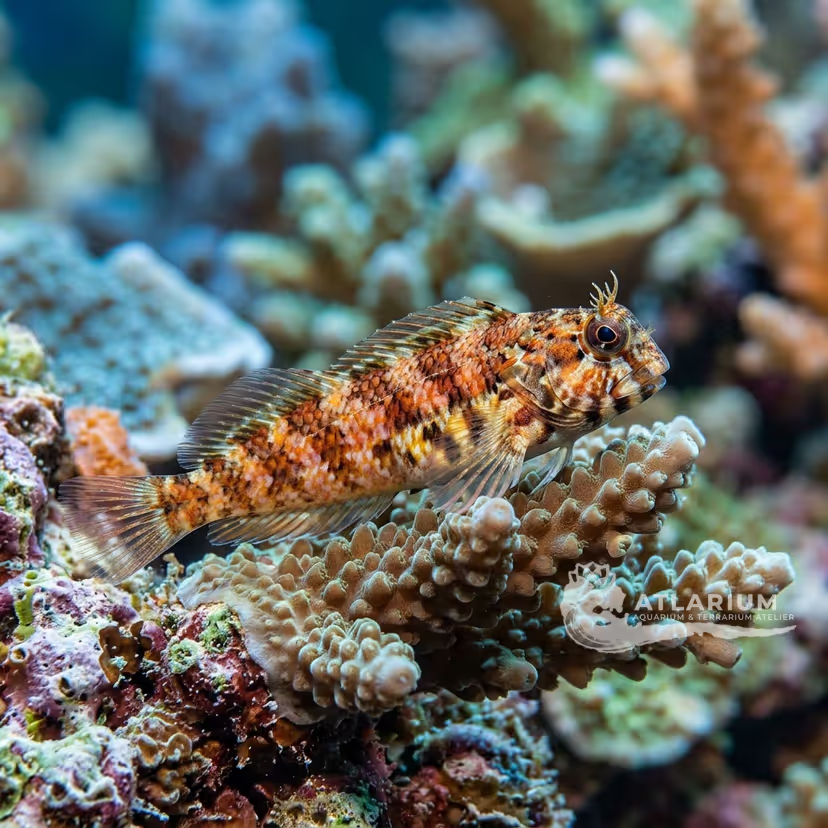
View details->
Lubbock's combtooth blenny

Lubbock's combtooth blenny

Ecsenius lubbocki

View details->
Monoculus blenny

Monoculus blenny

Ecsenius monoculus

View details->
Portenoy's Blenny

Portenoy's Blenny

Ecsenius portenoyi

View details->
Yelloweye Combtooth Blenny

Yelloweye Combtooth Blenny

Ecsenius opsifrontalis

View details->
Saddle blenny

Saddle blenny

Ecsenius sellifer

View details->
Yellow-eye combtooth-blenny

Yellow-eye combtooth-blenny

Ecsenius ops

View details->
Yellowtail Clown Blenny

Yellowtail Clown Blenny

Ecsenius melarchus

View details->
Linear Blenny

Linear Blenny

Ecsenius lineatus

View details->
Many-spotted blenny

Many-spotted blenny

Ecsenius polystictus

View details->
Ocular Blenny

Ocular Blenny

Ecsenius oculus

View details->
Patzner's Blenny

Patzner's Blenny

Salarias patzneri

View details->
Two-spot bimaculatus blenny

Two-spot bimaculatus blenny

Ecsenius bimaculatus

View details->
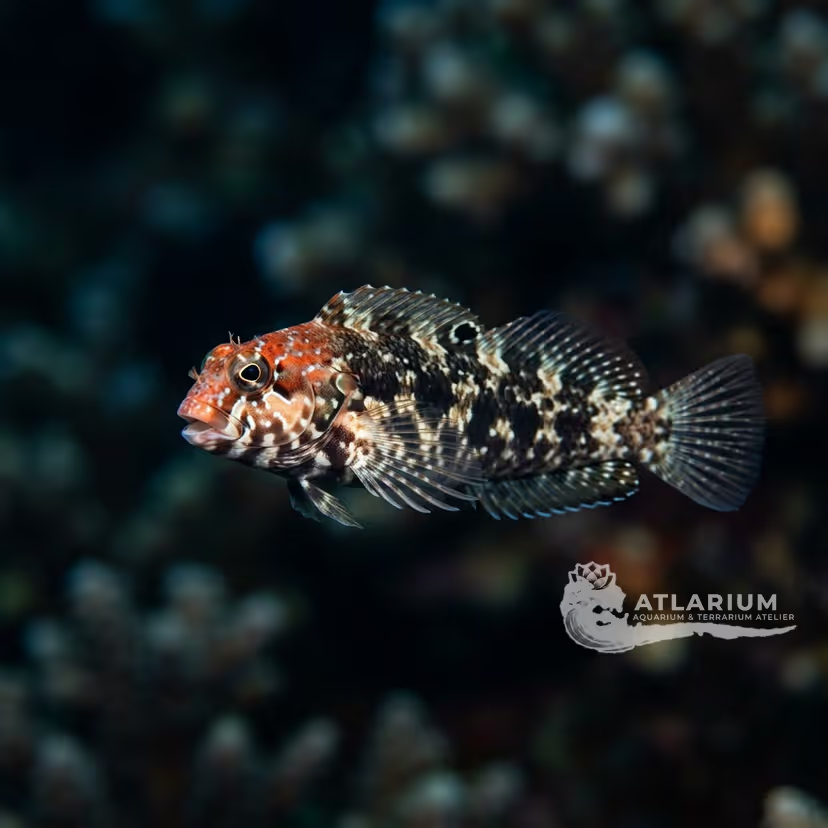
Orange-spotted Blenny

Orange-spotted Blenny

Blenniella chrysospilos
View details->
Yaeyama Blenny

Yaeyama Blenny

Ecsenius yaeyamaensis

View details->
Chestnut Eyelash Blenny

Chestnut Eyelash Blenny

Cirripectes castaneus

View details->
Last updated: 06/30/2026