Encyclopaedia

FishMarineEasy
©AI Generated·Proprietary

Orange-spotted Blenny

Blenniella chrysospilos

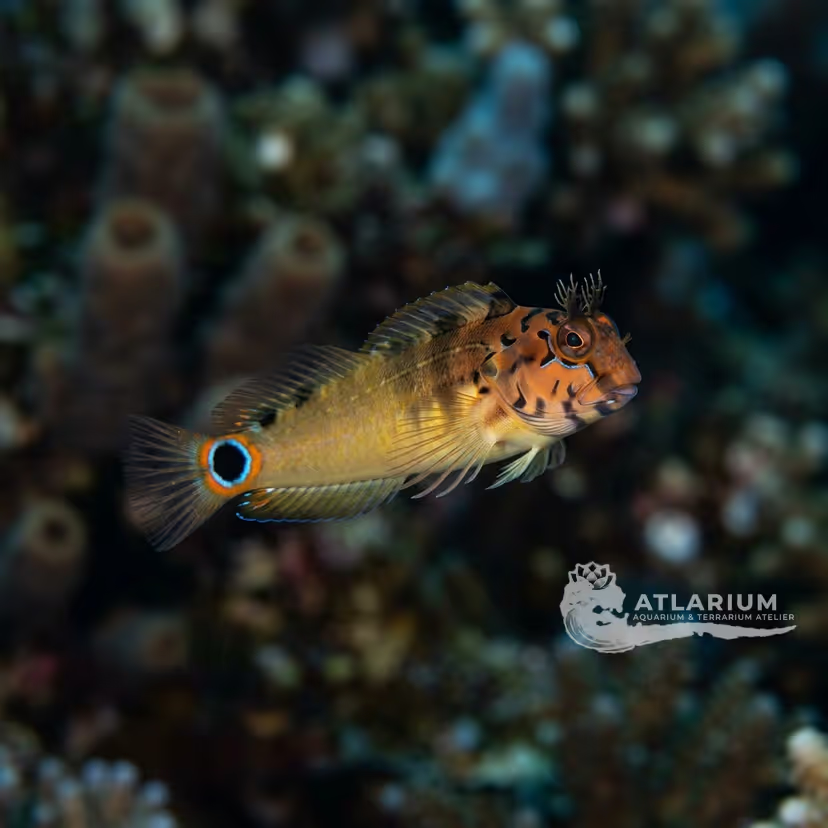
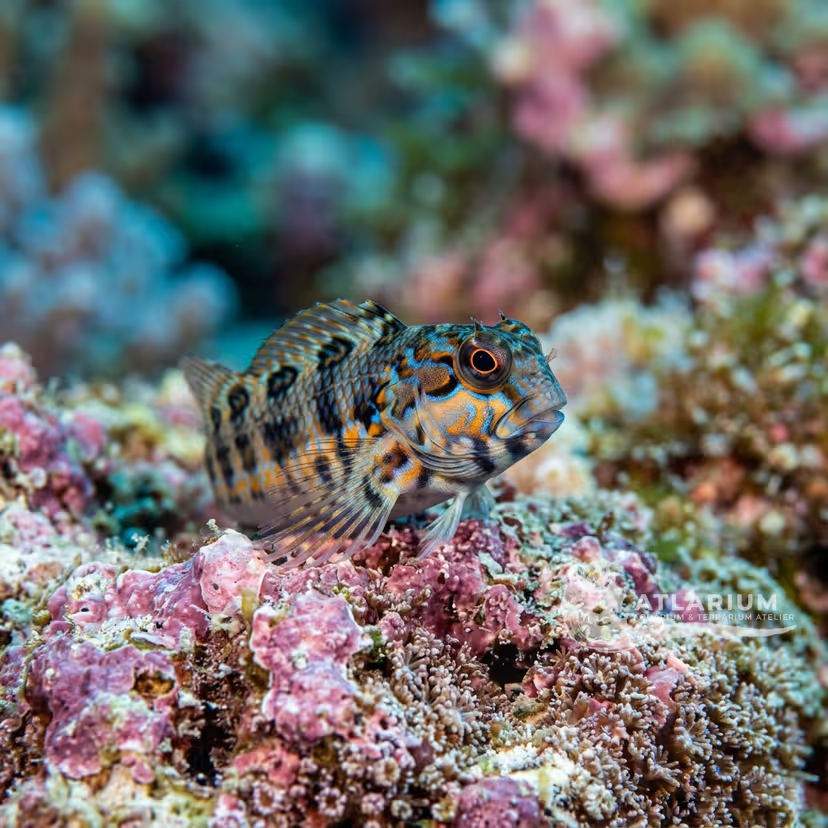
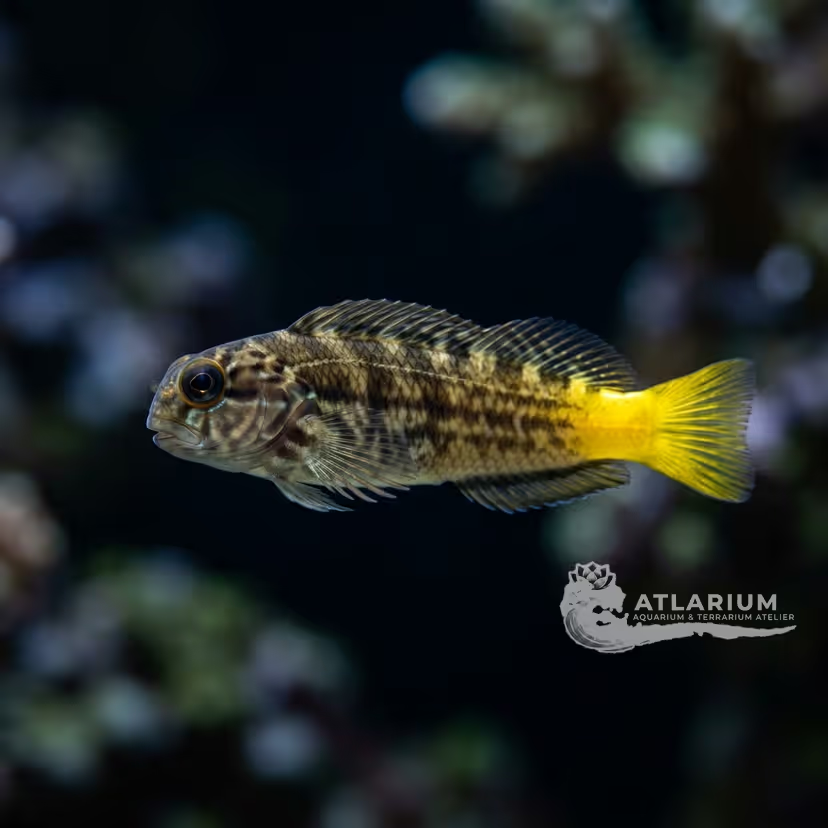
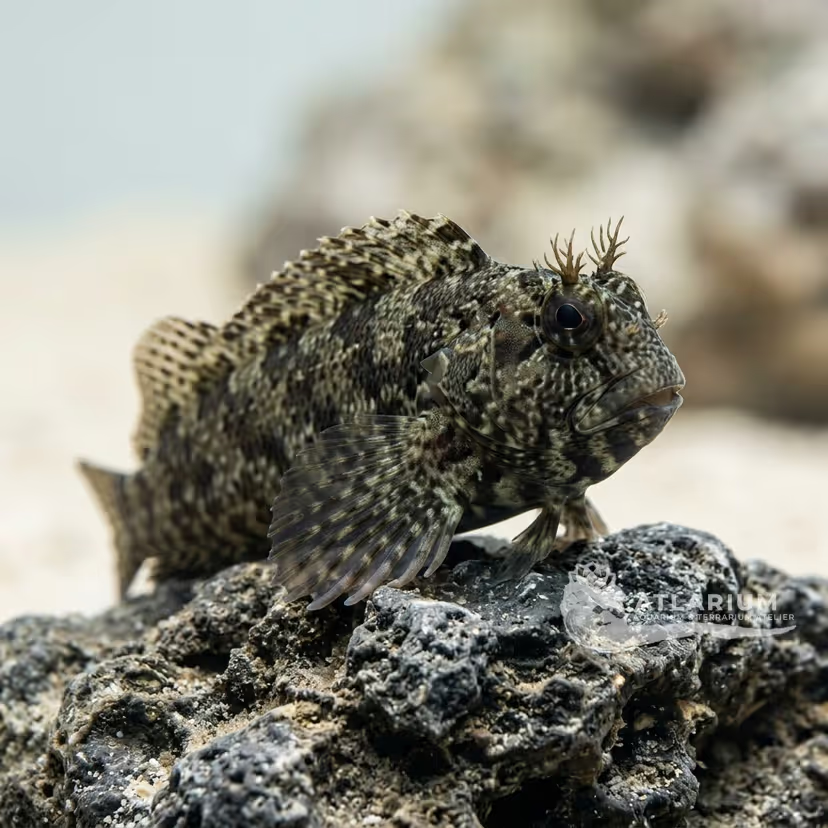
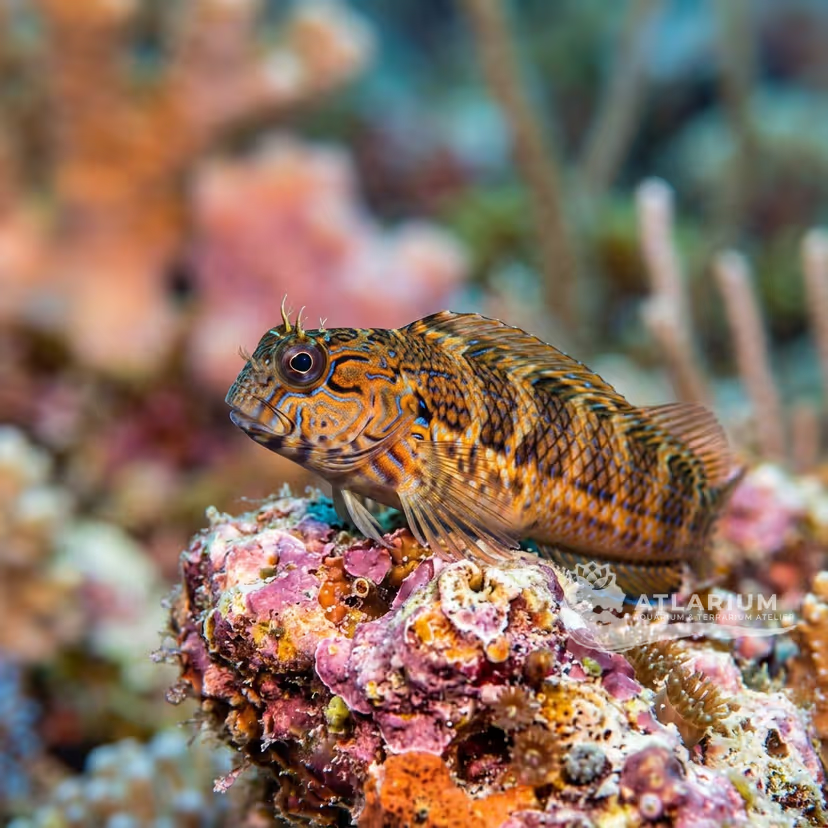
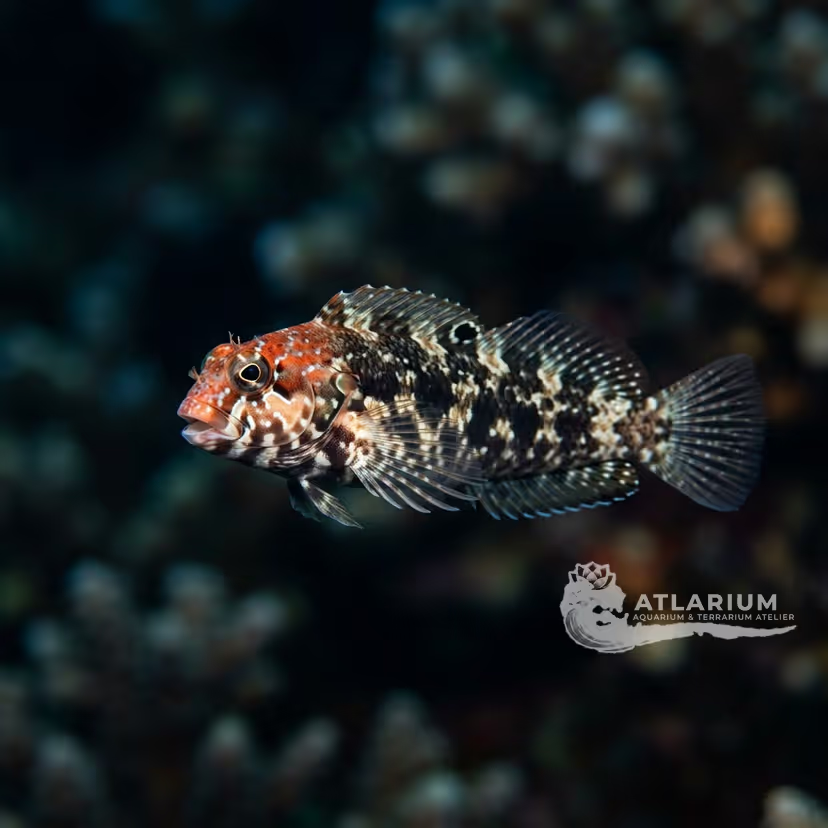
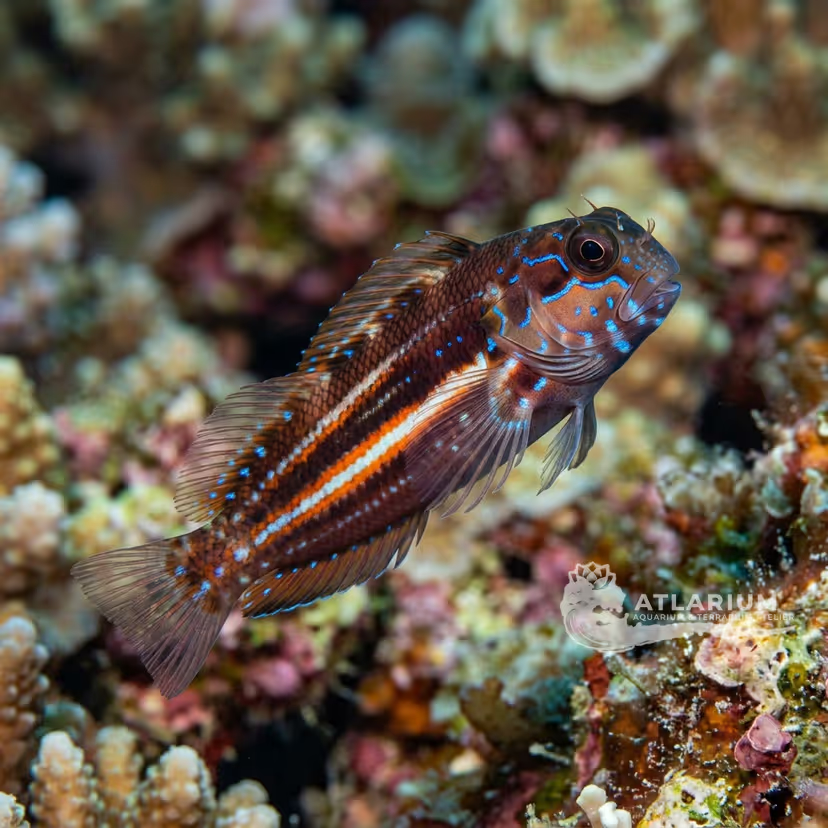
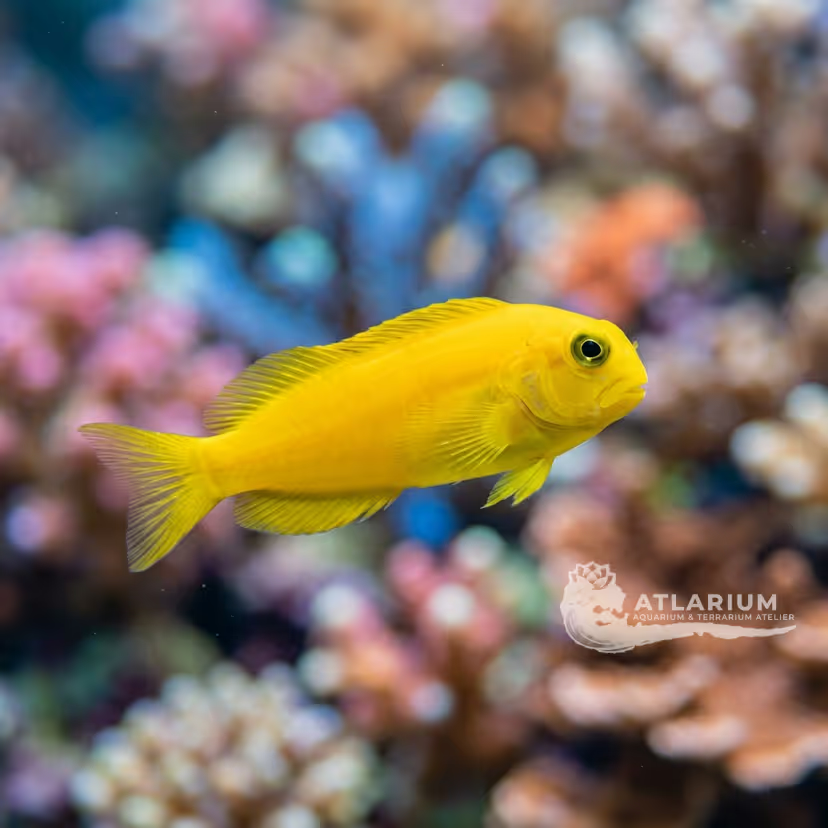
The Orange-spotted Blenny is a charming, algae-grazing marine fish from the Indo-Pacific. It loves to perch on live rocks and needs a mature tank with plenty of crevices for shelter.

Taxonomy
Class:Actinopteri
Order:Perciformes
Family:Blenniidae
Genus:Blenniella
Species:Blenniella chrysospilos

Share

Check out Orange-spotted Blenny on Atlarium

PracticeRecognition quizzesPhotos, names, origins, and puzzles to review Atlas species.Open quizzes
Water Temperature

22 - 27 °C

pH Value

8.1 - 8.4

Water type

Marine

Tank level

Bottom and middle

Adult size

13 cm

Minimum tank volume

>= 150 L

Minimum group

>= 1

KH

8 - 12 dKH

Species description

Geographical Origin and Habitat: Blenniella chrysospilos, commonly known as the orange-spotted blenny, is widely distributed across the tropical waters of the Indo-Pacific Ocean. Its natural range extends from the Red Sea and the eastern coast of Africa to the Society and Samoan Islands, ranging north to the Ryukyu Islands of Japan, and south to the Great Barrier Reef. It typically inhabits intertidal zones, shallow coastal rocky reefs, and tide pools at depths of 0 to 6 meters.
Taxonomy and Morphology: Belonging to the family Blenniidae and classified under the genus Blenniella. This small benthic fish reaches a maximum adult length of approximately 12 centimeters. It features an elongated, scale-less body covered with a protective mucous coat. Large, expressive eyes are located high on top of the head, and it is equipped with branched cirri (tentacles) above the eyes acting as sensory structures.
Social Behavior: A peaceful, bottom-dwelling species toward non-related fish, but highly territorial toward conspecifics or similar-looking blennies. It spends most of its time perched on live rock, using its pectoral fins to hold itself in place while scanning the surroundings. Males will defend their favorite crevices aggressively from rivals.
Coloration and Sexual Dimorphism: The body features a sandy-grey or light beige base color, covered in rows of bright orange or reddish-orange spots along the sides. Sexual dimorphism is present in mature adults: dominant males develop elongated anterior filaments on their dorsal fin and may show temporary darkening of the body color during spawning.

Care, breeding and tankmates

Aquarium Setup: Requires a minimum tank volume of 100 liters for a single specimen. The aquarium must be decorated with plenty of mature live rock arranged to create overhangs, shelves, and crevices for perching and shelter. A sandy substrate is preferred. A secure, tight-fitting lid is mandatory, as this species is notorious for jumping out when startled.
Diet and Feeding: Herbivorous. In the wild, it feeds by scraping microalgae and detritus from rock surfaces. In captivity, it is an excellent control agent for nuisance green algae. Supplement their diet with high-quality spirulina-based flakes, pellets, dried nori seaweed, and herbivore preparations. Occasional feedings of frozen brine shrimp can be offered.
Water Quality: Demands standard marine water conditions: temperature of 23-28 °C, pH of 8.1-8.4, specific gravity of 1.020-1.025, and a dKH of 8-12. High oxygen levels and moderate water movement are highly beneficial to mimic their shallow intertidal habitats. Perform regular partial water changes to maintain water quality.
Compatibility and Cohabitation: Completely reef-safe and does not bother corals, clams, or decorative invertebrates. Excellent addition to peaceful community reef tanks. Ideal tankmates include clownfish, firefish, wrasses, and small tangs. Keep only one blenny per aquarium unless they are a mated pair housed in a large tank.
Aquarium Breeding: Oviparous. During spawning, the female deposits adhesive eggs in a small crevice or empty shell. The male fertilizes the clutch and assumes sole responsibility for guarding and aerating the nest. The eggs hatch into planktonic larvae, which are extremely difficult to raise in home aquariums due to feeding challenges.
Risks and Diseases: The primary risk is starvation if introduced into a new, sterile aquarium lacking natural algae film, or if it refuses prepared herbivore foods. Ensure the tank is mature before introduction. A secure lid is essential, as they are prone to leaping out of uncovered aquariums if they feel threatened.

Geographic Origin and Distribution

Blenniella chrysospilos, commonly known as the orange-spotted blenny, is widely distributed across the tropical waters of the Indo-Pacific Ocean. Its natural range extends from the Red Sea and the eastern coast of Africa to the Society and Samoan Islands, ranging north to the Ryukyu Islands of Japan, and south to the Great Barrier Reef. It typically inhabits intertidal zones, shallow coastal rocky reefs, and tide pools at depths of 0 to 6 meters.

Origin

Tropical oceans and reefsAfrica and MadagascarEast Asia

Fish profile

Temperament
Semi-aggressive
The red-spotted blenny is generally a peaceful and curious inhabitant that ignores most other community fish. However, they are highly territorial and aggressive toward other blennies or similarly shaped bottom-dwellers that share their feeding niche. They will vigorously defend their chosen shelter or grazing territory from perceived competitors. Overall, they display an entertaining personality, often watching their owner and exhibiting charming perching behaviors.
Diet
Herbivore
Blenniella chrysospilos is primarily an herbivorous algae grazer, depending heavily on microalgae growing on live rock. Their aquarium must be well-established with a healthy growth of natural algae to sustain them long-term. If natural algae is scarce, their diet should be supplemented daily with high-quality spirulina, nori, and vegetable-based flakes or pellets. While they may occasionally sample meaty foods, these should not form the core of their diet.
Life expectancy
2-5 years
In a home aquarium, the average lifespan of Blenniella chrysospilos typically ranges from 2 to 5 years under optimal care. Their longevity is highly dependent on a stable marine environment, stress-free tankmates, and a consistent, diet. Providing a mature tank with constant access to natural algae grazing is key to maximizing their lifespan. Regular water parameters monitoring and a varied diet will ensure they reach their full age potential.
Sex ratio
ONE_TO_ONE
In the wild, Blenniella chrysospilos is often observed living in mated pairs, but in the aquarium, they can be highly territorial toward conspecifics. It is generally recommended to keep them singly unless a confirmed male-female pair can be introduced simultaneously in a large tank. In smaller setups, keeping multiple individuals of this species will lead to aggressive turf wars. Providing ample territory and visual barriers is crucial if attempting to house more than one specimen.
Feeding frequency
Twice daily
These blennies are continuous grazers that feed throughout the day by scraping algae off the rocks. In an aquarium with abundant natural algae growth, supplementary feeding can be limited to once or twice a day. If the tank is clean and lacks sufficient natural algae, they should be offered seaweed or algae sheets multiple times a day to prevent starvation. Regular grazing keeps them active and prevents them from nipping at corals out of hunger.
Bioload
Low to Medium
Blenniella chrysospilos has a low to moderate biological load due to its small size and primarily herbivorous diet. However, because they graze constantly on microalgae, they produce a steady amount of organic waste that requires adequate mechanical and biological filtration. A well-established aquarium with a protein skimmer and regular water changes will easily manage their waste. Maintaining pristine water quality is highly beneficial to support their overall health and prevent stress.
Flow
Strong
Coming from shallow reefs, reef flats, and surge-swept areas, Blenniella chrysospilos prefers moderate to strong water flow. Good circulation helps mimic their natural intertidal habitat and keeps the water highly oxygenated, which is beneficial for their metabolism. However, they also require areas of lower flow within their rock dens to rest without fighting the current. A dynamic flow pattern with strong powerheads and quiet resting spots is ideal.
Jump risk
Yes
Blenniella chrysospilos is known as a rockskipper, which reflects its natural ability and instinct to jump out of the water. In the wild, they skip between tide pools, and in captivity, they will easily leap out of an open aquarium if spooked or stressed. Therefore, a secure, tight-fitting lid or a tight mesh screen cover is absolutely mandatory for their enclosure. Even small gaps around cords and pipes should be covered to prevent accidental escapes.
Reproduction
Oviparous
Blenniella chrysospilos is an oviparous species that lays demersal, adhesive eggs, typically inside a male's chosen cave or crevice. During spawning, the male courts the female, and once eggs are deposited, he takes on the role of guarding and fanning the nest. The eggs are attached to the substrate and protected until they hatch into planktonic larvae. Breeding in the home aquarium is rarely achieved, and raising the tiny, planktonic fry is extremely difficult for hobbyists.
Compatibility & tankmates
Reef safe
This blenny is highly compatible with a wide range of peaceful reef fish, such as clownfish, gobies, and small wrasses. They should not be housed with aggressive predators or other herbivorous blennies unless the aquarium is exceptionally large. While generally reef-safe, hungry individuals may occasionally nip at large-polyp stony (LPS) corals or clam mantles. Providing a well-fed environment will minimize the risk of damage to corals and invertebrates.
Tank level
Middle/Bottom
This species is a bottom-to-middle dweller, spending the majority of its time perching on live rock or hiding in crevices. They use their specialized pectoral fins to prop themselves up on rocks, substrates, and corals to observe their surroundings. While they occasionally swim into the water column to catch food or move between rock formations, they rarely venture near the surface. Providing plenty of rockwork at various heights will allow them to utilize the lower and middle zones of the aquarium effectively.

Window to the official scientific data of the species

Data synced on: 06/15/2026

Scientific Parameters & Models

Trophic level
2.5 ± 0.19 se
Resilience
High (less than 15 months)
Phylogenetic uniqueness (PD50)
0.502
Bayesian Length-Weight
a = 0.00776, b = 3
VulnerabilityLow vulnerability (10 / 100)

Image gallery

Licensed images linked to the species or, when marked, to the closest representative taxon.

Related species

Recommendations grouped by close relatives, companion choices, and similar care.

Variants and close relatives

Same atlas type, nearby scientific identity, genus, or family.
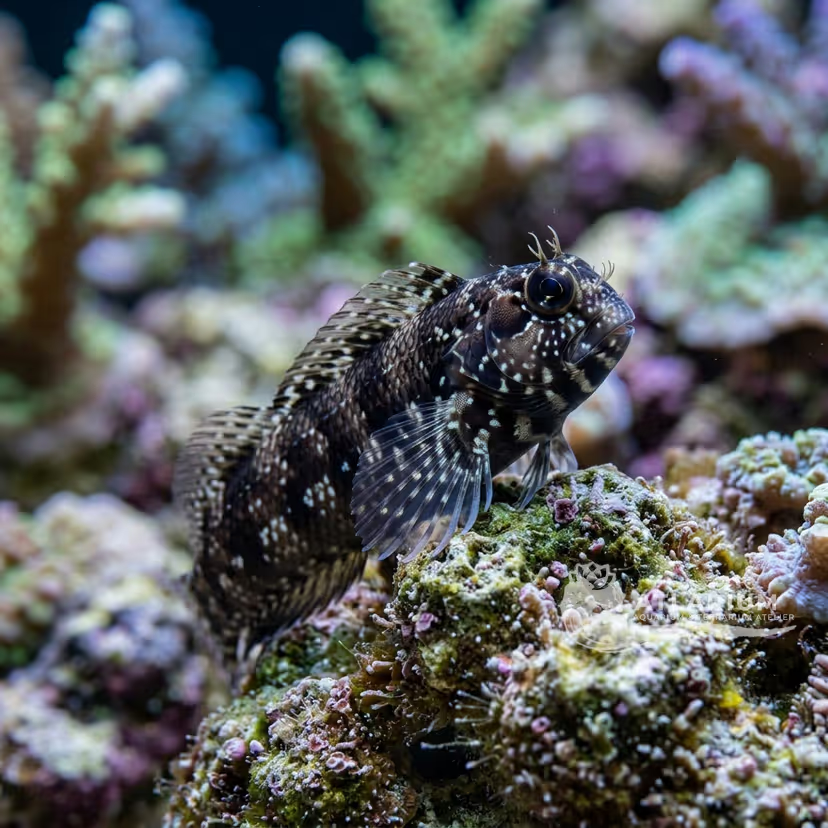
Springer's Blenny

Springer's Blenny

Ecsenius springeri

View details->
Tailspot blenny

Tailspot blenny

Ecsenius stigmatura

View details->
Allen's blenny

Allen's blenny

Ecsenius alleni

View details->
Aron's blenny

Aron's blenny

Ecsenius aroni

View details->
Axelrod's blenny

Axelrod's blenny

Ecsenius axelrodi

View details->
Black combtooth blenny

Black combtooth blenny

Ecsenius namiyei

View details->
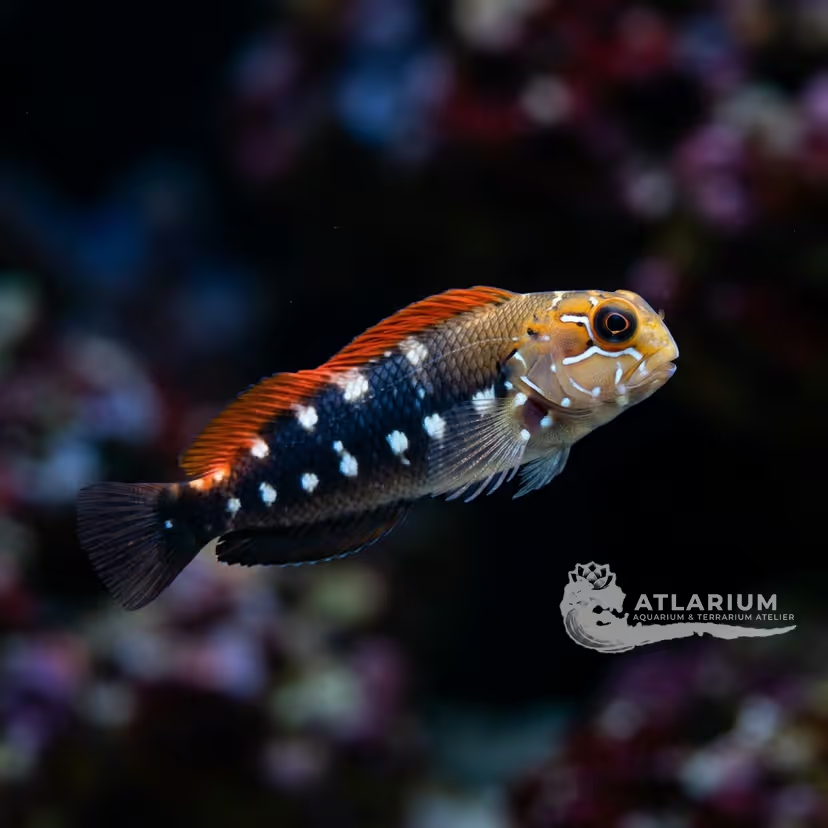
Chestnut Eyelash Blenny

Chestnut Eyelash Blenny

Cirripectes castaneus
View details->
Fiji Blenny

Fiji Blenny

Ecsenius fijiensis

View details->
Lawnmower Blenny

Lawnmower Blenny

Salarias fasciatus

View details->
Linear Blenny

Linear Blenny

Ecsenius lineatus

View details->
Many-spotted blenny

Many-spotted blenny

Ecsenius polystictus

View details->
Monoculus blenny

Monoculus blenny

Ecsenius monoculus

View details->
Ocular Blenny

Ocular Blenny

Ecsenius oculus

View details->
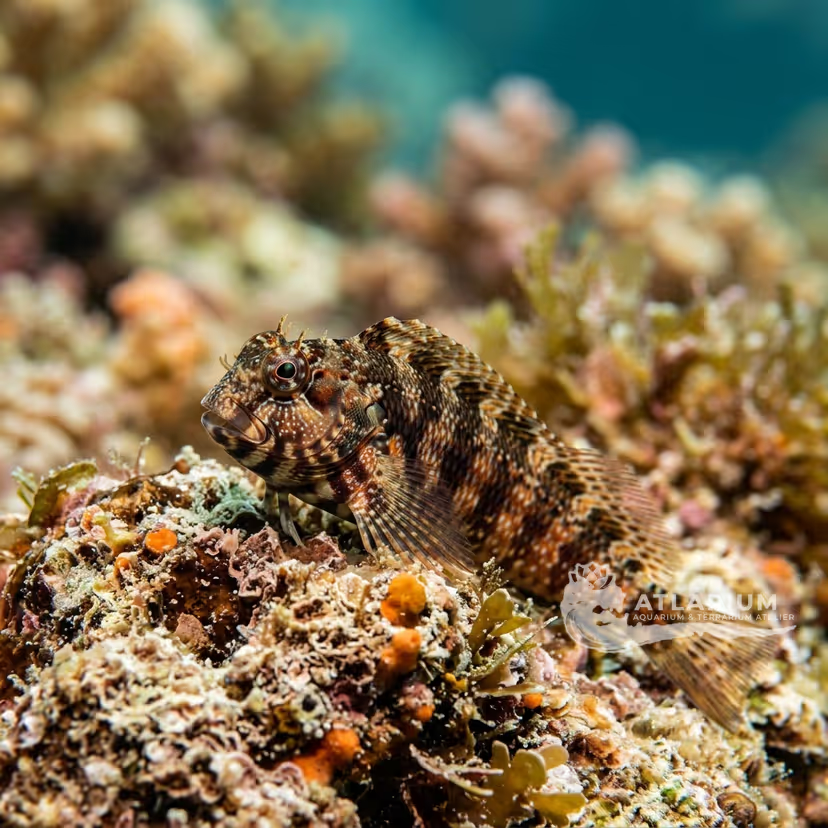
One-stripe Fangblenny

One-stripe Fangblenny

Meiacanthus ditrema
View details->
Patzner's Blenny

Patzner's Blenny

Salarias patzneri

View details->
Portenoy's Blenny

Portenoy's Blenny

Ecsenius portenoyi

View details->

Recommended companions

Compatible cards from coherent ecosystems with matching parameters.

Grape caulerpa
Plant

Grape caulerpa

Caulerpa racemosa

View details->
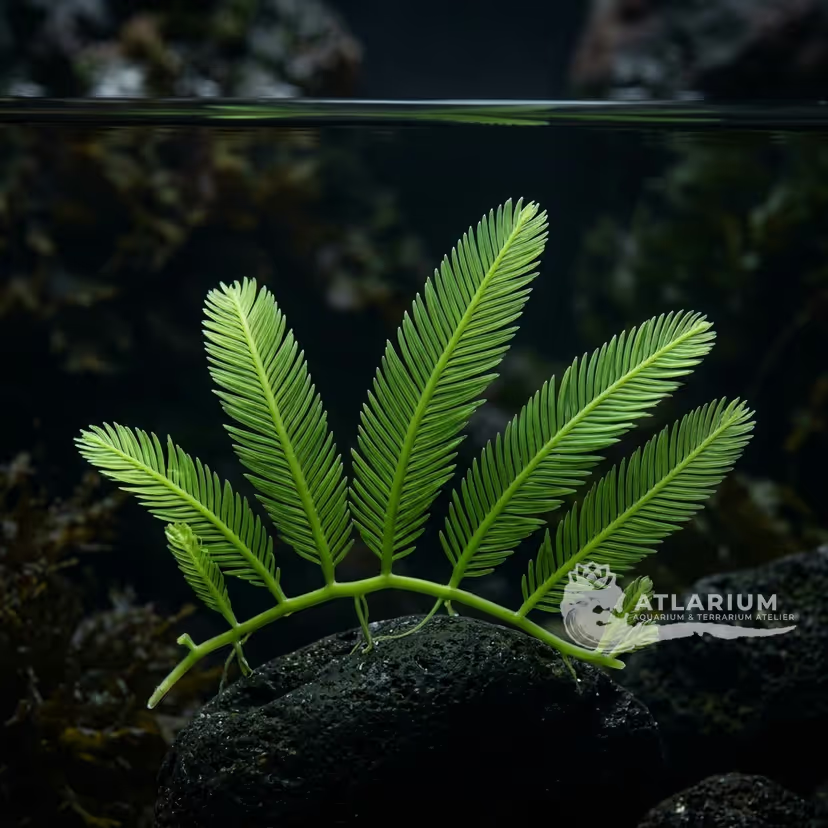
Caulerpa prolifera
Plant

Caulerpa prolifera

Caulerpa prolifera
View details->
Caulerpa taxifolia
Plant

Caulerpa taxifolia

Caulerpa taxifolia
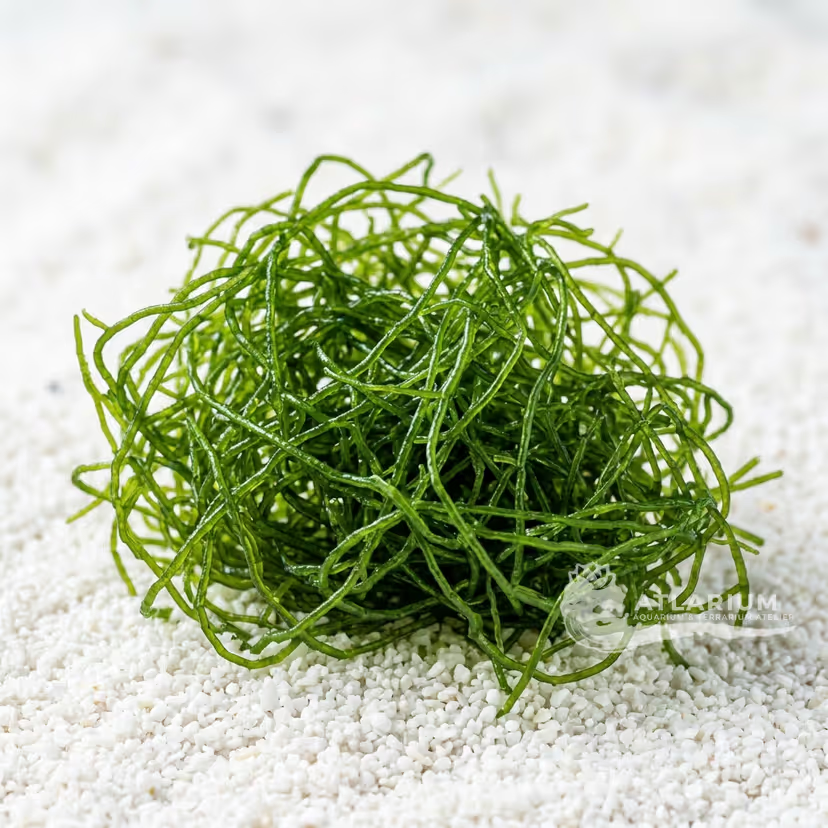
View details->
Chaetomorpha macroalgae
Plant

Chaetomorpha macroalgae

Chaetomorpha linum

View details->
Dead man fingers algae
Plant

Dead man fingers algae

Codium fragile

View details->
Halimeda macroalgae
Plant

Halimeda macroalgae

Halimeda opuntia

View details->
Peacock tail algae
Plant

Peacock tail algae

Padina pavonica

View details->
Red gracilaria
Plant

Red gracilaria

Gracilaria parvispora

View details->
Red grape algae
Plant

Red grape algae

Botryocladia uvaria

View details->
Sea lettuce
Plant

Sea lettuce

Ulva lactuca

View details->
Red Mangrove
Plant

Red Mangrove

Rhizophora mangle

View details->

Similar care

Cards with similar requirements, difficulty, habitat, and husbandry profile.

Brown Coral Blenny

Brown Coral Blenny

Atrosalarias fuscus

View details->
Harptail Blenny

Harptail Blenny

Meiacanthus mossambicus
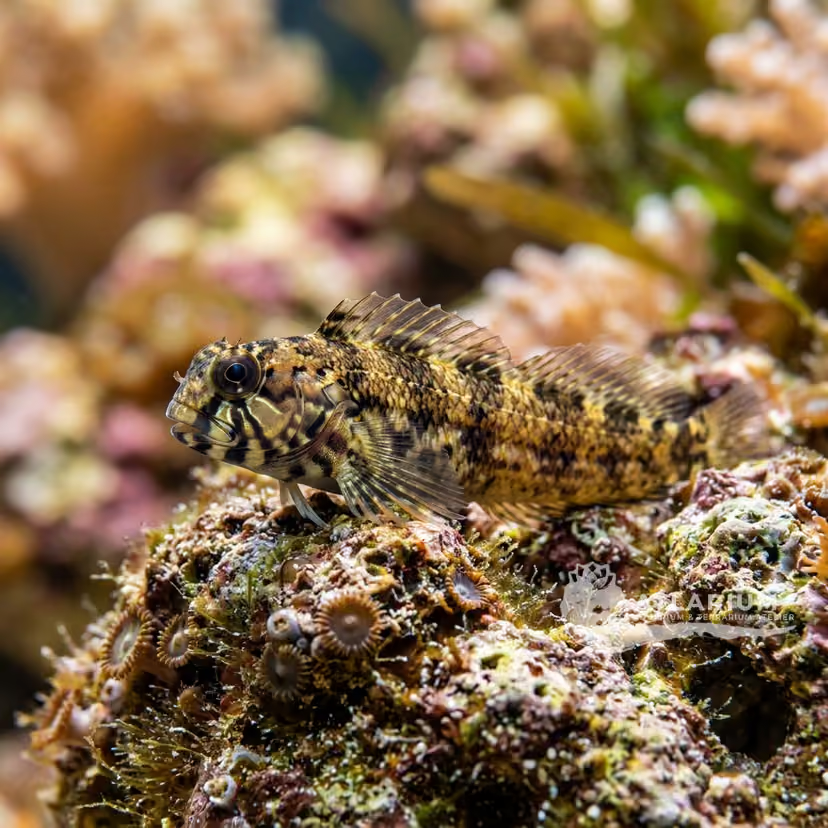
View details->
Queensland Blenny

Queensland Blenny

Ecsenius mandibularis
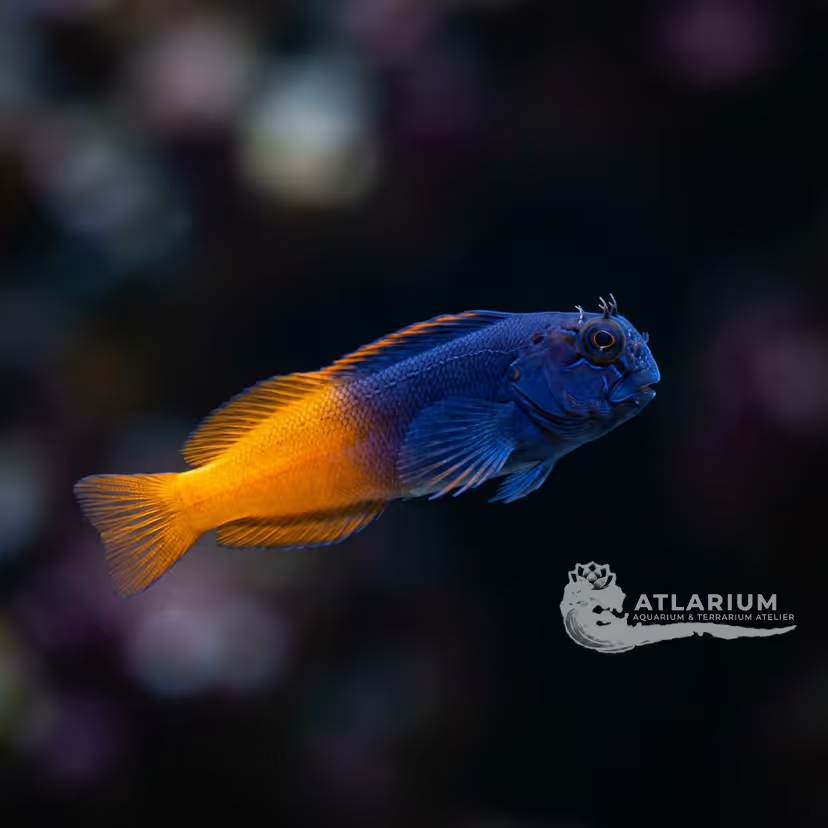
View details->
Gravier's Blenny

Gravier's Blenny

Ecsenius gravieri

View details->
Red-streaked blenny

Red-streaked blenny

Cirripectes stigmaticus

View details->
Starry blenny

Starry blenny

Salarias ramosus

View details->
Greek Blenny

Greek Blenny

Ecsenius

View details->
Bath's Combtooth Blenny

Bath's Combtooth Blenny

Ecsenius bathi

View details->
Coral Hawkfish

Coral Hawkfish

Cirrhitichthys oxycephalus

View details->
Dilemma Blenny

Dilemma Blenny

Ecsenius dilemma

View details->
Fourline Blenny

Fourline Blenny

Ecsenius aequalis

View details->
Yaeyama Blenny

Yaeyama Blenny

Ecsenius yaeyamaensis

View details->
Wolf fangblenny

Wolf fangblenny

Petroscirtes lupus

View details->
Beautiful Blenny

Beautiful Blenny

Ecsenius pulcher

View details->
Canary fangblenny

Canary fangblenny

Meiacanthus oualanensis
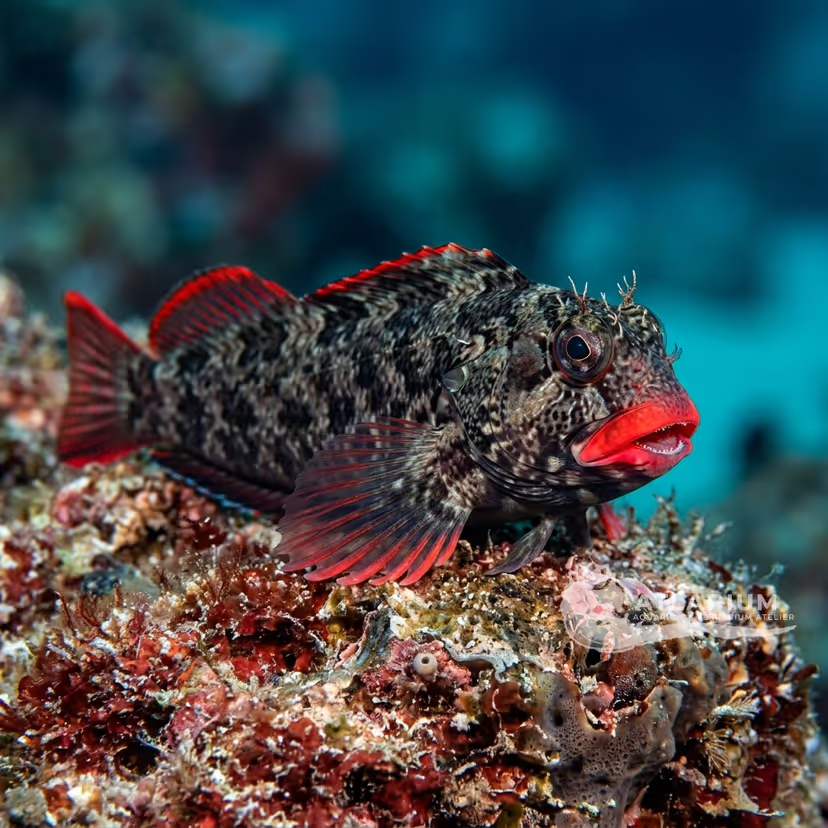
View details->
Redlip Blenny

Redlip Blenny

Ophioblennius atlanticus

View details->
Last updated: 06/30/2026
Orange-spotted Blenny (Blenniella chrysospilos) Care Guide & Tank Setup | Atlarium