

Encyclopaedia
Harptail Blenny
Meiacanthus mossambicus
The harptail blenny (Meiacanthus mossambicus) is a hardy, golden-brown marine fish from East Africa, known for its lyre-shaped tail and defensive venomous fangs.
Share
Check out Harptail Blenny on Atlarium
22 - 27 °C
8.1 - 8.5
Marine
Bottom and middle
9 cm
>= 120 L
>= 1
8 - 12 dKH
Species description
Care, breeding and tankmates
Geographic Origin and Distribution
Origin
Fish profile
- Temperament
- Semi-aggressive
- Diet
- Omnivore
- Sex ratio
- Flexible
- Feeding frequency
- Twice daily
- Bioload
- The Mozambique Fang Blenny produces a minimal bioload making them suitable for smaller marine aquariums. They do not significantly impact nitrate or phosphate levels if fed correctly. Standard marine filtration and regular, modest water changes are entirely sufficient to maintain excellent water parameters. They are quite hardy and resilient to minor fluctuations in water chemistry.
- Flow
- Moderate
- Jump risk
- Yes
- Reproduction
- Oviparous
- Compatibility & tankmates
- With caution
- Tank level
- Middle/Bottom
Window to the official scientific data of the species
Scientific Parameters & Models
- Trophic level
- 3.4 ± 0.4 se
- Resilience
- High (less than 15 months)
- Phylogenetic uniqueness (PD50)
- 0.5
- Bayesian Length-Weight
- a = 0.01047, b = 3.08
Image gallery
Licensed images linked to the species or, when marked, to the closest representative taxon.
Related species
Recommendations grouped by close relatives, companion choices, and similar care.
Variants and close relatives
Same atlas type, nearby scientific identity, genus, or family.
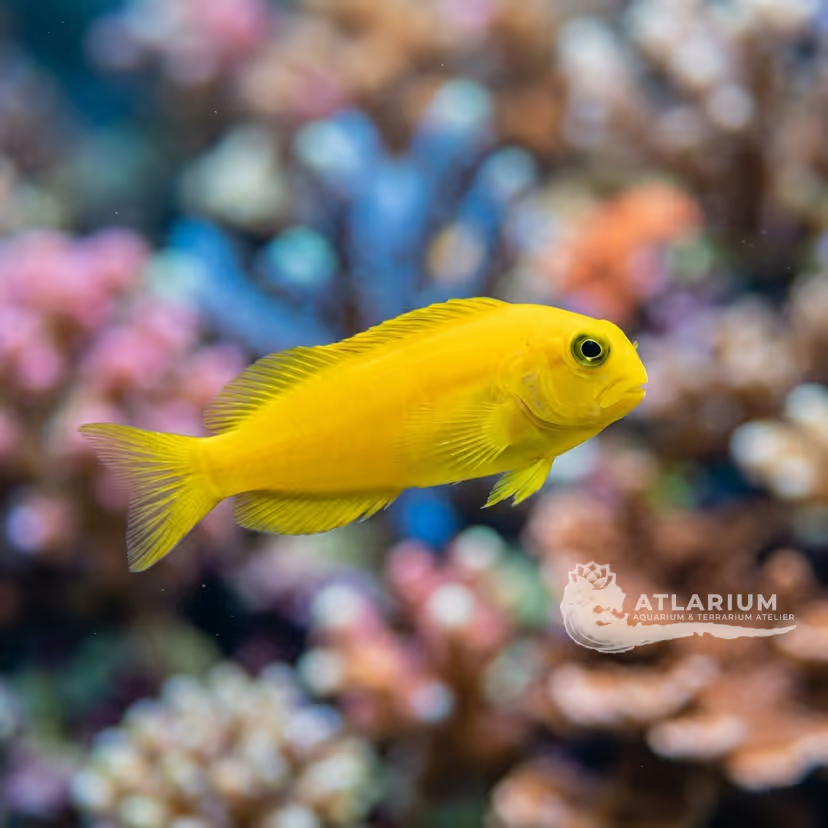
Canary fangblenny
Meiacanthus oualanensis

One-stripe Fangblenny
Meiacanthus ditrema

Forktail blenny
Meiacanthus atrodorsalis

Striped fangblenny
Meiacanthus grammistes
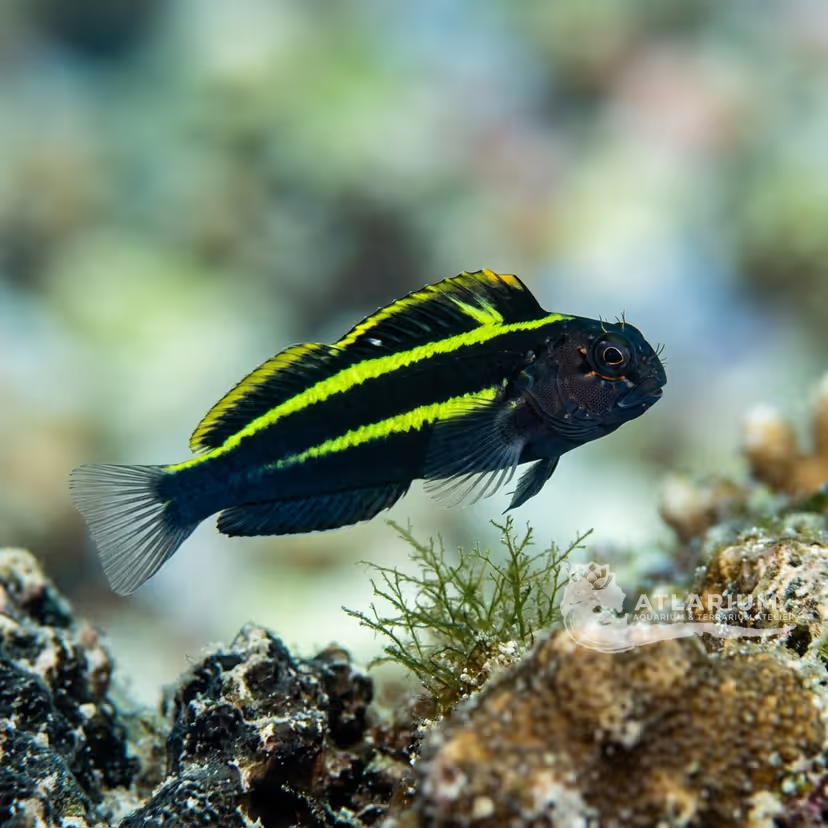
Bundoon blenny
Meiacanthus bundoon

Kamohara Blenny
Meiacanthus kamoharai

Brown Coral Blenny
Atrosalarias fuscus

Red-streaked blenny
Cirripectes stigmaticus

Orange-spotted Blenny
Blenniella chrysospilos
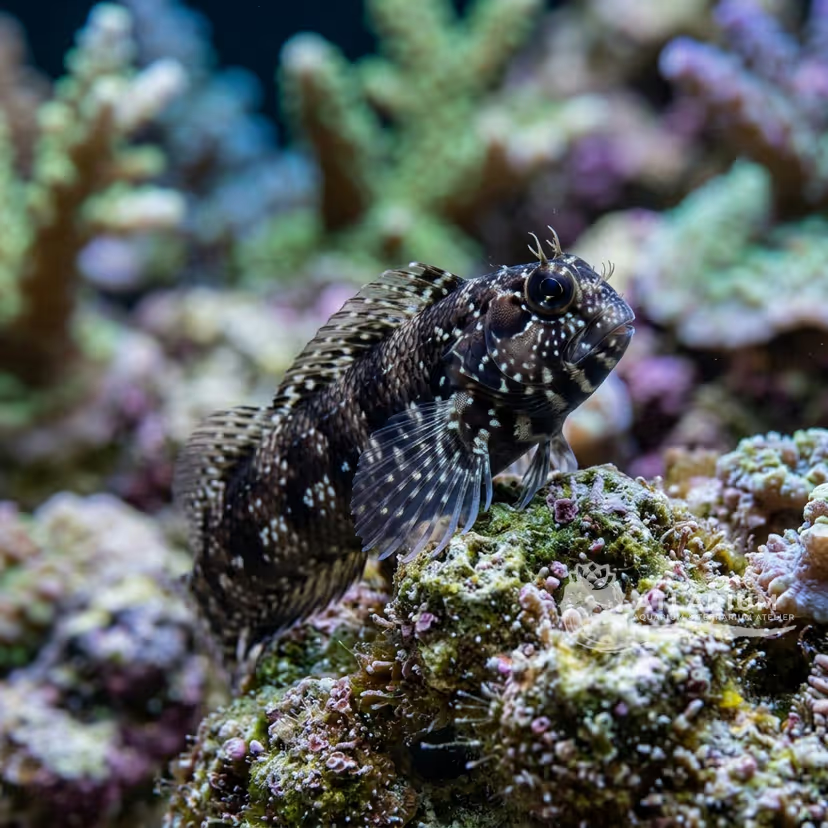
Springer's Blenny
Ecsenius springeri
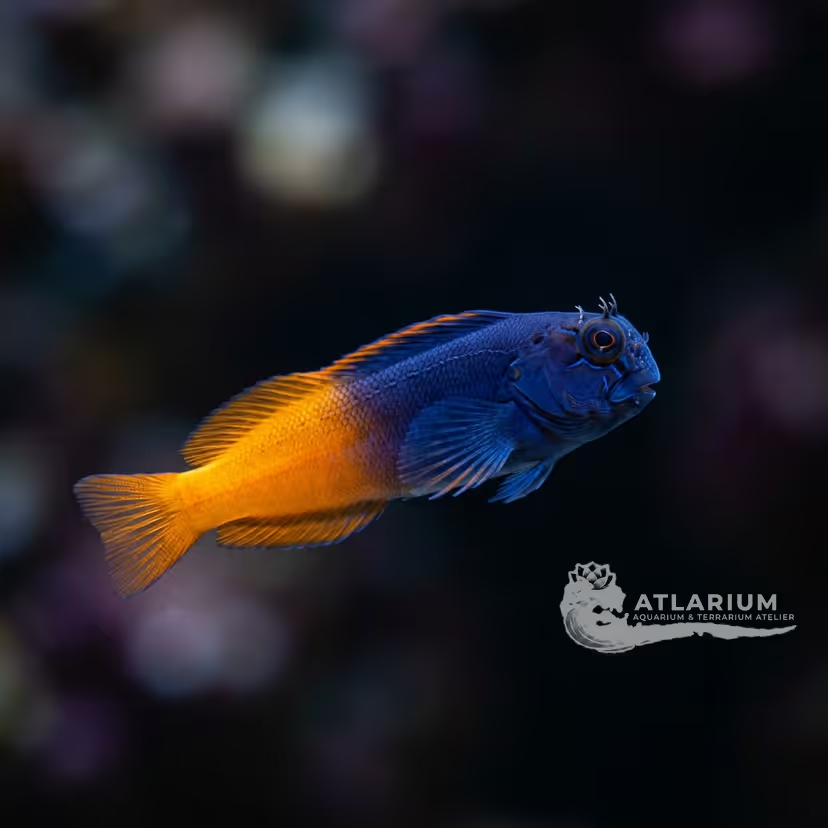
Gravier's Blenny
Ecsenius gravieri

Starry blenny
Salarias ramosus
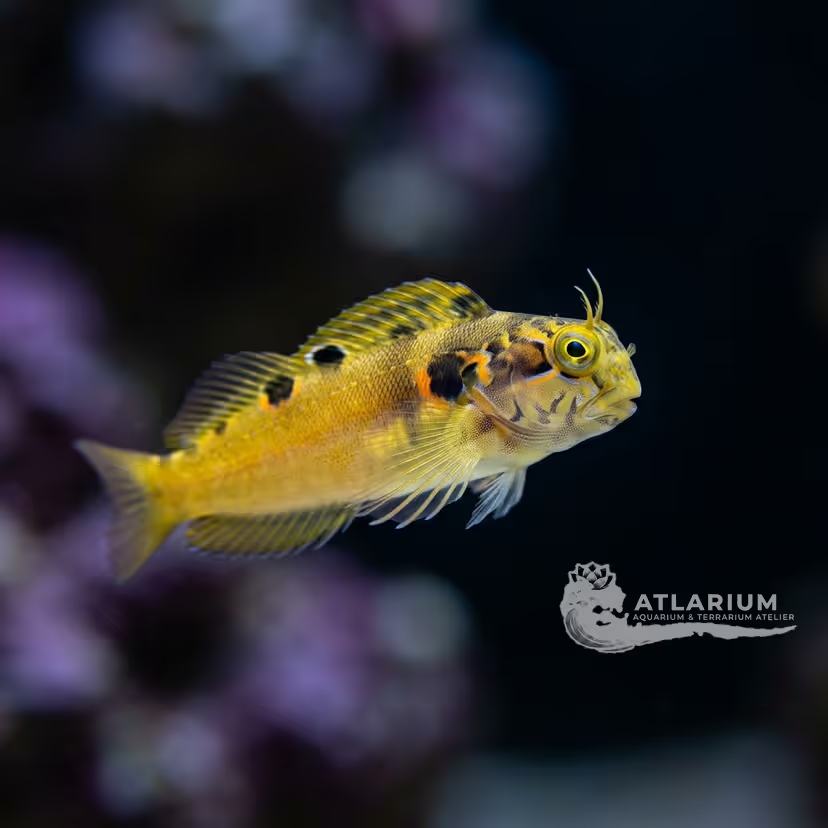
Two-spot bimaculatus blenny
Ecsenius bimaculatus
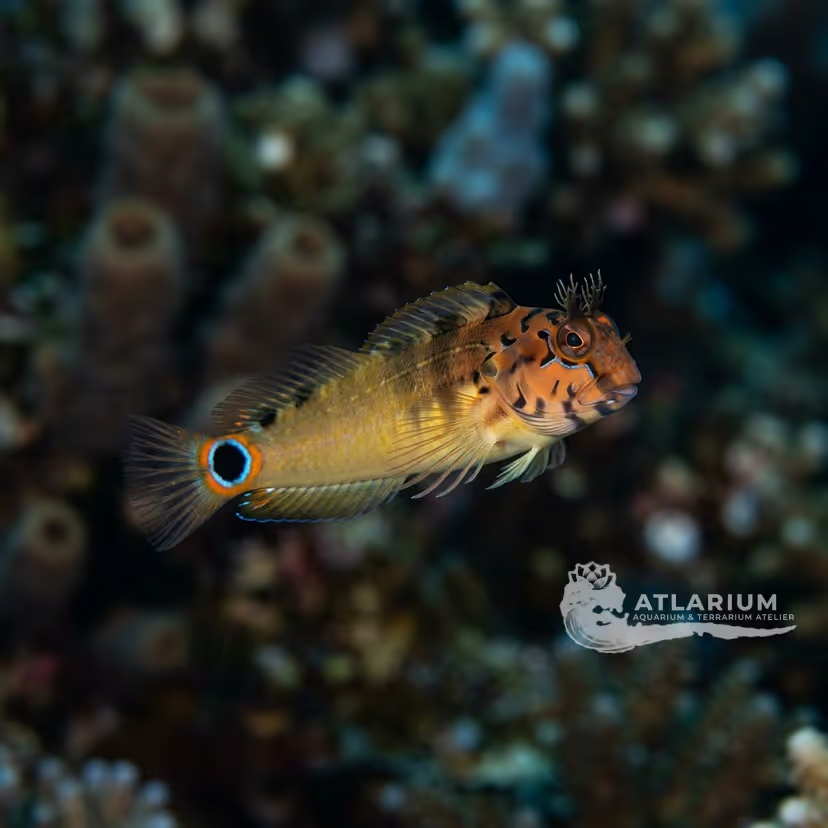
Tailspot blenny
Ecsenius stigmatura
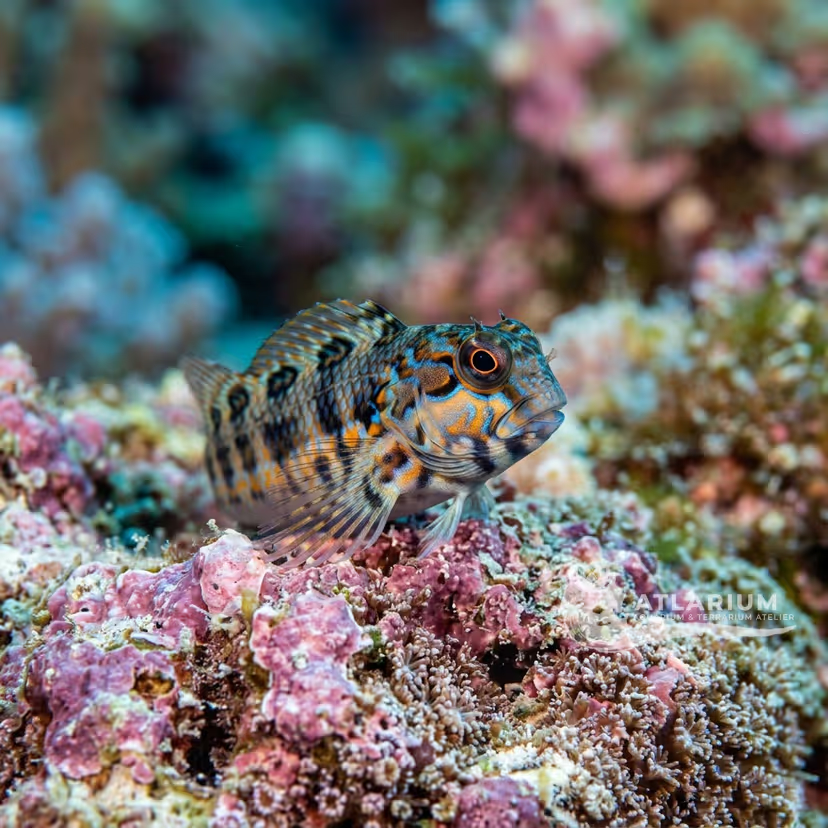
Allen's blenny
Ecsenius alleni

Aron's blenny
Ecsenius aroni
Recommended companions
Compatible cards from coherent ecosystems with matching parameters.

Grape caulerpa
Caulerpa racemosa

Caulerpa prolifera
Caulerpa prolifera
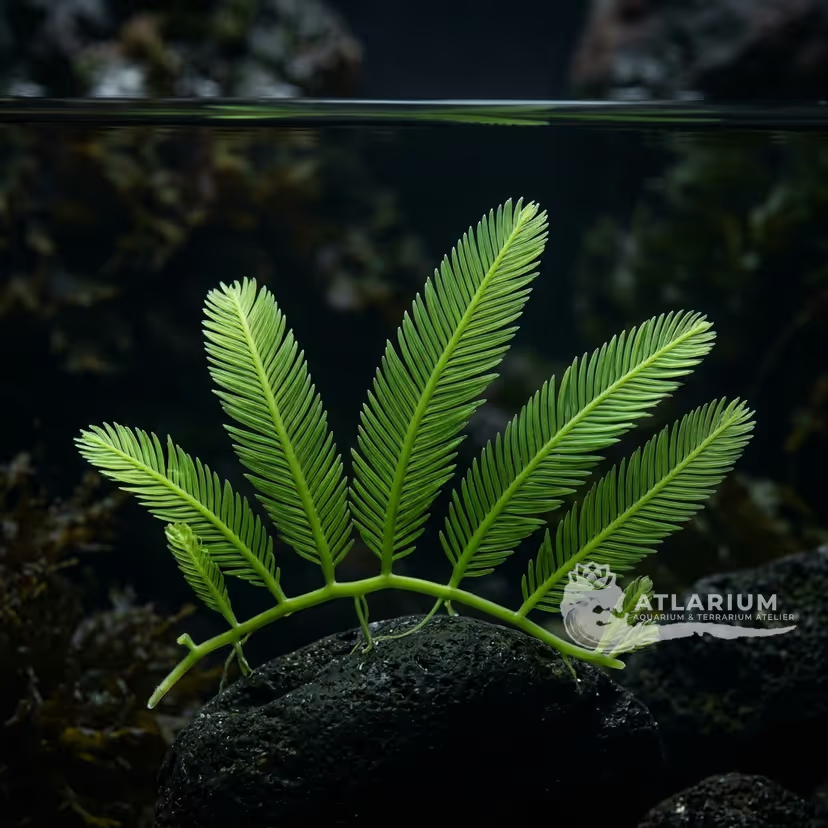
Caulerpa taxifolia
Caulerpa taxifolia
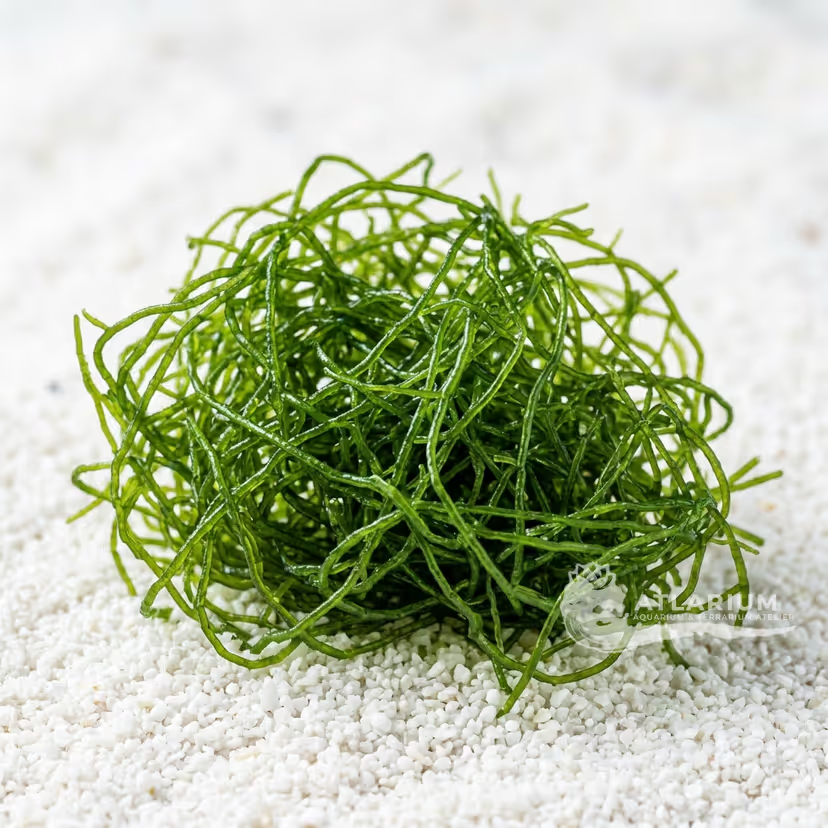
Chaetomorpha macroalgae
Chaetomorpha linum

Dead man fingers algae
Codium fragile

Halimeda macroalgae
Halimeda opuntia

Peacock tail algae
Padina pavonica

Red gracilaria
Gracilaria parvispora

Red grape algae
Botryocladia uvaria

Sea lettuce
Ulva lactuca

Red Mangrove
Rhizophora mangle
Similar care
Cards with similar requirements, difficulty, habitat, and husbandry profile.

Chestnut Eyelash Blenny
Cirripectes castaneus
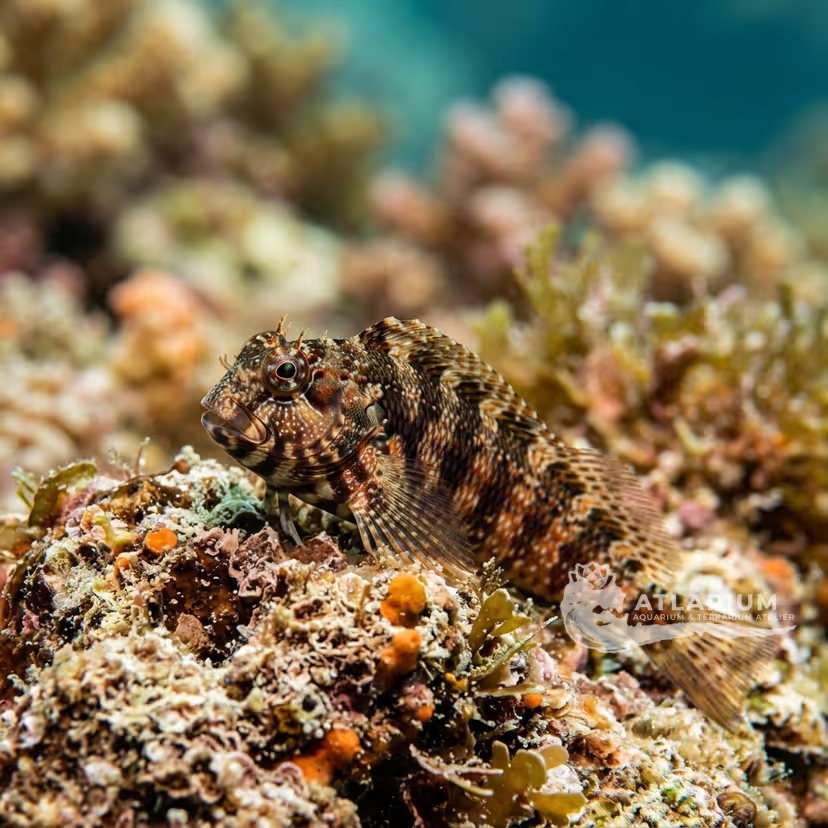
Patzner's Blenny
Salarias patzneri

Canary damselfish
Chrysiptera galba

Azure damselfish
Chrysiptera hemicyanea

Wolf fangblenny
Petroscirtes lupus

Linear Blenny
Ecsenius lineatus
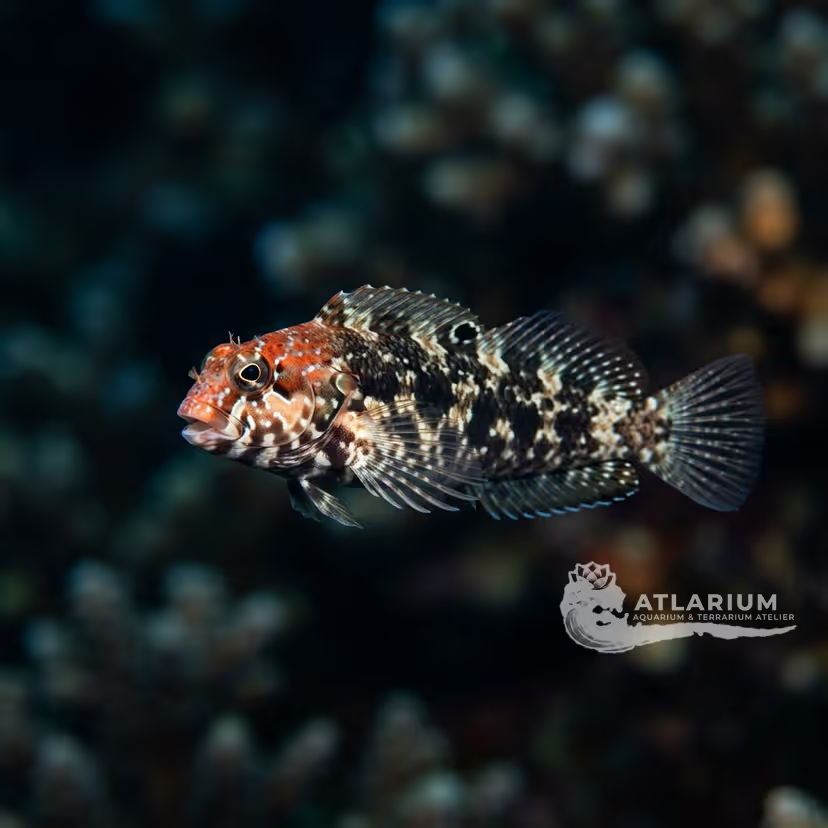
Yaeyama Blenny
Ecsenius yaeyamaensis

Shorthead fangblenny
Petroscirtes breviceps

Talbot's Damselfish
Chrysiptera talboti

Coral Hawkfish
Cirrhitichthys oxycephalus
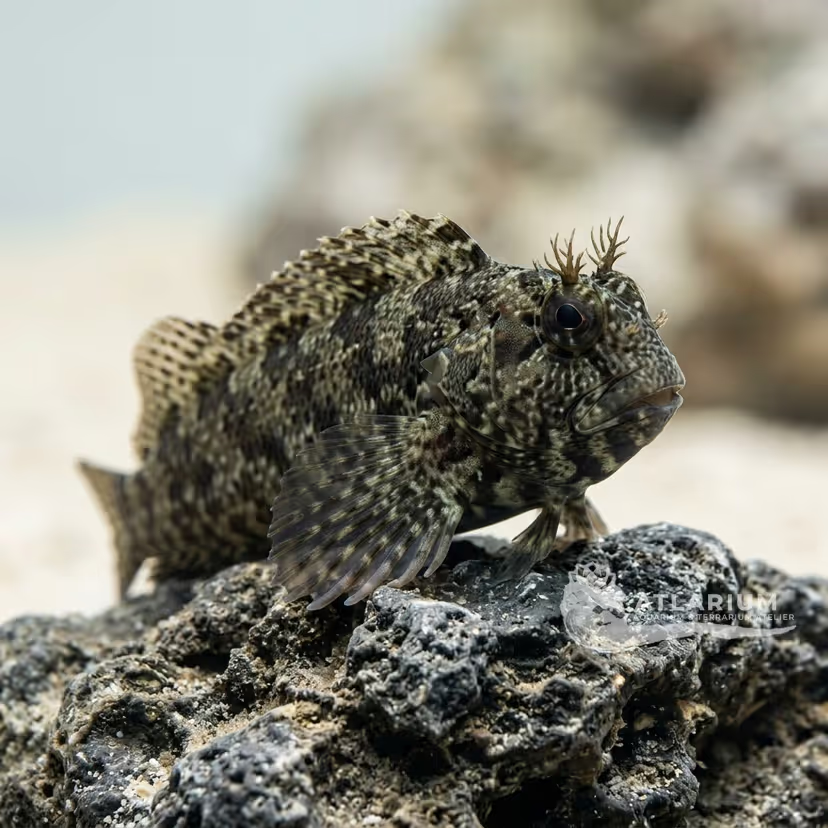
Lawnmower Blenny
Salarias fasciatus
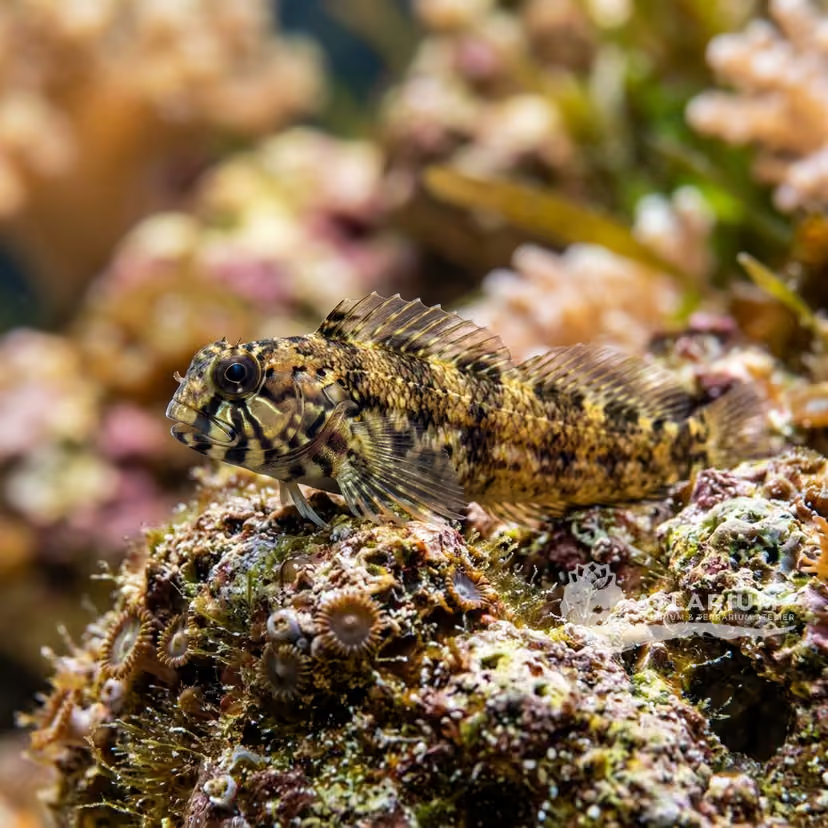
Queensland Blenny
Ecsenius mandibularis
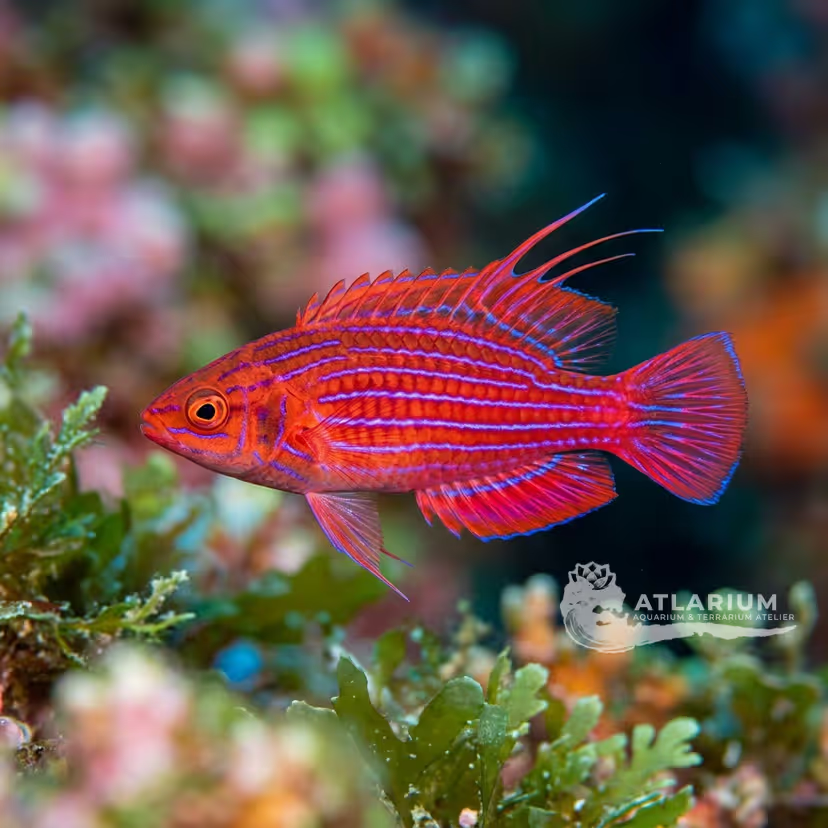
Eightline flasher wrasse
Paracheilinus octotaenia

Ambon Damselfish
Pomacentrus amboinensis
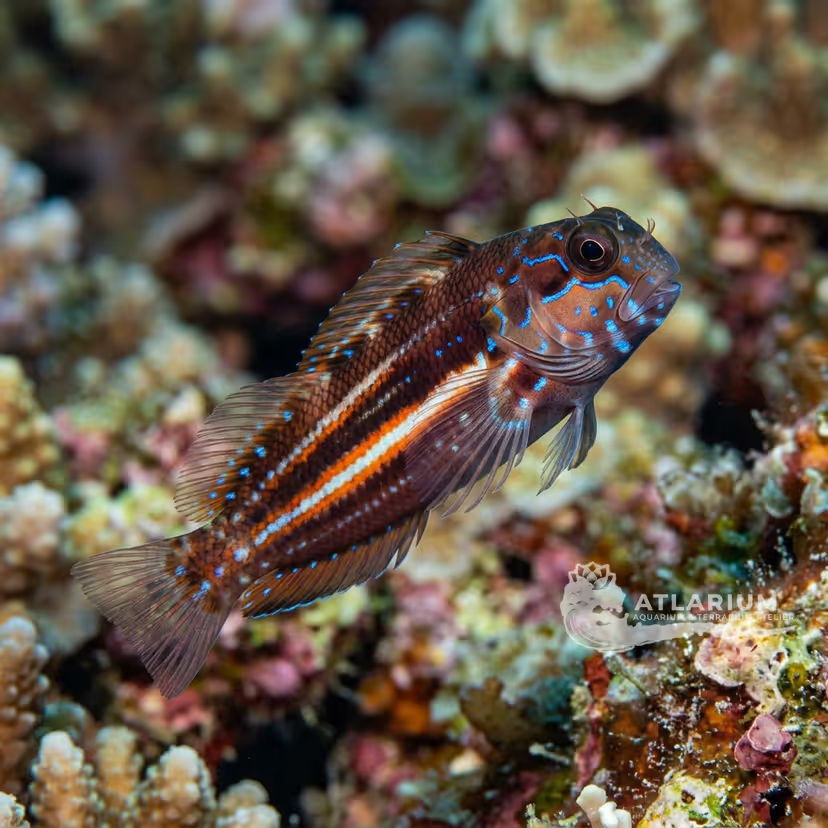
Beautiful Blenny
Ecsenius pulcher
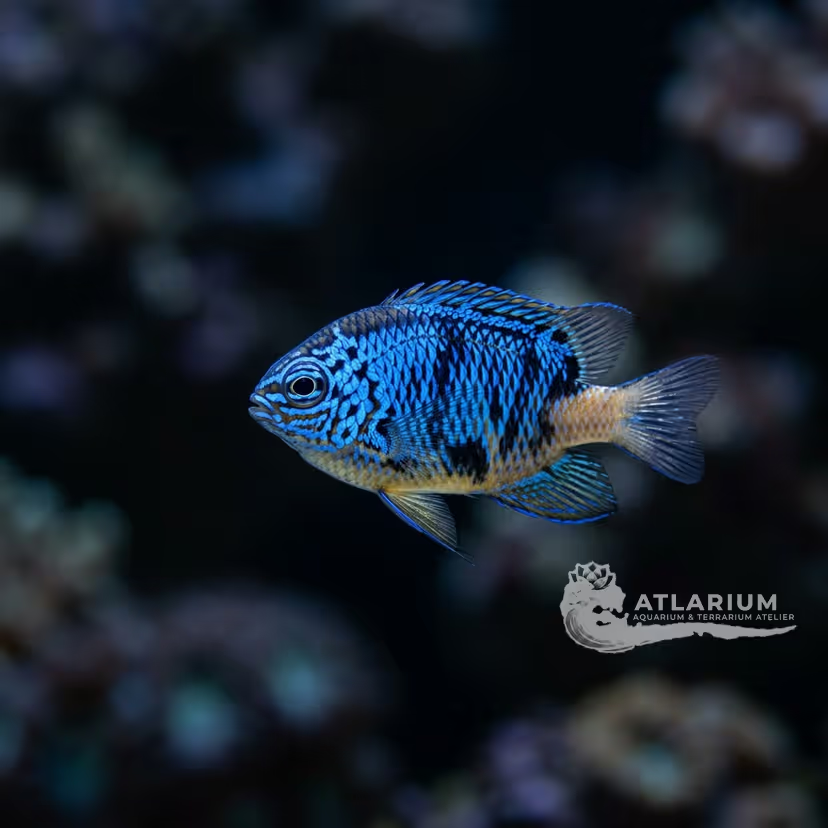
Springer's Damselfish
Chrysiptera springeri