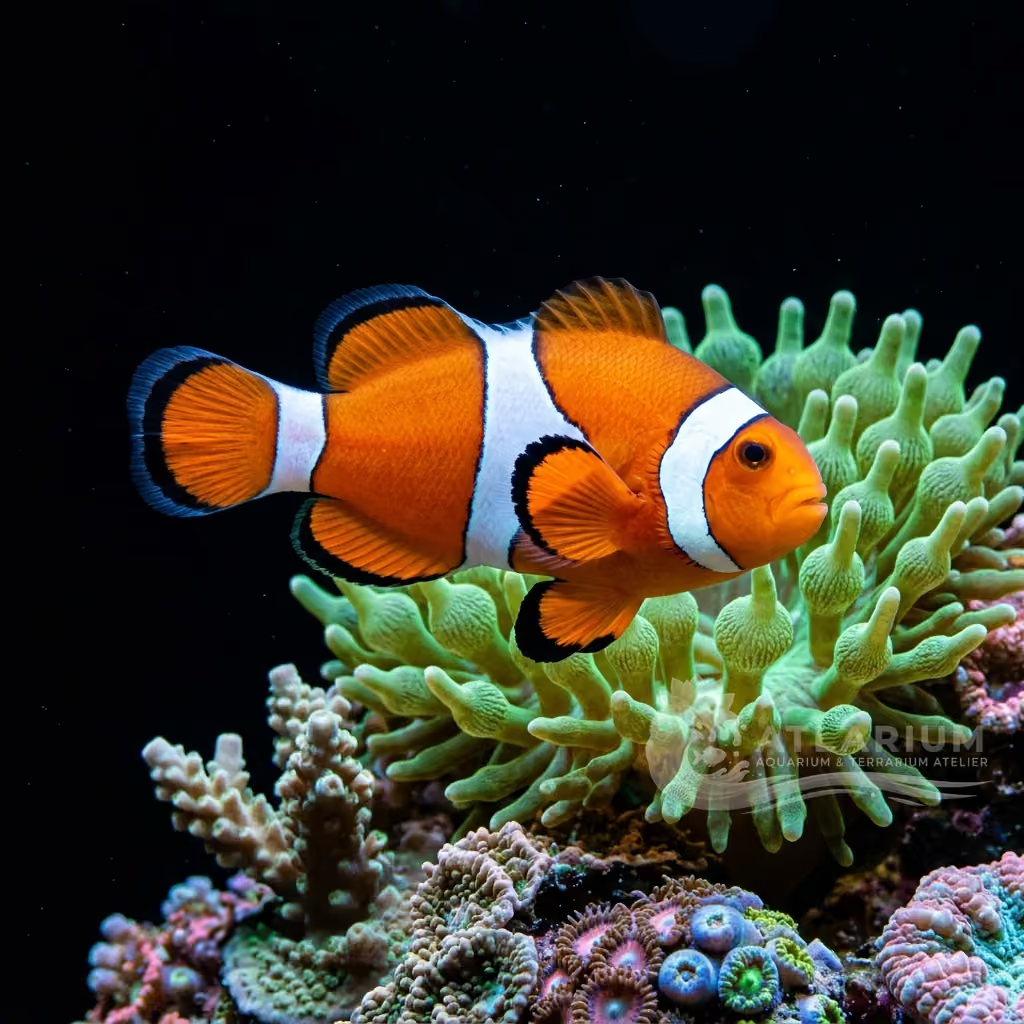
Azure damselfish
Chrysiptera hemicyanea
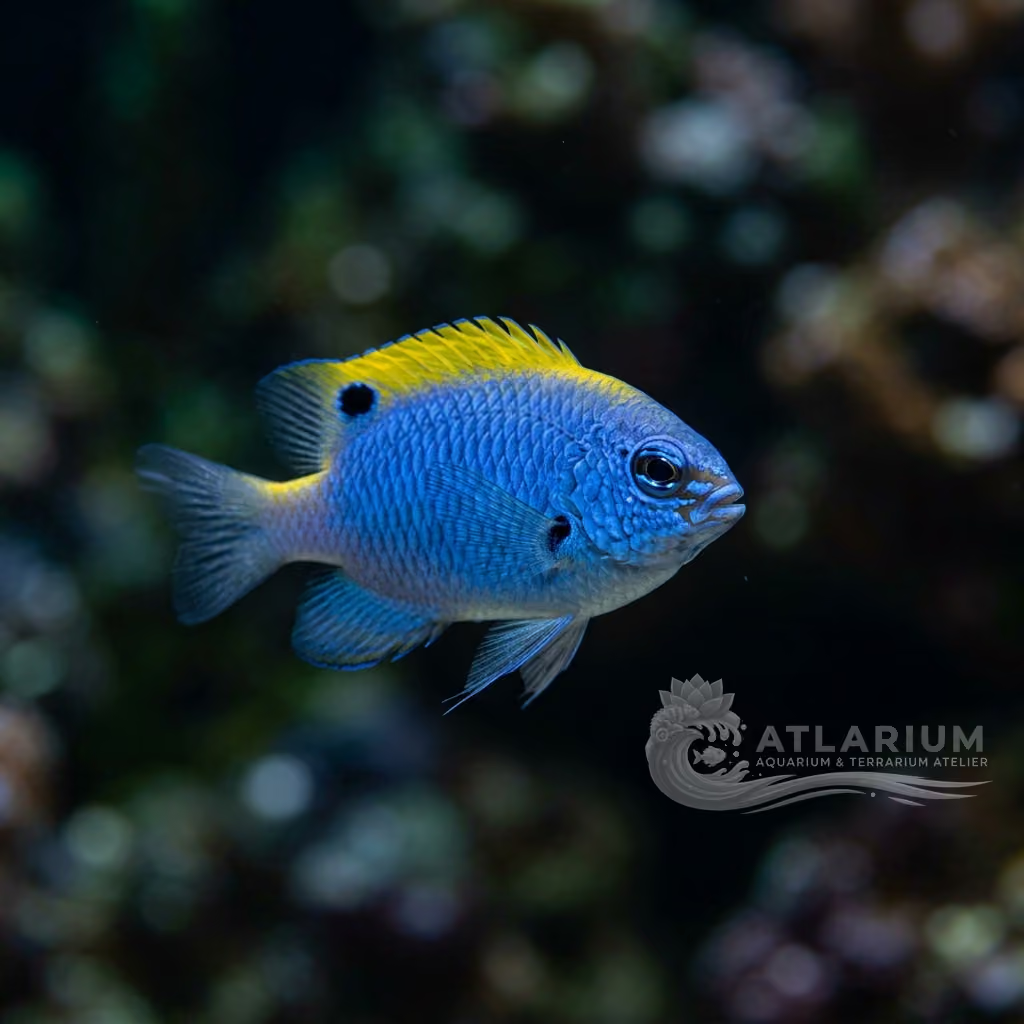
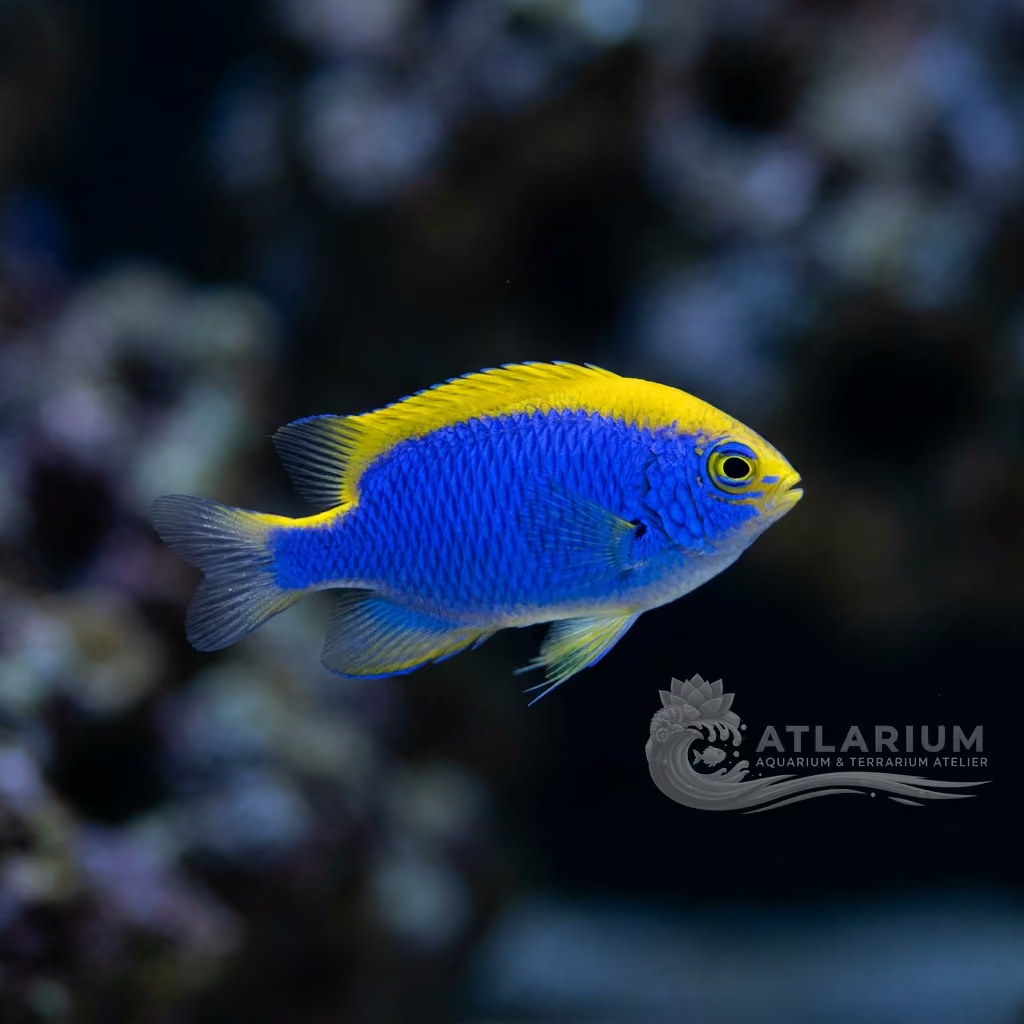
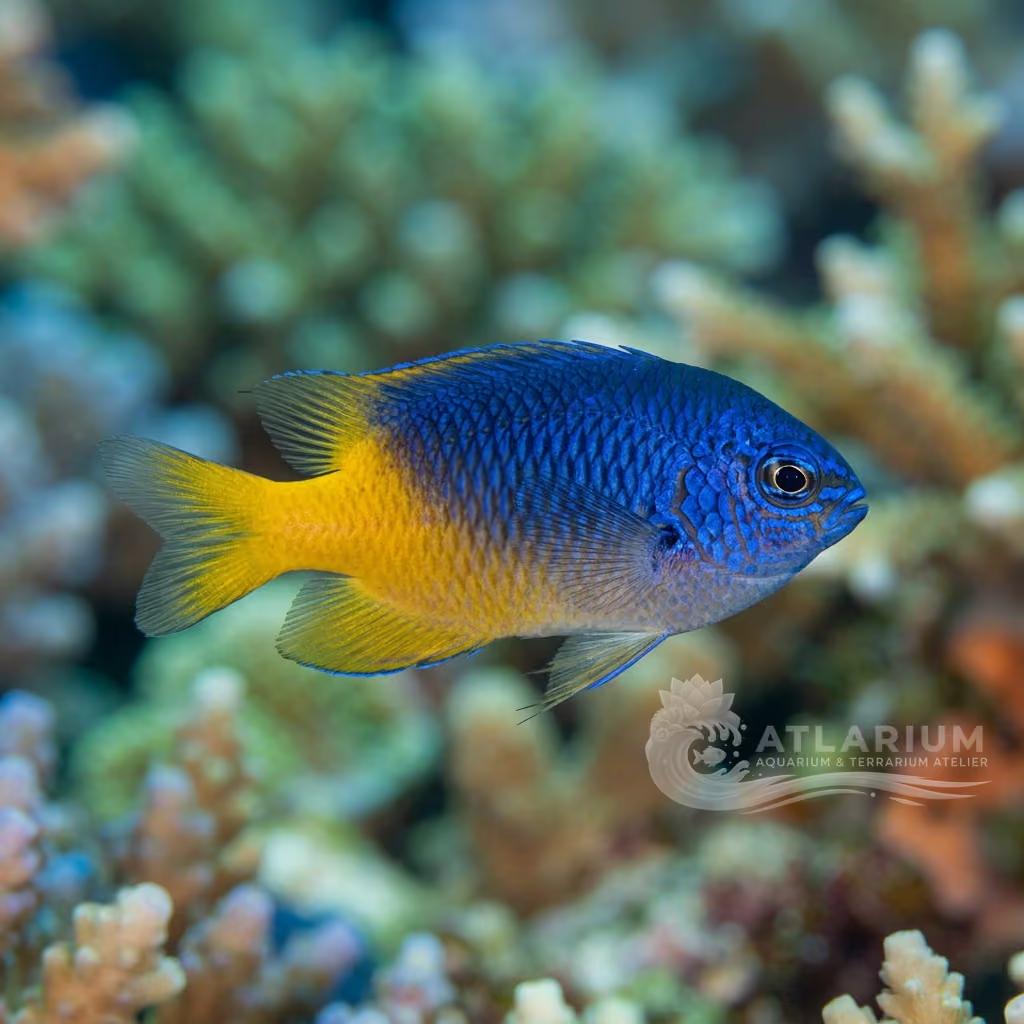
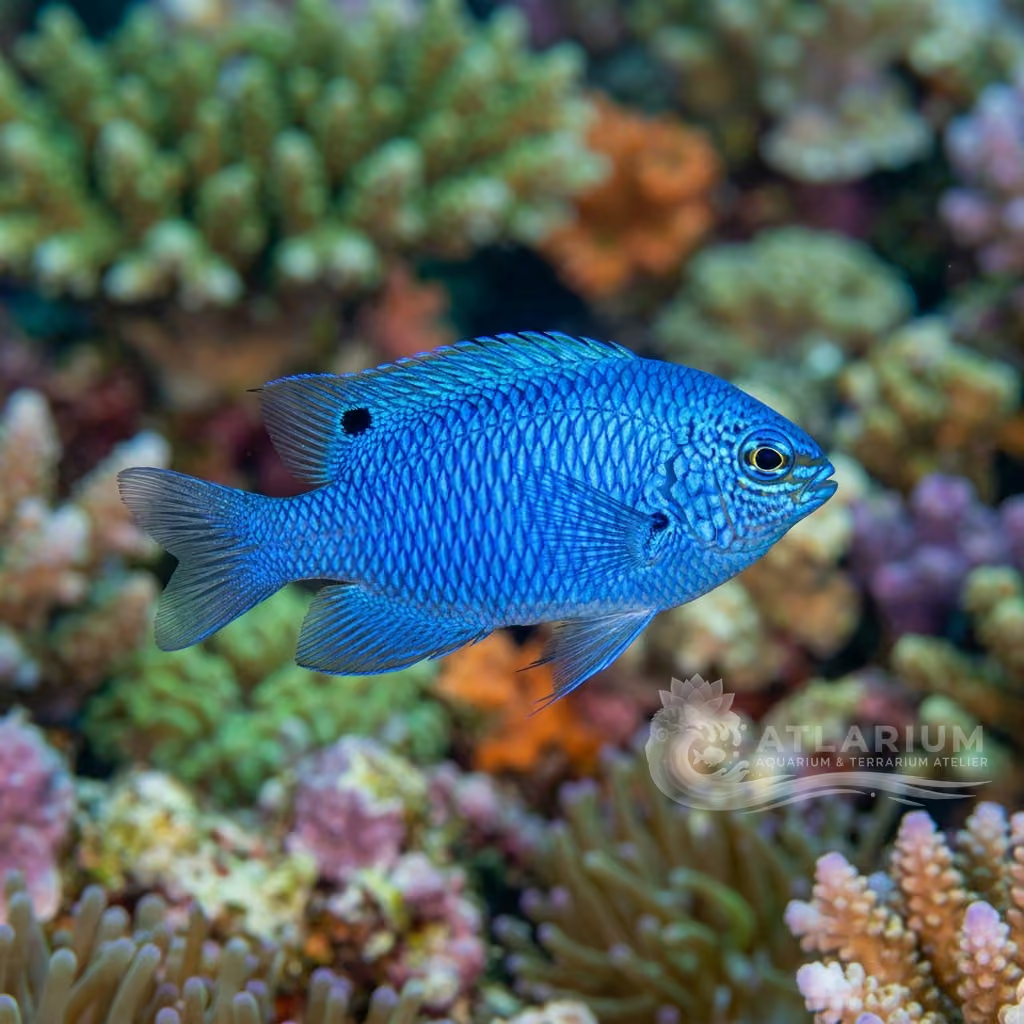
A vibrant and hardy marine damselfish, characterized by the striking contrast between its metallic blue body and bright yellow lower section and tail.
Water Temperature
24 - 27 °C
pH Value
8.1 - 8.4
Water type
Marine
Tank level
Bottom and middle
Adult size
7 cm
Minimum tank volume
>= 100 L
Minimum group
>= 1
KH
8 - 12 dKH

Species description
Geographical Origin and Habitat: Chrysiptera hemicyanea is widely distributed throughout the tropical waters of the Western Pacific. It is particularly common in Indonesia, the Philippines, the Solomon Islands, and the Great Barrier Reef in Australia. It inhabits sheltered coral reefs, shallow lagoons, and protected reef slopes at depths typically ranging from 1 to 15 meters. It lives in close association with branching corals, especially of the genus Acropora, using them as immediate shelter in case of danger or threat from predators.
Taxonomy and Morphology: Belonging to the family Pomacentridae, subfamily Pomacentrinae, and genus Chrysiptera. It features a laterally compressed, moderately deep body typical of damselfishes. The mouth is small and equipped with tiny teeth adapted for catching zooplankton. Adults are small, reaching a maximum length of 6 to 7 centimeters, which makes them very suitable for medium-sized aquariums.
Social Behavior: It is an active, free-swimming, and territorial species. Compared to other more aggressive damselfishes (such as those of the genus Dascyllus), Chrysiptera hemicyanea shows moderate aggressiveness, focused mainly on defending its chosen coral shelter. In the wild, it lives in small loose groups associated with individual coral colonies. In the aquarium, it establishes small territories that it vigorously defends against similar-sized fish, while ignoring larger species.
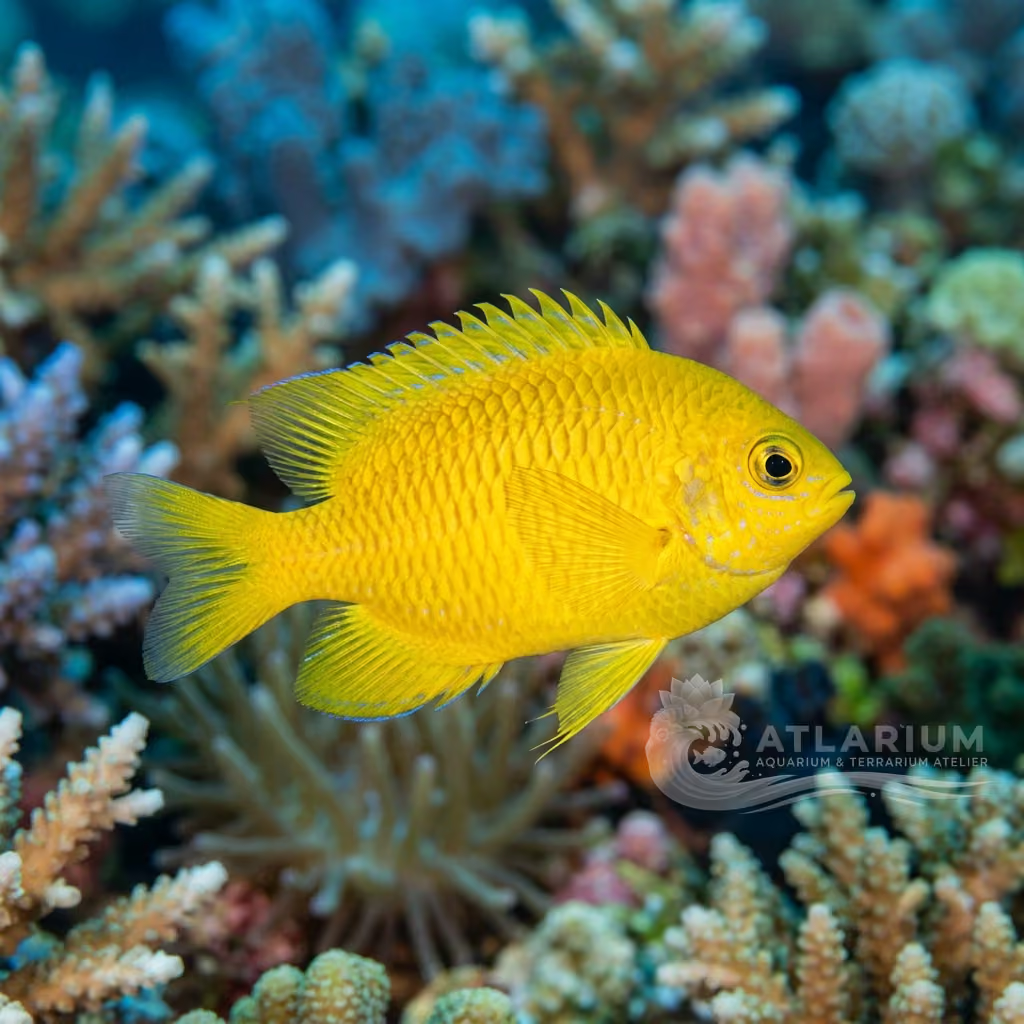
Coloration and Sexual Dimorphism: The coloration is spectacular: the upper two-thirds of the body are a deep, brilliant electric metallic blue, while the lower belly, anal fin, and caudal fin are a bright lemon yellow. This color combination creates a striking visual contrast. There is no visible sexual dimorphism between males and females; males may grow slightly larger and display brighter colors during the breeding season.

Care, breeding and tankmates
Aquarium Setup: Requires an aquarium with a minimum capacity of 100 liters (approx. 25 gallons) to house a single specimen or a mated pair. The setup must include rockwork with numerous crevices and caves, and ideally branching stony corals (live or artificial) to replicate their natural biotope. The more hiding places available, the less territorial aggression the fish will show toward other tank inhabitants.
Diet and Feeding: An omnivore and very undemanding. In the aquarium, it immediately accepts all types of commercial food, including flakes, small pellets, freeze-dried, and frozen foods like mysis, brine shrimp, and chopped krill. It is advisable to supplement the diet with spirulina-based preparations to maintain the vibrant blue and yellow coloration and ensure proper overall vitamin intake.
Water Quality: Being an extremely hardy species, it tolerates minor parameter fluctuations, but to ensure optimal conditions, the following are recommended: temperature 24-28°C (75-82°F), pH 8.1-8.4, specific gravity 1.021-1.025, and low levels of nitrogenous compounds. A standard filtration system with good water movement and regular partial water changes of 10% every two weeks is sufficient.
Compatibility and Cohabitation: It is one of the most suitable damselfishes for reef aquariums. It coexists peacefully with corals and invertebrates. It can be kept with moderately active fish like surgeonfish, wrasses, clownfish, and gobies. Avoid introducing extremely shy or slow-moving species that might be harassed, and do not house too many specimens of the same species unless the tank is very large (over 300 liters) to prevent fighting.
Aquarium Breeding: Breeding in the aquarium is possible and has been documented. They are demersal spawners: the female deposits adhesive eggs on a clean rocky surface within the male's territory, and the male fertilizes and jealously guards them, fanning them continuously until they hatch (about 3-5 days). The larvae are planktonic and require rotifers and phytoplankton to survive.
Risks and Diseases: It is an exceptionally resilient fish that rarely falls ill. However, it can contract parasitic infections like marine ich under conditions of severe stress or poor tank hygiene. The main risk in small aquariums is the development of strong intraspecific aggression or hostility toward new introductions; therefore, it is recommended to introduce this species as one of the last in the community.

Geographic origin and distribution
Chrysiptera hemicyanea is widely distributed throughout the tropical waters of the Western Pacific. It is particularly common in Indonesia, the Philippines, the Solomon Islands, and the Great Barrier Reef in Australia. It inhabits sheltered coral reefs, shallow lagoons, and protected reef slopes at depths typically ranging from 1 to 15 meters. It lives in close association with branching corals, especially of the genus Acropora, using them as immediate shelter in case of danger or threat from predators.
Origin
Tropical oceans and reefsSouth and Southeast AsiaAustralia, New Guinea, and Oceania

Fish profile
- Temperament
- Semi-aggressive
- This species has a semi-aggressive and highly active temperament, spending most of its time swimming near rock formations in the lower-middle water column. They will claim a specific territory among the live rock and defend it from perceived intruders. Having a spacious tank with ample rockwork allows them to feel secure and reduces the intensity of their territorial behaviors.
- Diet
- Omnivore
- As omnivores, these fish require a varied diet consisting of both meaty foods and algae. They should be fed high-quality marine flakes, pellets, and frozen foods such as mysis shrimp, brine shrimp, and copepods. Regular supplementation with spirulina or other algae-based foods helps support their digestive health and maintains their striking blue and yellow coloration.
- Life expectancy
- 5-15 years
- Adult size
- 7 cm
- Sex ratio
- Solitary
- Solitary
- Feeding frequency
- 2-3 times daily
- They should be fed small portions two to three times daily to match their active foraging behavior and high metabolism. Spreading their meals throughout the day mimics their natural feeding patterns on the reef and helps minimize food-related aggression. Ensure they only receive what they can consume in under two minutes to avoid nutrient spikes.
- Bioload
- Low to Medium
- The azure damselfish is a small, robust fish that contributes a very manageable biological load to the marine aquarium. Given their diminutive adult size, they consume relatively small amounts of food, resulting in minimal waste production. They are an excellent choice for smaller tanks or heavily stocked reef aquariums where maintaining pristine water quality is a priority. Standard skimming and biological filtration are more than adequate to handle the nutrients introduced by this species.
- Flow
- Moderate
- This species prefers moderate water flow, which helps simulate the gentle currents of their native shallow lagoons and reefs. Adequate water movement keeps the tank well-oxygenated and encourages healthy swimming activity. It also helps sweep food through the water column, enabling their natural planktonic feeding style.
- Jump risk
- No
- Reproduction
- Oviparous
- Breeding the Azure Damselfish in captivity is possible, but raising the larvae is highly challenging and seldom successful in home aquariums. During spawning, a male will prepare a nesting site on a flat rock or shell and perform courtship displays to attract a mate. The female deposits demersal, adhesive eggs, which the male protects and fans until hatching. The pelagic larvae require specialized microscopic live foods to survive.
- Compatibility & tankmates
- Reef safe
- The Azure Damselfish is reef-safe and is considered one of the less aggressive species within the damselfish family. They coexist well with corals, invertebrates, and other active, semi-aggressive fish like dottybacks, dwarf angels, and wrasses. However, they can still show territorial aggression towards similar-shaped or colored fish, so providing separate rocky caves is necessary.
- Tank level
- Middle/Bottom
- Azure damselfish predominantly inhabit the lower to middle sections of the aquarium, staying tightly associated with the rockwork and substrate. They spend most of their day darting in and out of crevices, defending their small chosen territories from intruders. They rarely venture into the upper open water unless they are actively pursuing food during feeding times. Providing a complex aquascape with plenty of hiding places encourages natural behavior and keeps them swimming confidently in the middle depths.

Scientific Parameters & Models
FishBase
Window to the official scientific data of the species
FishBase v25.04Data synced on: 06/15/2026
- Trophic level
- 2.4 ± 0.23 se
- Resilience
- High (less than 15 months)
- Phylogenetic uniqueness (PD50)
- 0.5
- Bayesian Length-Weight
- a = 0.01445, b = 3
- VulnerabilityLow vulnerability (10 / 100)

Related species
Recommendations grouped by close relatives, companion choices, and similar care.