

Encyclopaedia
One-spot Damselfish
Chrysiptera unimaculata
The One-Spot Demoiselle is an exceptionally hardy, highly territorial damselfish with an olive-grey body and a distinct black dorsal spot, suited for robust setups.
Share
Check out One-spot Damselfish on Atlarium
22 - 28 °C
8 - 8.5
Marine
All levels
10 cm
>= 120 L
>= 1
8 - 12 dKH
Species description
Care, breeding and tankmates
Geographic Origin and Distribution
Origin
Fish profile
- Temperament
- Aggressive
- Diet
- Omnivore
- Sex ratio
- Flexible
- Feeding frequency
- Twice daily
- Bioload
- The one-spot demoiselle creates a moderate bioload in the marine aquarium, directly tied to its highly active nature and territorial behavior. Because they burn significant energy defending their claimed space and foraging for food, they require frequent feedings that translate to elevated waste production. An established aquarium with strong mechanical and biological filtration will easily process their output. However, in smaller nano setups, their bioload might require more frequent water changes to maintain ideal water parameters.
- Flow
- Strong
- Jump risk
- No
- Reproduction
- Oviparous
- Compatibility & tankmates
- Highly aggressive
- Tank level
- All levels
Window to the official scientific data of the species
Scientific Parameters & Models
- Trophic level
- 2.1 ± 0.2 se
- Resilience
- High (less than 15 months)
- Phylogenetic uniqueness (PD50)
- 0.5
- Bayesian Length-Weight
- a = 0.01445, b = 3
Image gallery
Licensed images linked to the species or, when marked, to the closest representative taxon.
Related species
Recommendations grouped by close relatives, companion choices, and similar care.
Variants and close relatives
Same atlas type, nearby scientific identity, genus, or family.

Canary damselfish
Chrysiptera galba

Starck's Damselfish
Chrysiptera starcki

Rolland's damselfish
Chrysiptera rollandi
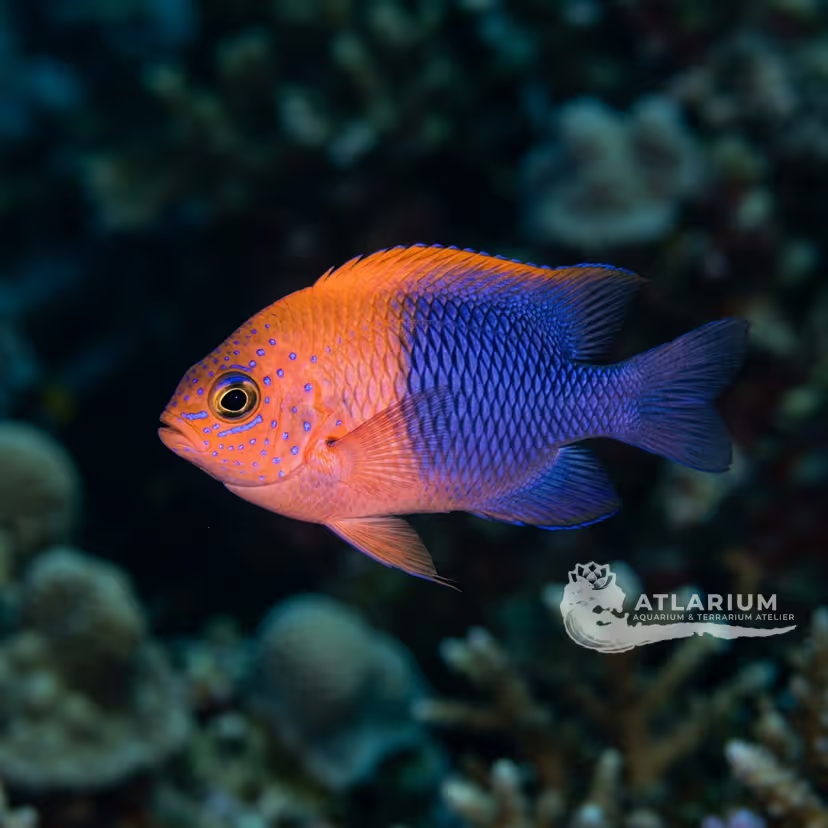
King Damselfish
Chrysiptera rex

Threeband damselfish
Chrysiptera tricincta

Azure damselfish
Chrysiptera hemicyanea

Blue Damselfish
Chrysiptera cyanea
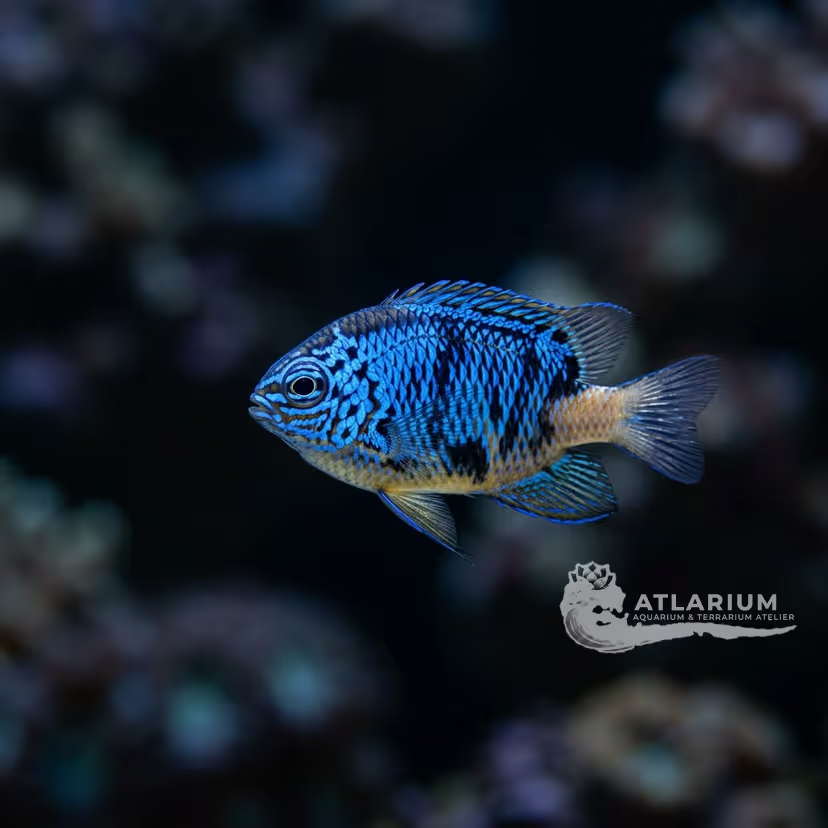
Springer's Damselfish
Chrysiptera springeri

Talbot's Damselfish
Chrysiptera talboti

Yellowtail damselfish
Chrysiptera parasema

Jewel Damselfish
Plectroglyphidodon lacrymatus

Saddleback Clownfish
Amphiprion polymnus

Hawaiian dascyllus
Dascyllus albisella
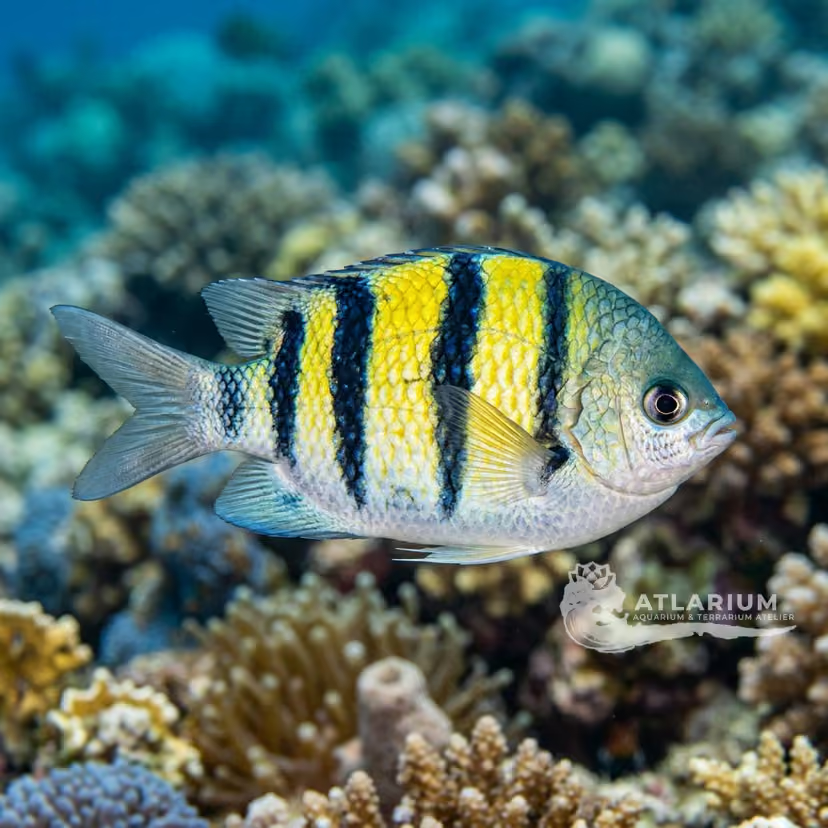
Sergeant major
Abudefduf saxatilis

Ambon Chromis
Chromis amboinensis

Black-axil Chromis
Chromis atripectoralis
Recommended companions
Compatible cards from coherent ecosystems with matching parameters.

Grape caulerpa
Caulerpa racemosa

Caulerpa prolifera
Caulerpa prolifera
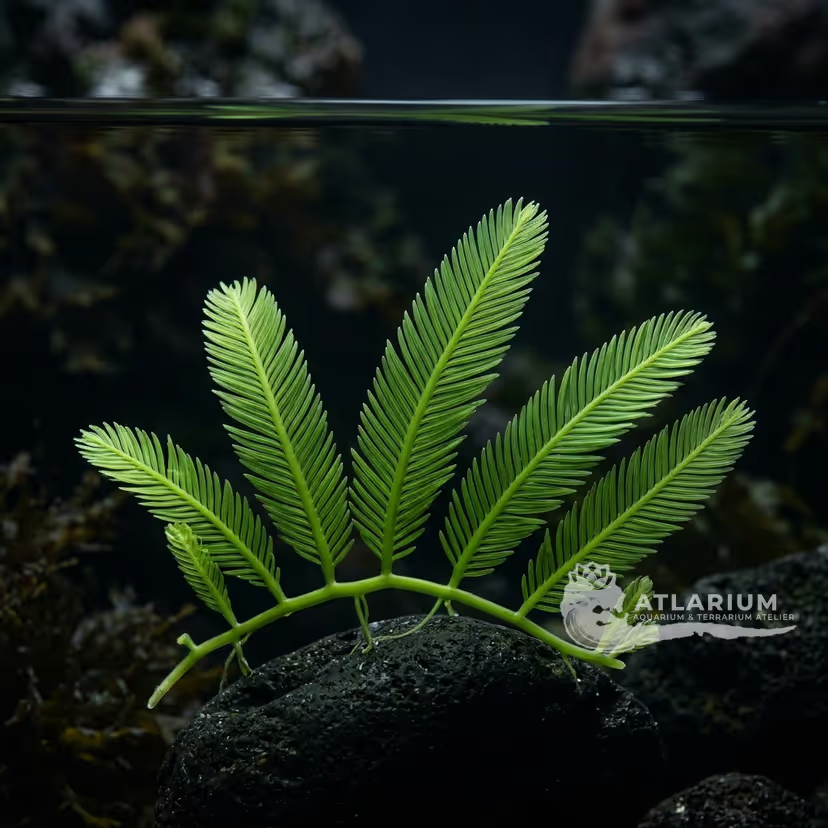
Caulerpa taxifolia
Caulerpa taxifolia
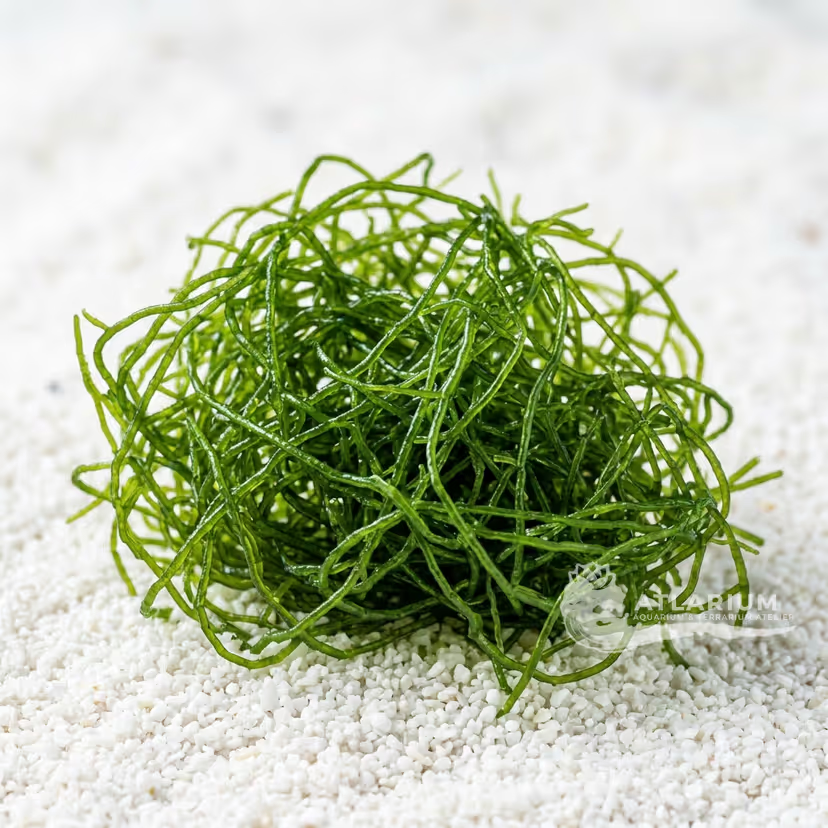
Chaetomorpha macroalgae
Chaetomorpha linum

Dead man fingers algae
Codium fragile

Halimeda macroalgae
Halimeda opuntia

Peacock tail algae
Padina pavonica

Red gracilaria
Gracilaria parvispora

Red grape algae
Botryocladia uvaria

Sea lettuce
Ulva lactuca

Red Mangrove
Rhizophora mangle
Similar care
Cards with similar requirements, difficulty, habitat, and husbandry profile.

Speckled damselfish
Pomacentrus bankanensis

Forktail blenny
Meiacanthus atrodorsalis

Striped fangblenny
Meiacanthus grammistes
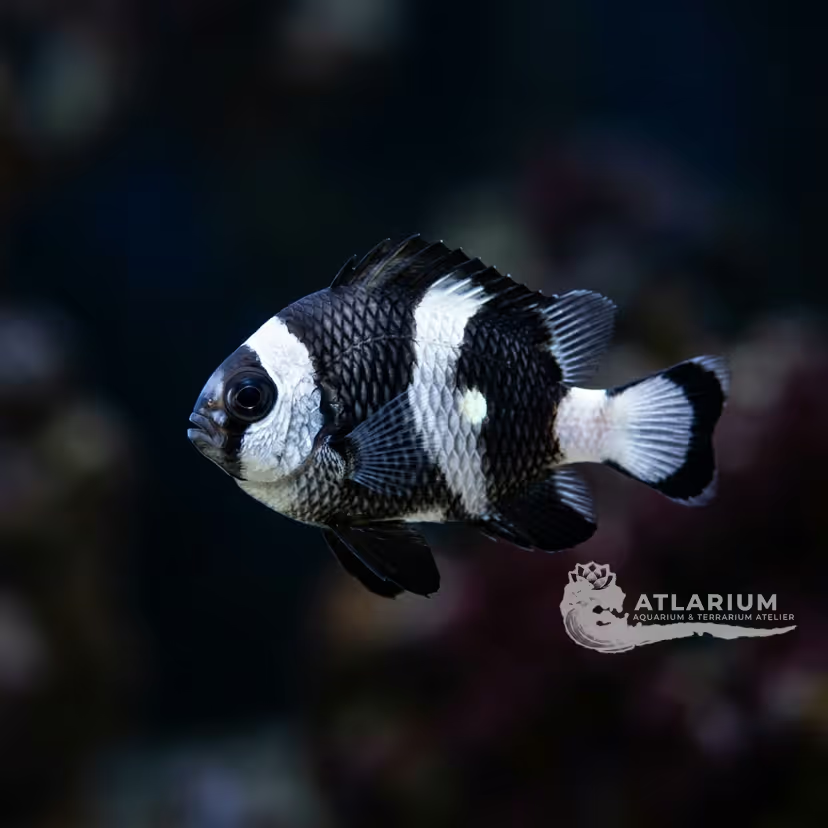
Four-stripe Damselfish / Blacktail Humbug
Dascyllus melanurus
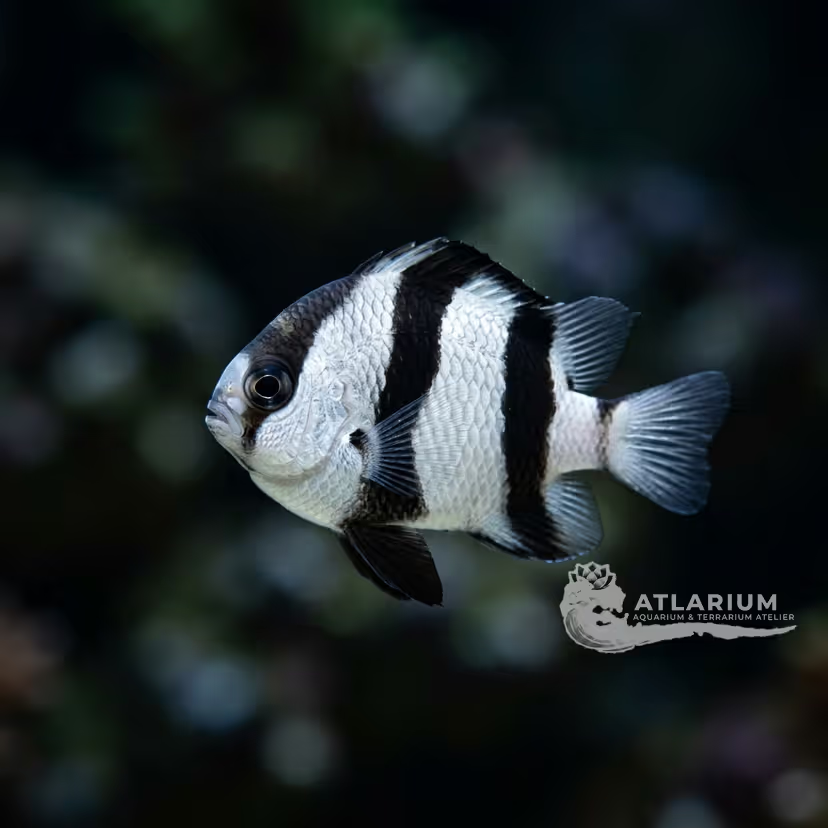
Whitetail Dascyllus
Dascyllus aruanus
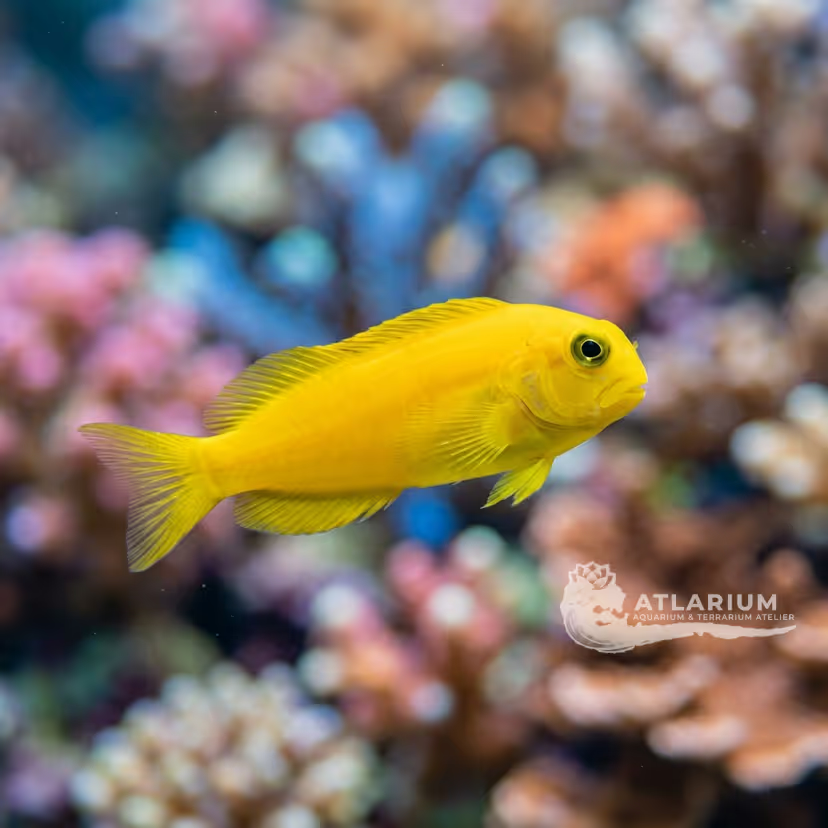
Canary fangblenny
Meiacanthus oualanensis
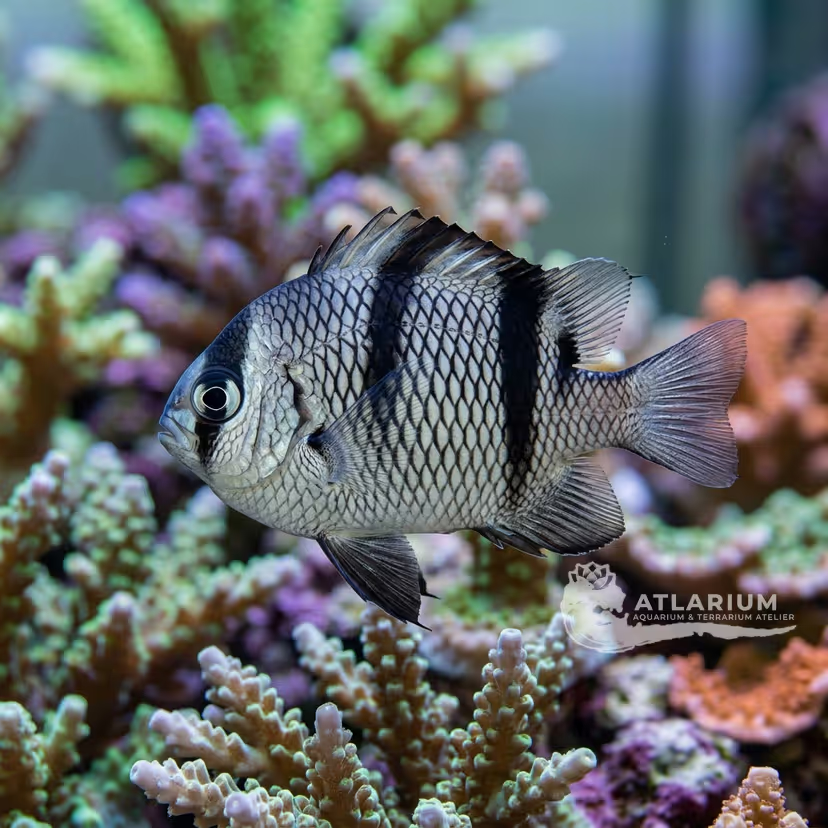
Reticulated Damselfish
Dascyllus reticulatus

Marginate damselfish
Dascyllus marginatus
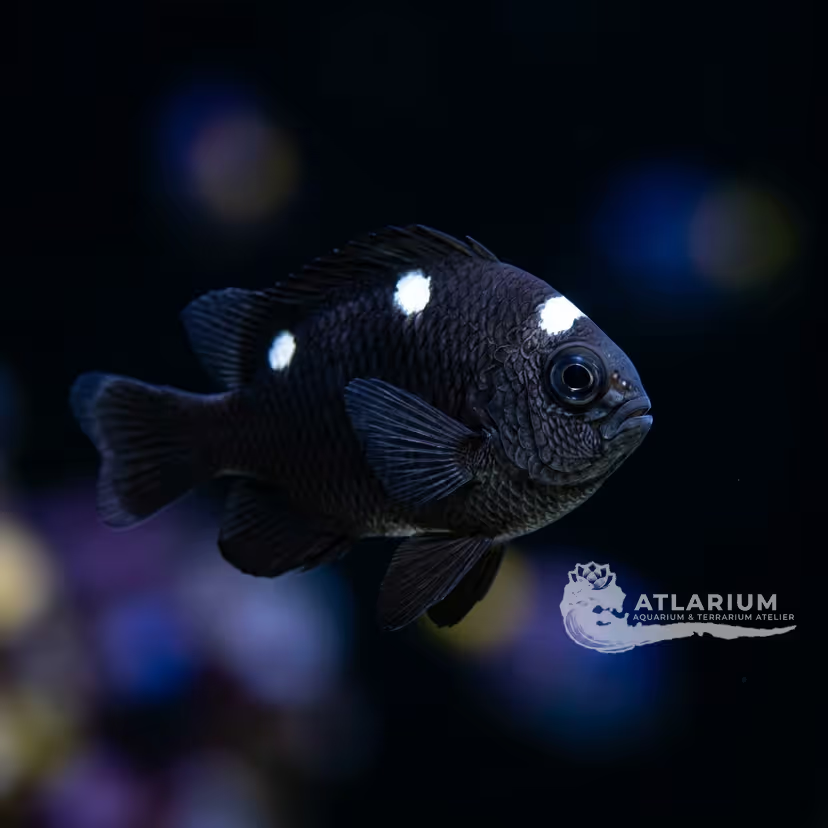
Threespot dascyllus
Dascyllus trimaculatus

Neon damselfish
Pomacentrus coelestis
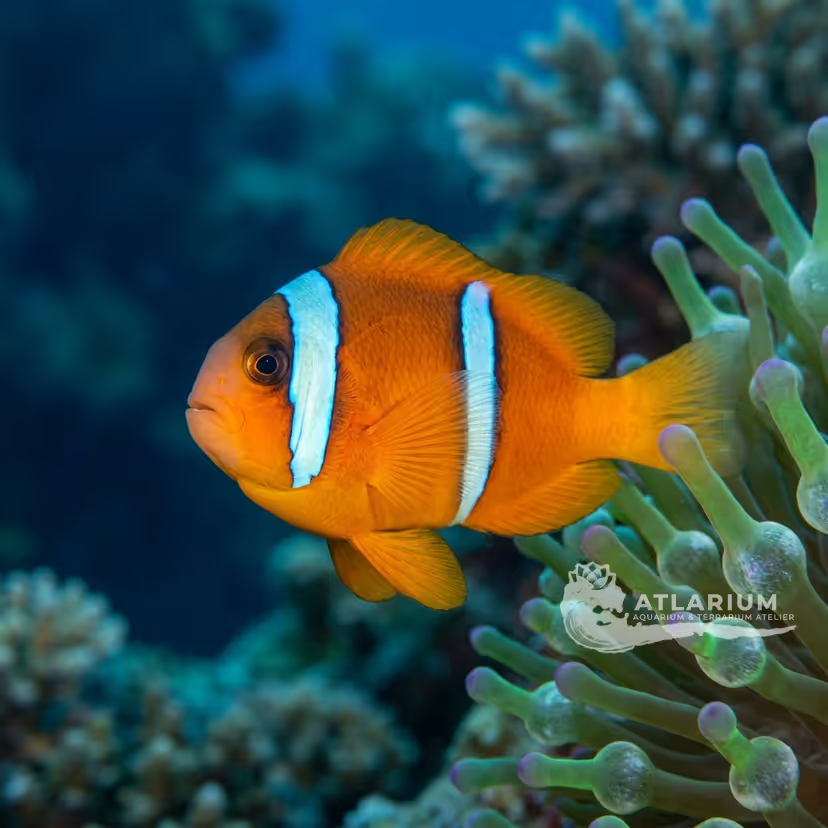
Two-band Anemonefish
Amphiprion bicinctus

Black-and-gold Chromis
Neoglyphidodon nigroris

Neon damselfish
Neoglyphidodon oxyodon
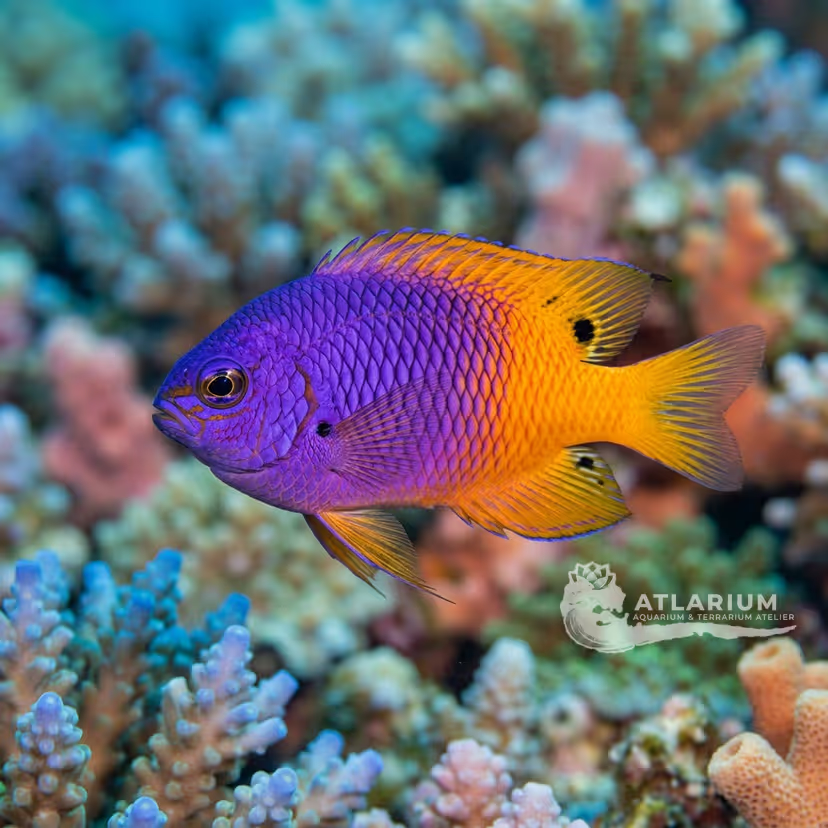
Ocellate damselfish
Pomacentrus vaiuli
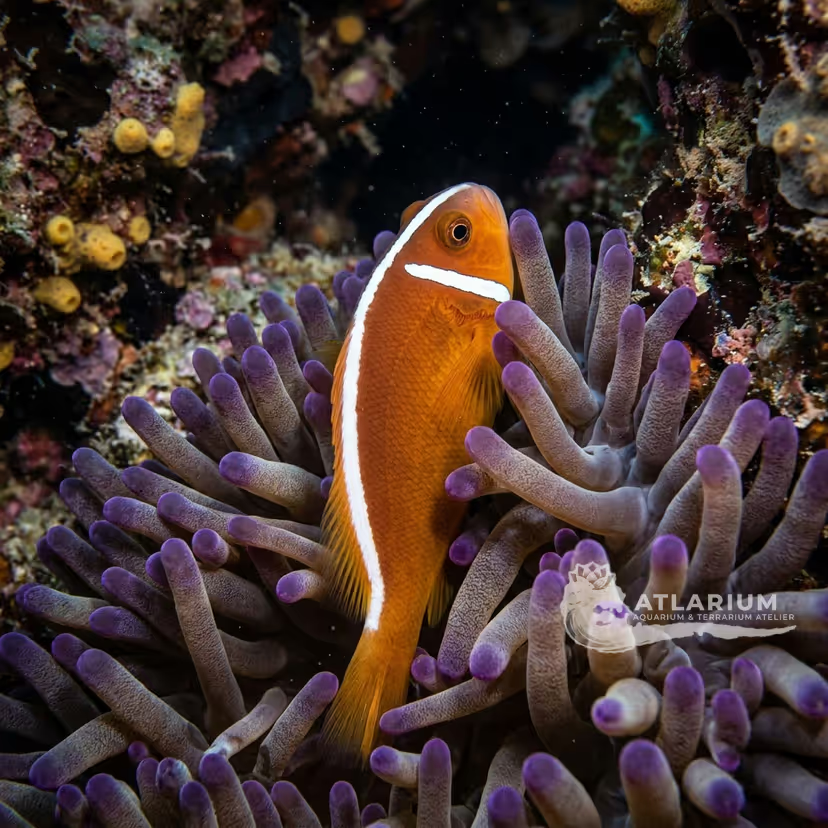
Orange Skunk Clownfish
Amphiprion sandaracinos

Blue Chromis
Chromis cyanea