Marginate damselfish
Dascyllus marginatus
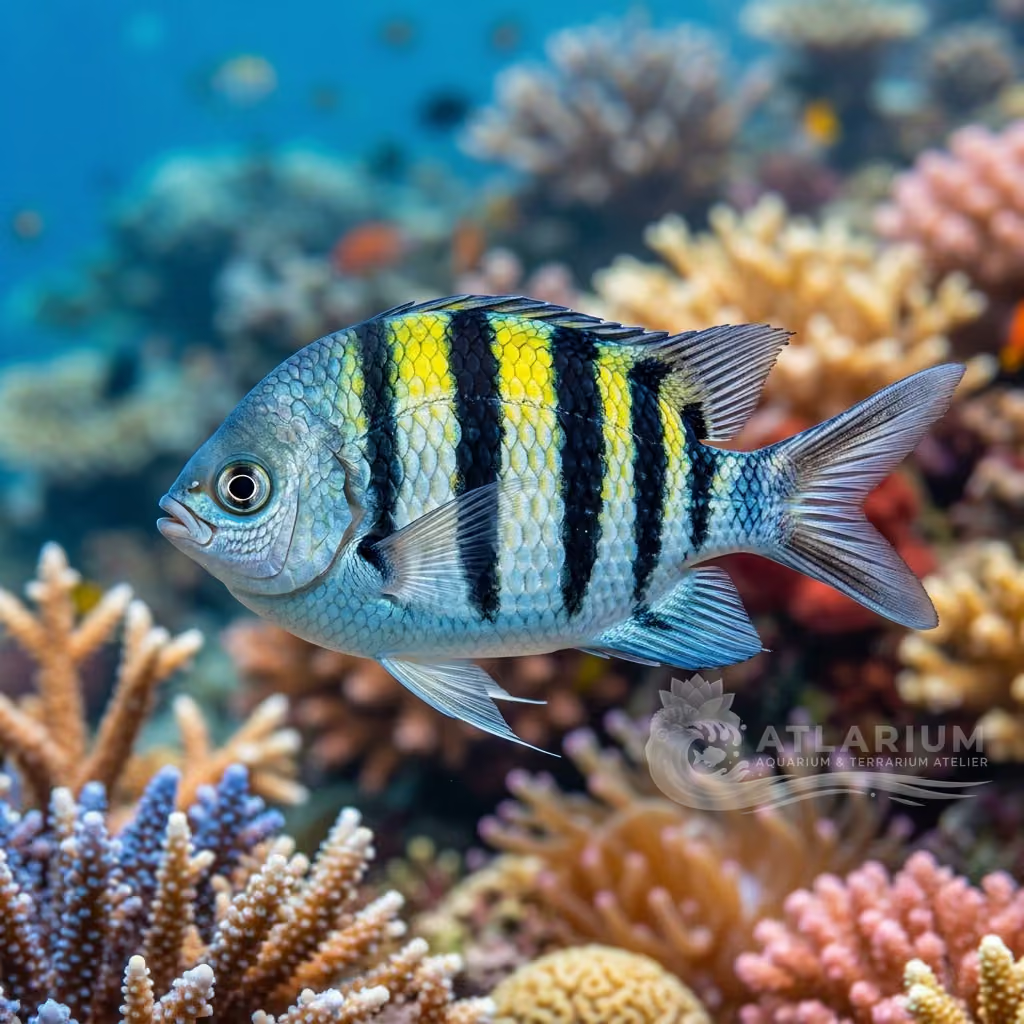
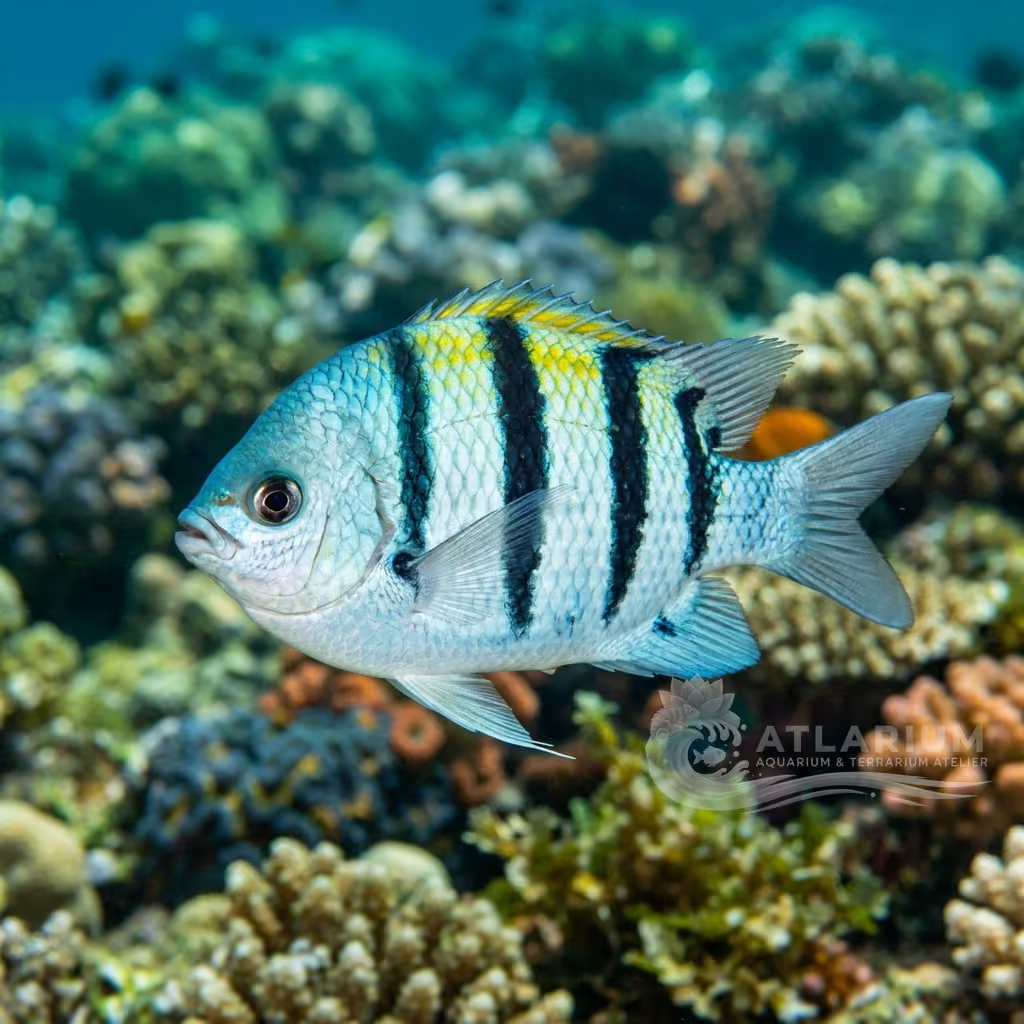
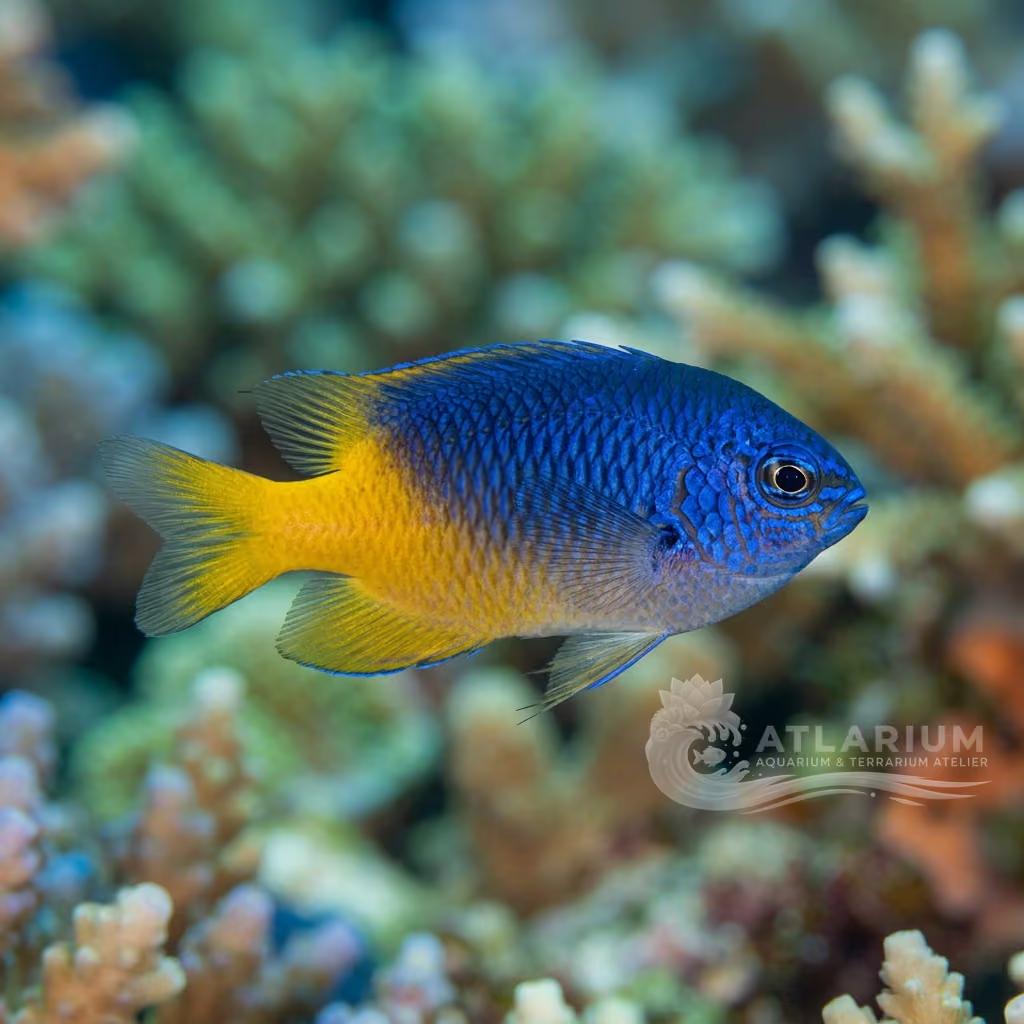
A hardy, active damselfish native to the Red Sea, recognized by distinctive black margins on its fins. Though small, adults become highly territorial, fiercely defending their coral host shelters.
Water Temperature
22 - 28 °C
pH Value
8.1 - 8.4
Water type
Marine
Tank level
Middle
Adult size
6 cm
Minimum tank volume
>= 100 L
Minimum group
>= 3

Species description
Geographical Origin and Habitat: This species is native to the tropical waters of the western Indo-Pacific, with particularly dense populations in the Red Sea and the Gulf of Aden. It inhabits shallow coral reefs, typically at depths between 1 and 15 meters, living in close association with branching corals of the genera Acropora and Stylophora, which it uses as immediate shelter when threatened.
Taxonomy and Morphology: Dascyllus marginatus belongs to the Pomacentridae family. It features a disc-shaped, laterally compressed, and robust body. The head is rounded with small black eyes. It reaches a maximum size of about 6-7 cm, making it one of the smallest and most compact members of its genus.
Social Behavior: It is a gregarious fish that lives in structured social groups within coral colonies. It exhibits strong territoriality centered around its host coral. As they mature, individuals become increasingly aggressive, fiercely defending their living space against both conspecifics and other similar-sized fish that venture too close.
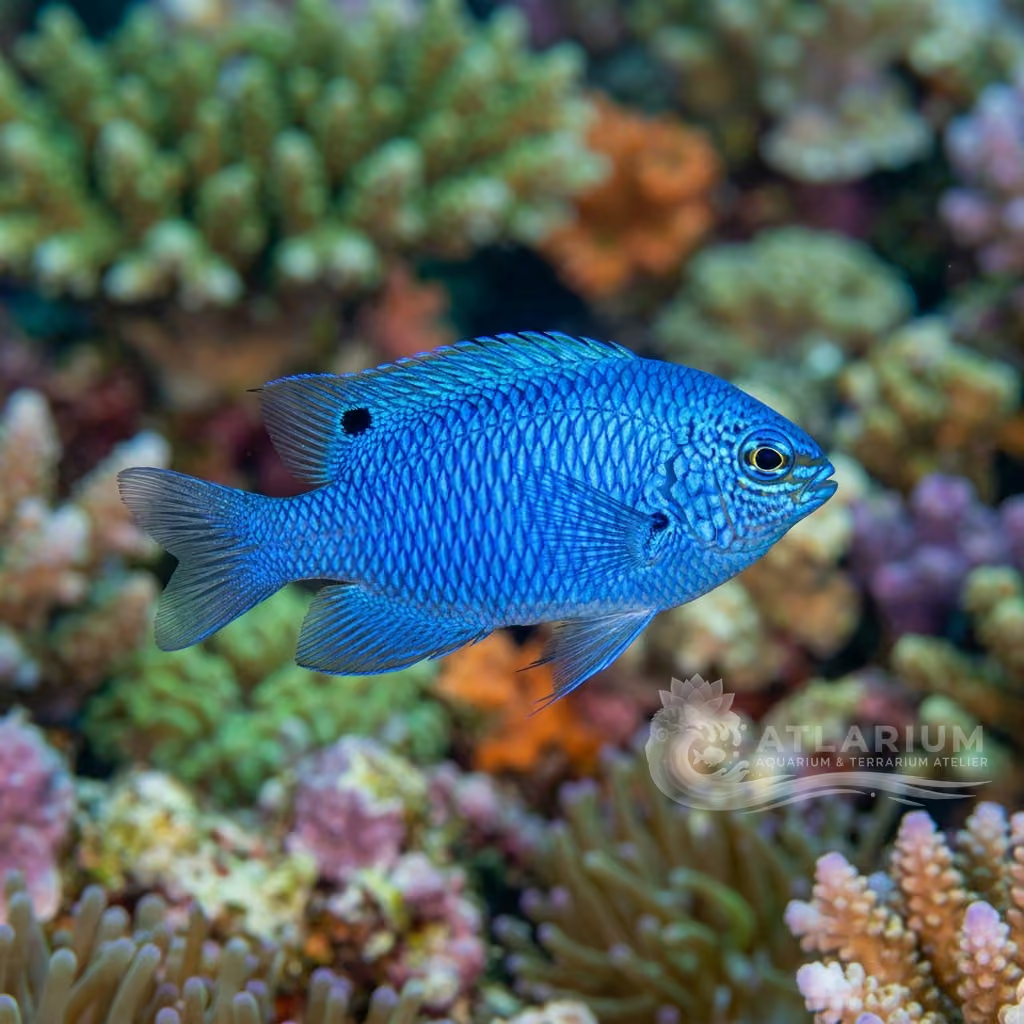
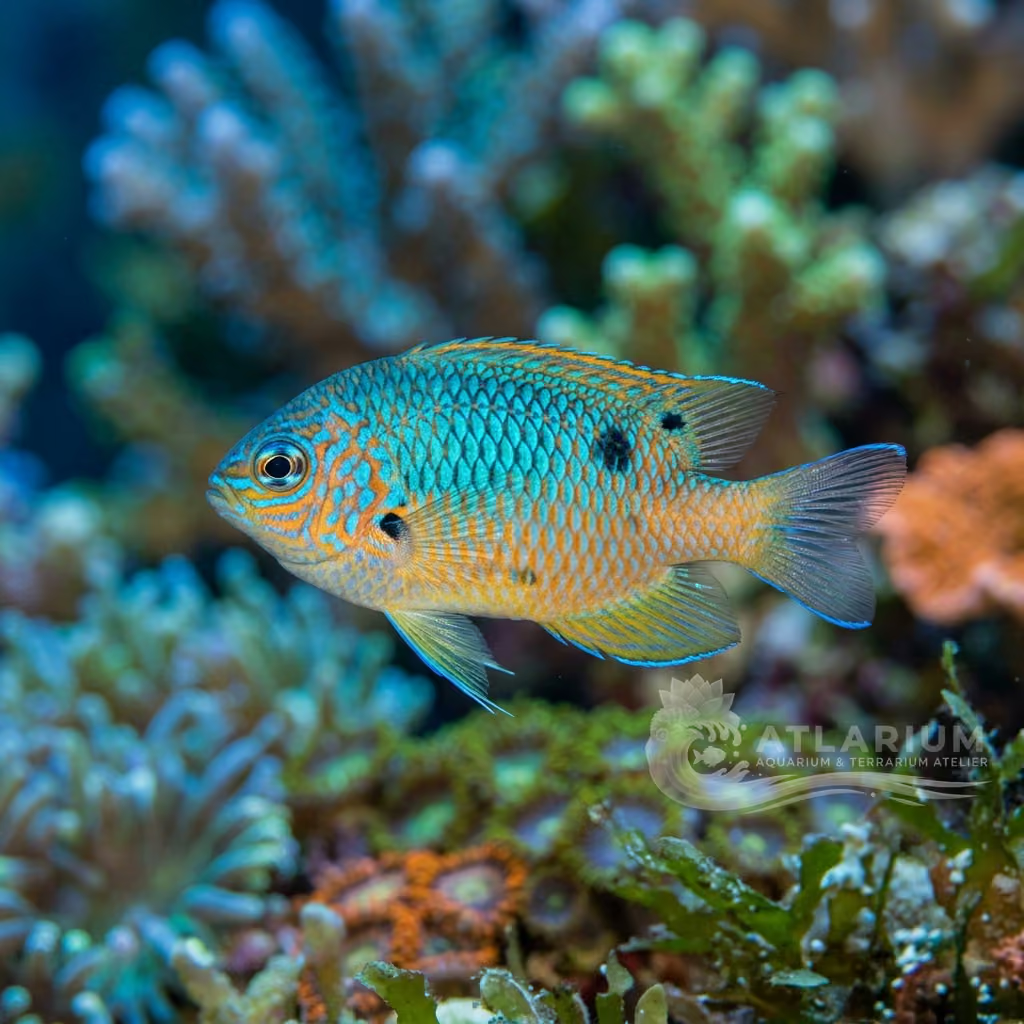
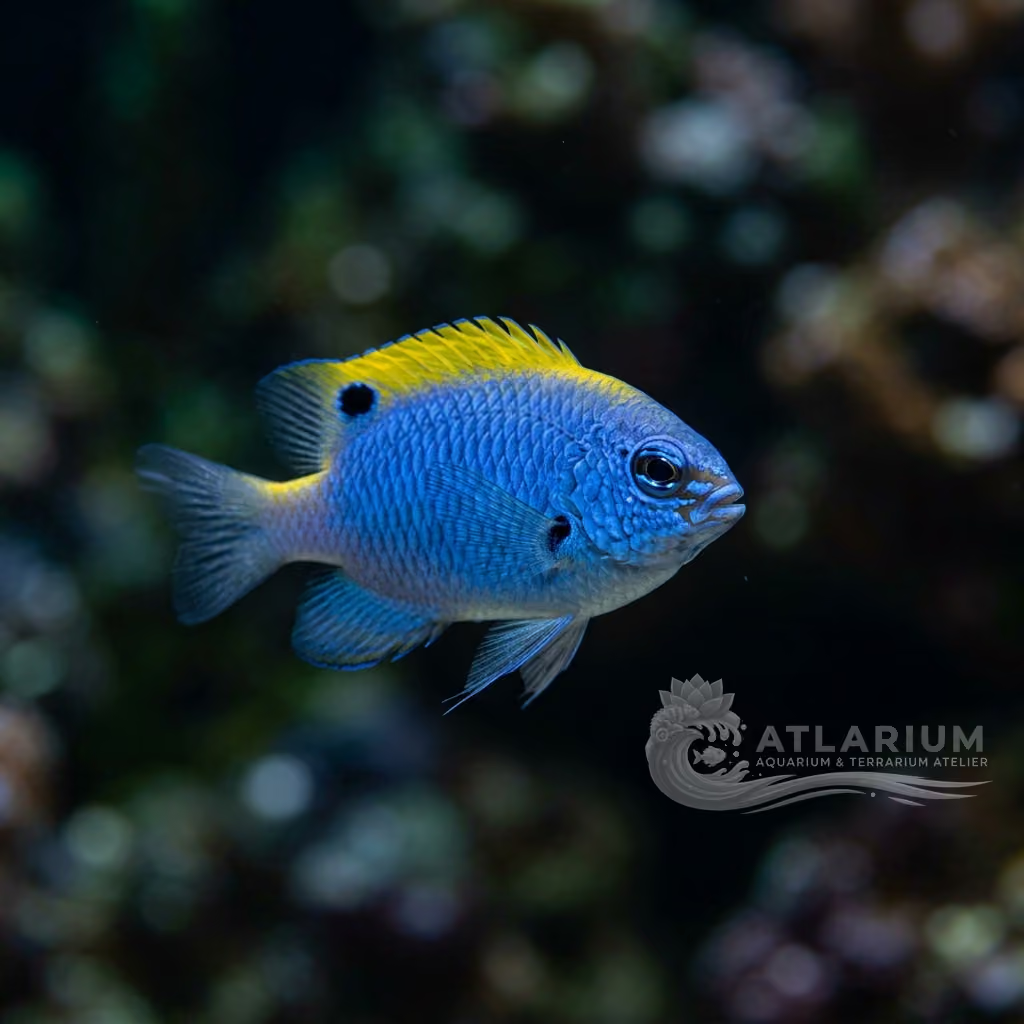
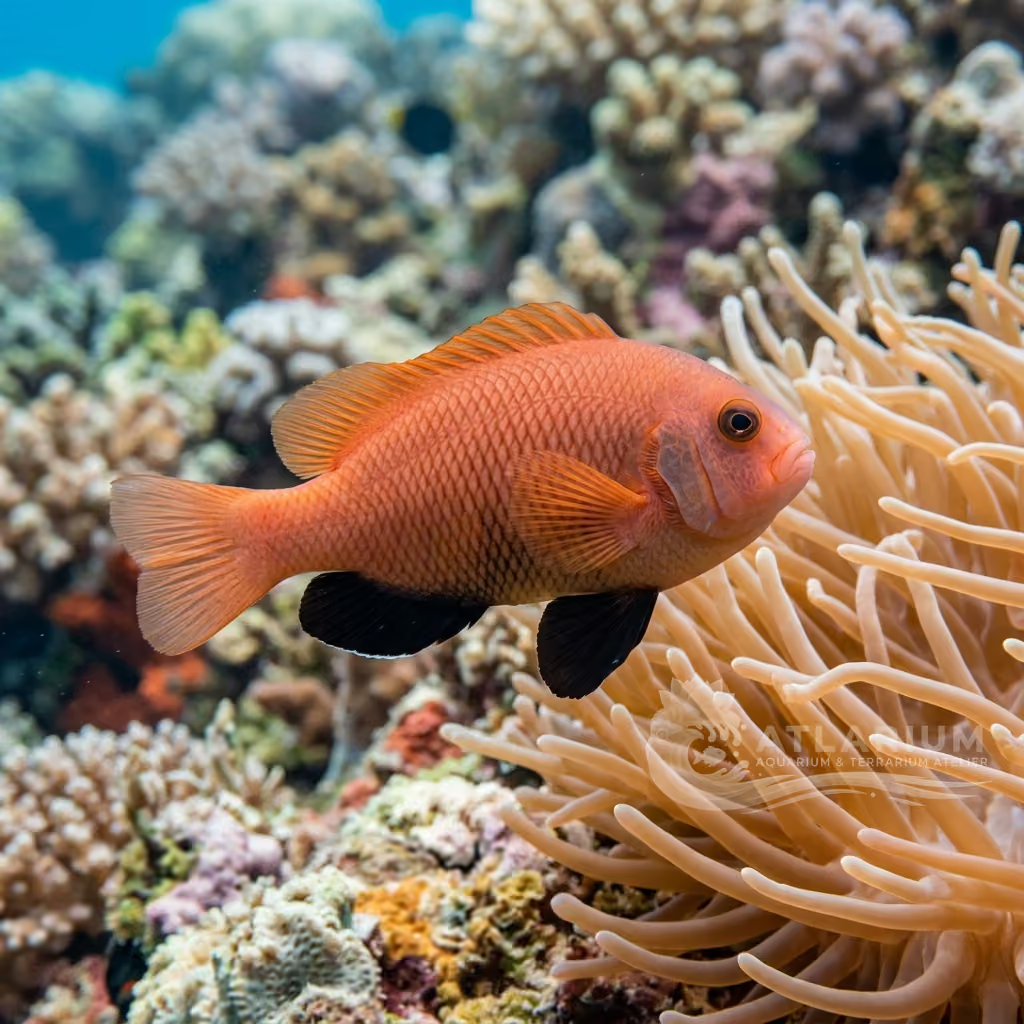
Coloration and Sexual Dimorphism: The base coloration is grayish-white or silvery, with yellowish highlights on the back and anterior part of the body. The dorsal, anal, and pelvic fins feature a distinctive, sharp blackish-blue margin, from which the scientific and common names are derived. There is no obvious sexual dimorphism in external morphology, except during the breeding season when retrieval of intense colors by males occurs.

Care, breeding and tankmates
Aquarium Setup: Requires an aquarium of at least 120-150 liters for a small group. It is essential to provide branching hard coral skeletons (either real or synthetic) and live rock arranged to create visual barriers and hiding places. This helps disperse aggression within the group and makes the fish feel secure.
Diet and Feeding: It is an omnivorous and opportunistic feeder that is very easy to care for. In the wild, it feeds on zooplankton, benthic algae, and small invertebrates. In captivity, it enthusiastically accepts almost all foods: frozen artemia and mysis, dry pellets or flakes, and plant-based foods containing spirulina to ensure a balanced diet.
Water Quality: Being an exceptionally hardy fish, it tolerates minor fluctuations in water parameters, but optimal conditions are: temperature between 24°C and 28°C, pH between 8.1 and 8.4, and salinity between 1.021 and 1.025. Nitrites should be zero, and nitrates should be kept low through regular partial water changes and efficient filtration.
Compatibility and Cohabitation: Due to their territorial and aggressive nature as adults, they should not be housed with shy, slow-moving fish like seahorses or pipefish. Suitable tankmates include robust, active fish such as surgeonfish, triggerfish, wrasses, and other damselfish of similar temperament. It is best to introduce them last to limit territorial dominance.
Aquarium Breeding: Breeding in aquariums is possible and has been documented. During the spawning season, the male cleans a flat rock or hard substrate and woos the female with fast swimming displays. Once the adhesive eggs are laid, the male fiercely guards and fans them until they hatch, which usually occurs in 3 to 5 days.
Risks and Diseases: This species is exceptionally resistant to common marine diseases. However, under high stress or overcrowded conditions, they can contract parasitic infections like Cryptocaryon or Brooklynella. The primary risk in keeping this species is intraspecific aggression, which can lead to the death of weaker specimens if the tank is too small.

Geographic origin and distribution
This species is native to the tropical waters of the western Indo-Pacific, with particularly dense populations in the Red Sea and the Gulf of Aden. It inhabits shallow coral reefs, typically at depths between 1 and 15 meters, living in close association with branching corals of the genera Acropora and Stylophora, which it uses as immediate shelter when threatened.
Origin
Tropical oceans and reefsEast Asia

Fish profile
- Temperament
- Aggressive
- The Marginate Damsel possesses a highly aggressive and pugnacious temperament that only intensifies with age. It will relentlessly harass newly introduced fish, often causing them significant stress or physical harm. It is one of the most belligerent damselfishes in the hobby and demands careful consideration before being added to any system. It is highly recommended to add this species as the absolute last fish in a semi-aggressive community setup.
- Diet
- Omnivore
- The Marginate Damsel is an omnivorous species that eagerly consumes almost any food offered in the aquarium. In nature, it feeds on zooplankton, benthic invertebrates, and various algae. A captive diet should consist of high-quality marine flakes, pellets, and a mix of frozen meaty foods like mysis and brine shrimp. Incorporating herbivorous preparations will ensure a well-rounded and nutritionally complete diet.
- Life expectancy
- 8-12 years
- Adult size
- 6 cm
- Sex ratio
- Harem
- There is very little obvious sexual dimorphism in the Marginate Damsel, making it difficult to distinguish males from females based on appearance alone. During the spawning season, males may exhibit slightly intensified coloration or aggressive territorial behaviors. Due to their extreme hostility toward conspecifics, they are typically kept individually in home aquariums unless maintained in a very large system where a harem can be established.
- Feeding frequency
- Twice daily
- Feeding this robust species 1 to 2 times daily is completely sufficient for maintaining its health and vigor. It is an aggressive eater that will aggressively compete for food during feeding time, often outcompeting more timid tank mates. Ensuring that slower feeders receive their share of the meal is an important consideration when housing this damselfish. Overfeeding should be carefully avoided to prevent nutrient spikes in the water.
- Bioload
- Low to Medium
- The Marginate Damsel (Dascyllus marginatus) produces a moderate bioload due to its hearty appetite and active metabolism. Despite its relatively small size, it processes a significant amount of food, contributing to the aquarium's waste output. Adequate filtration, including a functional protein skimmer, is necessary to process the dissolved organics. Regular water testing and partial water changes are essential to maintain optimal water quality.
- Flow
- Strong
- Dascyllus marginatus prefers areas of moderate to strong water flow within the aquarium. Strong currents help oxygenate the water and simulate the dynamic reef environments from which they originate. They are strong swimmers capable of navigating turbulent waters with ease. Providing a varied flow pattern using wavemakers encourages natural swimming behaviors and helps keep detritus in suspension for filtration.
- Jump risk
- No
- Reproduction
- Oviparous
- In the wild, Dascyllus marginatus are demersal spawners that lay their eggs on a carefully cleaned substrate. Males establish territories and perform elaborate courtship displays to attract females to the nesting site. Once the eggs are laid and fertilized, the male fiercely guards the nest and fans the eggs until they hatch. While breeding in captivity is possible, raising the extremely small larvae remains a significant challenge for hobbyists.
- Compatibility & tankmates
- Territorial
- This damselfish is notoriously aggressive and highly territorial, especially as it reaches adulthood. It will aggressively defend its chosen territory within the rockwork against both conspecifics and unrelated species. It is not suitable for peaceful community tanks and should only be housed with moderately aggressive to aggressive tank mates, such as dottybacks, larger angelfish, or triggerfish. Great care must be taken when introducing new fish to an aquarium already housing this species.
- Tank level
- Middle
- This damselfish is highly active and predominantly occupies the middle to lower levels of the water column. It forms a strong attachment to a specific section of the rockwork or coral rubble, which it claims as its exclusive territory. It will dart out into open water to feed or chase away intruders but quickly retreats to its home base. Providing a complex rock scape is crucial for its psychological well-being.

Scientific Parameters & Models
FishBase
Window to the official scientific data of the species
FishBase v25.04Data synced on: 06/15/2026
- Trophic level
- 2.7 ± 0.3 se
- Resilience
- High (less than 15 months)
- Phylogenetic uniqueness (PD50)
- 0.5005
- Bayesian Length-Weight
- a = 0.02089, b = 2.98
- VulnerabilityLow vulnerability (10 / 100)

Related species
Recommendations grouped by close relatives, companion choices, and similar care.