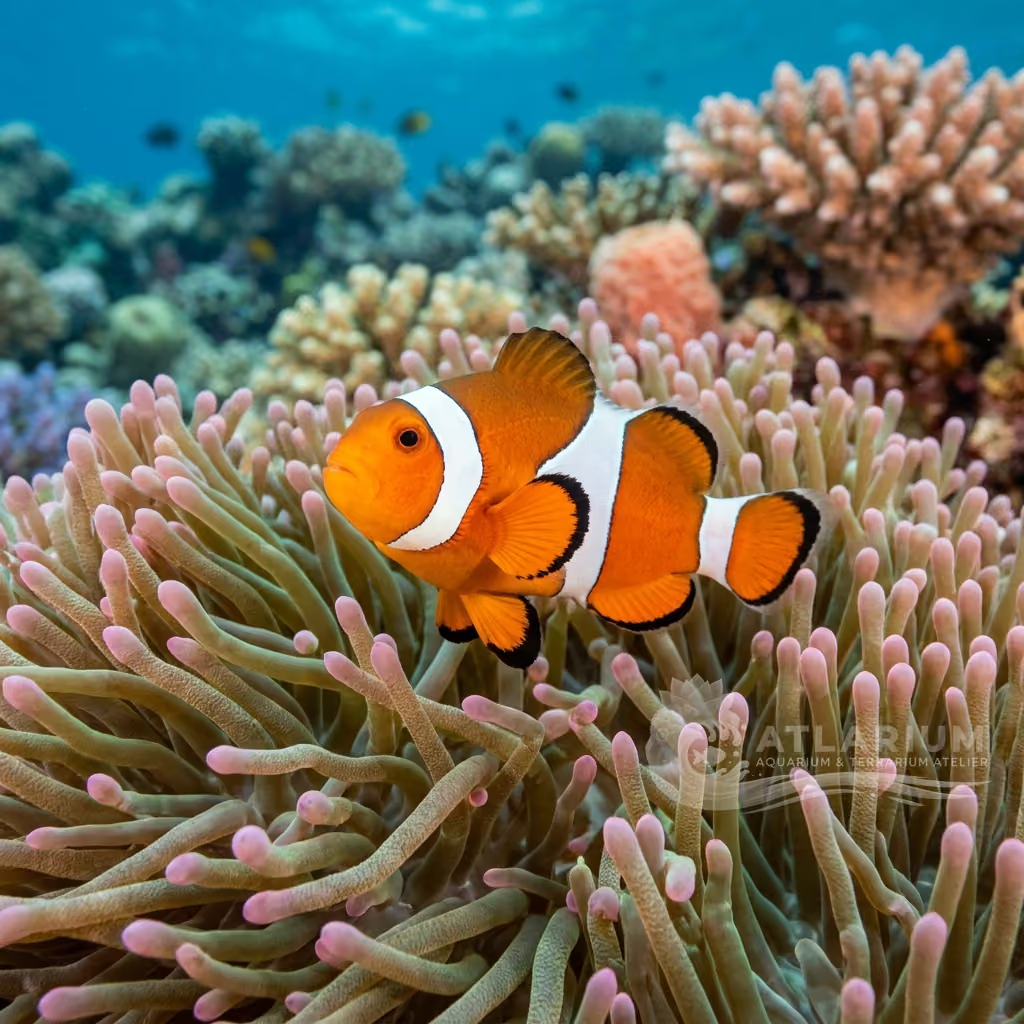
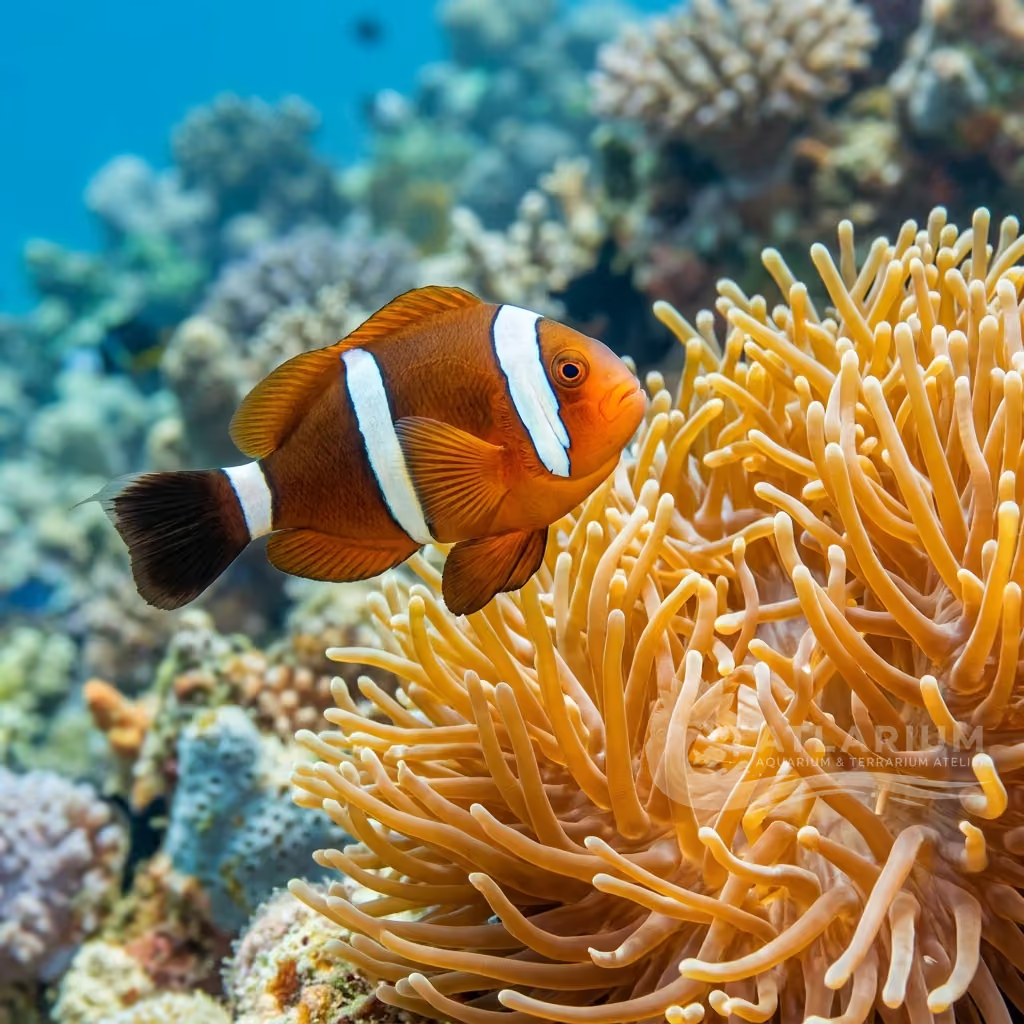
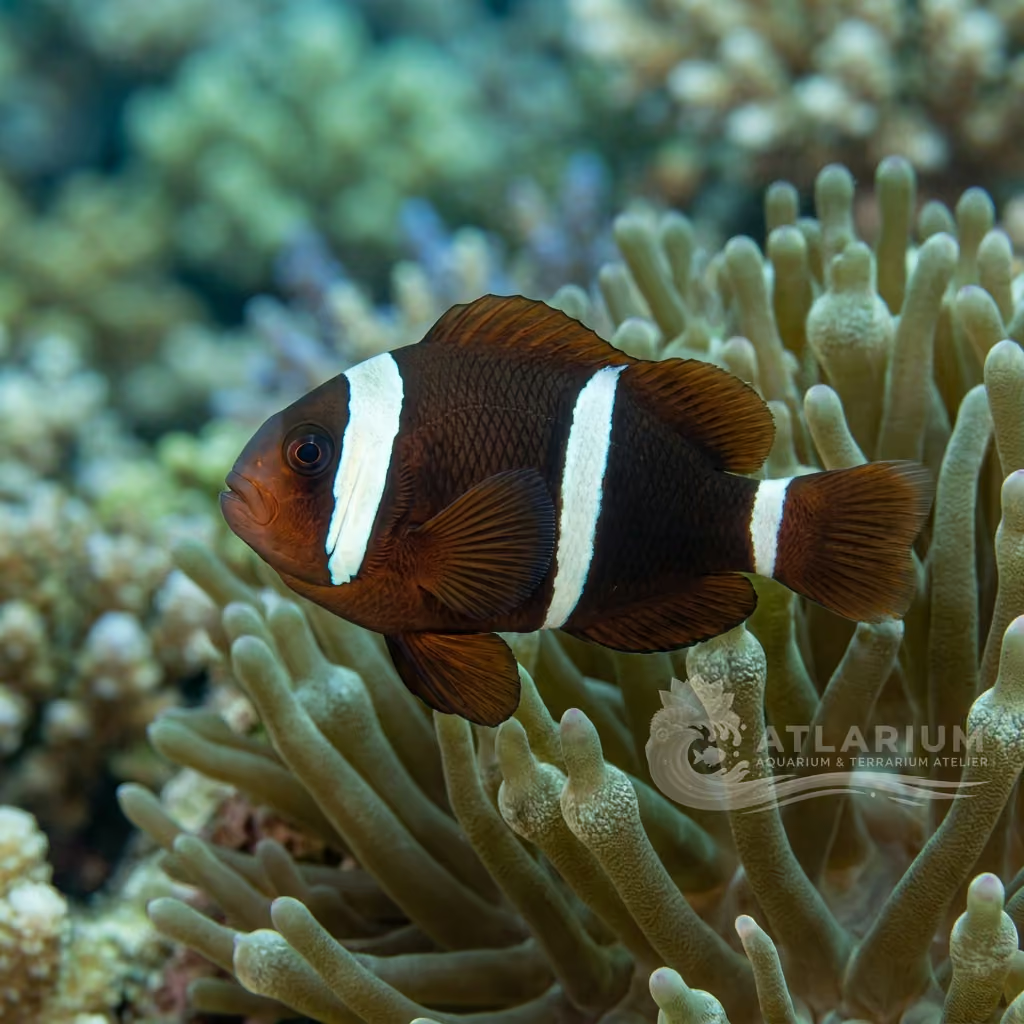
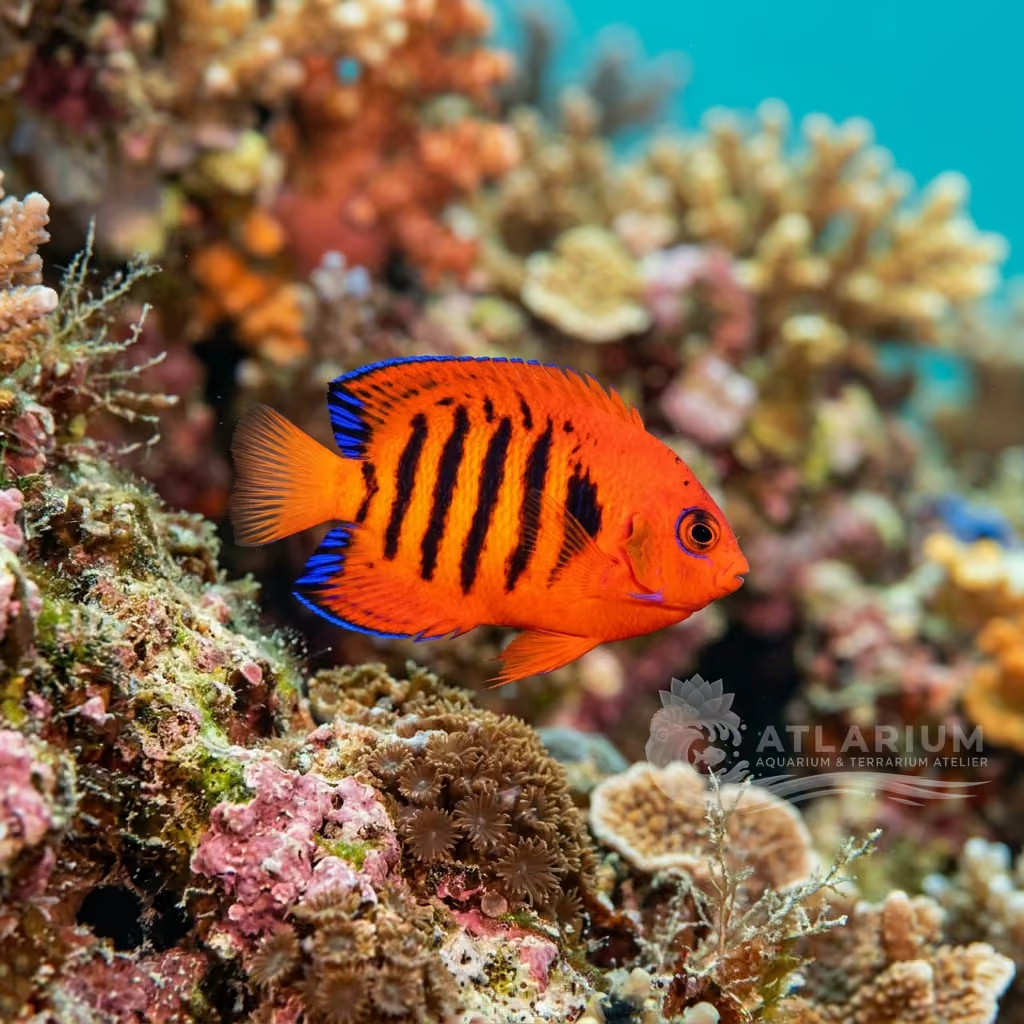
Percula clownfish
Amphiprion percula
Percula clownfish (Amphiprion percula) is a marine species with an adult-size reference of about 8 cm. It needs at least 80 litres and one individual, with its social and territorial profile taken into account.
Water Temperature
24 - 28 °C
pH Value
8.1 - 8.4
Water type
Marine
Tank level
Bottom and middle
Adult size
8 cm
Minimum tank volume
>= 80 L
Minimum group
>= 1

Species description
Geographical Origin and Habitat: A marine species; the enclosure should provide stability, oxygenation, space and shelter consistent with its behaviour without turning one habitat description into a mandatory recipe.
Taxonomy and Morphology: The accepted scientific name is Amphiprion percula; the verified classification records genus Amphiprion, family Pomacentridae, subfamily Amphiprioninae, order Perciformes. Historical names remain searchable as synonyms rather than separate species.
Social Behavior: Percula clownfish can be kept alone or in a compatible pair or group. The minimum reference is one individual; sex, maturity and available space can require a more conservative composition. Observe access to food, resting behaviour, chasing and use of shelter. Isolation, persistent competition or aggression means the number, composition or environment needs to be corrected.
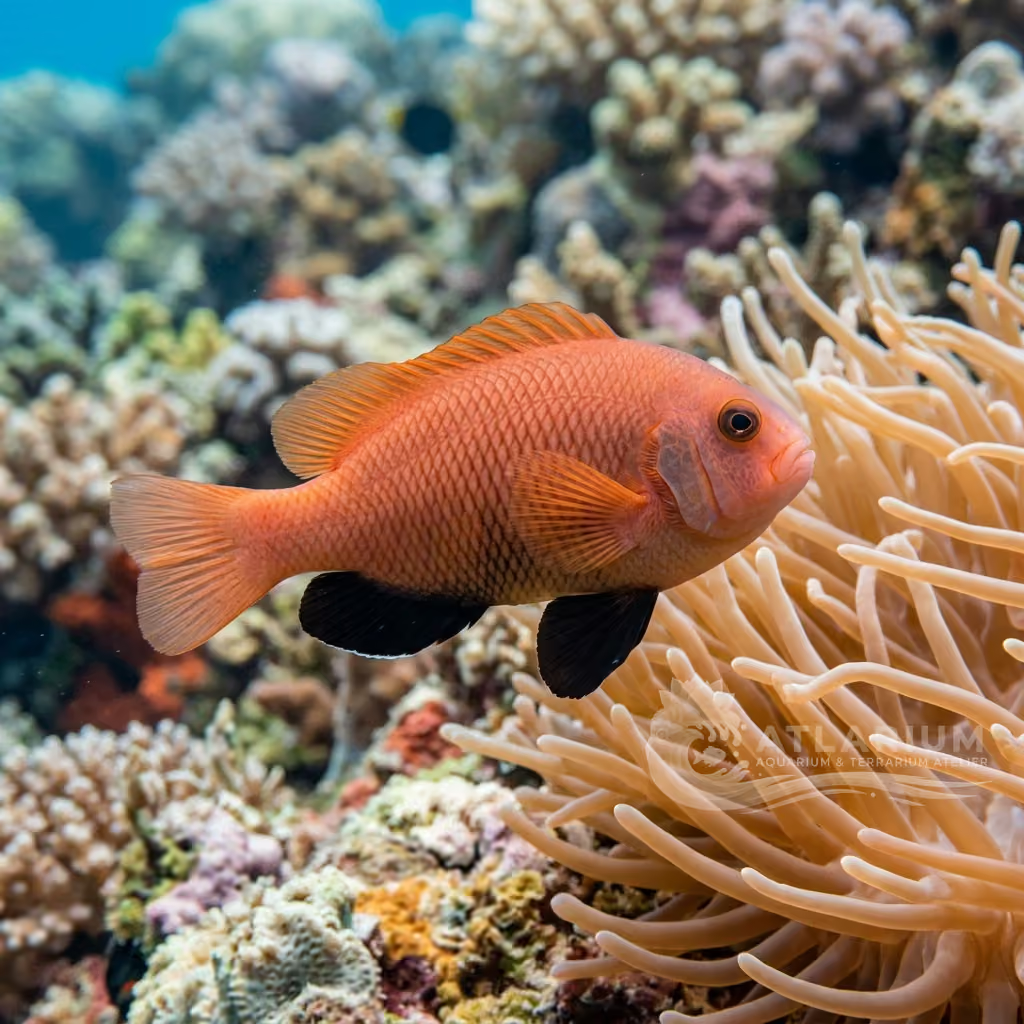
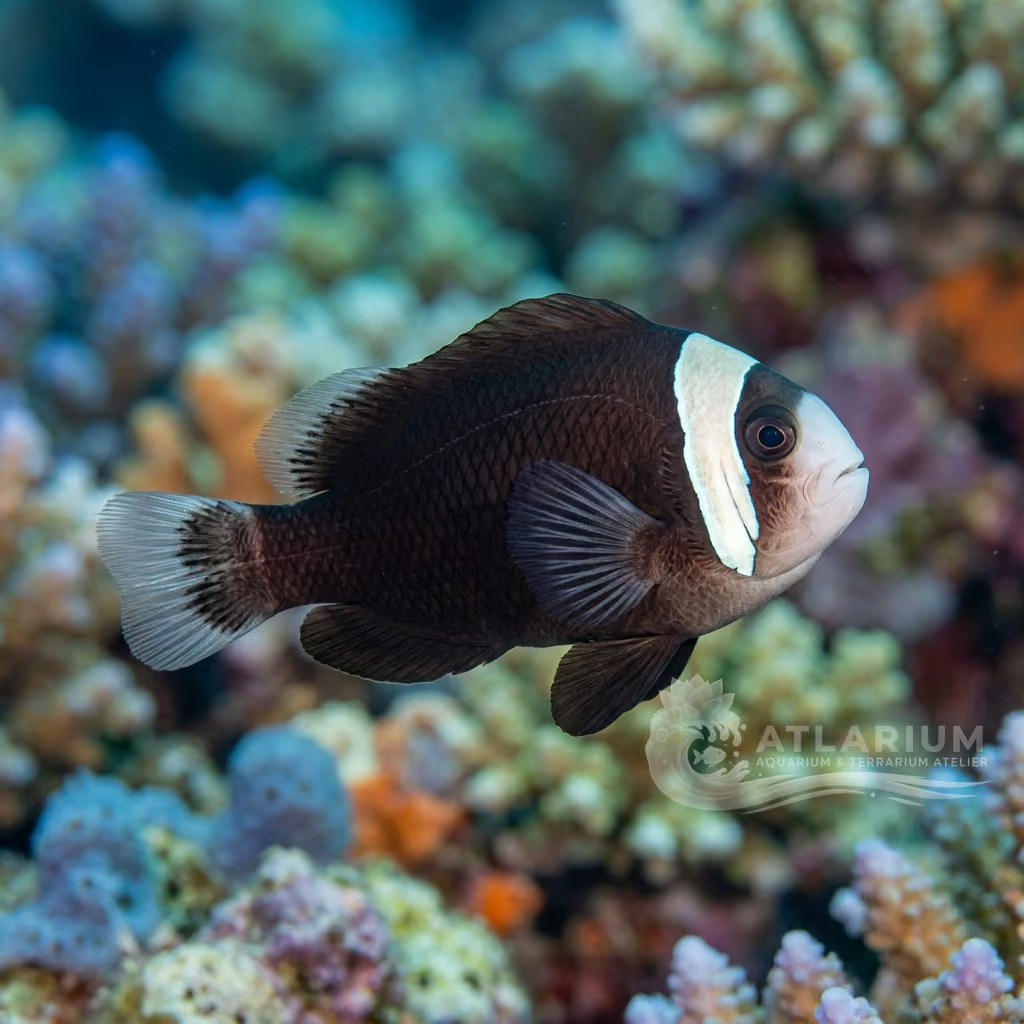
Coloration and Sexual Dimorphism: Colour and shape can vary with age, sex, physiological state and environmental conditions. Identification and sexing require recognized species-level characters; one appearance or photograph is not enough.

Care, breeding and tankmates
Aquarium Setup: Percula clownfish needs an aquarium of at least 80 litres, sized for adult body size and a minimum group of one individual. Filtration, shelter and swimming room must match the species and the actual number kept. Volume alone does not make an enclosure suitable: tank shape and length, usable area, oxygenation and the ability to separate territories must reflect adult behaviour.
Diet and Feeding: The recorded diet is omnivorous. Offer appropriately sized foods varied within that category, and adjust quantity and frequency from actual intake, body condition and leftovers. One food or a fixed schedule is not suitable for every age and situation.
Water Quality: Maintain stable, well-oxygenated water appropriate to a marine species; the card's reference values are 24–28 °C, pH 8.1–8.4. Verify conditions with reliable tests and size maintenance and filtration to the actual load. Ranges are not automatic thresholds for treatment or rapid chemical correction.
Compatibility and Cohabitation: The cohabitation profile is reef-safe with caution, with a generally territorial temperament. Keep at least one individual; tankmates, stocking density and decor must allow escape, rest and feeding without excessive competition. Watch interactions especially during feeding, maturity and breeding. Persistent chasing, injury or exclusion from food requires a change in stocking or layout, or separation of the animals.
Aquarium Breeding: The recorded reproductive profile is “oviparity”. Breeding should be attempted only with healthy adults, separation capacity and a plan for eggs or young. Do not treat unverified triggers, sex ratios or hatch times as universal for this species.
Risks and Diseases: Use a secure cover and close escape gaps. Prevent problems through quarantine of new arrivals, stable water, appropriate feeding and daily observation. Similar signs can have different causes, so check parameters, history and diagnosis before medication. Follow the product label and qualified aquatic-veterinary advice; there is no universal reduced dose for a species or family.

Geographic origin and distribution
A marine species; the enclosure should provide stability, oxygenation, space and shelter consistent with its behaviour without turning one habitat description into a mandatory recipe.
Origin
Tropical oceans and reefs

Fish profile
- Temperament
- Territorial
- Percula clownfish has a generally territorial temperament. Insufficient space, an unsuitable social ratio or incompatible tankmates can substantially change observed behaviour.
- Diet
- Omnivore
- As omnivores, Percula Clownfish require a balanced diet of both meaty and plant-based foods. In the wild, they feed on zooplankton, small invertebrates, and algae. In the aquarium, they easily accept high-quality dry pellets, flakes, and frozen foods such as mysis shrimp, brine shrimp, and spirulina-enriched foods.
- Life expectancy
- 10-15 years
- Adult size
- 8 cm
- Sex ratio
- Flexible
- Percula clownfish can be kept alone or in a compatible pair or group. The reference minimum is one individual and must not be read as permission to overcrowd the aquarium.
- Feeding frequency
- Twice daily
- It is recommended to feed Percula Clownfish 1 to 2 times daily in amounts they can consume within a few minutes. Younger, growing juveniles benefit from more frequent feedings (up to 3 times a day) in smaller portions. Spreading out feedings prevents excess nutrients from polluting the water while ensuring active energy levels.
- Bioload
- Low to Medium
- The Percula Clownfish has a low-to-medium biological load due to its small adult size. However, maintaining pristine water conditions is crucial, especially if they are paired with a host sea anemone, which requires clean water. Adequate filtration, an efficient protein skimmer, and regular water changes are necessary to keep nutrient levels low.
- Flow
- Strong
- They prefer low-to-moderate water flow because their rounded fins make them somewhat clumsy swimmers compared to open-water species. While they need some flow to keep their environment oxygenated (and to satisfy host anemones), they require areas of calm water to rest. Strong, direct currents can exhaust the fish and cause chronic stress.
- Jump risk
- Yes
- Although not considered high-risk jumpers compared to wrasses or gobies, Percula Clownfish can jump when startled, stressed, or chased by aggressive tank mates. A secure, tight-fitting lid or mesh cover is strongly recommended for the aquarium. This simple precaution prevents accidental deaths, particularly during the initial acclimation period or nighttime hours.
- Reproduction
- Oviparous
- Breeding Amphiprion percula in captivity is well-established and relatively straightforward for experienced hobbyists. A bonded pair will clean a flat surface, such as a rock or a clay pot, where the female will lay a clutch of eggs. The male then fertilizes and diligently fans the eggs for 7 to 10 days until hatching, after which the main challenge is raising the delicate larvae.
- Compatibility & tankmates
- Reef safe with caution
- The cohabitation profile is reef-safe with caution, with a generally territorial temperament. Keep at least one individual; tankmates, stocking density and decor must allow escape, rest and feeding without excessive competition. Watch interactions especially during feeding, maturity and breeding. Persistent chasing, injury or exclusion from food requires a change in stocking or layout, or separation of the animals.
- Tank level
- Middle/Bottom
- Amphiprion percula primarily occupies the bottom-to-middle zones of the aquarium. They tend to hover continuously near their chosen host territory, which is typically a sea anemone, a piece of rockwork, or a specific corner of the tank. They rarely venture into the upper third of the water column or swim far into open water.

Scientific Parameters & Models
FishBase
Window to the official scientific data of the species
FishBase Catalog curation 2026-05-09Data synced on: 06/15/2026
- Trophic level
- 2.7 ± 0.3 se
- Resilience
- High (less than 15 months)
- Phylogenetic uniqueness (PD50)
- 0.5
- Bayesian Length-Weight
- a = 0.01445, b = 3
- VulnerabilityLow vulnerability (10 / 100)

Image gallery
Licensed images linked to the species or, when marked, to the closest representative taxon.

Related species
Recommendations grouped by close relatives, companion choices, and similar care.