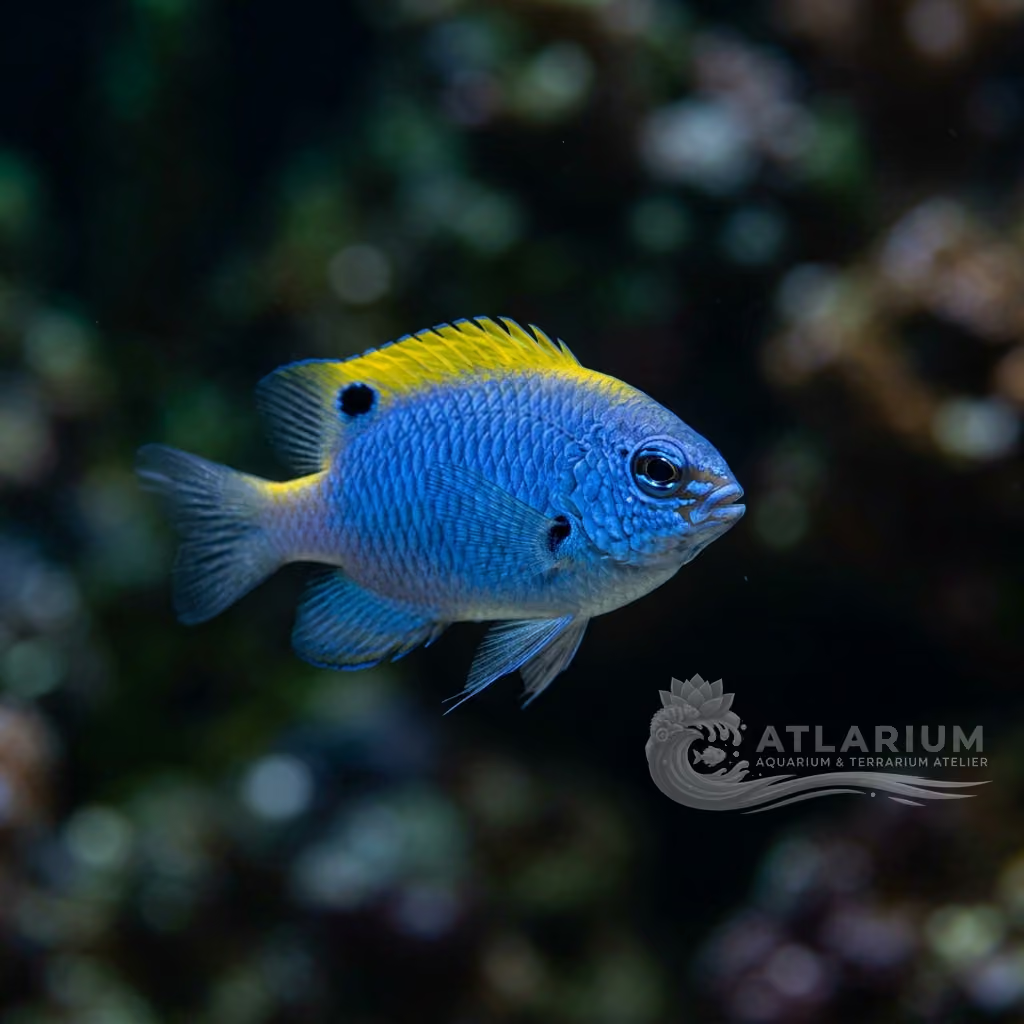
Saddleback Clownfish
Amphiprion polymnus
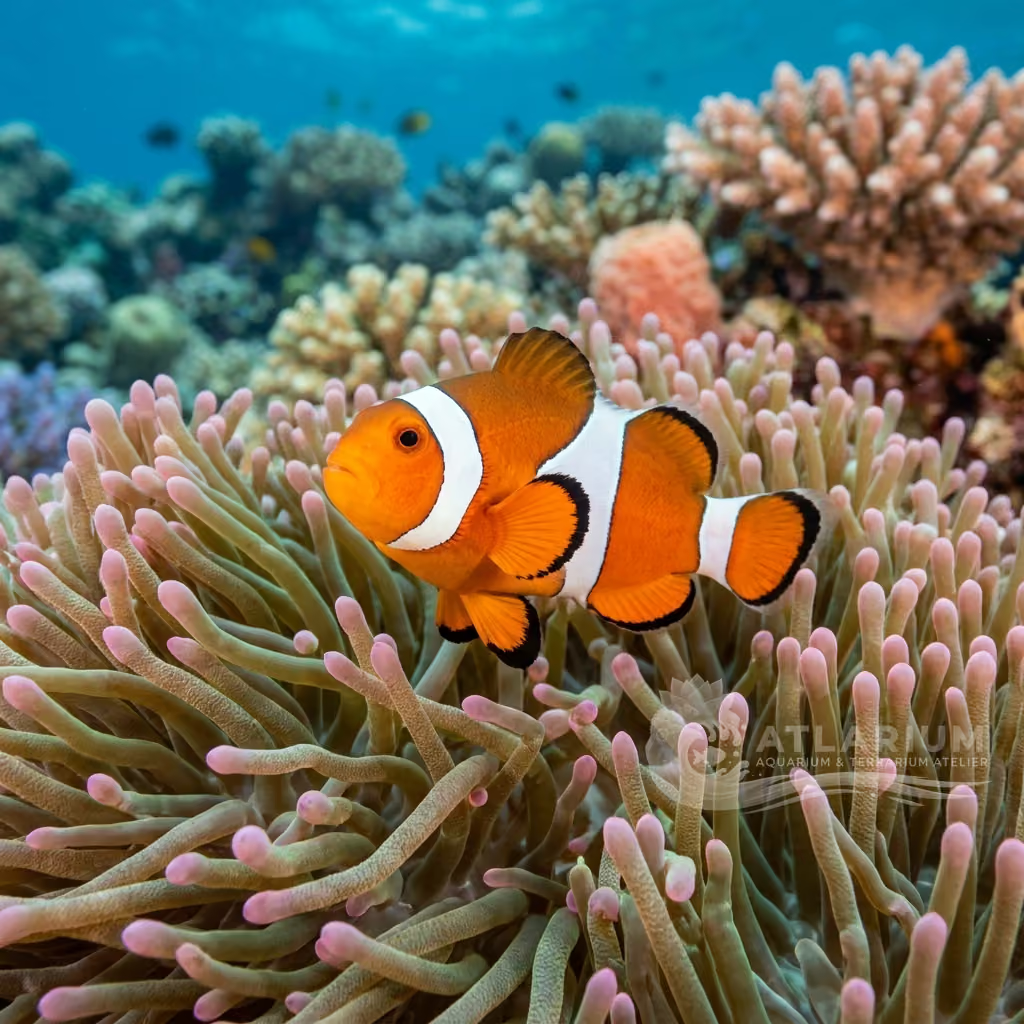
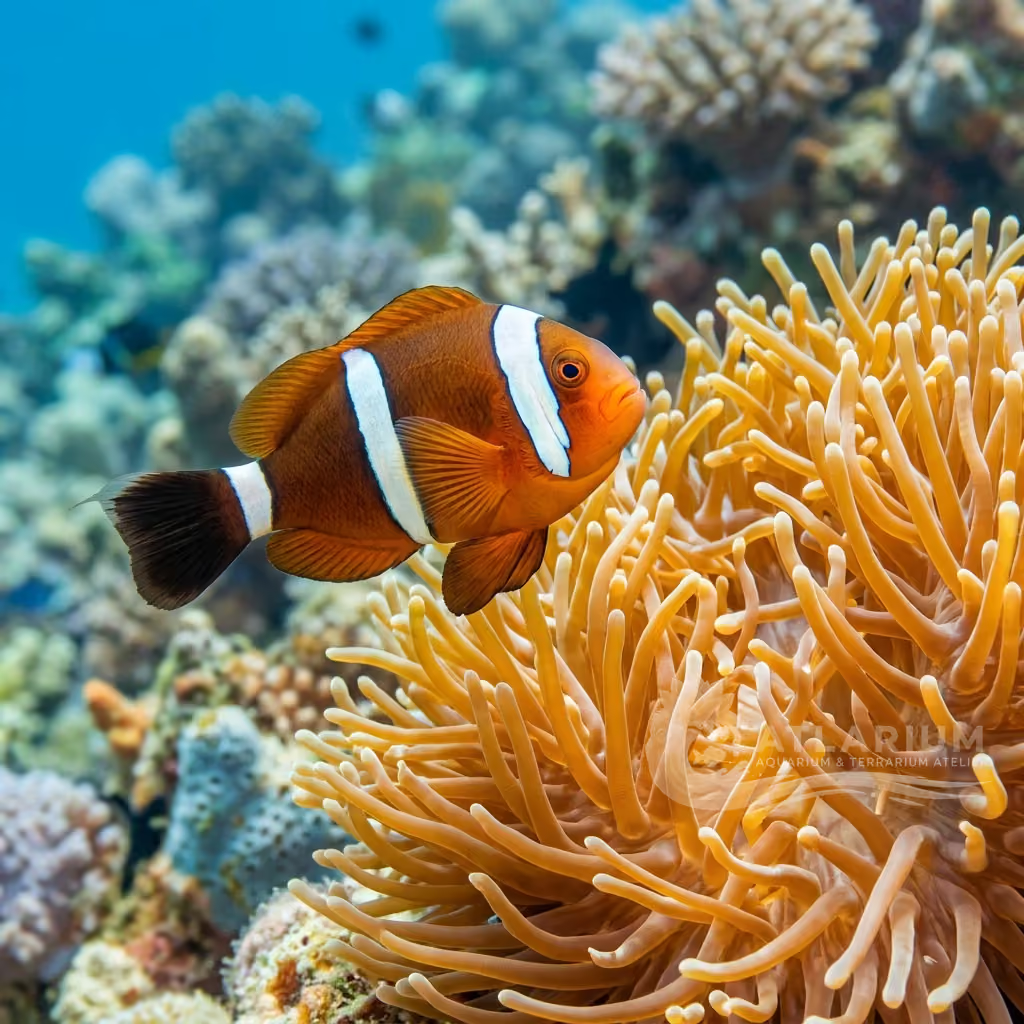
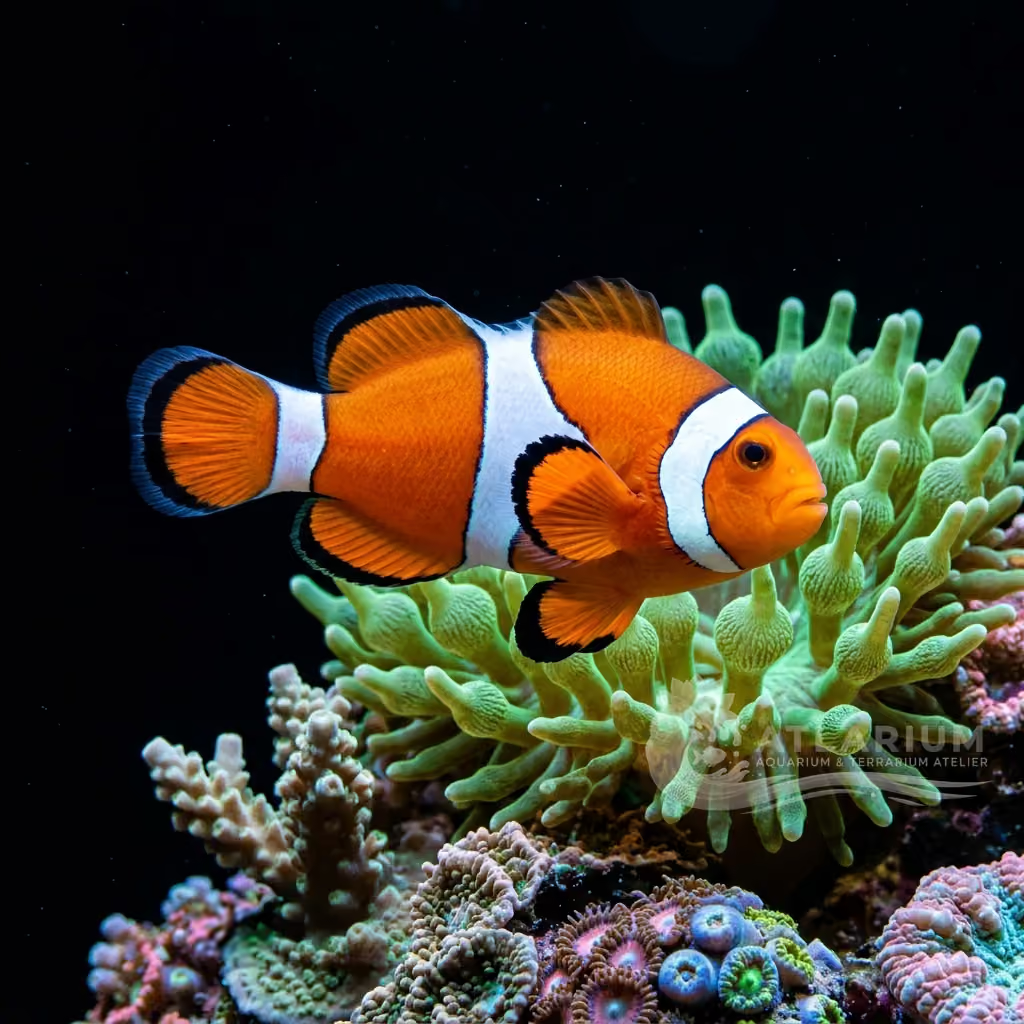
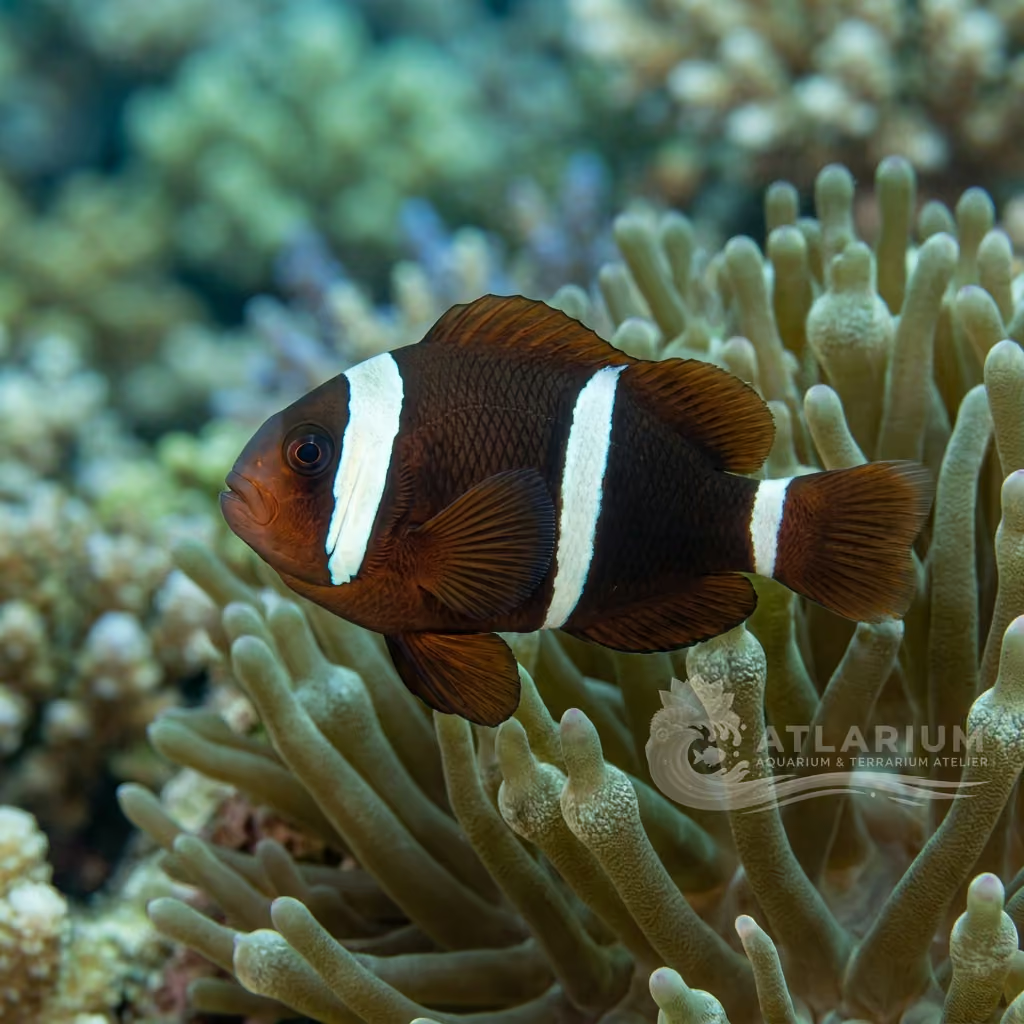
The saddleback clownfish (Amphiprion polymnus) is a striking marine species from the Indo-Australian Archipelago. It boasts black and white coloration with a distinct white "saddle" stripe extending partway down its body. This protandrous hermaphrodite uniquely forms symbiotic associations with sea anemones situated in silty lagoons and exposed sand flats.
Water Temperature
23 - 27 °C
pH Value
8 - 8.5
Water type
Marine
Tank level
Bottom and middle
Adult size
13 cm
Minimum tank volume
>= 120 L
Minimum group
>= 1
KH
8 - 12 dKH

Species description
Geographical Origin and Habitat: Western Indo-Pacific: widely distributed from the South China Sea south to northern Australia, New Guinea, and the Solomon Islands. It inhabits silty lagoons, coastal bays, and shallow seagrass beds at depths ranging from 2 to 30 meters, where water currents are generally slow and calm.
Taxonomy and Morphology: Belongs to the family Pomacentridae, subfamily Amphiprioninae. It features a dark, oval, and laterally compressed body shape with a protrusible mouth. Adults reach a maximum length of approximately 13 centimeters. It is characterized by three white vertical bars, with the central bar forming a saddle-like pattern.
Social Behavior: Lives in a strict symbiotic relationship with sand-dwelling anemones, primarily Stichodactyla haddoni and Heteractis crispa. They form stable monogamous pairs that actively protect their host from predators. It displays territorial behavior and can become semi-aggressive if its immediate space is invaded.
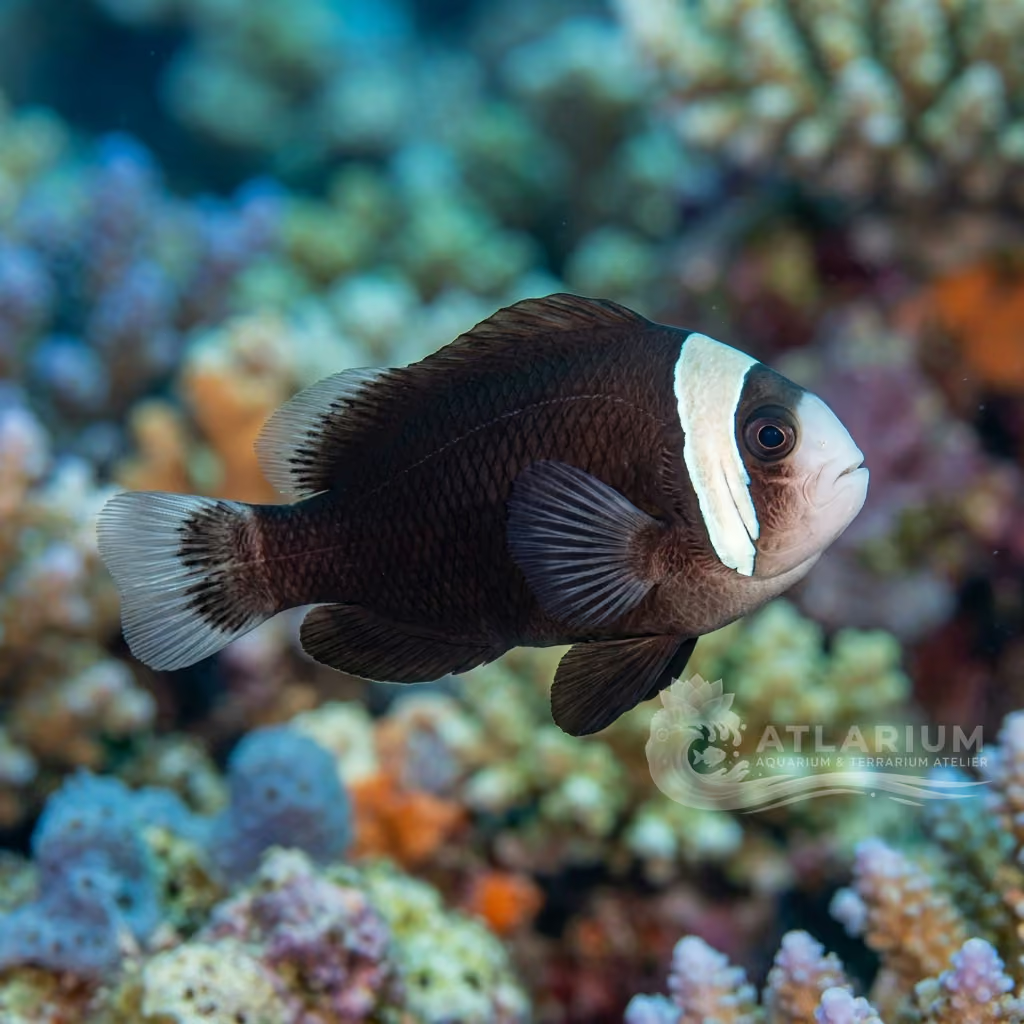
Coloration and Sexual Dimorphism: The body color is dark brown to blackish with a yellow-orange snout. It displays three vertical white bands: the first behind the eye, the second across the mid-body forming the saddle-like patch, and the third at the base of the caudal fin. Females are significantly larger and darker than males.

Care, breeding and tankmates
Aquarium Setup: Requires a mature marine aquarium of at least 120-150 liters, with a deep sandy area and stable live rock structures. Providing a suitable host anemone, particularly Haddon's carpet anemone (Stichodactyla haddoni), is highly recommended for natural behaviors and stress reduction.
Diet and Feeding: Omnivorous. In captivity, it should be fed a varied diet including frozen foods like mysis, brine shrimp, and copepods. It will also readily accept high-quality dry pellets and flakes enriched with marine algae or spirulina. Feed in small portions once or twice a day.
Water Quality: Maintain stable marine parameters: water temperature of 23°C to 27°C, pH between 8.0 and 8.5, specific gravity (SG) of 1.020-1.025, and a KH of 8-12 dKH. Efficient filtration and protein skimming are necessary to keep dissolved organic waste at a minimum.
Compatibility and Cohabitation: Semi-aggressive and highly territorial. It will defend its host anemone vigorously, chasing away any tankmates that venture too close. Avoid housing with other clownfish species in the same tank to prevent severe territorial fighting and chronic stress.
Aquarium Breeding: A protandrous hermaphrodite, where the breeding male transitions into a female if the dominant female is lost. Spawns adhesive eggs on smooth rocks near the base of the host anemone. The male guards and fans the nest until hatching, which occurs in 7-10 days.
Risks and Diseases: Susceptible to marine skin parasites, including Brooklynella hostilis (clownfish disease), Cryptocaryon irritans (marine ich), and Oodinium. Ensuring stable water conditions and implementing a quarantine period for new specimens are essential preventive measures.

Geographic origin and distribution
Western Indo-Pacific: widely distributed from the South China Sea south to northern Australia, New Guinea, and the Solomon Islands. It inhabits silty lagoons, coastal bays, and shallow seagrass beds at depths ranging from 2 to 30 meters, where water currents are generally slow and calm.
Origin
Tropical oceans and reefsAfrica and MadagascarAustralia, New Guinea, and Oceania

Fish profile
- Temperament
- Semi-aggressive
- The Saddleback Clownfish is classified as a semi-aggressive species and is generally more territorial than other common clownfish like the Ocellaris. They will vigorously defend their host anemone or chosen territory from any intruding fish, regardless of size. While relatively peaceful towards unrelated, non-competing species, they can become highly aggressive towards other clownfish. To minimize territorial disputes, they should be introduced to the aquarium last or alongside other semi-aggressive tank mates.
- Diet
- Omnivore
- As omnivores, Saddleback Clownfish require a diverse and balanced diet to maintain their health and vibrant coloration. In captivity, they should be offered a mix of high-quality marine flake food, pellets, and frozen meaty foods like mysis shrimp, brine shrimp, and finely chopped seafood. Incorporating vegetable matter, such as spirulina-enriched foods or marine algae, is also important for their digestive health. Offering a variety of foods prevents nutritional deficiencies and supports their immune system.
- Life expectancy
- 8-15 years
- Adult size
- 13 cm
- Sex ratio
- 1:1 ratio
- These fish are protandrous hermaphrodites and establish a strict size-based hierarchy, meaning they are best kept as a single specimen or a mated pair (1:1 ratio). Attempting to keep multiple adult Saddleback Clownfish together in a small aquarium will lead to severe territorial aggression and potential fatalities. If stocking a pair, it is recommended to introduce two juveniles or one large and one small individual to facilitate a smooth transition of the larger fish into a female. In very large setups, a small group can be kept, but only if multiple host anemones are provided to distribute territory.
- Feeding frequency
- Twice daily
- It is recommended to feed Saddleback Clownfish small portions one to two times daily. Younger, growing juveniles may benefit from being fed three times a day in smaller amounts to support their development. Only offer an amount of food that they can completely consume within two to three minutes to prevent leftovers from polluting the water. Spreading out the feedings helps reduce aggression by keeping the fish satisfied throughout the day.
- Bioload
- Low to Medium
- The Saddleback Clownfish produces a low to moderate amount of biological waste, placing a low-medium bioload on the aquarium's filtration system. To maintain the high water quality they require, especially if kept with host anemones, a reliable protein skimmer and efficient biological filtration are recommended. Regular water changes of 10% to 15% biweekly are essential to keep nitrate levels low and ensure a stable environment. A minimum tank size of 30 gallons is suggested for a single pair to ensure waste products do not accumulate rapidly.
- Flow
- Strong
- Saddleback Clownfish prefer low to moderate water flow within the aquarium. Because they are not exceptionally strong swimmers and have a distinctive bobbing swimming style, constant high-velocity currents can quickly exhaust them. It is important to design the aquascape with low-flow zones, particularly around their host anemone or preferred resting spots. However, adequate overall circulation is still necessary to maintain proper oxygenation and prevent detritus from settling.
- Jump risk
- Yes
- While Saddleback Clownfish are generally bottom-middle dwellers, they still pose a moderate risk of jumping out of the aquarium. Startling events, sudden lighting changes, or harassment from more aggressive tank mates can trigger this behavior. Therefore, a secure, tight-fitting lid or a mesh screen cover is highly recommended to prevent accidental escapes. Providing ample hiding spots within the rockwork can also help them feel safe, reducing the likelihood of a panic-induced jump.
- Reproduction
- Rare / not documented
- Reproduction in captivity is achievable and follows a protandrous hermaphroditic pattern, where the dominant male transforms into a female. Mated pairs are benthic spawners, with the female laying adhesive eggs on a flat rock surface near the protection of their host anemone. The male then fertilizes the eggs and assumes the primary responsibility of guarding and fanning them for six to eight days until they hatch. Rearing the larvae is a delicate process that requires a separate rearing tank and a constant supply of live rotifers as first food.
- Compatibility & tankmates
- Territorial
- This species is compatible with a wide range of peaceful to semi-aggressive reef fish, such as gobies, firefish, cardinalfish, and blennies. They should not be housed with large, predatory tank mates like groupers or lionfish that could easily swallow them. Additionally, keeping them with other clownfish species is strongly discouraged as it will trigger intense, often fatal territorial battles. If kept with aggressive damselfish, monitor the tank closely to ensure the Saddleback Clownfish is not being bullied.
- Tank level
- Middle/Bottom
- Saddleback Clownfish are not active open-water swimmers and spend most of their time hovering near the bottom-middle levels of the aquarium. They naturally associate with sandy substrates and muddy lagoons, so they will remain close to the substrate or their host anemone. Providing plenty of low-lying rockwork and sandy areas is crucial to mimic their natural habitat and make them feel secure. They rarely venture to the upper levels of the tank unless lured by food during feeding sessions.

Scientific Parameters & Models
FishBase
Window to the official scientific data of the species
FishBase v25.04Data synced on: 06/15/2026
- Trophic level
- 2.7 ± 0.3 se
- Resilience
- High (less than 15 months)
- Phylogenetic uniqueness (PD50)
- 0.5
- Bayesian Length-Weight
- a = 0.02344, b = 2.98
- VulnerabilityLow vulnerability (10 / 100)

Related species
Recommendations grouped by close relatives, companion choices, and similar care.