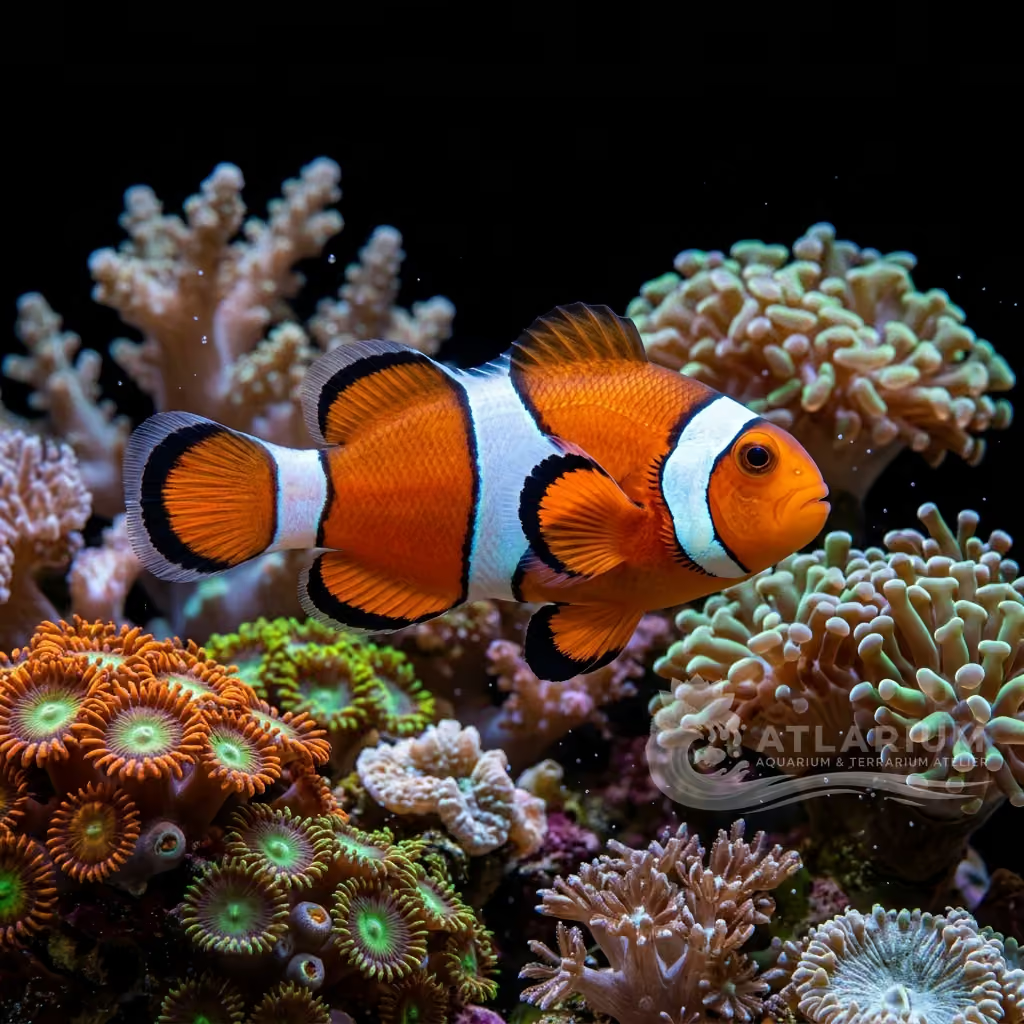
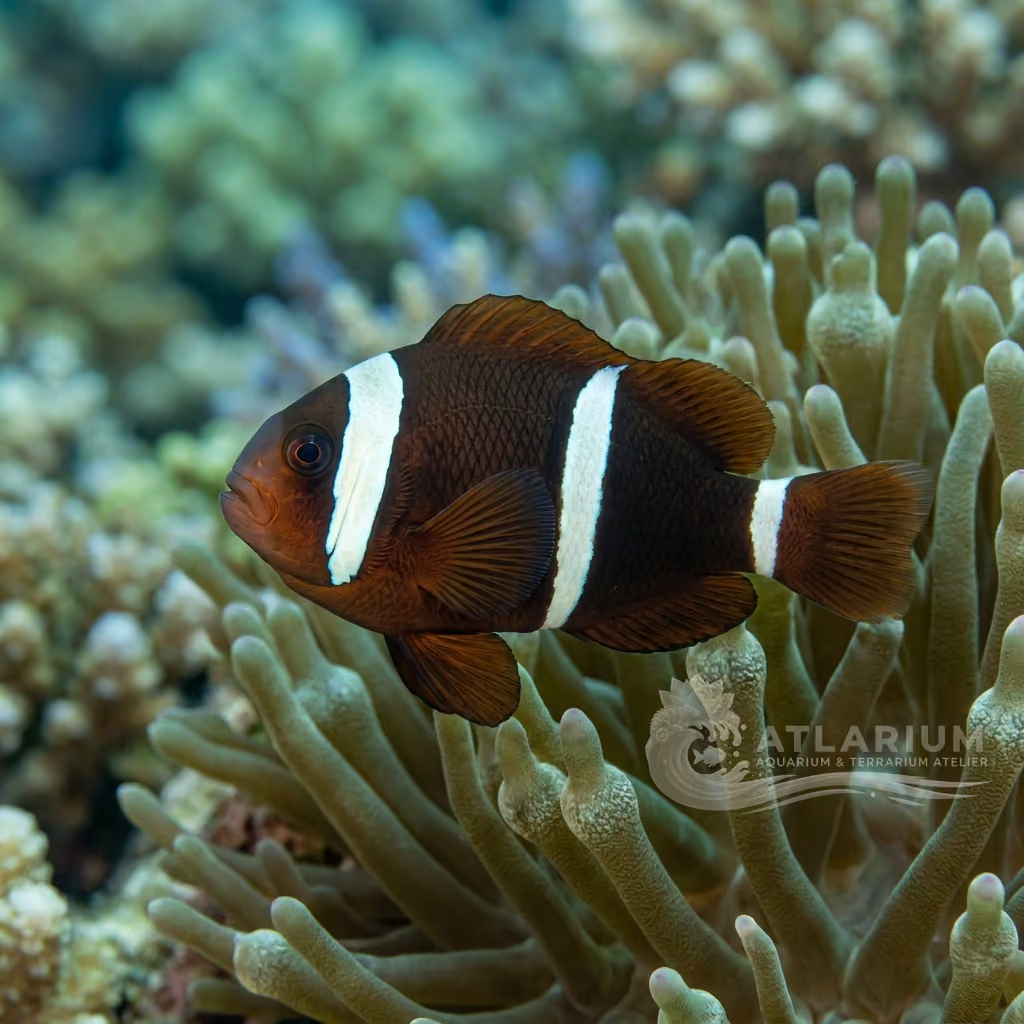
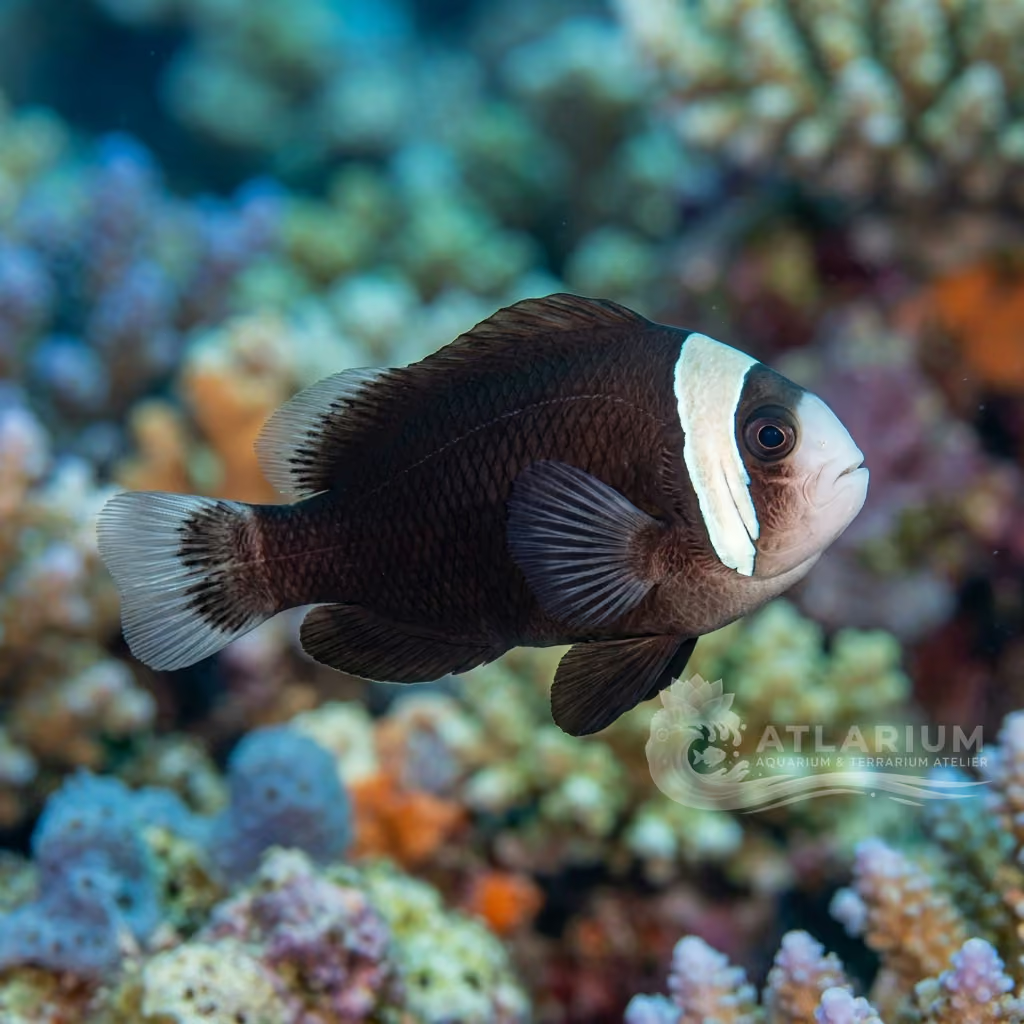
Red saddleback clownfish
Amphiprion ephippium
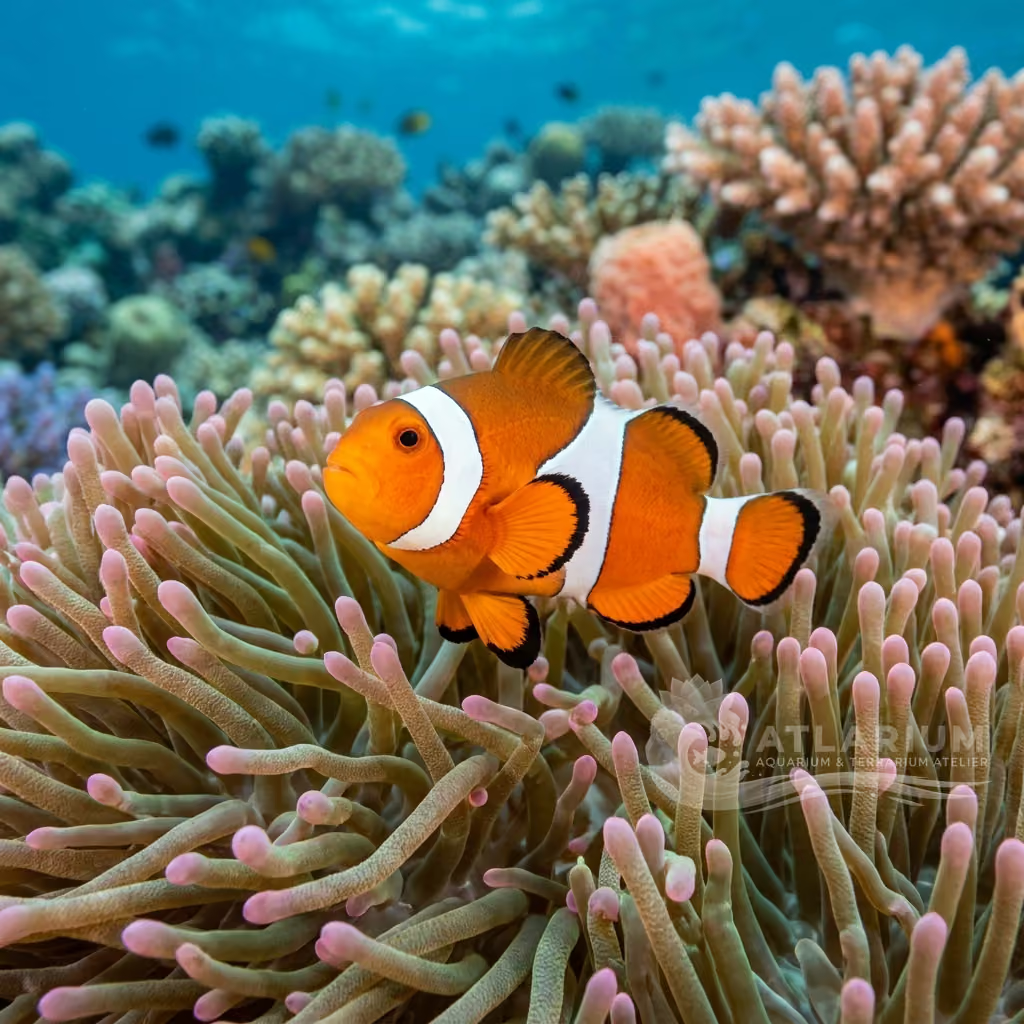
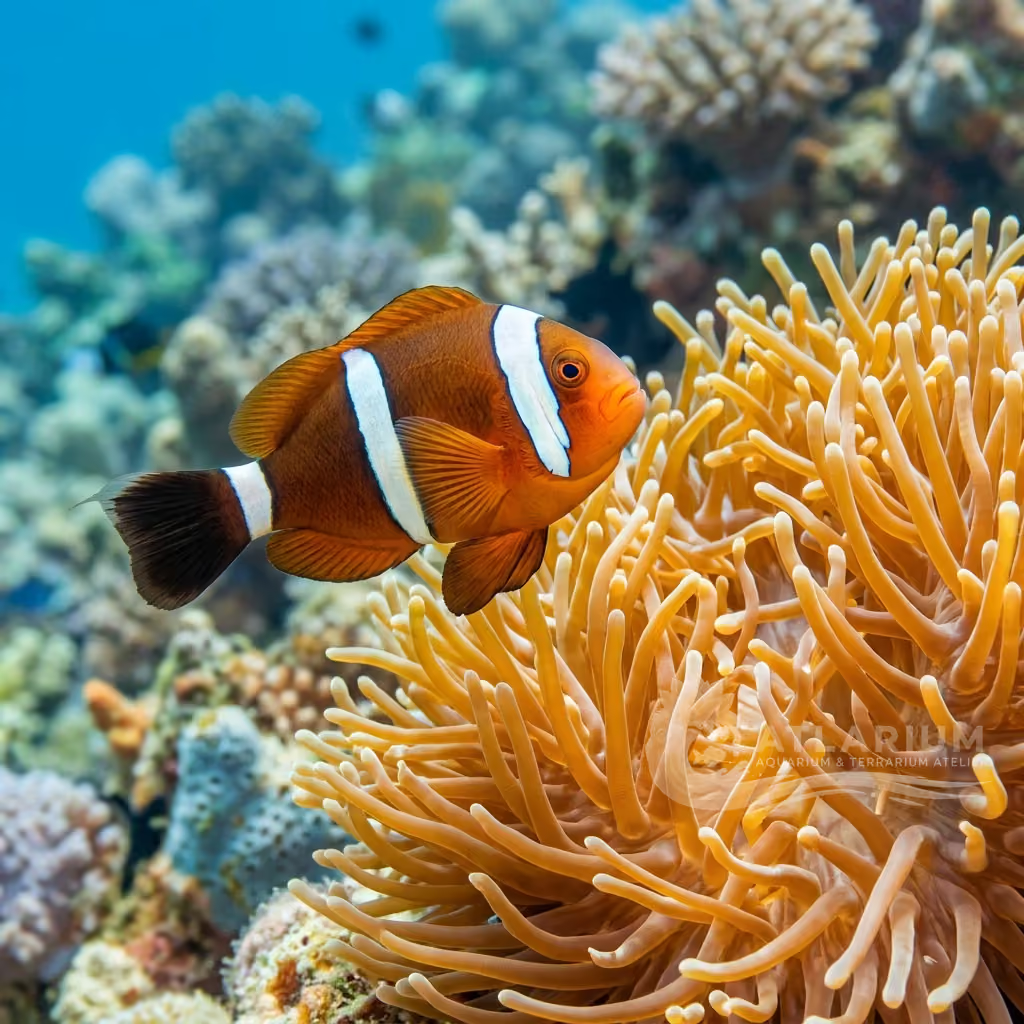
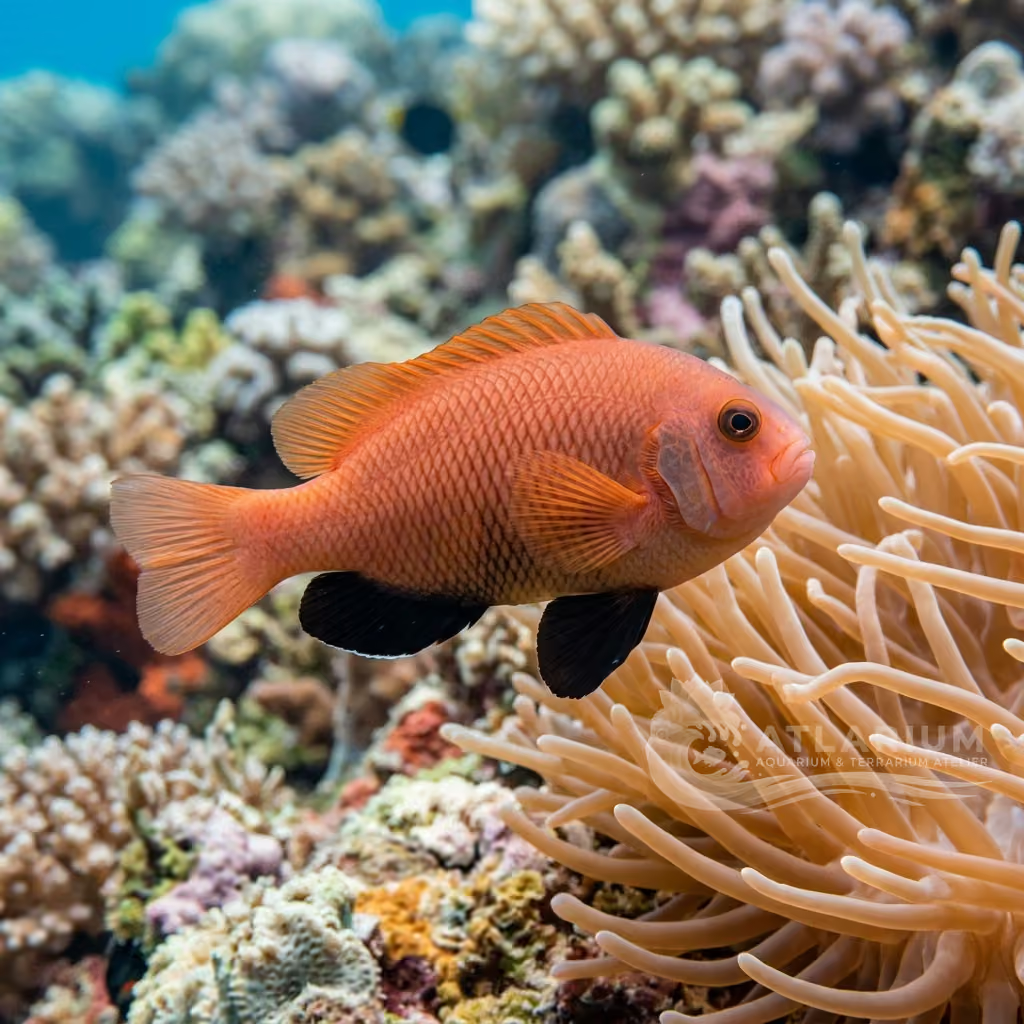
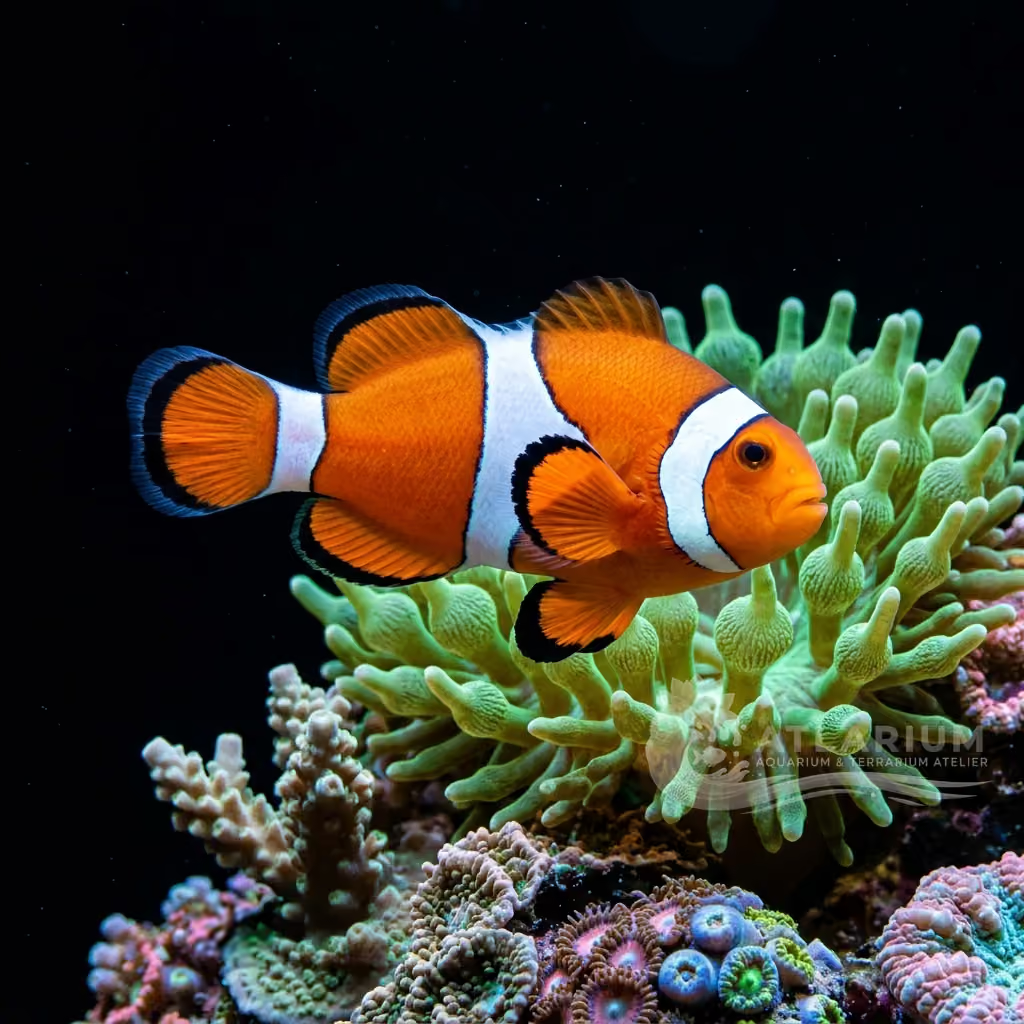
The Red Saddleback Clownfish lacks white stripes as an adult, featuring a fiery red body with a black saddle. This highly territorial fish forms a strong bond with its anemone.
Water Temperature
24 - 27 °C
pH Value
8.1 - 8.4
Water type
Marine
Tank level
Bottom and middle
Adult size
14 cm
Minimum tank volume
>= 120 L
Minimum group
>= 1
KH
8 - 12 dKH

Species description
Geographical Origin and Habitat: Eastern Indian Ocean, from the Andaman and Nicobar Islands to Java and Sumatra. Inhabits shallow, muddy or sandy lagoons containing host anemones. They are found in shallow reef areas where their preferred host anemones are abundant.
Taxonomy and Morphology: Member of the Pomacentridae family. Robust, oval body shape. Juveniles display thin white bands that disappear entirely as the fish grows into adulthood. Their body structure is adapted for short bursts of speed around their host anemone.
Social Behavior: Highly territorial and aggressive when mature. Forms stable, monogamous pairs that aggressively defend their host anemone against other fish. They establish a strict size-based hierarchy within their host anemone, with the female being dominant.
Coloration and Sexual Dimorphism: Deep reddish-orange body with a large black patch on the rear flanks. No white stripes are present in adult specimens. Females are much larger than males. Juveniles have a small white stripe near the head that completely disappears as they mature.

Care, breeding and tankmates
Aquarium Setup: Minimum tank volume of 120 liters (30 gallons). Provide plenty of rocky caves. Naturally associates with Entacmaea quadricolor and Heteractis crispa. Provide a well-established reef tank with a healthy host anemone to replicate their natural habitat.
Diet and Feeding: Omnivorous. Feed a varied diet including frozen mysis, brine shrimp, chopped seafood, marine pellets, flakes, and spirulina-based foods. A balanced diet of flakes, pellets, and frozen foods will keep them healthy and active.
Water Quality: Requires stable marine parameters: temperature 24-27°C (75-81°F), pH 8.1-8.4, specific gravity 1.020-1.025, and KH 8-12. Good filtration is necessary. Good water movement and efficient filtration are necessary to maintain optimal water parameters.
Compatibility and Cohabitation: Do not mix with other clownfishes due to aggressive territoriality. House with active reef species like tangs and dwarf angelfishes. They are compatible with most peaceful reef fish but can be highly aggressive towards other clownfish.
Aquarium Breeding: Regularly spawns in captivity. The pair cleans a rock surface near the anemone for egg deposition. The male guards the nest until hatching. They readily spawn in captivity, laying eggs on flat surfaces near the base of their anemone.
Risks and Diseases: Generally hardy, but prone to Brooklynella hostilis (Clownfish Disease) and marine ich under stress. Quarantine is highly recommended. Generally hardy, but susceptible to Brooklynella and marine ich if water quality deteriorates.

Geographic origin and distribution
Eastern Indian Ocean, from the Andaman and Nicobar Islands to Java and Sumatra. Inhabits shallow, muddy or sandy lagoons containing host anemones. They are found in shallow reef areas where their preferred host anemones are abundant.
Origin
Tropical oceans and reefsSouth and Southeast Asia

Fish profile
- Temperament
- Semi-aggressive
- Amphiprion ephippium is characterized by a semi-aggressive and highly territorial temperament, especially when compared to gentler clownfish species. As they mature and establish their territory, they will vigorously defend their chosen area, including any host anemone, against all intruders. This aggression is particularly intense toward other clownfish species and fish of similar shape or color. Aquarists must be prepared for this assertive behavior and ensure that the tank setup offers enough visual barriers to keep territorial aggression to a minimum.
- Diet
- Omnivore
- In the wild, Amphiprion ephippium is an omnivore, feeding on zooplankton, small invertebrates, algae, and detritus near reef structures. In the home aquarium, they are eager feeders and accept a wide variety of prepared foods, including high-quality marine flakes, pellets, and freeze-dried options. To support their health and enhance their vibrant coloration, their diet should be supplemented with frozen foods like mysis shrimp, brine shrimp, and chopped krill. Incorporating spirulina or other algae-based foods is also beneficial to mimic their natural grazing habits and support digestive health.
- Life expectancy
- 8-15 years
- Adult size
- 14 cm
- Sex ratio
- 1:1 ratio
- This species exhibits protandrous hermaphroditism, meaning all individuals are born genderless and mature as males, with the dominant individual transitioning into a female. In the aquarium, it is highly recommended to keep them either as a single specimen or as a mated pair consisting of one large female and one smaller male. Introducing multiple adults or creating a larger group is not advised, as the intense territorial behavior will lead to severe aggression and the potential death of submissive individuals. Stocking should focus on establishing a stable, peaceful pair to avoid conflicts within the tank.
- Feeding frequency
- Twice daily
- Adult Amphiprion ephippium should be fed two to three times daily in small portions that they can completely consume within a couple of minutes. Juveniles have higher metabolic rates and require more frequent feedings, ideally three to four times a day, to support proper growth and development. Feeding multiple small meals throughout the day helps reduce territorial stress and aggression by keeping them occupied and well-fed. Care should be taken to avoid overfeeding, as excess food will decay and degrade water parameters, creating health risks for the entire aquarium.
- Bioload
- Low to Medium
- Amphiprion ephippium has a low-to-medium biological load due to its moderate size, reaching up to 12-14 centimeters in adulthood. Despite their robustness, they require stable water parameters and efficient biological filtration to manage waste products such as ammonia and nitrates. A high-quality protein skimmer combined with regular partial water changes is recommended to maintain optimal water quality. If kept with a host anemone, filtration requirements increase, as anemones are highly sensitive to organic pollution and require pristine water conditions.
- Flow
- Moderate
- Amphiprion ephippium prefers moderate water flow, which mimics their natural lagoon and sheltered reef habitats. While they are strong swimmers, excessive currents will exhaust them and force them to hide constantly, causing unnecessary stress. If a host anemone is present, the water flow must also accommodate the anemone's needs, which usually align well with moderate, turbulent movement. Providing various zones in the aquarium, including lower-flow resting areas behind rockwork, will allow the fish to swim comfortably and rest when needed.
- Jump risk
- Yes
- While clownfish are not notorious escape artists compared to wrasses or gobies, Amphiprion ephippium still poses a moderate jump risk. They are easily startled by sudden lighting changes, maintenance activity, or aggressive encounters with tankmates, which can trigger a flight response that leads them to leap out of the water. To prevent tragic accidents, a tight-fitting mesh lid or glass cover is strongly recommended. Providing stable lighting schedules with dimming effects can also reduce the startle response and minimize the likelihood of jumping.
- Reproduction
- Oviparous
- Breeding Amphiprion ephippium in captivity is achievable and follows the standard pattern of egg-laying clownfish. An established pair will clean a flat rock surface, often near their host anemone, where the female will lay a clutch of several hundred adhesive eggs. The male then fertilizes the eggs and assumes sole responsibility for guarding and fanning them to ensure oxygen flow until they hatch, which typically occurs after 7 to 9 days. Breeding success requires maintaining high water stability, feeding the pair premium conditioning foods, and setting up a separate larval tank with rotifers as a first food source.
- Compatibility & tankmates
- Aggressive
- Due to their territorial and semi-aggressive nature, Amphiprion ephippium should be kept with caution. Compatible tankmates include semi-aggressive species like larger damselfish, wrasses, tangs, and moderately assertive dottybacks that can withstand their territorial defenses. They are generally peaceful toward sessile invertebrates, making them reef-safe, though they might occasionally nip at corals if they nest nearby. Peaceful, slow-moving, or very timid species should be avoided, and keeping them with other species of clownfish is highly discouraged as it will result in fatal combat.
- Tank level
- Middle/Bottom
- Amphiprion ephippium primarily inhabits the bottom and middle zones of the aquarium, rarely venturing to the upper water column. Their movement is heavily centered around their chosen territory, which is typically a host anemone or a specific rock formation. In the absence of an anemone, they will establish a home base near a cave or crevice and defend this area actively. Consequently, aquarium decoration should include plenty of live rock at these lower levels to provide shelter and define territory boundaries.

Scientific Parameters & Models
FishBase
Window to the official scientific data of the species
FishBase v25.04Data synced on: 06/15/2026
- Trophic level
- 2.7 ± 0.31 se
- Resilience
- High (less than 15 months)
- Phylogenetic uniqueness (PD50)
- 0.5
- Bayesian Length-Weight
- a = 0.02344, b = 2.98
- VulnerabilityLow vulnerability (10 / 100)

Related species
Recommendations grouped by close relatives, companion choices, and similar care.