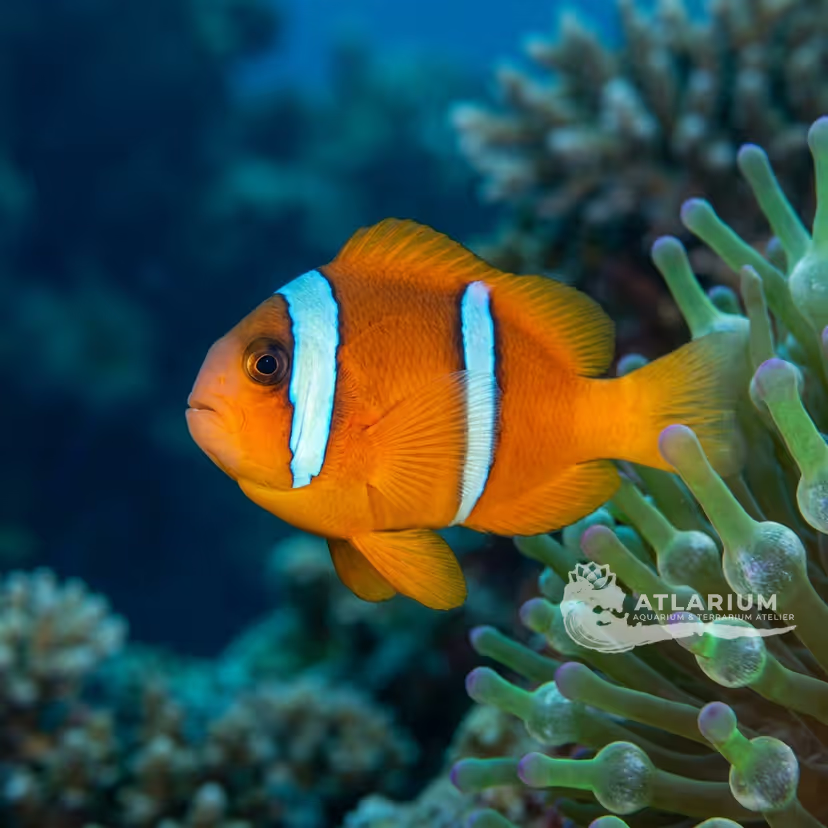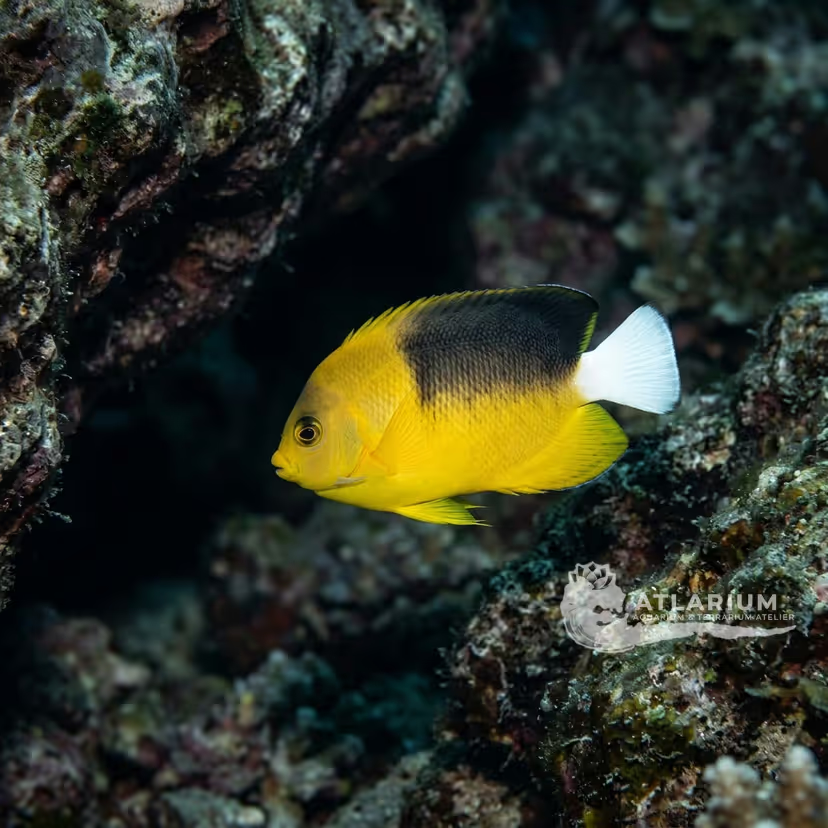
Encyclopaedia

FishMarineAdvanced
©AI Generated·Proprietary

Wideband anemonefish

Amphiprion latezonatus

The Wideband Anemonefish is a rare subtropical clownfish with a distinctive wide white central band. It requires cooler water temperatures and thrives with a host anemone.

Taxonomy
Class:Actinopteri
Order:Perciformes
Family:Pomacentridae
Subfamily:Amphiprioninae
Genus:Amphiprion
Species:Amphiprion latezonatus

Share

Check out Wideband anemonefish on Atlarium

PracticeRecognition quizzesPhotos, names, origins, and puzzles to review Atlas species.Open quizzes
Water Temperature

20 - 24 °C

pH Value

8.1 - 8.4

Water type

Marine

Tank level

Bottom and middle

Adult size

14 cm

Minimum tank volume

>= 150 L

Minimum group

>= 1

KH

8 - 12 dKH

Species description

Geographical Origin and Habitat: Amphiprion latezonatus, the wideband anemonefish, is native to the subtropical reefs of Eastern Australia, specifically around New South Wales, Lord Howe Island, and the southern parts of the Great Barrier Reef. They inhabit rocky reefs and outer slopes at depths of 10 to 45 meters, living in symbiotic association with anemones, primarily the Sebae Anemone (Heteractis crispa).
Taxonomy and Morphology: A member of the Pomacentridae family, this species is relatively large and deep-bodied compared to other clownfishes, reaching a maximum length of 14 centimeters (5.5 inches). The body is robust and laterally compressed, with a slightly emarginate caudal fin. The mouth is terminal with fine teeth.
Social Behavior: Displaying typical clownfish behavior, it is highly territorial and can be aggressive, especially towards other clownfish species or intruders near its host. They form stable, monogamous pairs. Within the pair, a strict social hierarchy exists where the female is dominant and larger than the male.
Coloration and Sexual Dimorphism: The body coloration is dark brown to black, marked with three vertical white bars. The middle bar is exceptionally wide, occupying a large portion of the midsection, and often displays a subtle blue hue. The face is dark, and the caudal fin has a white margin. They are protandrous hermaphrodites; the dominant male changes sex to female.

Care, breeding and tankmates

Aquarium Setup: A minimum tank size of 40 gallons (150 liters) is required for a pair. The tank should feature a healthy host anemone (Heteractis crispa is preferred) settled on live rock. Due to their subtropical origin, a water chiller is highly recommended to maintain cooler temperatures year-round.
Diet and Feeding: Omnivorous and easy to feed. Offer a varied diet of frozen foods such as mysis shrimp, brine shrimp, and chopped seafood, along with high-quality marine flakes and pellets. Food containing spirulina or marine algae should be provided regularly to support color development.
Water Quality: Unlike tropical clownfish, this species thrives in cooler water temperatures between 20 and 23 °C (68 to 73 °F). Avoid sustained temperatures above 25 °C (77 °F). Keep specific gravity stable at 1.020 to 1.025, pH at 8.1 to 8.4, and ensure efficient protein skimming.
Compatibility and Cohabitation: Excellent for reef tanks. They are generally peaceful towards non-related fish but will defend their anemone aggressively. Do not mix with other clownfish species in the same tank to prevent territory battles. Safe with corals and standard invertebrates.
Aquarium Breeding: Captive breeding is achieved by experienced aquarists. The pair spawns on a flat surface near the anemone base, and the male cares for the eggs until they hatch in about 7-9 days. Raising the larvae requires rotifer cultures and precise larval rearing tanks.
Risks and Diseases: They are extremely vulnerable to Brooklynella hostilis (clownfish disease), which is often fatal if not treated quickly with formalin baths. They are also prone to marine ich (Cryptocaryon). Stress from high water temperatures significantly lowers their disease resistance.

Geographic Origin and Distribution

Amphiprion latezonatus, the wideband anemonefish, is native to the subtropical reefs of Eastern Australia, specifically around New South Wales, Lord Howe Island, and the southern parts of the Great Barrier Reef. They inhabit rocky reefs and outer slopes at depths of 10 to 45 meters, living in symbiotic association with anemones, primarily the Sebae Anemone (Heteractis crispa).

Origin

Tropical oceans and reefsAustralia, New Guinea, and Oceania

Fish profile

Temperament
Semi-aggressive
The Wideband Clownfish is a semi-aggressive and highly territorial species, particularly as it reaches maturity and establishes a home base. They will aggressively defend their host anemone or chosen rockwork against any intruders, including other clownfish and similarly shaped species. To minimize conflict, it is best to keep them as a single specimen or an established pair, and avoid housing them with overly docile or passive tank mates. Proper aquascaping with visual barriers can help reduce territorial disputes in community setups.
Diet
Omnivore
As omnivores, these fish require a varied diet consisting of both meaty foods and plant matter to maintain their health and vibrant coloration. In the aquarium, they should be offered high-quality marine pellets, flakes enriched with spirulina, and frozen foods such as mysis shrimp, brine shrimp, and finely chopped seafood. Providing a diverse menu ensures they receive all necessary vitamins and nutrients. Feeding captive-bred specimens is usually straightforward, as they readily accept prepared commercial diets.
Life expectancy
10-15 years
In a well-maintained captive environment, the Wideband Clownfish is a long-lived species that can survive for 10 to 15 years, or even longer, under optimal care. Achieving this longevity requires stable water parameters, low stress, and a varied, high-quality diet. Captive-bred specimens are generally hardier and tend to adapt better to aquarium life, giving them a better chance of reaching their full lifespan. Regular health monitoring and prompt treatment of any disease are key to ensuring a long and healthy life.
Sex ratio
ONE_TO_ONE
Like all anemonefish, this species exhibits protandrous sequential hermaphroditism, meaning they are born genderless and can transition from male to female. They are best kept as a single specimen or as a matched male-female pair, which can be established by introducing two young, juvenile individuals of different sizes. In larger aquariums, a small group can be kept, where a strict size-based dominance hierarchy will form with a single breeding pair and several smaller, non-breeding subordinates. Introducing multiple mature females will lead to severe and potentially fatal fighting.
Feeding frequency
Twice daily
It is recommended to feed the Wideband Clownfish in small portions one to two times daily. Frequent, controlled feedings help satisfy their energy needs and mimic their natural foraging behavior on the reef. Regular feeding schedules also play a role in reducing territorial aggression, as well-fed individuals are generally less competitive over resources. Any uneaten food should be removed promptly to prevent water quality deterioration.
Bioload
Medium
The Wideband Clownfish produces a moderate biological waste load, primarily due to its relatively large adult size of up to 14 centimeters and hearty appetite. Maintaining this species requires a robust filtration system, an efficient protein skimmer, and regular water changes to manage nutrient levels. This is especially critical if they are housed with a host anemone, which demands immaculate water quality to thrive. A minimum tank volume of 30 to 50 gallons is recommended to dilute waste and maintain stable chemical parameters.
Flow
Moderate
This species prefers moderate, indirect water flow within the aquarium. While they originate from coral reef environments, they require calm zones where they can swim easily without fighting strong currents, particularly near their host anemone or resting site. High-velocity linear flow can stress the fish and should be avoided in favor of randomized, turbulent flow created by wavemakers. Ensuring adequate water movement is still important to maintain high oxygen levels and keep detritus from settling.
Jump risk
Yes
While they are not notorious jumpers compared to some wrasses or gobies, they do pose a moderate jump risk, especially when startled or stressed. Sudden lighting changes, aggressive interactions with tank mates, or the initial acclimation period can cause them to leap from the water. To prevent accidental escapes and loss, the aquarium must be fitted with a tight-fitting lid or a secure mesh cover. Taking these precautions is vital for safeguarding these valuable and highly sought-after fish.
Reproduction
Oviparous
Breeding the Wideband Clownfish in captivity is a challenging but achievable endeavor that requires a compatible, mature pair. They are egg-layers, with the female depositing adhesive eggs on a flat rock surface near their host anemone, which the male then fertilizes and diligently guards until hatching. The larvae hatch in darkness after several days and must be moved to a dedicated rearing tank. Raising the fry is difficult, requiring a steady supply of live rotifers and microalgae to sustain them through their early developmental stages.
Compatibility & tankmates
Community
The Wideband Clownfish is compatible with a wide range of semi-aggressive reef fish, such as larger damselfish, tangs, and moderately active wrasses. However, they should not be kept with other clownfish species in the same aquarium to prevent severe territorial combat. They are reef-safe and generally do not harm corals or sessile invertebrates, making them excellent candidates for reef tanks. In the wild, they share a symbiotic relationship with the anemone *Heteractis crispa*, which they will readily host if provided.
Tank level
Middle/Bottom
The Wideband Clownfish typically occupies the bottom and middle zones of the aquarium, where they will establish a home territory. They tend to hover closely around their chosen host anemone or a specific rocky crevice that serves as their sanctuary. While they will venture to the upper levels of the water column to feed during meal times, they rarely wander far from the safety of their designated territory. Providing ample rockwork at these lower levels is essential for their security and comfort.

Window to the official scientific data of the species

Data synced on: 06/15/2026

Scientific Parameters & Models

Trophic level
2.7 ± 0.3 se
Resilience
High (less than 15 months)
Phylogenetic uniqueness (PD50)
0.5
Bayesian Length-Weight
a = 0.02344, b = 2.98
VulnerabilityLow vulnerability (10 / 100)

Image gallery

Licensed images linked to the species or, when marked, to the closest representative taxon.

Related species

Recommendations grouped by close relatives, companion choices, and similar care.

Variants and close relatives

Same atlas type, nearby scientific identity, genus, or family.
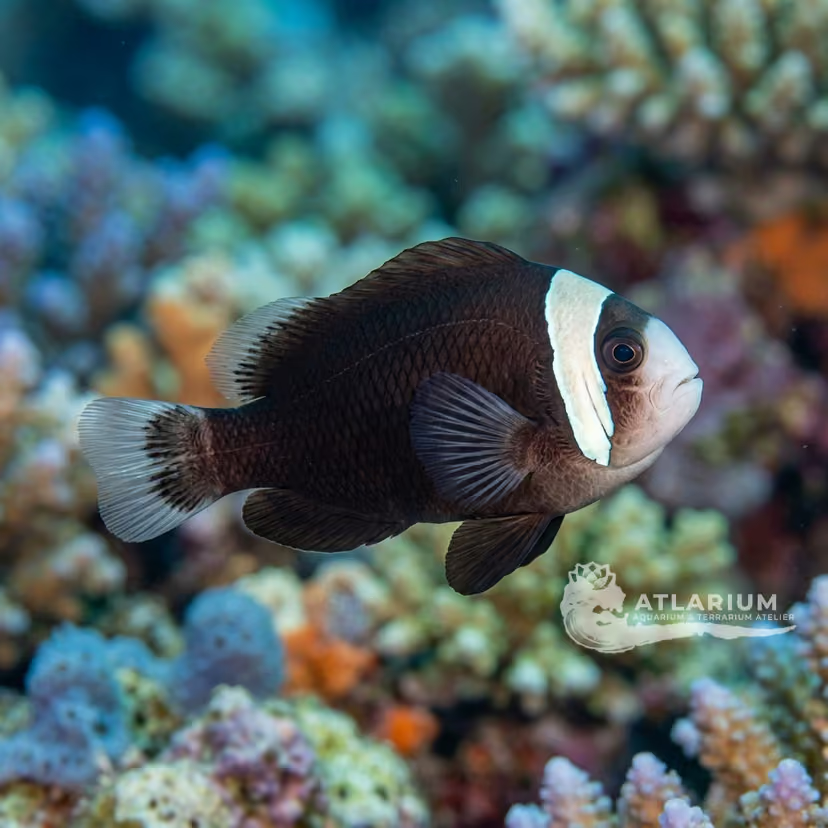
McCulloch's Clownfish

McCulloch's Clownfish

Amphiprion mccullochi

View details->
Cinnamon Clownfish

Cinnamon Clownfish

Amphiprion melanopus

View details->
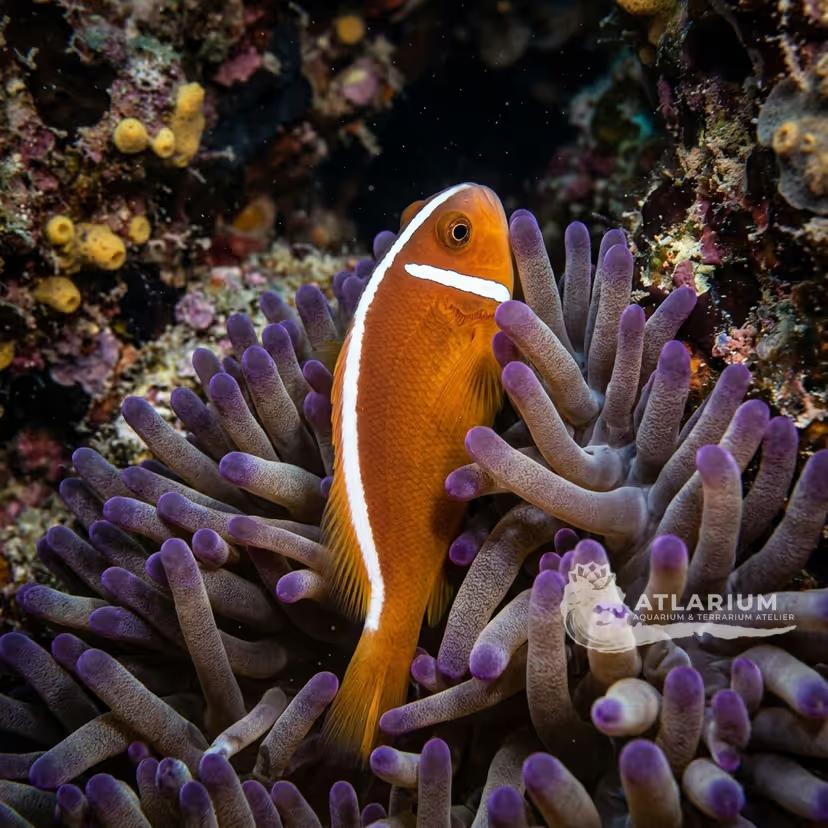
Clark's anemonefish

Clark's anemonefish

Amphiprion clarkii
View details->
Orange Skunk Clownfish

Orange Skunk Clownfish

Amphiprion sandaracinos
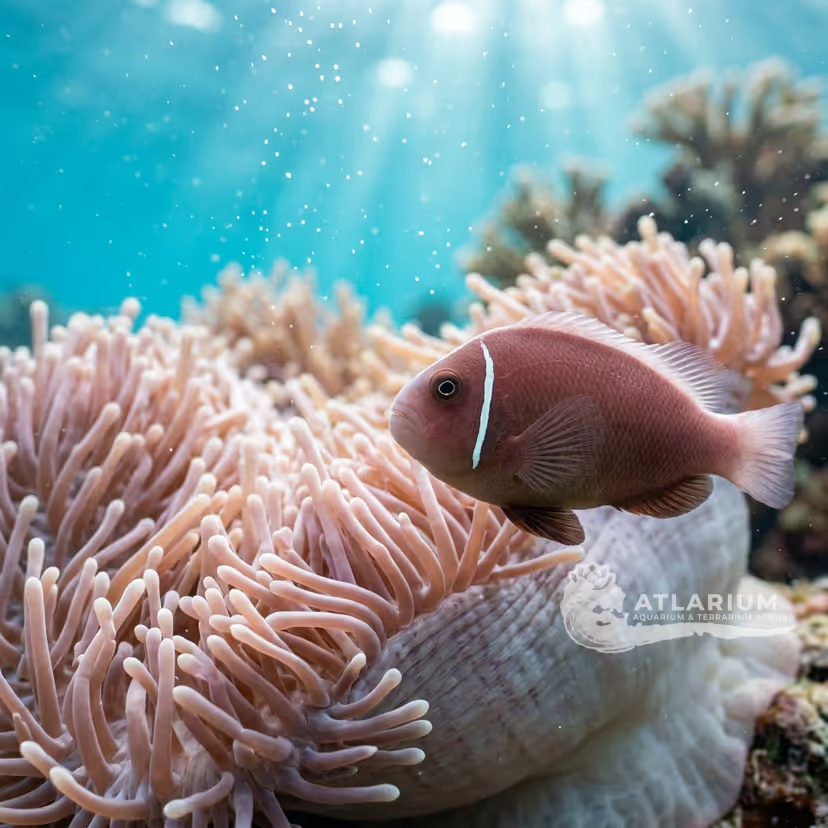
View details->
Pink Skunk Clownfish

Pink Skunk Clownfish

Amphiprion perideraion
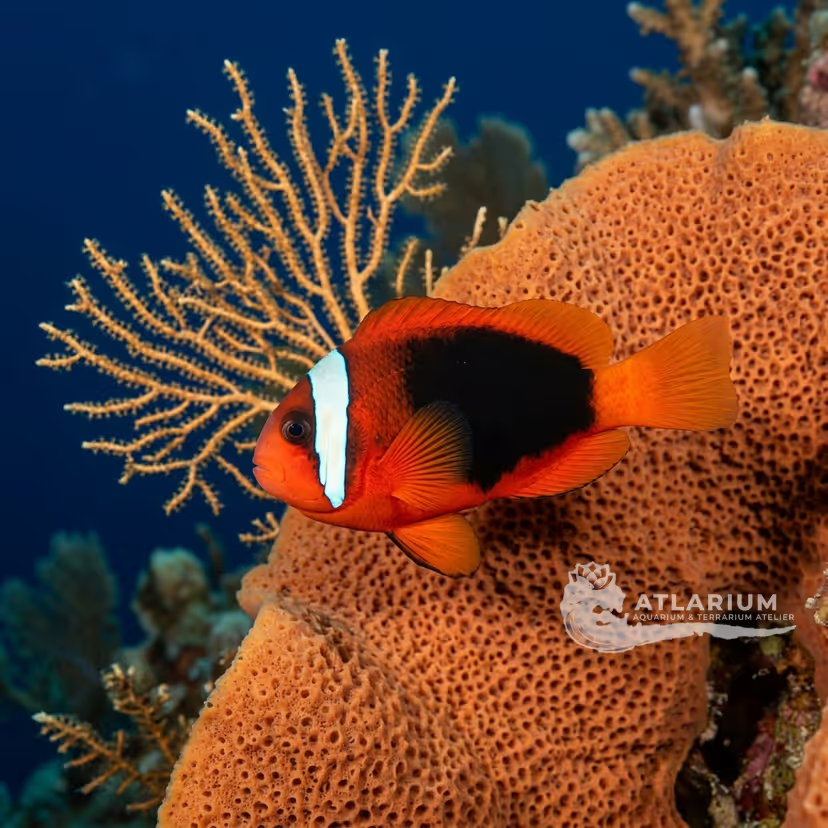
View details->
Red saddleback clownfish

Red saddleback clownfish

Amphiprion ephippium
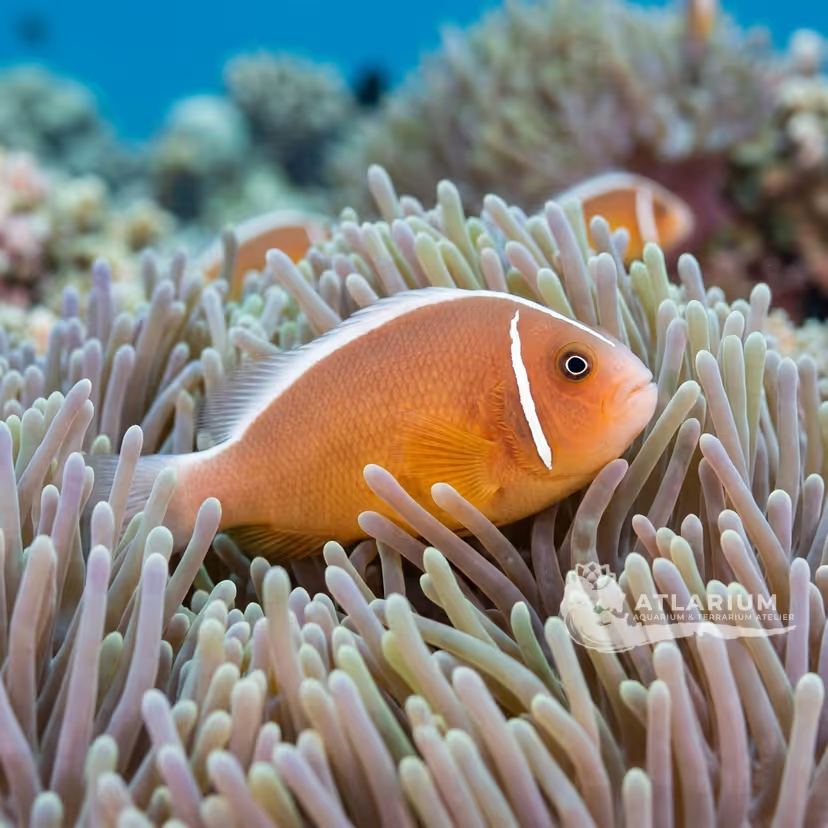
View details->
Skunk clownfish

Skunk clownfish

Amphiprion akallopisos
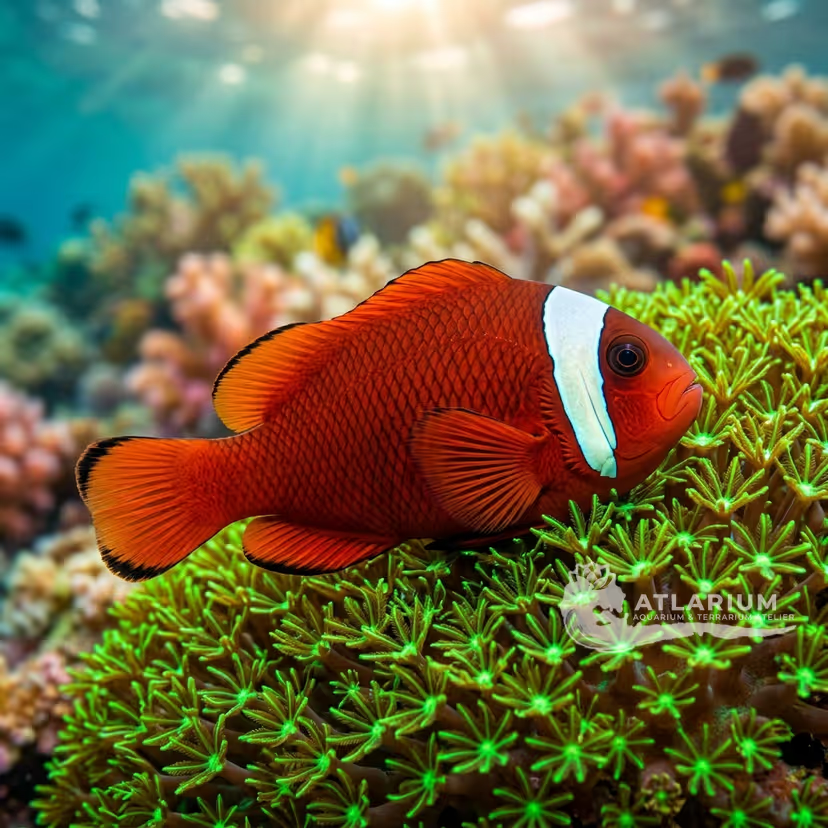
View details->
Tomato clownfish

Tomato clownfish

Amphiprion frenatus

View details->
Two-band Anemonefish

Two-band Anemonefish

Amphiprion bicinctus

View details->
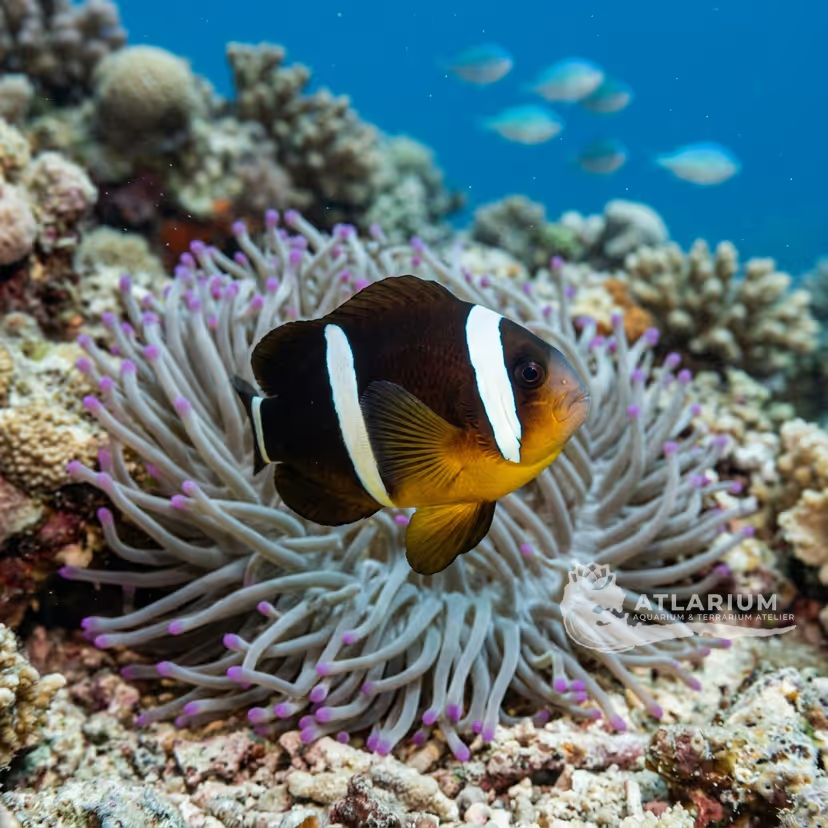
Oman Anemonefish

Oman Anemonefish

Amphiprion omanensis
View details->
Sebae clownfish

Sebae clownfish

Amphiprion sebae

View details->
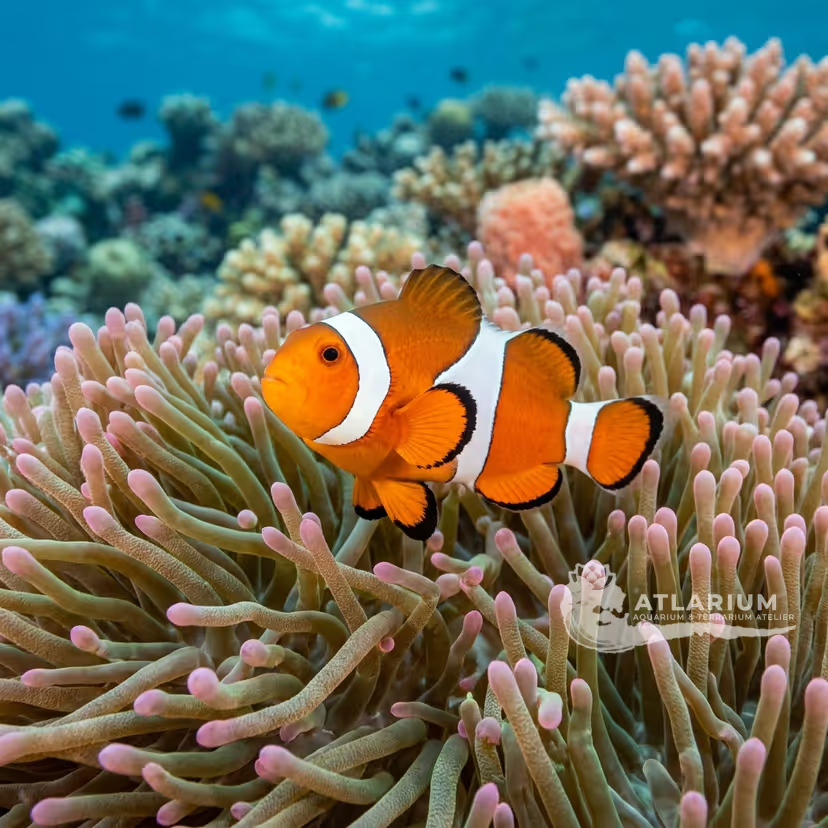
Saddleback Clownfish

Saddleback Clownfish

Amphiprion polymnus
View details->
Barrier Reef Clownfish

Barrier Reef Clownfish

Amphiprion akindynos

View details->
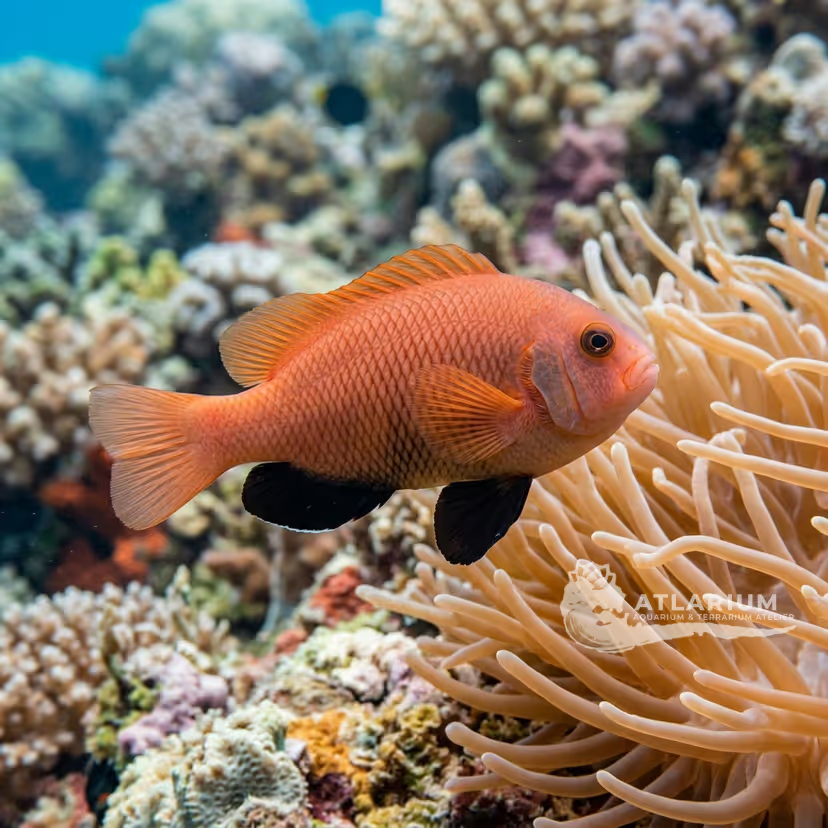
Chagos Anemonefish

Chagos Anemonefish

Amphiprion chagosensis
View details->
Maldive Anemonefish

Maldive Anemonefish

Amphiprion nigripes

View details->
Ocellaris clownfish

Ocellaris clownfish

Amphiprion ocellaris

View details->

Recommended companions

Compatible cards from coherent ecosystems with matching parameters.

Grape caulerpa
Plant

Grape caulerpa

Caulerpa racemosa

View details->
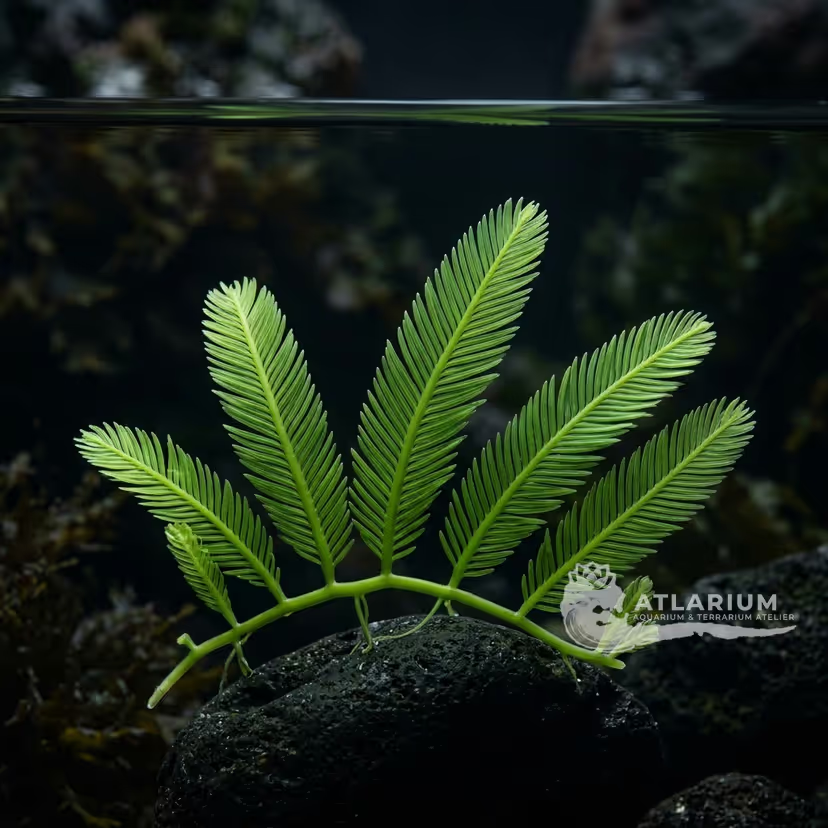
Caulerpa prolifera
Plant

Caulerpa prolifera

Caulerpa prolifera
View details->
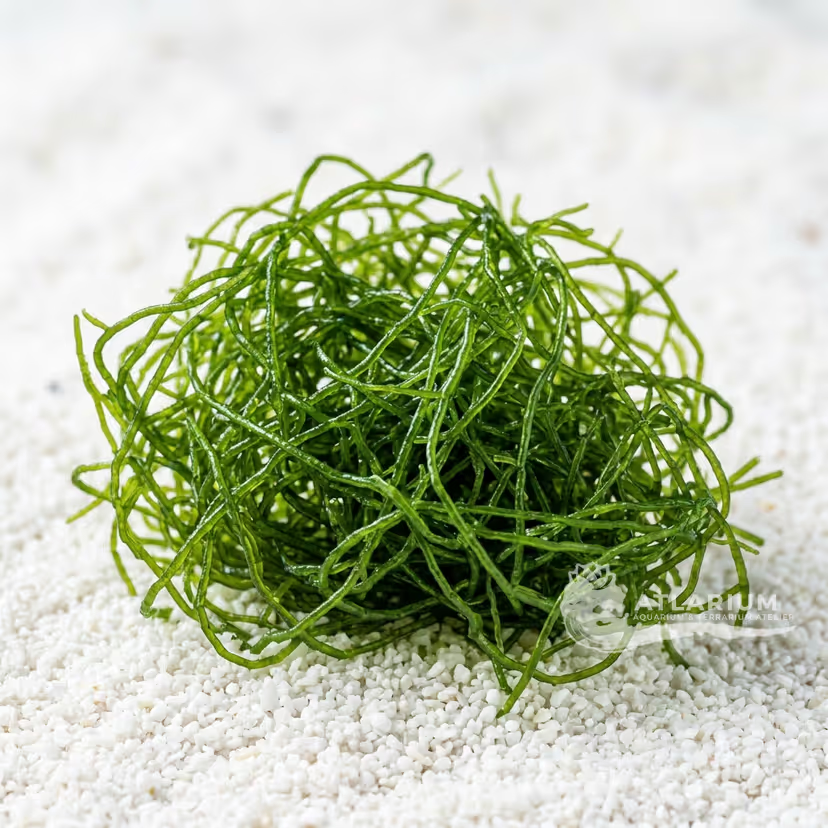
Caulerpa taxifolia
Plant

Caulerpa taxifolia

Caulerpa taxifolia
View details->
Chaetomorpha macroalgae
Plant

Chaetomorpha macroalgae

Chaetomorpha linum

View details->
Dead man fingers algae
Plant

Dead man fingers algae

Codium fragile

View details->
Halimeda macroalgae
Plant

Halimeda macroalgae

Halimeda opuntia

View details->
Peacock tail algae
Plant

Peacock tail algae

Padina pavonica

View details->
Red gracilaria
Plant

Red gracilaria

Gracilaria parvispora

View details->
Red grape algae
Plant

Red grape algae

Botryocladia uvaria

View details->
Sea lettuce
Plant

Sea lettuce

Ulva lactuca

View details->
Red Mangrove
Plant

Red Mangrove

Rhizophora mangle

View details->

Similar care

Cards with similar requirements, difficulty, habitat, and husbandry profile.
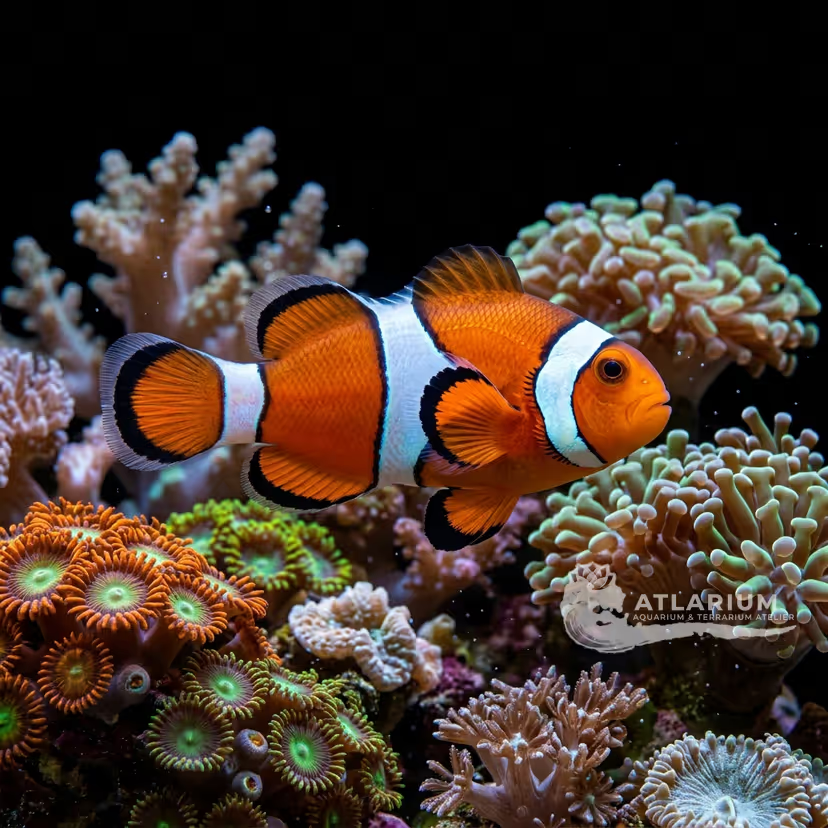
Percula clownfish

Percula clownfish

Amphiprion percula

View details->
Rolland's damselfish

Rolland's damselfish

Chrysiptera rollandi

View details->
Azure damselfish

Azure damselfish

Chrysiptera hemicyanea

View details->
Talbot's Damselfish

Talbot's Damselfish

Chrysiptera talboti

View details->
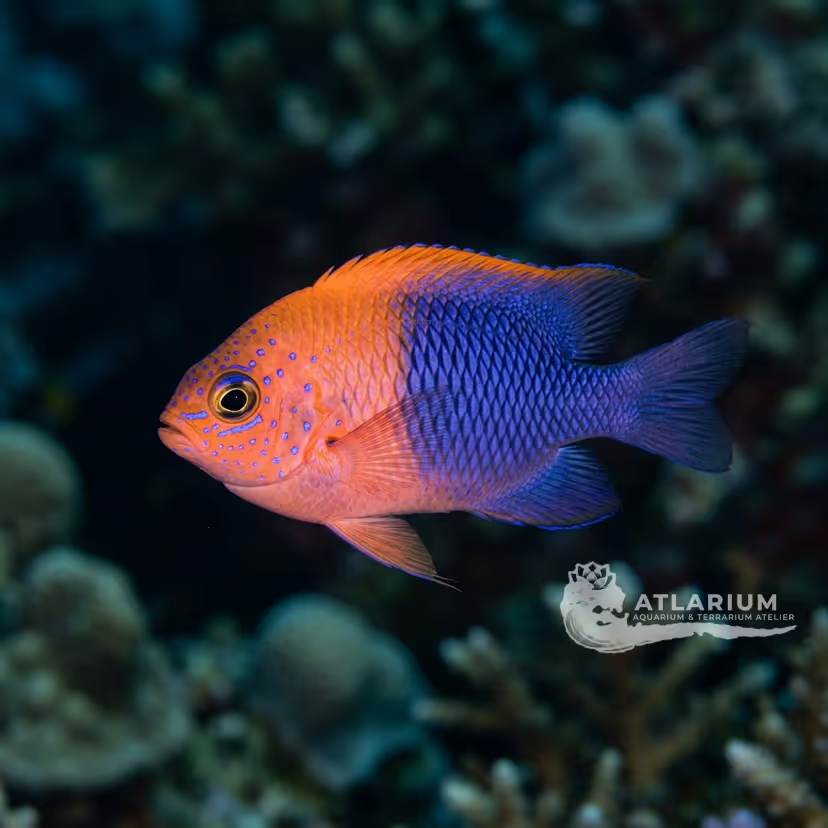
Whitetail Damselfish

Whitetail Damselfish

Pomacentrus chrysurus
View details->
King Damselfish

King Damselfish

Chrysiptera rex

View details->
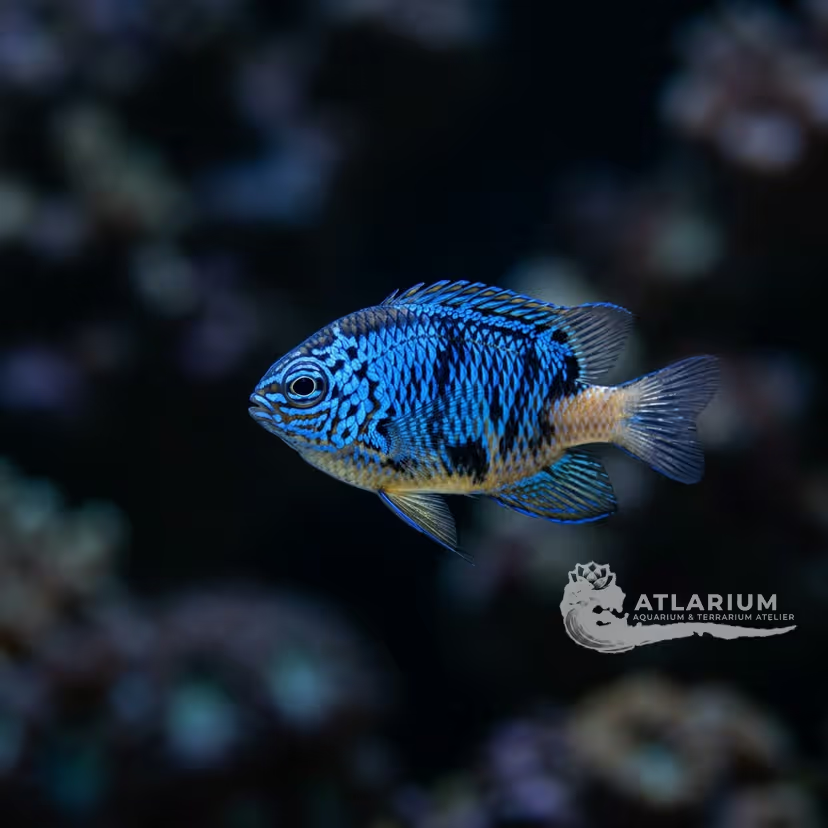
Ambon Damselfish

Ambon Damselfish

Pomacentrus amboinensis
View details->
Springer's Damselfish

Springer's Damselfish

Chrysiptera springeri
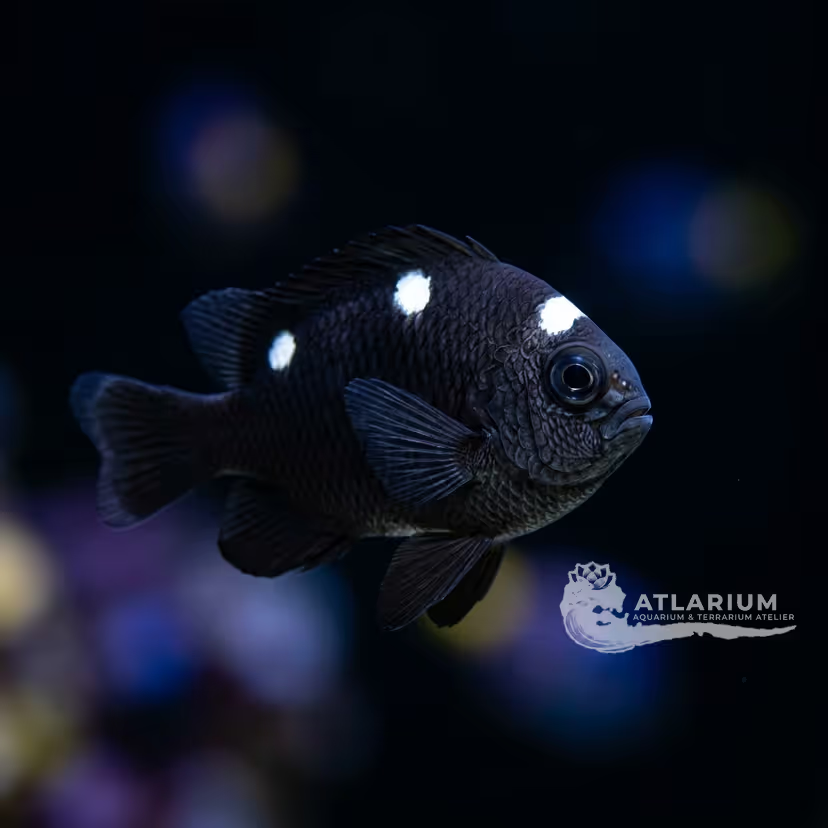
View details->
Threespot dascyllus

Threespot dascyllus

Dascyllus trimaculatus

View details->
Yellowtail damselfish

Yellowtail damselfish

Chrysiptera parasema
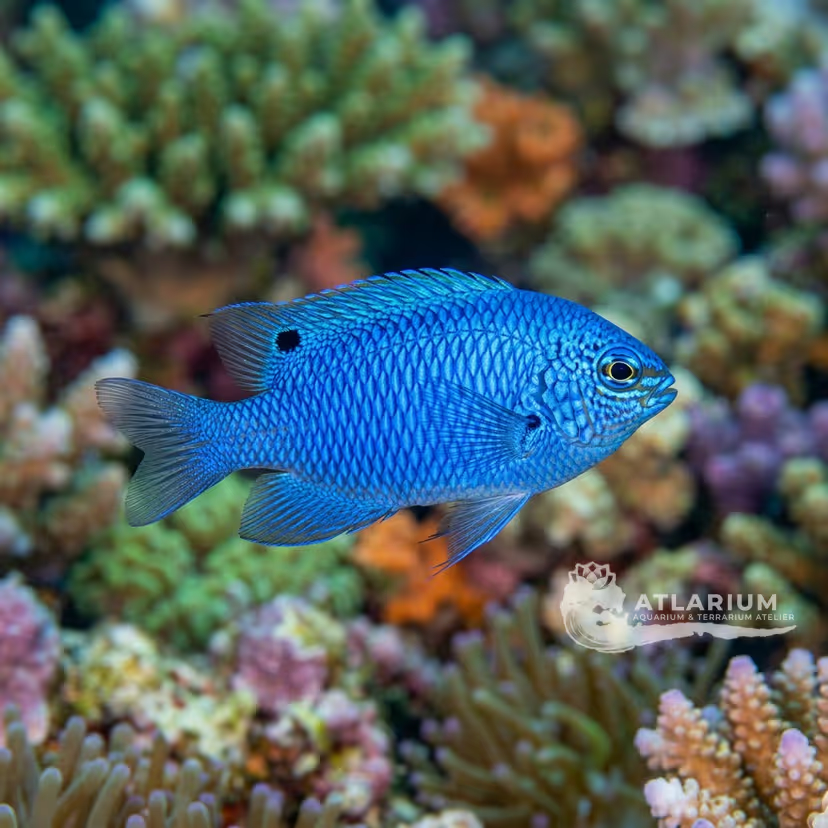
View details->
Sapphire Damselfish

Sapphire Damselfish

Pomacentrus pavo

View details->
Black-axil Chromis

Black-axil Chromis

Chromis atripectoralis

View details->
Threeband damselfish

Threeband damselfish

Chrysiptera tricincta

View details->
Canary damselfish

Canary damselfish

Chrysiptera galba

View details->
Abe's Angelfish

Abe's Angelfish

Centropyge abei

View details->
Chestnut Eyelash Blenny

Chestnut Eyelash Blenny

Cirripectes castaneus

View details->
Last updated: 06/30/2026