Yellowtail damselfish
Chrysiptera parasema
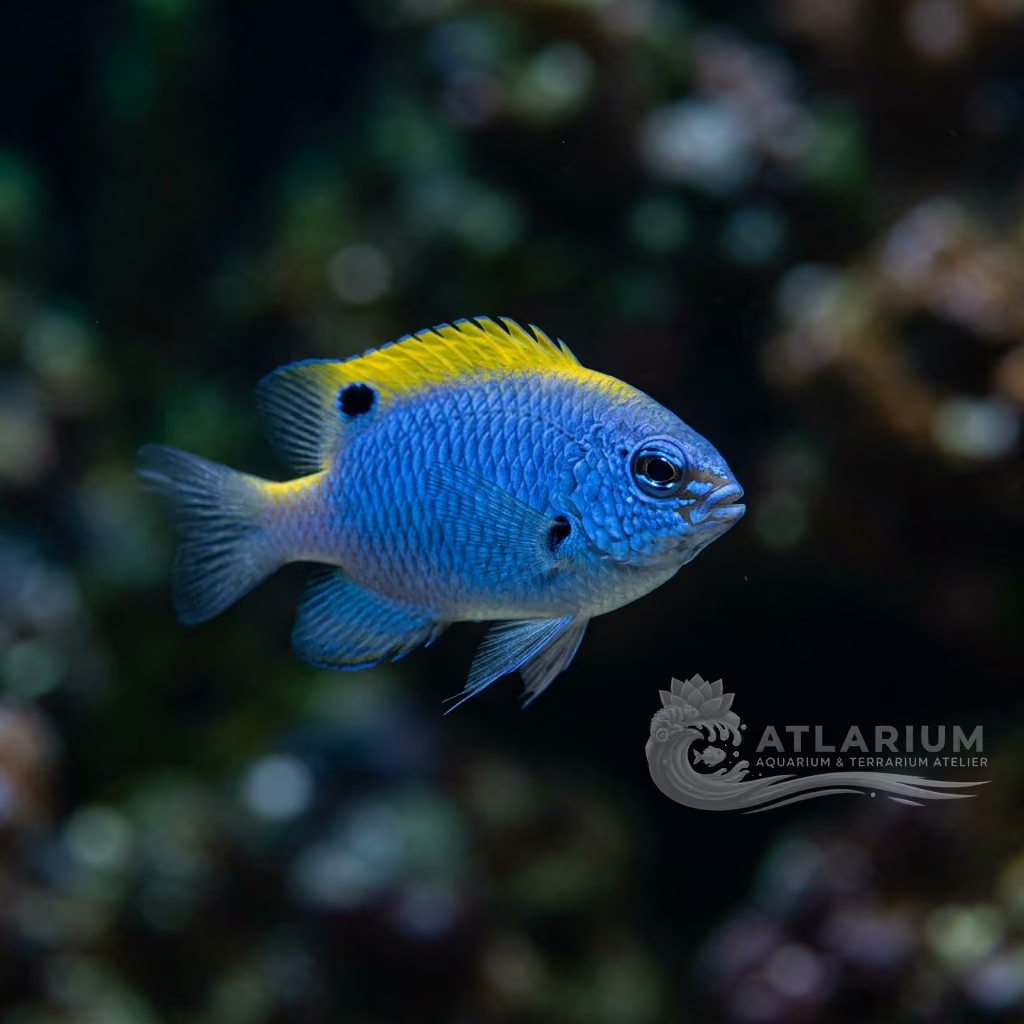
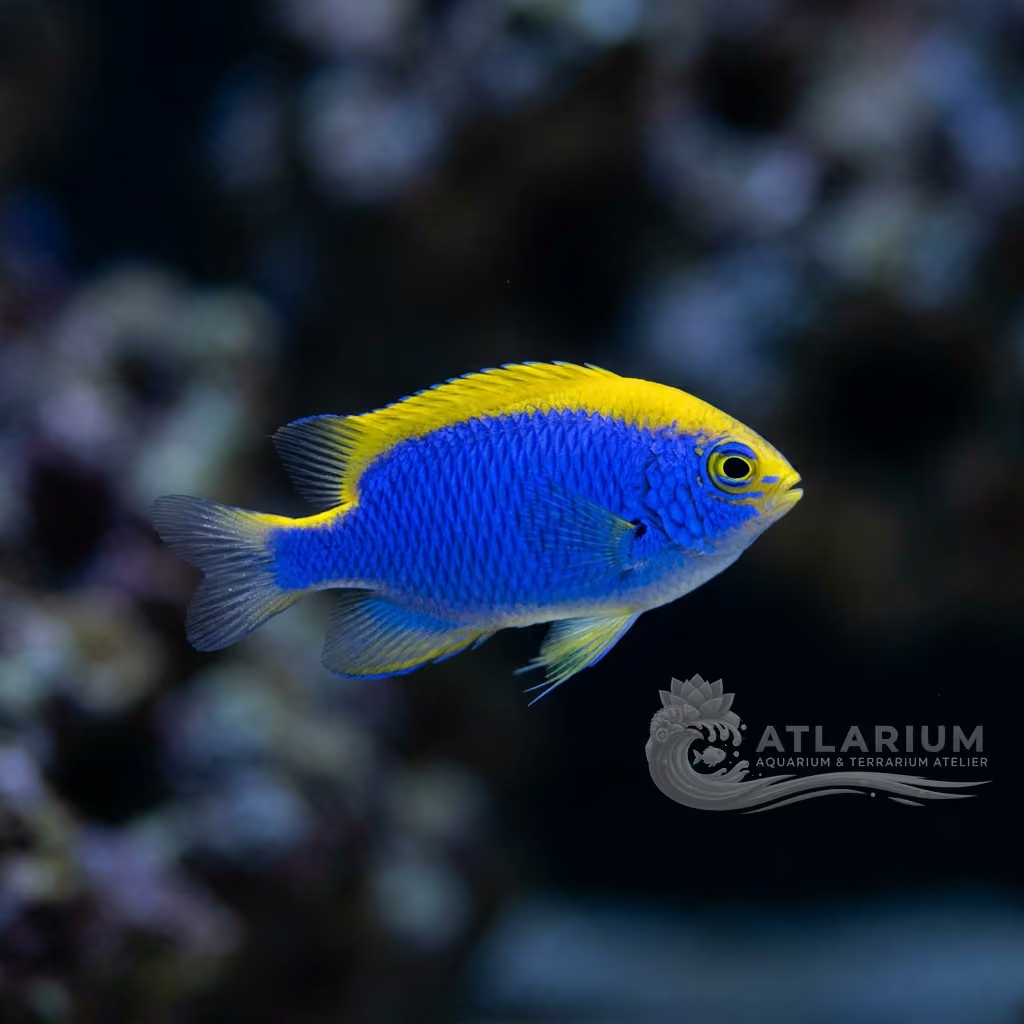
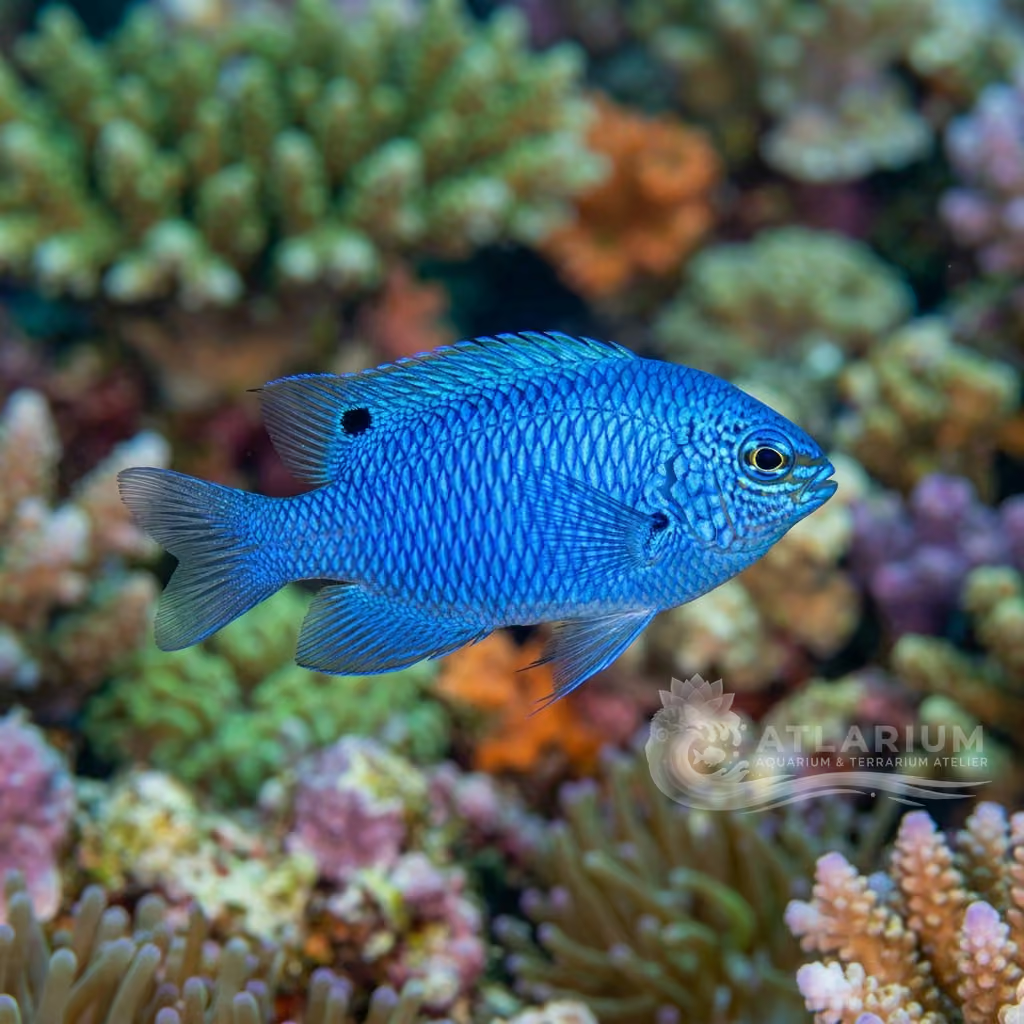
The Yellowtail Damselfish features an indigo blue body with a bright yellow tail. It is a hardy, beautiful, and relatively peaceful damselfish for nano reef tanks.
Water Temperature
24 - 27 °C
pH Value
8.1 - 8.4
Water type
Marine
Tank level
Bottom and middle
Adult size
7 cm
Minimum tank volume
>= 120 L
Minimum group
>= 1

Species description
Geographical Origin and Habitat: Western Pacific Ocean (Philippines, Indonesia, New Guinea). Lives in lagoons rich in branching corals at very shallow depths (1-15 meters).
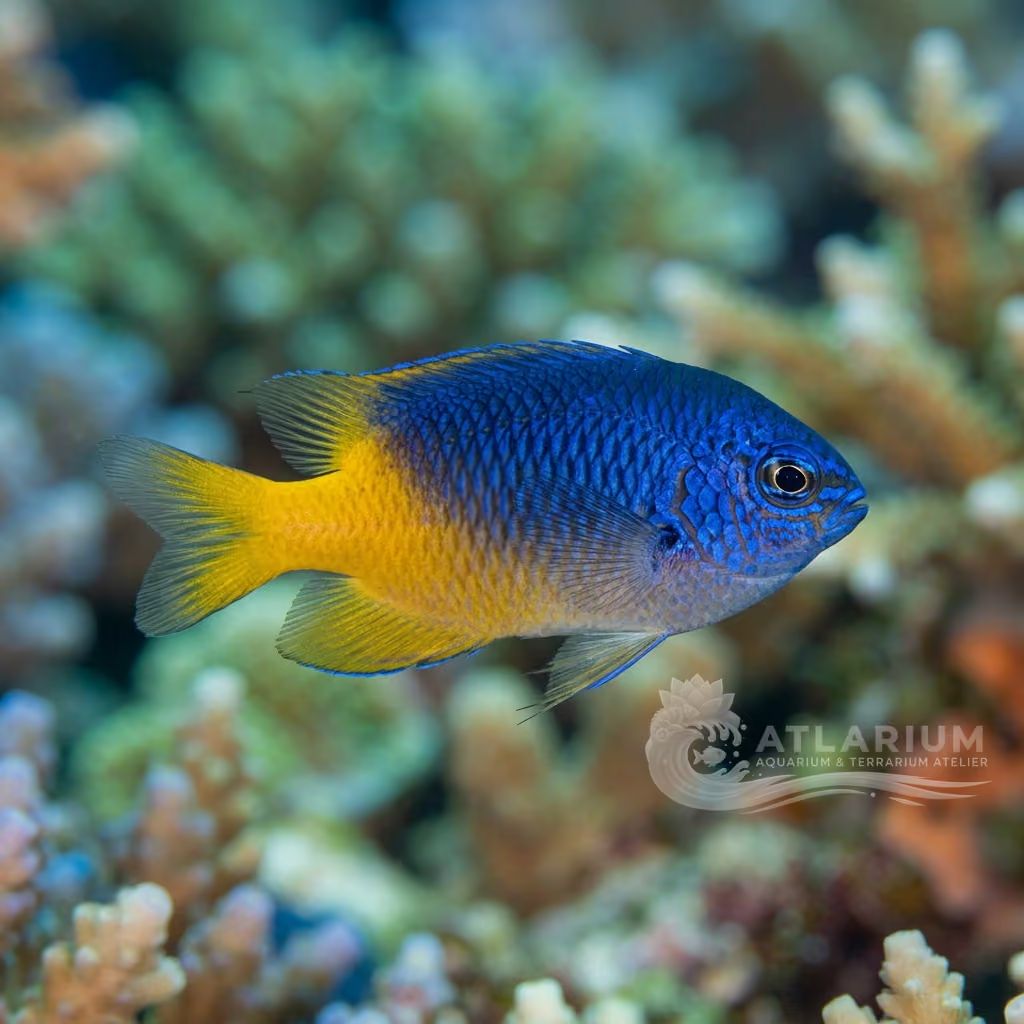
Taxonomy and Morphology: Yellowtail Damselfish (Chrysiptera parasema). Stocky and very small marine damselfish (Pomacentridae) (max 7 cm / 2.7 inches). Do not confuse it with the similar Pomacentrus coelestis (which is less peaceful and has a yellow belly).
Social Behavior: Unlike other terrorist damselfish, C. parasema is considered the "least aggressive". However, it is strongly territorial. Always stays very close to its coral or rocky den.
Coloration and Sexual Dimorphism: Hypnotic livery: bright and phosphorescent indigo blue body, with the entire caudal fin (and peduncle) of a clear sun yellow. No visible sexual dimorphism.

Care, breeding and tankmates
Aquarium Setup: Acceptable in nano marine reefs (minimum 60-80 liters / 15-20 gallons). Requires densely arranged live rocks. If kept in a group (possible only in tanks >200L / 55 gallons) many corals (Acropora) are needed to divide the territories.
Diet and Feeding: Omnivore and easy to feed. Avidly consumes mysis, brine shrimp, fish eggs and commercial flakes or granules. Occasionally grazes film algae and zooplankton from the rocks.
Water Quality: Marine (salinity 1.024-1.026). Extremely hardy fish, famous for its tolerance to slight water imperfections (it is often used, although ethically discouraged, to start the cycling of marine tanks).
Compatibility and Cohabitation: 100% Reef-Safe. Tolerant with most peaceful marine fish (Blennies, Gobies, Clownfish). Can become belligerent towards fish inserted *after* her that invade her rock.
Aquarium Breeding: Possible but very rare. The male cleans a crevice and attracts the female by changing shades of color. The eggs adhere to the rock and are guarded. The pelagic larvae require rotifers at the very first stage.
Risks and Diseases: Very robust to marine fish diseases (Ich, Oodinium). The main risk is that if kept in small groups in 100 liter tanks, the hierarchy ends with the death of the weakest damselfish by submission.

Geographic origin and distribution
Western Pacific Ocean (Philippines, Indonesia, New Guinea). Lives in lagoons rich in branching corals at very shallow depths (1-15 meters).
Origin
Tropical oceans and reefsAfrica and MadagascarSouth and Southeast AsiaAustralia, New Guinea, and Oceania

Fish profile
- Temperament
- Semi-aggressive
- The temperament of this damselfish is semi-aggressive and strongly focused on defending its chosen rocky shelter or branching coral den. It displays remarkable boldness for its size and does not hesitate to challenge much larger fish if they approach its immediate territory. In aquariums of appropriate size and rich in rocky hiding spots, its territoriality remains manageable and does not create significant issues for the tank community.
- Diet
- Omnivore
- This damselfish is an omnivorous species that in nature feeds mainly on zooplankton, small crustaceans, and benthic algae. In the aquarium, it readily accepts a wide variety of high-quality commercial foods such as marine flakes and pellets, but it benefits greatly from regular feedings of frozen or fresh foods like mysis, brine shrimp, and chopped krill. It is advisable to supplement the diet with algae-based preparations, such as foods containing spirulina or nori sheets, to support intestinal health and maintain its brilliant metallic colors.
- Life expectancy
- 5-10 years
- Adult size
- 7 cm
- Sex ratio
- Group
- Single, compatible pair, or group depending on the species
- Feeding frequency
- Twice daily
- It is recommended to feed this species two to three times daily in small portions that can be entirely consumed within a few minutes. Splitting the meals helps reduce territorial aggression and keeps their fast metabolism, typical of small reef fish, active. Avoiding overfeeding is essential to prevent the deterioration of water quality and the accumulation of nitrates and phosphates in the tank.
- Bioload
- Medium
- Medium
- Flow
- Strong
- In the wild, it inhabits protected lagoons and outer reef slopes, showing a clear preference for moderate to strong water movement. In the aquarium, a vigorous but non-turbulent flow is ideal for simulating the reef environment and promoting proper oxygenation of the water. However, it is important to provide ample rocky crevices and sheltered zones where the fish can find refuge to rest without constantly fighting the current.
- Jump risk
- No
- Reproduction
- Oviparous
- This species is oviparous and exhibits fascinating reproductive behaviors linked to the formation of stable pairs during the breeding season. The male takes care of meticulously cleaning a rocky surface or crevice before the female deposits adhesive benthic eggs. Subsequently, the male guards, aerates, and vigorously defends the nest against any intruders until the eggs hatch. Rearing the fry in captivity is extremely complex due to the prolonged pelagic larval stage, which requires microscopic live foods such as rotifers and selected phytoplankton.
- Compatibility & tankmates
- Territorial
- This fish is generally considered one of the least aggressive members of the genus Chrysiptera, but it still maintains a strong territorial tendency that accentuates with age. It is perfectly safe for corals and reef invertebrates, making it an ideal inhabitant for modern reef aquariums. It can cohabit peacefully with fish of similar or larger size such as blennies, gobies, clownfish, and tangs, while it may harass extremely timid species or fish introduced into its territory after it.
- Tank level
- Middle/Bottom
- This species strongly prefers the middle to lower regions of the aquarium, closely hugging the aquascape where they establish a specific territory. They use the rockwork for safety, sleeping quarters, and territorial boundaries, rarely venturing far into the open upper water column. During feeding times, they will boldly swim upward to snatch food, but they quickly retreat to their rocky home immediately after. A layout with numerous caves and tight spaces is crucial to accommodate their swimming habits and territorial nature.

Scientific Parameters & Models
FishBase
Window to the official scientific data of the species
FishBase Catalog curation 2026-05-09Data synced on: 06/15/2026
- Trophic level
- 3.4 ± 0.45 se
- Resilience
- High (less than 15 months)
- Phylogenetic uniqueness (PD50)
- 0.5
- Bayesian Length-Weight
- a = 0.01445, b = 3
- VulnerabilityLow vulnerability (10 / 100)

Image gallery
Licensed images linked to the species or, when marked, to the closest representative taxon.

Related species
Recommendations grouped by close relatives, companion choices, and similar care.