Tomato clownfish
Amphiprion frenatus
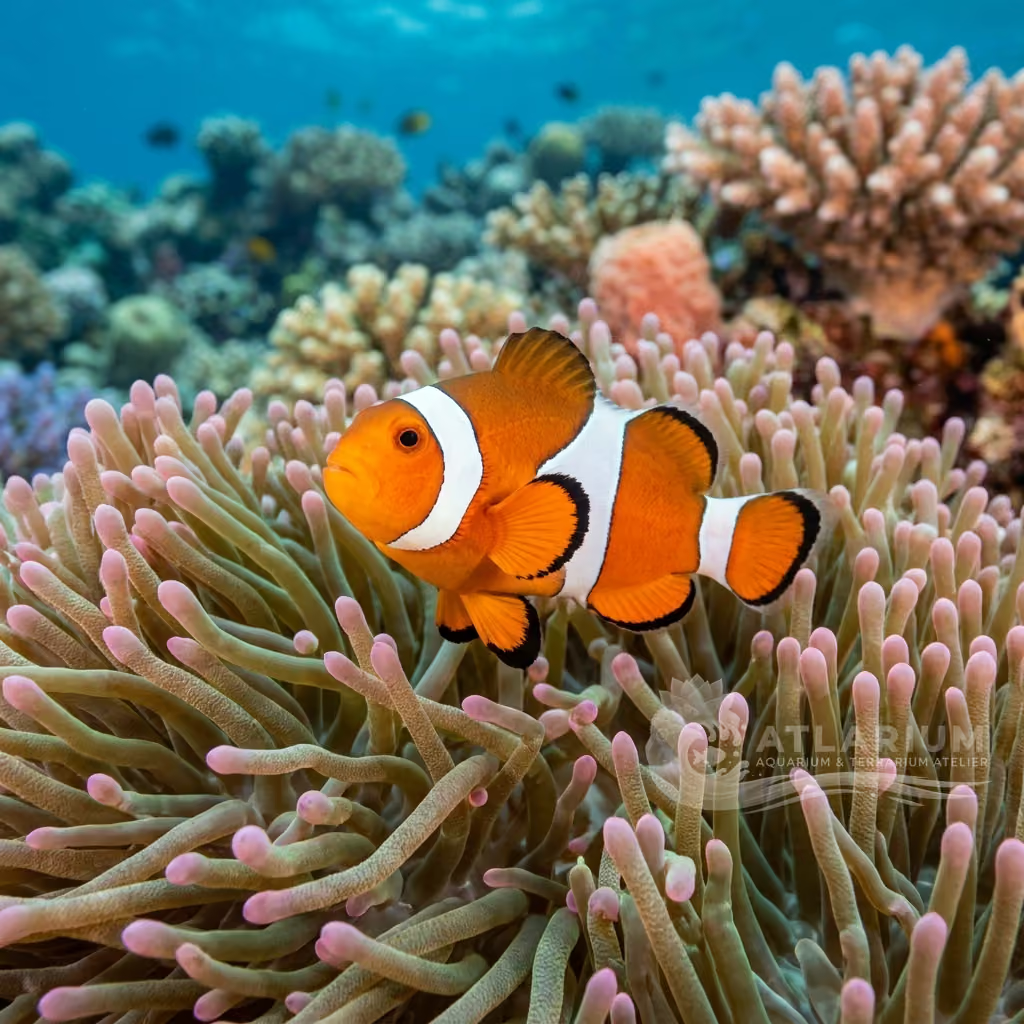
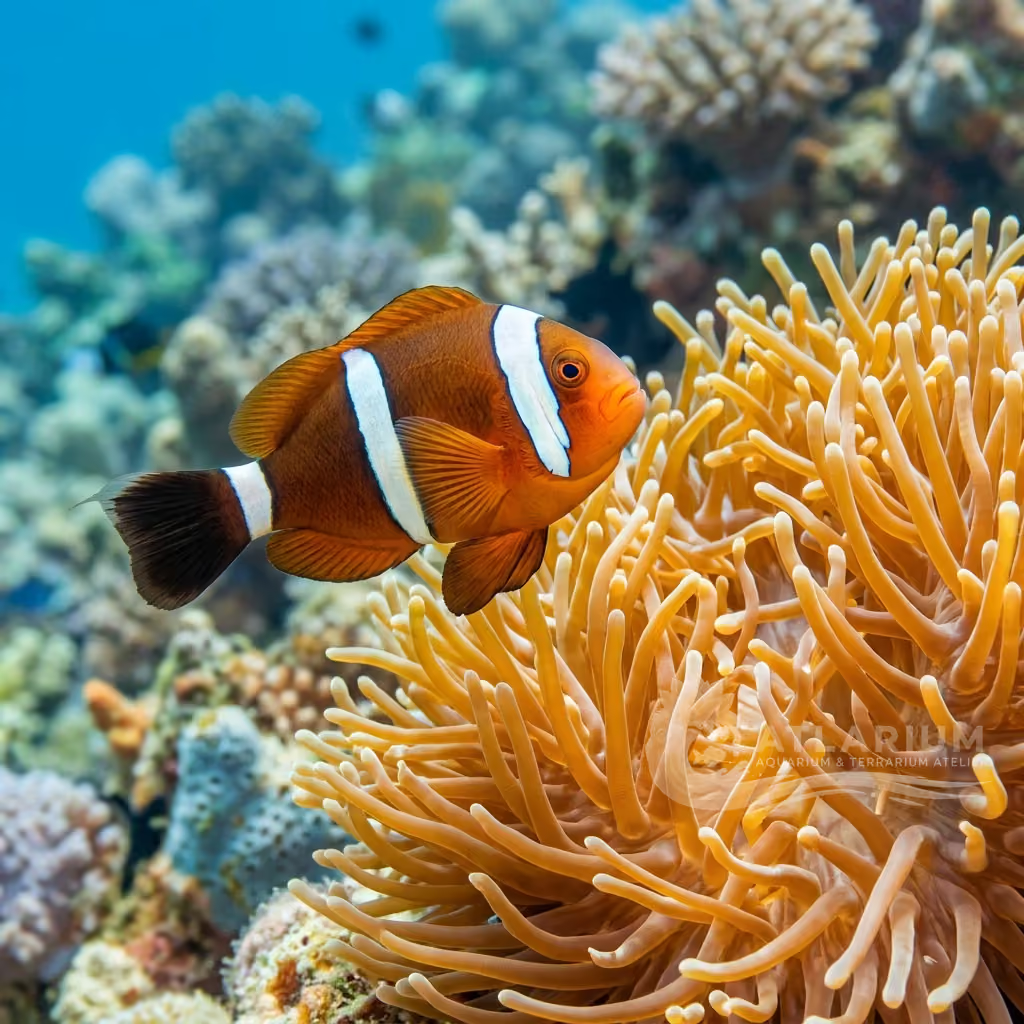
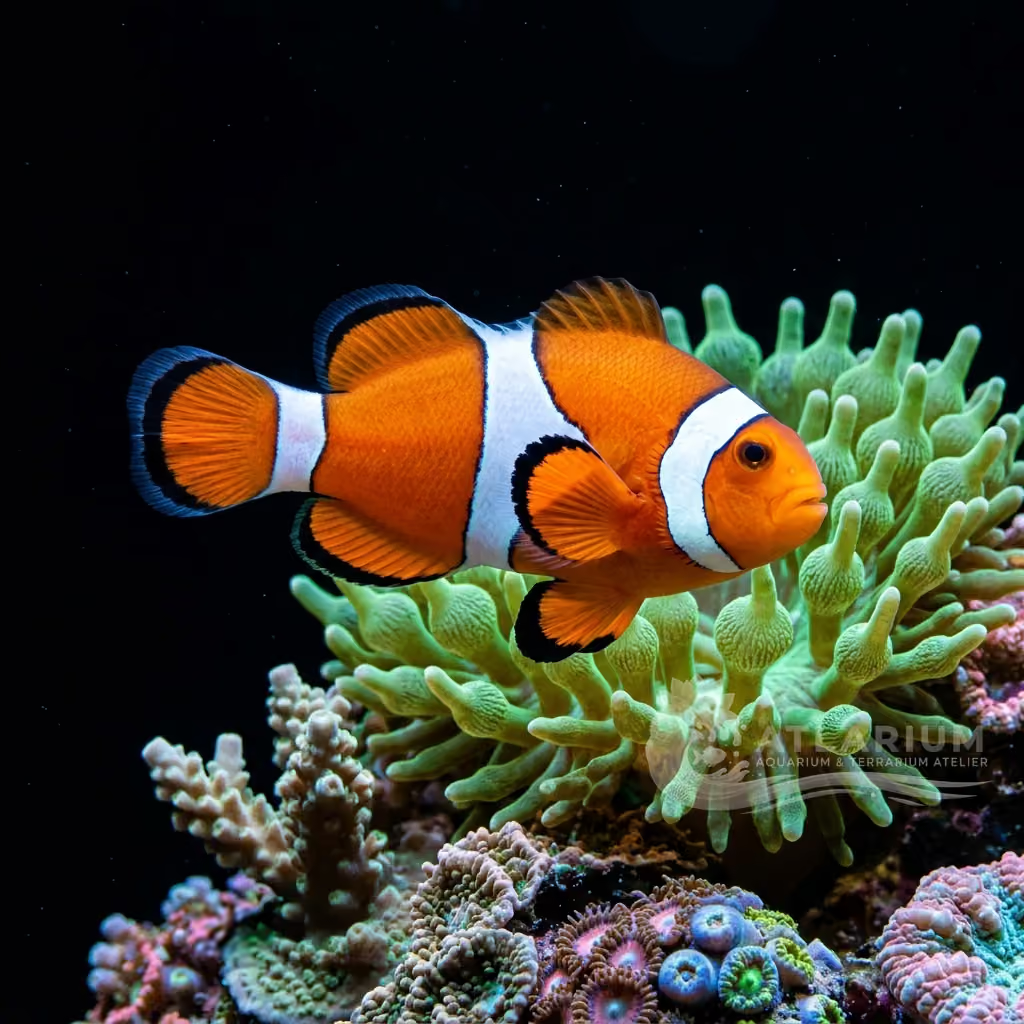
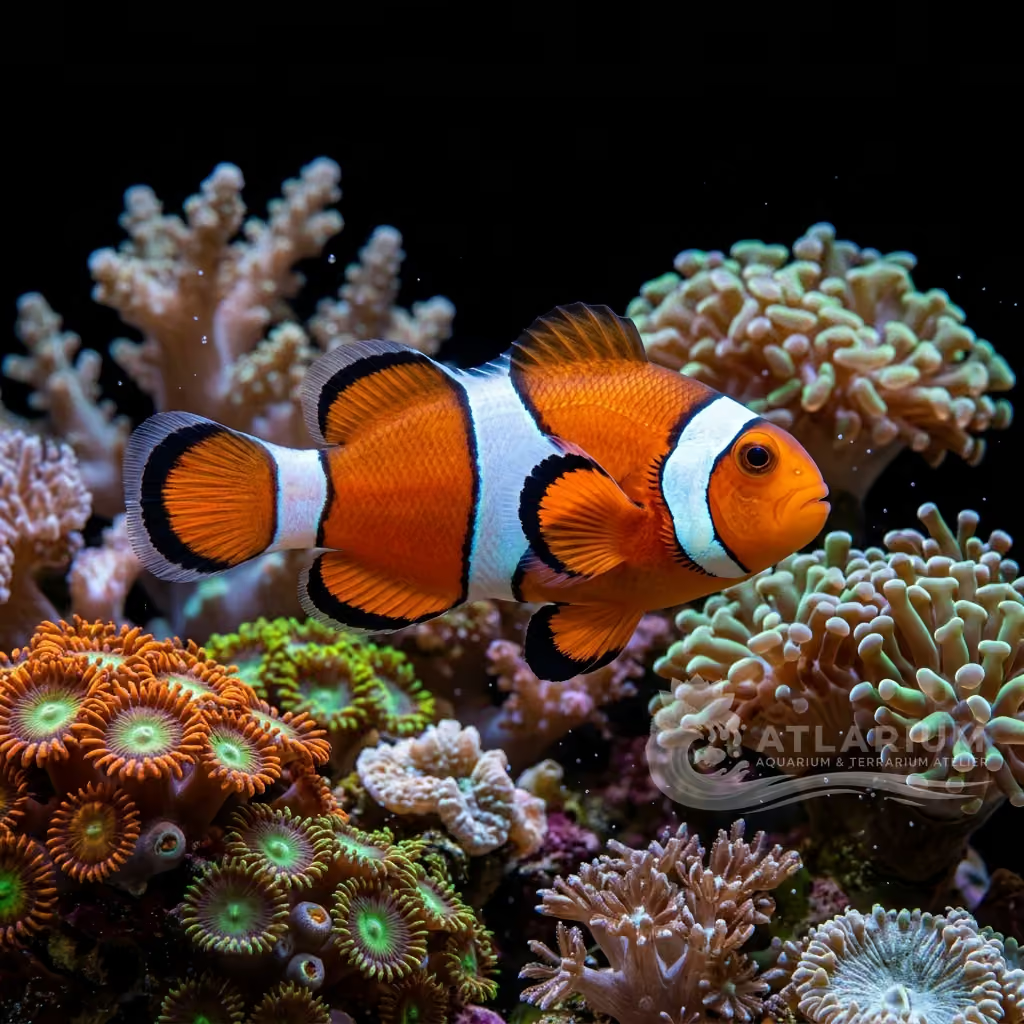
The Tomato Clownfish is a popular, vibrant red-orange fish with a single white vertical bar. It is a hardy but aggressive species that fiercely defends its host anemone.
Water Temperature
24 - 27 °C
pH Value
8.1 - 8.4
Water type
Marine
Tank level
Bottom and middle
Adult size
14 cm
Minimum tank volume
>= 120 L
Minimum group
>= 1
KH
8 - 12 dKH

Species description
Geographical Origin and Habitat: Amphiprion frenatus, commonly known as the tomato clownfish, is native to the tropical waters of the Western Pacific. Its natural distribution ranges from the Gulf of Thailand and northern Indonesia northward to Taiwan, the Philippines, southern Japan, and the Ryukyu Islands. It populates shallow coral reefs, sheltered lagoons, and coastal reef slopes at depths ranging from 1 to 15 meters. It lives in close symbiotic association with sea anemones, primarily the bubble-tip anemone, Entacmaea quadricolor.
Taxonomy and Morphology: It belongs to the class Actinopterygii, order Perciformes, family Pomacentridae, subfamily Amphiprioninae, and genus Amphiprion. It features an oval, laterally compressed body with a continuous dorsal fin. This species exhibits a pronounced size difference between the sexes: adult females are significantly larger and can reach a maximum length of 14 centimeters (5.5 inches), while males remain much smaller, rarely exceeding 8-9 centimeters.
Social Behavior: Like all clownfish, it is a protandrous hermaphrodite. All individuals are born as genderless juveniles; within an anemone, a strict social hierarchy is established where the largest specimen becomes the dominant female, the second largest becomes the breeding male, and the others remain non-breeding males. It is an extremely territorial and aggressive species, ready to fiercely defend its host anemone from any intruder.
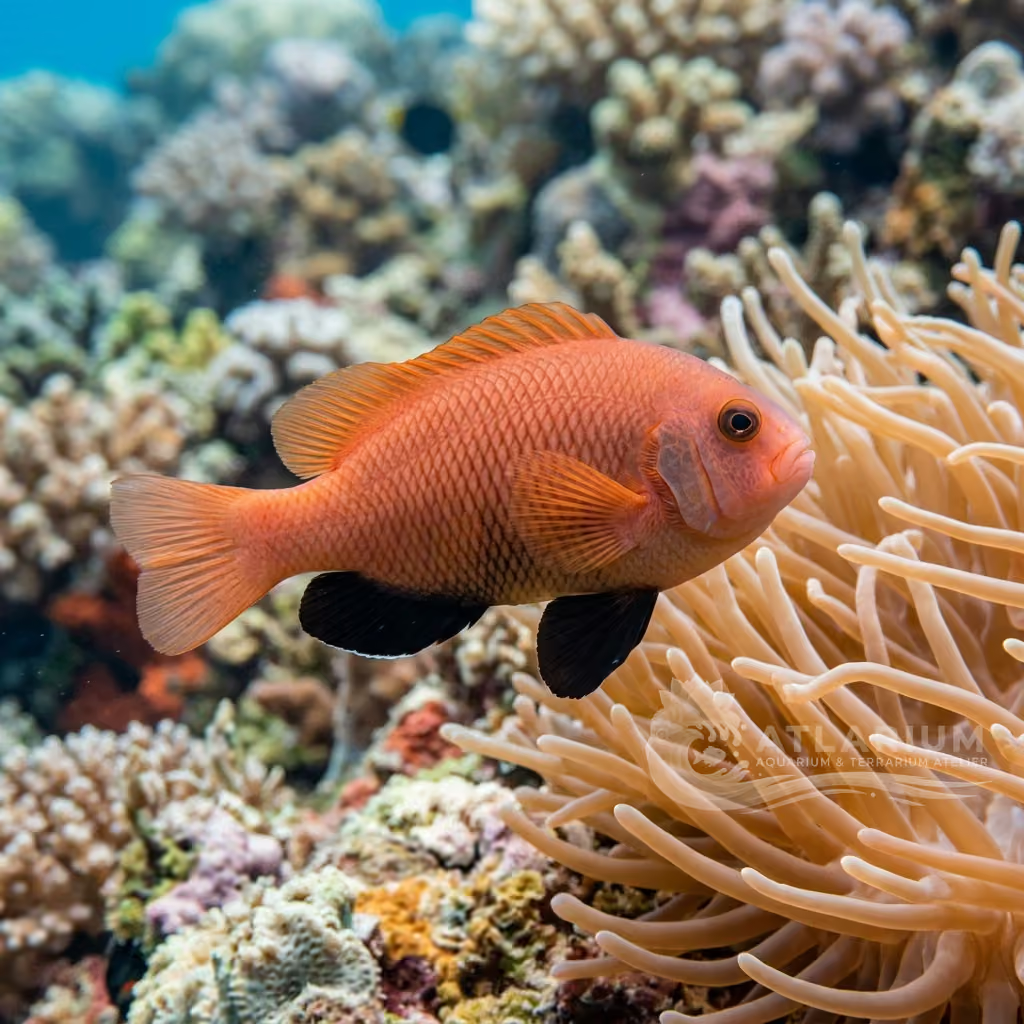
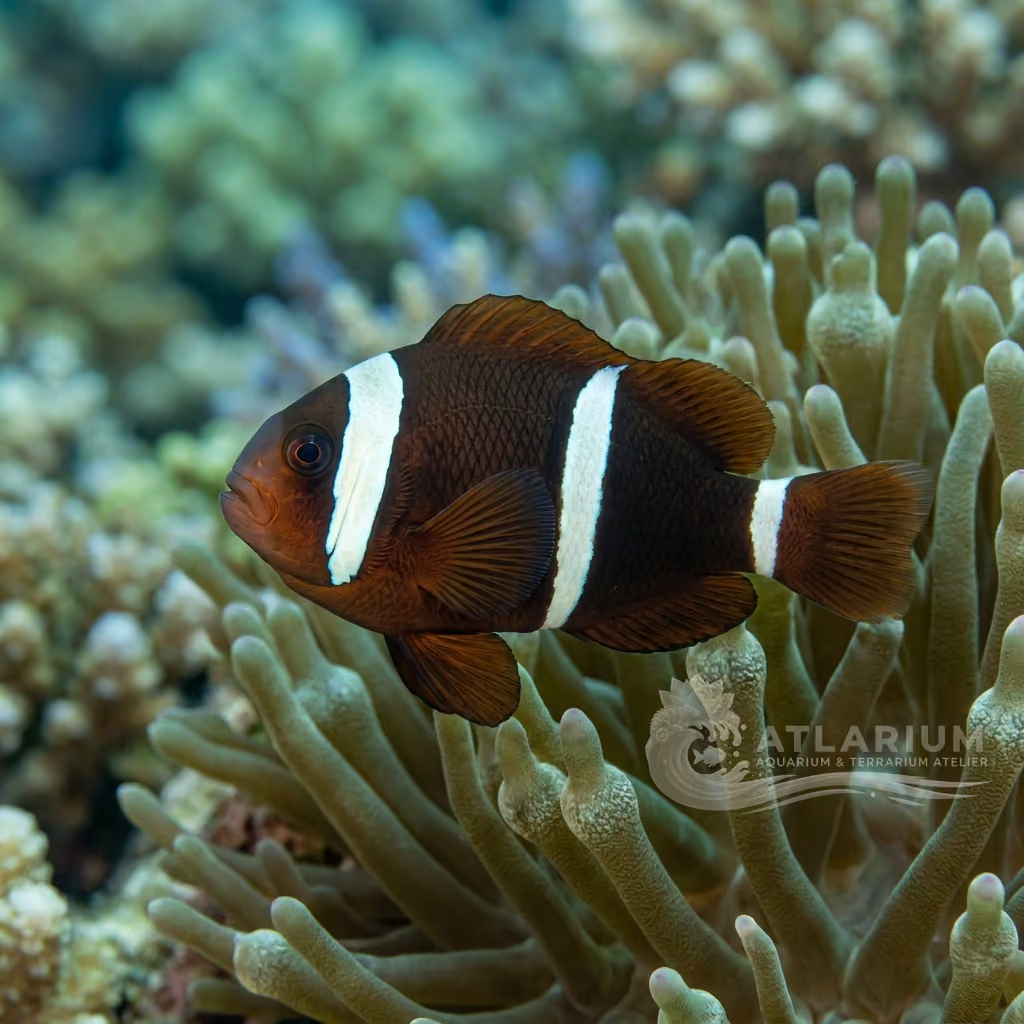
Coloration and Sexual Dimorphism: Juveniles exhibit two or three white vertical bands on their sides, which fade as they grow. Adults retain only a single white vertical bar, finely outlined in black, located directly behind the eye. The base color is bright tomato-red or orange-red. Chromatic sexual dimorphism appears with maturity: the dominant female tends to darken on her sides, turning a deep mahogany or blackish-red, while the male retains the bright red-orange coloration.

Care, breeding and tankmates
Aquarium Setup: Requires a marine tank with a minimum capacity of 100 liters (approx. 26 gallons) for a hosted pair. The setup must include live rocks arranged to form crevices and caves. Although introducing a symbiotic anemone (such as Entacmaea quadricolor) is highly recommended to observe natural behavior, the species can adapt to living in reef aquariums without an anemone, sometimes hosting in soft corals. Water flow should be moderate.
Diet and Feeding: It is an omnivorous and voracious feeder, extremely easy to feed in captivity. It eagerly accepts a wide variety of foods, including high-quality dry pellets or flakes, and frozen foods such as mysis, brine shrimp, krill, and chopped shrimp or fish meat. It is beneficial to supplement the diet with vegetable components, such as spirulina algae or preparations for herbivorous marine fish. Feed twice daily.
Water Quality: Requires standard and stable marine parameters. Water temperature must be maintained between 24°C and 28°C (75°F - 82°F), pH between 8.1 and 8.4, and specific gravity between 1.020 and 1.025. Ammonia and nitrite levels must be strictly zero, while nitrates should be kept below 20 ppm through regular partial water changes and an efficient protein skimmer. Good lighting supports the overall well-being of the fish.
Compatibility and Cohabitation: Due to its territorial temperament, it is recommended to house only a single pair of this species per aquarium, avoiding cohabitation with other clownfish. It can be paired with semi-aggressive or peaceful reef fish of similar or larger size, such as tangs, robust damselfish, gobies, and hawkfish. Avoid association with large predatory fish that could easily swallow it.
Aquarium Breeding: Breeding in captivity is common and well-documented. The established pair carefully cleans a portion of flat rock near the base of the anemone, where the female deposits hundreds of adhesive eggs that the male immediately fertilizes. The male takes care of egg tending, fanning, and defending them. Hatching occurs after 7-9 days after lights out. Larvae require a separate rearing tank and initial feeding with live rotifers.
Risks and Diseases: It is a hardy species, but is susceptible to common marine parasites such as Cryptocaryon irritans (marine ich), Oodinium ocellatum (marine velvet), and especially Brooklynella hostilis (clownfish disease). The onset of these diseases is favored by stress from transport or sudden temperature drops. It is recommended to quarantine new specimens and maintain high water quality to support their immune system.

Geographic origin and distribution
Amphiprion frenatus, commonly known as the tomato clownfish, is native to the tropical waters of the Western Pacific. Its natural distribution ranges from the Gulf of Thailand and northern Indonesia northward to Taiwan, the Philippines, southern Japan, and the Ryukyu Islands. It populates shallow coral reefs, sheltered lagoons, and coastal reef slopes at depths ranging from 1 to 15 meters. It lives in close symbiotic association with sea anemones, primarily the bubble-tip anemone, Entacmaea quadricolor.
Origin
Tropical oceans and reefsSouth and Southeast AsiaEast Asia

Fish profile
- Temperament
- Semi-aggressive
- The Tomato Clownfish is a territorial and semi-aggressive species, especially as it reaches maturity and establishes a home site. Females are particularly dominant and will aggressively defend their chosen anemone or territory from any intruders, including hands during maintenance. Due to this behavior, they should not be housed with very passive fish or other clownfish species in smaller tanks.
- Diet
- Omnivore
- In the wild, Tomato Clownfish feed on zooplankton, algae, and small benthic invertebrates. In the home aquarium, they are opportunistic omnivores that readily accept a wide variety of foods. A balanced diet should include high-quality marine flakes or pellets, supplemented with frozen foods like mysis shrimp, brine shrimp, and chopped seafood, as well as spirulina or herbivore preparations.
- Life expectancy
- 10-18 years
- Adult size
- 14 cm
- Sex ratio
- 1:1 ratio
- Tomato Clownfish exhibit protandrous hermaphroditism, meaning all individuals are born male and the dominant member of a pair transitions into a female. For stocking in home aquariums, they are best kept as a single specimen or a matched pair (1:1 ratio) consisting of one large female and one smaller male. Introducing multiple Tomato Clownfish into the same tank, especially without a large volume, will lead to intense conspecific aggression.
- Feeding frequency
- Twice daily
- For optimal health and vitality, Tomato Clownfish should be fed small amounts once or twice daily. Young, growing specimens benefit from more frequent feedings, up to three times a day, to support their rapid development. Care should be taken to offer only what they can consume within a couple of minutes to prevent excess nutrients from polluting the water.
- Bioload
- Medium
- The Tomato Clownfish has a moderate biological impact on the aquarium compared to smaller damselfish or nano reef species. Due to its potential size of up to 5.5 inches and active feeding habits, a robust filtration system is necessary to maintain low nitrate and phosphate levels. Regular water changes and a protein skimmer are highly recommended, especially if kept in a smaller aquarium of around 30 gallons.
- Flow
- Moderate
- Tomato Clownfish prefer moderate water flow within the aquarium, which mimics their natural reef environments. While they are capable swimmers, they can be stressed by excessively strong currents that make it difficult for them to hover near their host site. Providing areas of low to moderate flow, especially around their chosen anemone or shelter, allows them to rest and swim comfortably.
- Jump risk
- No
- Reproduction
- Oviparous
- Breeding Tomato Clownfish in captivity is highly achievable and follows a standard pattern for clownfish species. Once a compatible pair is formed, the female will lay hundreds of adhesive eggs on a flat rock near their host anemone, which the male will then guard and fan until hatching, typically within 7 to 10 days. Successfully raising the fry requires a separate rearing tank, where they must be fed live rotifers followed by baby brine shrimp as they mature.
- Compatibility & tankmates
- Aggressive
- Tomato Clownfish are compatible with a variety of robust reef fish such as larger damsels, tangs, angelfish, and hawkfish. However, their territorial nature makes them unsuitable for sharing small tanks with peaceful, shy species like firefish, small gobies, or other clownfish species. If housed with an anemone like Entacmaea quadricolor, they will aggressively defend it, so careful monitoring of tankmate proximity is required.
- Tank level
- Middle/Bottom
- In the aquarium, Tomato Clownfish will establish a territory and spend the majority of their time in the lower-to-middle zones of the water column. They rarely venture far from their host anemone, coral, or chosen rocky cave, which acts as their home base. While they will swim to the surface during feeding times, their daily activity is concentrated near their selected shelter.

Scientific Parameters & Models
FishBase
Window to the official scientific data of the species
FishBase v25.04Data synced on: 06/15/2026
- Trophic level
- 2.7 ± 0.29 se
- Resilience
- High (less than 15 months)
- Phylogenetic uniqueness (PD50)
- 0.5
- Bayesian Length-Weight
- a = 0.02344, b = 2.98
- VulnerabilityLow vulnerability (10 / 100)

Related species
Recommendations grouped by close relatives, companion choices, and similar care.