Cinnamon Clownfish
Amphiprion melanopus
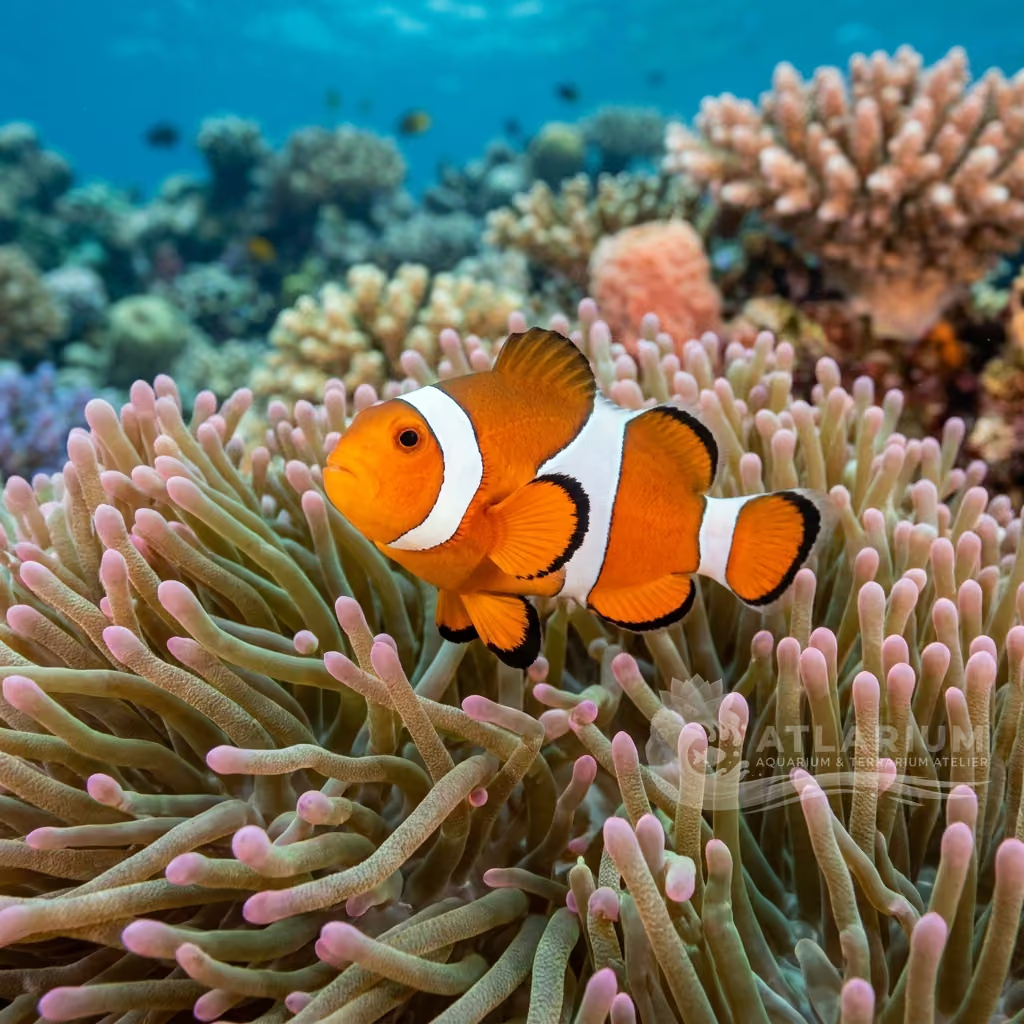
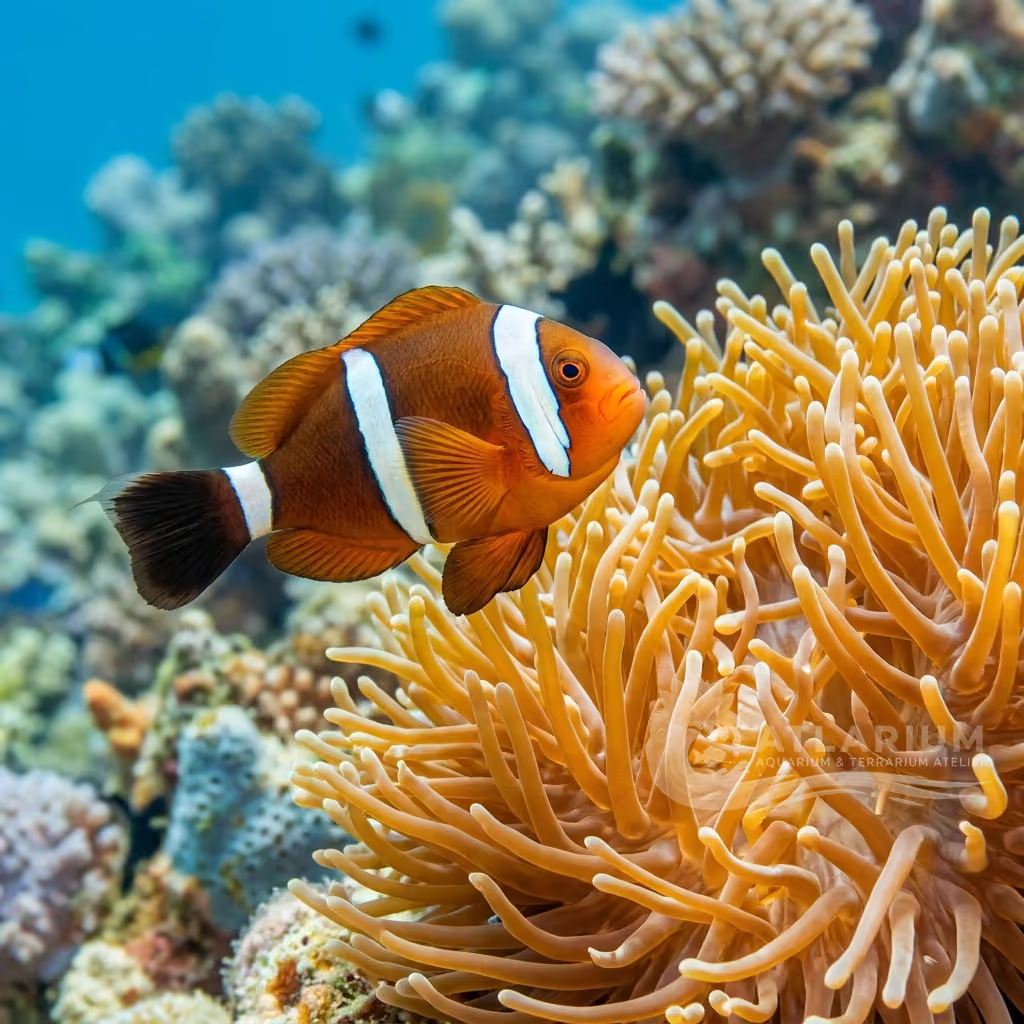
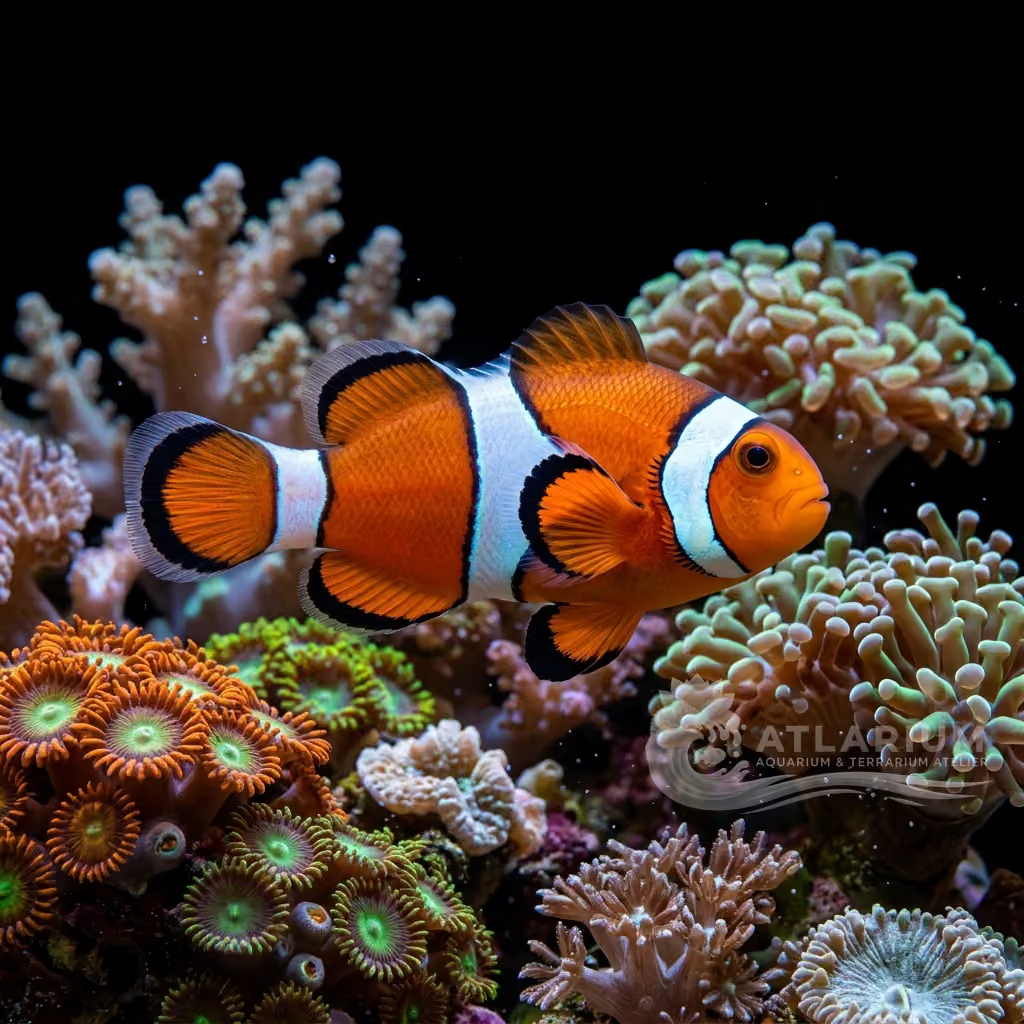
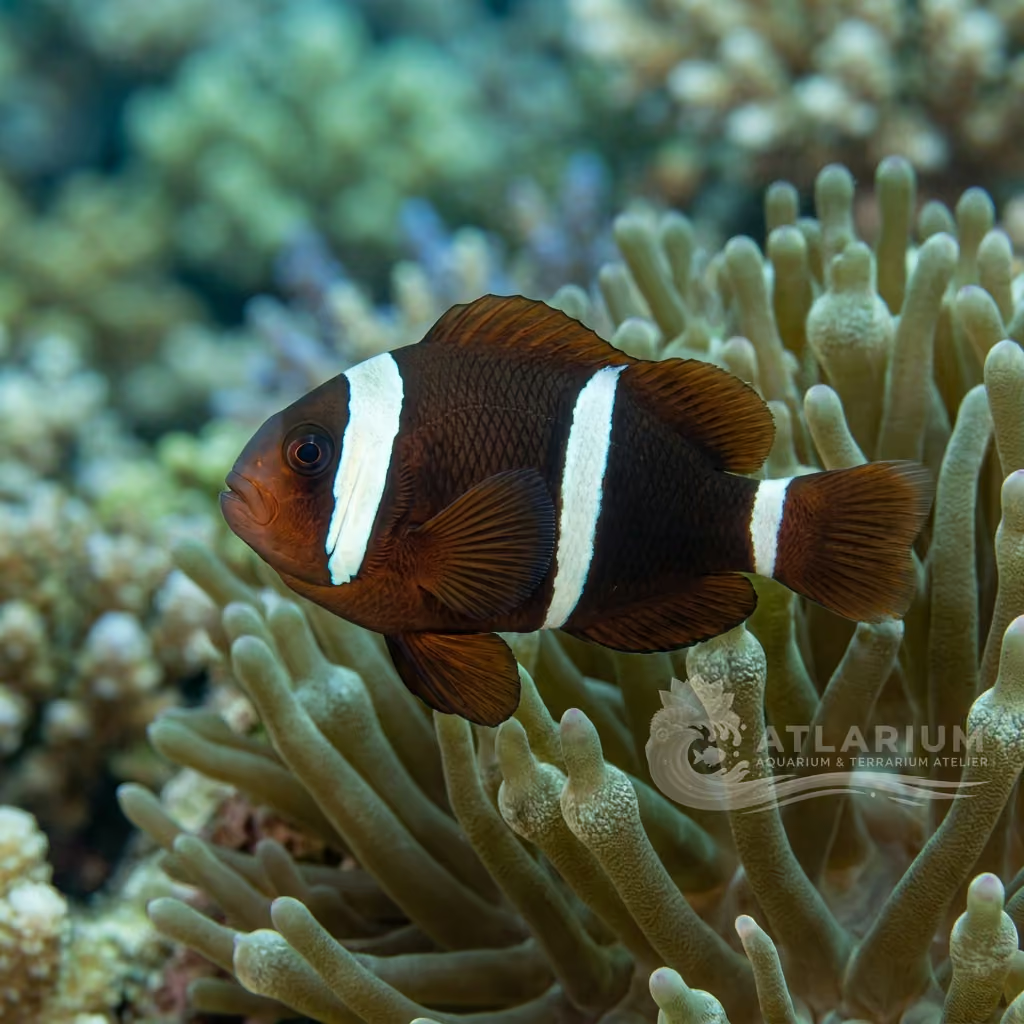
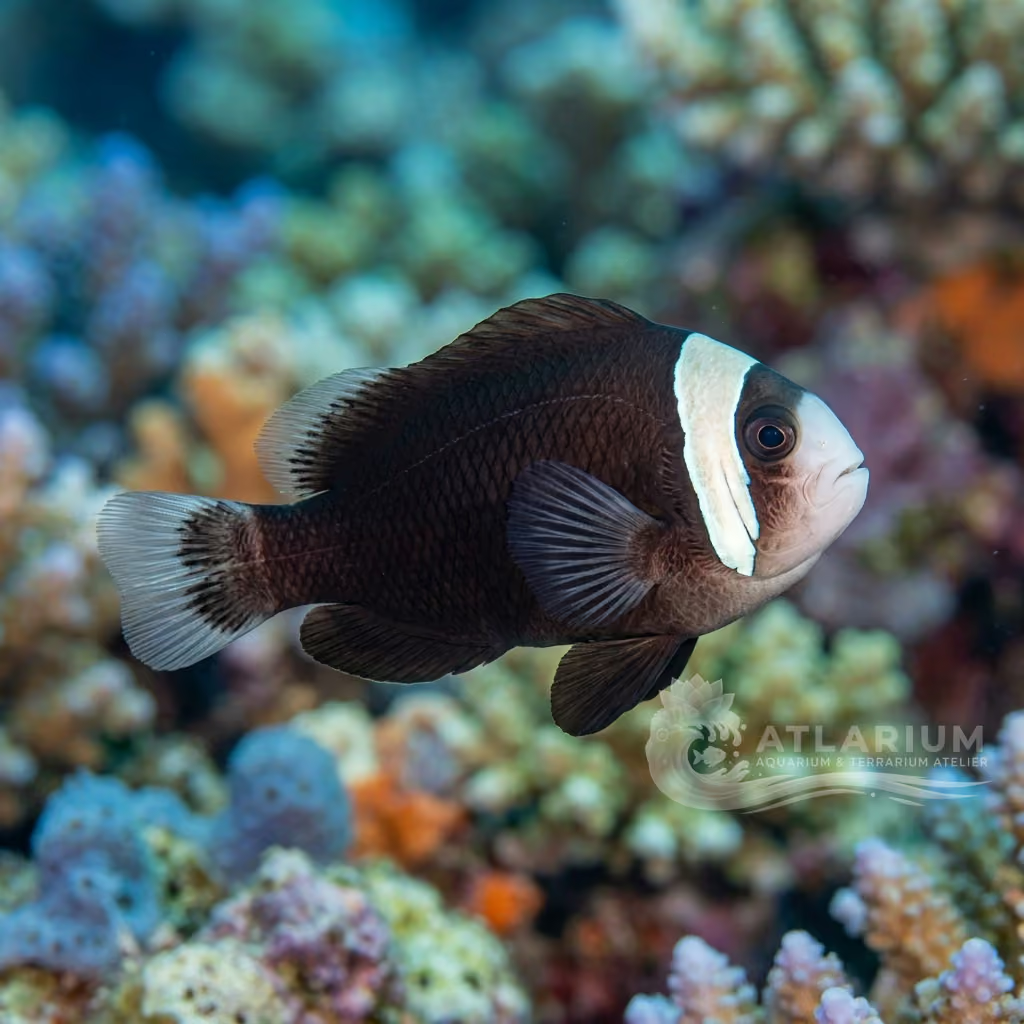
The Cinnamon Clownfish features a dark reddish-orange body that deepens with age. It is a robust, highly territorial species that vigorously defends its bubble-tip anemone.
Water Temperature
24 - 27 °C
pH Value
8.1 - 8.4
Water type
Marine
Tank level
Bottom and middle
Adult size
12 cm
Minimum tank volume
>= 120 L
Minimum group
>= 1
KH
8 - 12 dKH

Species description
Geographical Origin and Habitat: Amphiprion melanopus is widely distributed in the tropical waters of the Western and Central Pacific Ocean, ranging from Indonesia and the Philippines through Micronesia and Melanesia to the Great Barrier Reef and Polynesia. It inhabits sheltered lagoons and outer reef slopes at depths of 1 to 18 meters, always living in symbiosis with anemones.
Taxonomy and Morphology: Belonging to the family Pomacentridae and the genus Amphiprion, it is commonly referred to as the Cinnamon Clownfish, Fire Clownfish, or Red and Black Anemonefish. It features an oval, robust, laterally compressed body with rounded fins. Adult females are significantly larger than males, reaching up to 12 cm in length.
Social Behavior: Forms a mutualistic symbiosis primarily with the Bubble-tip Anemone (Entacmaea quadricolor), and occasionally with Heteractis crispa. It lives in small groups with a strict size-based social hierarchy. It is one of the most territorial and aggressive clownfish species, known to vigorously defend its host anemone from any intruders, including aquarium keepers.
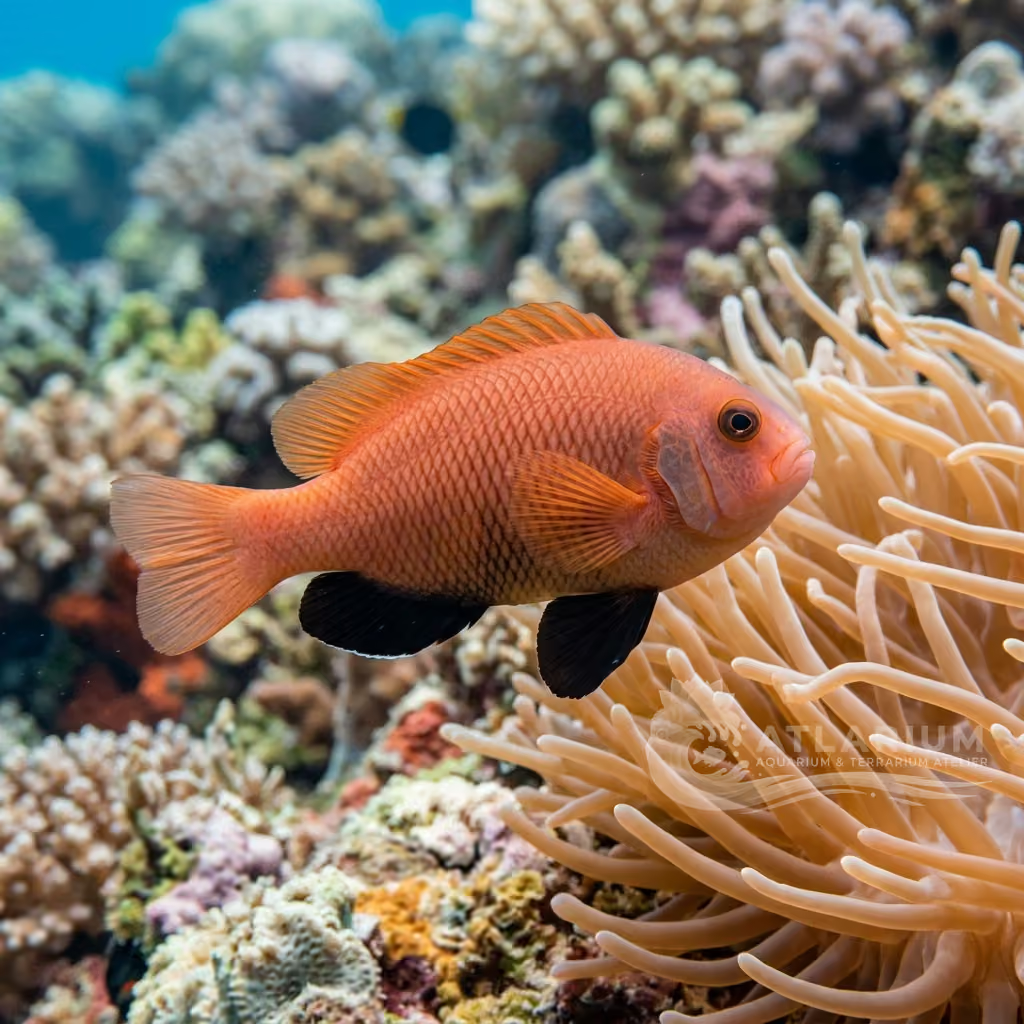
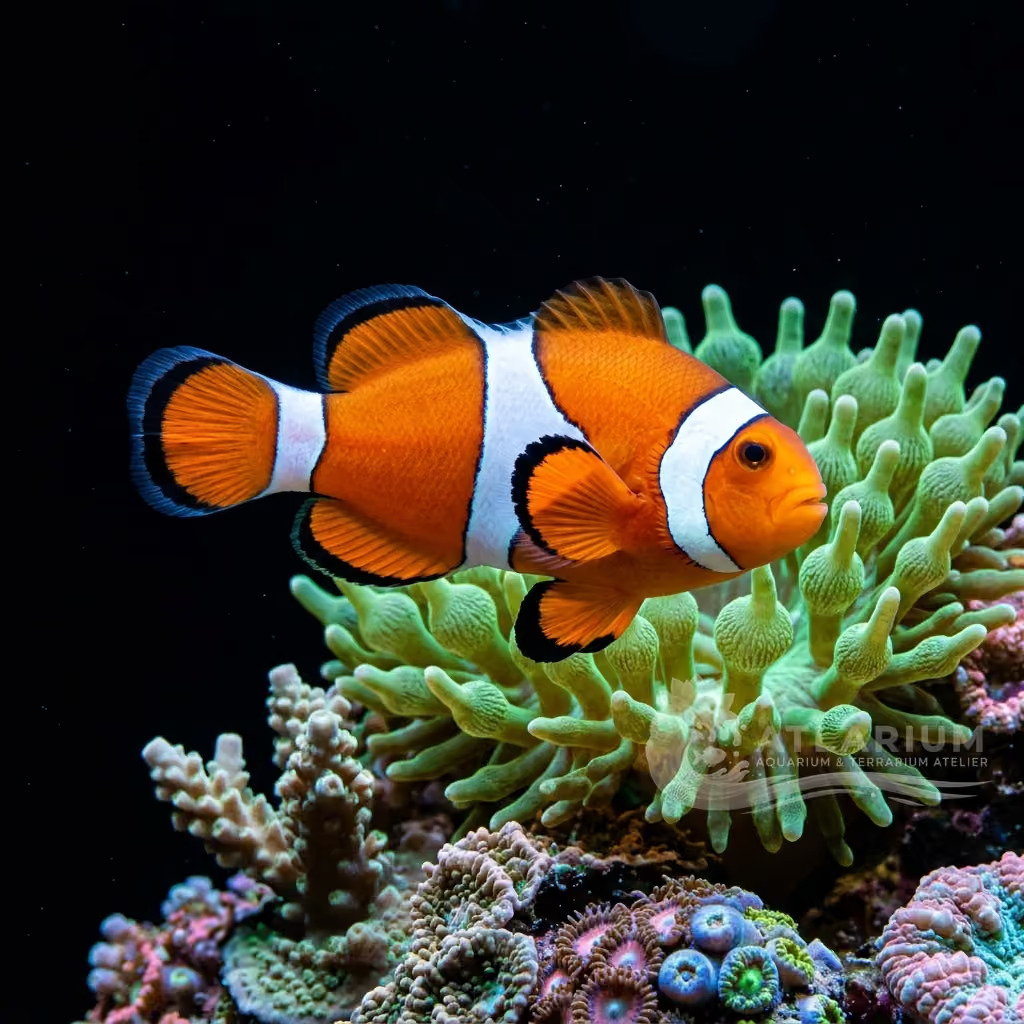
Coloration and Sexual Dimorphism: Adults exhibit a deep reddish-orange body that darkens into a blackish-brown patch on the flanks, while the head, chest, and fins remain bright red-orange. They possess a single, prominent vertical white or pale blue band behind the eye. As protandrous hermaphrodites, the largest and most dominant individual is always female.

Care, breeding and tankmates
Aquarium Setup: An aquarium of at least 120 liters is recommended for a pair. Provide a structure of live rock with a dedicated area for their host anemone (Entacmaea quadricolor). While an anemone is not strictly mandatory for their survival, it provides a natural security barrier, reducing stress and helping to buffer their territorial behavior.
Diet and Feeding: Omnivorous and highly opportunistic. In captivity, they are active feeders that will eat almost anything offered. Feed a varied diet consisting of frozen mysis shrimp, brine shrimp, high-quality flakes, and pellets. Incorporate spirulina and vegetable matter to support their overall health and maintain vibrant coloration.
Water Quality: Requires stable marine parameters: temperature 24-27°C (75-80°F), specific gravity 1.020-1.025, and pH 8.1-8.4. Ensure ammonia and nitrites are maintained at zero, and nitrates are kept below 20 ppm. Good water movement and filtration are required, especially to sustain the health of their host anemone.
Compatibility and Cohabitation: Due to their bold and aggressive nature, they should be housed with robust tankmates such as tangs, large wrasses, damselfish, or dwarf angelfish. Do not house them with slow, timid species like seahorses or tiny gobies. Avoid keeping other clownfish species in the same tank to prevent deadly fights.
Aquarium Breeding: Mated pairs spawn regularly in home aquaria. The pair will clean a flat rock surface near the anemone where the female deposits hundreds of adhesive eggs. The male guards and fans the eggs for 7-8 days until they hatch. Raising the larvae requires a separate rearing tank, rotifers, and greenwater cultures.
Risks and Diseases: Very hardy, but susceptible to common marine parasites like Brooklynella hostilis (clownfish disease) and marine ich. Quarantine new fish before introduction. Keepers should be prepared for aggressive nipping on hands or fingers when performing maintenance near their territory.

Geographic origin and distribution
Amphiprion melanopus is widely distributed in the tropical waters of the Western and Central Pacific Ocean, ranging from Indonesia and the Philippines through Micronesia and Melanesia to the Great Barrier Reef and Polynesia. It inhabits sheltered lagoons and outer reef slopes at depths of 1 to 18 meters, always living in symbiosis with anemones.
Origin
Tropical oceans and reefsSouth and Southeast Asia

Fish profile
- Temperament
- Semi-aggressive
- The Red and Black Clownfish is known to be one of the more territorial and semi-aggressive species within the clownfish family. They will fiercely defend their chosen territory, host anemone, or nesting site from any intruders, including hands during maintenance. As they mature, their aggressive tendencies tend to increase, especially in smaller aquariums. Consequently, they should be monitored closely and housed in a setup that allows them to establish boundaries.
- Diet
- Omnivore
- This species is an omnivore and requires a varied diet consisting of both meaty and plant-based foods. In the wild, they consume planktonic copepods, algae, and small invertebrates. In captivity, they readily accept high-quality marine flakes, pellets, and frozen foods such as mysis shrimp, brine shrimp, and chopped krill. Incorporating foods enriched with spirulina or other marine algae is essential for maintaining their bright coloration and immune system.
- Life expectancy
- 10-15 years
- Adult size
- 12 cm
- Sex ratio
- 1:1 ratio
- As protandrous hermaphrodites, all individuals of this species are born male and can later transition into females. They establish a strict size-based hierarchy where the largest and most dominant fish becomes the female, while the second largest remains the reproductive male. It is best to purchase them as a mated pair or keep them in a small group where a clear hierarchy can form naturally. Introducing a juvenile alongside an established female is a reliable method to form a new pair.
- Feeding frequency
- Twice daily
- Adults should be fed once or twice daily with a quantity they can consume within a few minutes. Juveniles require more frequent feedings, ideally three to four times a day, to support their rapid growth and development. Overfeeding should be avoided to prevent water quality issues, while underfeeding can increase territorial aggression. Using an automatic feeder can help maintain a consistent feeding schedule when you are away.
- Bioload
- Low to Medium
- The Red and Black Clownfish produces a moderate amount of biological waste for its size, especially if kept with a host anemone that requires heavy feeding. A well-established biological filtration system, supplemented by a protein skimmer, is highly recommended to maintain pristine water conditions. Regular water changes of 10% to 20% bi-weekly help control nitrate and phosphate levels. Proper tank maintenance ensures the health of both the fish and its symbiotic partners.
- Flow
- Moderate
- The Red and Black Clownfish prefers moderate to high water flow, which mimics the natural reef environments they inhabit. While they are capable swimmers, they need areas of calmer water within the tank where they can rest, particularly near their host anemone. Strong, direct currents should not blow directly into their resting spot. Ensuring a balanced flow configuration will keep the fish active and healthy.
- Jump risk
- No
- Reproduction
- Oviparous
- Breeding this species in captivity is highly achievable and widely practiced by aquarists. Pairs form a strong bond, and the female will lay clutches of eggs on a flat surface, such as a rock or shell, near their host anemone. Both parents, particularly the male, will diligently guard and fan the eggs until they hatch, which usually occurs in 7 to 10 days. Rearing the fry requires a dedicated setup and a steady supply of live rotifers.
- Compatibility & tankmates
- Aggressive
- The Red and Black Clownfish is best kept individually or as a mated pair due to its territorial nature. They are compatible with a wide range of semi-aggressive reef fish, such as tangs, damselfish, and larger wrasses, but may bully smaller or very peaceful species like firefish or cardinalfish. It is highly advisable to avoid housing them with other clownfish species in the same aquarium. Introducing them as one of the last additions to the tank can help mitigate territorial conflicts.
- Tank level
- Middle/Bottom
- The Red and Black Clownfish primarily inhabits the bottom and middle zones of the aquarium, especially around its designated territory or host anemone. In the absence of an anemone, they will often choose a specific rock crevice, coral reef structure, or even a corner of the tank as their home base. They rarely venture to the upper surface unless feeding or during interactive behaviors. Providing plenty of rockwork and caves will help them feel secure in their preferred swimming areas.

Scientific Parameters & Models
FishBase
Window to the official scientific data of the species
FishBase v25.04Data synced on: 06/15/2026
- Trophic level
- 2.3 ± 0 se
- Resilience
- Medium (1.4 - 4.4 years)
- Generation time
- 2.1 years
- Phylogenetic uniqueness (PD50)
- 0.5
- Bayesian Length-Weight
- a = 0.02239, b = 3.03
- VulnerabilityLow vulnerability (25 / 100)

Related species
Recommendations grouped by close relatives, companion choices, and similar care.