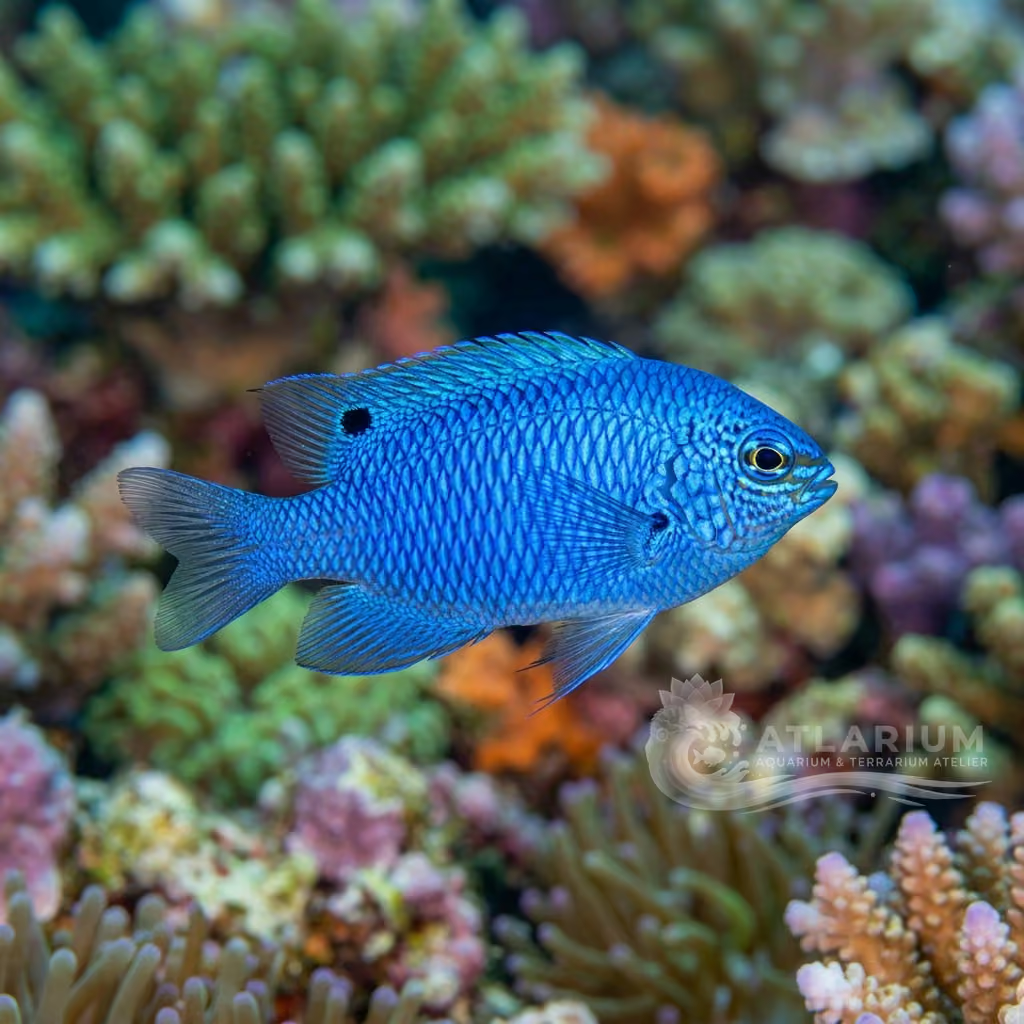
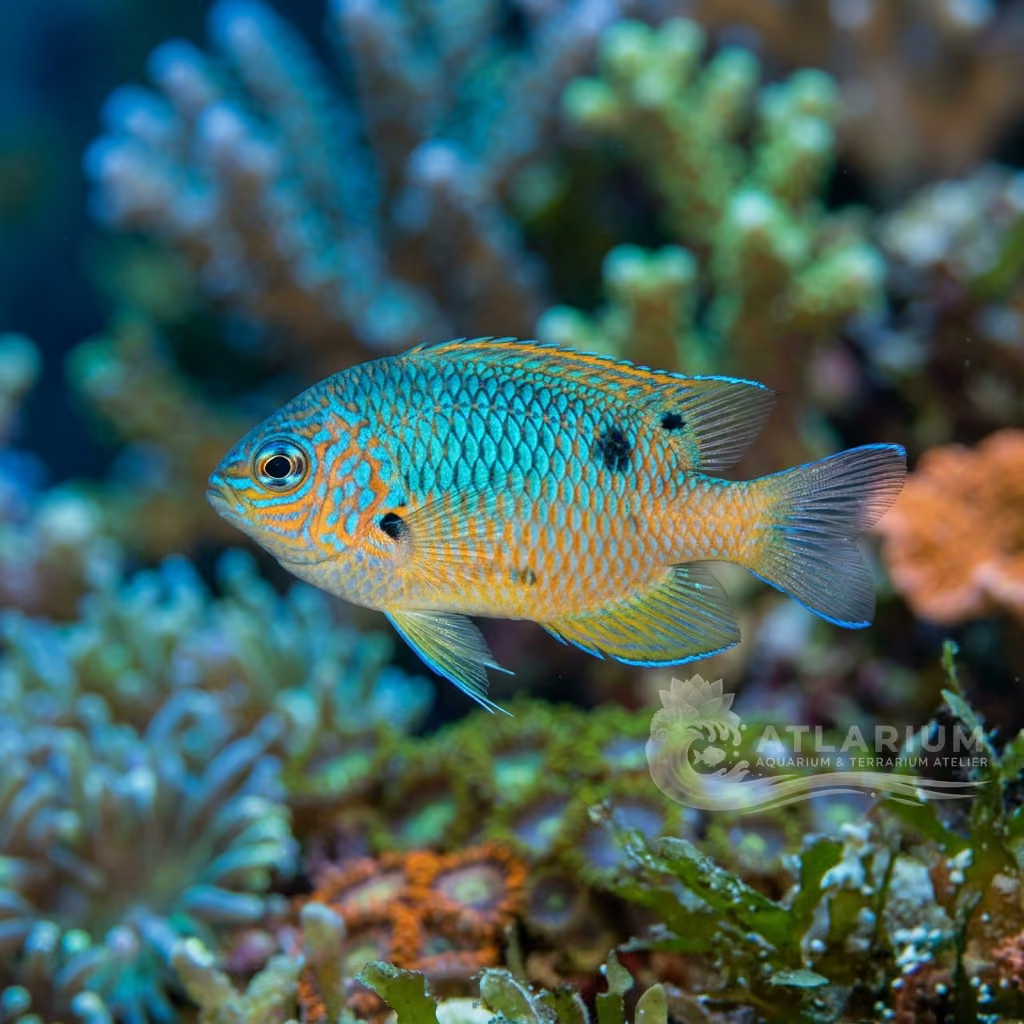
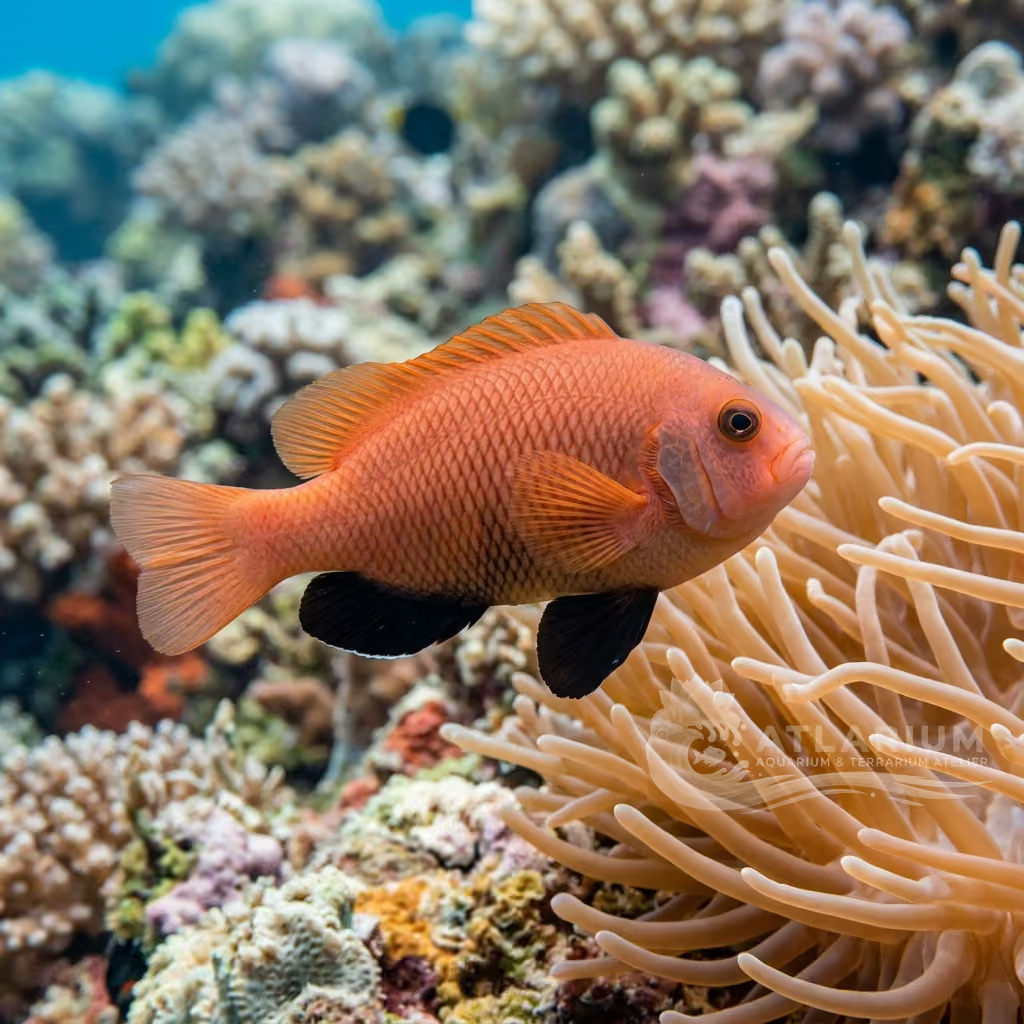
Canary damselfish
Chrysiptera galba
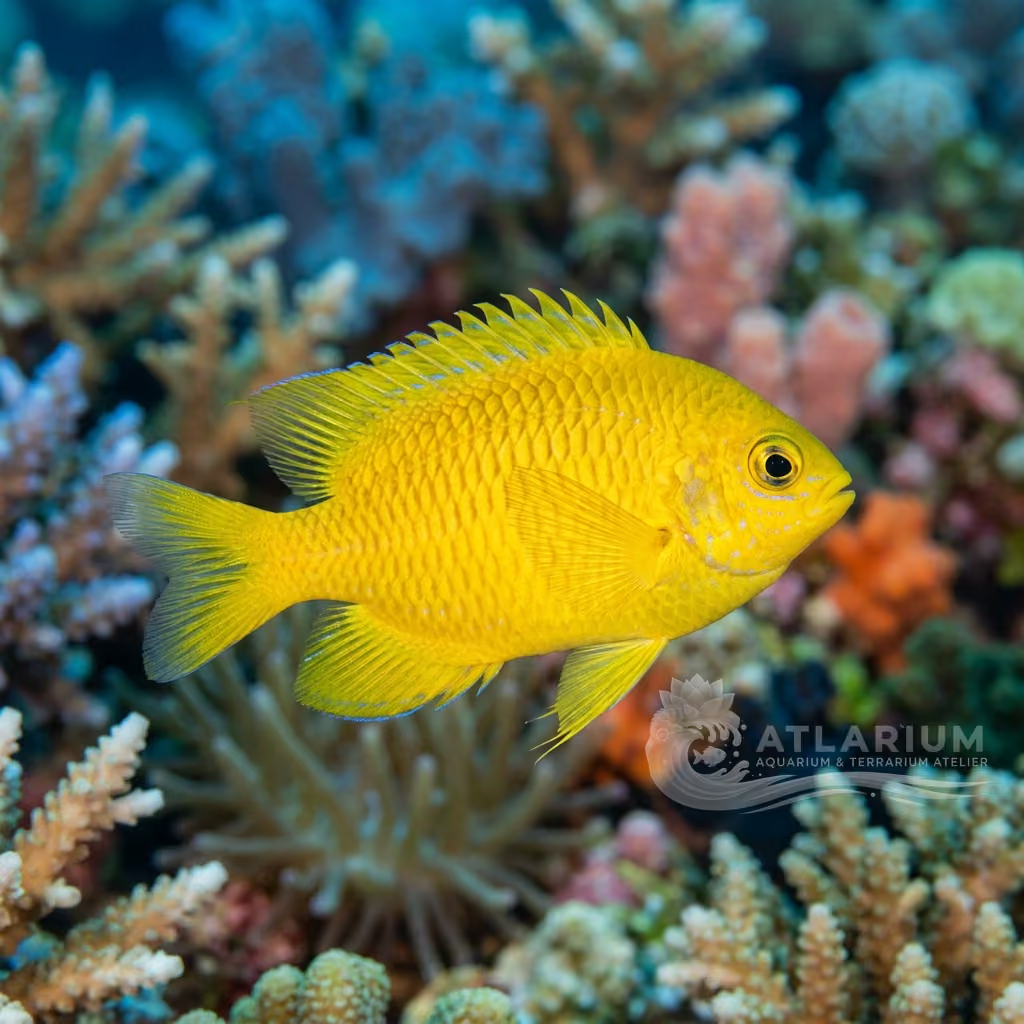
A highly resilient damselfish with a bright canary yellow coloration, Chrysiptera galba is small but extremely territorial and best kept with robust tankmates.
Water Temperature
23 - 28 °C
pH Value
8 - 8.5
Water type
Marine
Tank level
Bottom and middle
Adult size
7 cm
Minimum tank volume
>= 120 L
Minimum group
>= 1
KH
8 - 12 dKH

Species description
Geographical Origin and Habitat: This species is native to the central-western Pacific Ocean, specifically concentrated around Tonga, Samoa, Fiji, and the Cook Islands. It inhabits coastal coral reefs, shallow lagoons, and outer reef slopes at depths of 2 to 15 meters, closely associated with branching coral colonies (Acropora).
Taxonomy and Morphology: Belonging to the family Pomacentridae and the genus Chrysiptera. It features a compact, oval, and laterally compressed body profile characteristic of the damselfishes. It is a small species, reaching a maximum adult length of approximately 5-6 cm (2.2 inches).
Social Behavior: Highly territorial and aggressive for its size. It establishes a home territory around a specific crevice or coral head and will aggressively defend it against any fish that comes near, regardless of size. Keeping multiple specimens requires a large tank to prevent severe fighting.
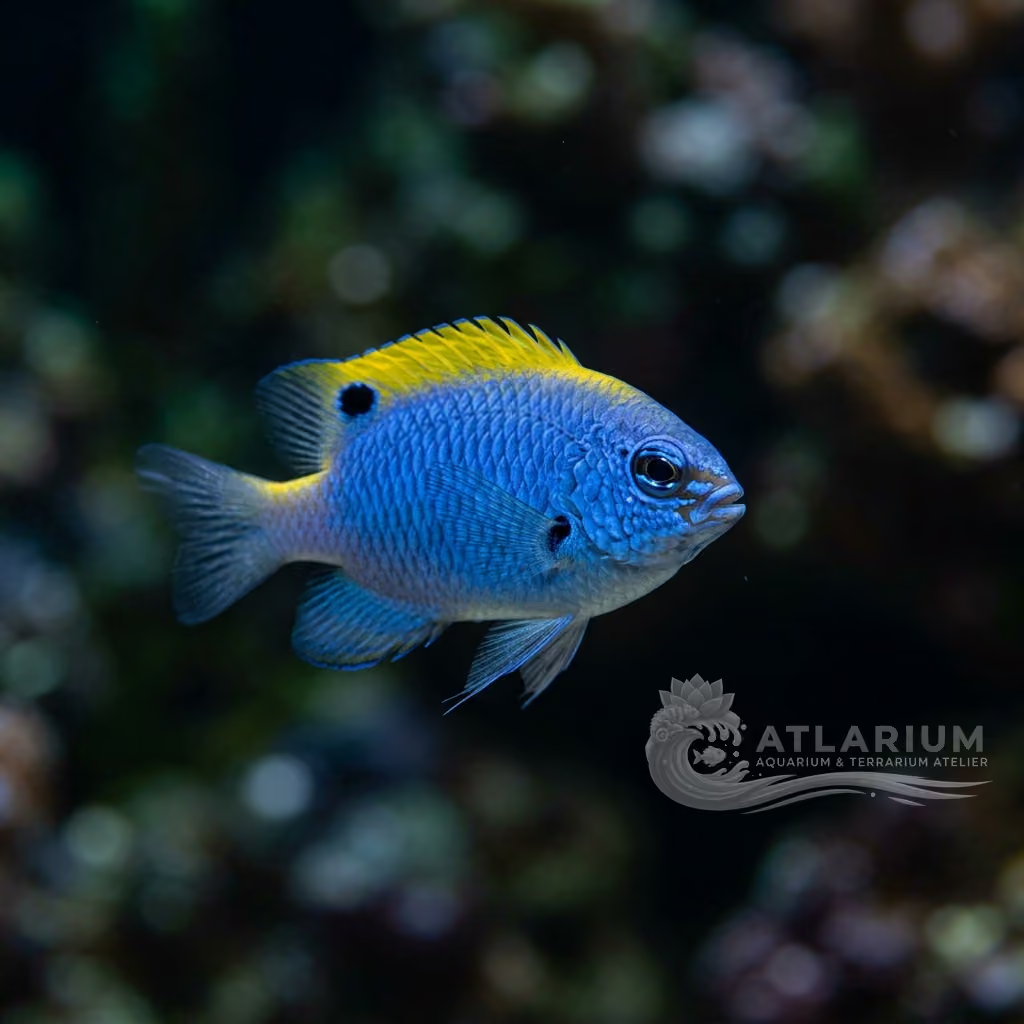
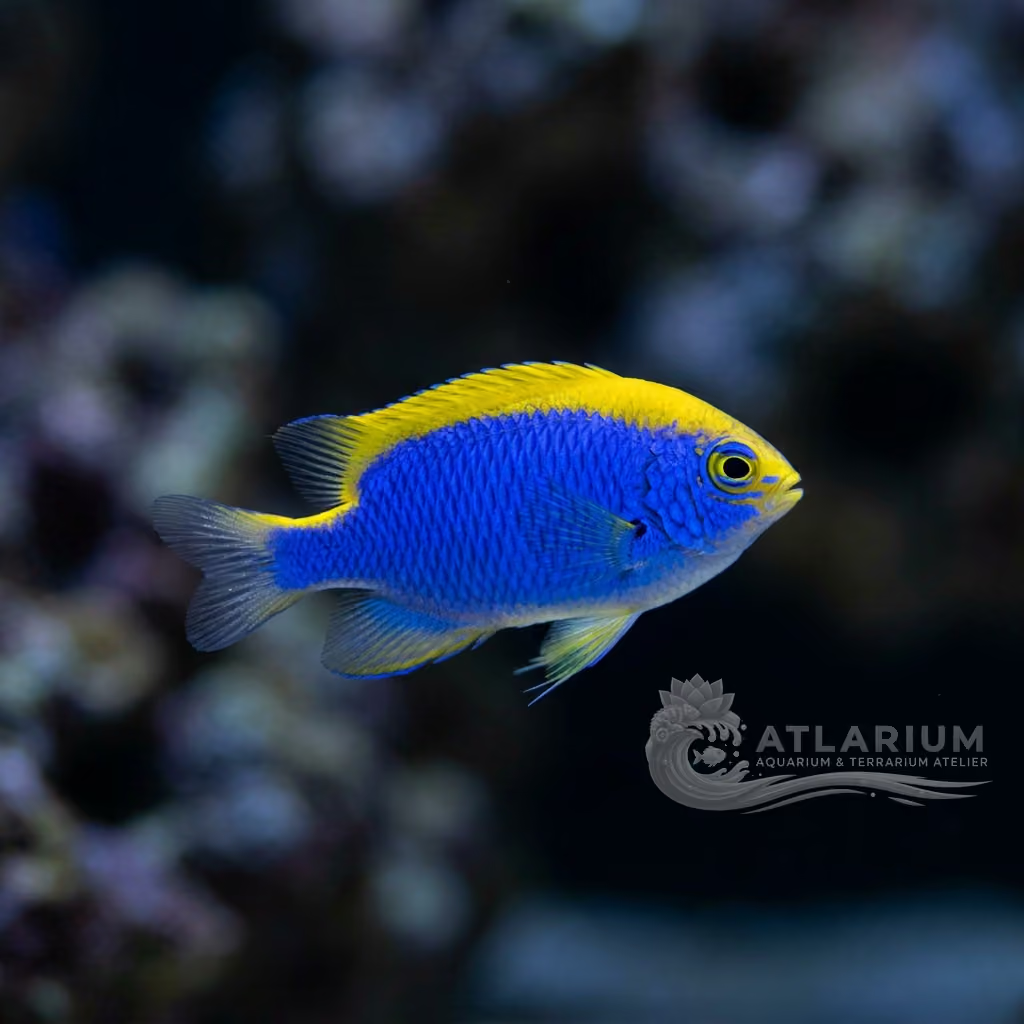
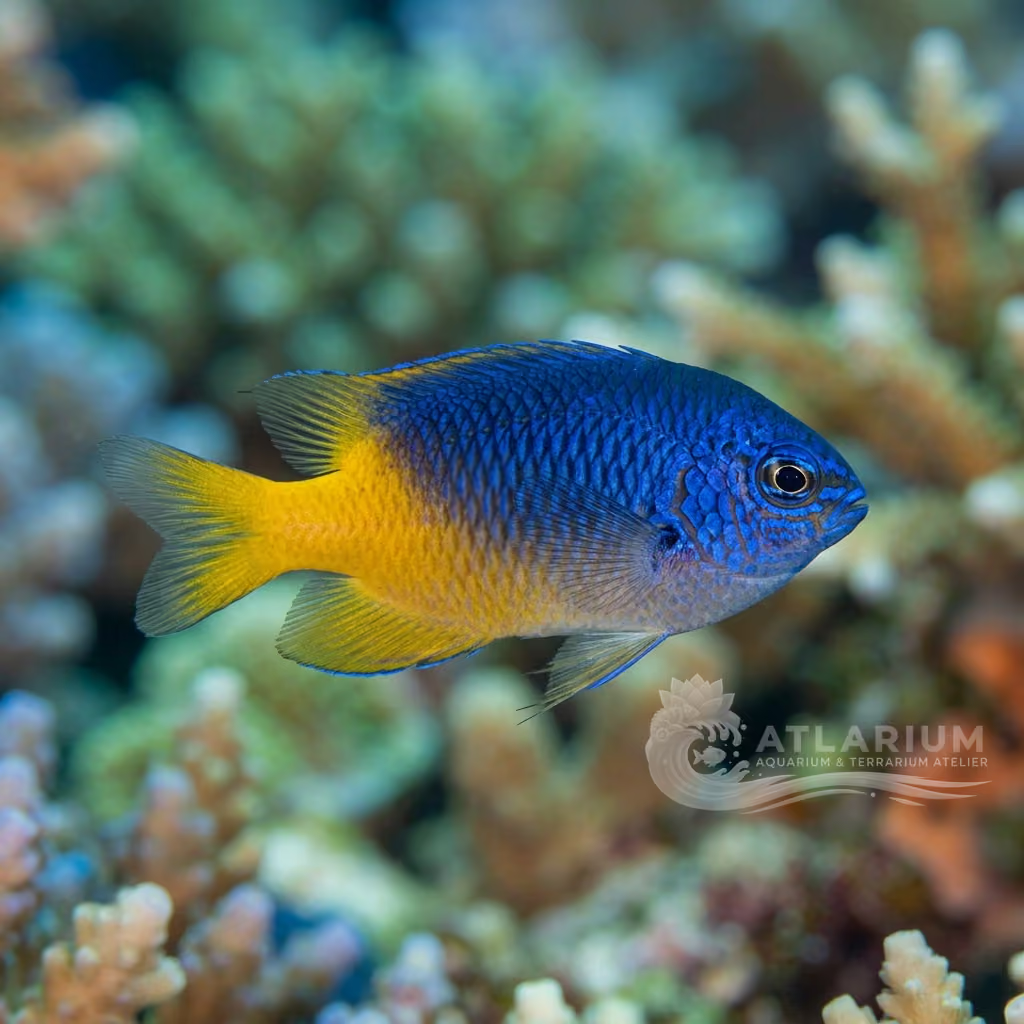
Coloration and Sexual Dimorphism: The body and fins are uniform bright canary yellow. Some specimens may display subtle, iridescent blue spots or highlights near the eyes or operculum. There is no visible sexual dimorphism, making it impossible to determine the sex without observing spawning behavior.

Care, breeding and tankmates
Aquarium Setup: A minimum tank volume of 100 liters (approx. 25 gallons) is sufficient for a single specimen. The tank should feature plenty of live rock with tunnels and crevices to allow the damselfish to establish a territory and provide retreats for tankmates.
Diet and Feeding: Omnivorous and an opportunistic feeder. It accepts almost all aquarium foods, including high-quality flakes, micro-pellets, and frozen foods such as brine shrimp, mysis, and cyclops. Feed small amounts twice daily to maintain health and color.
Water Quality: Extremely hardy and tolerant of minor water fluctuations. Standard marine parameters are ideal: temperature 24-27°C (75-81°F), pH 8.1-8.4, specific gravity 1.021-1.025, and moderate water flow. Regular water changes help sustain long-term vigor.
Compatibility and Cohabitation: Do not house with timid, peaceful species like pipefishes or small gobies. Best kept with larger, robust tankmates such as tangs, large wrasses, dottybacks, and hawkfish. Introduce this species last to minimize territorial dominance.
Aquarium Breeding: Known to spawn in captivity. They form pairs and deposit demersal, adhesive eggs on rocks or glass. The male defends and fans the nest aggressively. Raising the tiny planktonic larvae is extremely challenging, requiring rotifer cultures.
Risks and Diseases: Exceptionally hardy and rarely falls ill. It is highly resistant to typical pathogens, but under extreme stress or poor filtration, it can contract marine ich (Cryptocaryon irritans). Standard quarantine protocols remain recommended.

Geographic origin and distribution
This species is native to the central-western Pacific Ocean, specifically concentrated around Tonga, Samoa, Fiji, and the Cook Islands. It inhabits coastal coral reefs, shallow lagoons, and outer reef slopes at depths of 2 to 15 meters, closely associated with branching coral colonies (Acropora).
Origin
Tropical oceans and reefs

Fish profile
- Temperament
- Semi-aggressive
- The Canary Damselfish has a semi-aggressive and active temperament, spending much of its time near the rock structures. They will establish a small home range in the tank and can become defensive towards close neighbors. Providing a large tank with plenty of structure will help reduce stress and disperse territorial behaviors among tank mates.
- Diet
- Omnivore
- This species is an omnivore and requires a balanced diet consisting of both meaty and plant-based foods. They should be offered frozen foods like mysis and brine shrimp, along with high-quality marine flakes and pellets containing spirulina. Providing a varied diet is essential to maintain their vibrant yellow coloration and prevent nutritional deficiencies.
- Life expectancy
- 5-15 years
- Adult size
- 7 cm
- Sex ratio
- Flexible
- Single or pair
- Feeding frequency
- Twice daily
- It is recommended to feed the Canary Damselfish twice daily with small portions that they can consume within a minute. This feeding routine helps sustain their active lifestyle and keeps their metabolic needs met. Consistent, controlled feedings also help reduce food competition and prevent waste from degrading the water quality.
- Bioload
- Low to Medium
- The canary demoiselle is a relatively small damselfish that produces a minimal to moderate biological load within the aquarium. Due to their active nature and constant foraging behavior, they require regular feeding, which contributes moderately to nitrate and phosphate levels. Proper filtration and routine water changes are generally sufficient to manage their waste production effectively. Overall, they do not severely tax the biological filtration capacity of an established reef or fish-only system.
- Flow
- Moderate
- The Canary Damselfish prefers moderate water flow, which mimics the conditions of their native outer reef slopes. This flow rate provides enough water movement to keep the aquarium well-oxygenated without making it difficult for them to swim. Adequate water flow also helps simulate their natural environment, promoting healthy swimming activity.
- Jump risk
- No
- Reproduction
- Oviparous
- In the wild, they are oviparous and form distinct pairs during breeding season to lay demersal, adhesive eggs. The male is responsible for preparing the nest on rock surfaces and guarding the eggs until they hatch. However, successful captive reproduction in home aquariums remains undocumented due to the difficulty of raising the pelagic larvae.
- Compatibility & tankmates
- Reef safe
- They are reef-safe and generally compatible with corals and invertebrates, making them suitable for reef tanks. While less aggressive than other damselfish, they can still establish a territory and defend it from similar-shaped or colored intruders. They should be kept with other semi-aggressive species and provided with plenty of rock caves to define separate territories.
- Tank level
- Middle/Bottom
- This species is highly versatile and can be found darting throughout all levels of the water column, although they tend to favor the middle and lower regions. They strongly associate with the aquascape, frequently retreating to caves, crevices, and overhangs when feeling threatened. During feeding times, they will eagerly rise to the upper levels to compete for food before returning to their established territories near the rocks. A well-structured rockwork environment is essential to support their natural vertical movements and territorial instincts.

Scientific Parameters & Models
FishBase
Window to the official scientific data of the species
FishBase v25.04Data synced on: 06/15/2026
- Trophic level
- 2.7 ± 0.3 se
- Resilience
- High (less than 15 months)
- Phylogenetic uniqueness (PD50)
- 0.5
- Bayesian Length-Weight
- a = 0.01445, b = 3
- VulnerabilityLow vulnerability (10 / 100)

Related species
Recommendations grouped by close relatives, companion choices, and similar care.