

Encyclopaedia
Starck's Damselfish
Chrysiptera starcki
Starck's Damselfish is a striking deep-water fish with a vibrant blue body and bright yellow back. It is semi-aggressive and requires ample rockwork for caves.
Share
Check out Starck's Damselfish on Atlarium
22 - 26 °C
8 - 8.5
Marine
All levels
7.5 cm
>= 114 L
>= 1
8 - 12 dKH
Species description
Care, breeding and tankmates
Geographic Origin and Distribution
Origin
Fish profile
- Temperament
- Semi-aggressive
- Diet
- Omnivore
- Sex ratio
- Flexible
- Feeding frequency
- Twice daily
- Bioload
- Starck's damselfish contributes a relatively modest biological load compared to larger, more aggressive marine species. Their diet mainly consists of small crustaceans, algae, and standard aquarium preparations, leading to a manageable waste output. Aquariums equipped with a good protein skimmer and adequate biological filtration will handle their bioload effortlessly. Because they tend to be slightly more peaceful and less hyperactive than other damselfish, their overall metabolic output remains quite low.
- Flow
- Strong
- Jump risk
- No
- Reproduction
- Oviparous
- Compatibility & tankmates
- Semi-aggressive
- Tank level
- All levels
Window to the official scientific data of the species
Scientific Parameters & Models
- Trophic level
- 2.8 ± 0.32 se
- Resilience
- High (less than 15 months)
- Phylogenetic uniqueness (PD50)
- 0.5
- Bayesian Length-Weight
- a = 0.01445, b = 3
Image gallery
Licensed images linked to the species or, when marked, to the closest representative taxon.
Related species
Recommendations grouped by close relatives, companion choices, and similar care.
Variants and close relatives
Same atlas type, nearby scientific identity, genus, or family.

One-spot Damselfish
Chrysiptera unimaculata

Threeband damselfish
Chrysiptera tricincta

Canary damselfish
Chrysiptera galba
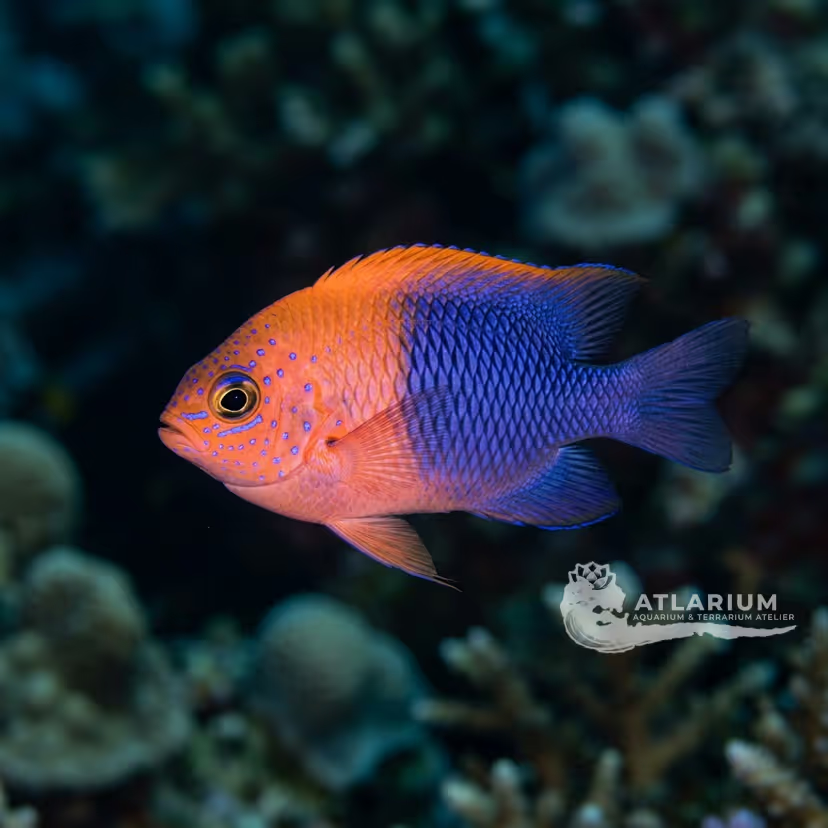
King Damselfish
Chrysiptera rex

Rolland's damselfish
Chrysiptera rollandi

Azure damselfish
Chrysiptera hemicyanea

Blue Damselfish
Chrysiptera cyanea
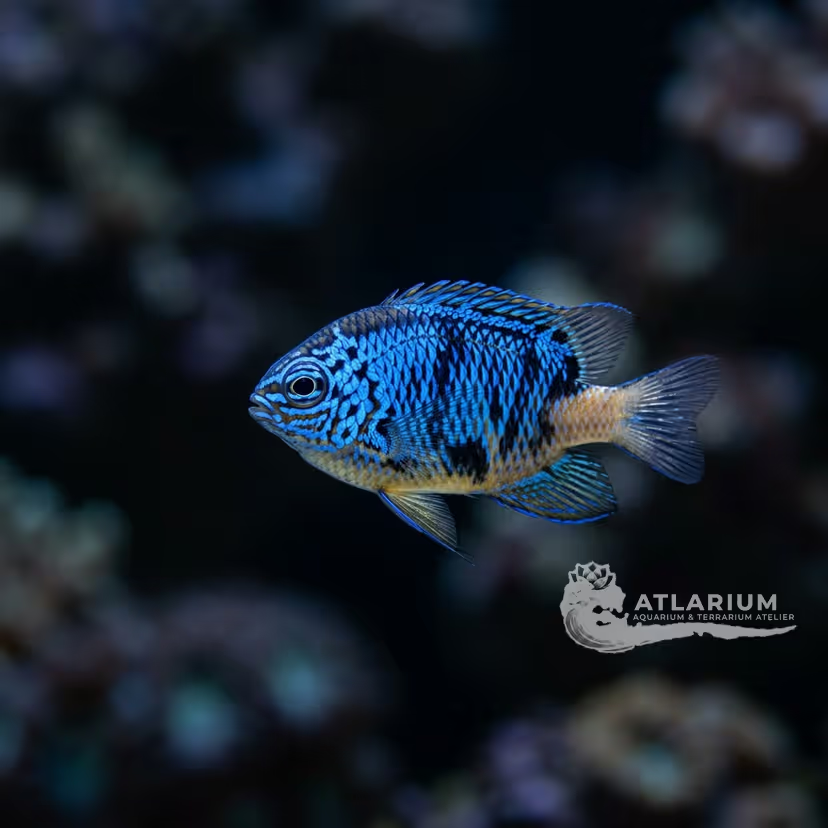
Springer's Damselfish
Chrysiptera springeri

Talbot's Damselfish
Chrysiptera talboti

Yellowtail damselfish
Chrysiptera parasema

Saddleback Clownfish
Amphiprion polymnus

Jewel Damselfish
Plectroglyphidodon lacrymatus

Black-axil Chromis
Chromis atripectoralis

Hawaiian dascyllus
Dascyllus albisella
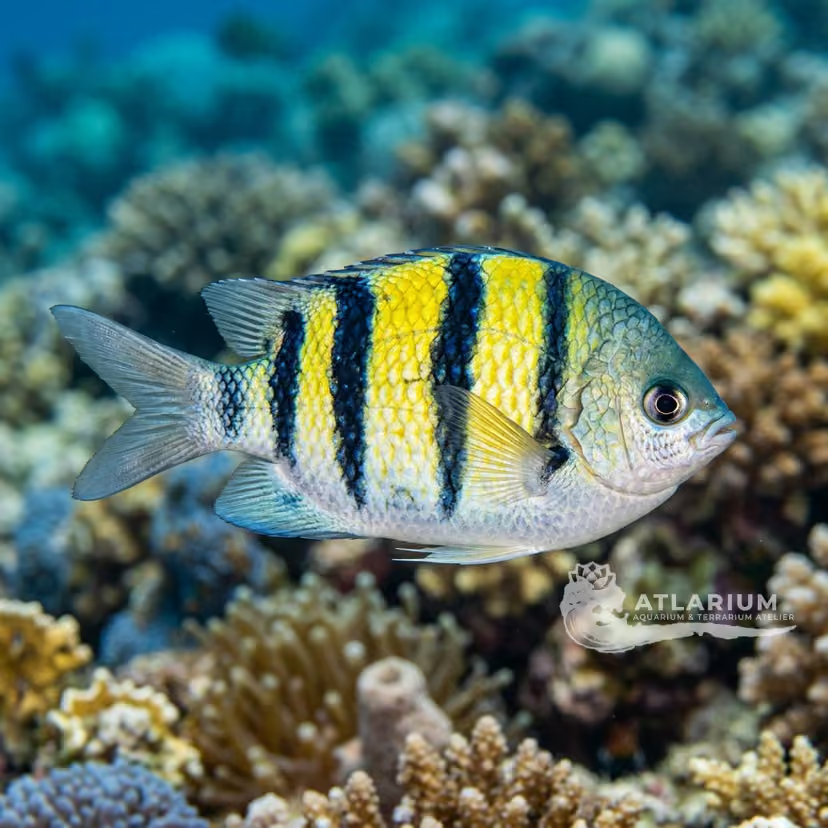
Sergeant major
Abudefduf saxatilis

Barrier Reef chromis
Chromis nitida
Recommended companions
Compatible cards from coherent ecosystems with matching parameters.

Grape caulerpa
Caulerpa racemosa

Caulerpa prolifera
Caulerpa prolifera
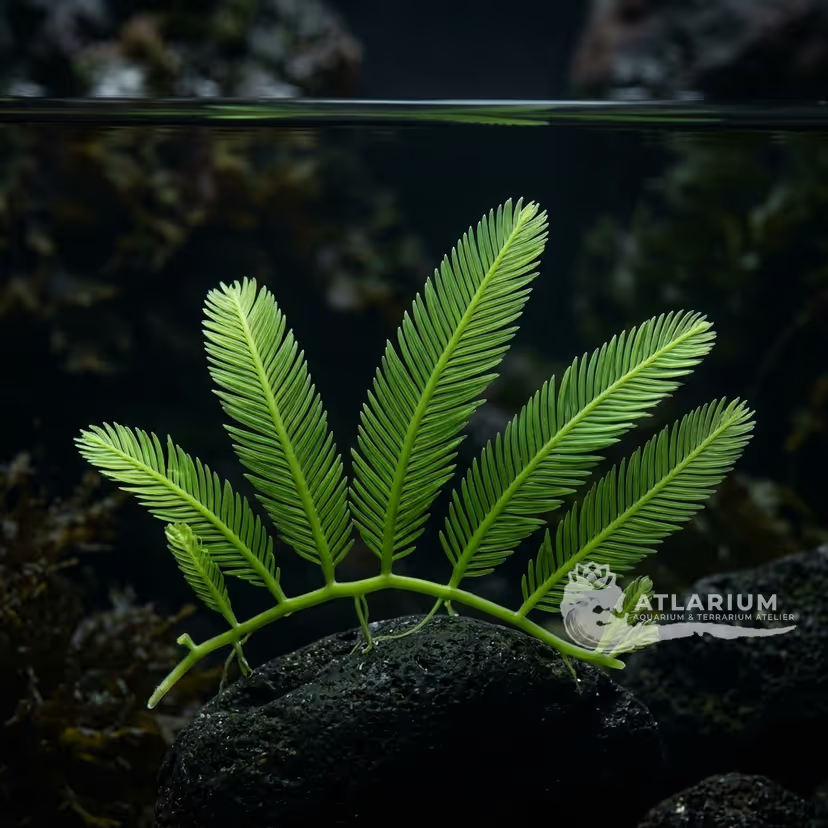
Caulerpa taxifolia
Caulerpa taxifolia
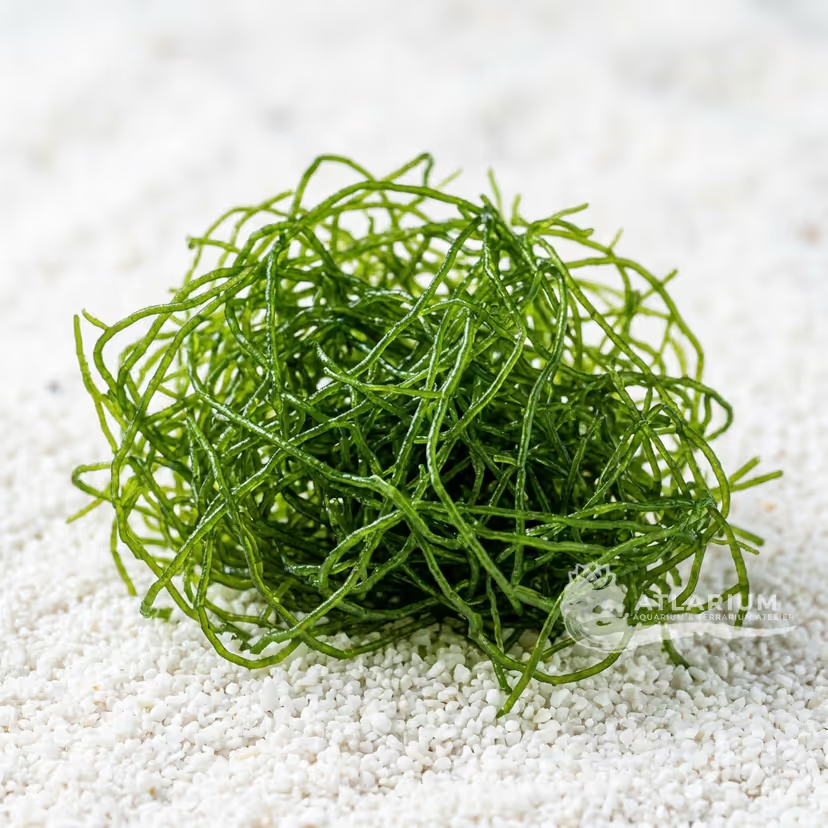
Chaetomorpha macroalgae
Chaetomorpha linum

Dead man fingers algae
Codium fragile

Halimeda macroalgae
Halimeda opuntia

Peacock tail algae
Padina pavonica

Red gracilaria
Gracilaria parvispora

Red grape algae
Botryocladia uvaria

Sea lettuce
Ulva lactuca

Red Mangrove
Rhizophora mangle
Similar care
Cards with similar requirements, difficulty, habitat, and husbandry profile.
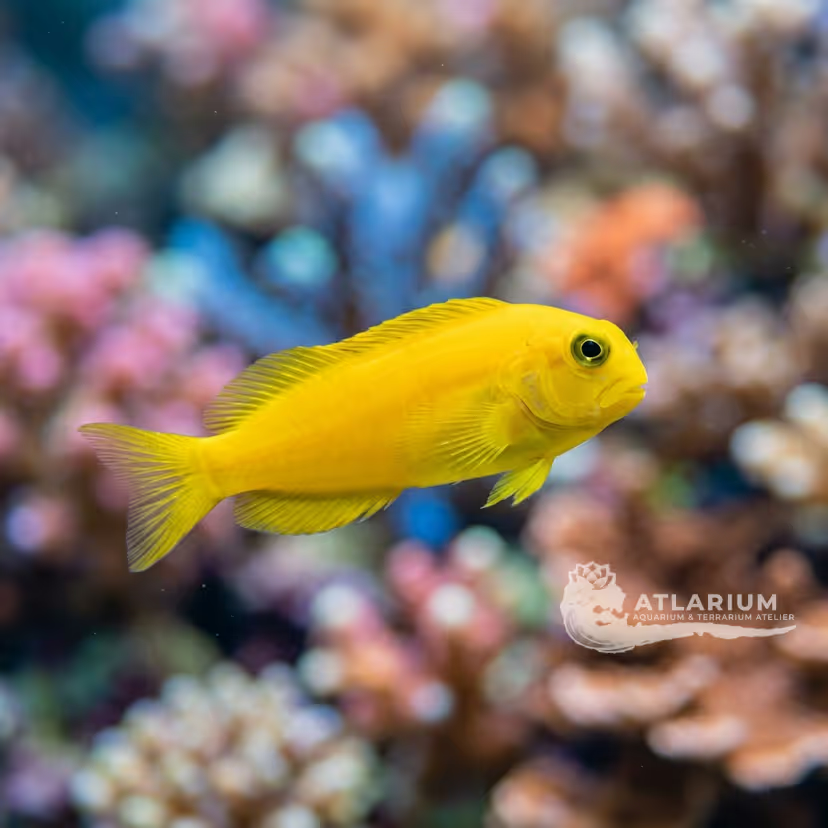
Canary fangblenny
Meiacanthus oualanensis

Forktail blenny
Meiacanthus atrodorsalis

Striped fangblenny
Meiacanthus grammistes

Whitetail Damselfish
Pomacentrus chrysurus

Cinnamon Clownfish
Amphiprion melanopus
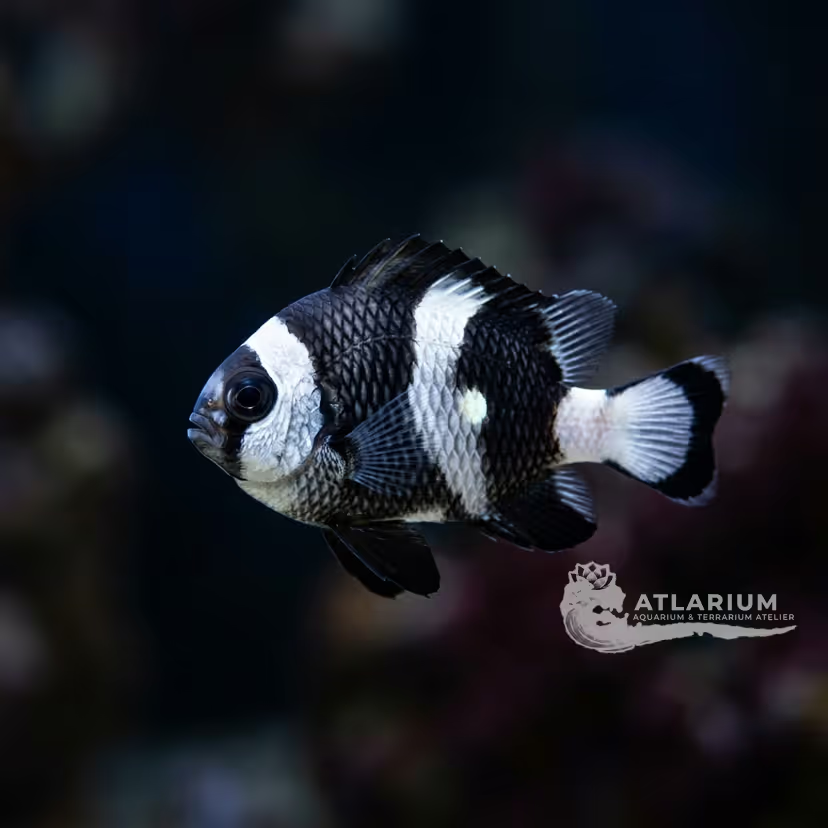
Four-stripe Damselfish / Blacktail Humbug
Dascyllus melanurus
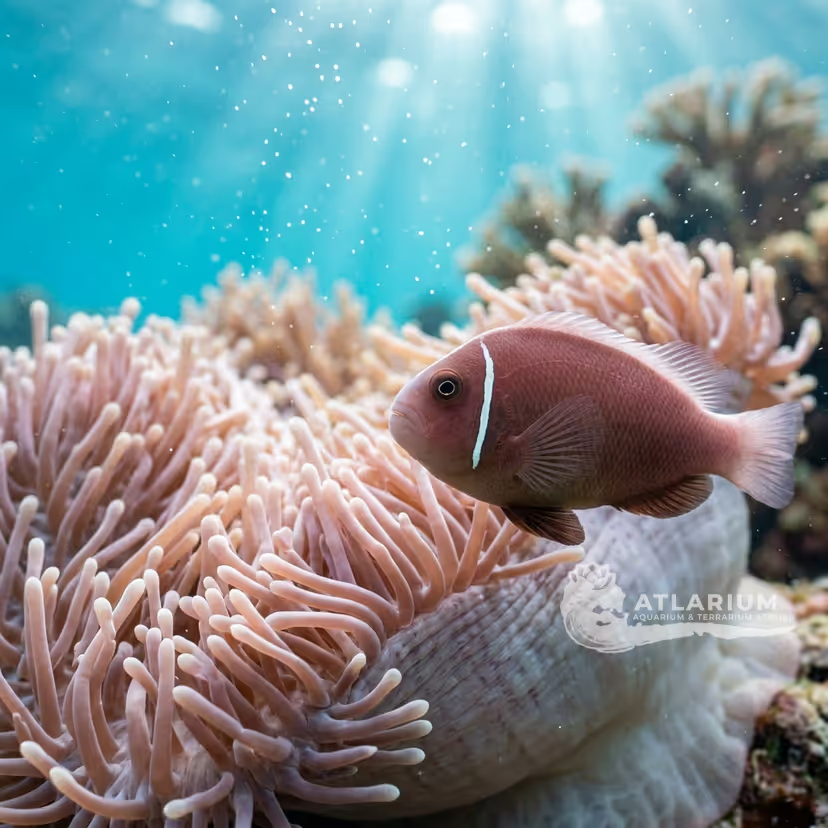
Pink Skunk Clownfish
Amphiprion perideraion

Brown Coral Blenny
Atrosalarias fuscus

Allen's Damselfish
Pomacentrus alleni

Ambon Chromis
Chromis amboinensis

Goldbelly damselfish
Pomacentrus auriventris

Speckled damselfish
Pomacentrus bankanensis
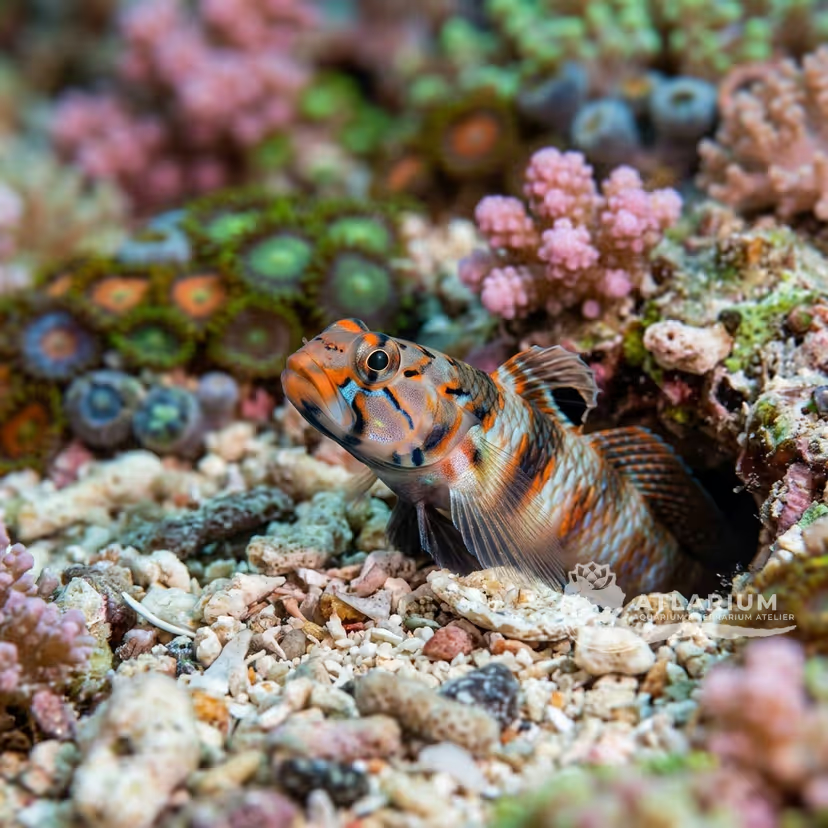
Aurora Goby
Amblyeleotris aurora

Blue assessor
Assessor macneilli

Ambon Damselfish
Pomacentrus amboinensis

Aron's blenny
Ecsenius aroni