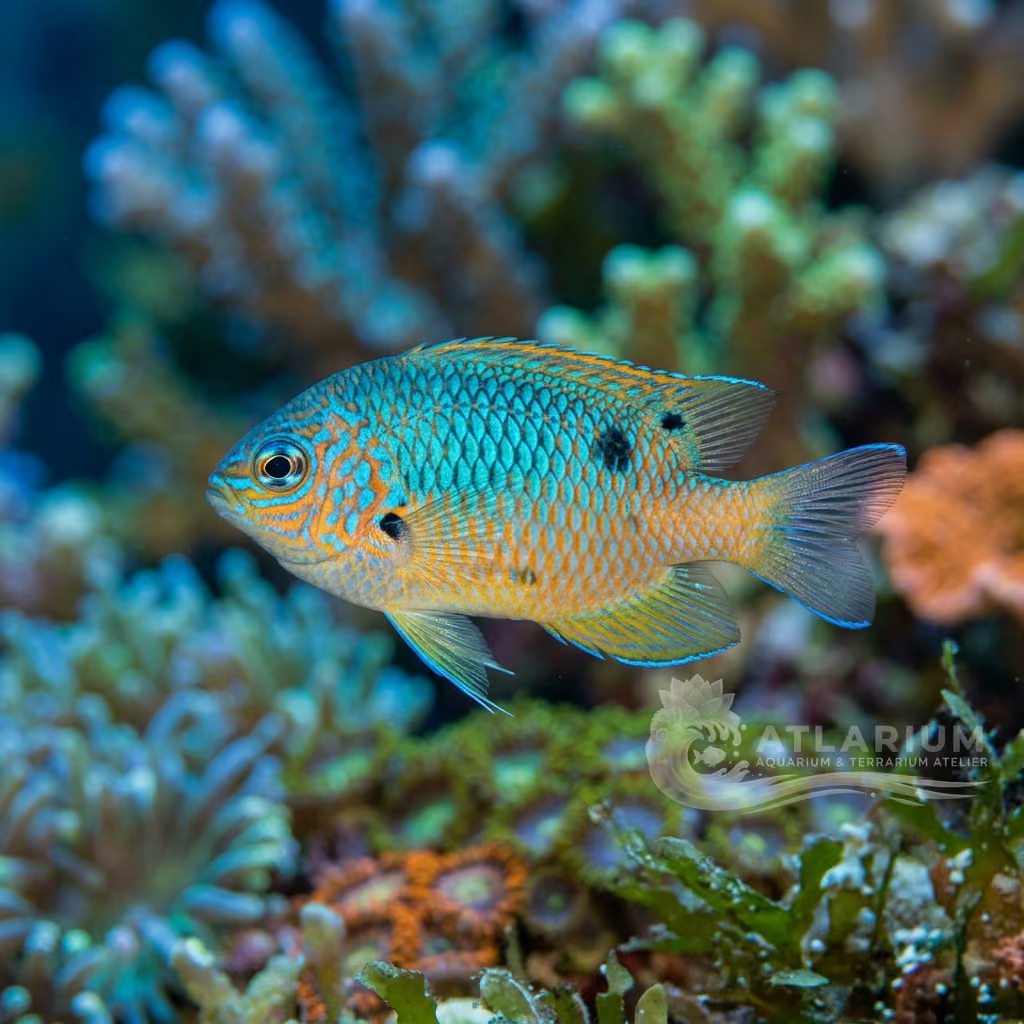
Brown Chromis
Azurina multilineata
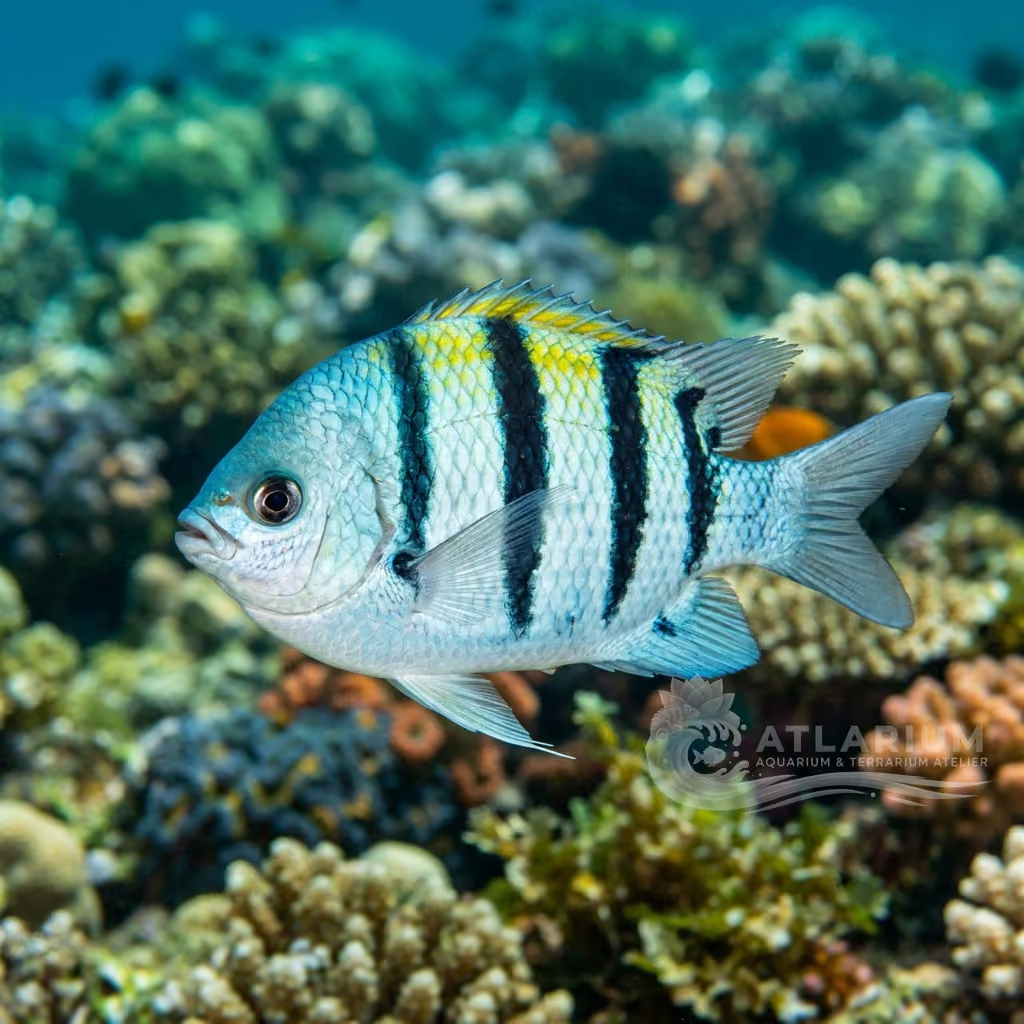
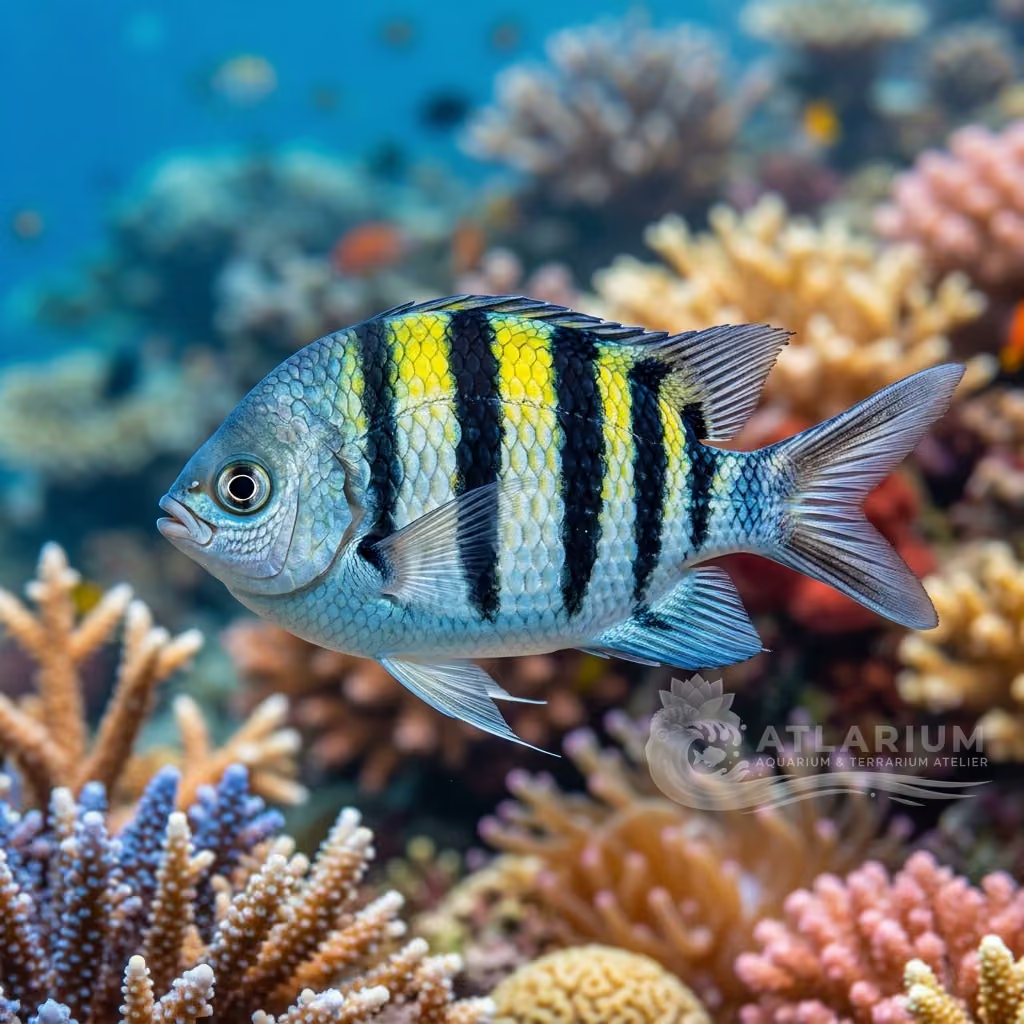
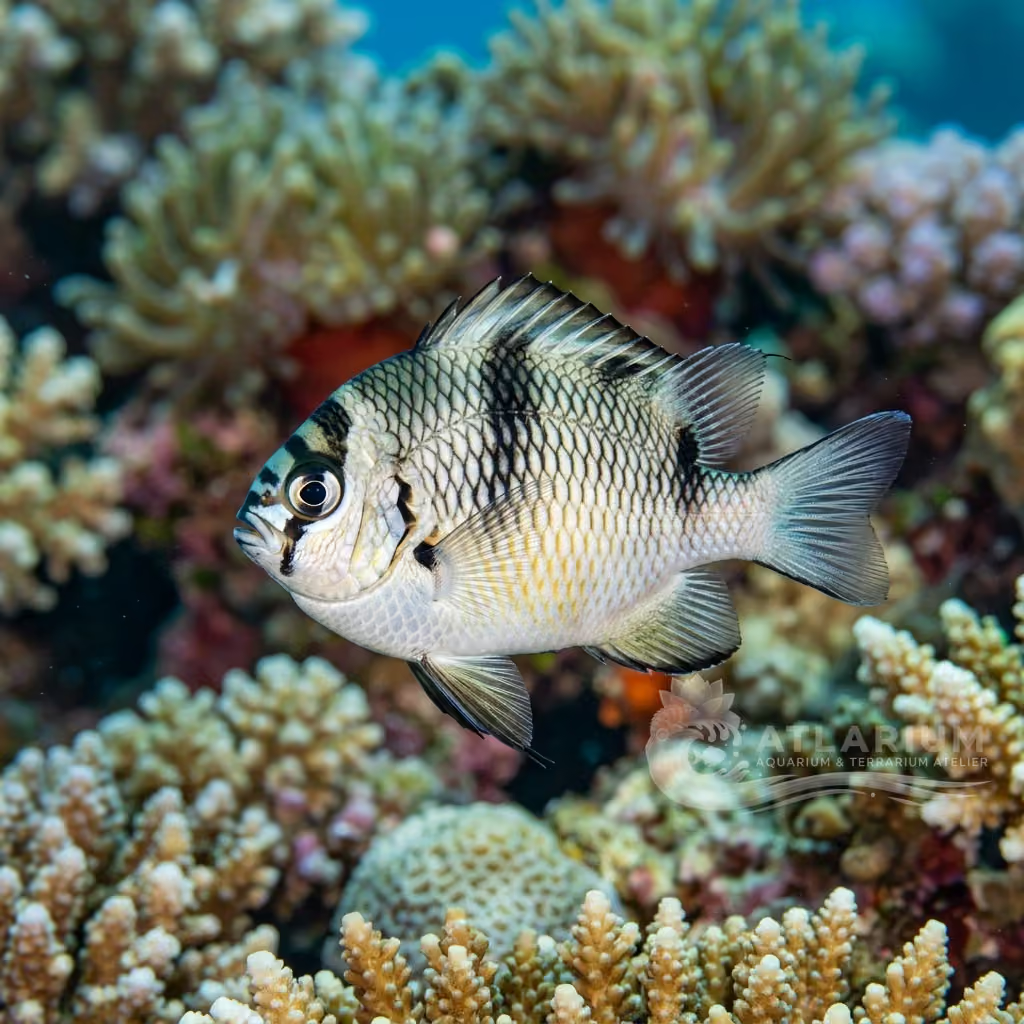
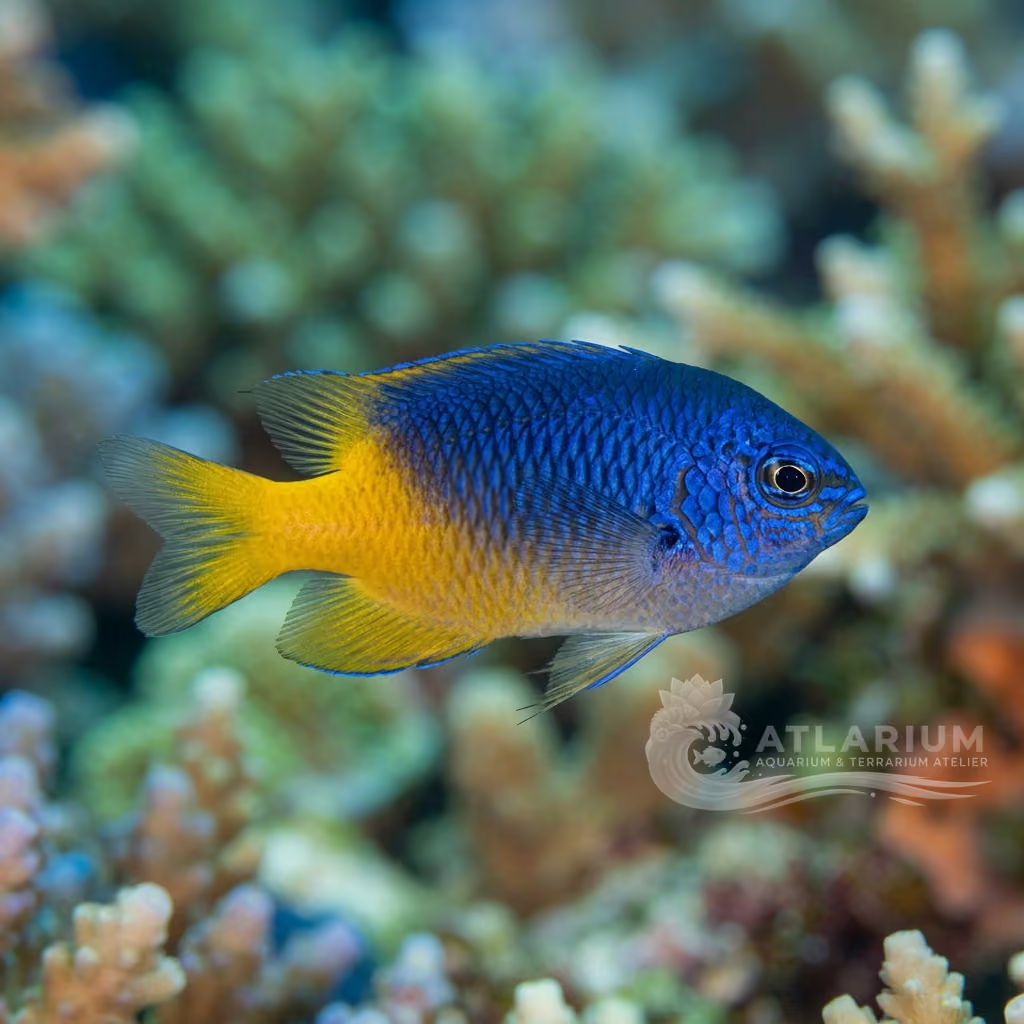
A large, schooling Atlantic chromis characterized by a silvery-brown body and a distinct yellow spot on its dorsal fin. Highly social and peaceful, it requires spacious tanks with strong currents.
Water Temperature
22 - 27 °C
pH Value
8.1 - 8.4
Water type
Marine
Tank level
Surface and middle
Adult size
15 cm
Minimum tank volume
>= 250 L
Minimum group
>= 6

Species description
Geographical Origin and Habitat: Widely distributed throughout the tropical Atlantic Ocean. In the Western Atlantic, it ranges from Florida and the Gulf of Mexico down to southern Brazil. In the Eastern Atlantic, it is found around Cape Verde and the Gulf of Guinea. It inhabits steep outer reef slopes and rocky shores exposed to currents, at depths from 2 to 40 meters.
Taxonomy and Morphology: A member of the family Pomacentridae and the genus Chromis. It features an oval, streamlined, and laterally compressed body with a deeply forked caudal fin that facilitates rapid swimming. Unlike other chromis species, it grows relatively large, reaching a maximum length of 15 to 16 cm (6 inches).
Social Behavior: An extremely social and schooling species that forms massive aggregations in the wild. In the aquarium, it must be kept in groups of at least six to eight individuals to encourage schooling behavior and prevent stress. They are peaceful and do not exhibit territorial aggression towards other tank inhabitants.
Coloration and Sexual Dimorphism: The base coloration is greyish-brown or olive-brown on the back, fading to a silvery-white belly. It is characterized by a prominent bright yellow spot at the rear base of the dorsal fin, and a dark spot at the base of the pectoral fin. The caudal fin lobes are bordered in dark pigment. No visible sexual dimorphism.

Care, breeding and tankmates
Aquarium Setup: Requires a spacious aquarium of at least 300 liters (approx. 80 gallons) to accommodate a small school. As active swimmers, they need ample open swimming space in the water column. The rockwork should be arranged at the back to provide sleeping quarters and shelter when threatened.
Diet and Feeding: Primarily a planktivore. In captivity, it is easy to feed and will accept high-quality flakes and pellets. However, to maintain health and color, its diet should be supplemented with frozen foods like mysis, brine shrimp, and cyclops. Feed two to three times daily in small quantities.
Water Quality: Requires clean, well-oxygenated water with moderate to strong flow. Keep parameters stable: temperature 23-27°C (73-81°F), specific gravity 1.021-1.025, and pH 8.1-8.4. Weekly water changes and efficient protein skimming are recommended to maintain low nitrate levels.
Compatibility and Cohabitation: 100% reef-safe. Compatible with all peaceful community fish, corals, and mobile invertebrates. They can be housed with tangs, wrasses, and other damselfishes. Avoid keeping them with large predators like groupers or lionfish that might swallow them.
Aquarium Breeding: Substrate spawners. During breeding, a male selects and cleans a flat rock or nesting site. The female deposits adhesive eggs, which the male fertilizes and guards aggressively until hatching. Raising the pelagic larvae requires specialized greenwater cultures and rotifers.
Risks and Diseases: Quite hardy, but susceptible to common marine external parasites like marine ich (Cryptocaryon) and brooklynellosis if stressed. Providing a varied diet and maintaining stable water parameters are the best ways to prevent disease. A quarantine period is advised.

Geographic origin and distribution
Widely distributed throughout the tropical Atlantic Ocean. In the Western Atlantic, it ranges from Florida and the Gulf of Mexico down to southern Brazil. In the Eastern Atlantic, it is found around Cape Verde and the Gulf of Guinea. It inhabits steep outer reef slopes and rocky shores exposed to currents, at depths from 2 to 40 meters.
Origin
Tropical oceans and reefsExtra-Amazon South AmericaCentral America and CaribbeanNorth AmericaAfrica and Madagascar

Fish profile
- Temperament
- Peaceful
- The Chromis multilineata is generally considered one of the more docile members of the damselfish family. They are quite peaceful when young and add a wonderful dynamic movement to a community reef tank. As they reach maturity, some internal bickering may occur within their school to establish dominance. They rarely show aggression toward other fish species or invertebrates in the aquarium. Overall, they are an excellent choice for aquarists seeking active yet relatively polite inhabitants.
- Diet
- Omnivore
- In their natural habitat, the Chromis multilineata feeds primarily on zooplankton drifting in the water column. In captivity, they adapt quickly to a varied diet consisting of high-quality marine flakes, pellets, and frozen meaty foods. Regular offerings of mysis shrimp, brine shrimp, and finely chopped seafood help maintain their vibrant coloration. It is important to provide vitamin-enriched foods to bolster their immune system. A mixed diet ensures they receive all the necessary nutrients for long-term health.
- Life expectancy
- 5-8 years
- Adult size
- 15 cm
- Sex ratio
- School
- There are very few, if any, noticeable external differences between male and female Chromis multilineata outside of the spawning period. When purchasing them, aquarists typically acquire a small group without worrying about specific male-to-female ratios. Within the group, a natural hierarchy will eventually form, with a dominant individual often emerging. Keeping an odd number of fish, such as five or seven, can help distribute minor territorial squabbles. Ultimately, sexing them is unnecessary for general display purposes.
- Feeding frequency
- Twice daily
- Given their small stomachs and high energy levels, the Chromis multilineata should be fed small amounts multiple times a day. Ideally, offering food two to three times daily closely mimics their natural continuous feeding habits. This frequent feeding schedule prevents malnutrition and helps sustain their fast metabolism. Automated feeders can be extremely beneficial for maintaining this routine when the aquarist is away. Careful observation ensures all individuals in the group get a fair share of food.
- Bioload
- Medium to High
- The Chromis multilineata has a relatively small bioload, making it manageable in established marine systems. Due to their active nature, they process food quickly and contribute consistently to the system's waste. A good protein skimmer and regular water changes are highly recommended to maintain pristine water conditions. When kept in a school, the cumulative waste requires robust biological and mechanical filtration. Overall, they do not put undue stress on a properly sized aquarium.
- Flow
- Strong
- The Chromis multilineata originates from reef slopes and lagoons where moderate to strong water flow is constant. They enjoy swimming against the current, which provides them with essential exercise and mimics their natural environment. Strong circulation also keeps their preferred planktonic food suspended in the water column longer. Providing areas of varied flow allows them to choose their preferred swimming effort. Excellent water movement is crucial for their optimal health and behavior.
- Jump risk
- No
- Reproduction
- Oviparous
- The Chromis multilineata can spawn in captivity, although raising the fry presents a significant challenge for most hobbyists. They are substrate spawners, with males usually clearing a specific site on the rockwork or glass to attract females. After the female deposits her eggs, the male fiercely guards and fans the nest until they hatch. The newly hatched larvae are pelagic and require extremely small live foods like rotifers to survive. Consequently, successful rearing demands a dedicated breeding setup and meticulous care.
- Compatibility & tankmates
- Peaceful
- The Chromis multilineata is widely regarded as a peaceful reef-safe species that rarely bothers corals or invertebrates. They do best when kept in groups, which helps reduce their stress and encourages natural schooling behaviors. However, as they mature, the group may establish a hierarchy where the weakest individuals might face some aggression. They are generally compatible with a wide range of peaceful to semi-aggressive community fish. Care should be taken not to house them with overly large predatory fish.
- Tank level
- Top/Middle
- The Chromis multilineata is highly active and spends the majority of its time in the middle to upper levels of the water column. They prefer open swimming spaces where they can cruise and forage throughout the day. Despite their love for open water, they also require access to rockwork and crevices for shelter during the night or when frightened. A balance between open swimming areas and complex hardscape provides the most secure environment. This spatial arrangement encourages them to stay visible and active.

Scientific Parameters & Models
FishBase
Window to the official scientific data of the species
FishBase v25.04Data synced on: 06/15/2026
- Trophic level
- 3 ± 0 se
- Resilience
- Medium (1.4 - 4.4 years)
- Phylogenetic uniqueness (PD50)
- 0.501
- Bayesian Length-Weight
- a = 0.01259, b = 3.03
- VulnerabilityLow vulnerability (10 / 100)

Related species
Recommendations grouped by close relatives, companion choices, and similar care.