

Encyclopaedia
Zebra angelfish
Genicanthus caudovittatus
A sexually dimorphic, swallowtail angelfish that naturally schools above reefs. A reef-safe planktivore, it adds lively open-water movement but requires substantial swimming space and strong flow.
Share
Check out Zebra angelfish on Atlarium
22 - 26 °C
8.1 - 8.4
Marine
Middle
20 cm
>= 350 L
>= 1
8 - 12 dKH
Species description
Care, breeding and tankmates
Geographic Origin and Distribution
Origin
Fish profile
- Temperament
- Peaceful
- Diet
- Omnivore
- Sex ratio
- Harem
- Feeding frequency
- Twice daily
- Bioload
- The Genicanthus caudovittatus generates a moderate bioload that is easily managed in well-established marine systems. Unlike other large angelfish, their diet consists primarily of zooplankton, resulting in somewhat less heavy waste production. However, their high energy levels and requirement for frequent feedings mean that excellent filtration is still mandatory. A high-quality protein skimmer and regular water changes will efficiently process their metabolic output. They are highly active fish, so maintaining high levels of dissolved oxygen through good surface agitation is important.
- Flow
- Strong
- Jump risk
- Yes
- Reproduction
- Oviparous
- Compatibility & tankmates
- Peaceful
- Tank level
- Middle
Window to the official scientific data of the species
Scientific Parameters & Models
- Trophic level
- 3.4 ± 0.45 se
- Resilience
- Medium (1.4 - 4.4 years)
- Phylogenetic uniqueness (PD50)
- 0.501
- Bayesian Length-Weight
- a = 0.01122, b = 3.04
Image gallery
Licensed images linked to the species or, when marked, to the closest representative taxon.
Related species
Recommendations grouped by close relatives, companion choices, and similar care.
Variants and close relatives
Same atlas type, nearby scientific identity, genus, or family.

Blackspot Angelfish
Genicanthus melanospilos
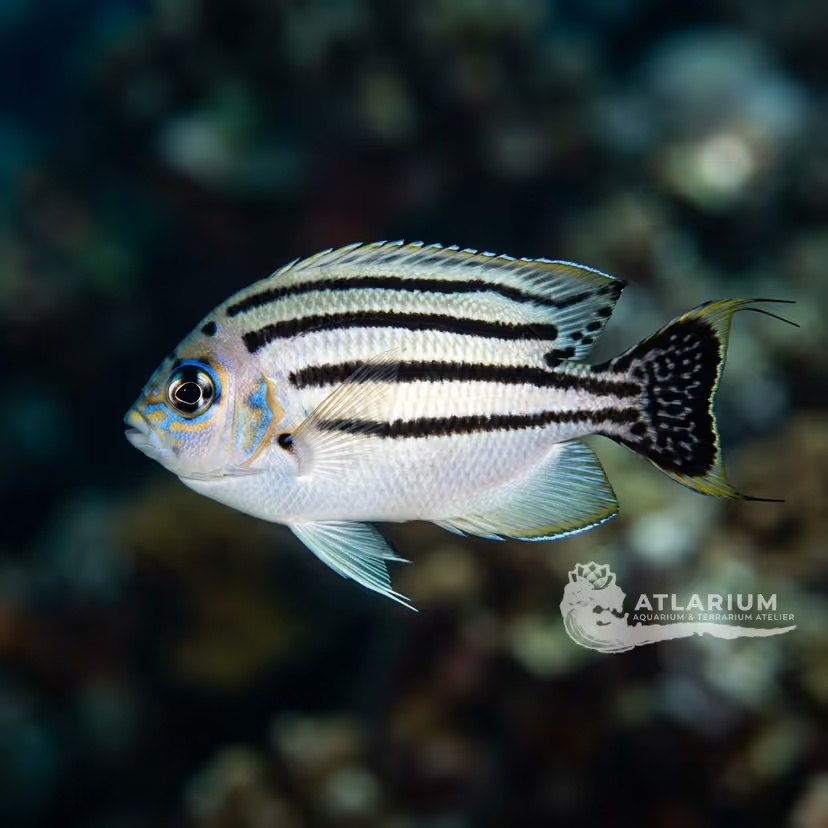
Lamarck's angelfish
Genicanthus lamarck

Ornate Angelfish
Genicanthus bellus
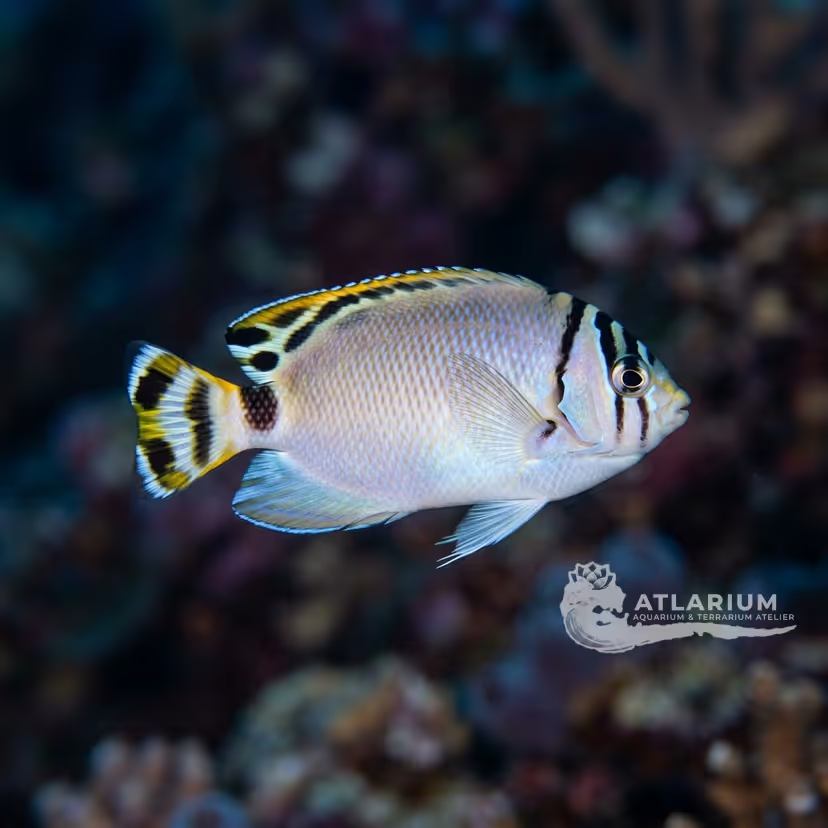
Watanabe's Angelfish
Genicanthus watanabei

Japanese swallowtail angelfish
Genicanthus semifasciatus
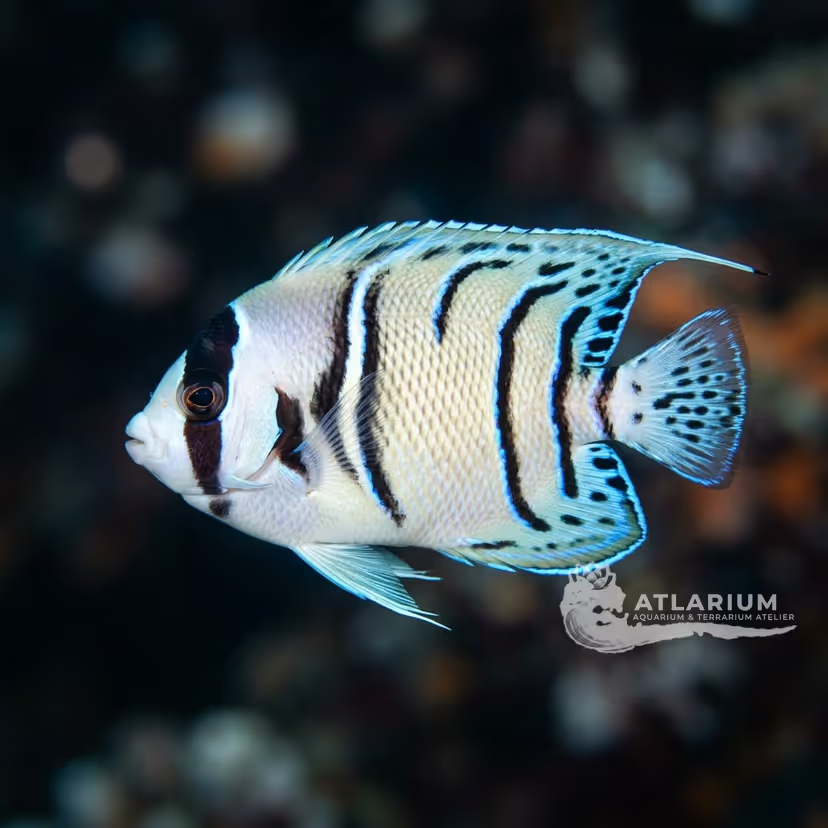
Masked Angelfish
Genicanthus personatus
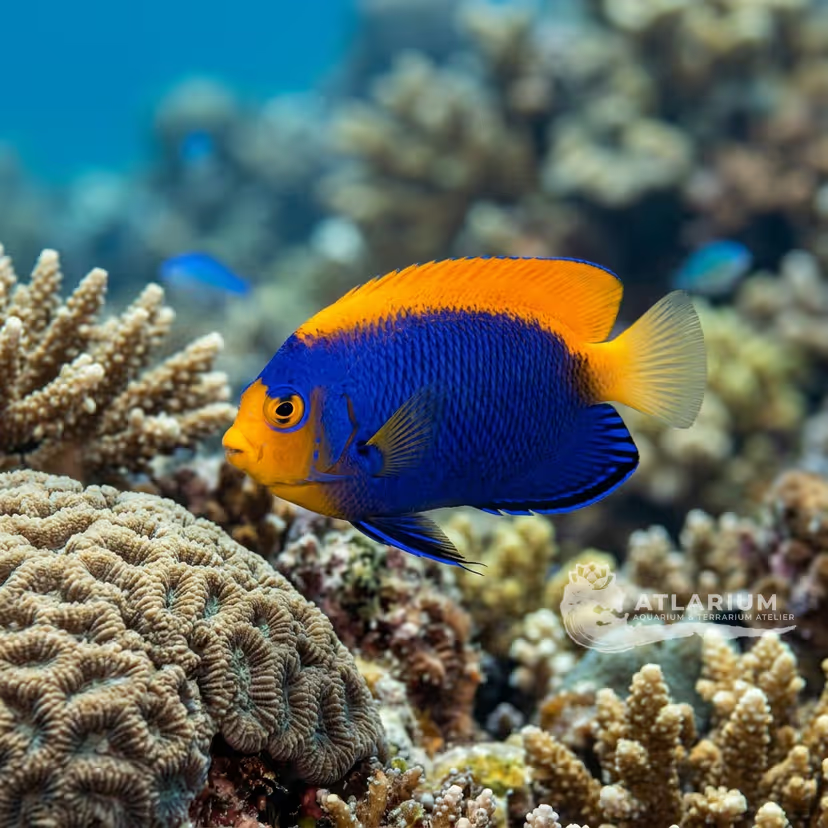
African flameback angelfish
Centropyge acanthops

Barred Angelfish
Paracentropyge multifasciata

Clarion Angelfish
Holacanthus clarionensis

Flameback Angelfish
Centropyge aurantonotus

Joculator Angelfish
Centropyge joculator

Limbaugh's angelfish
Holacanthus limbaughi

Yellowfin Angelfish
Centropyge flavipectoralis
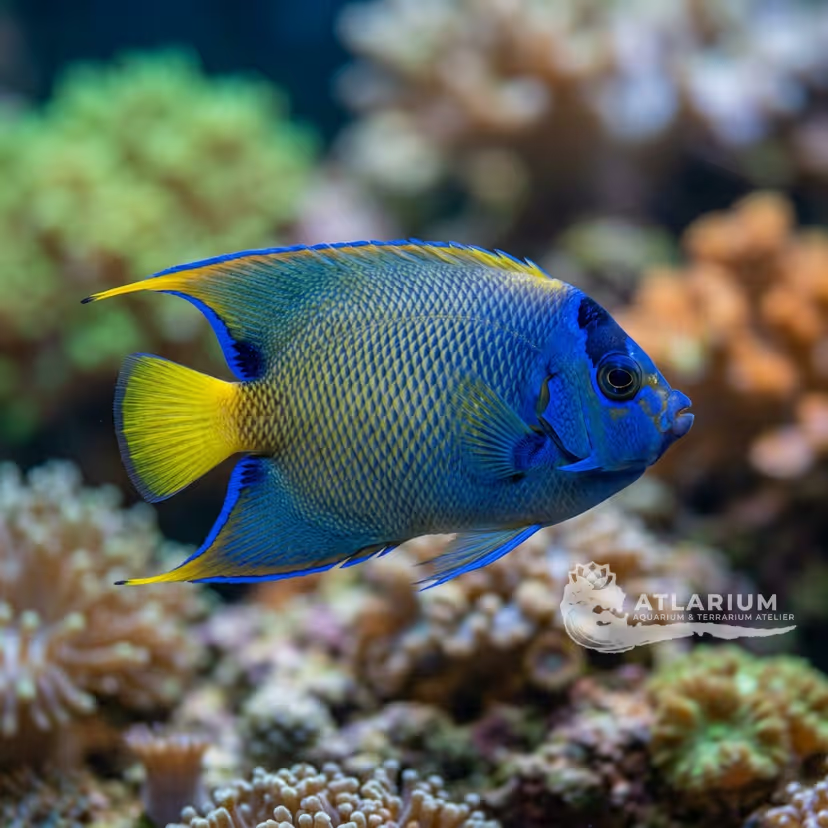
Blue Angelfish
Holacanthus bermudensis

Passer Angelfish
Holacanthus passer
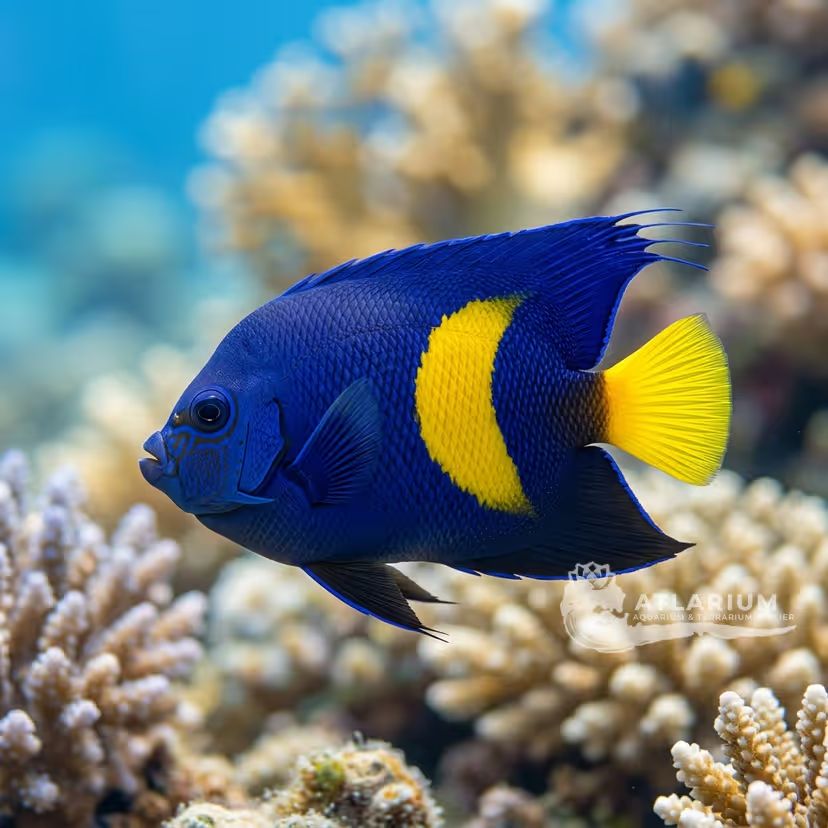
Asfur angelfish
Pomacanthus asfur
Recommended companions
Compatible cards from coherent ecosystems with matching parameters.
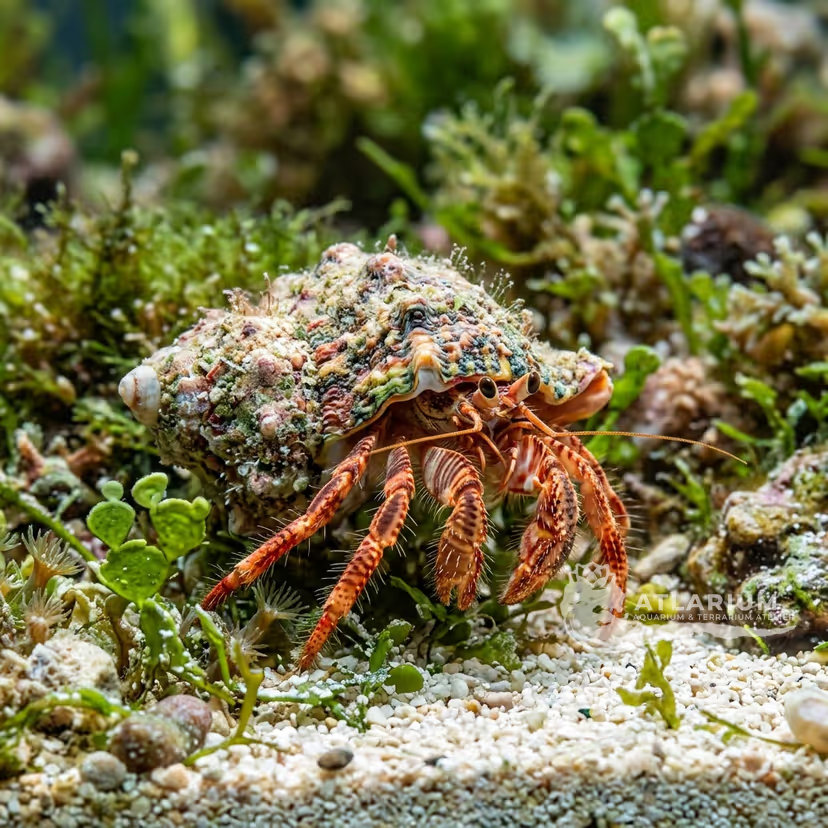
Antillean hermit crab
Clibanarius brasiliensis

Arethusa Hermit Crab
Clibanarius arethusa

Bahia Cleaner Shrimp
Lysmata bahia

Boschma's hermit crab
Clibanarius boschmai

Cook's hermit crab
Clibanarius cooki

Danai's hermit crab
Clibanarius danai

De Man's Hermit Crab
Clibanarius demani

Feather Duster Worm
Sabellastarte spectabilis
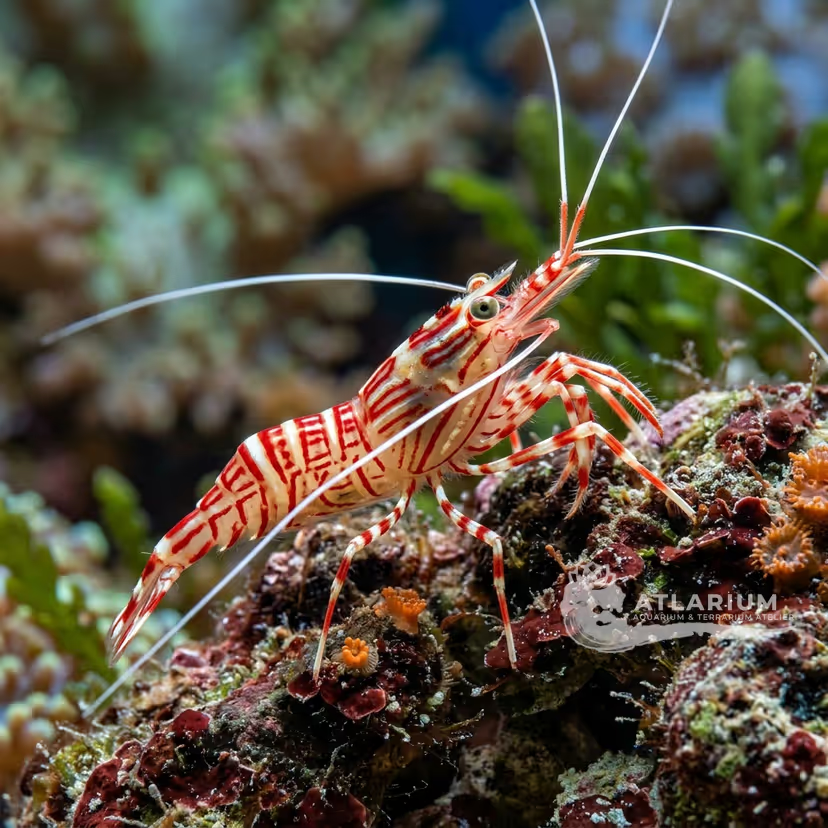
Lysmata prima shrimp
Lysmata

African snapping shrimp
Alpheus africanus
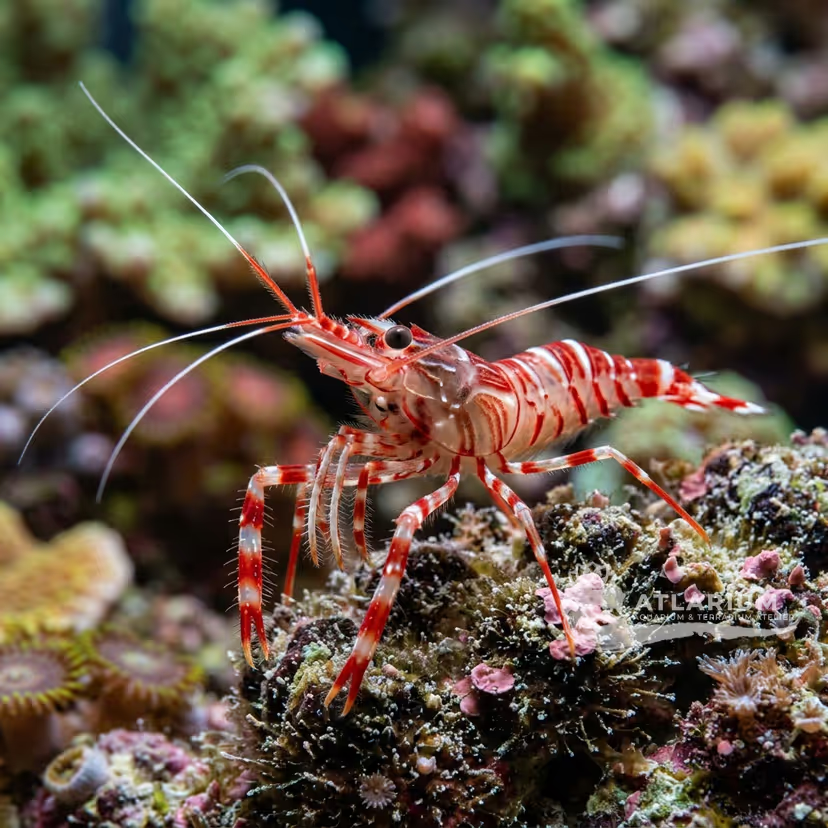
Anker's Cleaner Shrimp
Lysmata ankeri

Armed Snapping Shrimp
Alpheus armatus

Blood-spotted Hermit Crab
Clibanarius cruentatus
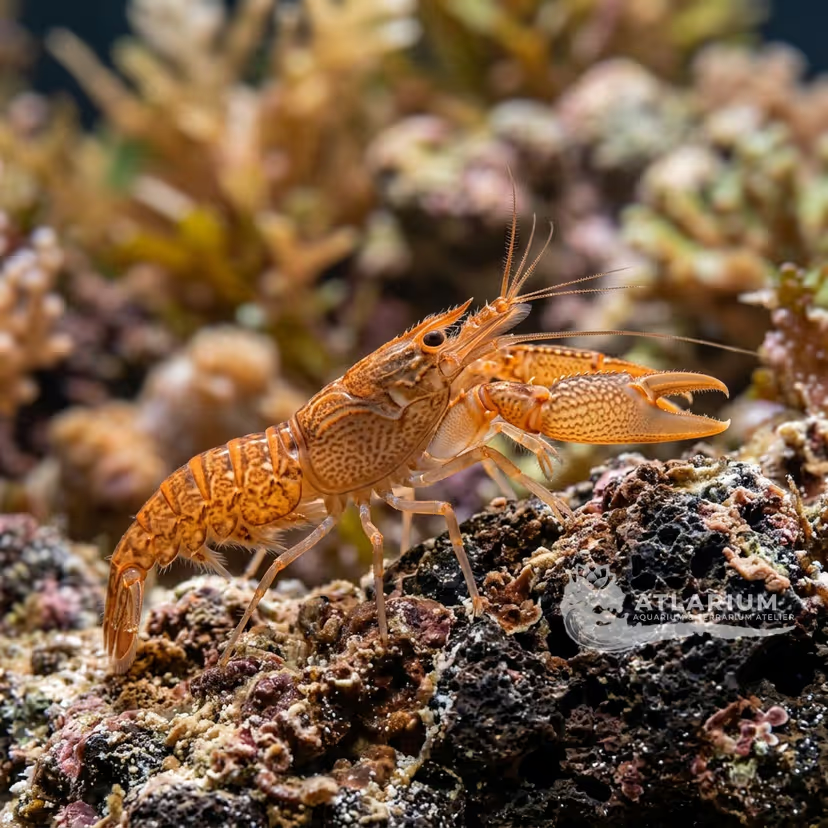
Bouvier's snapping shrimp
Alpheus bouvieri

Camel shrimp
Rhynchocinetes durbanensis

Chapin's Hermit Crab
Clibanarius chapini
Similar care
Cards with similar requirements, difficulty, habitat, and husbandry profile.

Black-axil Chromis
Chromis atripectoralis
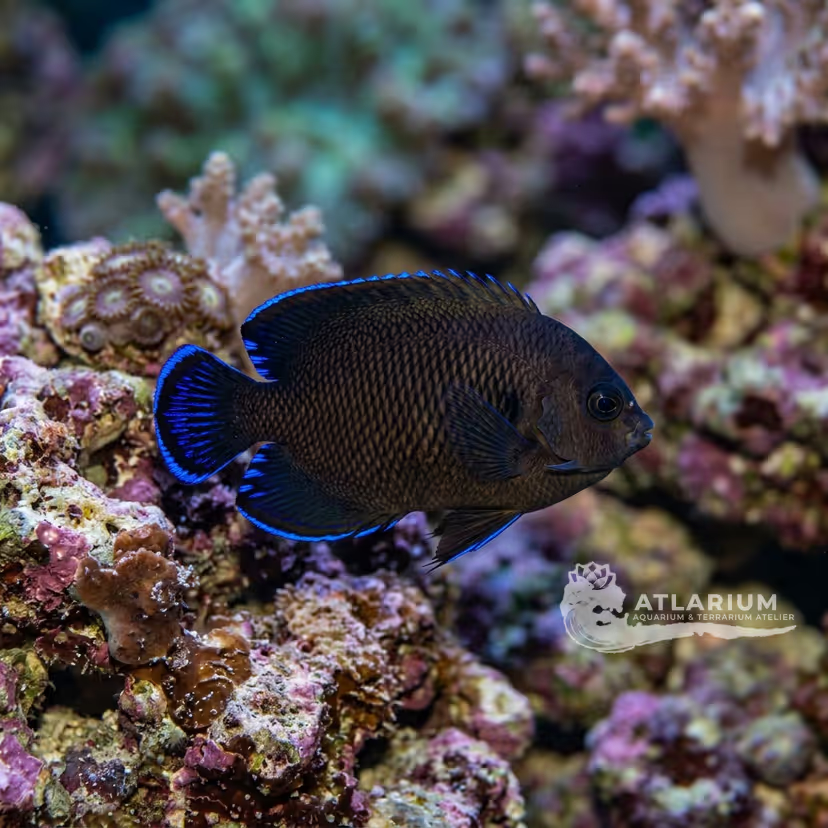
Dusky Angelfish
Centropyge multispinis
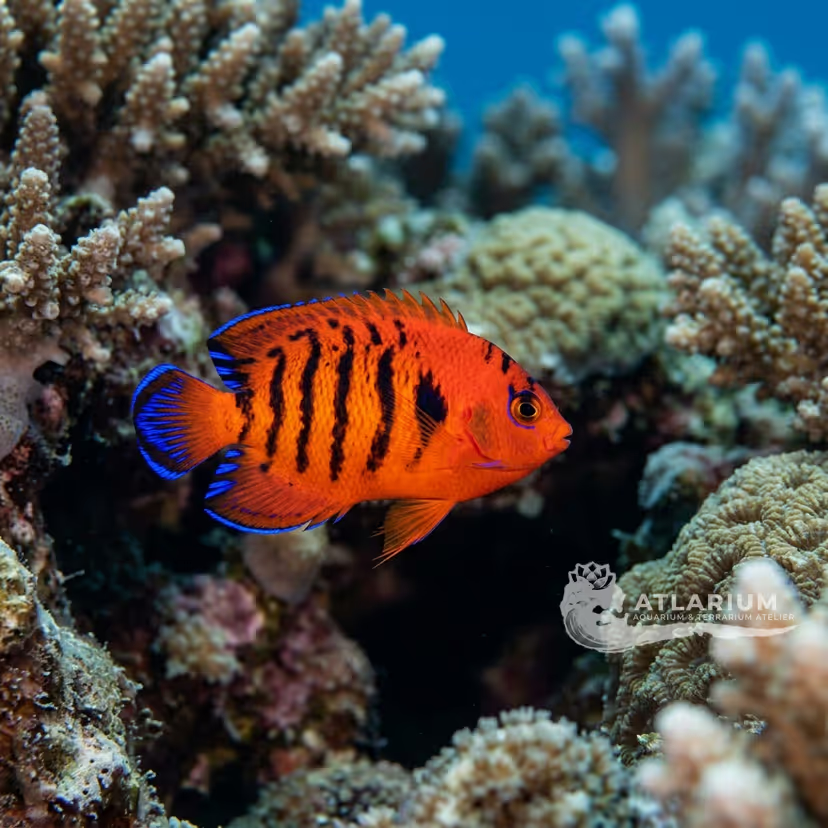
Shepard's angelfish
Centropyge shepardi
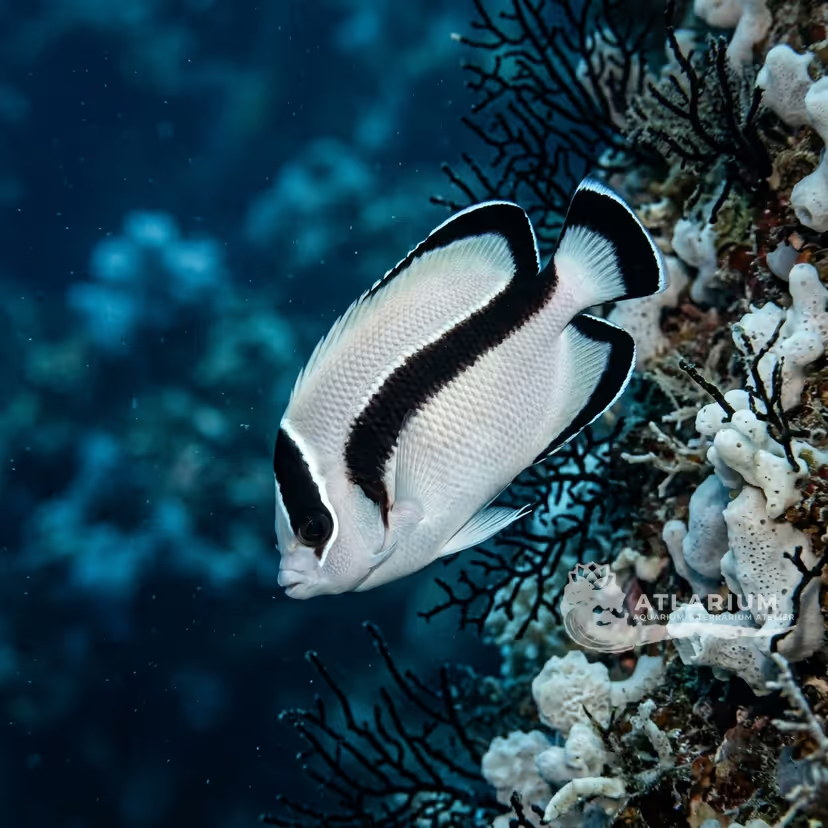
Bandit Angelfish
Apolemichthys arcuatus
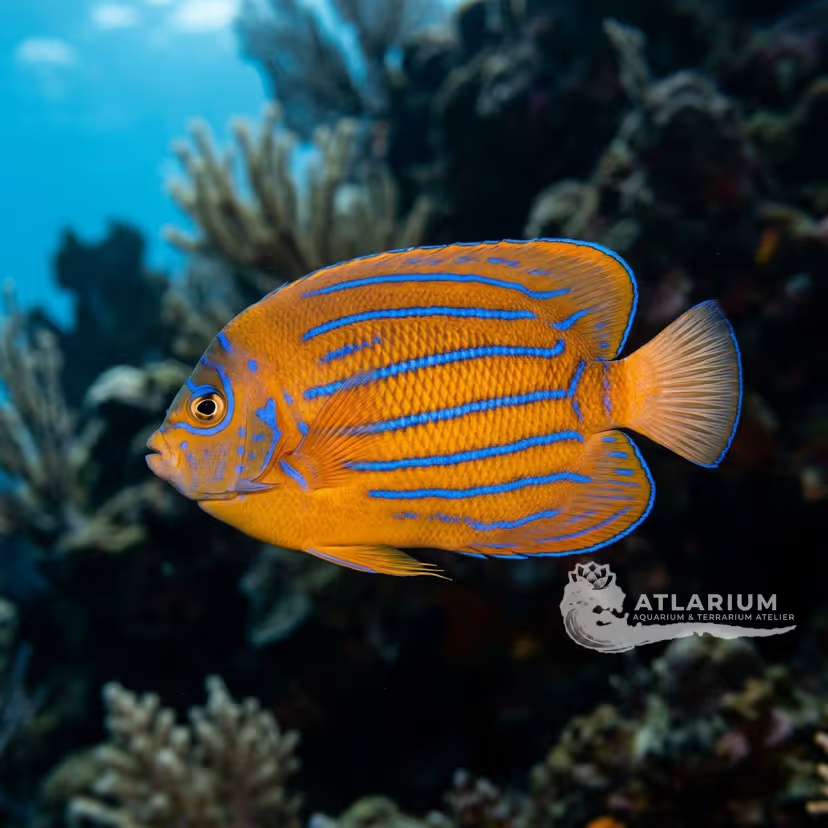
Bluestriped Angelfish
Chaetodontoplus septentrionalis
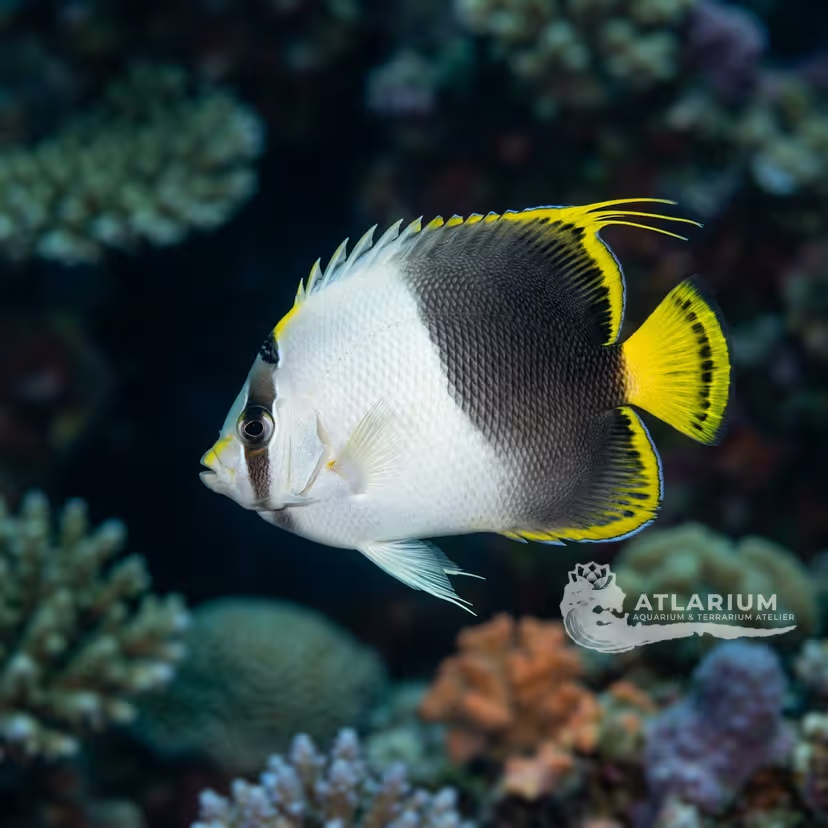
Singapore Angelfish
Chaetodontoplus mesoleucus
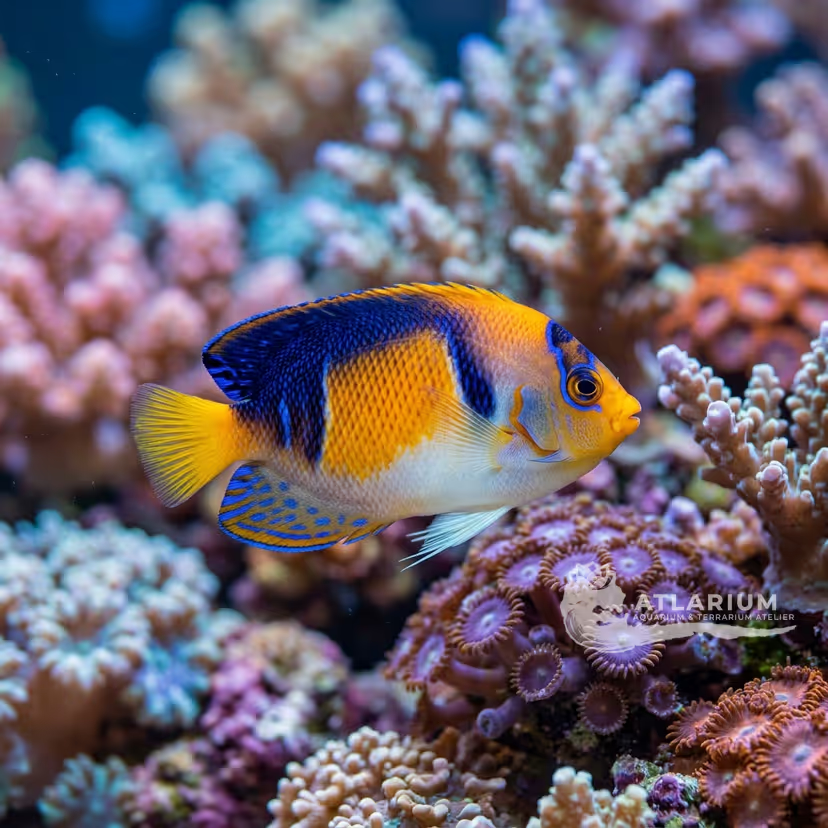
Multicolor Angelfish
Centropyge multicolor

Debora's Pygmy Angelfish
Centropyge deborae

Goldspotted Angelfish
Apolemichthys
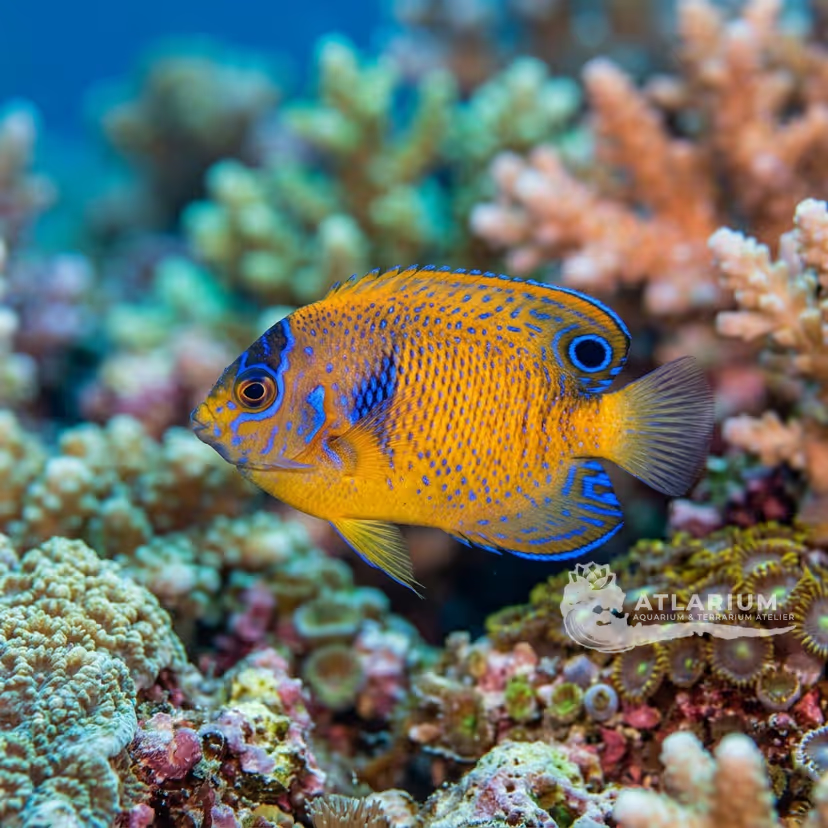
Japanese Pygmy Angelfish
Centropyge interrupta

Keyhole angelfish
Centropyge tibicen

Three-spot Angelfish
Apolemichthys trimaculatus
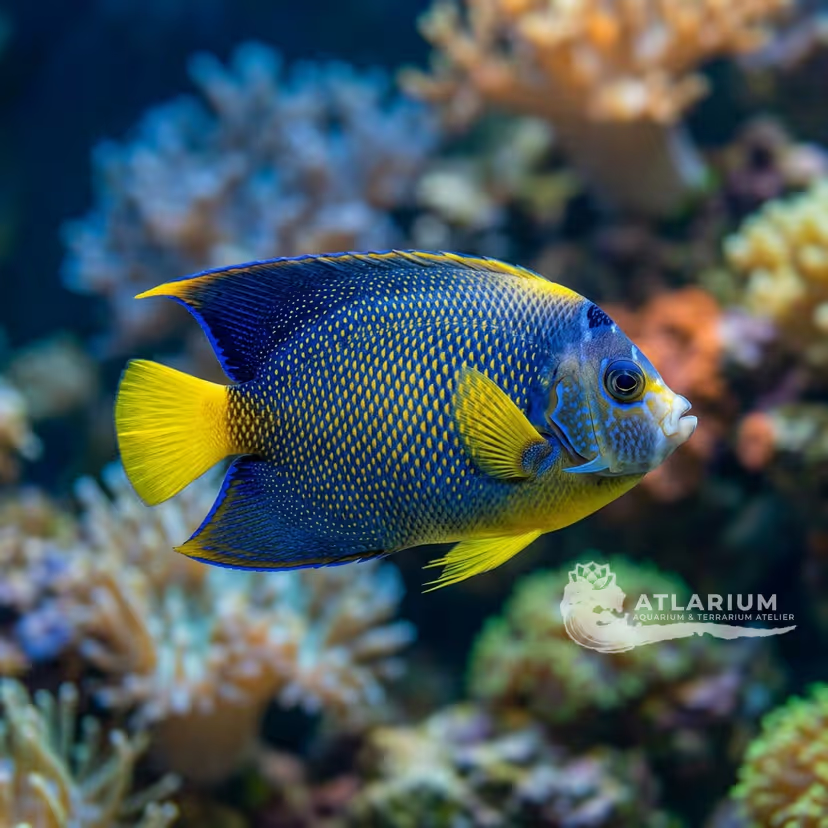
Yellowtail angelfish
Apolemichthys xanthurus

Fisher's Angelfish
Centropyge fisheri

Rock Beauty Angelfish
Holacanthus tricolor

Blackside Hawkfish
Paracirrhites forsteri