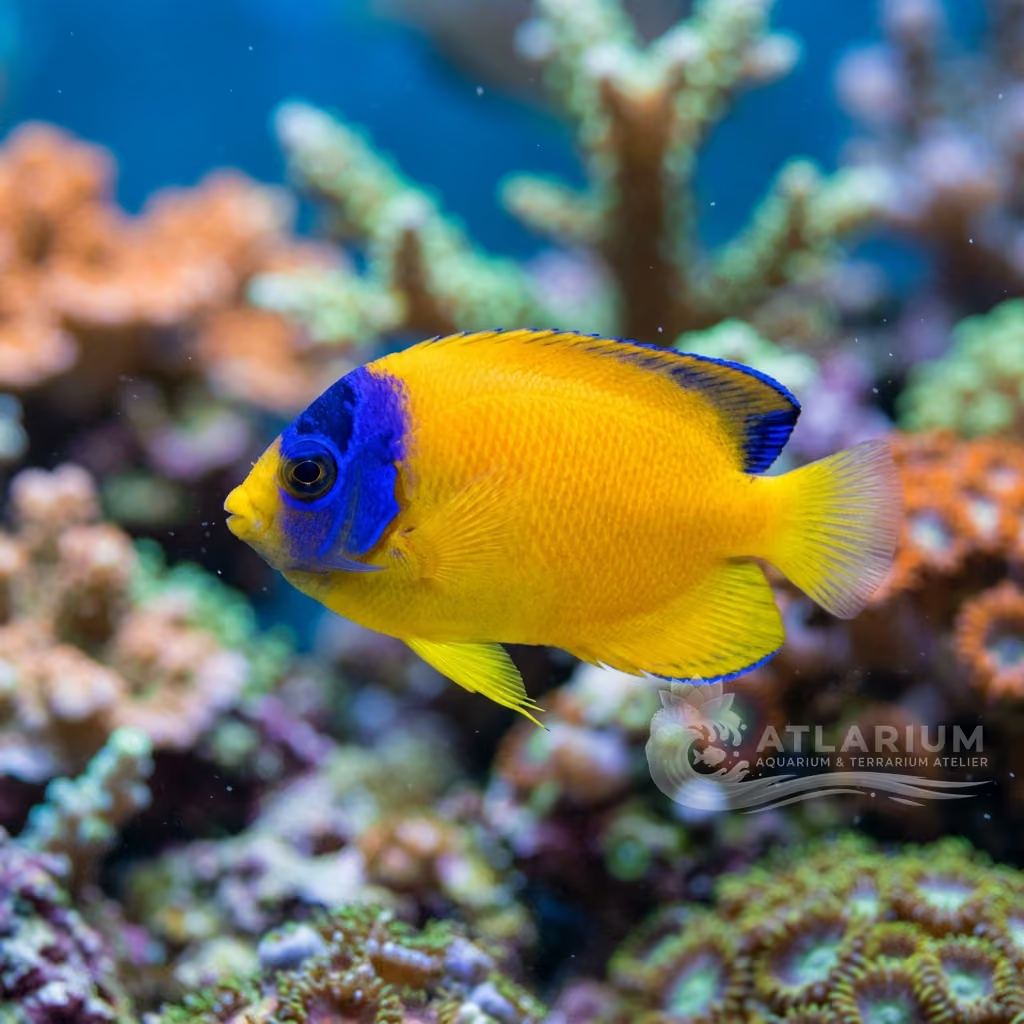
Blackspot Angelfish
Genicanthus melanospilos
This beautiful, planktivorous angelfish is uniquely adapted to deep seaward drop-offs. Being entirely reef-safe, its peaceful temperament and open-water swimming make it a dazzling centerpiece.
Water Temperature
22 - 26 °C
pH Value
8.1 - 8.4
Water type
Marine
Tank level
Bottom and middle
Adult size
18 cm
Minimum tank volume
>= 450 L
Minimum group
>= 1
KH
8 - 12 dKH

Species description
Geographical Origin and Habitat: Genicanthus melanospilos is native to the tropical waters of the Western Indo-Pacific, with populations ranging from the Philippines, Indonesia, and Malaysia to the Ryukyu Islands of Japan, the Great Barrier Reef of Australia, Fiji, and Vanuatu. Unlike most other marine angelfish, this species inhabits deep outer reef slopes, drop-offs, and current-swept reef walls at depths between 20 and 50 meters, where it schools in the open water column to feed on passing zooplankton.
Taxonomy and Morphology: Belonging to the class Actinopterygii, order Perciformes, family Pomacanthidae, and genus Genicanthus. It features a streamlined, elegant body shape with a distinctive lyre-shaped caudal fin (lyretail) that develops long trailing filaments in adult males. The mouth is small and upturned, which is an evolutionary adaptation for capturing individual zooplankton in midwater. Adults reach a maximum length of approximately 18 centimeters.
Social Behavior: It is a peaceful, active, and gregarious species that lives in small harems consisting of a single dominant male and several females. Unlike other angelfish, it spends most of its time swimming actively in the open water column rather than hovering close to rockwork. It does not display aggression toward other species and can be kept in pairs or small harems.
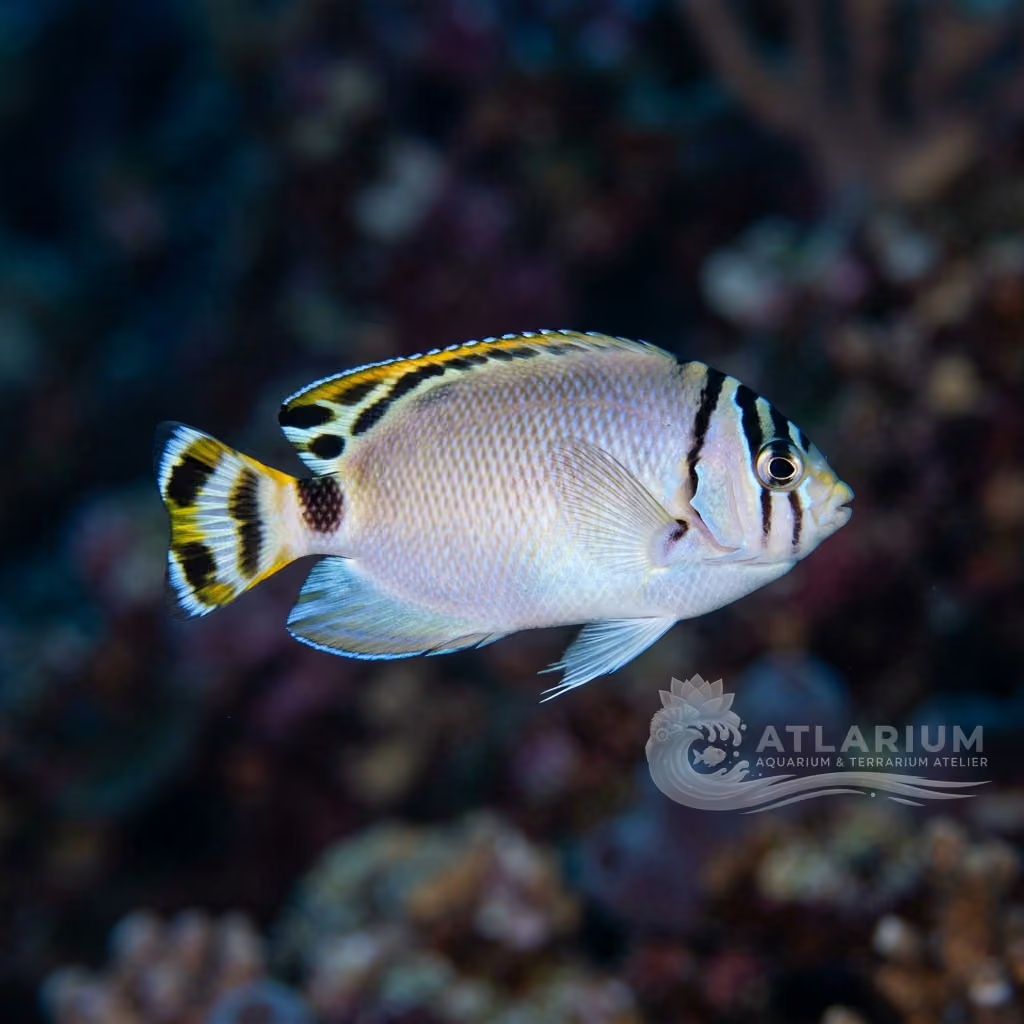
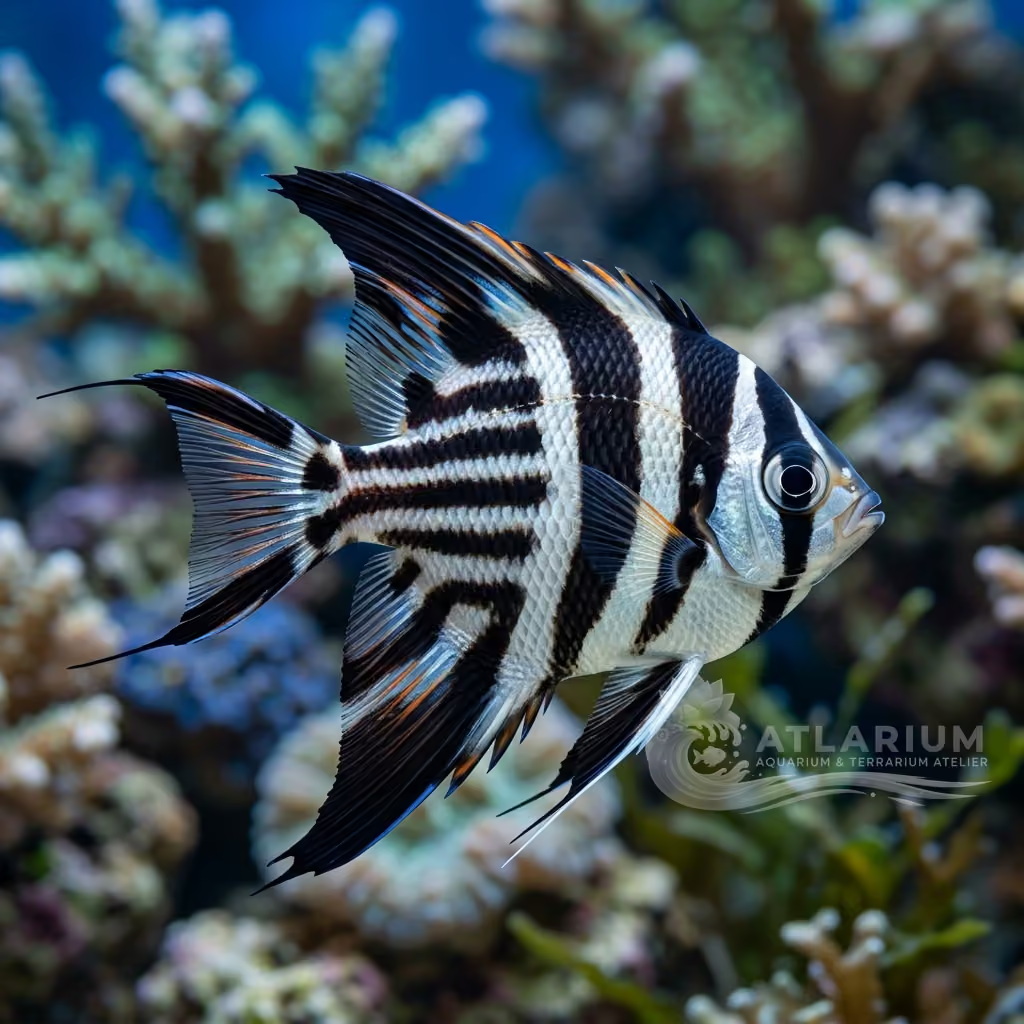
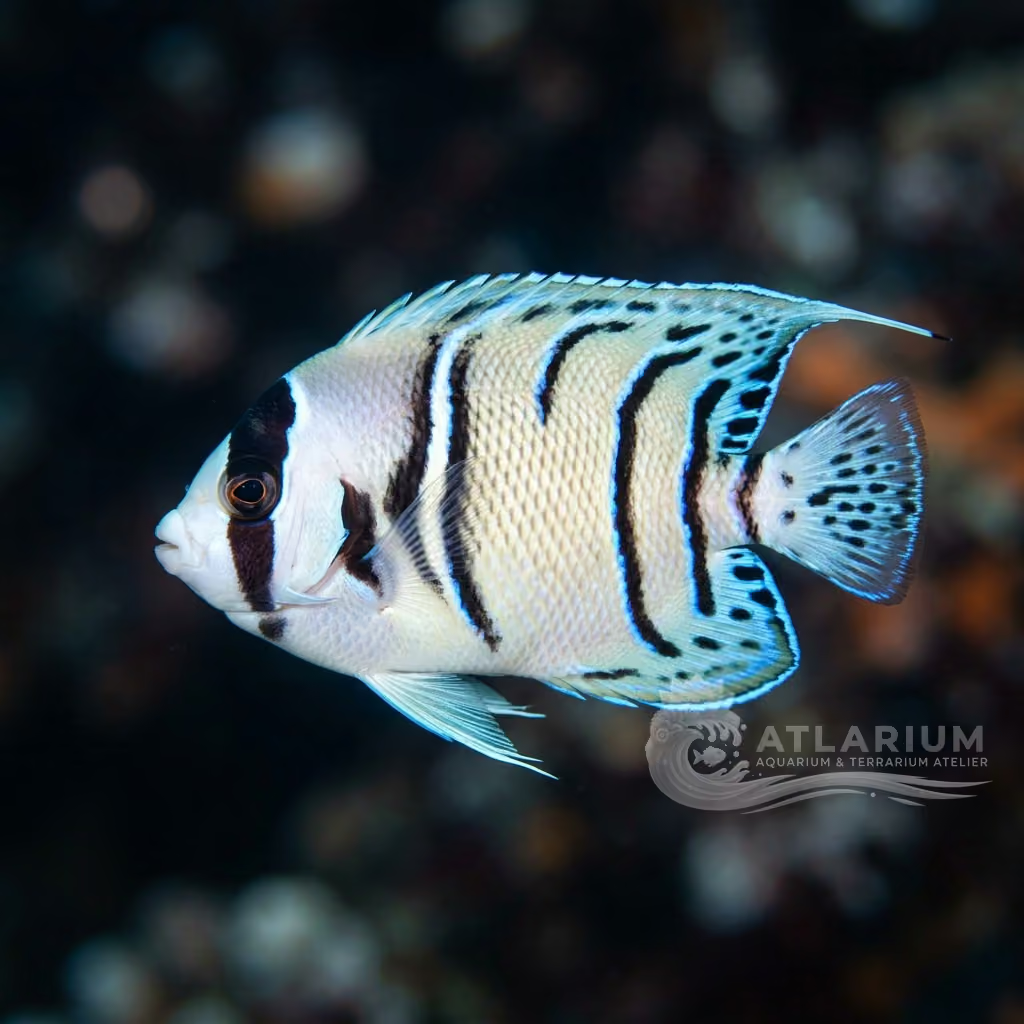
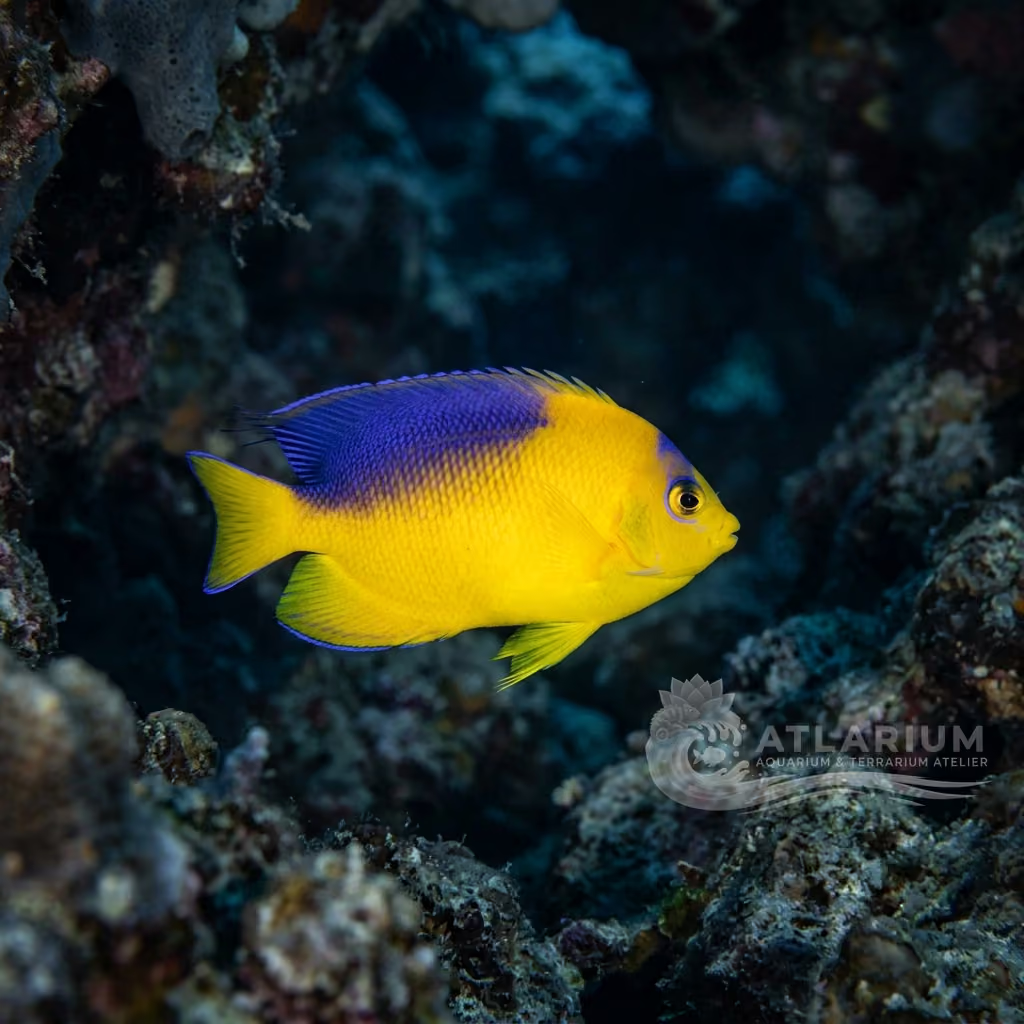
Coloration and Sexual Dimorphism: This species exhibits dramatic sexual dimorphism. Adult males have a light blue-grey body marked by numerous dark vertical zebra-like stripes and a black spot on the breast. Females lack these stripes entirely, showing a golden-yellow color on the back that fades into a silvery-blue on the flanks and abdomen. It is a protogynous hermaphrodite.

Care, breeding and tankmates
Aquarium Setup: Requires a marine reef aquarium with a minimum capacity of 450 liters. The setup must provide ample open swimming space in the water column and a rockwork structure at the bottom with spacious caves for night roosting. Strong water movement is necessary to simulate natural reef currents. A tight-fitting lid or screen cover is mandatory to prevent jumping.
Diet and Feeding: A specialized zooplanktivore. In captivity, it must be fed multiple times a day with small portions of high-quality frozen foods such as mysis, brine shrimp, copepods, chopped krill, and lobster eggs. It also readily accepts dry pellets or flakes enriched with spirulina and vitamins. Due to its active swimming, it has a high metabolic rate.
Water Quality: Keep standard reef parameters stable: temperature between 23 °C and 27 °C, pH 8.1 to 8.4, specific gravity (SG) 1.020 to 1.025, and carbonate hardness (KH) of 8 to 12 dKH. Strong filtration and an efficient protein skimmer are required to keep dissolved organic waste and nitrates minimal while ensuring high oxygen levels.
Compatibility and Cohabitation: One of the few 100% reef-safe angelfish; it completely ignores stony corals, soft corals, anemones, and Tridacna clam mantles, making it perfect for mixed reef tanks. Compatible with other peaceful reef fish like tangs, anthias, and wrasses. Do not house with aggressive species that may bully them.
Aquarium Breeding: Not successfully documented in home aquariums. As protogynous hermaphrodites, if the male is removed, the largest female in the group will transition into a male within a few weeks. Pelagic spawning requires large vertical water columns and complex current patterns that cannot be reproduced in closed home systems.
Risks and Diseases: Susceptible to external parasites such as Cryptocaryon irritans (marine ich) and Oodinium during the initial acclimation phase. The risk of jumping out of the aquarium is high when startled, so a secure cover is essential. Transport stress can be minimized by acclimating them to mature, established tanks.

Geographic origin and distribution
Genicanthus melanospilos is native to the tropical waters of the Western Indo-Pacific, with populations ranging from the Philippines, Indonesia, and Malaysia to the Ryukyu Islands of Japan, the Great Barrier Reef of Australia, Fiji, and Vanuatu. Unlike most other marine angelfish, this species inhabits deep outer reef slopes, drop-offs, and current-swept reef walls at depths between 20 and 50 meters, where it schools in the open water column to feed on passing zooplankton.
Origin
Tropical oceans and reefsNorth AmericaSouth and Southeast AsiaEast AsiaAustralia, New Guinea, and Oceania

Fish profile
- Temperament
- Peaceful
- It is peaceful and sociable. It rarely bothers other fish. It becomes bold over time.
- Diet
- Omnivore
- It is a planktivore. Feed a varied diet of mysis shrimp. Offer high-quality pellets daily.
- Life expectancy
- 10-15 years
- Adult size
- 18 cm
- Sex ratio
- Harem
- They form natural harems. Keep one male with multiple females. Multiple males will fight aggressively.
- Feeding frequency
- 3-4 times daily
- It is very active. It needs multiple daily feedings. Feed small portions three times daily.
- Bioload
- Medium to High
- The bioload is moderate. Efficient biological filtration is required. Regular water changes keep nitrates low.
- Flow
- Strong
- It is an open-water swimmer. It appreciates strong water flow. Good circulation simulates ocean currents.
- Jump risk
- Yes
- It is easily startled. There is a high jump risk. A tight lid is necessary.
- Reproduction
- Oviparous
- It is a pelagic spawner. Captive breeding is exceptionally rare. Fry require specialized live foods.
- Compatibility & tankmates
- Reef safe
- It is very peaceful. This fish is completely reef safe. Avoid overly aggressive tank mates.
- Tank level
- Middle/Bottom
- It is an active swimmer. It uses the upper tank levels. Open swimming space is required.

Scientific Parameters & Models
FishBase
Window to the official scientific data of the species
FishBase v25.04Data synced on: 06/15/2026
- Trophic level
- 3.4 ± 0.45 se
- Resilience
- Medium (1.4 - 4.4 years)
- Phylogenetic uniqueness (PD50)
- 0.501
- Bayesian Length-Weight
- a = 0.0302, b = 2.89
- VulnerabilityLow vulnerability (10 / 100)

Related species
Recommendations grouped by close relatives, companion choices, and similar care.