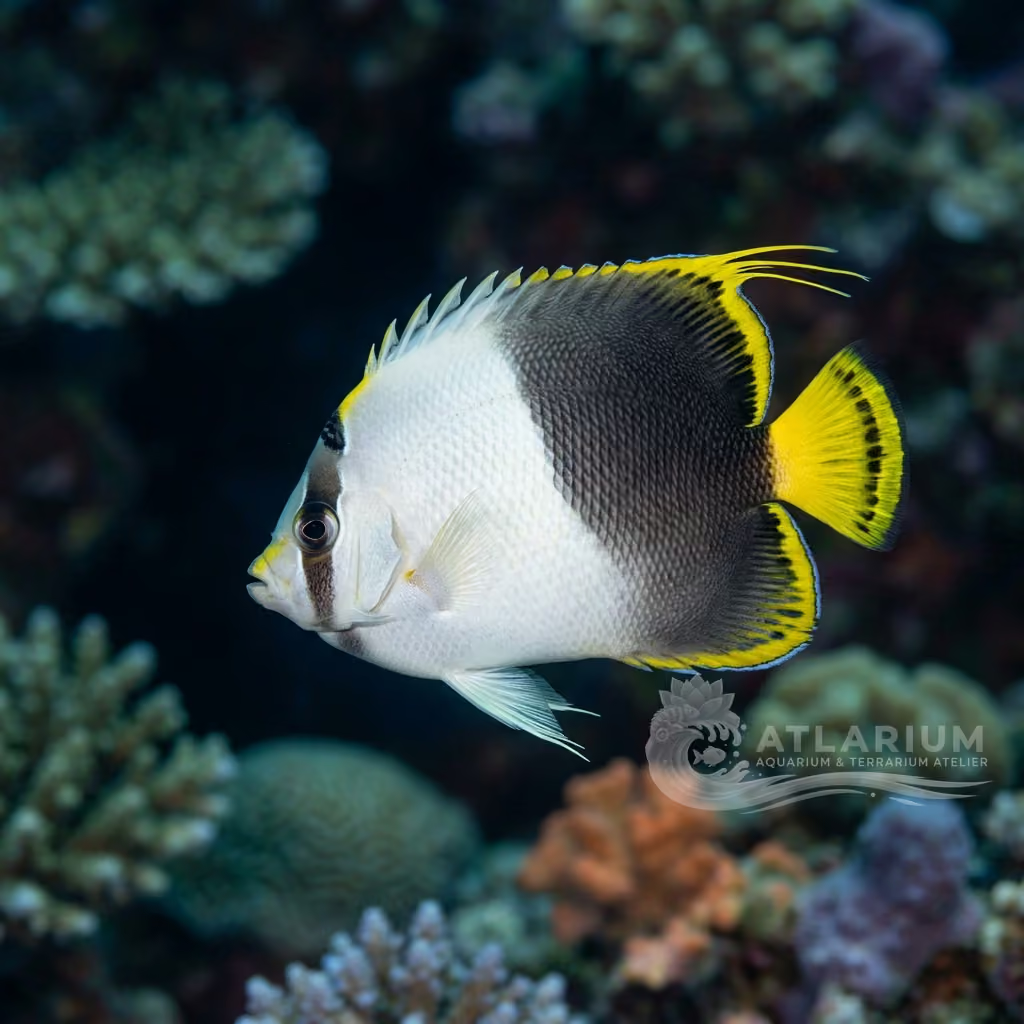
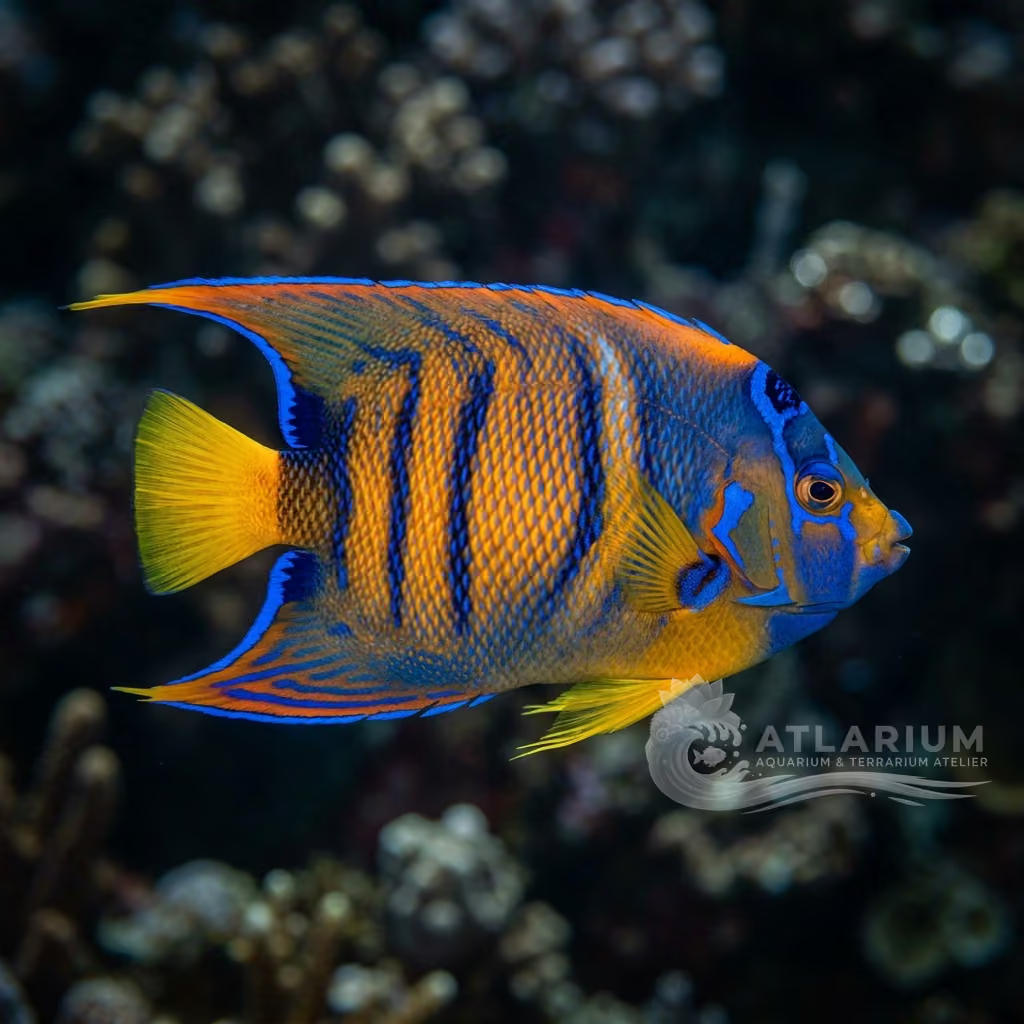
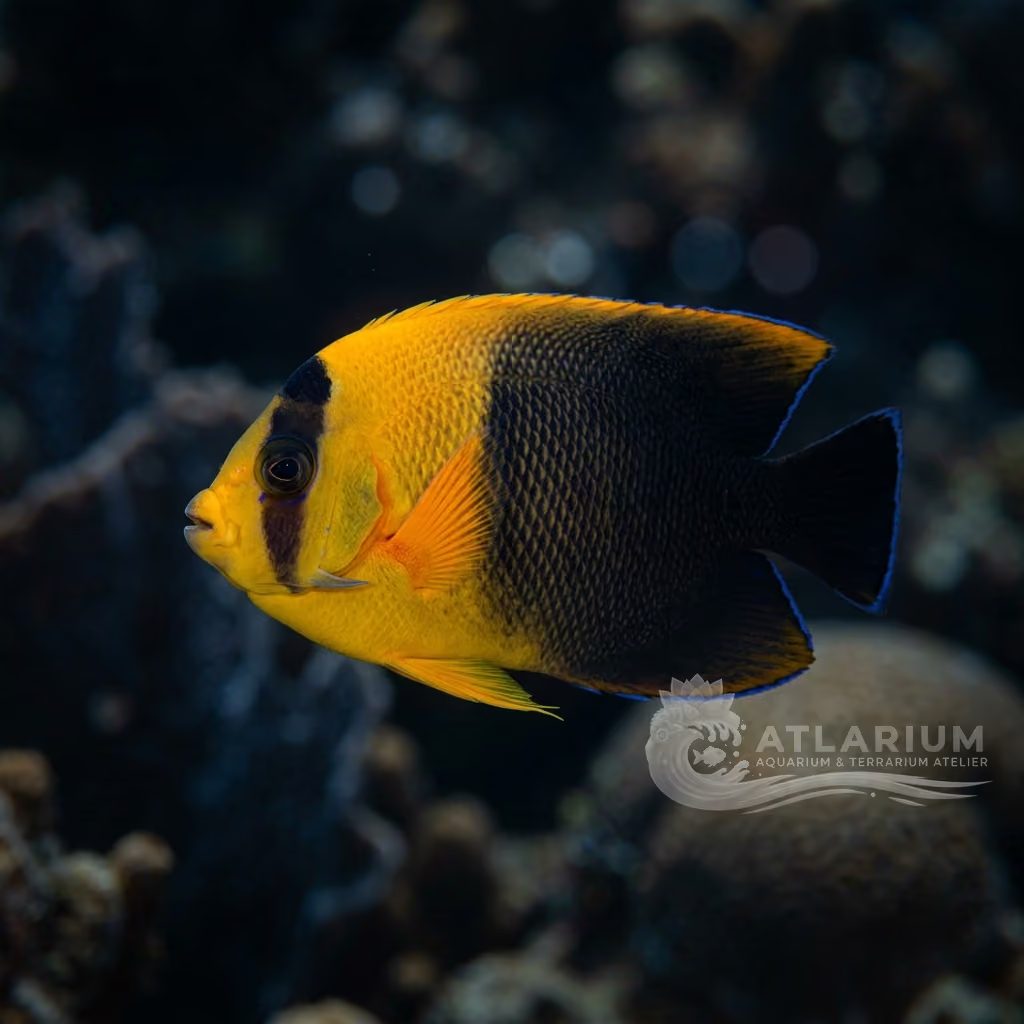
Goldtail angelfish
Pomacanthus chrysurus
The goldtail angelfish is a magnificent marine species from the Western Indian Ocean. Featuring curved white-blue stripes and a yellow tail, it requires a large, mature aquarium.
Water Temperature
22 - 27 °C
pH Value
8.1 - 8.4
Water type
Marine
Tank level
Bottom and middle
Adult size
33 cm
Minimum tank volume
>= 600 L
Minimum group
>= 1
KH
8 - 12 dKH

Species description
Geographical Origin and Habitat:
This species is native to the Western Indian Ocean. Its range extends along the East African coast from Kenya and Tanzania to northern South Africa, including Madagascar, the Comoro Islands, and the Seychelles. It inhabits coral-rich reefs and coastal rocky reefs exposed to strong currents at depths ranging from 1 to 30 meters, showing a strong preference for areas with overhangs, crevices, and sheltered caves.
Taxonomy and Morphology:
Belonging to the family Pomacanthidae, Pomacanthus chrysurus features a deep, oval, laterally compressed body. It has a small mouth equipped with brush-like teeth designed to feed on sponges. Adults can grow to a maximum total length of 33 centimeters. Like all members of the genus, it possesses a prominent, sharp spine on the lower margin of the preoperculum used for defense.
Social Behavior:
It is a solitary and highly territorial species, particularly toward conspecifics and other large angelfish. It is a diurnal swimmer, continuously patrolling the reef structure in search of food. In captivity, it requires significant space and hiding places to reduce territorial stress and prevent aggressive encounters with tankmates.
Coloration and Sexual Dimorphism:
Adult coloration is striking: the body is dark brown to blackish, marked by thin, curved, vertical white-to-blue lines, a distinctive orange ringed spot behind the eye (known as the 'earspot'), and a bright gold-yellow caudal fin. Juveniles are dark blue with light blue and white stripes. No visible external sexual dimorphism is present.

Care, breeding and tankmates
Aquarium Setup:
Requires a mature marine aquarium of at least 600-700 liters to house a single adult specimen. The aquascape must feature a massive and stable live rock structure that creates large caves, tunnels, and overhangs where the fish can hide and rest. Efficient protein skimming and robust water flow are essential to maintain water quality.
Diet and Feeding:
An omnivore specializing in sponges and tunicates. In the aquarium, it must be fed a specialized angelfish diet containing sponge matter, supplemented with frozen foods like mysis shrimp, brine shrimp, krill, and chopped seafood. Offer regular vegetable-based foods such as spirulina and dried nori to support color retention.
Water Quality:
Demands pristine and stable marine parameters: temperature between 24°C and 26°C, pH range from 8.1 to 8.4, specific gravity (SG) between 1.020 and 1.025, and carbonate hardness (KH) of 8 to 12 dKH. Ammonia and nitrite must be kept at absolute zero, with nitrates maintained below 15 ppm through water changes.
Compatibility and Cohabitation:
Not considered reef safe as it will nip at large polyp stony (LPS) corals, soft corals, zoanthids, and clam mantles. It coexists well with other active marine fish such as tangs, wrasses, and clownfish. Do not house with other large angelfish, especially from the genus Pomacanthus, unless the tank is exceptionally large.
Aquarium Breeding:
Captive breeding in home aquariums is undocumented and considered impossible. They are pelagic broadcast spawners, forming pairs to release gametes in open water. The eggs float and drift, and rearing the complex larval stage requires specialized microscopic live foods that are extremely difficult to culture in closed systems.
Risks and Diseases:
Highly susceptible to marine ectoparasites like Cryptocaryon irritans (marine ich) and Oodinium (velvet) when stressed. It is also prone to Head and Lateral Line Erosion (HLLE) if its diet lacks essential vitamins or if water quality is poor. A strict quarantine period is highly recommended before introduction.

Geographic origin and distribution
This species is native to the Western Indian Ocean. Its range extends along the East African coast from Kenya and Tanzania to northern South Africa, including Madagascar, the Comoro Islands, and the Seychelles. It inhabits coral-rich reefs and coastal rocky reefs exposed to strong currents at depths ranging from 1 to 30 meters, showing a strong preference for areas with overhangs, crevices, and sheltered caves.
Origin
Tropical oceans and reefsAfrica and MadagascarSouth and Southeast Asia

Fish profile
- Temperament
- Semi-aggressive
- Semi-aggressive and territorial. Establish them as the last addition. They will dominate smaller timid fish.
- Diet
- Omnivore
- Requires a specialized diet including sponges and algae. Offer high-quality frozen angelfish preparations. Supplement with nori.
- Life expectancy
- 15 years
- Adult size
- 33 cm
- Sex ratio
- Solitary
- Usually kept as a single specimen. Pairs can be attempted in very large tanks. Two males will fight to the death.
- Feeding frequency
- Twice daily
- Feed at least two to three times daily. Small frequent meals are best. Ensure food contains marine sponges.
- Bioload
- High
- Angelfish produce a high bioload due to their size and diet. A strong protein skimmer is highly recommended. Regular maintenance is key.
- Flow
- Strong
- Moderate to strong flow is preferred. This simulates their natural reef environment. Allow some calm areas behind rocks.
- Jump risk
- No
- Reproduction
- Oviparous
- Captive breeding is very difficult. They release eggs and sperm into the water column. Larvae are challenging to raise.
- Compatibility & tankmates
- Reef safe
- They can nip at corals and clams. Best kept in FOWLR tanks. Avoid keeping with other large angelfish.
- Tank level
- Middle/Bottom
- They roam across all levels of the aquarium. They need plenty of live rock for grazing. Adequate swimming space is essential.

Scientific Parameters & Models
FishBase
Window to the official scientific data of the species
FishBase v25.04Data synced on: 06/15/2026
- Trophic level
- 2.6 ± 0 se
- Resilience
- Low (4.5 - 14 years)
- Phylogenetic uniqueness (PD50)
- 0.5001
- Bayesian Length-Weight
- a = 0.02754, b = 2.89
- VulnerabilityLow to moderate vulnerability (30 / 100)

Related species
Recommendations grouped by close relatives, companion choices, and similar care.