Encyclopaedia

FishMarineIntermediate
©AI Generated·Proprietary

Eibli's Angelfish

Centropyge eibli

Centropyge eibli is a territorial dwarf angelfish with a greyish body, vivid orange stripes, and a neon-blue lined black tail, perfect for large, mature reef setups.

Taxonomy
Class:Actinopteri
Order:Perciformes
Family:Pomacanthidae
Genus:Centropyge
Species:Centropyge eibli

Share

Check out Eibli's Angelfish on Atlarium

PracticeRecognition quizzesPhotos, names, origins, and puzzles to review Atlas species.Open quizzes
Water Temperature

24 - 27 °C

pH Value

8.1 - 8.4

Water type

Marine

Tank level

Bottom and middle

Adult size

15 cm

Minimum tank volume

>= 150 L

Minimum group

>= 1

KH

8 - 12 dKH

Species description

Geographical Origin and Habitat: This species is native to the eastern Indo-Pacific Ocean, ranging from the Cocos-Keeling Islands and Sri Lanka to Indonesia, the Philippines, and the Solomon Islands. It inhabits outer coral reef slopes and deep lagoons with rich coral growth at depths up to 30 meters.
Taxonomy and Morphology: Belonging to the Pomacanthidae family, scientific name Centropyge eibli. It is one of the larger species of dwarf angelfish, reaching an adult size of approximately 15 cm. It possesses the characteristic preopercular spine found on all marine angelfish, used for defense.
Social Behavior: Active, bold, and territorial. In the wild, it lives in small harems consisting of one dominant male and up to several females. It is a benthic grazer, constantly moving through the rockwork to feed on algae. It will defend its territory against similar-looking species.
Coloration and Sexual Dimorphism: Features a silvery-grey body color covered with thin, vertical, wavy reddish-orange lines. The eye is ringed in bright orange, and the caudal fin is black with a vivid neon-blue margin. Males are generally larger than females and exhibit brighter colors during spawning displays.

Care, breeding and tankmates

Aquarium Setup: A minimum tank size of 150 liters is required for a single specimen. The aquarium should be structured with plenty of live rock arranged to create caves, overhangs, and swim-throughs, which provide necessary shelter and encourage the growth of microalgae.
Diet and Feeding: Omnivorous. Provide a varied diet containing marine algae, dried nori sheets, spirulina-based pellets, and specialized angelfish formulations containing sponge material. Supplement with high-quality frozen foods like mysis and brine shrimp to maintain vitality.
Water Quality: Maintain stable reef parameters: temperature 24-27°C (75-81°F), pH 8.1 to 8.4, specific gravity 1.020 to 1.025, and KH 8-12. Excellent filtration with a strong protein skimmer and regular water changes are required to keep ammonia, nitrite, and nitrate levels at zero.
Compatibility and Cohabitation: Reef-safe with caution. It may nip at large polyp stony (LPS) corals, soft corals, and clam mantles, particularly if underfed. Best kept as the sole dwarf angelfish in the tank. Peaceful with active open-water species like damsels and wrasses.
Aquarium Breeding: Protogynous hermaphrodite. Spawns pelagic eggs into the water column. Captive breeding is extremely difficult and rarely achieved in home aquariums due to the pelagic nature of the larvae and their strict requirement for specialized microscopic live feeds.
Risks and Diseases: Highly susceptible to common marine diseases like marine ich (Cryptocaryon) and velvet (Oodinium) under stress. A quarantine period is highly recommended. Prone to lateral line erosion if diet is deficient in key vitamins and minerals.

Geographic Origin and Distribution

This species is native to the eastern Indo-Pacific Ocean, ranging from the Cocos-Keeling Islands and Sri Lanka to Indonesia, the Philippines, and the Solomon Islands. It inhabits outer coral reef slopes and deep lagoons with rich coral growth at depths up to 30 meters.

Origin

Tropical oceans and reefsSouth and Southeast Asia

Fish profile

Temperament
Semi-aggressive
Eibli's Angelfish exhibits a semi-aggressive temperament, which is typical for dwarf angelfish of the genus Centropyge. They are generally peaceful toward non-related species that do not share their shape or feeding habits, but they can be highly territorial toward other dwarf angelfish and similar-looking fish. They will often establish a territory within the rockwork and defend it against intruders, especially in smaller tanks. Providing ample space and establishing clear visual barriers in the aquascape will help diffuse their territorial behavior.
Diet
Omnivore
Centropyge eibli is an omnivore with a strong dietary preference for marine algae and detritus, which they graze on throughout the day. In the aquarium, their diet should be diverse, incorporating high-quality spirulina, marine algae, frozen mysis shrimp, brine shrimp, and specialized angelfish preparations containing sponge material. Feeding them a variety of foods ensures they receive essential nutrients and helps maintain their vibrant colors. Having a mature tank with established live rock for natural grazing is highly beneficial for their health.
Life expectancy
10-15 years
Under optimal conditions in captivity, Centropyge eibli can live for approximately 10 to 15 years, with some well-cared-for individuals even exceeding this range. Achieving a long lifespan depends heavily on a stable marine environment, excellent water filtration, and a varied, high-quality diet. Maintaining low nitrate levels and minimizing environmental stressors such as aggressive tankmates also play a key role in their longevity. Regular health monitoring and quarantining new arrivals are critical practices for ensuring a long and healthy life for this species.
Sex ratio
Harem
In the wild, Centropyge eibli naturally forms small harems consisting of one dominant male and several females, where they maintain a clear social hierarchy. In the home aquarium, they are most commonly kept as single specimens to prevent aggressive territorial disputes. If you wish to keep them in groups, a mated pair or a harem can be maintained in a very large aquarium (over 100 gallons) with plenty of hiding spots. It is important to introduce them simultaneously or add smaller females to an established male to minimize aggression.
Feeding frequency
Twice daily
Eibli's Angelfish should be fed small amounts two to three times daily to replicate their natural grazing behavior. Providing multiple smaller feedings throughout the day helps satisfy their active metabolism and reduces their urge to nip at corals or clams. If the aquarium has a large amount of mature live rock with abundant natural algae growth, the feeding frequency can be adjusted, but supplemental feedings remain important. Consistent feeding schedules will keep the fish healthy, active, and less prone to territorial aggression.
Bioload
Medium
Eibli's Angelfish generates a moderate biological waste load in a home aquarium due to its active foraging habits and constant grazing behavior. While not a massive producer of waste compared to larger angelfish species, they still require an efficient filtration system to maintain low nutrient levels. A well-rated protein skimmer, along with a robust biological filter, is highly recommended to process their waste. Regular water changes of 10% to 20% bi-weekly will help ensure that nitrates and other toxins are kept to a minimum.
Flow
Moderate
In their natural coral reef habitats, Centropyge eibli experiences moderate to strong water currents, and they prefer similar conditions in the aquarium. A moderate water flow is ideal as it keeps the water well-oxygenated and mimics the reef environment they are adapted to. While they are agile swimmers and can easily navigate stronger currents, they also require calmer areas, such as caves and behind rock structures, to rest. Placing powerheads to create a dynamic flow pattern with some low-flow refuges will support their physical health and comfort.
Jump risk
Yes
While Centropyge eibli is not classified as a high-risk jumper compared to wrasses or firefish, they can still jump out of the tank if startled, chased by aggressive tankmates, or during courtship rituals. To prevent accidental escapes, a tight-fitting lid or a secure mesh cover is highly recommended. Stress from bright lights turning on suddenly or sudden movements outside the tank can also trigger a jumping response. Ensuring adequate hiding places within the rockwork will help them feel secure and choose to dive into cover rather than jump when frightened.
Reproduction
Oviparous
Breeding Centropyge eibli in captivity is extremely difficult and rarely achieved by hobbyists due to their complex reproduction cycle. They are protogynous hermaphrodites, beginning life as females and transitioning to males based on social cues, such as the absence of a dominant male. They are pelagic spawners, releasing eggs and sperm simultaneously into the water column during twilight hours. Rearing the larvae is the main obstacle, as they require specialized, microscopic live foods like copepod nauplii and need extremely stable water conditions during their long larval stage.
Compatibility & tankmates
Peaceful
Eibli's Angelfish is generally compatible with a wide range of marine community fish such as tangs, clownfish, wrasses, and damselfish. However, they can be aggressive toward other dwarf angelfish or fish with similar colors and body shapes, so they should be kept as the only member of their genus in smaller aquariums. When it comes to reef aquariums, they are considered "reef safe with caution" because they may nip at clam mantles, zoanthids, and fleshy LPS corals. Keeping them well-fed and providing plenty of live rock can reduce the risk of coral nipping.
Tank level
Middle/Bottom
Eibli's Angelfish is an active swimmer that primarily occupies the bottom and middle levels of the aquarium. They spend most of their time weaving through live rock, exploring caves, and searching for algae and microscopic organisms to graze on. Because they rely heavily on rockwork for security, they will rarely venture into open water or near the surface for extended periods. Providing a complex aquascape with plenty of channels and crevices is crucial to encourage their natural swimming and foraging behaviors.

Window to the official scientific data of the species

Data synced on: 06/15/2026

Scientific Parameters & Models

Trophic level
2.7 ± 0.4 se
Resilience
Medium (1.4 - 4.4 years)
Phylogenetic uniqueness (PD50)
0.5
Bayesian Length-Weight
a = 0.0302, b = 2.89
VulnerabilityLow vulnerability (10 / 100)

Image gallery

Licensed images linked to the species or, when marked, to the closest representative taxon.

Related species

Recommendations grouped by close relatives, companion choices, and similar care.

Variants and close relatives

Same atlas type, nearby scientific identity, genus, or family.

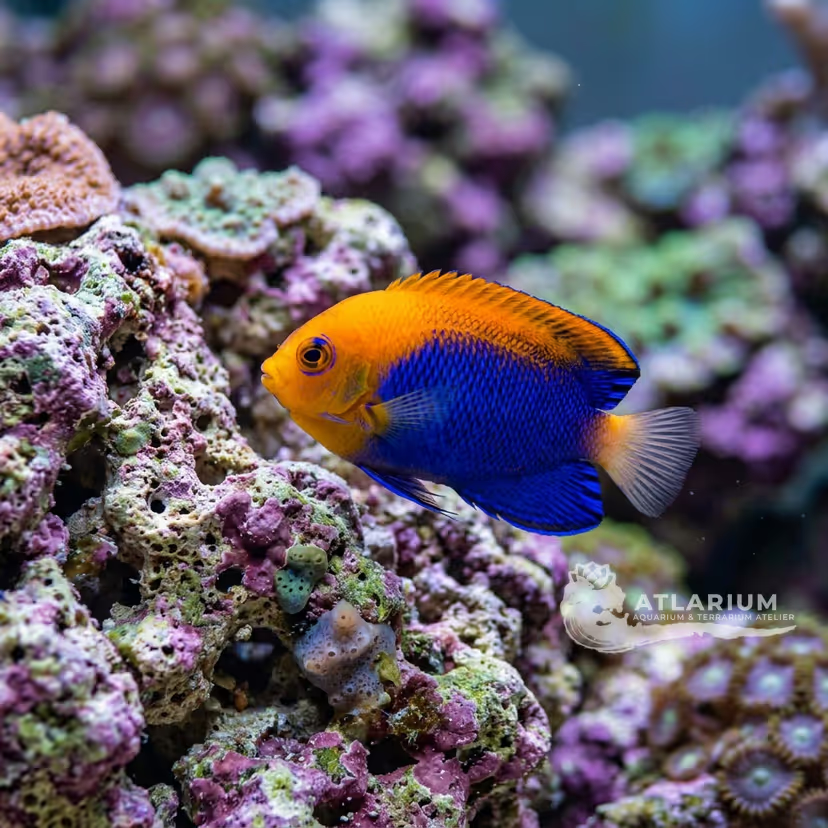
Half-black Angelfish

Half-black Angelfish

Centropyge vrolikii
View details->
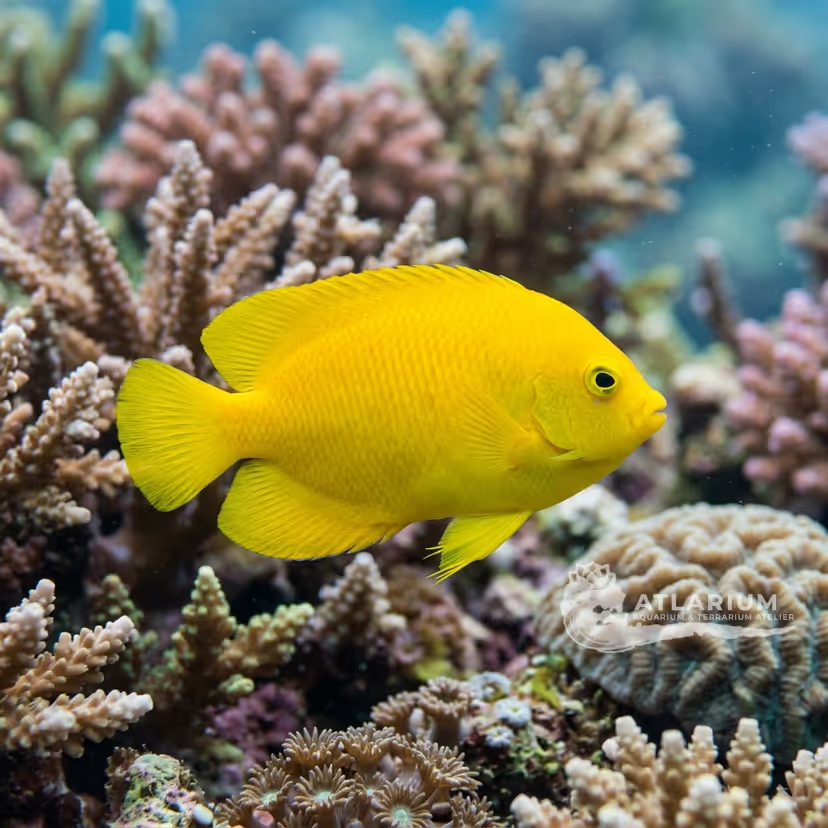
Herald's angelfish

Herald's angelfish

Centropyge heraldi
View details->
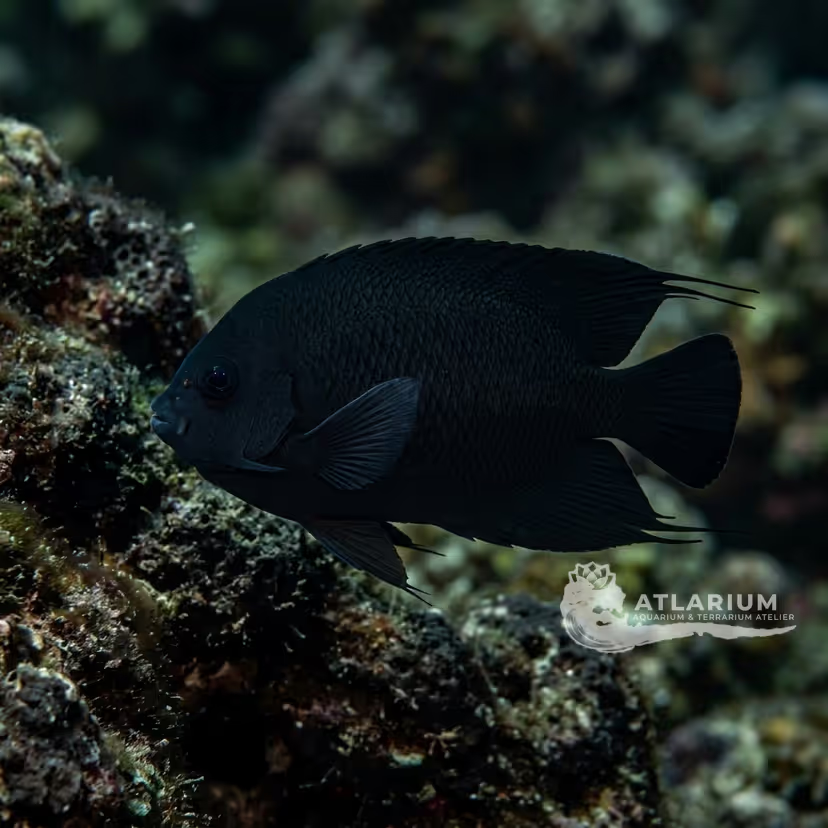
Midnight angelfish

Midnight angelfish

Centropyge nox

View details->
Resplendent Angelfish

Resplendent Angelfish

Centropyge resplendens
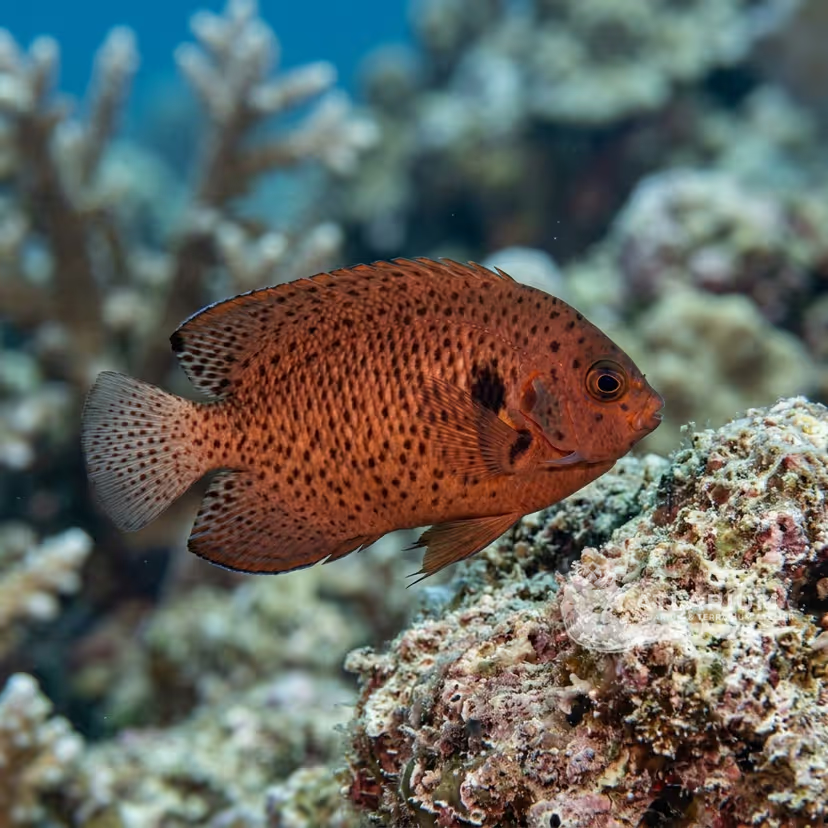
View details->
Rusty angelfish

Rusty angelfish

Centropyge ferrugata

View details->
Keyhole angelfish

Keyhole angelfish

Centropyge tibicen

View details->
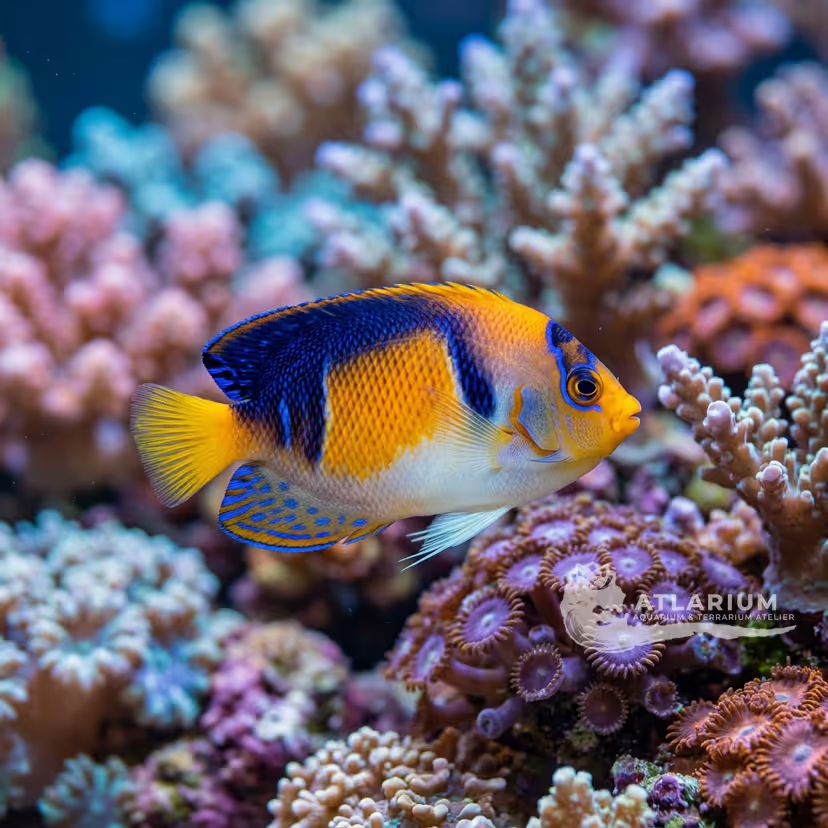
Lemonpeel angelfish

Lemonpeel angelfish

Centropyge flavissima
View details->
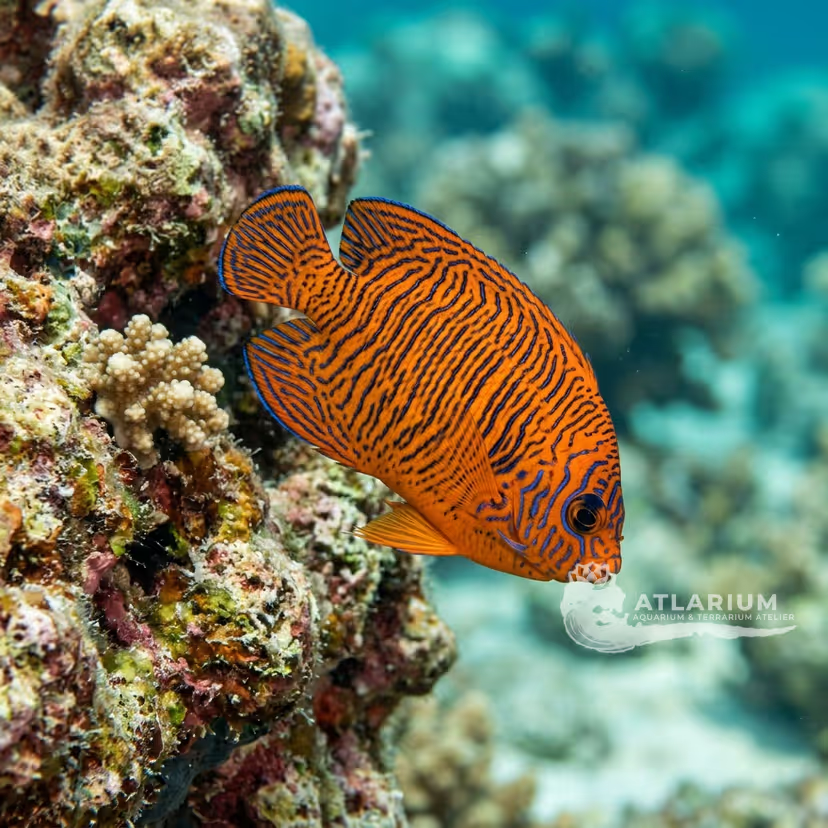
Multicolor Angelfish

Multicolor Angelfish

Centropyge multicolor
View details->
Potter's angelfish

Potter's angelfish

Centropyge potteri

View details->
Fisher's Angelfish

Fisher's Angelfish

Centropyge fisheri

View details->
Coral beauty angelfish

Coral beauty angelfish

Centropyge bispinosa

View details->
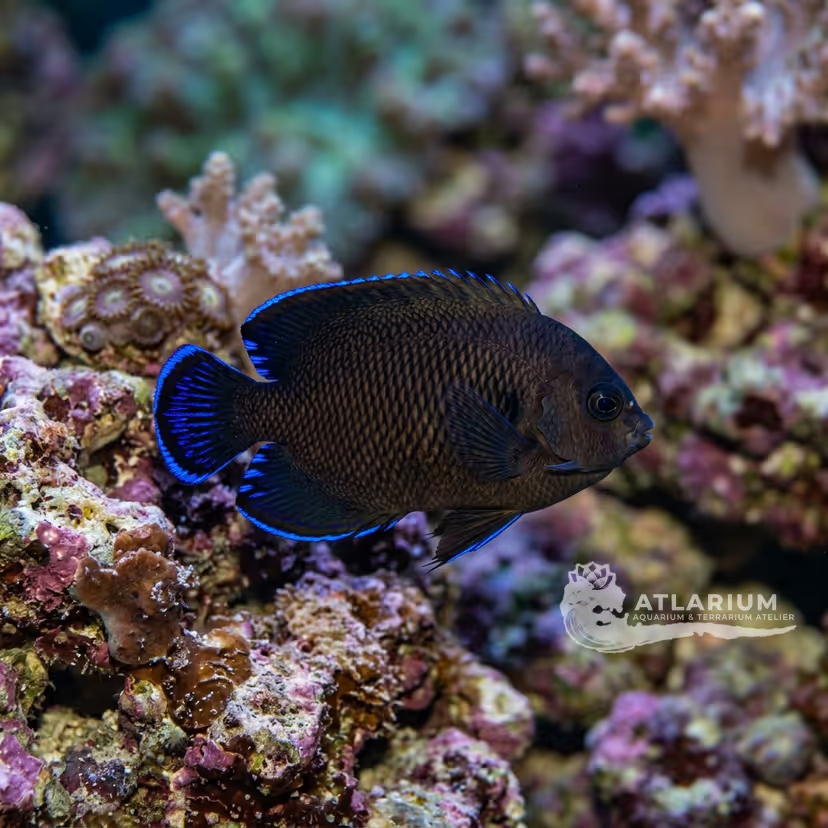
Blackspot Pygmy Angelfish

Blackspot Pygmy Angelfish

Centropyge nigriocella
View details->
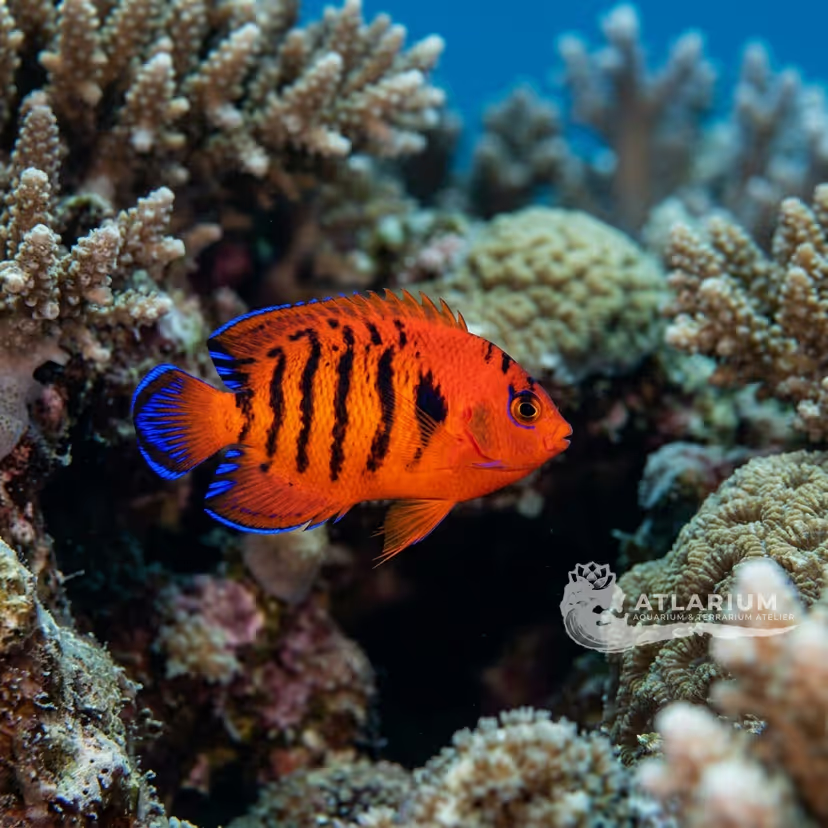
Dusky Angelfish

Dusky Angelfish

Centropyge multispinis
View details->
Shepard's angelfish

Shepard's angelfish

Centropyge shepardi
View details->
African flameback angelfish

African flameback angelfish

Centropyge acanthops

View details->
Flameback Angelfish

Flameback Angelfish

Centropyge aurantonotus

View details->

Recommended companions

Compatible cards from coherent ecosystems with matching parameters.

Grape caulerpa
Plant

Grape caulerpa

Caulerpa racemosa

View details->
Caulerpa prolifera
Plant

Caulerpa prolifera

Caulerpa prolifera
View details->
Caulerpa taxifolia
Plant

Caulerpa taxifolia

Caulerpa taxifolia
View details->
Chaetomorpha macroalgae
Plant

Chaetomorpha macroalgae

Chaetomorpha linum

View details->
Dead man fingers algae
Plant

Dead man fingers algae

Codium fragile

View details->
Halimeda macroalgae
Plant

Halimeda macroalgae

Halimeda opuntia

View details->
Peacock tail algae
Plant

Peacock tail algae

Padina pavonica

View details->
Red gracilaria
Plant

Red gracilaria

Gracilaria parvispora

View details->
Red grape algae
Plant

Red grape algae

Botryocladia uvaria

View details->
Sea lettuce
Plant

Sea lettuce

Ulva lactuca

View details->
Red Mangrove
Plant

Red Mangrove

Rhizophora mangle

View details->

Similar care

Cards with similar requirements, difficulty, habitat, and husbandry profile.

Yellowfin Angelfish

Yellowfin Angelfish

Centropyge flavipectoralis
View details->
Japanese Pygmy Angelfish

Japanese Pygmy Angelfish

Centropyge interrupta

View details->
Joculator Angelfish

Joculator Angelfish

Centropyge joculator

View details->
Cocos Pygmy Angelfish

Cocos Pygmy Angelfish

Centropyge cocosensis

View details->
Clark's anemonefish

Clark's anemonefish

Amphiprion clarkii
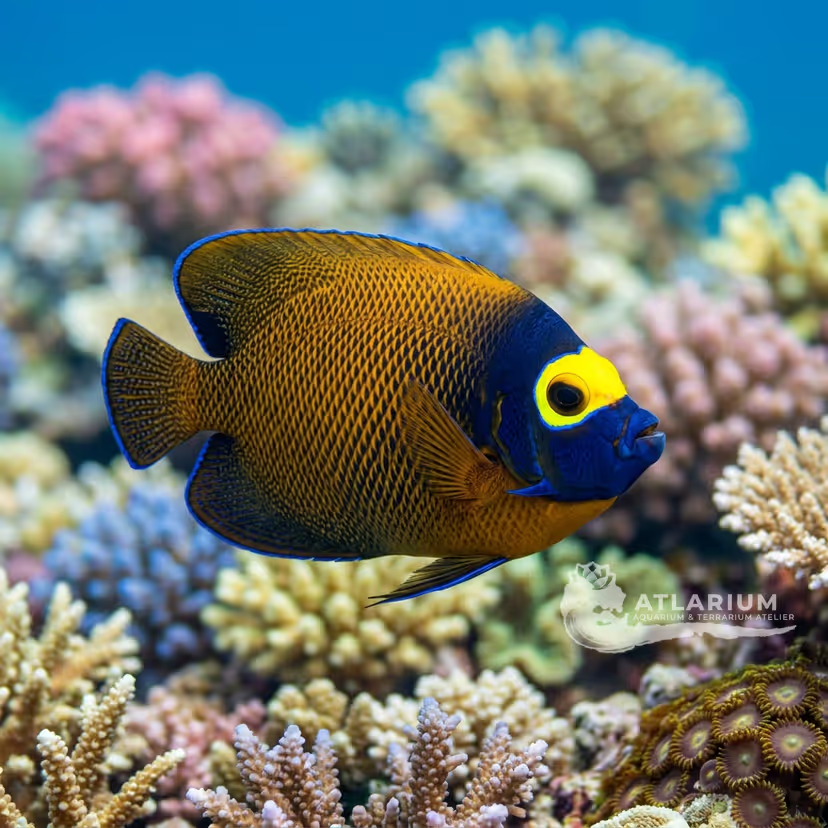
View details->
Blueface Angelfish

Blueface Angelfish

Pomacanthus xanthometopon

View details->
Debelius' angelfish

Debelius' angelfish

Centropyge debelius
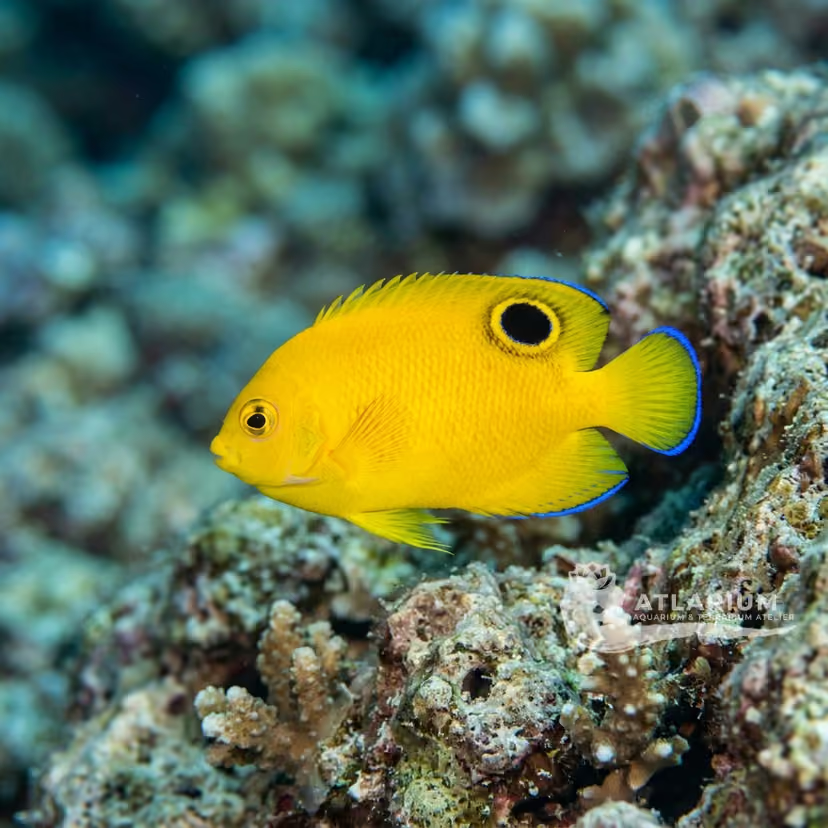
View details->
Woodhead's Angelfish

Woodhead's Angelfish

Centropyge woodheadi
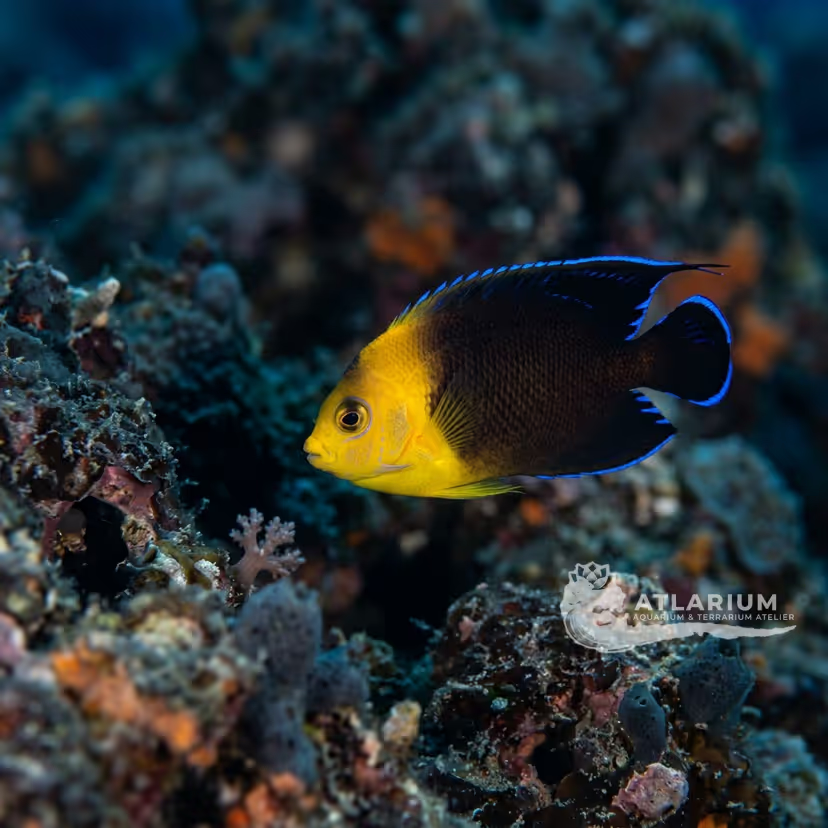
View details->
Nahacky's Angelfish

Nahacky's Angelfish

Centropyge nahackyi

View details->
Debora's Pygmy Angelfish

Debora's Pygmy Angelfish

Centropyge deborae
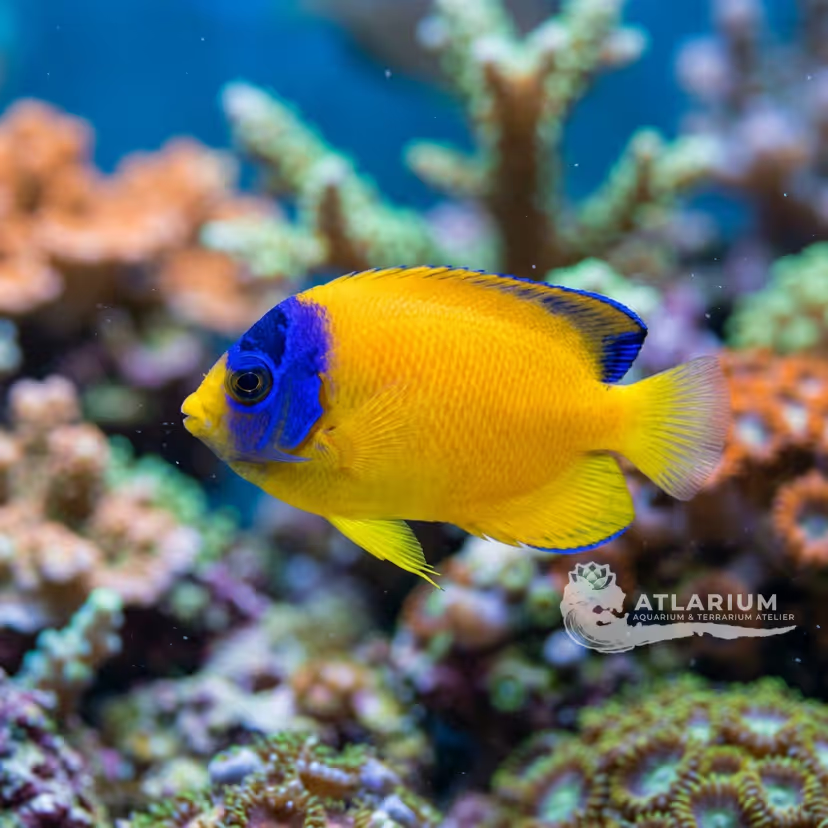
View details->
Purplemask angelfish

Purplemask angelfish

Centropyge venusta

View details->
Azure damselfish

Azure damselfish

Chrysiptera hemicyanea

View details->
Rock Beauty Angelfish

Rock Beauty Angelfish

Holacanthus tricolor

View details->
Talbot's Damselfish

Talbot's Damselfish

Chrysiptera talboti
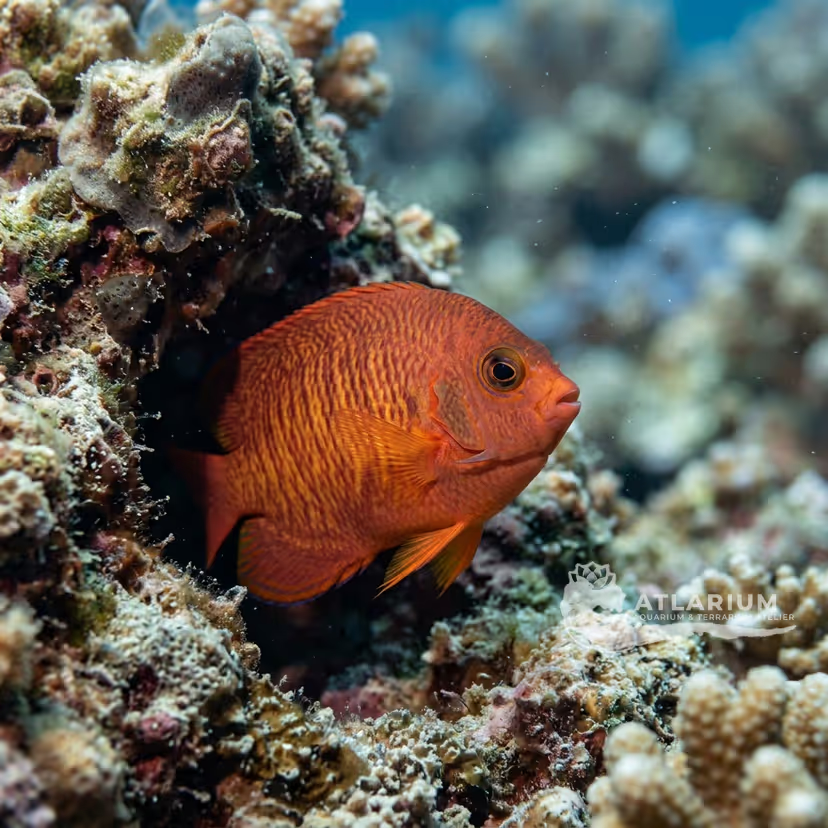
View details->
Golden angelfish

Golden angelfish

Centropyge aurantia

View details->
Bluering angelfish

Bluering angelfish

Pomacanthus annularis

View details->
Last updated: 06/30/2026
Eibli's Angelfish (Centropyge eibli) Care Guide & Tank Setup | Atlarium