

Encyclopaedia
Lemonpeel angelfish
Centropyge flavissima
The lemonpeel angelfish is a striking marine dwarf angelfish species known for its vibrant yellow body, distinct blue rings around its eyes, and blue fin margins.
Share
Check out Lemonpeel angelfish on Atlarium
24 - 28 °C
8.1 - 8.4
Marine
Bottom and middle
14 cm
>= 150 L
>= 1
8 - 12 dKH
Species description
Care, breeding and tankmates
Geographic Origin and Distribution
Origin
Fish profile
- Temperament
- Semi-aggressive
- Diet
- Omnivore
- Life expectancy
- 5-11 years
- Sex ratio
- Harem
- Feeding frequency
- TWO_THREE_DAILY
- Bioload
- Medium
- Flow
- Moderate
- Jump risk
- Yes
- Reproduction
- Oviparous
- Compatibility & tankmates
- Territorial
- Tank level
- Middle/Bottom
Window to the official scientific data of the species
Scientific Parameters & Models
- Trophic level
- 2.8 ± 0.33 se
- Resilience
- High (less than 15 months)
- Phylogenetic uniqueness (PD50)
- 0.5
- Bayesian Length-Weight
- a = 0.02884, b = 2.93
Image gallery
Licensed images linked to the species or, when marked, to the closest representative taxon.
Related species
Recommendations grouped by close relatives, companion choices, and similar care.
Variants and close relatives
Same atlas type, nearby scientific identity, genus, or family.

Keyhole angelfish
Centropyge tibicen

Fisher's Angelfish
Centropyge fisheri

Blackspot Pygmy Angelfish
Centropyge nigriocella

Eibli's Angelfish
Centropyge eibli

Half-black Angelfish
Centropyge vrolikii
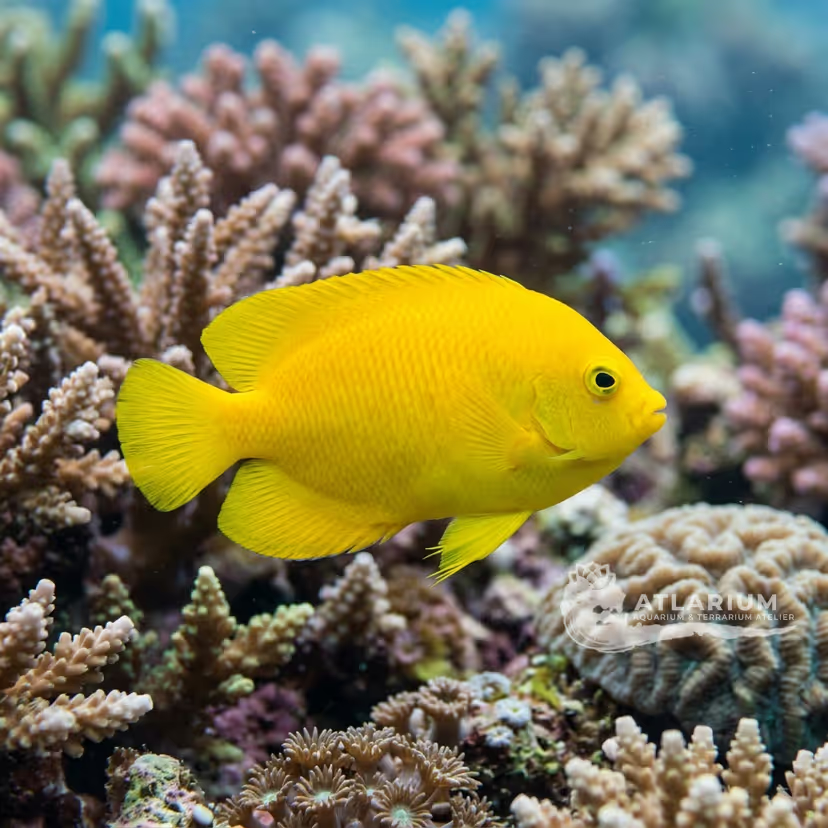
Herald's angelfish
Centropyge heraldi
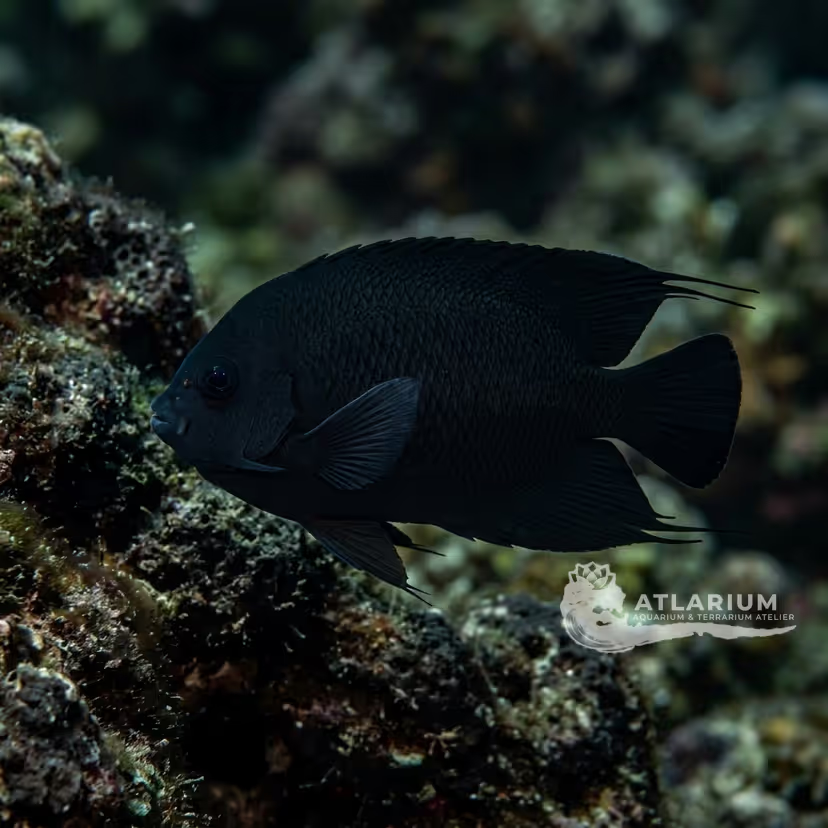
Midnight angelfish
Centropyge nox
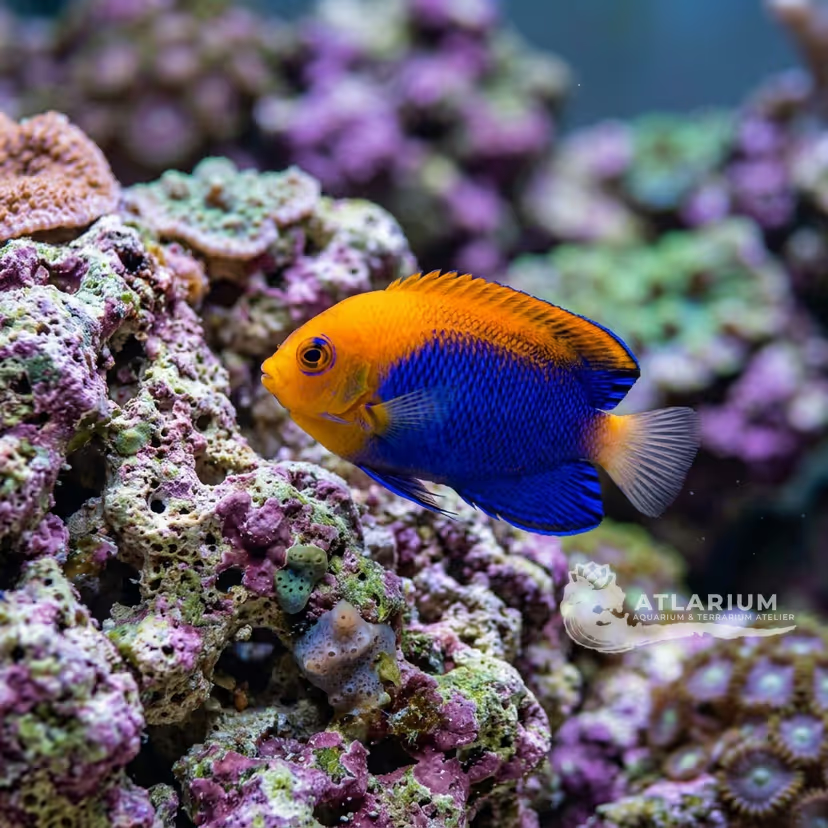
Resplendent Angelfish
Centropyge resplendens
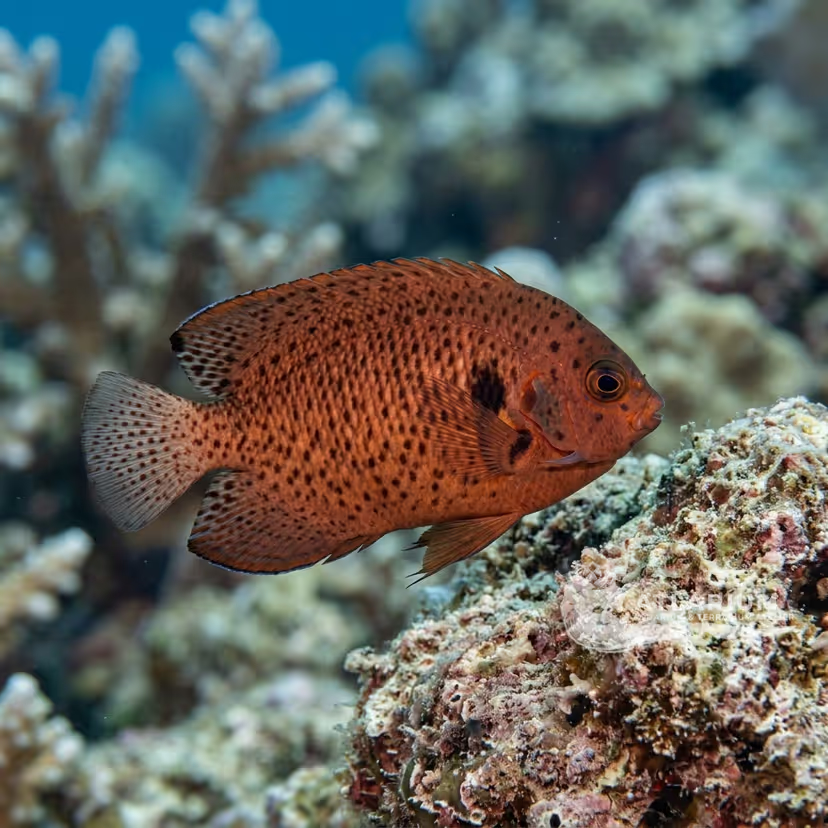
Rusty angelfish
Centropyge ferrugata
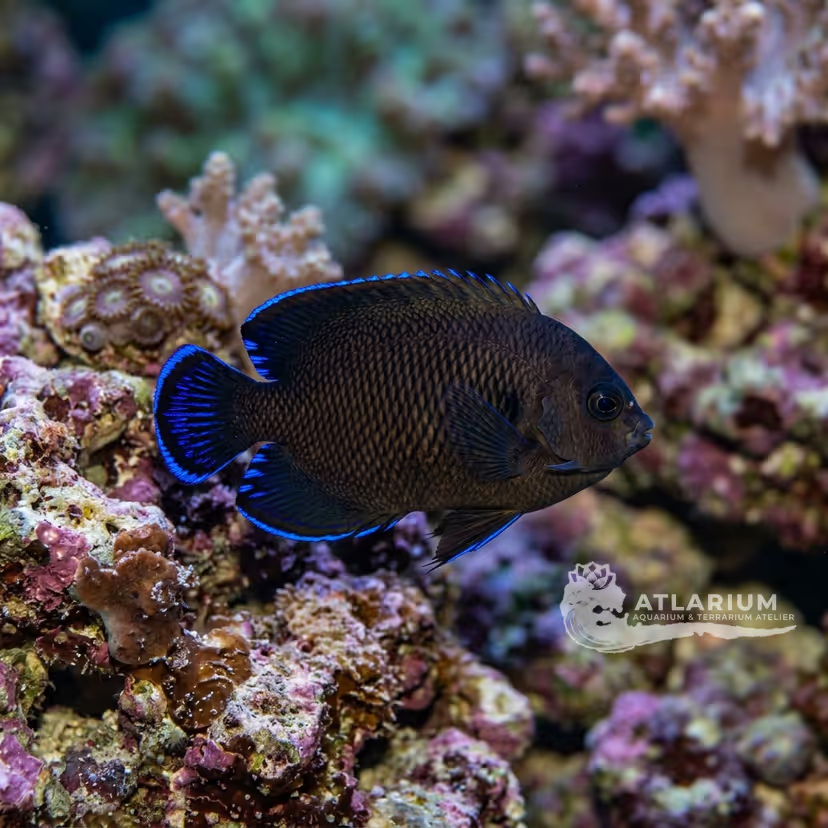
Dusky Angelfish
Centropyge multispinis
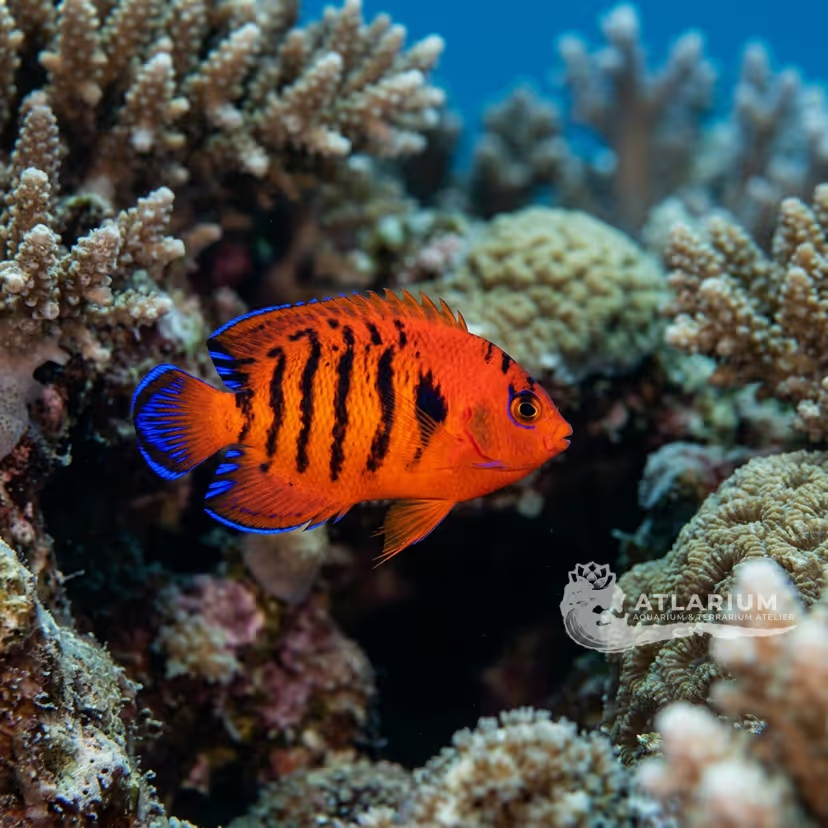
Shepard's angelfish
Centropyge shepardi
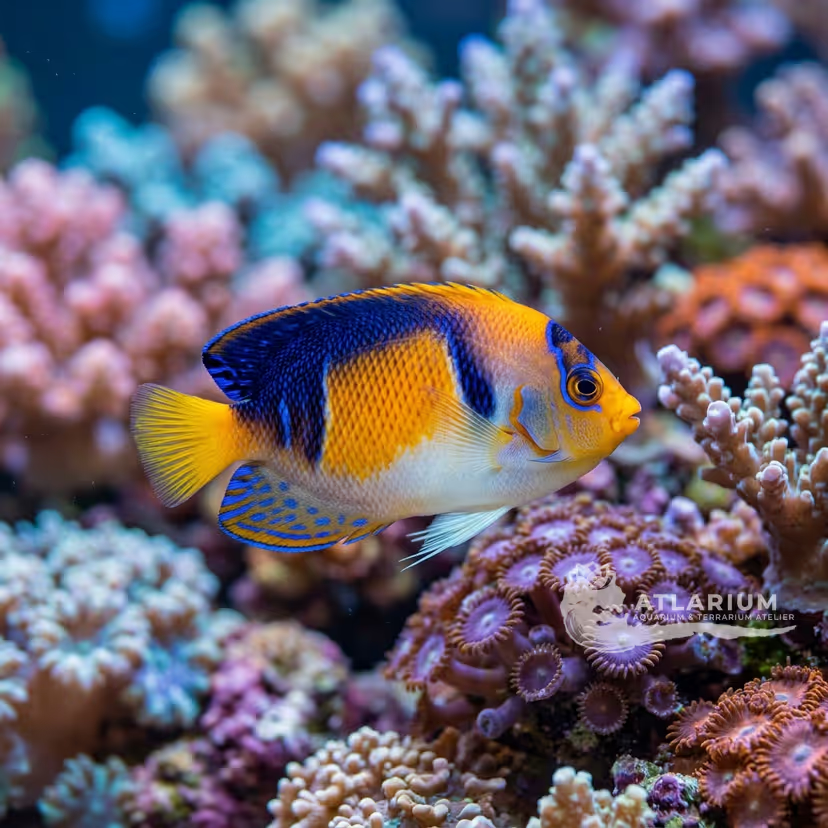
Multicolor Angelfish
Centropyge multicolor

Bicolor Angelfish
Centropyge bicolor

Cherub Angelfish
Centropyge argi

Cocos Pygmy Angelfish
Centropyge cocosensis

Flame Angelfish
Centropyge loriculus
Recommended companions
Compatible cards from coherent ecosystems with matching parameters.

Grape caulerpa
Caulerpa racemosa

Caulerpa prolifera
Caulerpa prolifera
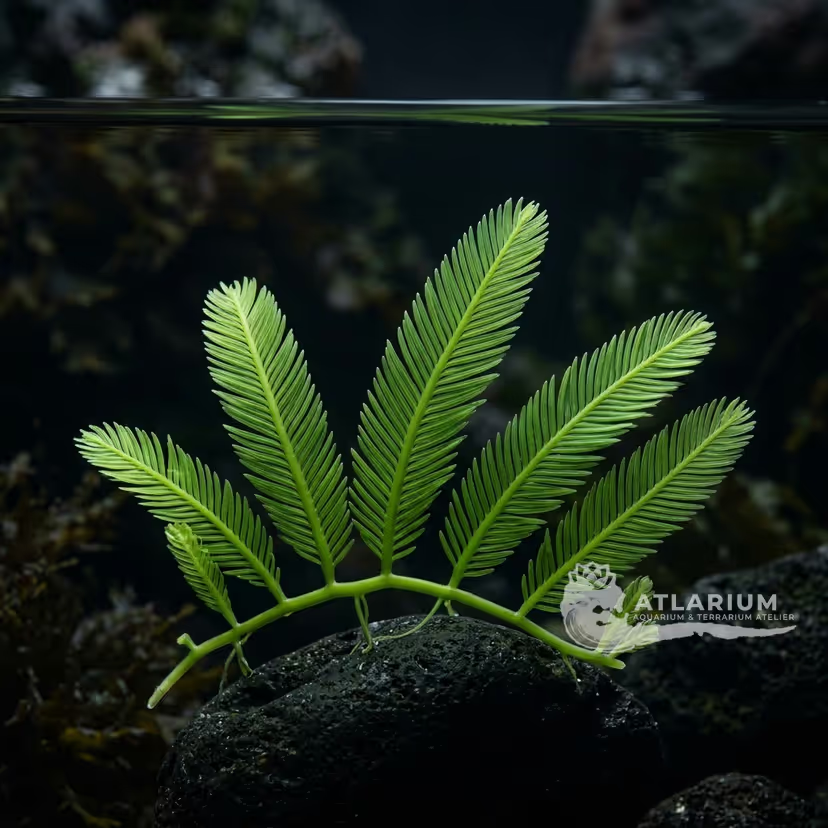
Caulerpa taxifolia
Caulerpa taxifolia
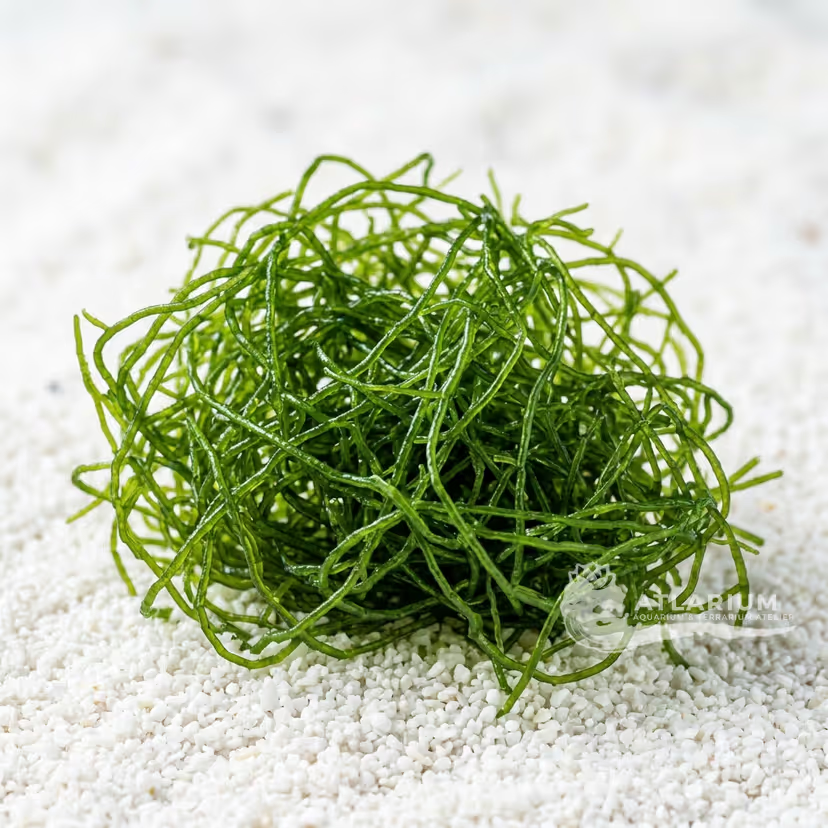
Chaetomorpha macroalgae
Chaetomorpha linum

Dead man fingers algae
Codium fragile

Halimeda macroalgae
Halimeda opuntia

Peacock tail algae
Padina pavonica

Red gracilaria
Gracilaria parvispora

Red grape algae
Botryocladia uvaria

Sea lettuce
Ulva lactuca

Red Mangrove
Rhizophora mangle
Similar care
Cards with similar requirements, difficulty, habitat, and husbandry profile.
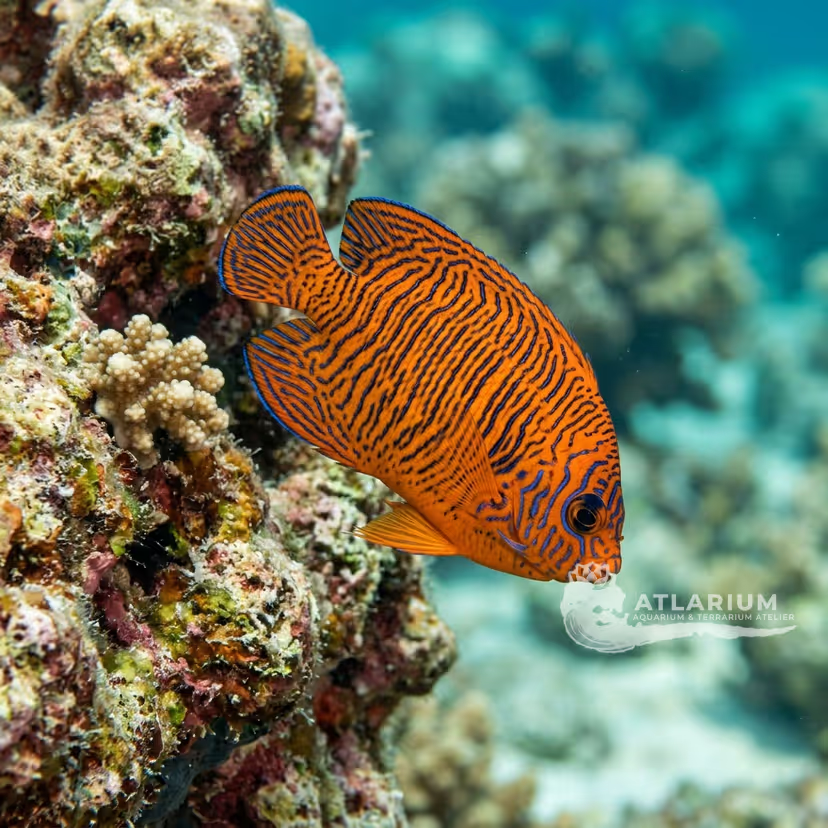
Potter's angelfish
Centropyge potteri

Yellowfin Angelfish
Centropyge flavipectoralis
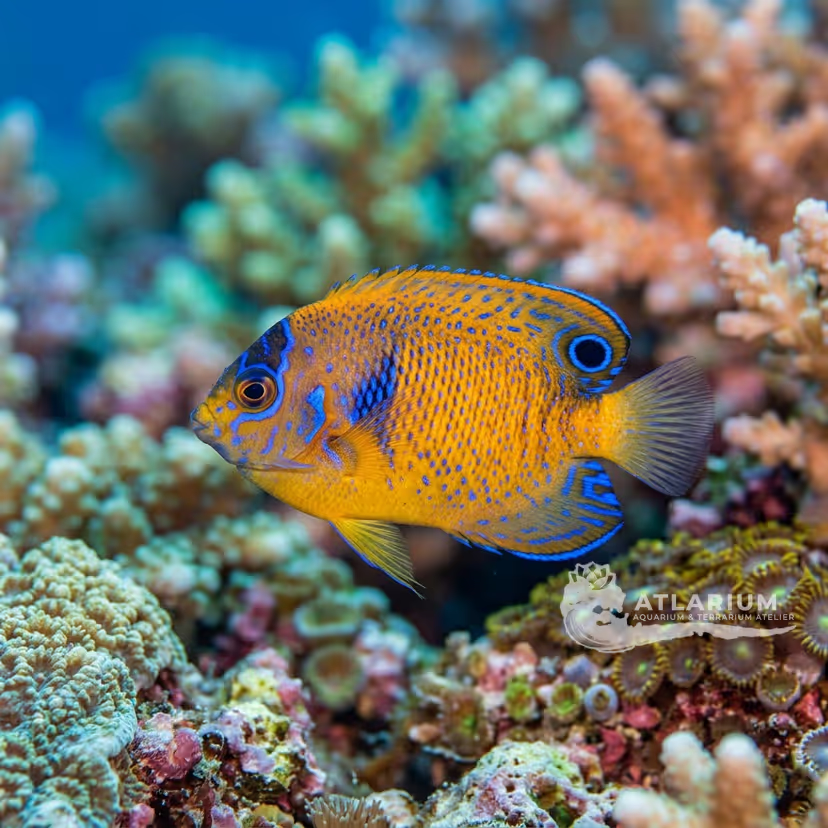
Japanese Pygmy Angelfish
Centropyge interrupta

Flameback Angelfish
Centropyge aurantonotus

Joculator Angelfish
Centropyge joculator
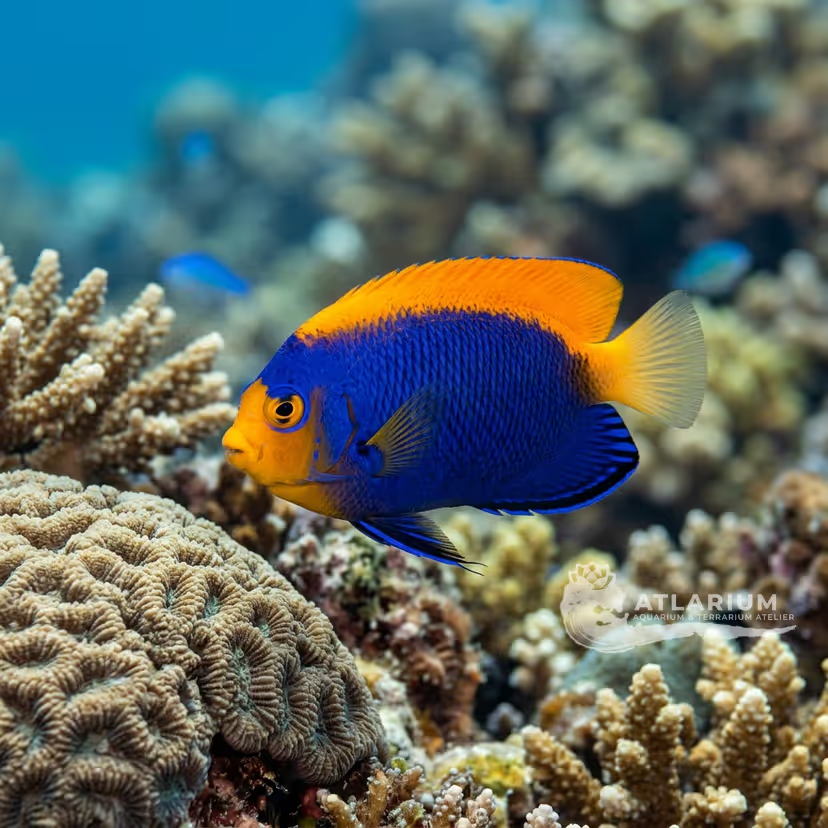
African flameback angelfish
Centropyge acanthops
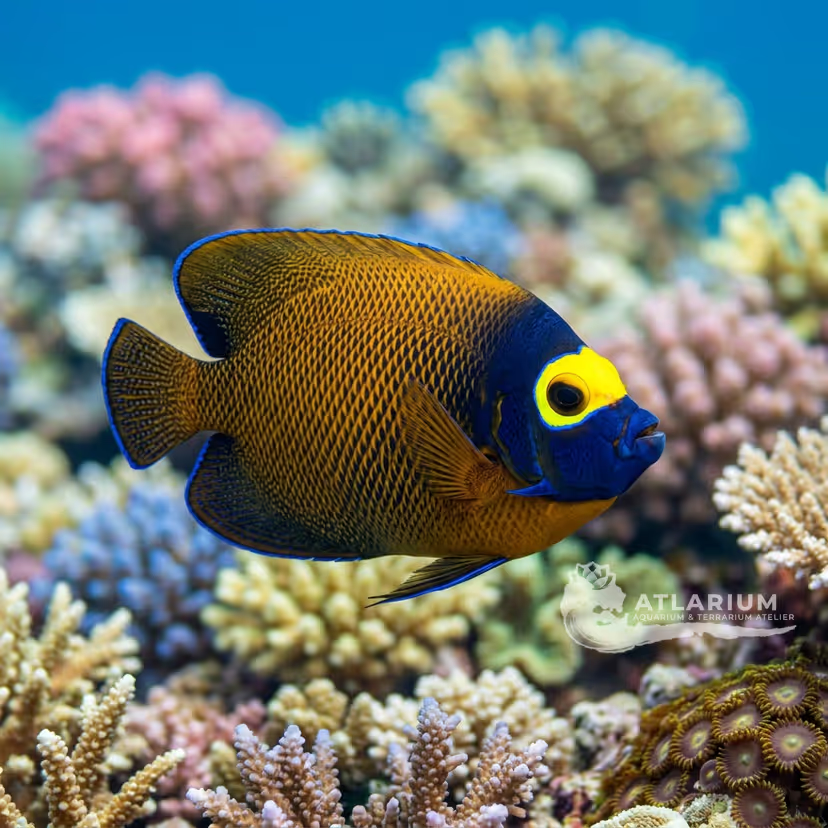
Blueface Angelfish
Pomacanthus xanthometopon
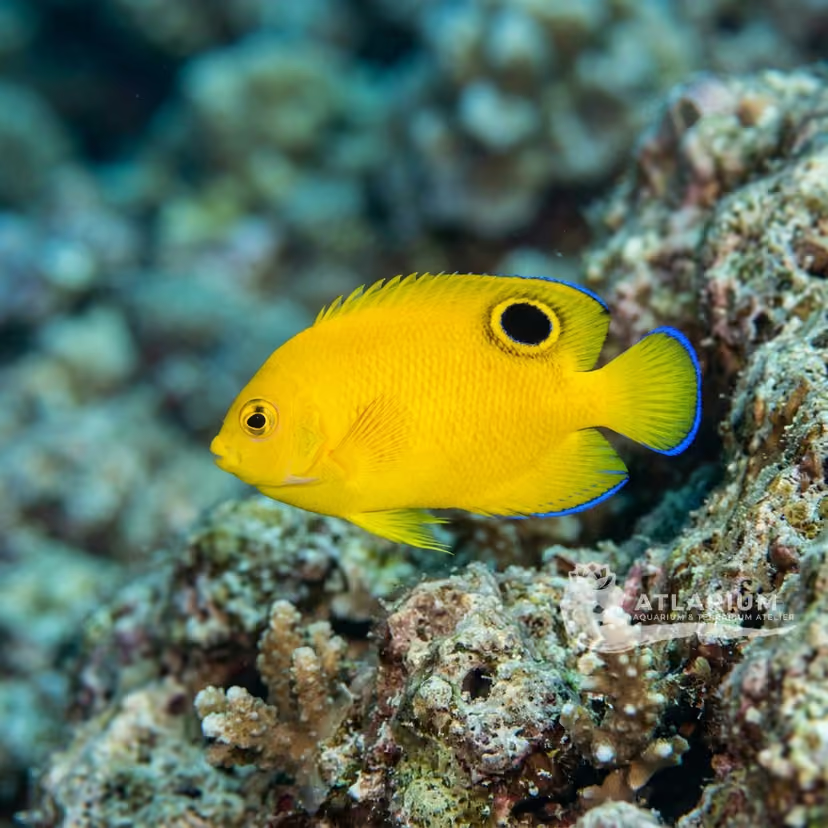
Woodhead's Angelfish
Centropyge woodheadi

Bluering angelfish
Pomacanthus annularis

Debora's Pygmy Angelfish
Centropyge deborae
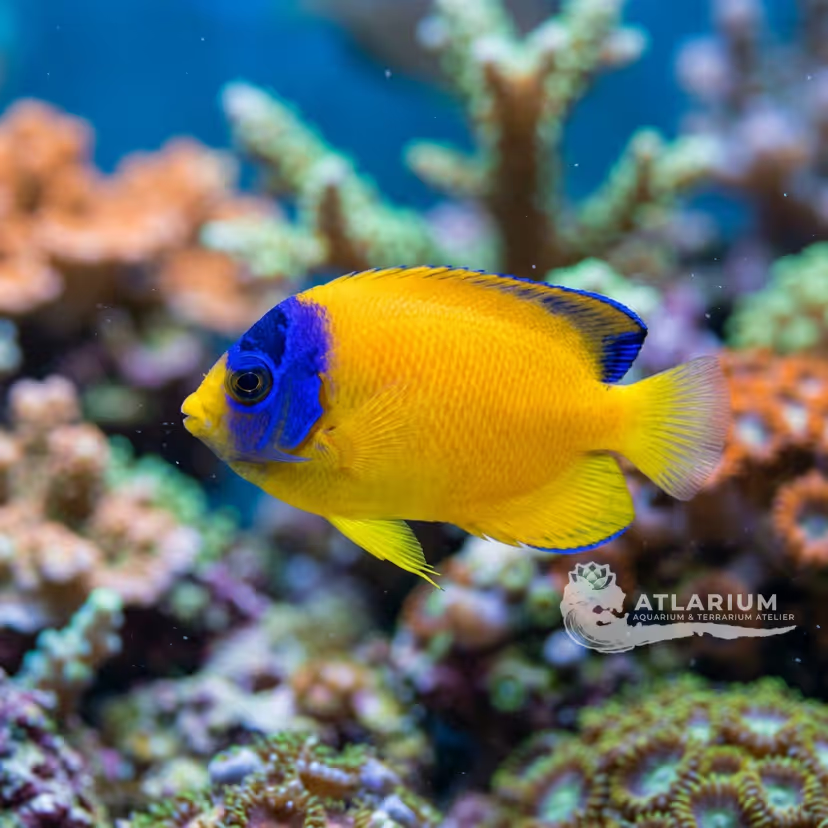
Purplemask angelfish
Centropyge venusta
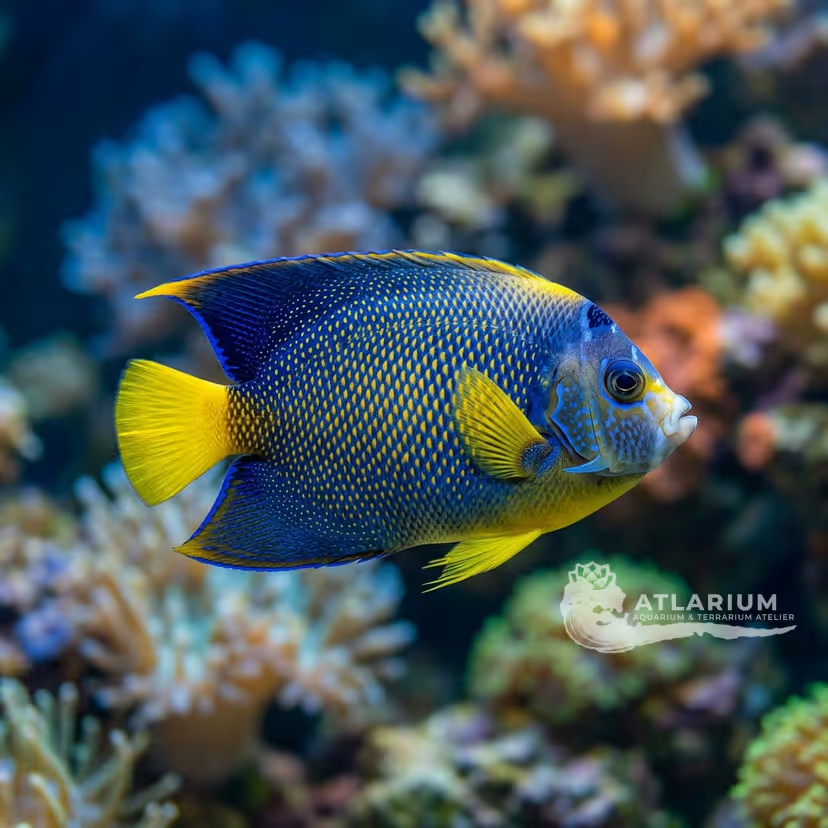
Yellowtail angelfish
Apolemichthys xanthurus
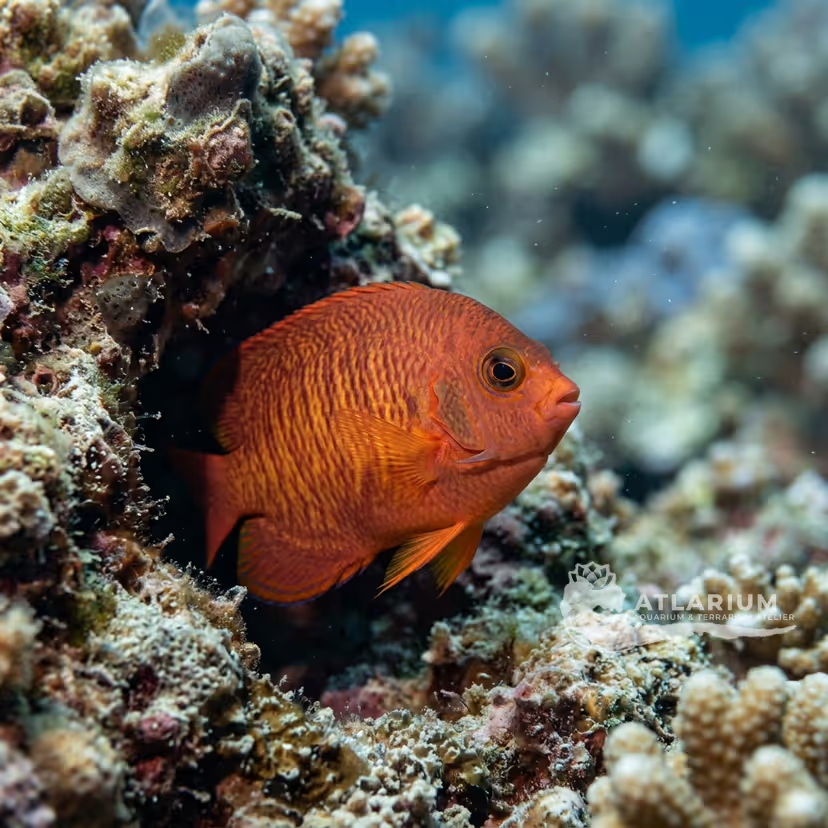
Golden angelfish
Centropyge aurantia

Blackear Angelfish
Centropyge hotumatua

Debelius' angelfish
Centropyge debelius
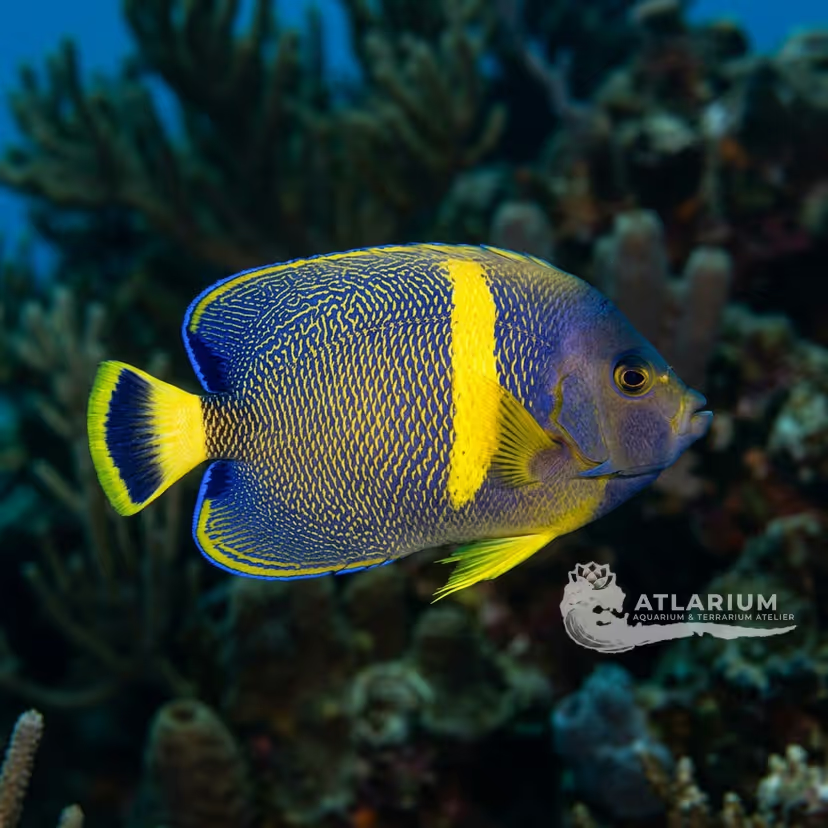
Scribbled Angelfish
Chaetodontoplus duboulayi