Encyclopaedia

FishMarineIntermediate
©AI Generated·Proprietary

African flameback angelfish

Centropyge acanthops

The African Flameback Angelfish is a vibrant, active dwarf angel. It needs a mature marine setup with extensive live rock for grazing on algae and numerous tunnels for hiding.

Taxonomy
Class:Actinopteri
Order:Perciformes
Family:Pomacanthidae
Genus:Centropyge
Species:Centropyge acanthops

Share

Check out African flameback angelfish on Atlarium

PracticeRecognition quizzesPhotos, names, origins, and puzzles to review Atlas species.Open quizzes
Water Temperature

22 - 26 °C

pH Value

8.1 - 8.4

Water type

Marine

Tank level

Bottom and middle

Adult size

8 cm

Minimum tank volume

>= 100 L

Minimum group

>= 1

KH

8 - 12 dKH

Species description

Geographical Origin and Habitat: Centropyge acanthops is native to the tropical waters of the western Indian Ocean. Its geographical range extends along the East African coast from Somalia down to South Africa, including Madagascar, the Seychelles, Mauritius, and the Mascarene Islands. This species inhabits coral reefs rich in coral rubble, rocky detritus, sandy areas adjacent to the reef, and outer reef slopes at depths ranging from 5 to 40 meters. It mainly frequents areas sheltered from strong currents where dense algal turf grows and small organisms live.
Taxonomy and Morphology: Belonging to the family Pomacanthidae, genus Centropyge. It displays the typical oval, compressed body shape of the genus, characterized by a small mouth with tiny, flexible teeth and a robust, sharp opercular spine at the corner of the preopercle. Adults reach a compact size, generally not exceeding 8 centimeters in length. The eyes are large and laterally positioned to quickly spot prey and potential predators.
Social Behavior: It is a lively, curious, and energetic species, spending most of its time exploring live rock in search of food. Compared to other dwarf angelfishes, it displays an unusually high level of activity. In the wild, it lives in small groups or harems consisting of a dominant male and several females (from 3 to 10 individuals). In the aquarium, it exhibits a marked territorial behavior, defending its feeding areas with tenacity against conspecifics and similar-looking species.
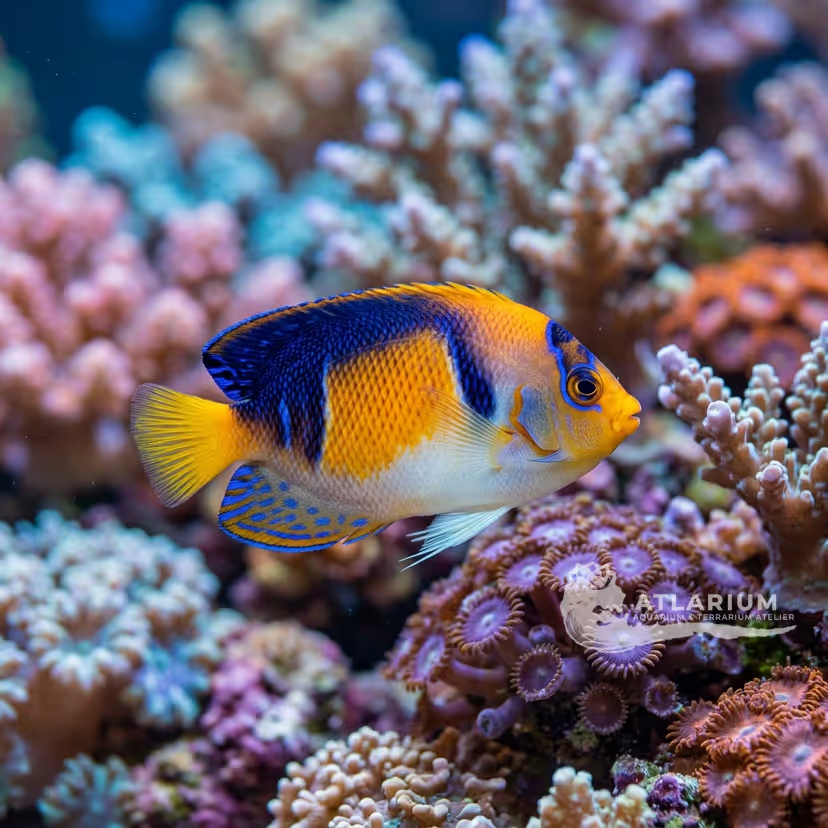
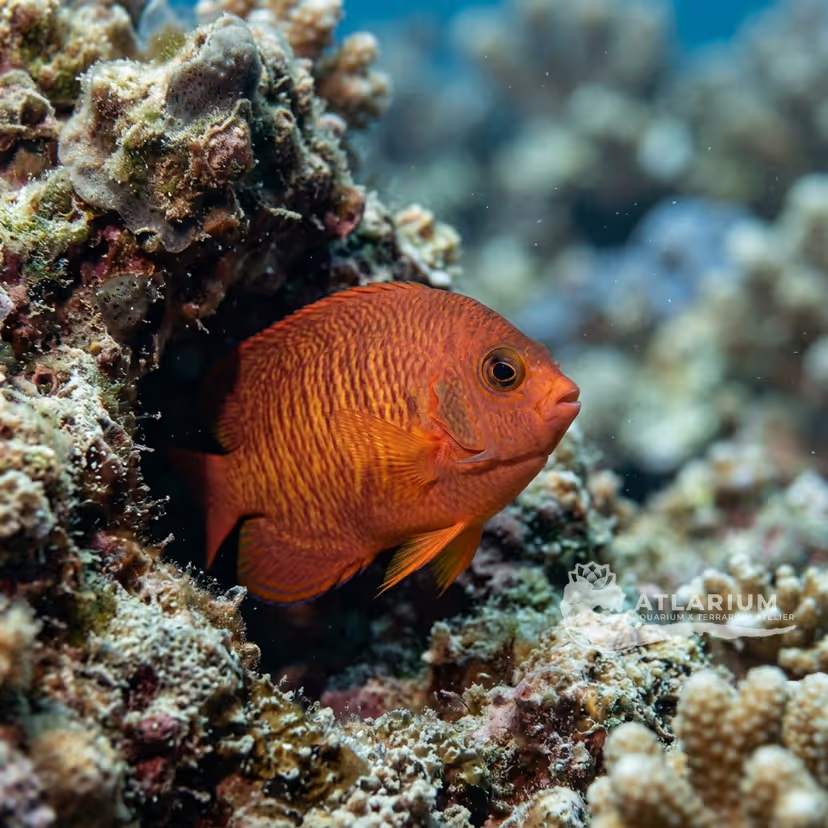
Coloration and Sexual Dimorphism: The coloration is extremely bright and striking. It features a deep sapphire or dark blue body, which contrasts sharply with a bright orange-yellow band that starts from the snout, runs over the top of the head, and covers the entire back to the posterior end of the dorsal fin. The caudal fin is translucent with yellowish hints. There is no obvious sexual dimorphism, but males are usually larger and may show slightly more blue-tinged fin margins during courtship.

Care, breeding and tankmates

Aquarium Setup: Requires a mature marine aquarium of at least 150 liters (approx. 40 gallons) for a single specimen, while a harem requires tanks larger than 300 liters. The setup must include a large amount of live rock arranged to form numerous hiding places, tunnels, and crevices, while leaving open space in the front for active swimming. The presence of a dense algal biofilm on the live rock is highly recommended.
Diet and Feeding: The diet is omnivorous but primarily focused on grazing. It must be fed several times a day with a combination of marine seaweed (nori), spirulina, commercial dry foods formulated with sponge material, and frozen protein foods like mysis, brine shrimp, and chopped krill. This varied diet reduces the risk of the fish nipping at the corals in the tank.
Water Quality: Ideal water parameters are: temperature 22-26°C (72-79°F), pH 8.1-8.4, specific gravity 1.021-1.025, and nitrates below 15 mg/l. A well-sized protein skimmer and good chemical and mechanical filtration are necessary. Regular water changes help prevent the accumulation of nitrates, which can promote the development of infections.
Compatibility and Cohabitation: While compatible with many reef aquariums, there is always a risk that it may nip at the polyps of stony corals (LPS) and the mantles of bivalve mollusks (Tridacna). It is compatible with active reef fish of other families such as wrasses, gobies, and damselfishes. Avoid cohabitation with other dwarf angelfishes, especially of similar color or shape, unless the tank is huge.
Aquarium Breeding: Breeding in captivity is very difficult. Like other Centropyge, it is a protogynous hermaphrodite. Spawning occurs at dusk, when the pair rises into the water column to release eggs and sperm simultaneously. Larval development is complex due to the small size of the larvae, which require specific microscopic live foods to be successfully raised.
Risks and Diseases: It is a fairly hardy fish, but it can be prone to parasitic infections such as Cryptocaryon irritans and Oodinium under stress or sudden temperature changes. A careful quarantine period before introduction is recommended. In addition, territorial aggression toward later-introduced fish can be high, so it is preferable to introduce this species near the end.

Geographic Origin and Distribution

Centropyge acanthops is native to the tropical waters of the western Indian Ocean. Its geographical range extends along the East African coast from Somalia down to South Africa, including Madagascar, the Seychelles, Mauritius, and the Mascarene Islands. This species inhabits coral reefs rich in coral rubble, rocky detritus, sandy areas adjacent to the reef, and outer reef slopes at depths ranging from 5 to 40 meters. It mainly frequents areas sheltered from strong currents where dense algal turf grows and small organisms live.

Origin

Tropical oceans and reefsAfrica and MadagascarSouth and Southeast Asia

Fish profile

Temperament
Territorial
It is an active, curious, and constantly moving fish within the rock structure of the aquarium. It displays distinct territoriality in defending its grazing territory, but without causing serious physical damage to tank mates of different species. Its swimming style is elegant, characterized by quick movements through caves and sudden darts if threatened. It develops a strong personality and learns to recognize the presence of the aquarist in front of the tank glass.
Diet
Omnivore
It is an omnivore with a very strong herbivorous component in its natural diet, centered on grazing microalgae. In the aquarium, it must be fed specific foods based on algae, spirulina, and nori, supplemented with frozen foods like mysis, brine shrimp, and angelfish formulas containing marine sponges. It constantly grazes on the tank's live rock, helping control algae growth but requiring a mature aquarium. A lack of green nutrients can prompt it to nip at corals in search of food.
Life expectancy
8-12 years
In a well-established and maintained marine aquarium, the African pygmy angelfish can reach a lifespan ranging from 8 to 12 years. The stability of biological water parameters and the avoidance of copper or aggressive chemical treatments are crucial factors for its longevity. A varied and abundant diet prevents nutritional deficiencies that could weaken the fish over time. Reducing stress caused by overly aggressive tank mates significantly helps extend its life expectancy.
Sex ratio
Harem
In home aquariums, it is generally recommended to keep the African Pygmy Angelfish singly to avoid territorial conflicts. A mated pair or a small harem consisting of one male and two to three females can be kept, but only in large tanks with plenty of visual barriers. Because they are protogynous hermaphrodites, if two juveniles are introduced, the larger and more dominant fish will transition into a male. Under no circumstances should multiple males be housed together, as they will fight aggressively.
Feeding frequency
Twice daily
It is advisable to feed this fish 2 to 3 times daily in small portions to support its active metabolism. Frequent feeding significantly reduces the risk of the fish beginning to pick at corals or small invertebrates in the tank. Allowing it to graze on live rock between meals encourages more natural behavior and decreases territorial tendencies. Varying the food selection between dry pellets and frozen items keeps the fish active and healthy.
Bioload
Low to Medium
The African Pygmy Angelfish produces a low to moderate biological waste load owing to its small adult size of approximately 8 centimeters. However, because it is an active swimmer with a high metabolism that requires multiple daily feedings, a robust filtration system is necessary. A well-sized protein skimmer and regular water changes are key to maintaining low nitrate and phosphate levels. The addition of ample live rock provides crucial biological filtration surface area and encourages natural grazing behavior.
Flow
Moderate
This species enjoys a moderate to strong water flow, reflecting the wave-swept coral reefs of the western Indian Ocean where it originates. Dynamic water movement ensures proper oxygenation and promotes the growth of algae on which it feeds. It is important to design the rockwork with sheltering zones and wide crevices where the flow is reduced, allowing the fish to rest at night. Avoid stagnant areas that could accumulate harmful organic sediments.
Jump risk
Yes
The African Pygmy Angelfish carries a moderate to high jumping risk, earning it the common nickname of 'Jumping Bean' due to its agile leaps. It is easily startled by sudden external movements, lighting changes, or aggression from tank mates, which can trigger it to leap out of the water. To prevent tragic accidents, a secure, tight-fitting aquarium lid or fine mesh cover is absolutely mandatory. Even small openings around filters or cables should be blocked to ensure the fish remains safe inside.
Reproduction
Oviparous
It is a protogynous hermaphrodite that lives in small harems consisting of one dominant male and several females. Breeding in the home aquarium is extremely difficult to achieve successfully, although twilight courtship displays are frequent in spacious tanks. The male stimulates the female with rapid vertical chases to induce her to release pelagic eggs into the water column. Larval development is highly complex due to their tiny size and the necessity for ultra-specific live food like copepod nauplii.
Compatibility & tankmates
Reef safe with caution
It displays a semi-aggressive and territorial temperament, particularly toward other dwarf angelfish or species with similar shapes and colors. It should be introduced as the last resident in spacious reef aquariums to mitigate its territoriality. Although considered reef-safe with caution, it may nip at clam mantles, soft corals, and large-polyp stony (LPS) corals if hungry or stressed. It coexists well with active, robust fish such as damselfish, medium-to-large tangs, and clownfish.
Tank level
Middle/Bottom
This dwarf angelfish species primarily inhabits the lower and middle zones of the aquarium, staying close to the safety of rock formations. It spends its day darting in and out of crevices, caves, and overhangs while grazing on algae and small benthic organisms. It rarely ventures into open water or near the water's surface, except when startled or during spawning rituals. Consequently, a complex aquascape with plenty of low-to-mid level caves is essential to accommodate its natural preferences.

Window to the official scientific data of the species

Data synced on: 06/15/2026

Scientific Parameters & Models

Trophic level
2.9 ± 0.32 se
Resilience
High (less than 15 months)
Phylogenetic uniqueness (PD50)
0.5
Bayesian Length-Weight
a = 0.0302, b = 2.89
VulnerabilityLow vulnerability (10 / 100)

Image gallery

Licensed images linked to the species or, when marked, to the closest representative taxon.

Related species

Recommendations grouped by close relatives, companion choices, and similar care.

Variants and close relatives

Same atlas type, nearby scientific identity, genus, or family.

Flameback Angelfish

Flameback Angelfish

Centropyge aurantonotus

View details->
Joculator Angelfish

Joculator Angelfish

Centropyge joculator

View details->
Yellowfin Angelfish

Yellowfin Angelfish

Centropyge flavipectoralis
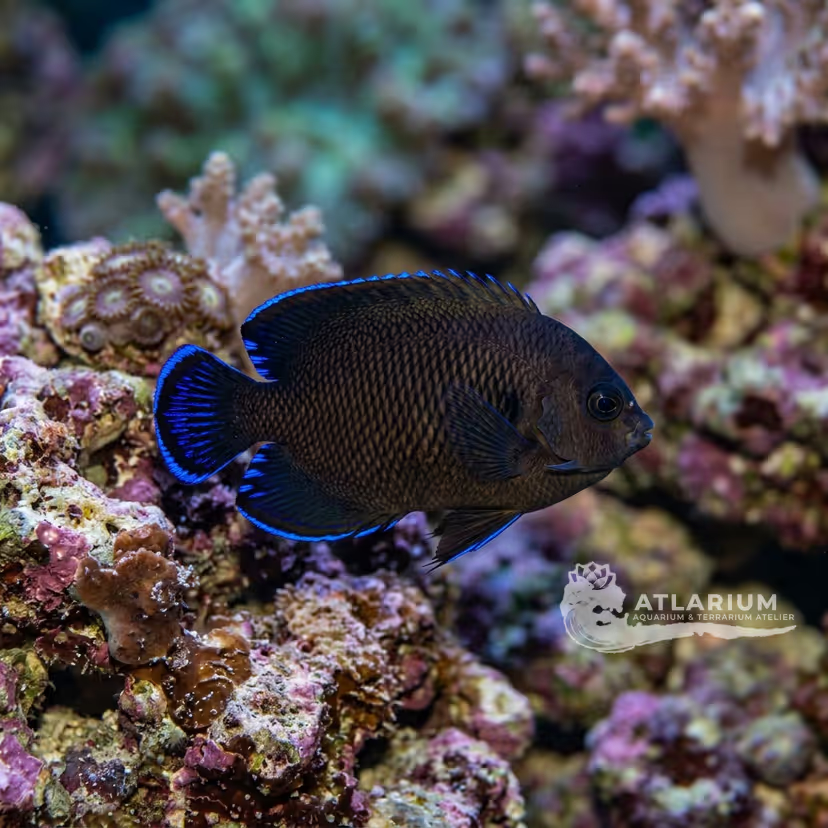
View details->
Dusky Angelfish

Dusky Angelfish

Centropyge multispinis
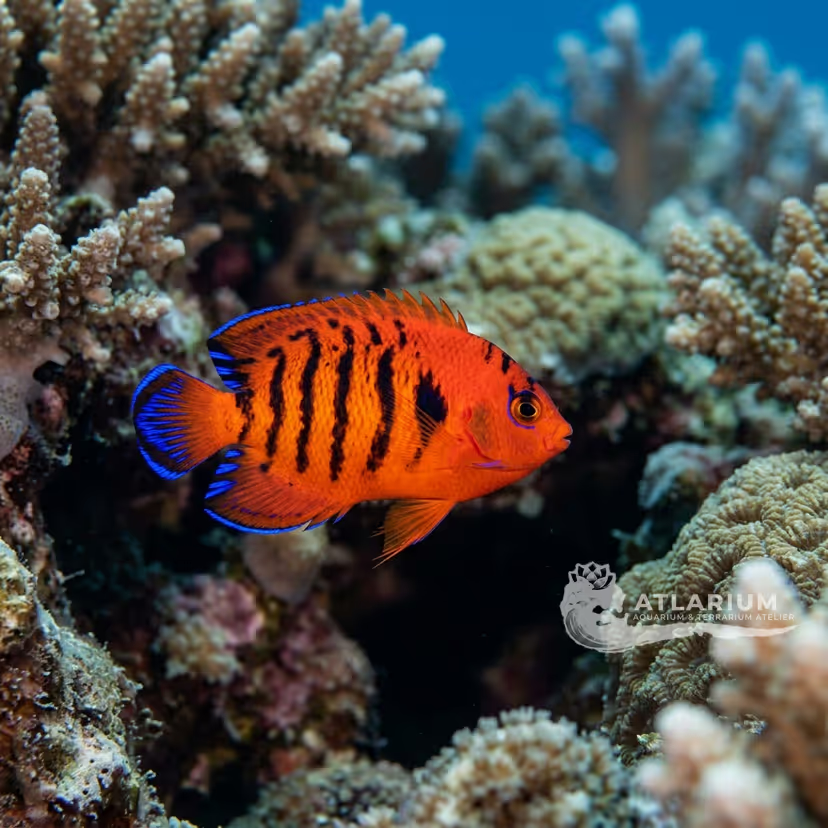
View details->
Shepard's angelfish

Shepard's angelfish

Centropyge shepardi

View details->
Colin's Angelfish

Colin's Angelfish

Centropyge colini

View details->
Multicolor Angelfish

Multicolor Angelfish

Centropyge multicolor

View details->
Debora's Pygmy Angelfish

Debora's Pygmy Angelfish

Centropyge deborae
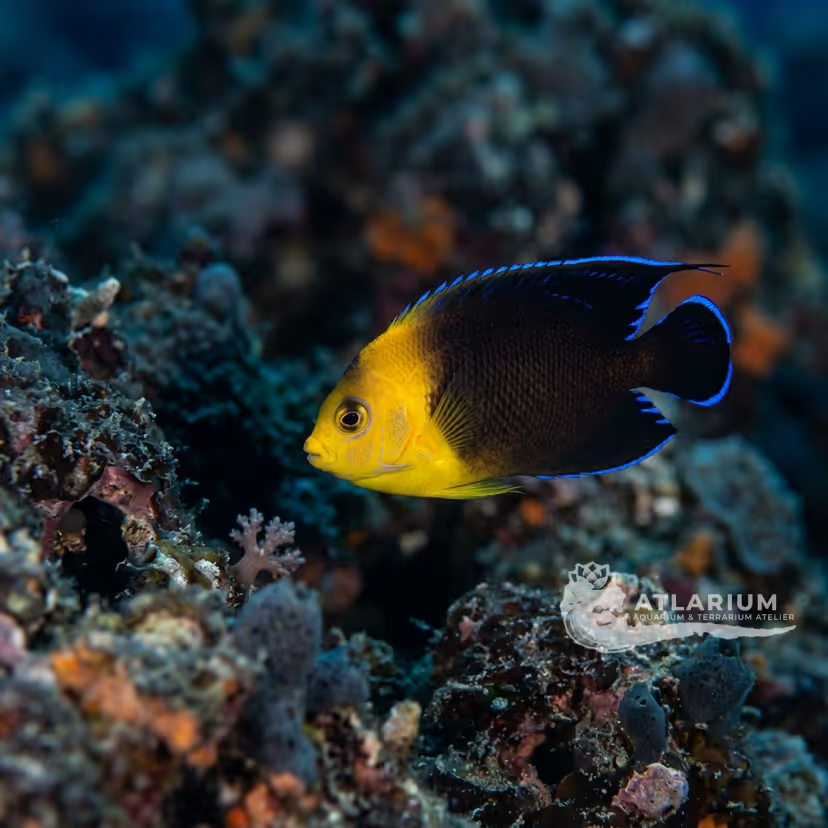
View details->
Nahacky's Angelfish

Nahacky's Angelfish

Centropyge nahackyi
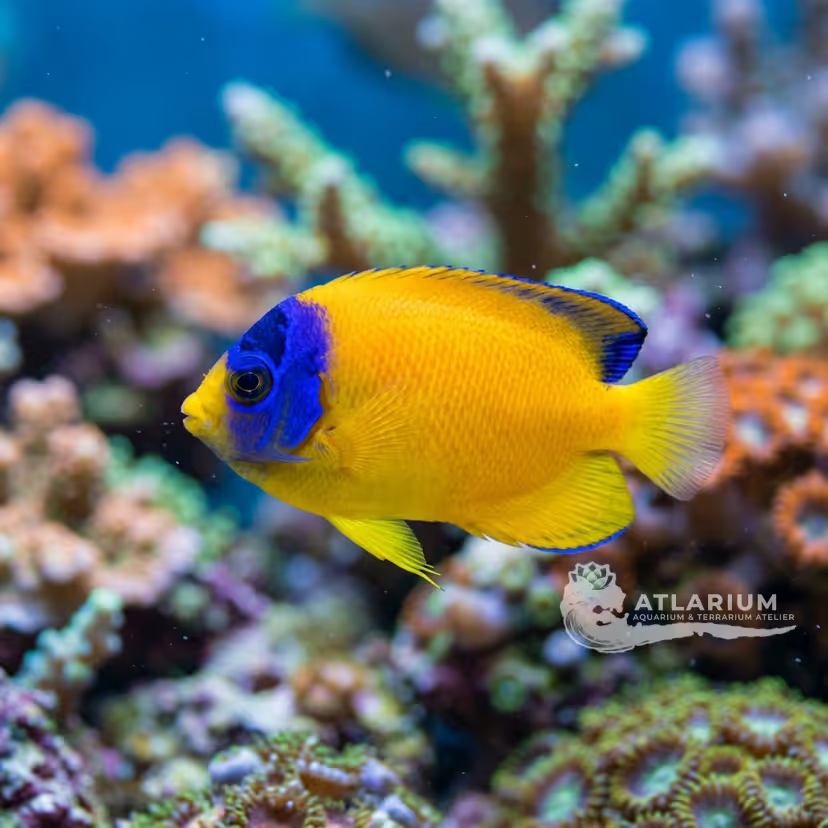
View details->
Purplemask angelfish

Purplemask angelfish

Centropyge venusta

View details->
Debelius' angelfish

Debelius' angelfish

Centropyge debelius

View details->
Fisher's Angelfish

Fisher's Angelfish

Centropyge fisheri
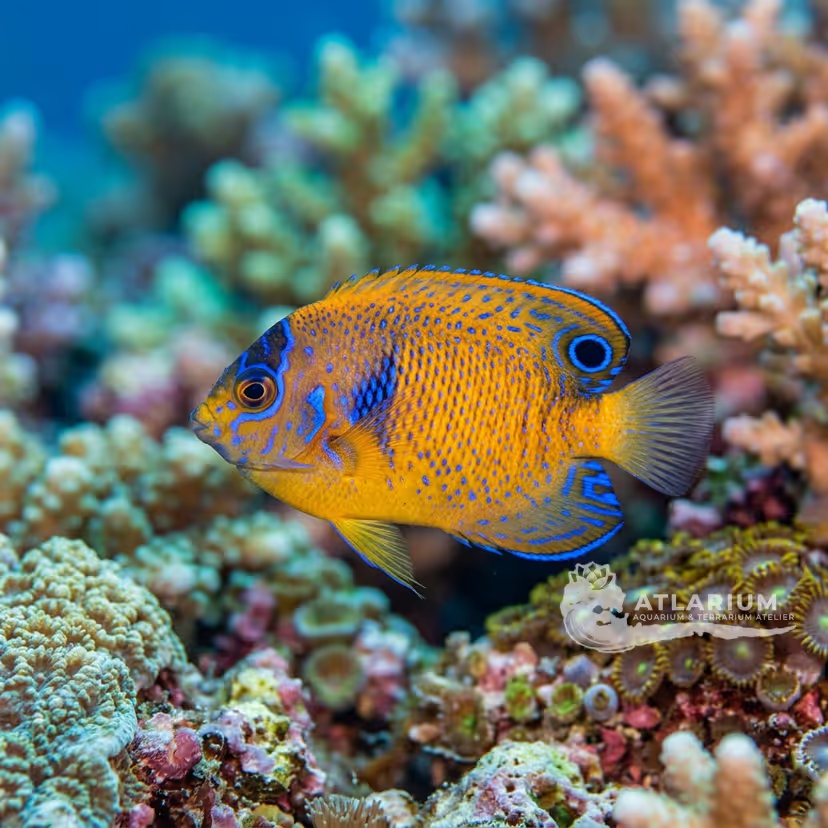
View details->
Japanese Pygmy Angelfish

Japanese Pygmy Angelfish

Centropyge interrupta
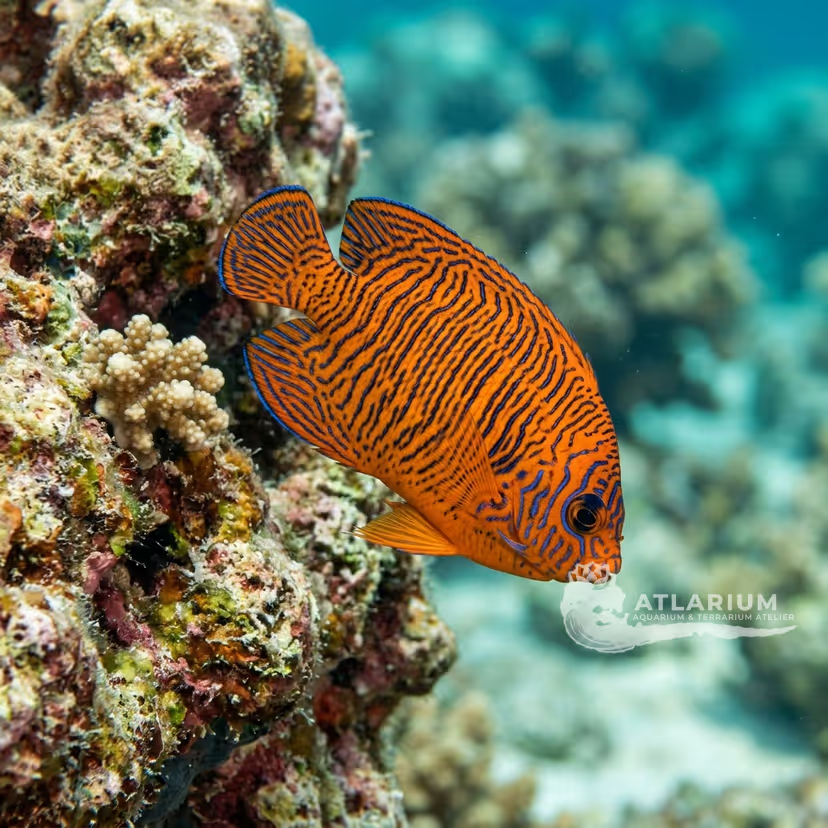
View details->
Potter's angelfish

Potter's angelfish

Centropyge potteri

View details->
Blackear Angelfish

Blackear Angelfish

Centropyge hotumatua

View details->
Eibli's Angelfish

Eibli's Angelfish

Centropyge eibli

View details->

Recommended companions

Compatible cards from coherent ecosystems with matching parameters.

Grape caulerpa
Plant

Grape caulerpa

Caulerpa racemosa

View details->
Caulerpa prolifera
Plant

Caulerpa prolifera

Caulerpa prolifera
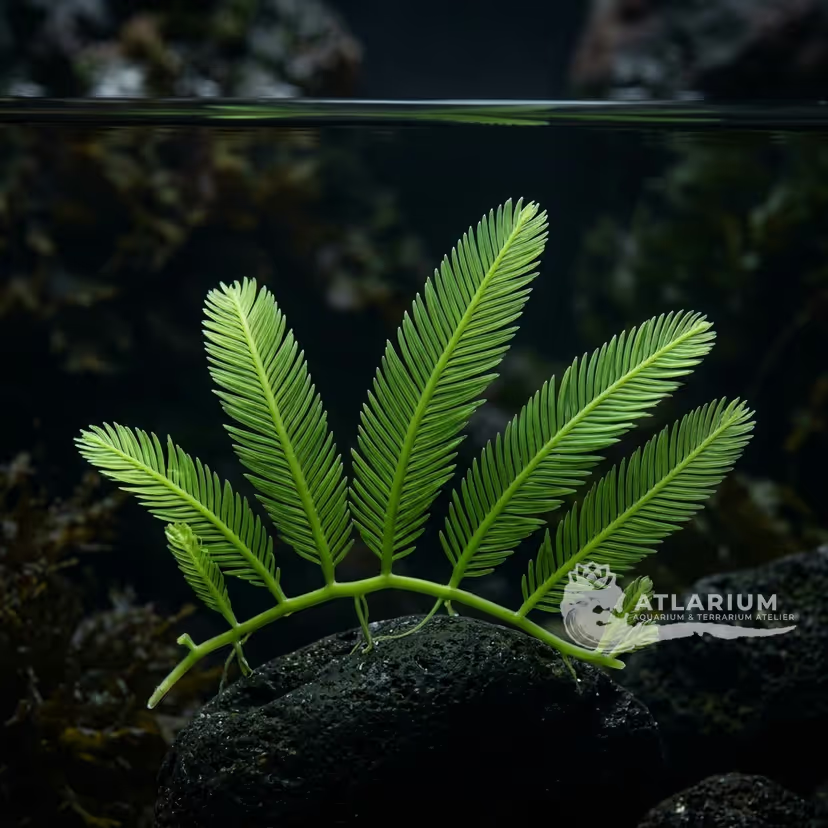
View details->
Caulerpa taxifolia
Plant

Caulerpa taxifolia

Caulerpa taxifolia
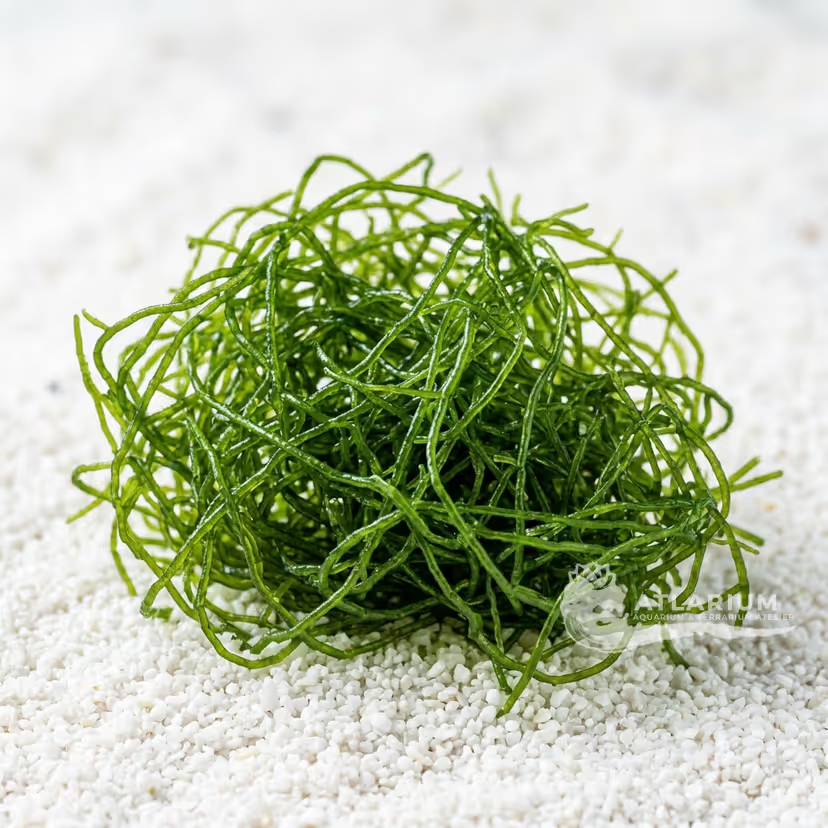
View details->
Chaetomorpha macroalgae
Plant

Chaetomorpha macroalgae

Chaetomorpha linum

View details->
Dead man fingers algae
Plant

Dead man fingers algae

Codium fragile

View details->
Halimeda macroalgae
Plant

Halimeda macroalgae

Halimeda opuntia

View details->
Peacock tail algae
Plant

Peacock tail algae

Padina pavonica

View details->
Red gracilaria
Plant

Red gracilaria

Gracilaria parvispora

View details->
Red grape algae
Plant

Red grape algae

Botryocladia uvaria

View details->
Sea lettuce
Plant

Sea lettuce

Ulva lactuca

View details->
Red Mangrove
Plant

Red Mangrove

Rhizophora mangle

View details->

Similar care

Cards with similar requirements, difficulty, habitat, and husbandry profile.
Midnight angelfish

Midnight angelfish

Centropyge nox

View details->
Barred Angelfish

Barred Angelfish

Paracentropyge multifasciata

View details->
Blackspot Pygmy Angelfish

Blackspot Pygmy Angelfish

Centropyge nigriocella

View details->
Half-black Angelfish

Half-black Angelfish

Centropyge vrolikii
View details->
Herald's angelfish

Herald's angelfish

Centropyge heraldi
View details->
Resplendent Angelfish

Resplendent Angelfish

Centropyge resplendens
View details->
Rusty angelfish

Rusty angelfish

Centropyge ferrugata

View details->
Lemonpeel angelfish

Lemonpeel angelfish

Centropyge flavissima
View details->
Golden angelfish

Golden angelfish

Centropyge aurantia

View details->
Woodhead's Angelfish

Woodhead's Angelfish

Centropyge woodheadi

View details->
Cocos Pygmy Angelfish

Cocos Pygmy Angelfish

Centropyge cocosensis

View details->
Blackspot Angelfish

Blackspot Angelfish

Genicanthus melanospilos

View details->
Keyhole angelfish

Keyhole angelfish

Centropyge tibicen

View details->
Lamarck's angelfish

Lamarck's angelfish

Genicanthus lamarck

View details->
Ornate Angelfish

Ornate Angelfish

Genicanthus bellus

View details->
Abe's Angelfish

Abe's Angelfish

Centropyge abei

View details->
Last updated: 06/30/2026
African flameback angelfish (Centropyge acanthops) Care Guide & Tank Setup | Atlarium