

Encyclopaedia
Colin's Angelfish
Centropyge colini
Colin's Angelfish is a rare, delicate deep-water pygmy angelfish. Prefers subdued lighting and heavily structured rockwork with dark caves, feeding primarily on sponges and algae.
Share
Check out Colin's Angelfish on Atlarium
21 - 25 °C
8.1 - 8.4
Marine
Bottom
9 cm
>= 150 L
>= 1
15 - 25 dGH
8 - 12 dKH
Species description
Care, breeding and tankmates
Geographic Origin and Distribution
Origin
Fish profile
- Temperament
- Territorial
- Diet
- Omnivore
- Sex ratio
- Harem
- Feeding frequency
- THREE_FOUR_DAILY
- Bioload
- Low
- Flow
- Strong
- Jump risk
- Yes
- Reproduction
- Oviparous
- Compatibility & tankmates
- With caution
- Tank level
- Bottom
Window to the official scientific data of the species
Scientific Parameters & Models
- Trophic level
- 2.8 ± 0.3 se
- Resilience
- High (less than 15 months)
- Phylogenetic uniqueness (PD50)
- 0.5
- Bayesian Length-Weight
- a = 0.0302, b = 2.89
Image gallery
Licensed images linked to the species or, when marked, to the closest representative taxon.
Related species
Recommendations grouped by close relatives, companion choices, and similar care.
Variants and close relatives
Same atlas type, nearby scientific identity, genus, or family.

Fisher's Angelfish
Centropyge fisheri
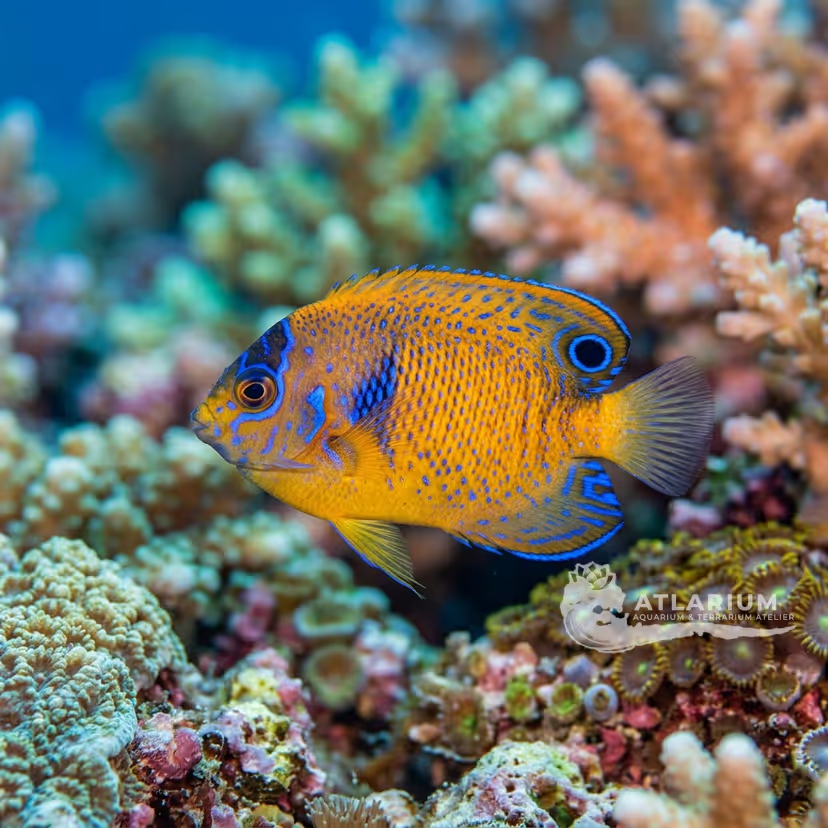
Japanese Pygmy Angelfish
Centropyge interrupta

Blackear Angelfish
Centropyge hotumatua
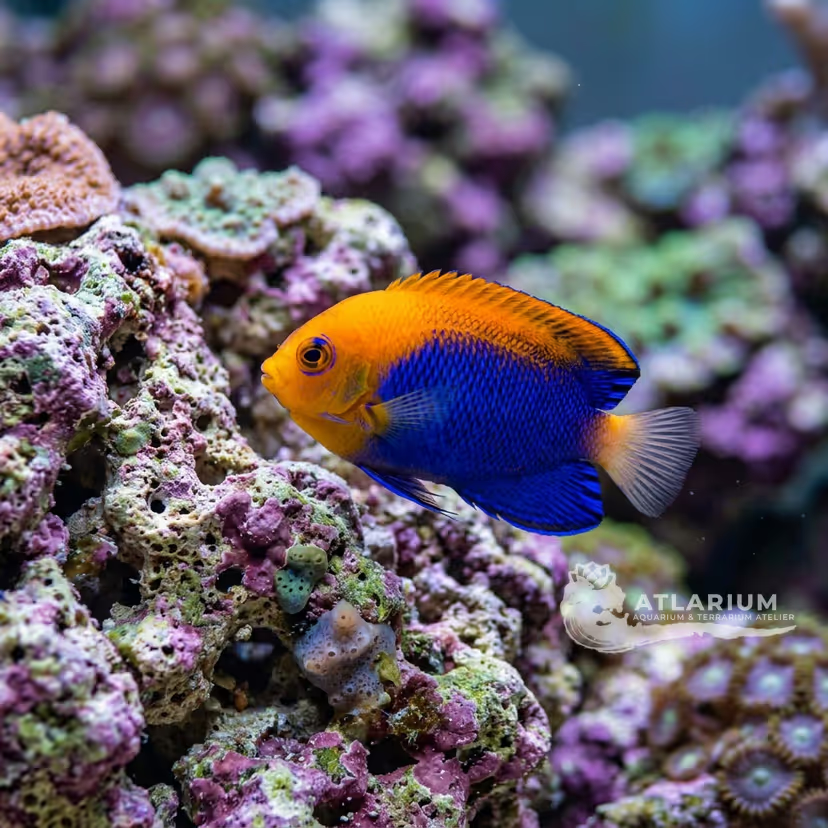
Resplendent Angelfish
Centropyge resplendens
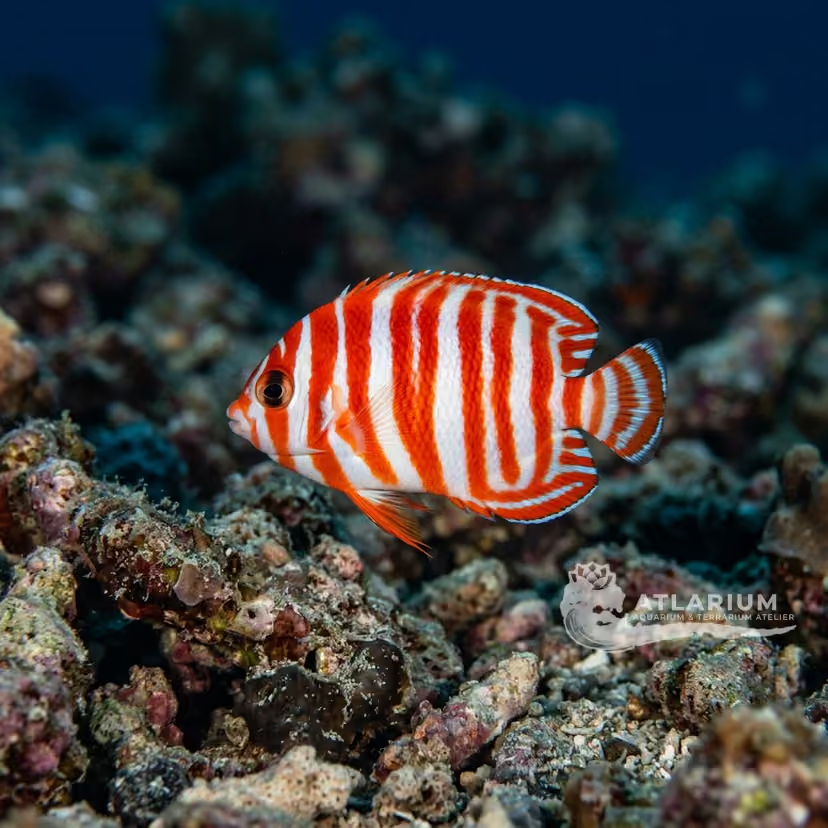
Peppermint Angelfish
Centropyge boylei
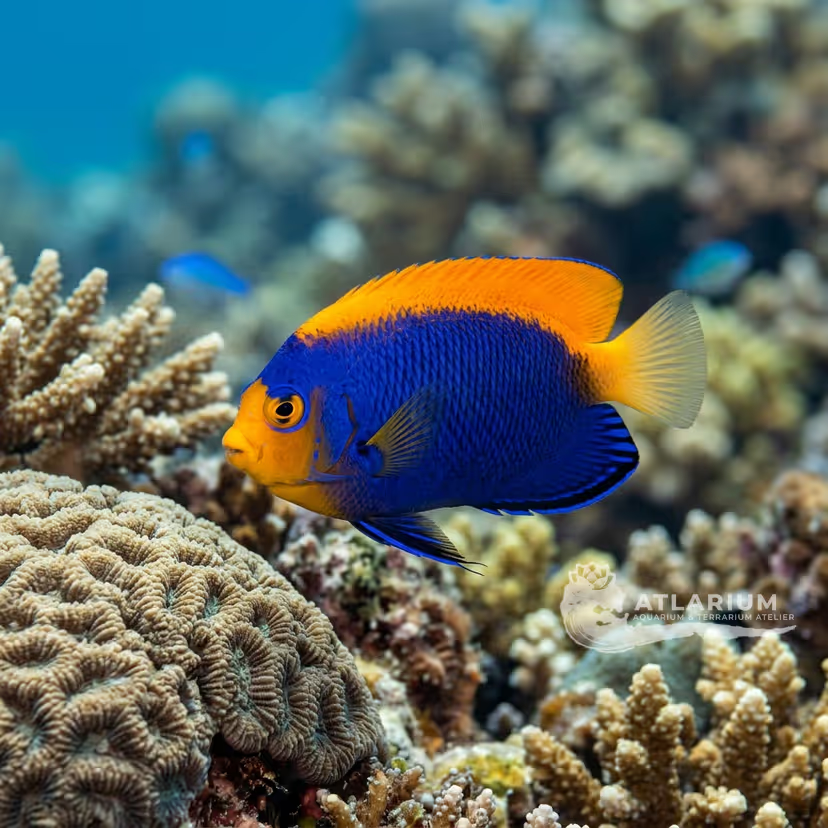
African flameback angelfish
Centropyge acanthops

Flameback Angelfish
Centropyge aurantonotus

Joculator Angelfish
Centropyge joculator

Yellowfin Angelfish
Centropyge flavipectoralis

Debelius' angelfish
Centropyge debelius
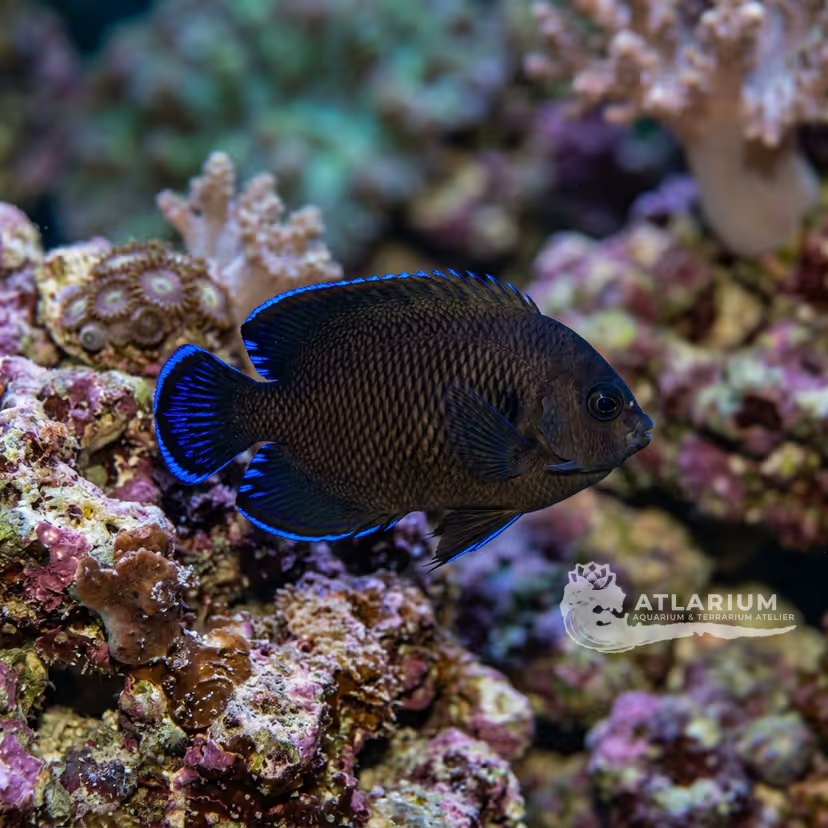
Dusky Angelfish
Centropyge multispinis
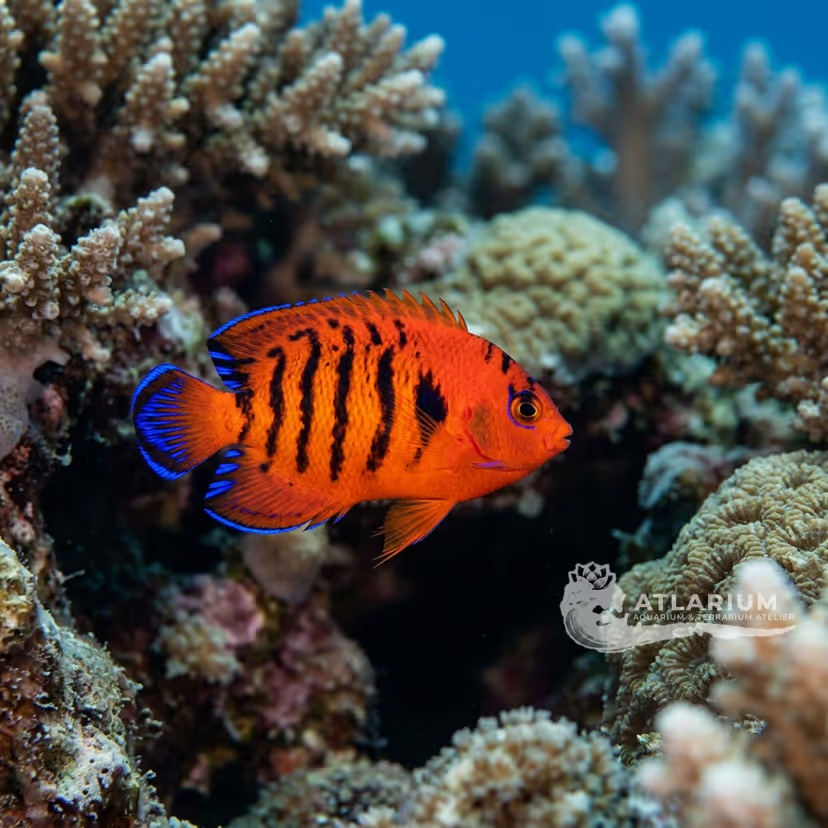
Shepard's angelfish
Centropyge shepardi
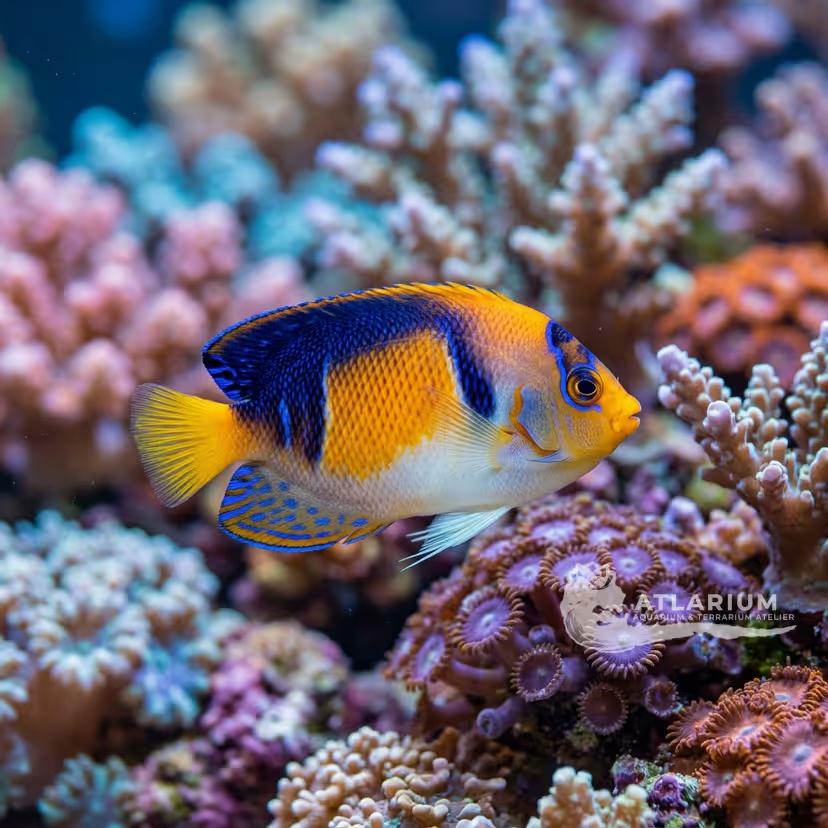
Multicolor Angelfish
Centropyge multicolor
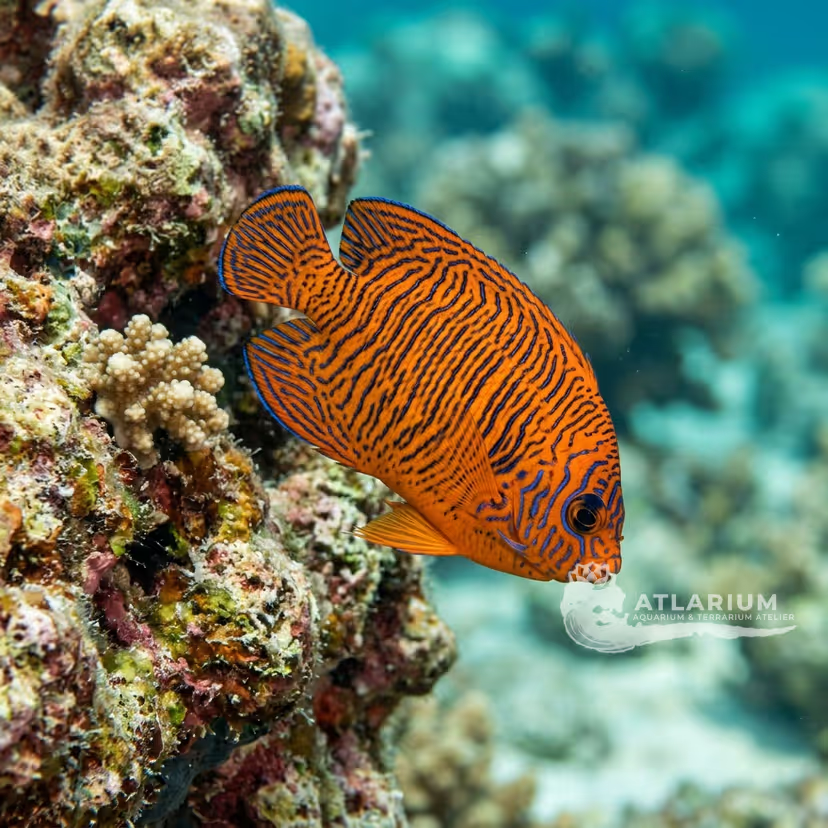
Potter's angelfish
Centropyge potteri

Eibli's Angelfish
Centropyge eibli

Half-black Angelfish
Centropyge vrolikii
Recommended companions
Compatible cards from coherent ecosystems with matching parameters.

Grape caulerpa
Caulerpa racemosa

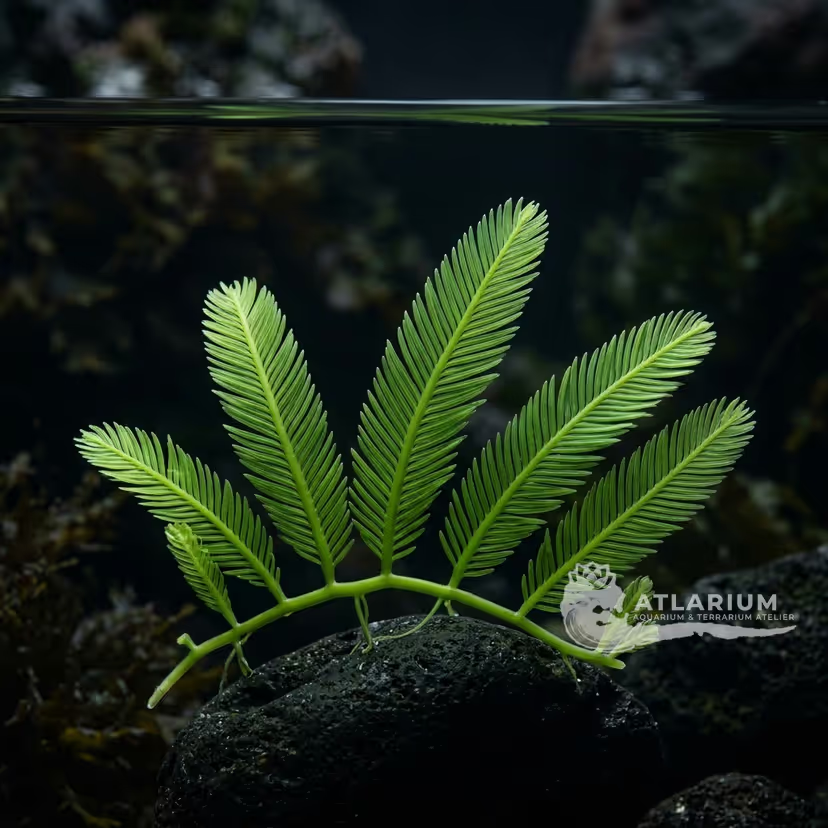
Caulerpa prolifera
Caulerpa prolifera
Caulerpa taxifolia
Caulerpa taxifolia
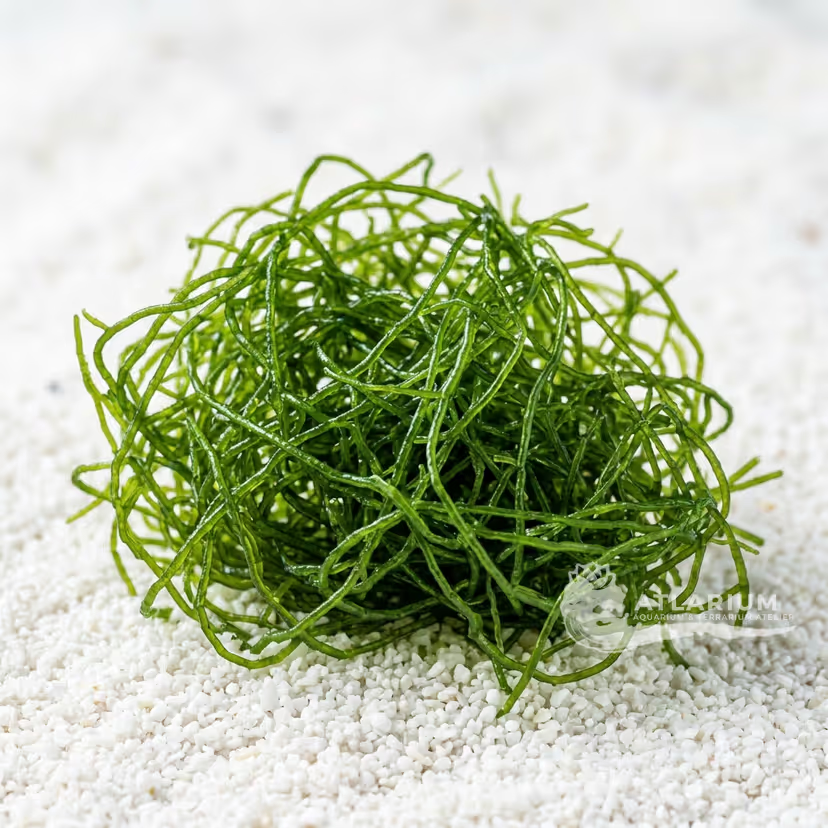
Chaetomorpha macroalgae
Chaetomorpha linum

Dead man fingers algae
Codium fragile

Halimeda macroalgae
Halimeda opuntia

Peacock tail algae
Padina pavonica

Red gracilaria
Gracilaria parvispora

Red grape algae
Botryocladia uvaria

Sea lettuce
Ulva lactuca

Red Mangrove
Rhizophora mangle
Similar care
Cards with similar requirements, difficulty, habitat, and husbandry profile.

Barred Angelfish
Paracentropyge multifasciata

Blackspot Pygmy Angelfish
Centropyge nigriocella
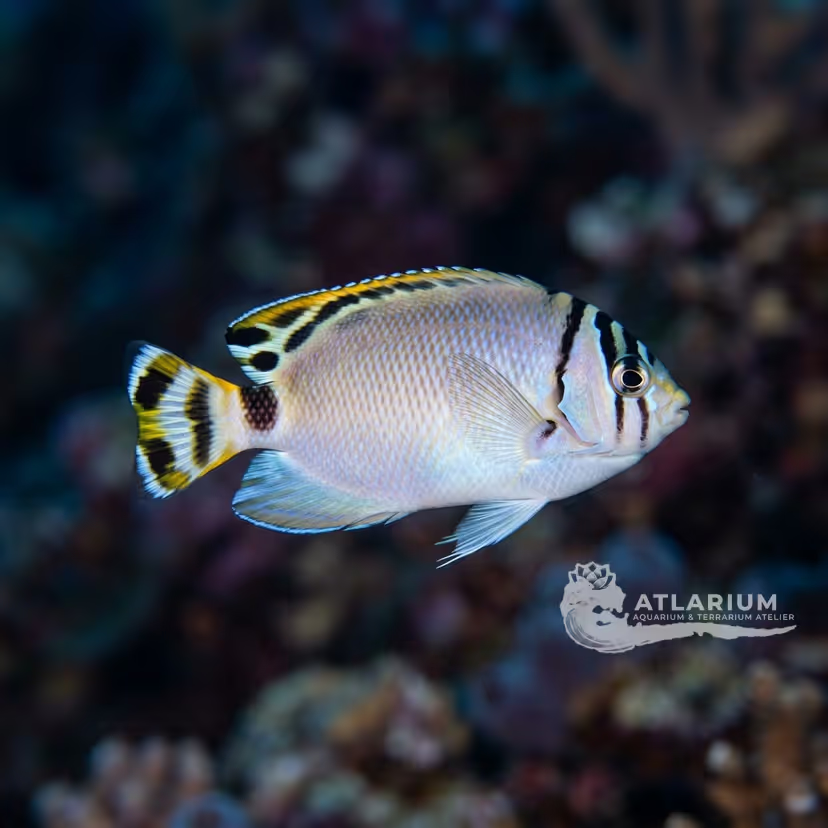
Watanabe's Angelfish
Genicanthus watanabei
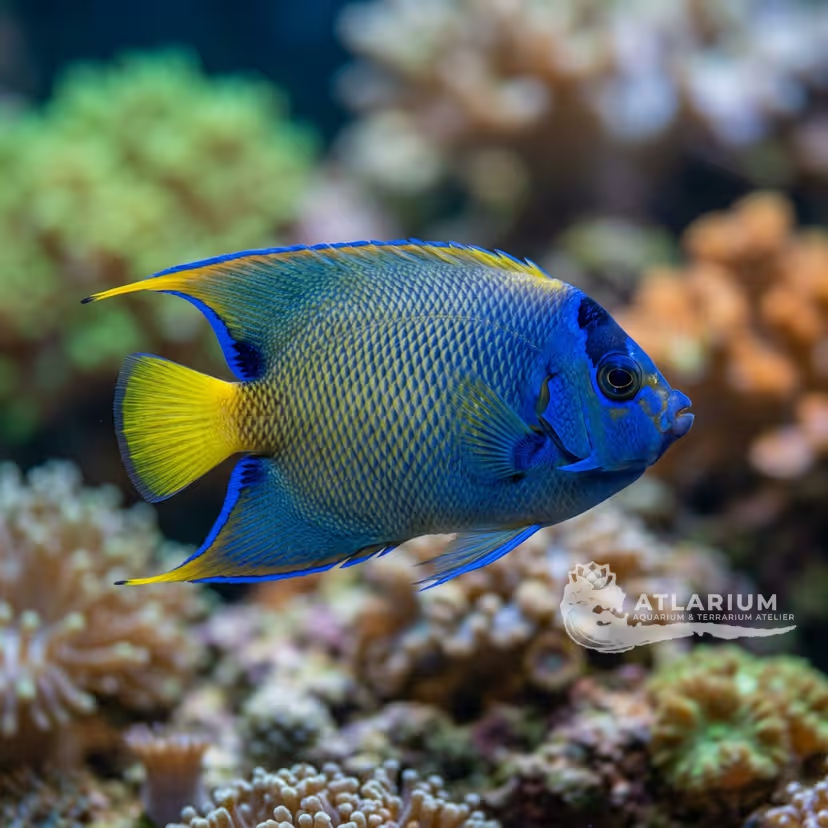
Blue Angelfish
Holacanthus bermudensis

Clarion Angelfish
Holacanthus clarionensis

Debora's Pygmy Angelfish
Centropyge deborae
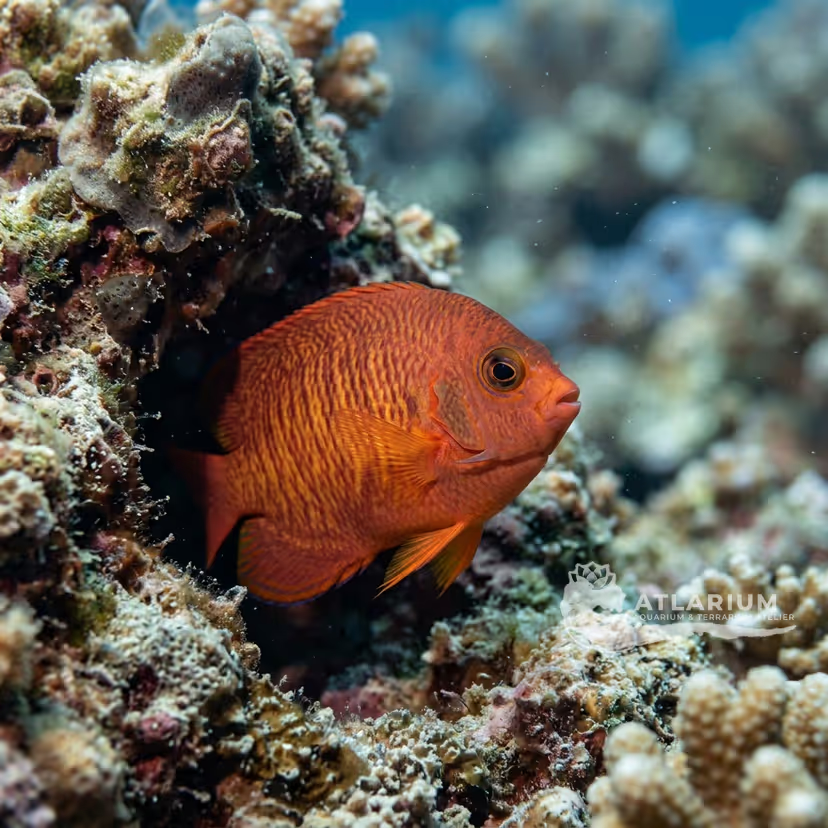
Golden angelfish
Centropyge aurantia

Narc Angelfish
Centropyge narcosis

Passer Angelfish
Holacanthus passer
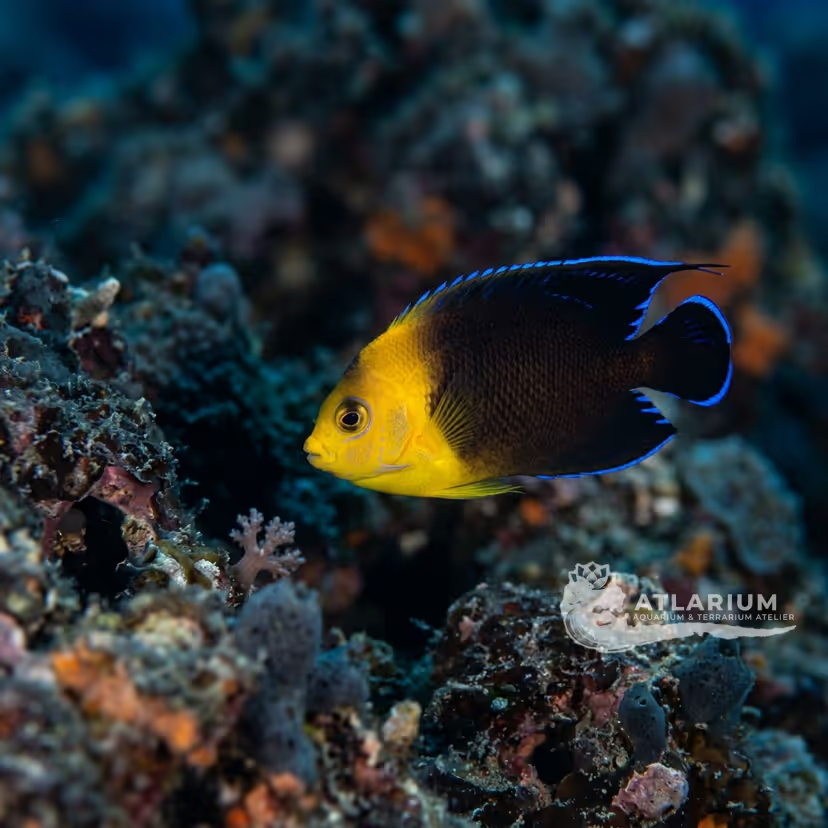
Nahacky's Angelfish
Centropyge nahackyi
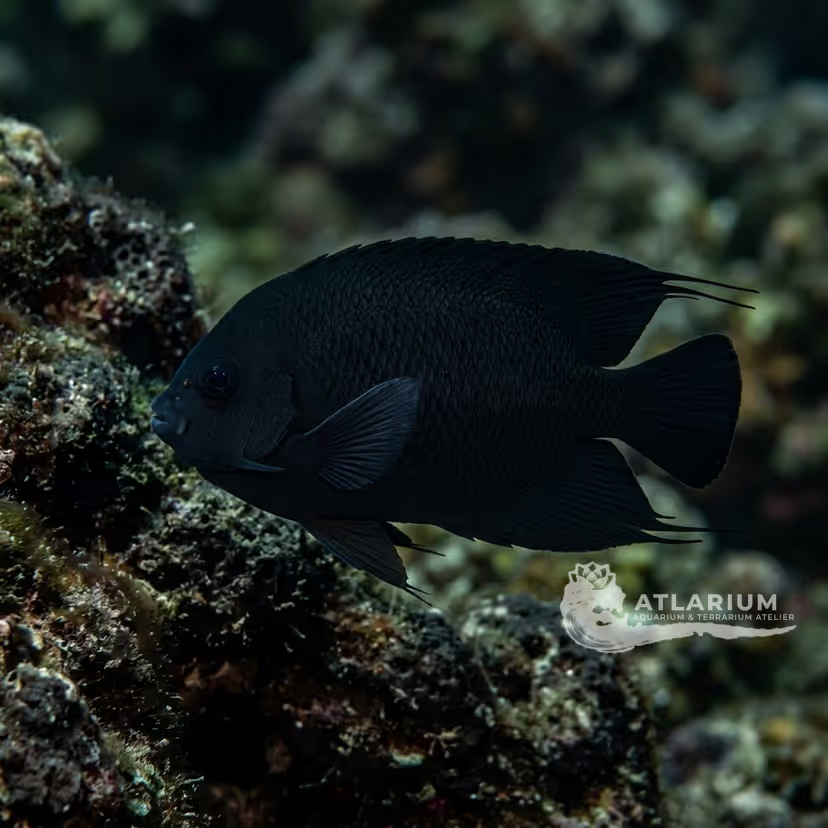
Midnight angelfish
Centropyge nox
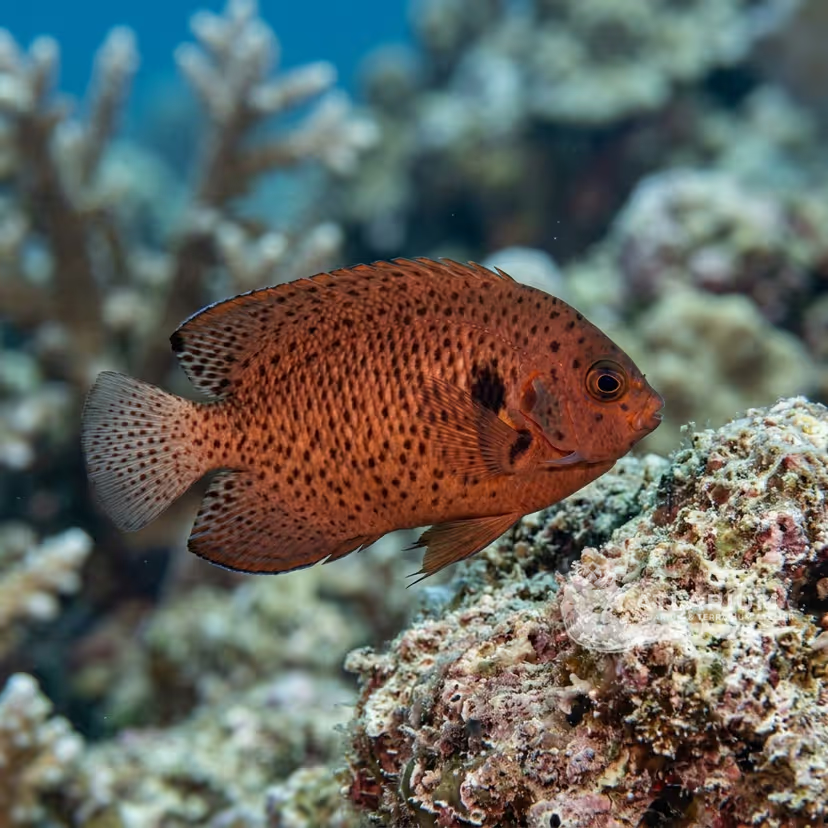
Rusty angelfish
Centropyge ferrugata

Banded-head Shrimpgoby
Amblyeleotris cephalotaenius
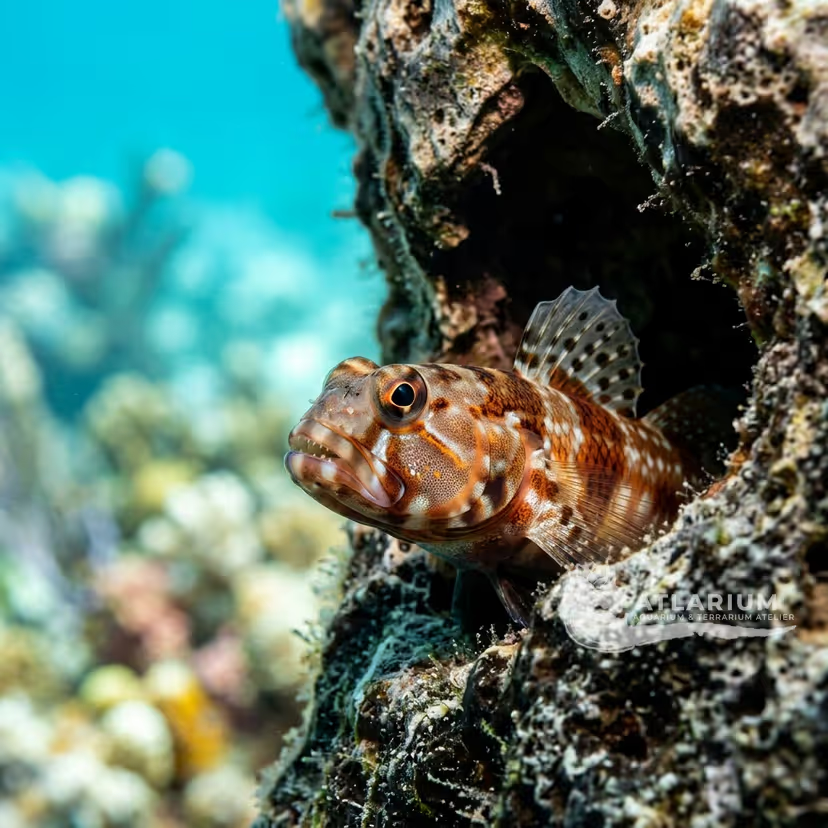
Ellipse shrimpgoby
Amblyeleotris ellipse
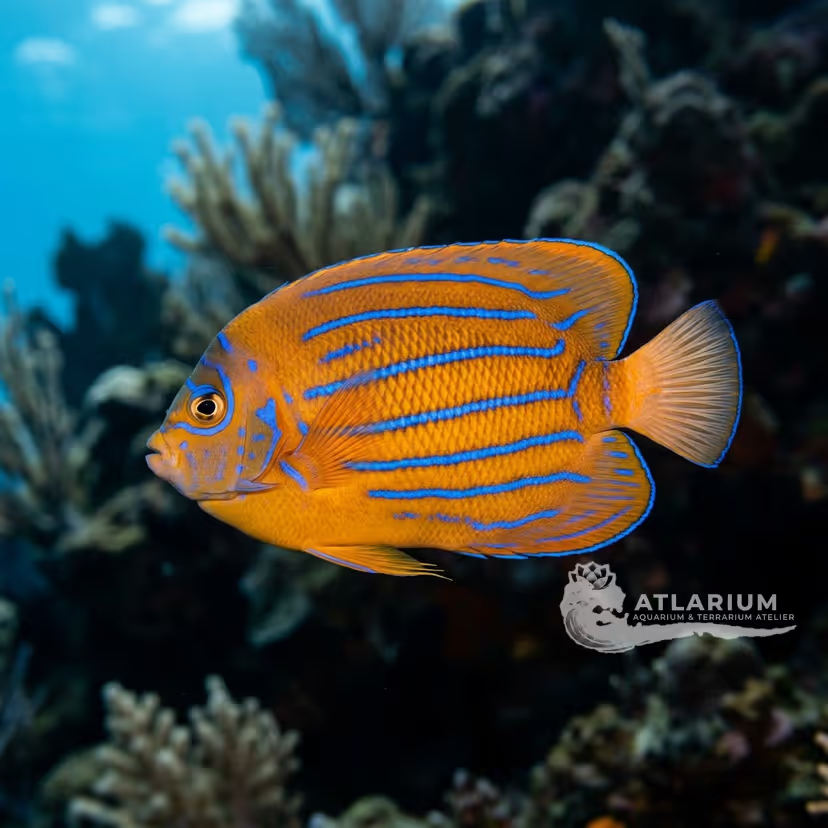
Bluestriped Angelfish
Chaetodontoplus septentrionalis
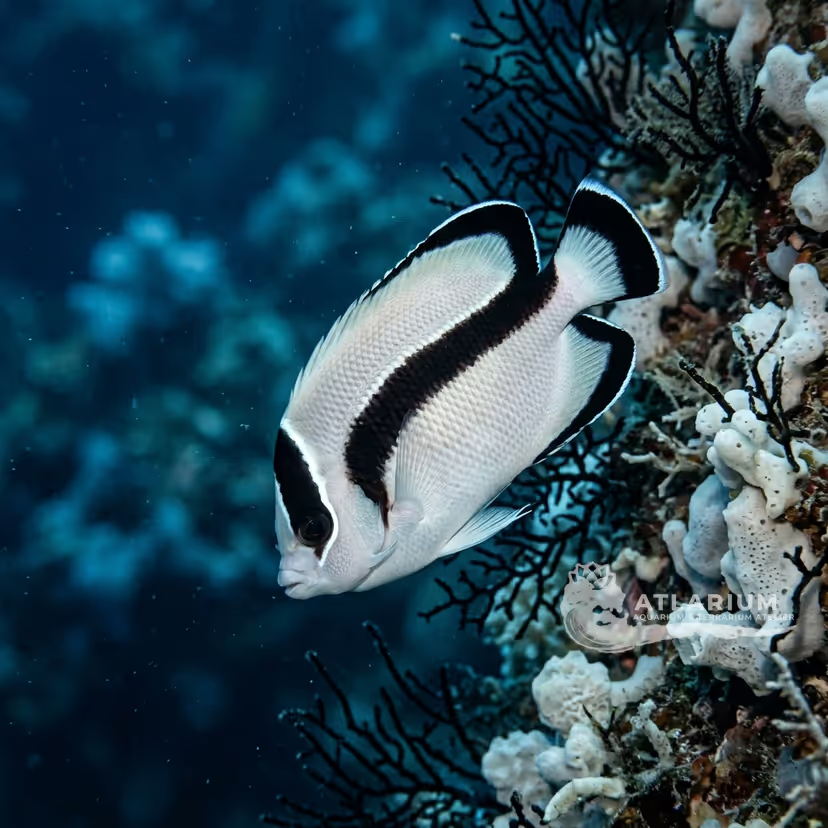
Bandit Angelfish
Apolemichthys arcuatus