

Encyclopaedia
Passer Angelfish
Holacanthus passer
The Passer Angelfish is a massive, aggressive species from the Eastern Pacific. It demands an enormous aquarium with stable, massive live rock structures, providing both large caves and open spaces.
Share
Check out Passer Angelfish on Atlarium
22 - 25 °C
8.1 - 8.4
Marine
All levels
35 cm
>= 750 L
>= 1
8 - 12 dKH
Species description
Care, breeding and tankmates
Geographic Origin and Distribution
Origin
Fish profile
- Temperament
- Aggressive
- Diet
- Omnivore
- Sex ratio
- Group
- Feeding frequency
- Twice daily
- Bioload
- Large marine angelfish produce a significant bioload due to their substantial adult size and active metabolism. They require powerful, oversized protein skimmers and robust biological filtration to maintain pristine water conditions. Frequent water changes are necessary to keep nitrate levels as close to zero as possible. Poor water quality will rapidly lead to stress, disease, and loss of their vibrant coloration.
- Flow
- Strong
- Jump risk
- No
- Reproduction
- Rare / not documented
- Compatibility & tankmates
- Territorial
- Tank level
- All levels
Window to the official scientific data of the species
Scientific Parameters & Models
- Trophic level
- 2.6 ± 0.33 se
- Resilience
- Low (4.5 - 14 years)
- Generation time
- 8.7 years
- Phylogenetic uniqueness (PD50)
- 0.5078
- Bayesian Length-Weight
- a = 0.02818, b = 2.92
Image gallery
Licensed images linked to the species or, when marked, to the closest representative taxon.
Related species
Recommendations grouped by close relatives, companion choices, and similar care.
Variants and close relatives
Same atlas type, nearby scientific identity, genus, or family.

Clarion Angelfish
Holacanthus clarionensis

Limbaugh's angelfish
Holacanthus limbaughi
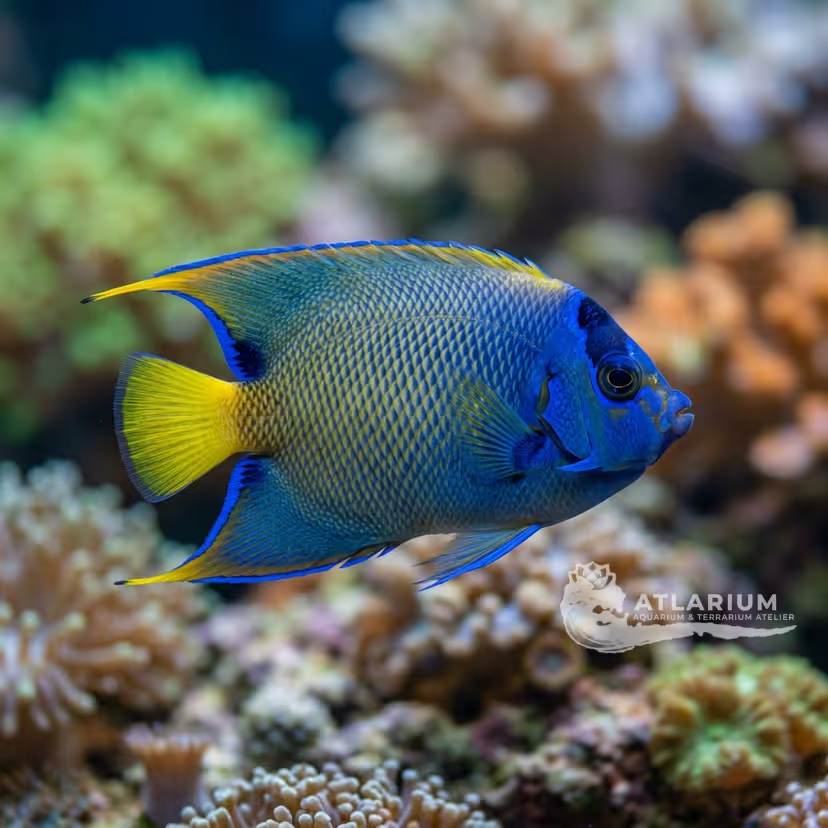
Blue Angelfish
Holacanthus bermudensis

Rock Beauty Angelfish
Holacanthus tricolor

Queen Angelfish
Holacanthus ciliaris
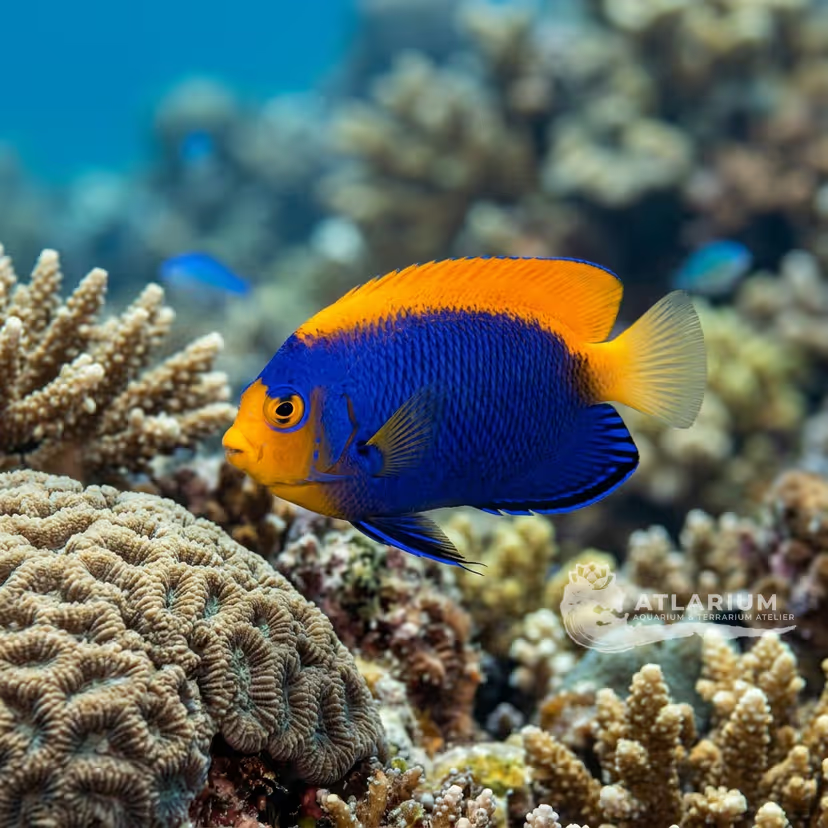
African flameback angelfish
Centropyge acanthops

Barred Angelfish
Paracentropyge multifasciata

Blackspot Angelfish
Genicanthus melanospilos

Colin's Angelfish
Centropyge colini

Flameback Angelfish
Centropyge aurantonotus

Joculator Angelfish
Centropyge joculator
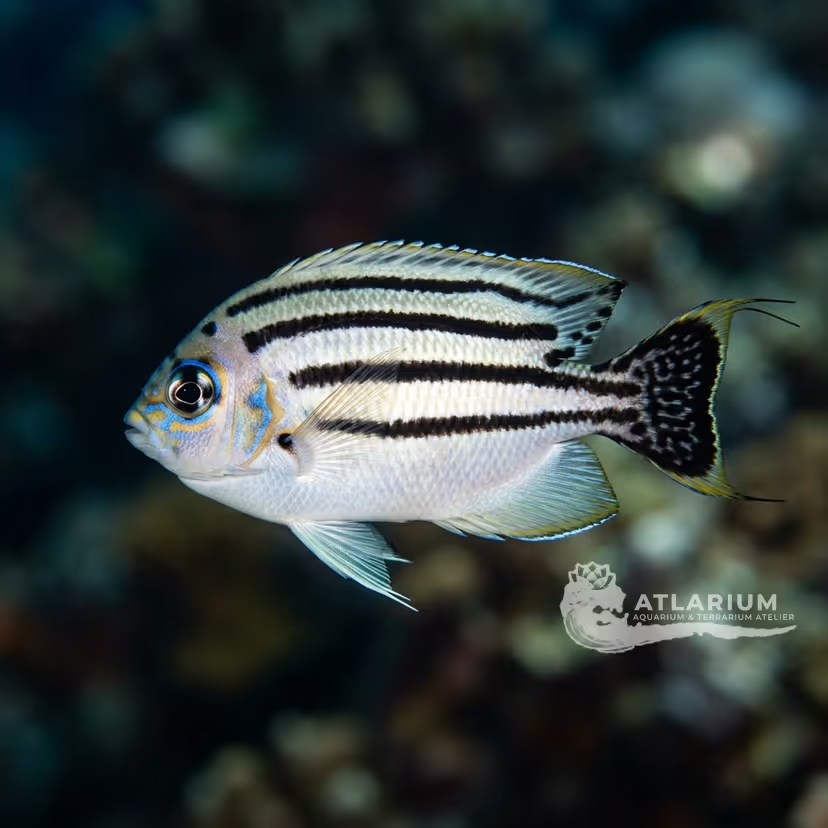
Lamarck's angelfish
Genicanthus lamarck

Ornate Angelfish
Genicanthus bellus
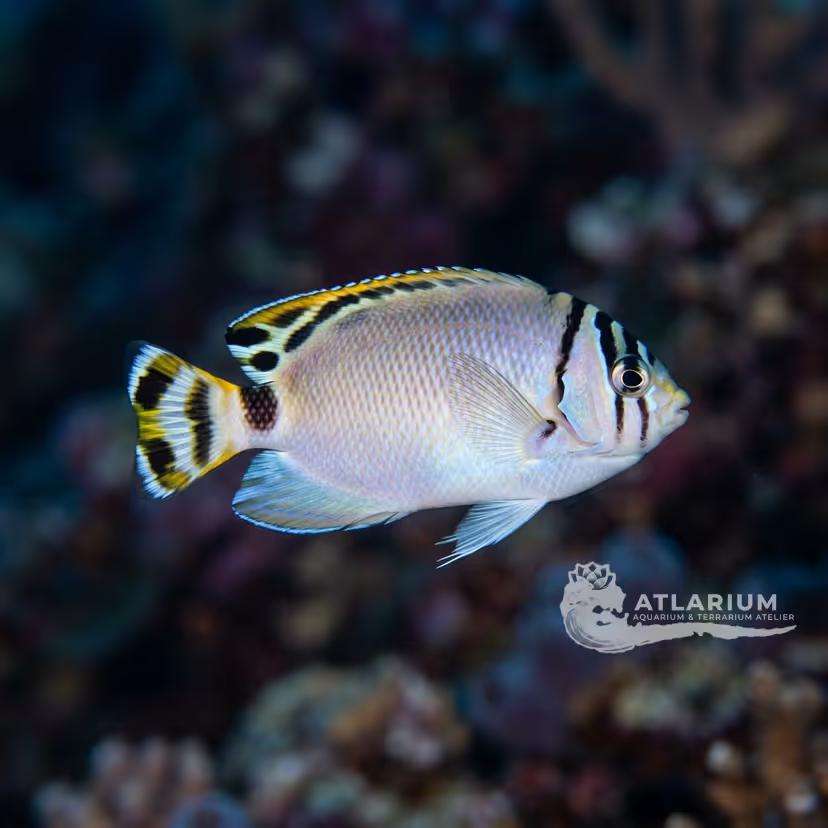
Watanabe's Angelfish
Genicanthus watanabei

Yellowfin Angelfish
Centropyge flavipectoralis

Zebra angelfish
Genicanthus caudovittatus
Recommended companions
Compatible cards from coherent ecosystems with matching parameters.

Grape caulerpa
Caulerpa racemosa

Caulerpa prolifera
Caulerpa prolifera
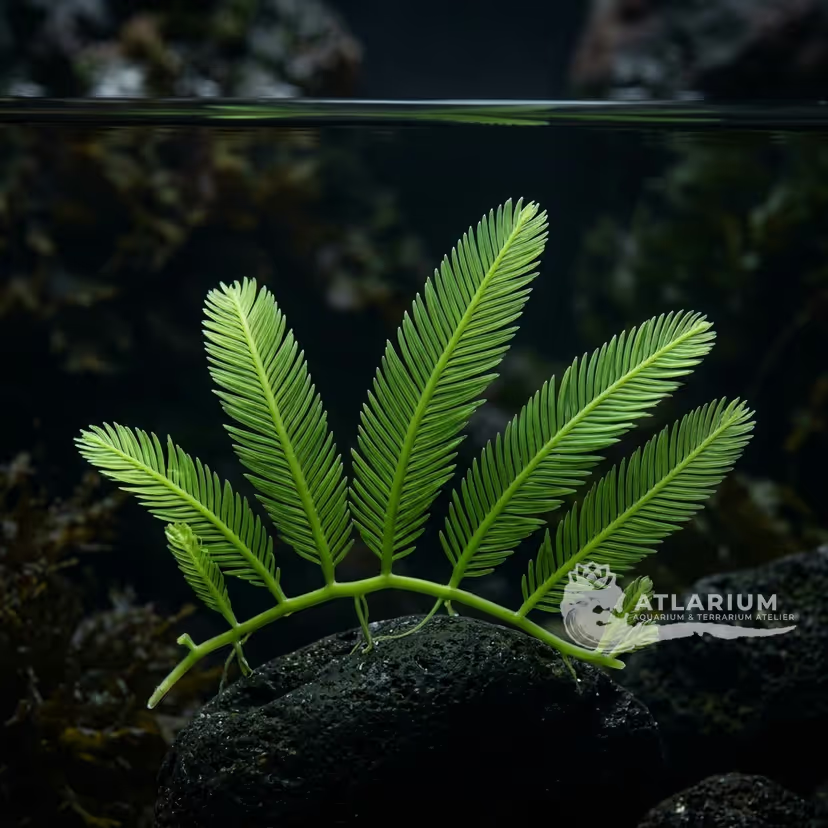
Caulerpa taxifolia
Caulerpa taxifolia
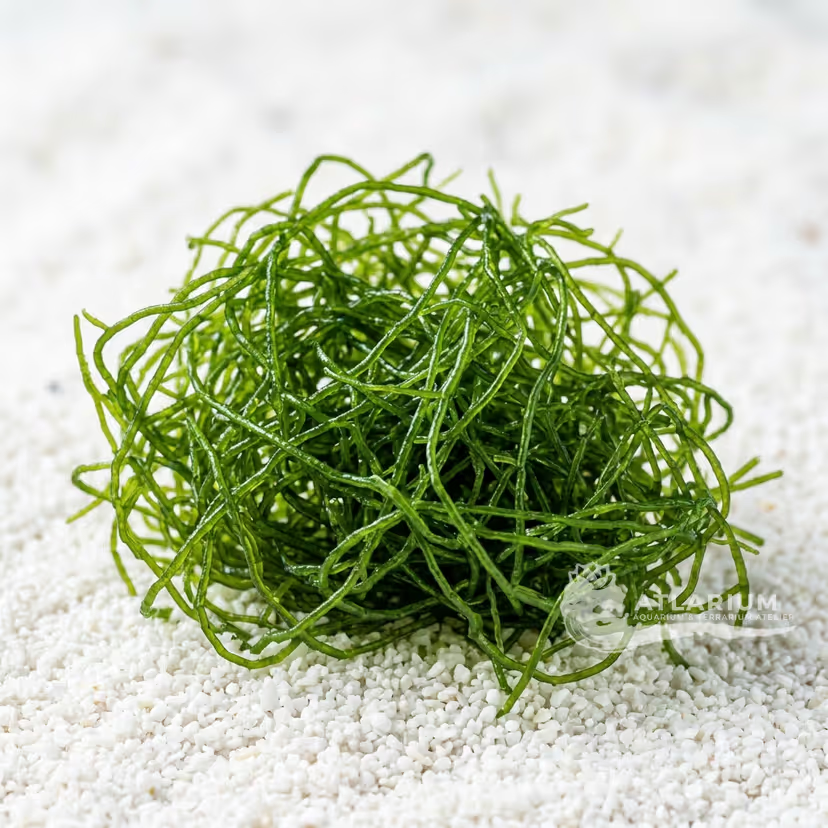
Chaetomorpha macroalgae
Chaetomorpha linum

Dead man fingers algae
Codium fragile

Halimeda macroalgae
Halimeda opuntia

Peacock tail algae
Padina pavonica

Red gracilaria
Gracilaria parvispora

Red grape algae
Botryocladia uvaria

Sea lettuce
Ulva lactuca

Red Mangrove
Rhizophora mangle
Similar care
Cards with similar requirements, difficulty, habitat, and husbandry profile.
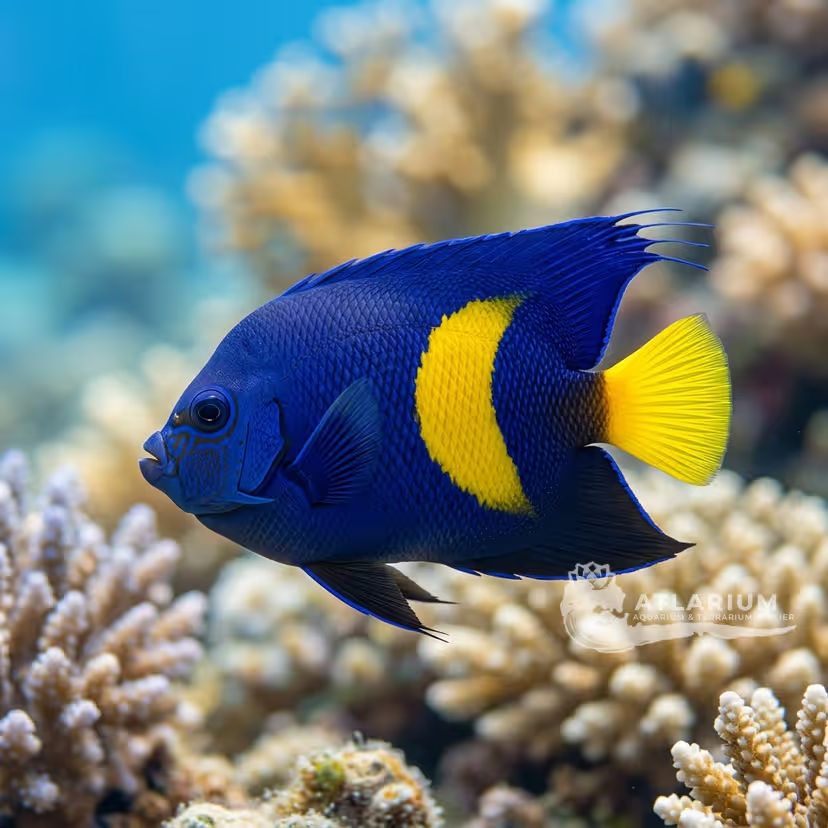
Asfur angelfish
Pomacanthus asfur
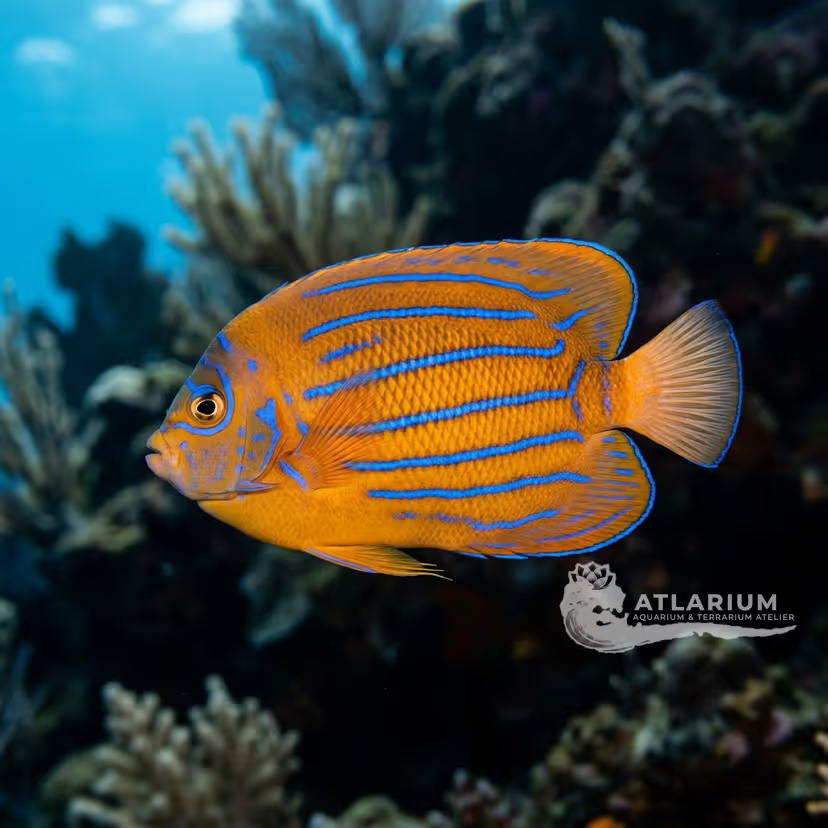
Bluestriped Angelfish
Chaetodontoplus septentrionalis
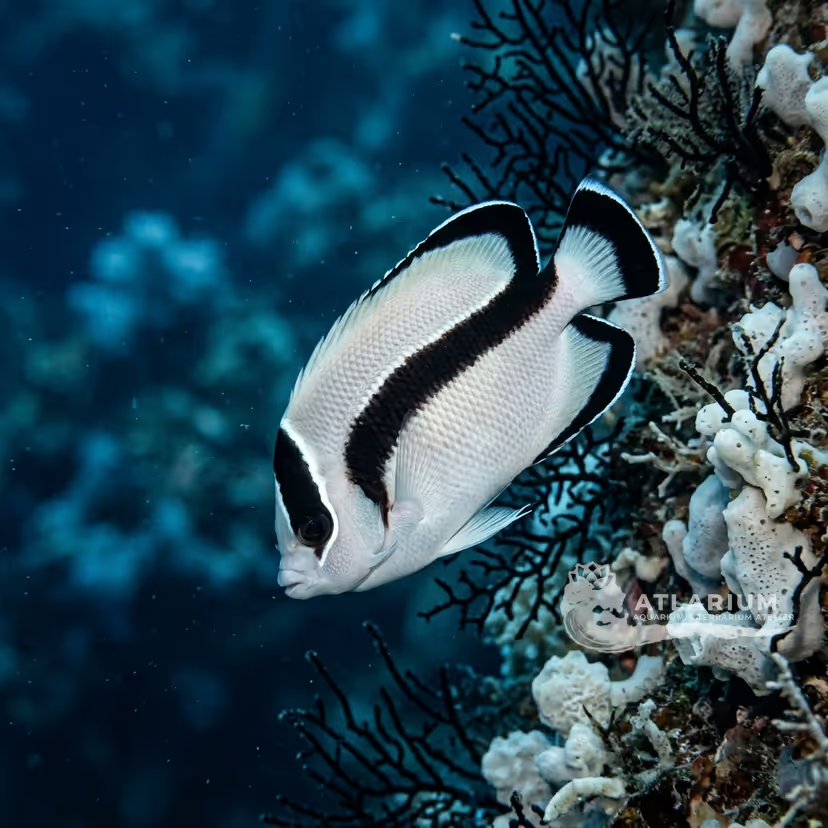
Bandit Angelfish
Apolemichthys arcuatus
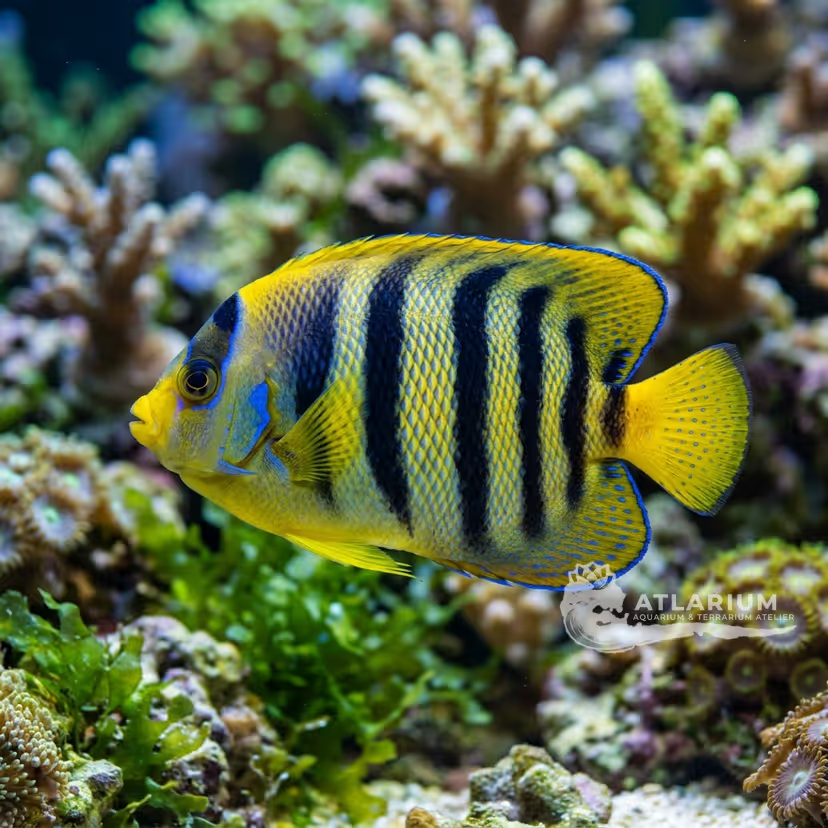
Sixbar Angelfish
Pomacanthus sexstriatus

Goldspotted Angelfish
Apolemichthys

Three-spot Angelfish
Apolemichthys trimaculatus

Conspicuous Angelfish
Chaetodontoplus conspicillatus

Debelius' angelfish
Centropyge debelius

Gray Angelfish
Pomacanthus arcuatus
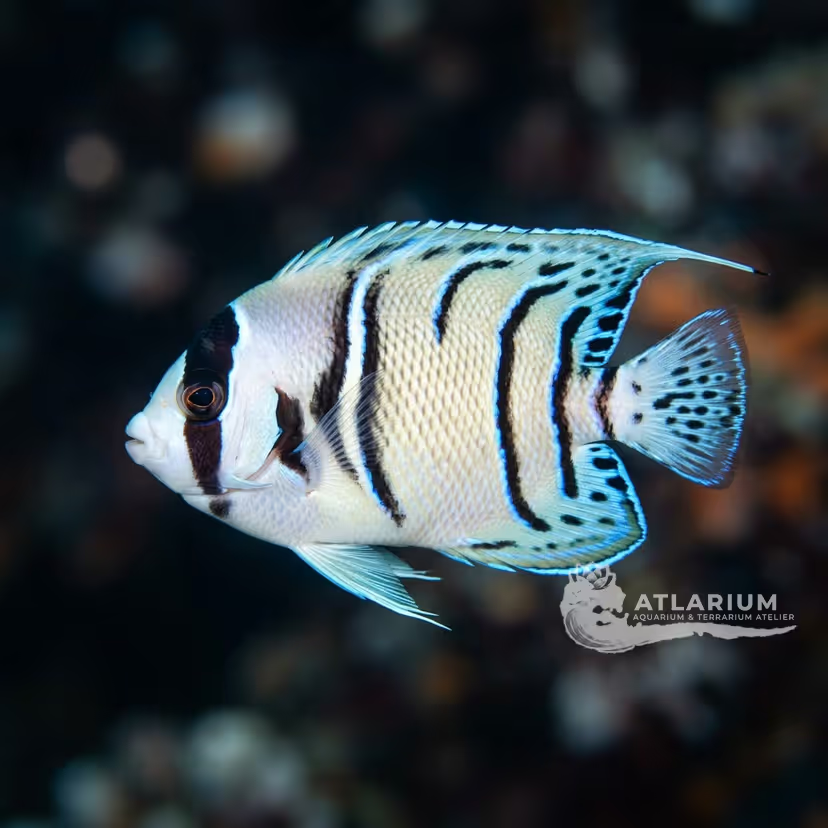
Masked Angelfish
Genicanthus personatus
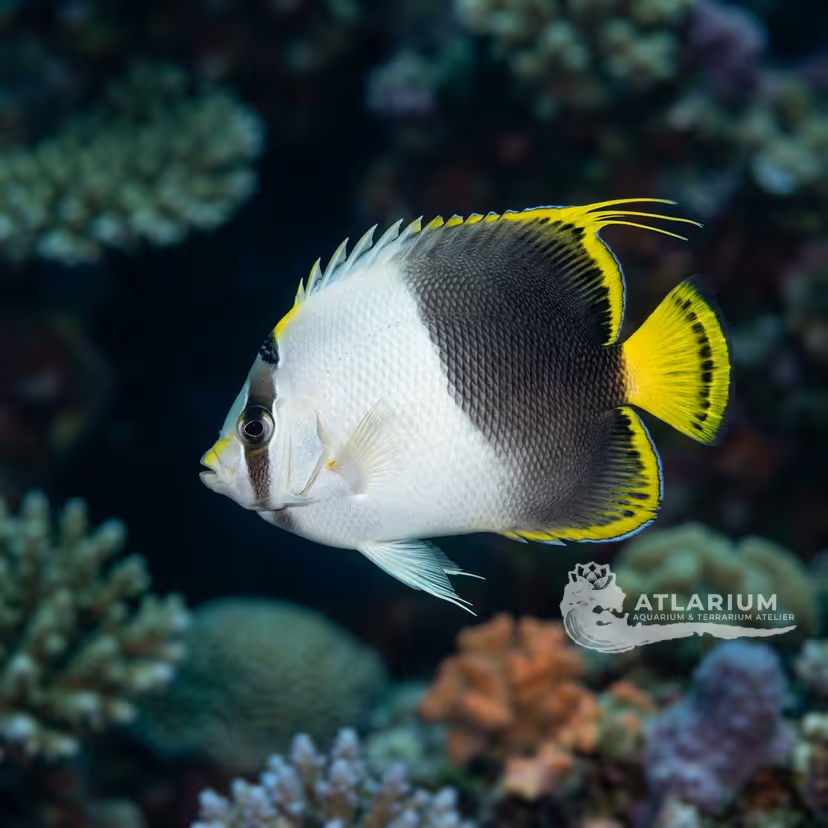
Singapore Angelfish
Chaetodontoplus mesoleucus
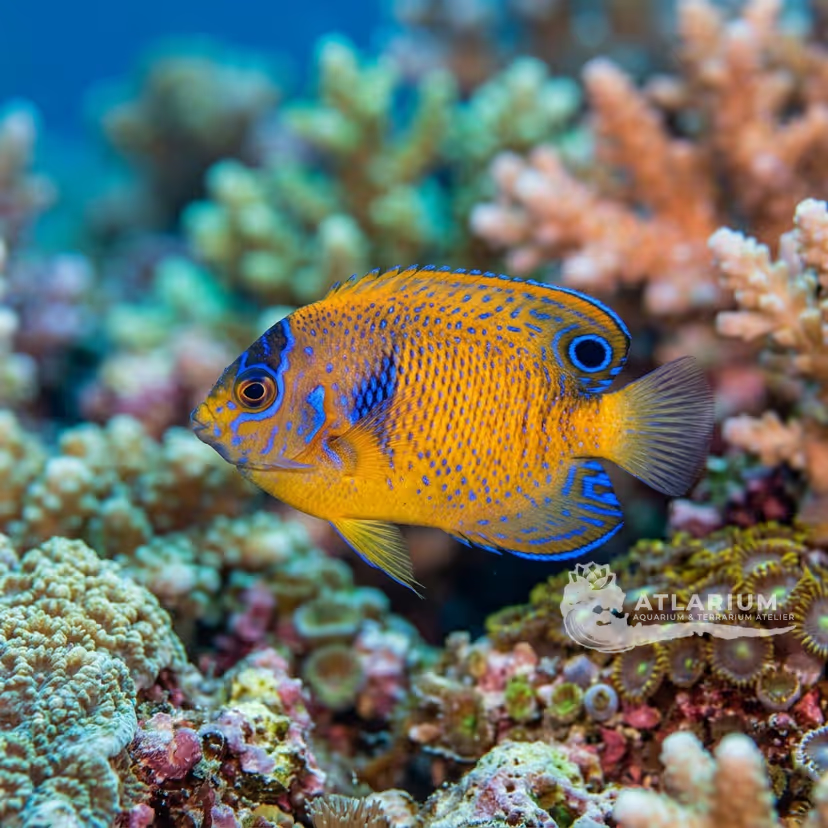
Japanese Pygmy Angelfish
Centropyge interrupta

Japanese swallowtail angelfish
Genicanthus semifasciatus

Blackear Angelfish
Centropyge hotumatua
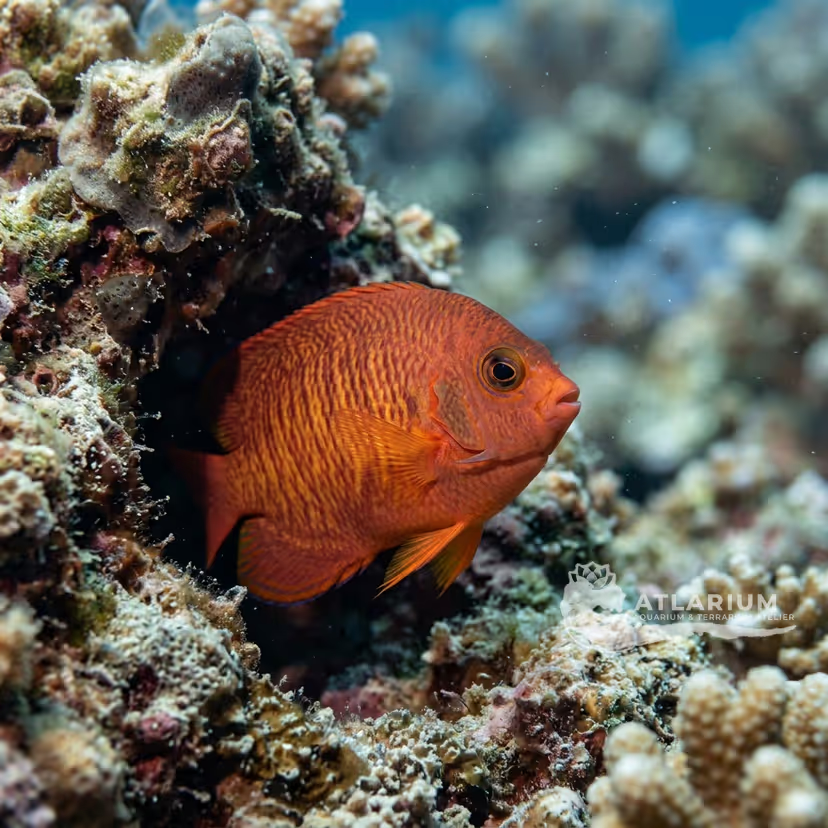
Golden angelfish
Centropyge aurantia
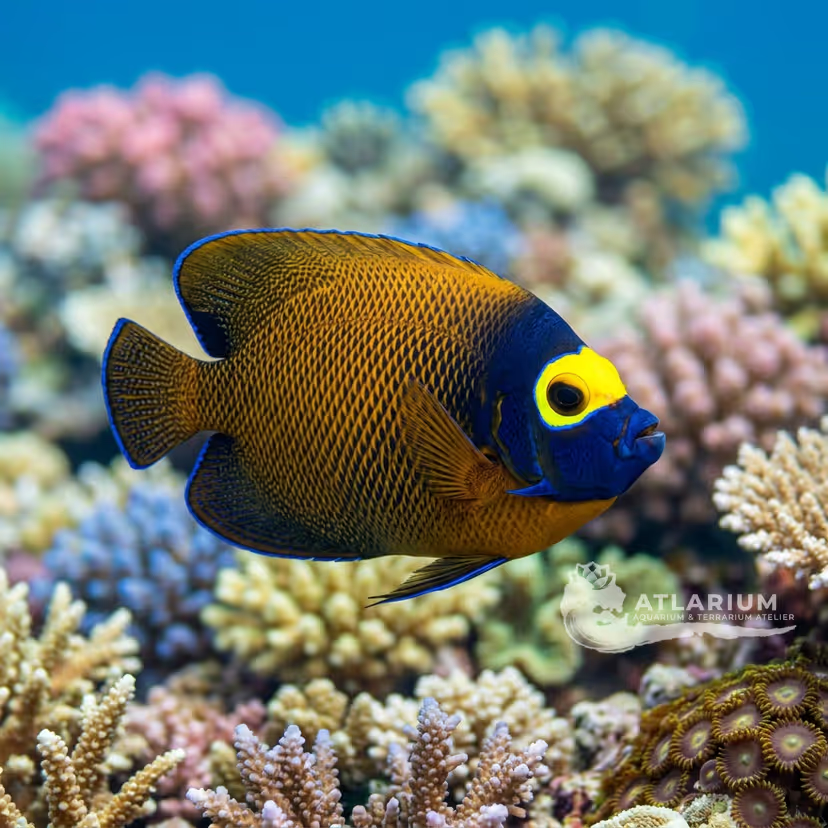
Blueface Angelfish
Pomacanthus xanthometopon