

Encyclopaedia
Flame Angelfish
Centropyge loriculus
The famous Flame Angelfish showcases a fiery orange-red body with bold black vertical stripes. It's a striking, active addition to reef tanks with caution.
Share
Check out Flame Angelfish on Atlarium
24 - 28 °C
8.1 - 8.4
Freshwater
Bottom and middle
10 cm
150 L
>= 1
8 - 12 dGH
4 - 6 dKH
160 - 240 ppm
250 - 375 uS/cm
Species description
Care, breeding and tankmates
Geographic Origin and Distribution
Origin
Fish profile
- Temperament
- Semi-aggressive
- Diet
- Omnivore
- Life expectancy
- 5-15 years
- Sex ratio
- Harem
- Feeding frequency
- Twice daily
- Bioload
- Medium
- Flow
- Stagnant
- Jump risk
- Yes
- Reproduction
- Oviparous
- Compatibility & tankmates
- While suitable for many community aquariums, the Flame Angelfish is considered 'reef safe with caution' because it may nip at clam mantles, large polyp stony (LPS) corals, and soft corals. It is compatible with active, semi-aggressive tankmates such as wrasses, damsels, tangs, and clownfish, but should not be housed with peaceful, slow-moving fish that can be easily bullied. Keeping them with other dwarf angelfish is generally discouraged unless the aquarium is exceptionally large. Ensuring they are well-fed and provided with plenty of rockwork can greatly reduce compatibility issues.
- Tank level
- Middle/Bottom
Window to the official scientific data of the species
Scientific Parameters & Models
- Trophic level
- 2.8 ± 0.31 se
- Resilience
- Medium (1.4 - 4.4 years)
- Phylogenetic uniqueness (PD50)
- 0.5
- Bayesian Length-Weight
- a = 0.0302, b = 2.89
Image gallery
Licensed images linked to the species or, when marked, to the closest representative taxon.
Related species
Recommendations grouped by close relatives, companion choices, and similar care.
Variants and close relatives
Same atlas type, nearby scientific identity, genus, or family.

Bicolor Angelfish
Centropyge bicolor

Cherub Angelfish
Centropyge argi

Cocos Pygmy Angelfish
Centropyge cocosensis

Keyhole angelfish
Centropyge tibicen

Lemonpeel angelfish
Centropyge flavissima

Fisher's Angelfish
Centropyge fisheri

Blackspot Pygmy Angelfish
Centropyge nigriocella

Coral beauty angelfish
Centropyge bispinosa

Eibli's Angelfish
Centropyge eibli

Half-black Angelfish
Centropyge vrolikii
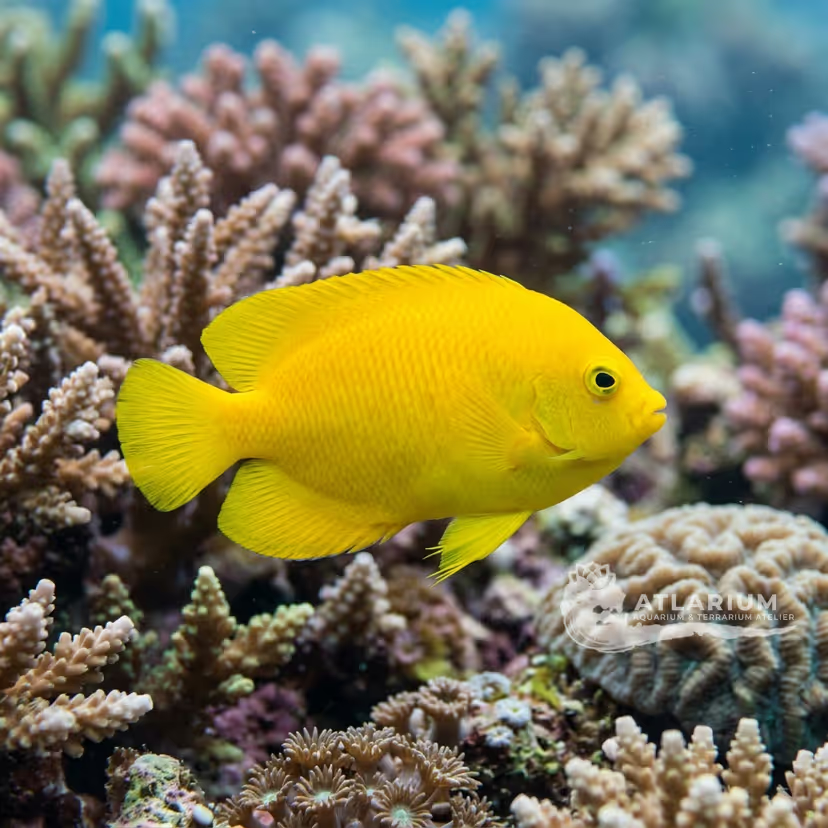
Herald's angelfish
Centropyge heraldi
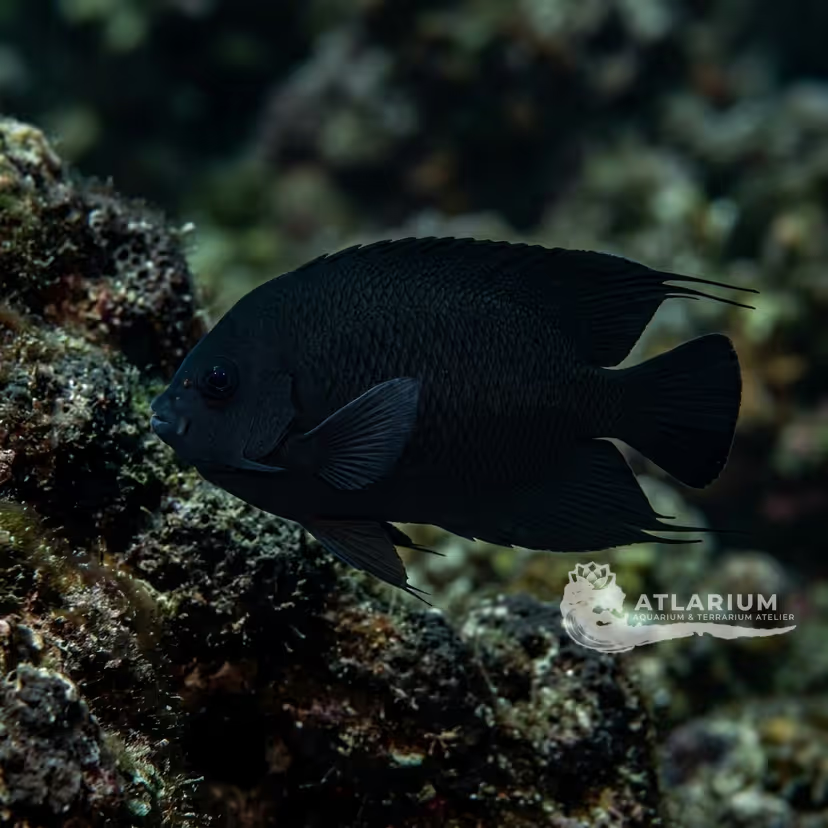
Midnight angelfish
Centropyge nox
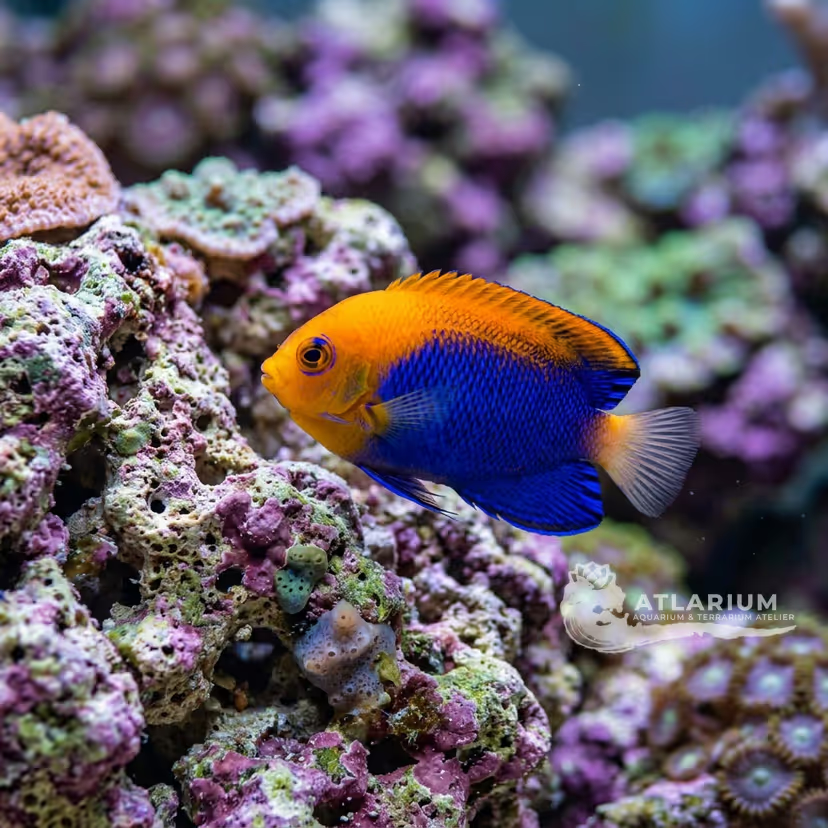
Resplendent Angelfish
Centropyge resplendens
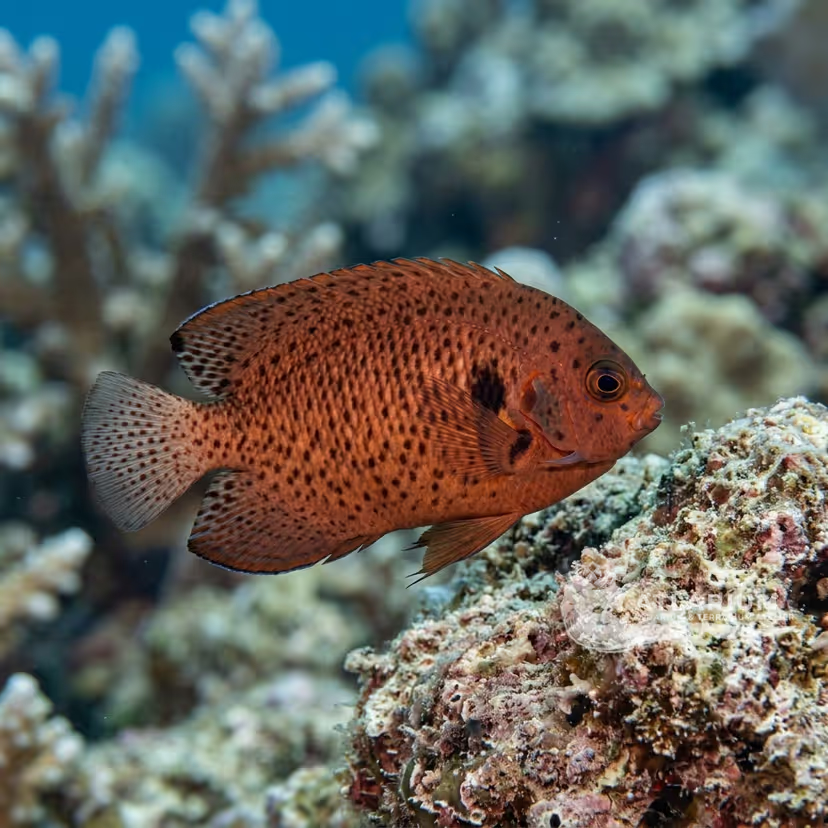
Rusty angelfish
Centropyge ferrugata
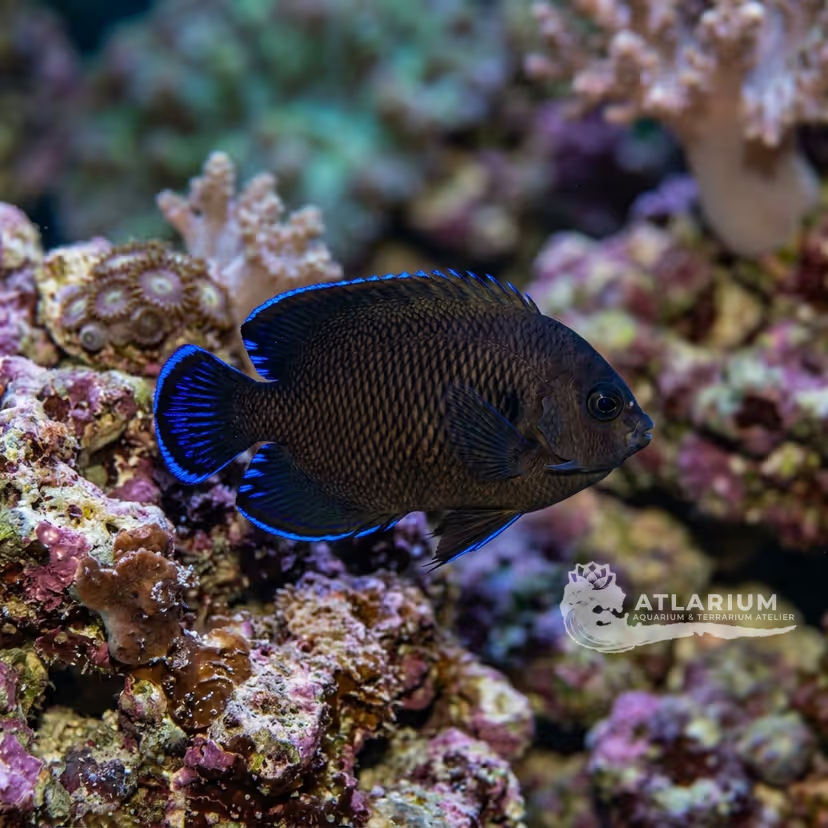
Dusky Angelfish
Centropyge multispinis
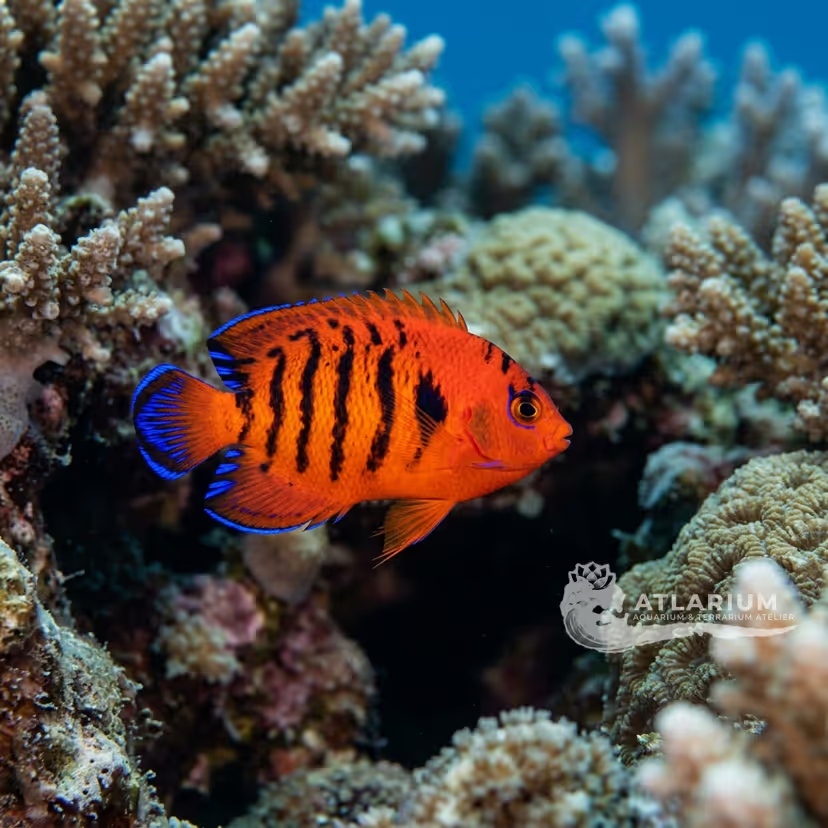
Shepard's angelfish
Centropyge shepardi
Recommended companions
Compatible cards from coherent ecosystems with matching parameters.

Ammannia sp. 'Bonsai'
Ammannia sp. 'Bonsai'

Ammannia latifolia
Ammannia latifolia

Arrowhead Anubias
Anubias hastifolia
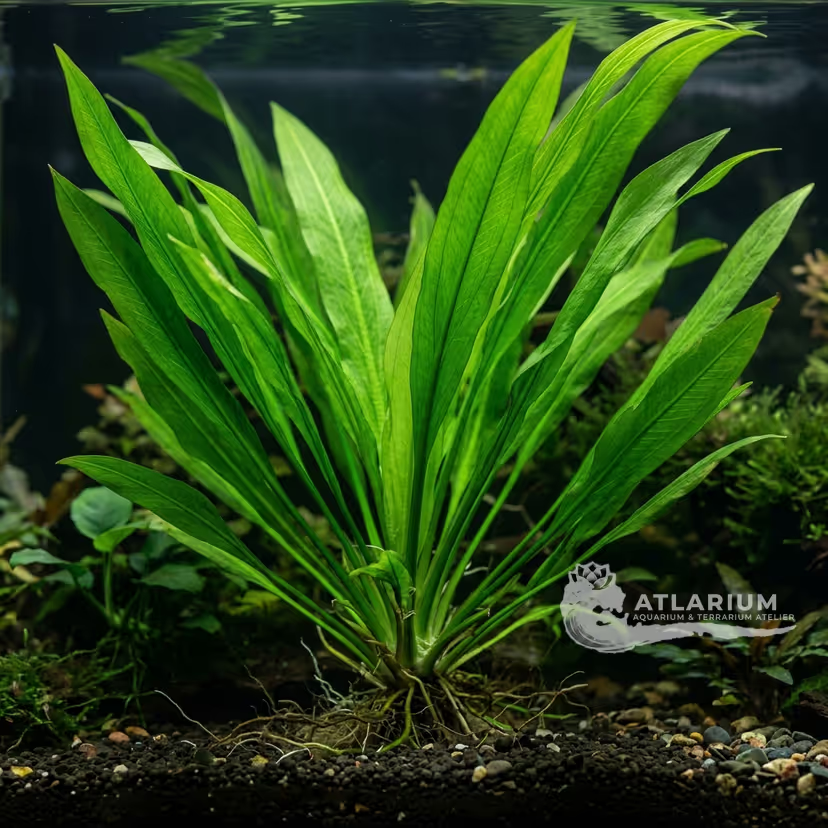
Amazon Sword
Aquarius grisebachii

Anubias barteri var. nana 'Round Leaf'
Anubias barteri var. nana 'Round Leaf'

Anubias congensis
Anubias congensis

Anubias gigantea
Anubias gigantea

Anubias lanceolata
Anubias lanceolata
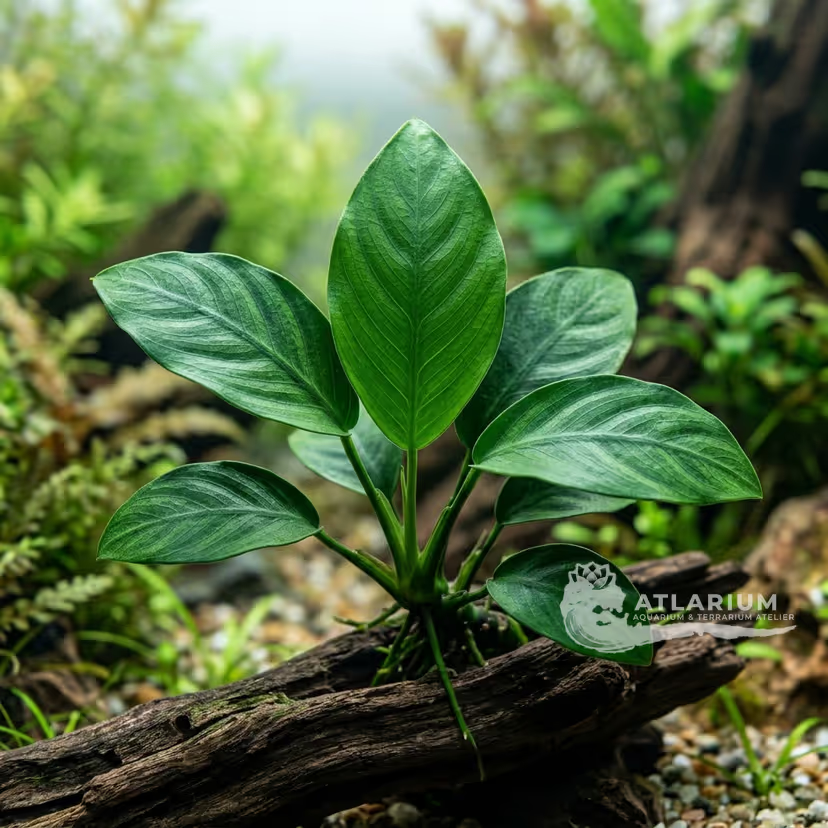
Anubias minima
Anubias minima
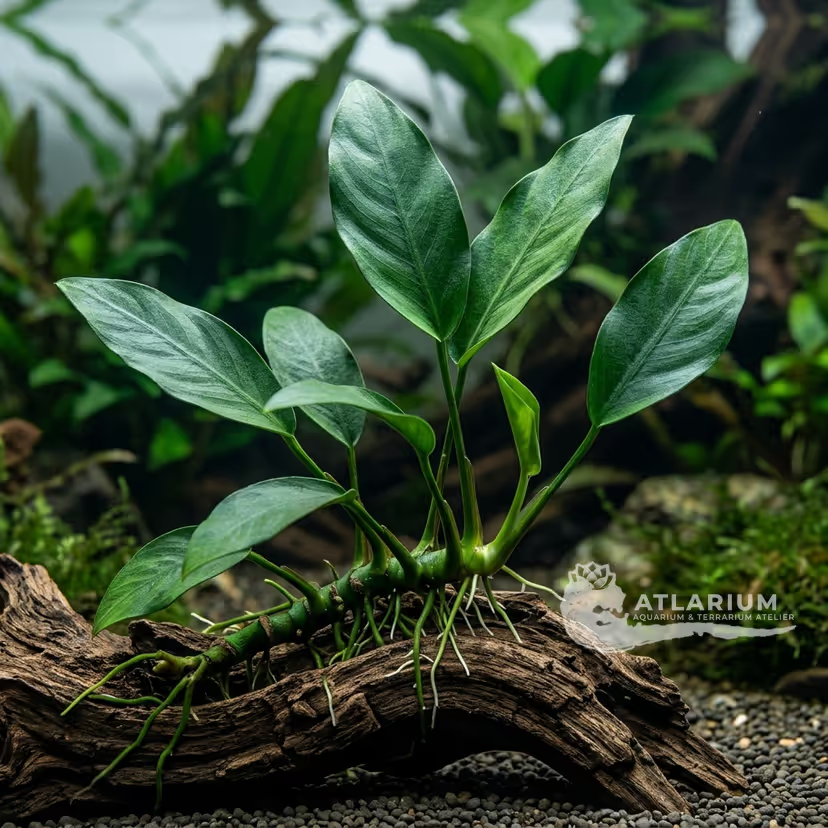
Anubias
Anubias barteri

Anubias nana
Anubias barteri var. nana

Bacopa sp. "Japan"
Bacopa sp. "Japan"

Bolbitis heteroclita
Bolbitis heteroclita

Bucephalandra motleyana "Braun-rot" ("Serimbu")
Bucephalandra motleyana "Braun-rot" ("Serimbu")

Bucephalandra motleyana "Kapit"
Bucephalandra motleyana "Kapit"

Bucephalandra motleyana "Pancuraji"
Bucephalandra motleyana "Pancuraji"
Similar care
Cards with similar requirements, difficulty, habitat, and husbandry profile.
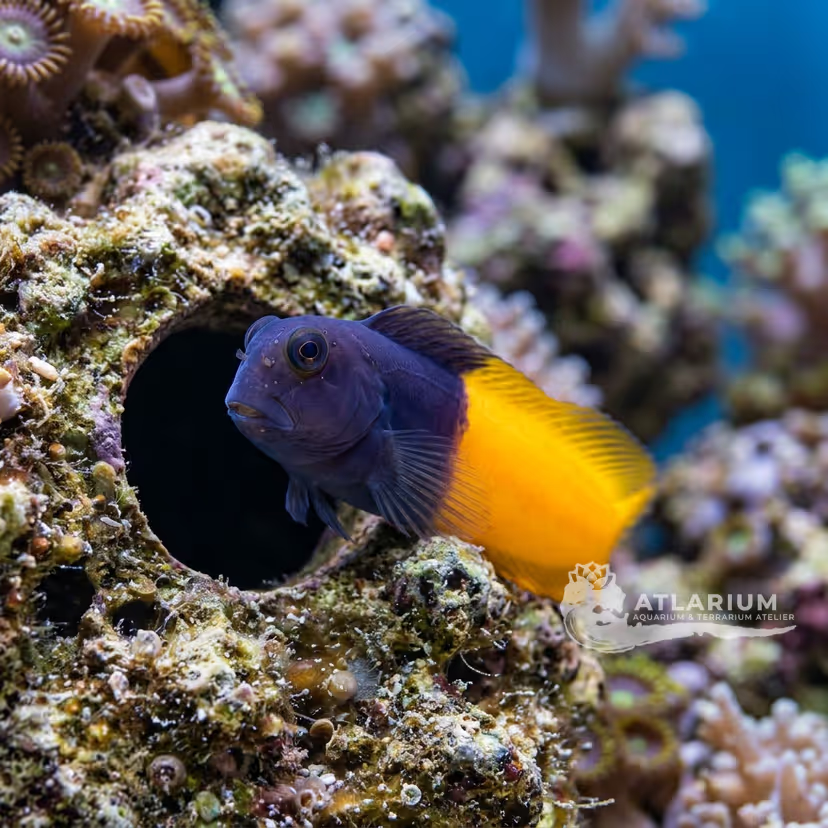
Bicolor Blenny
Ecsenius bicolor

Koran Angelfish (Semicircle)
Pomacanthus semicirculatus

Queen Angelfish
Holacanthus ciliaris

Yellow Dwarf Cichlid (Yellow Convict)
Amatitlania nanolutea

Amazon Cichlasoma (Cichlasoma amazonarum)
Cichlasoma amazonarum
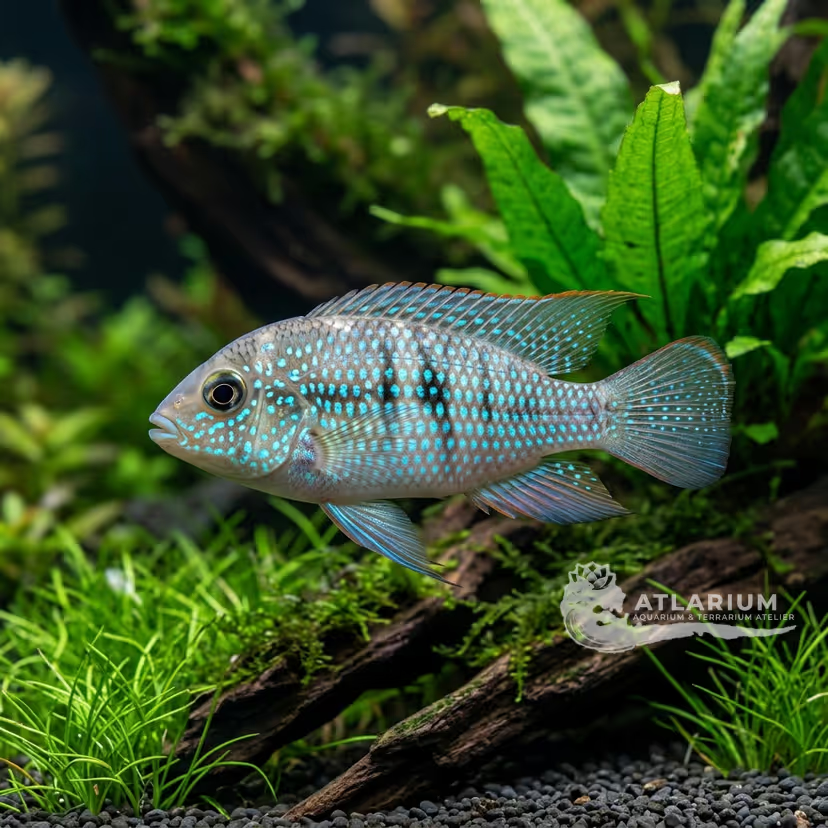
African Butterfly Cichlid
Anomalochromis thomasi

T-Bar Cichlid (Sajica)
Amatitlania sajica
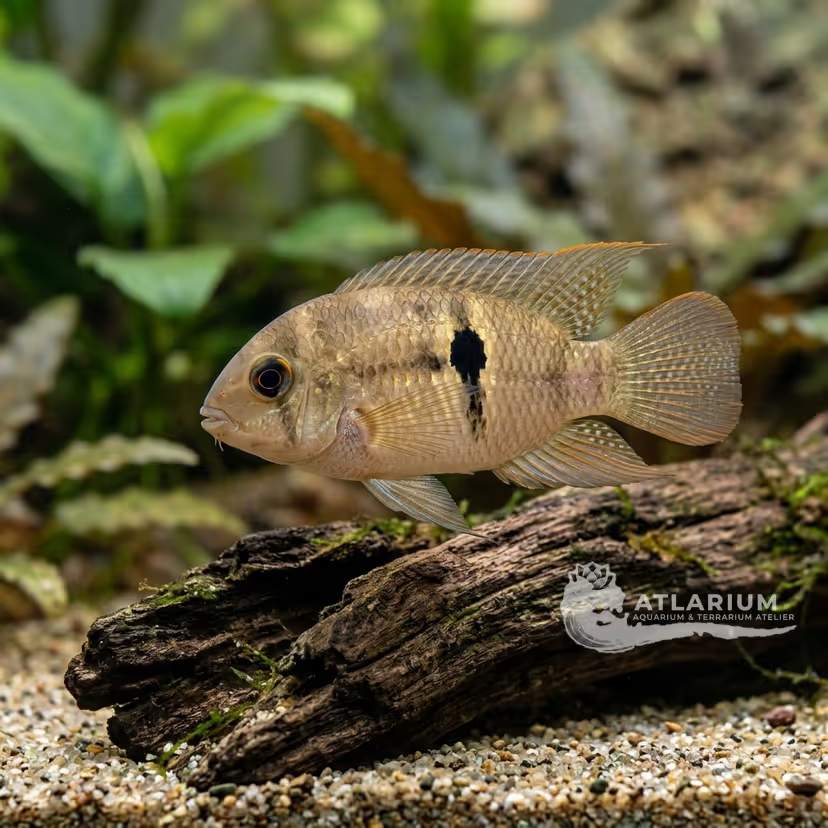
Keyhole cichlid
Cleithracara maronii

Red-eye Krobia
Krobia xinguensis

Common Bristlenose Pleco
Ancistrus cf. cirrhosus

Forest Betta
Betta pugnax

Blue Acara
Andinoacara pulcher

Bolivian Ram
Mikrogeophagus altispinosus
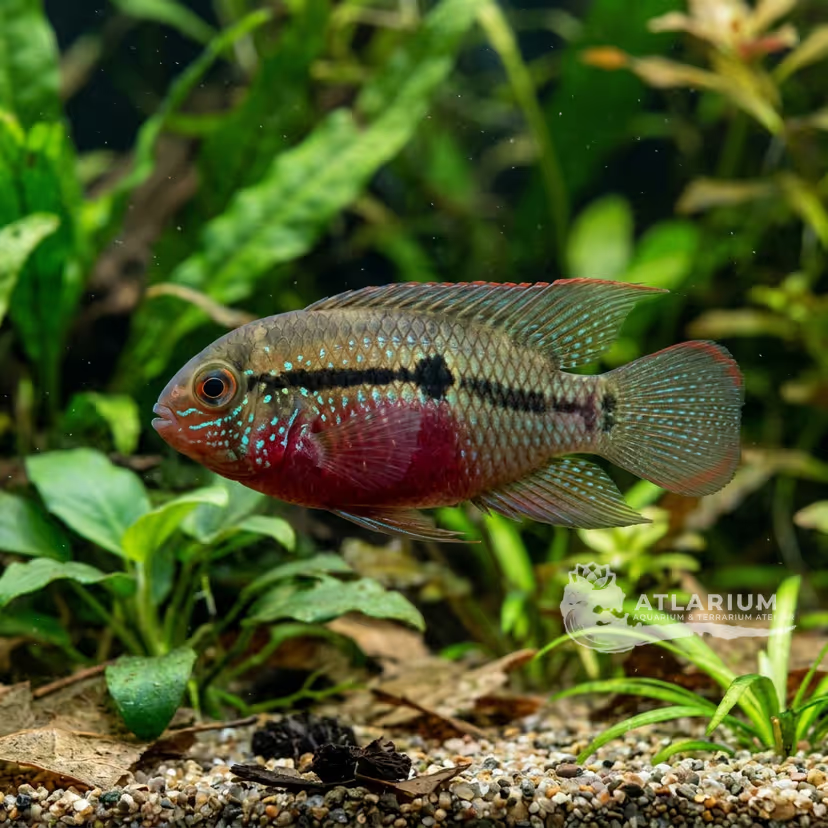
Redbreast Acara
Laetacara dorsigera

Bass Tetra
Hemigrammus marginatus
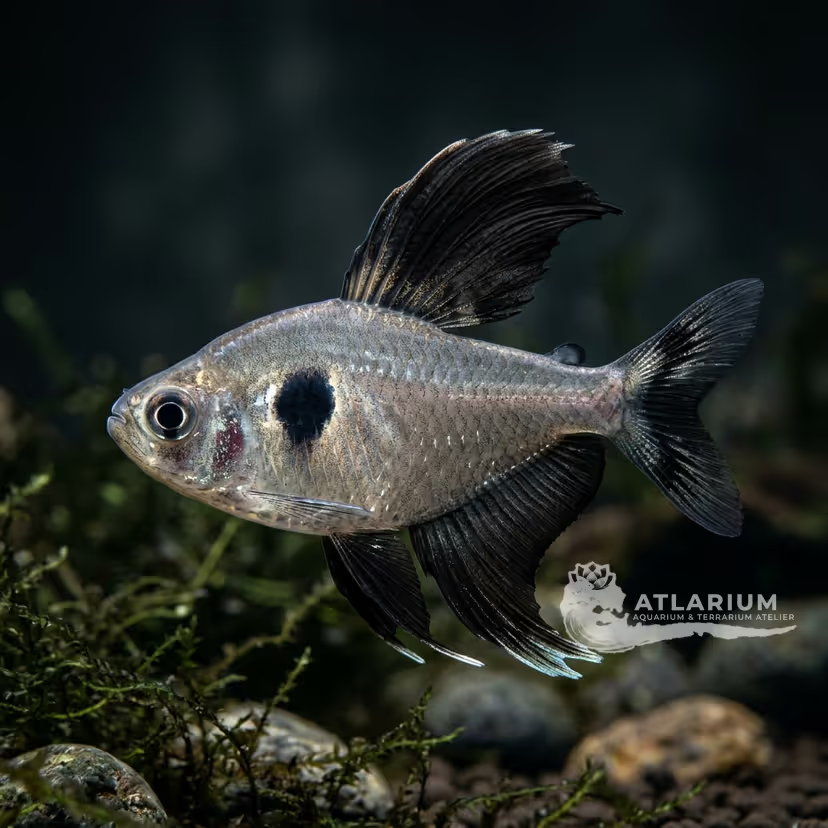
Black Phantom Tetra
Hyphessobrycon megalopterus