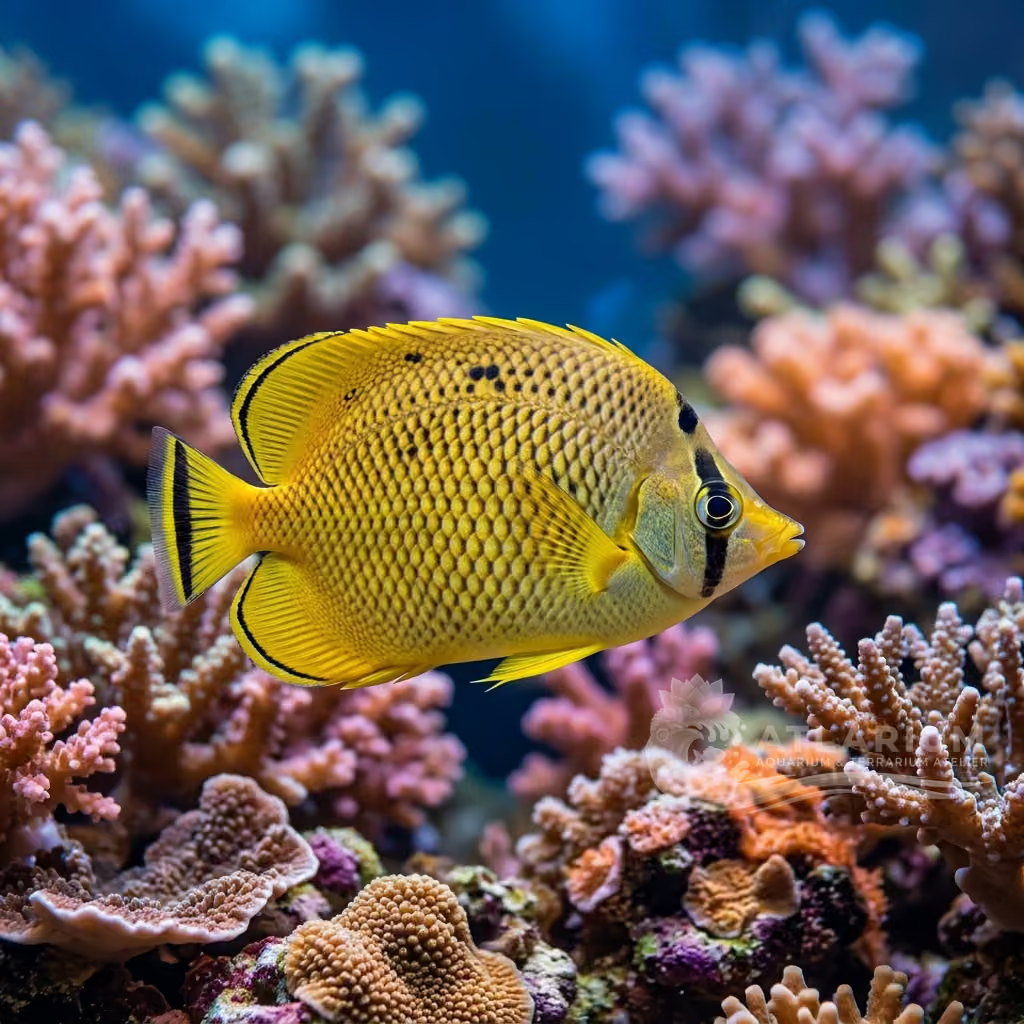
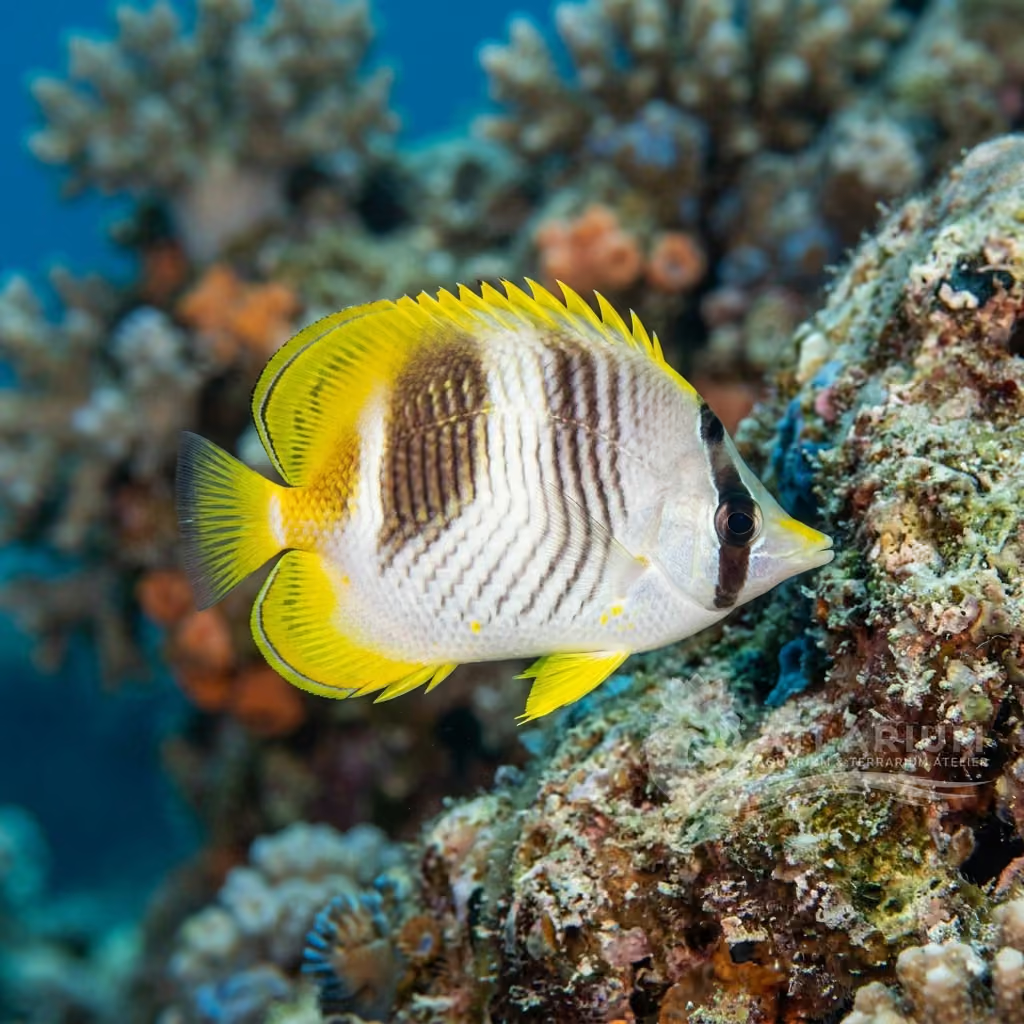
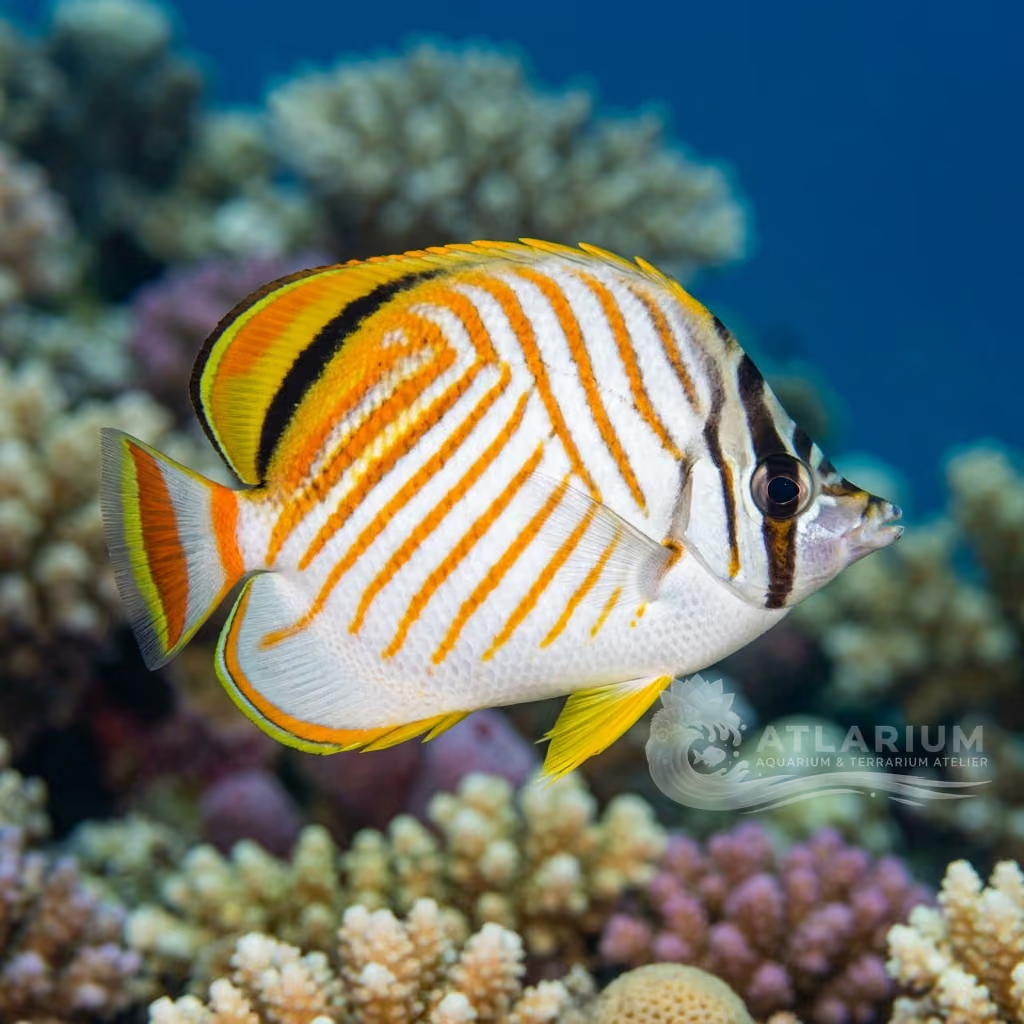
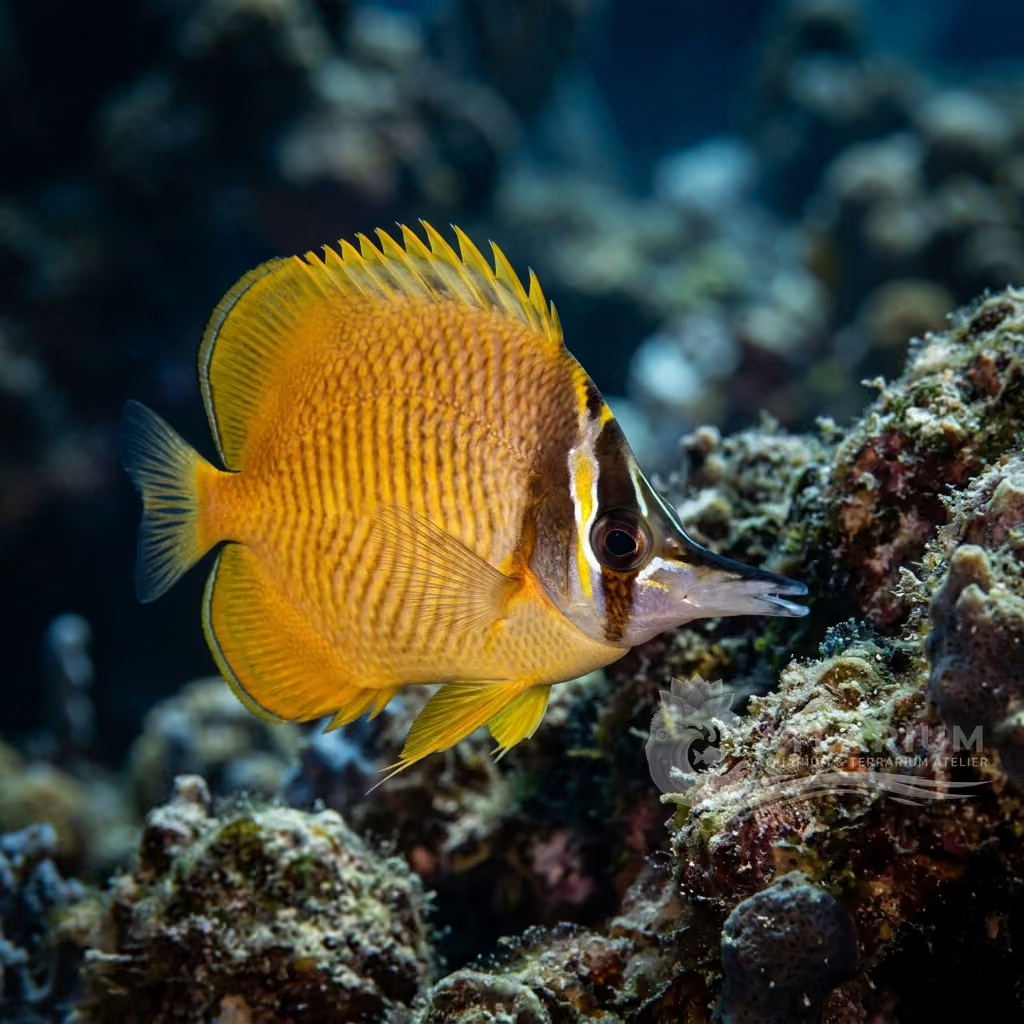
Madagascar Butterflyfish
Chaetodon madagaskariensis
The Madagascar Butterflyfish features silvery-grey chevron stripes and a bright orange tail. Peaceful and active, it is a hardy choice for large FOWLR aquariums.
Water Temperature
22 - 27 °C
pH Value
8.1 - 8.4
Water type
Marine
Tank level
Bottom and middle
Adult size
13 cm
Minimum tank volume
>= 250 L
Minimum group
>= 1
KH
8 - 12 dKH

Species description
Geographical Origin and Habitat: Widespread in the Western Indian Ocean, from South Africa and Madagascar along the East African coast to the Seychelles, Cocos-Keeling, and Christmas Islands. Inhabits outer reef slopes and drop-offs at depths of 10 to 120 meters.
Taxonomy and Morphology: Member of the family Chaetodontidae. Closely related to C. xanthurus and C. mertensii. Reaches a maximum length of about 13 cm, featuring a highly compressed, circular body.
Social Behavior: Diurnal and peaceful. Found singly or in stable monogamous pairs in the wild. Often shy at first, it becomes a calm and active swimmer once established in the aquarium.
Coloration and Sexual Dimorphism: Silvery-grey body with 5–6 dark grey chevron-shaped lines on the sides. Features a prominent bright orange triangular patch on the posterior body and caudal fin. A black-and-white crown patch sits on the head. No sexual dimorphism.

Care, breeding and tankmates
Aquarium Setup: Requires a tank of at least 250 liters with ample live rock to provide foraging surfaces and hiding places. A secure lid is strongly recommended to prevent jumping.
Diet and Feeding: Carnivore/Omnivore. Naturally feeds on algae, small worms, and coral polyps. In captivity, it accepts frozen foods (mysis, brine shrimp, bloodworms), quality pellets, and dried seaweed.
Water Quality: Demands stable parameters. Temperature 22–27°C, pH 8.1–8.4, salinity SG 1.020–1.025, GH 15–25, and KH 8–12. High sensitivity to nitrate requires good biological filtration.
Compatibility and Cohabitation: Extremely peaceful toward other reef fish. Avoid housing with aggressive species. Reef-safe with caution: not a strict corallivore, but it may nip LPS corals and tubeworms if underfed.
Aquarium Breeding: Undocumented in home aquariums due to the pelagic larval phase. Monogamous broadcast spawners in the wild.
Risks and Diseases: Adapts well and is among the hardier butterflyfishes. Can contract skin parasites (Cryptocaryon) during initial acclimation if the environment is stressful.

Geographic origin and distribution
Widespread in the Western Indian Ocean, from South Africa and Madagascar along the East African coast to the Seychelles, Cocos-Keeling, and Christmas Islands. Inhabits outer reef slopes and drop-offs at depths of 10 to 120 meters.
Origin
Tropical oceans and reefsAfrica and MadagascarSouth and Southeast Asia

Fish profile
- Temperament
- Semi-aggressive
- The Madagascar butterflyfish is a generally peaceful and shy species that behaves well in a community marine aquarium. However, it can show strong territorial aggression toward its own kind, similar-looking butterflyfish, or other species that share its feeding niche. In the aquarium, it spends most of its day actively exploring and grazing on the rockwork. It may feel intimidated by highly aggressive or overly boisterous tankmates, so it should be housed with peaceful or moderately semi-aggressive species.
- Diet
- Omnivore
- In the wild, the Madagascar butterflyfish is an omnivore with a preference for coral polyps, benthic invertebrates, and algae. In a home aquarium, it is not reef-safe, as it will actively nip at stony corals, soft corals, anemones, and clams. To maintain its health, it should be offered a varied diet consisting of frozen mysis shrimp, brine shrimp, finely chopped krill, and prepared foods containing sponge material. Including dried marine algae (nori) and vitamin-enriched foods is also highly beneficial to support its immune system.
- Life expectancy
- 5-10 years
- Adult size
- 13 cm
- Sex ratio
- 1:1 ratio
- In their natural habitat, Madagascar butterflyfish are commonly observed in pairs or occasionally in small groups. In a standard home aquarium, it is recommended to keep them singly unless you can acquire a known, compatible male-female pair. Due to their territorial nature, keeping multiple individuals of the same sex or similar butterflyfish species in the same tank will lead to severe aggression. If attempting to keep a pair, a very large tank with plenty of rockwork to break lines of sight is necessary to minimize territorial disputes.
- Feeding frequency
- 2-3 times daily
- Due to its active nature and relatively small stomach, the Madagascar butterflyfish should be fed multiple times a day. Providing two to three small feedings daily is recommended to ensure it receives adequate nutrition and to prevent food waste from accumulating on the bottom. Frequent feedings are especially critical during the initial acclimation period when the fish is adapting to prepared foods. Establishing a consistent schedule helps reduce stress and prevents the fish from searching for food by nipping at tank decoration.
- Bioload
- Medium
- The Madagascar butterflyfish is an active, medium-sized marine fish that requires a robust filtration system to handle its biological waste. Because it must be fed high-protein foods multiple times a day to maintain its health, it produces a significant amount of metabolic waste. A high-quality protein skimmer, mechanical filtration, and regular water changes are essential to keep nitrate and phosphate levels low. Pristine water quality is critical, as this species is sensitive to poor water conditions and sudden chemical fluctuations.
- Flow
- Strong
- The Madagascar butterflyfish prefers moderate to strong water flow, which mimics the energetic currents of its native outer reef slopes and lagoons. Dynamic water movement helps keep the aquarium highly oxygenated, which is vital for the long-term respiratory health of this active swimmer. It is important to design the aquascape with some low-flow pockets and caves where the fish can rest and escape the current when needed. Good surface agitation is also recommended to support optimal gas exchange in the system.
- Jump risk
- Yes
- While the Madagascar butterflyfish is not typically classified as a habitual jumper, it still poses a moderate risk of jumping, especially when startled. Sudden movements around the tank, aggressive interactions with tankmates, or abrupt lighting changes can trigger a flight response, causing the fish to leap. To prevent accidental loss, a tight-fitting lid or a secure mesh cover is highly recommended. Ensuring that all gaps around filter pipes and cables are sealed will guarantee the safety of this active species.
- Reproduction
- Not bred in captivity
- Like most members of the Chaetodontidae family, the Madagascar butterflyfish is a pelagic spawner, releasing its eggs and sperm into the open water column. In nature, they form stable pairs, and spawning typically occurs in synchronized events driven by environmental cues. Breeding this species in a home aquarium is extremely difficult and has not been achieved in captivity. The complex courtship behaviors, requirement of open water column depth, and the challenges of feeding the tiny, microscopic larvae make captive breeding impractical for hobbyists.
- Compatibility & tankmates
- With caution
- The Madagascar butterflyfish is a peaceful community resident suitable for fish-only or fish-only-with-live-rock (FOLR) aquariums. It should not be housed with corals or small ornamental invertebrates, as it will damage or consume them. Excellent tankmates include peaceful or semi-aggressive species such as tangs, wrasses, large damselfish, and clownfish. Avoid keeping it with other butterflyfish species of similar shape or coloration to prevent territorial disputes, and do not place it with highly aggressive predators that might bully it.
- Tank level
- Middle/Bottom
- The Madagascar butterflyfish is a highly active swimmer that primarily occupies the middle and bottom levels of the aquarium. It spends much of its time hovering close to the rockwork, weaving through crevices, and searching for food particles. Although it prefers being near shelter, it will readily swim into open areas and up to the surface during feeding times. Providing a spacious layout with a mix of open swimming space and structured live rock is essential to satisfy its natural swimming patterns.

Scientific Parameters & Models
FishBase
Window to the official scientific data of the species
FishBase v25.04Data synced on: 06/15/2026
- Trophic level
- 2.8 ± 0.25 se
- Resilience
- High (less than 15 months)
- Phylogenetic uniqueness (PD50)
- 0.5
- Bayesian Length-Weight
- a = 0.02291, b = 3
- VulnerabilityLow vulnerability (10 / 100)

Related species
Recommendations grouped by close relatives, companion choices, and similar care.