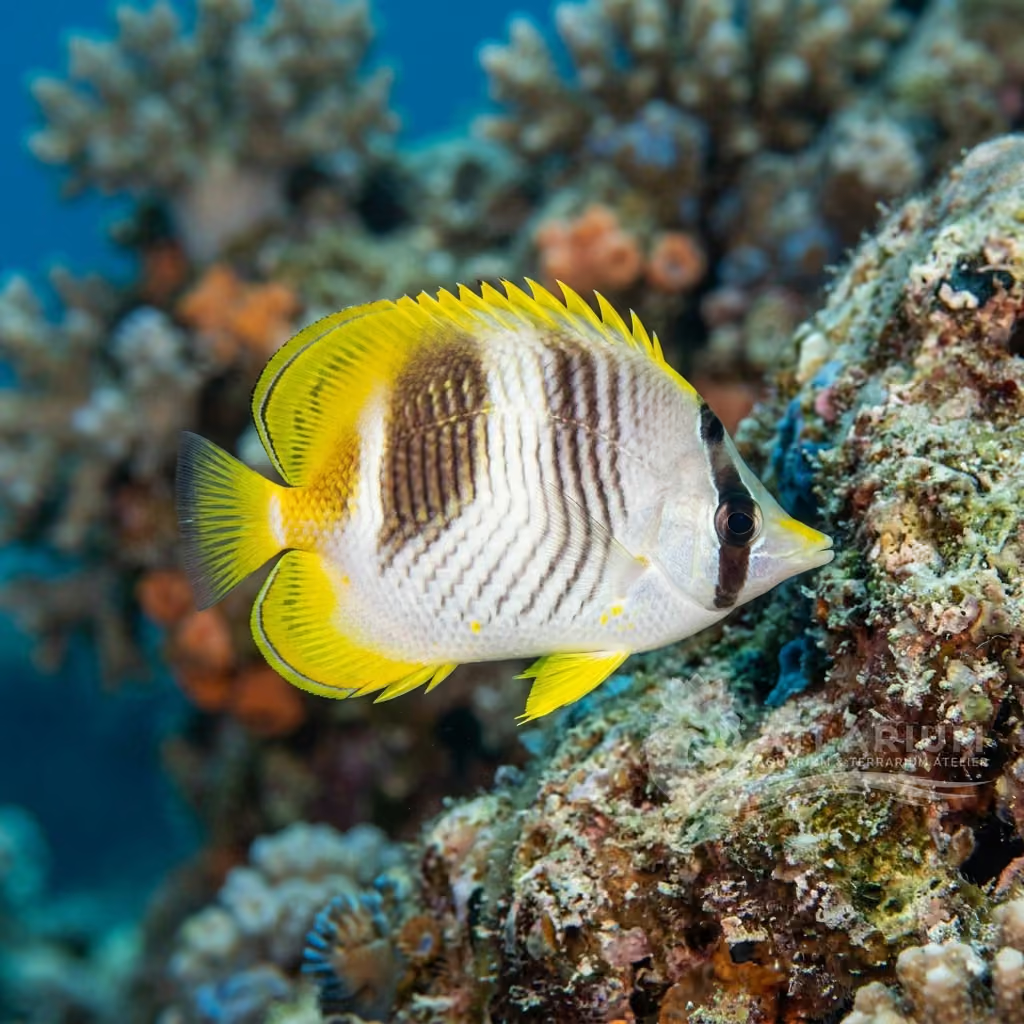
Klein's butterflyfish
Chaetodon kleinii
Chaetodon kleinii is a hardy butterflyfish native to the Indo-Pacific. It is widely kept to control pest Aiptasia anemones, though it may nip at various coral species.
Water Temperature
24 - 27 °C
pH Value
8.1 - 8.4
Water type
Marine
Tank level
All levels
Adult size
15 cm
Minimum tank volume
>= 280 L
Minimum group
>= 1
KH
8 - 12 dKH

Species description
Geographical Origin and Habitat:
This species enjoys an exceptionally wide geographical distribution across the tropical Indo-Pacific. It can be found from the Red Sea and East Africa all the way to Hawaii, Samoa, and New Caledonia, extending as far north as southern Japan and south to New South Wales in Australia. It primarily inhabits sheltered coastal reefs, shallow lagoons, and deep outer reef slopes at depths ranging from 4 to 60 meters, frequently associated with dense soft coral growth.
Taxonomy and Morphology:
Belonging to the family Chaetodontidae, Chaetodon kleinii features a disk-shaped, laterally compressed body with a sloping forehead and a short, pointed snout containing fine, brush-like teeth. Adults can reach a maximum total length of approximately 15 centimeters. The continuous dorsal fin possesses strong, sharp spines that can be raised for defense against potential predators.
Social Behavior:
It is an active, diurnal swimmer. In its natural habitat, it is typically observed swimming singly or in stable pairs, although it occasionally forms small aggregations to forage over reef structures. In the aquarium, it is generally peaceful toward unrelated tankmates, but it can display moderate intraspecific territoriality if kept in cramped conditions.
Coloration and Sexual Dimorphism:
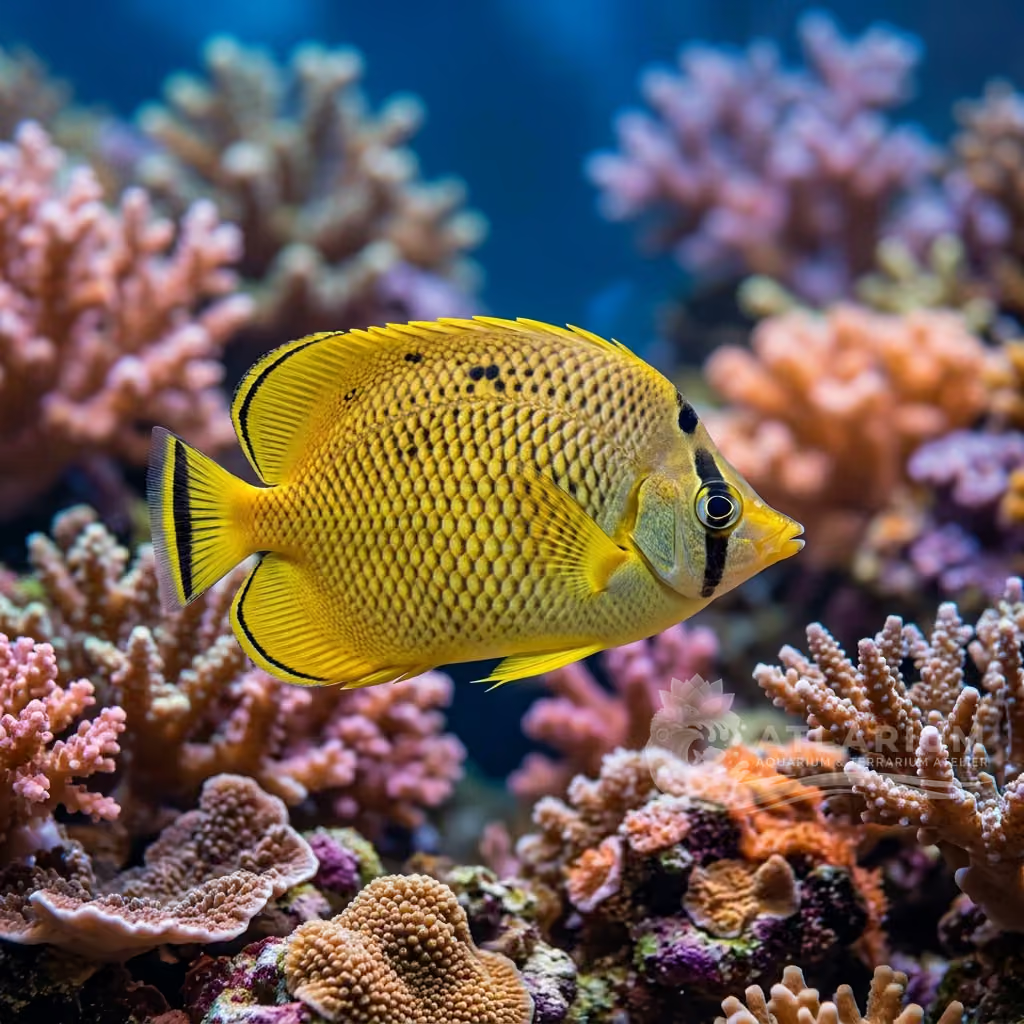
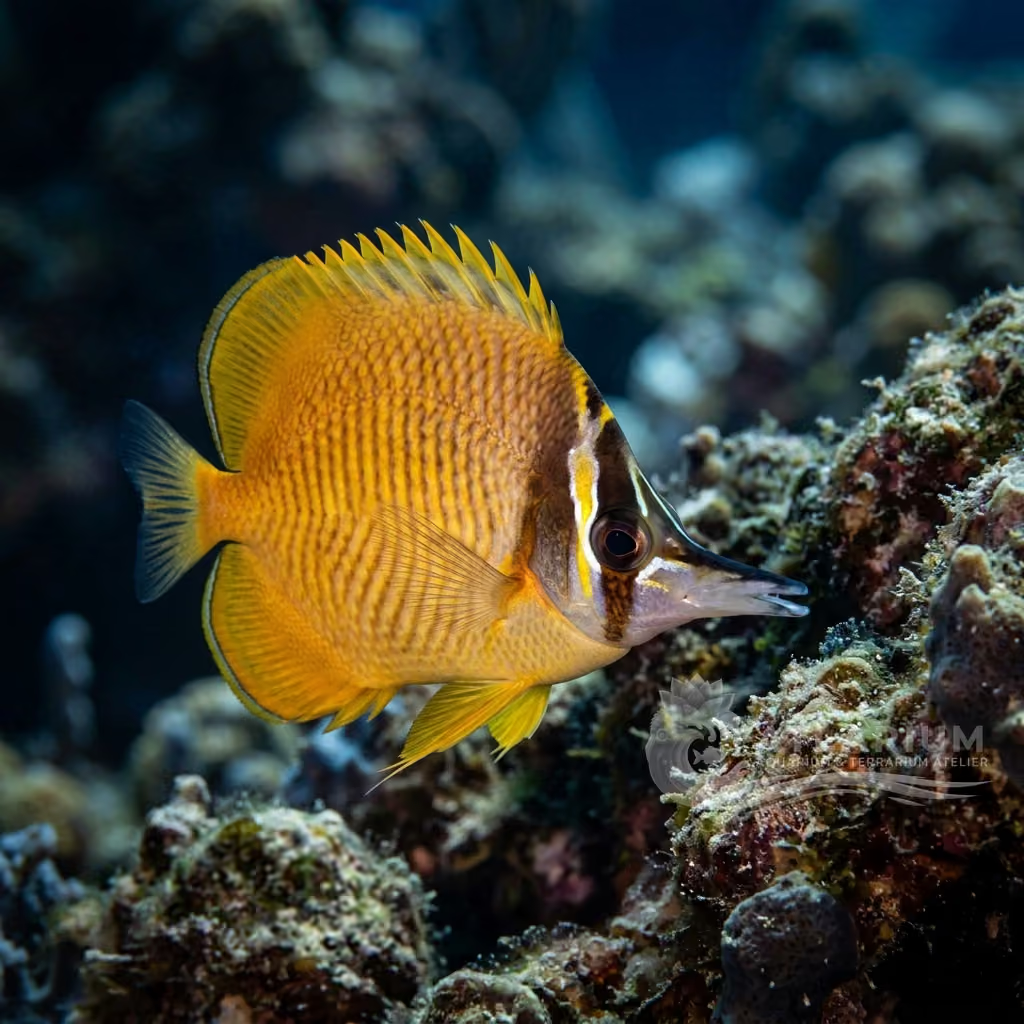
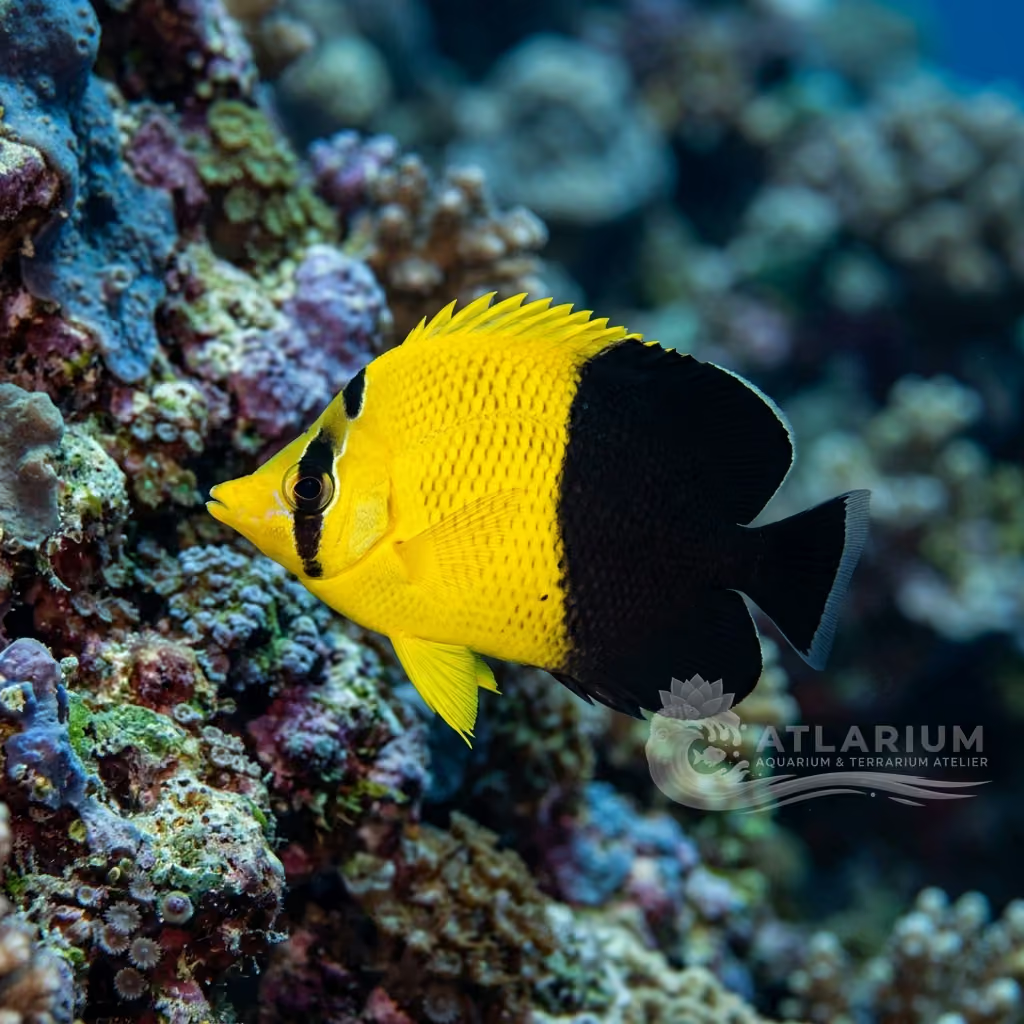
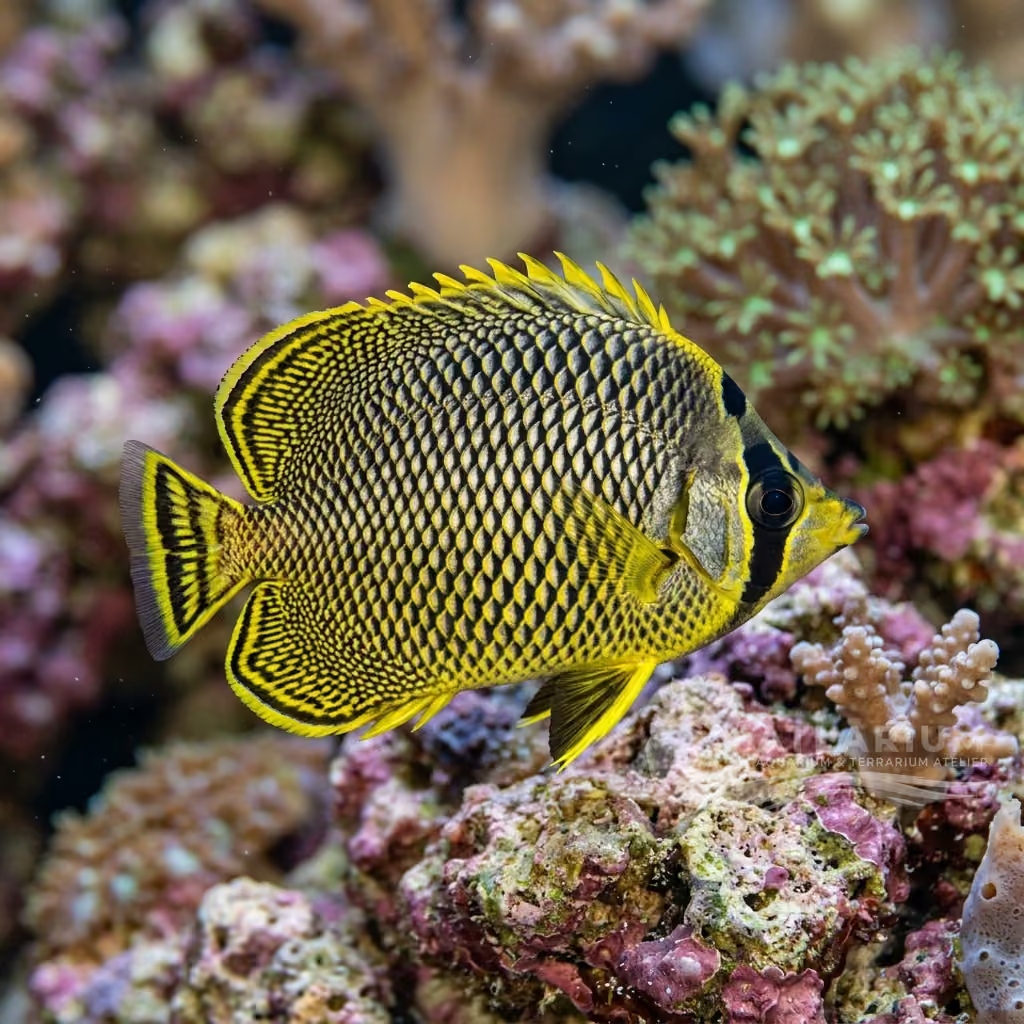
The body coloration of this species is primarily yellowish to golden-brown, marked by two pale, diffuse vertical white bands on the flanks. A prominent, broad black band runs vertically through the eye from the nape to the chest, and the lips are typically dark or blue-black. No external sexual dimorphism exists, meaning males and females are visually identical.

Care, breeding and tankmates
Aquarium Setup:
To successfully house this species, a mature marine aquarium of at least 300 liters is required. The setup should feature plenty of high-quality live rock arranged to create overhangs, caves, and shaded crevices where the fish can seek shelter, while still providing a large, unobstructed open area for swimming. Efficient protein skimming and robust water circulation are mandatory.
Diet and Feeding:
An opportunistic omnivore, this species adapts easily to aquarium diets. Provide a varied menu consisting of high-quality frozen foods like mysis shrimp, brine shrimp, krill, and chopped seafood, along with vitamin-enriched flake and pellet foods containing marine algae. It is highly valued for consuming pest anemones such as Aiptasia.
Water Quality:
Requires stable marine water parameters: temperature maintained between 24°C and 27°C, pH between 8.1 and 8.4, specific gravity (SG) from 1.020 to 1.025, and carbonate hardness (KH) between 8 and 12 dKH. Ammonia and nitrite levels must be kept at absolute zero, with nitrate levels kept low (under 20 ppm).
Compatibility and Cohabitation:
This species is not considered reef safe as it will readily nip at large polyp stony (LPS) corals, soft corals, zoanthids, and clam mantles. It is highly compatible with other active, non-aggressive marine fish such as tangs, wrasses, clownfish, and chromis. Avoid housing with large, predatory tankmates that might harass it.
Aquarium Breeding:
Breeding in the home aquarium is exceptionally difficult and has not been reliably accomplished by hobbyists. In nature, they are broadcast spawners, releasing pelagic eggs into the water column to drift with ocean currents. The larval stage is prolonged and requires specialized, microscopic live foods that are very hard to culture.
Risks and Diseases:
While hardier than many other butterflyfishes, it remains susceptible to common marine parasites such as Cryptocaryon irritans (marine ich) and Oodinium (velvet). Stress from transport, poor acclimation, or poor water quality can trigger these diseases. A proper quarantine protocol is strongly recommended before introducing the fish to the display tank.

Geographic origin and distribution
This species enjoys an exceptionally wide geographical distribution across the tropical Indo-Pacific. It can be found from the Red Sea and East Africa all the way to Hawaii, Samoa, and New Caledonia, extending as far north as southern Japan and south to New South Wales in Australia. It primarily inhabits sheltered coastal reefs, shallow lagoons, and deep outer reef slopes at depths ranging from 4 to 60 meters, frequently associated with dense soft coral growth.
Origin
Tropical oceans and reefsAfrica and MadagascarEast AsiaAustralia, New Guinea, and Oceania

Fish profile
- Temperament
- Territorial
- The Klein's butterflyfish is generally a peaceful and non-aggressive species toward other types of fish. However, they can display territorial behavior toward members of their own species or closely related butterflyfish if the tank is too small. They are active and curious grazers, constantly searching the rockwork for potential food sources. Because of their mild temperament, they should not be housed with highly aggressive tankmates that might bully or outcompete them for food.
- Diet
- Carnivore
- In the wild, Chaetodon kleinii is an omnivore that feeds on soft coral polyps, algae, zooplankton, and small invertebrates. In captivity, they must be offered a varied diet to remain healthy, including high-quality frozen mysis, brine shrimp, chopped seafood, and vitamin-enriched flakes or pellets. They are famous in the hobby for eating pest anemones like Aiptasia, making them useful utility fish. However, because they will also nip at soft corals, zoanthids, and stony coral polyps, they are not fully reef-safe.
- Life expectancy
- 6-12 years
- Adult size
- 15 cm
- Sex ratio
- 1:1 ratio
- In their natural habitat, Chaetodon kleinii are typically observed living in stable heterosexual pairs or as solitary individuals. Because it is nearly impossible to visually distinguish between males and females, establishing a mated pair in captivity can be challenging. It is generally recommended to keep them singly in a home aquarium unless a confirmed mated pair is acquired. If attempting to keep multiple individuals, they should be introduced to the tank simultaneously to minimize territorial disputes.
- Feeding frequency
- Twice daily
- Because they have a high metabolic rate and continuously graze in the wild, Chaetodon kleinii should be fed small portions multiple times a day. Two to three daily feedings are ideal to prevent weight loss and maintain their overall health and vitality. Offering food in small amounts that can be consumed within a few minutes helps prevent water pollution. Providing a consistent feeding schedule is especially important during their initial acclimation period to encourage active feeding.
- Bioload
- Medium
- The Klein's butterflyfish produces a medium biological waste load due to its active nature and frequent feeding requirements. To manage this bioload effectively, a powerful protein skimmer and efficient biological filtration are strongly recommended. A minimum tank size of 75 gallons (284 liters) is necessary to ensure stable water parameters and dilute accumulated waste. Regular partial water changes are essential to maintain low nitrate and phosphate levels for this sensitive species.
- Flow
- Strong
- This species prefers moderate water flow, which mimics the natural reef slopes and lagoons they inhabit. The flow should be strong enough to ensure high oxygenation and keep waste suspended for filtration, but not so turbulent that the fish struggles to swim. Creating areas of lower flow using rock formations will allow them to rest comfortably without expending too much energy. A balanced flow pattern with alternating currents is highly beneficial for their long-term well-being.
- Jump risk
- Yes
- While not considered chronic jumpers, Chaetodon kleinii can easily leap out of the aquarium if startled, chased by tankmates, or during nighttime hours. To prevent accidental loss, a tight-fitting lid or a secure mesh cover is highly recommended. Stress from rapid movements outside the tank or sudden changes in lighting can trigger this flight response. Ensuring the aquarium is covered and providing dim nocturnal lighting can significantly reduce the risk of jumping.
- Reproduction
- Oviparous
- Breeding Chaetodon kleinii in captivity is extremely difficult and rarely achieved by home aquarists. They are pelagic spawners, releasing their eggs and sperm into the water column where fertilization occurs externally. The resulting larvae undergo a specialized planktonic stage known as the 'tholichthys' phase, which is unique to butterflyfishes and requires highly specific live foods. Due to these complex larval rearing requirements, almost all specimens available in the aquarium hobby are wild-caught.
- Compatibility & tankmates
- Not reef safe
- The Klein's butterflyfish is compatible with a wide variety of peaceful to semi-aggressive marine species, such as clownfish, tangs, wrasses, and gobies. However, they should not be housed with aggressive fish that may bully them or compete too fiercely for food resources. When keeping them in a reef environment, they are reef-safe with caution, as they are likely to nip at soft corals, zoanthids, clam mantles, and some stony corals. They should also not be housed with small, delicate ornamental shrimp, which they may occasionally mistake for food.
- Tank level
- All levels
- This species is an active swimmer that utilizes all levels of the water column, though it spends most of its time in the middle and upper regions. It requires plenty of open swimming space to behave naturally and feel secure. Additionally, a complex rockwork structure with caves and overhangs should be provided at the lower levels for hiding and nocturnal shelter. Having free access to both the open water column and grazing areas on the rocks is crucial for their well-being.

Scientific Parameters & Models
FishBase
Window to the official scientific data of the species
FishBase v25.04Data synced on: 06/15/2026
- Trophic level
- 2.9 ± 0.2 se
- Resilience
- High (less than 15 months)
- Phylogenetic uniqueness (PD50)
- 0.5
- Bayesian Length-Weight
- a = 0.0309, b = 3.04
- VulnerabilityLow vulnerability (10 / 100)

Related species
Recommendations grouped by close relatives, companion choices, and similar care.