Reef Butterflyfish
Chaetodon sedentarius
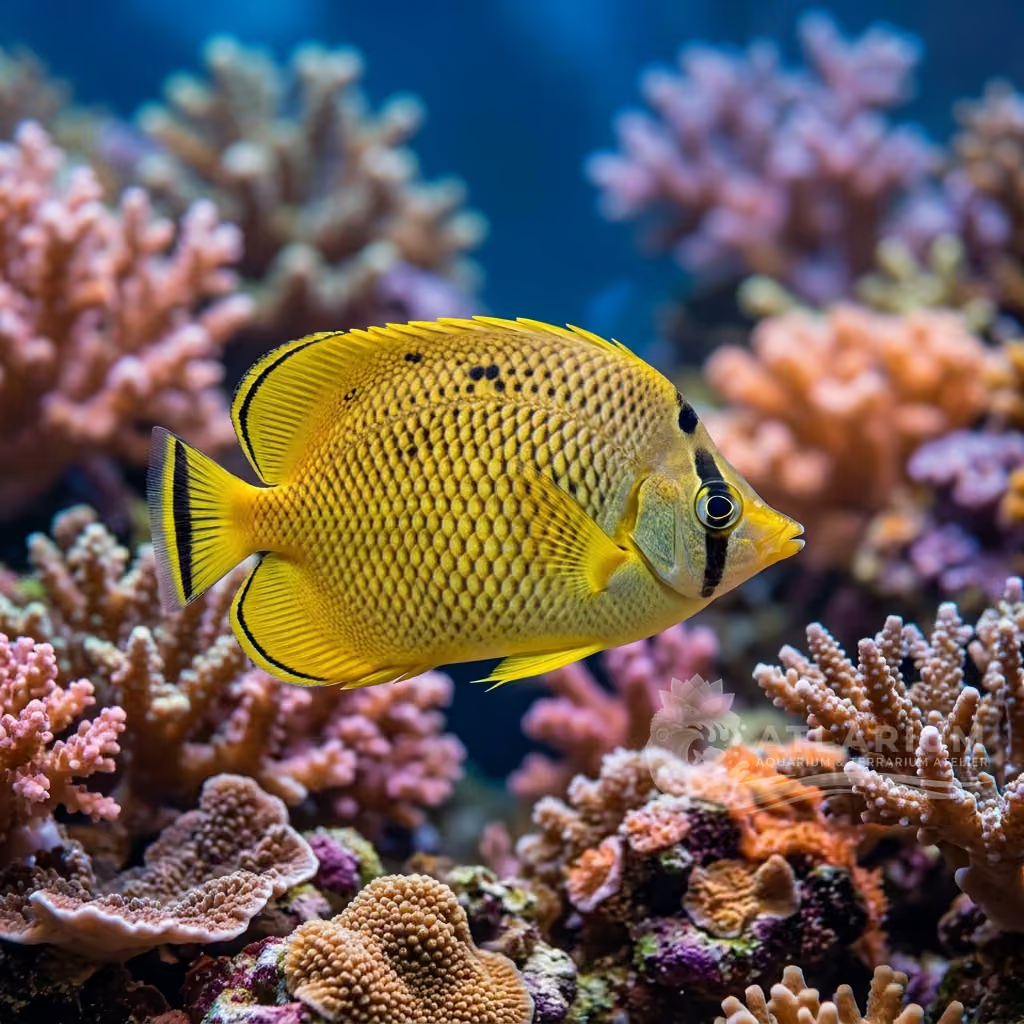
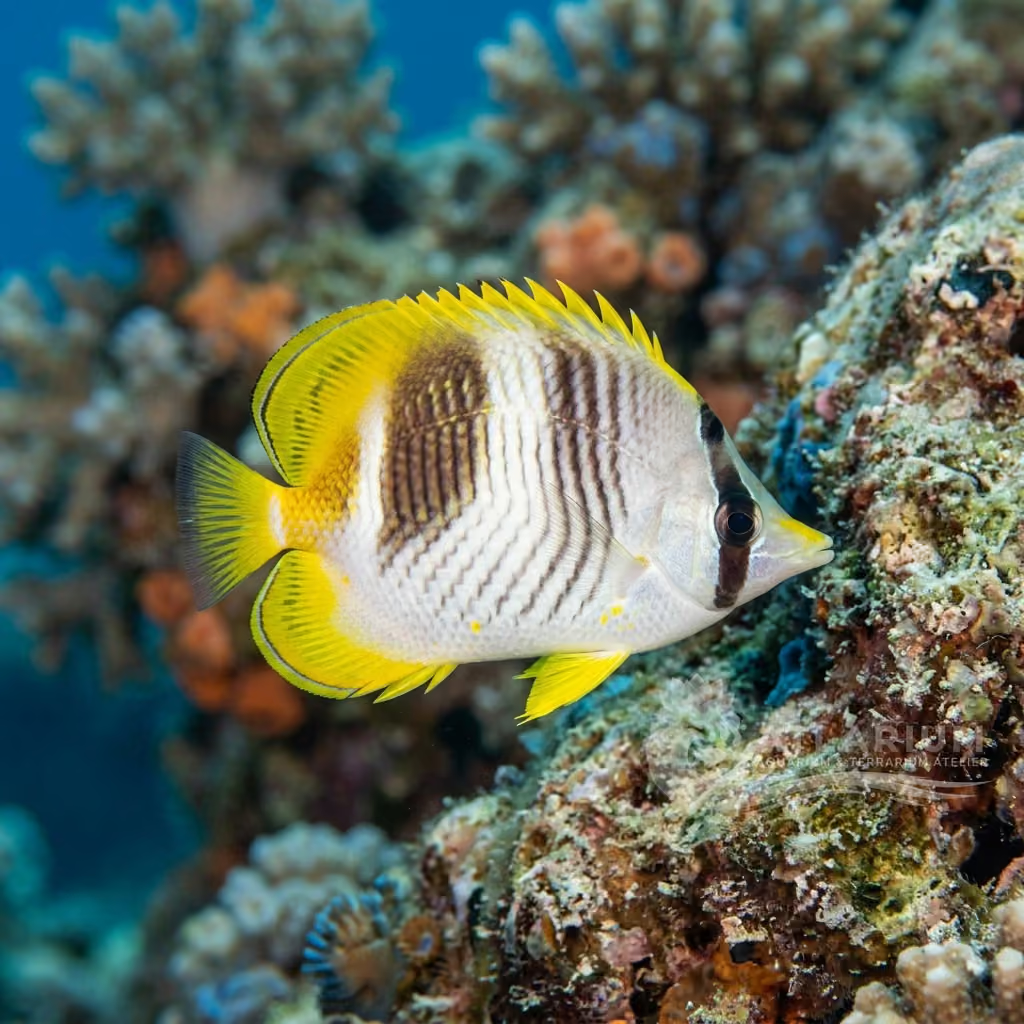
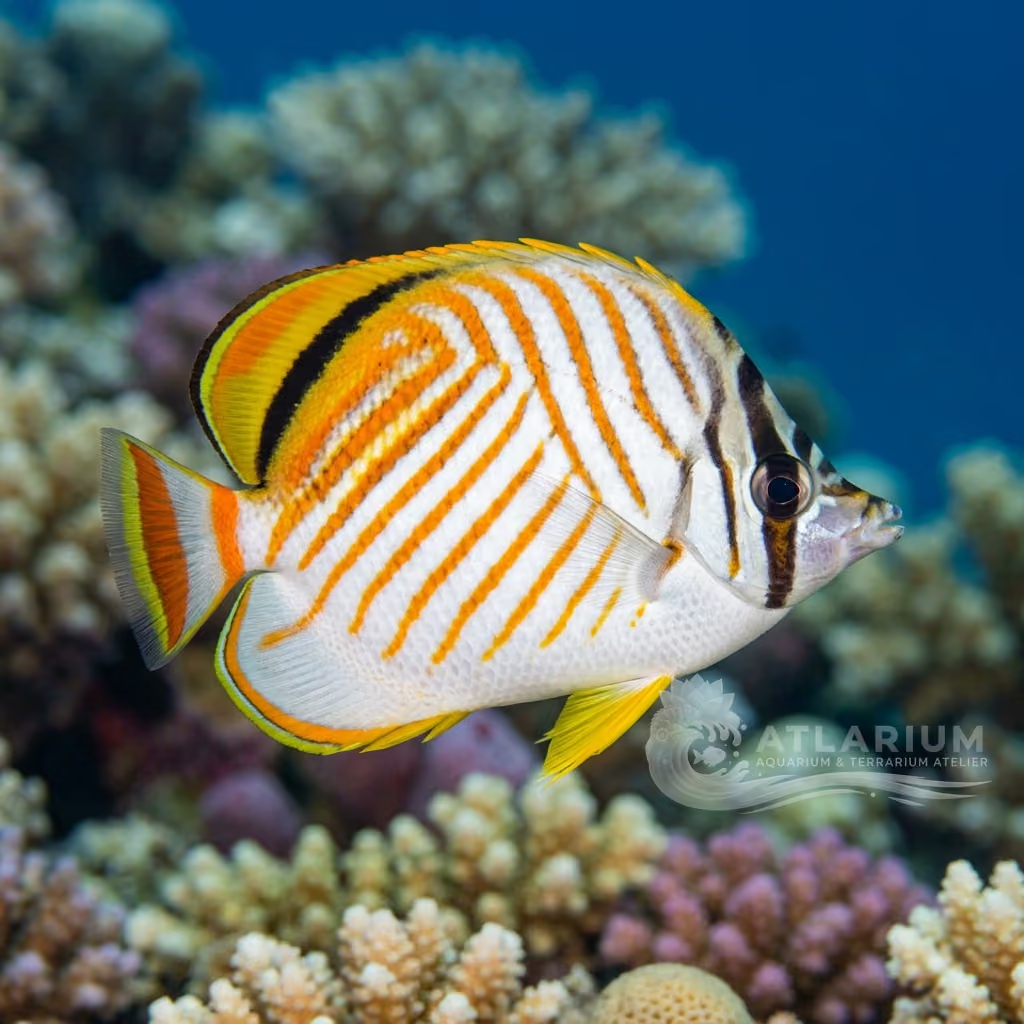
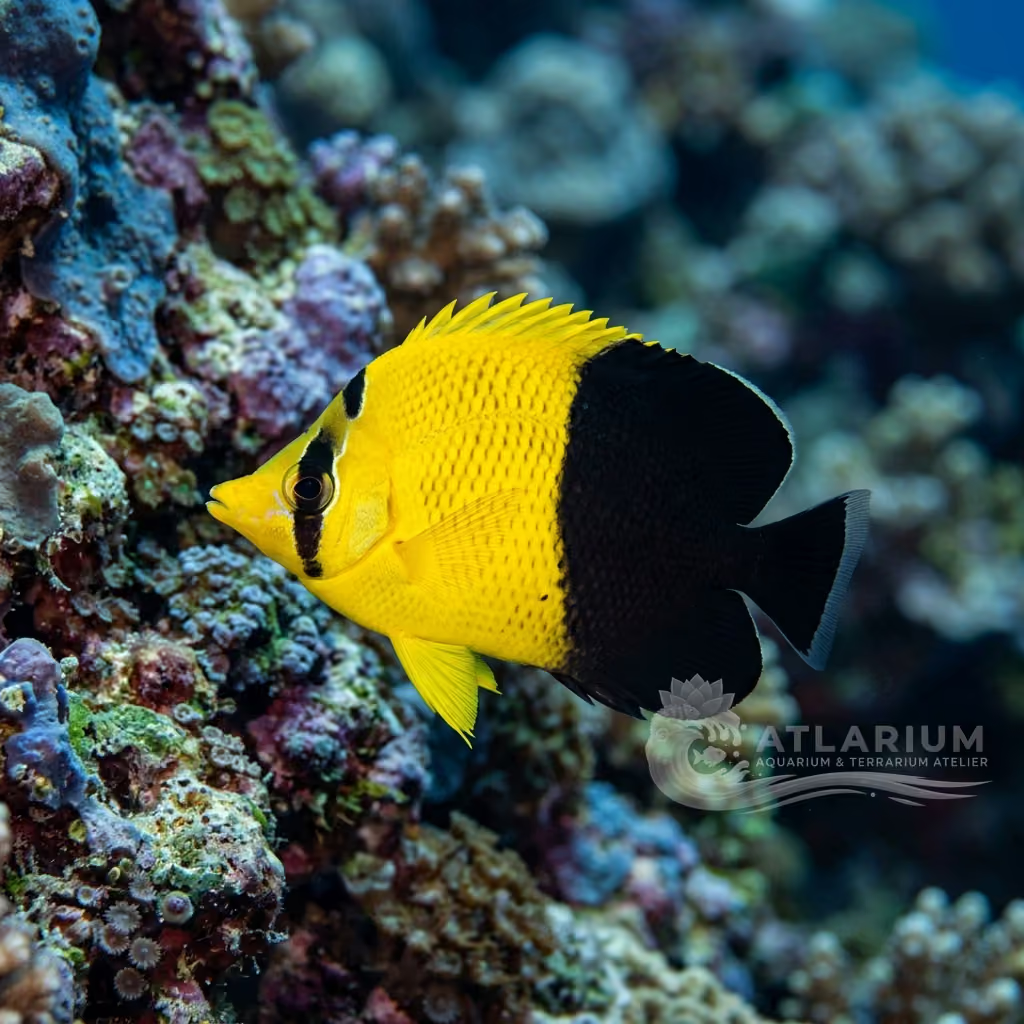
A hardy Western Atlantic beauty, this active butterflyfish showcases a creamy body with chevron lines and two bold vertical bars. It thrives in spacious, mature fish-only setups.
Water Temperature
22 - 27 °C
pH Value
8.1 - 8.4
Water type
Marine
Tank level
Bottom and middle
Adult size
15 cm
Minimum tank volume
>= 300 L
Minimum group
>= 1
KH
8 - 12 dKH

Species description
Geographical Origin and Habitat: Native to the Western Atlantic Ocean, ranging from North Carolina and Bermuda, through the Florida Keys, the Gulf of Mexico, and the Caribbean Sea, down to the coast of Brazil. It inhabits deep rocky reefs, rubble zones, and outer reef slopes at depths ranging from 5 to 90 meters, often found near deep sponge beds.
Taxonomy and Morphology: A member of the Chaetodontidae family in the genus Chaetodon. Commonly known as the Reef Butterflyfish. It reaches a maximum adult size of 15 centimeters (6 inches). The body has a disc-like, deep, and highly laterally compressed shape, with a short, pointed snout developed for nipping small prey.
Social Behavior: An active and curious butterflyfish that spends the day swimming among rock crevices in search of food. Naturally found singly or in stable mated pairs. Unlike many other butterflyfish, this species acclimates relatively easily to aquarium environments, showing bold behavior and a versatile appetite.
Coloration and Sexual Dimorphism: Features an elegant color scheme: a creamy-white or pale yellow body marked with thin, dark diagonal lines forming a chevron pattern. It is distinguished by two prominent dark brown or black vertical bars: one running through the eye, and a broader one covering the rear body, tail base, and soft dorsal fin.

Care, breeding and tankmates
Aquarium Setup: Requires a mature aquarium of at least 300 liters (80 gallons). It is essential to arrange live rock to create spacious caves, arches, and overhangs to simulate their deep reef environment and provide security. Keep the front area open to allow for continuous horizontal swimming. A secure lid is recommended.
Diet and Feeding: Omnivorous. In captivity, they should be fed a varied diet including frozen foods like mysis shrimp, brine shrimp, chopped krill, and table shrimp. Regularly supplement their diet with herbivore preparations containing spirulina and dried nori seaweed. They will accept high-quality dry granulate or flake foods.
Water Quality: Maintain stable water parameters: temperature between 22 and 27°C (72-81°F), pH 8.1-8.4, specific gravity 1.020-1.025, KH 8-12. An efficient biological filter and regular partial water changes are necessary to keep nitrates low. Ensure good water movement and high levels of dissolved oxygen.
Compatibility and Cohabitation: Not reef-safe. They will readily nip at and consume stony coral polyps (SPS and LPS), anemones, and feather duster worms. They are ideal candidates for fish-only with live rock (FOWLR) setups, cohabiting well with active, robust species such as tangs, damselfish, clownfish, and gobies.
Aquarium Breeding: Spawning in home aquariums is undocumented. They are broadcast spawners, releasing pelagic eggs into the water column. The larvae undergo a unique planktonic stage called the tholichthys stage, which is highly complex and has not been successfully reared in home hobbyist setups.
Risks and Diseases: Although it is one of the hardiest butterflyfish, it can contract common marine parasites like Cryptocaryon (ich) or Amyloodinium if subjected to sudden temperature swings or poor acclimation. The primary risk is initial feeding refusal; start by offering attractive frozen or live foods to stimulate their appetite.

Geographic origin and distribution
Native to the Western Atlantic Ocean, ranging from North Carolina and Bermuda, through the Florida Keys, the Gulf of Mexico, and the Caribbean Sea, down to the coast of Brazil. It inhabits deep rocky reefs, rubble zones, and outer reef slopes at depths ranging from 5 to 90 meters, often found near deep sponge beds.
Origin
Tropical oceans and reefsExtra-Amazon South AmericaCentral America and CaribbeanNorth America

Fish profile
- Temperament
- Territorial
- Chaetodon sedentarius has a generally peaceful temperament toward most other reef fish. However, it can display territorial and aggressive behaviors toward members of its own species or similar butterflyfish, especially in tanks of limited size. It is ideal for community aquariums with non-aggressive tankmates, provided there is enough rockwork to establish individual territories.
- Diet
- Omnivore
- This species is an omnivore that feeds on polychaete worms, small crustaceans like shrimp and amphipods, hydroids, and fish eggs in the wild. In an aquarium, they should be fed a varied diet including frozen foods such as mysis, brine shrimp, and bloodworms, supplemented with high-quality dry foods enriched with spirulina. Offering fresh clams or mussels on the half-shell can help stimulate the appetite of newly introduced individuals.
- Life expectancy
- 5-10 years
- Adult size
- 15 cm
- Sex ratio
- 1:1 ratio
- In the wild, Chaetodon sedentarius is commonly observed in stable pairs or small groups. In a home aquarium, it is best kept singly unless a confirmed mated pair is introduced, as they can display territorial aggression toward conspecifics. Keeping a group requires a very large tank with plenty of rockwork to break lines of sight.
- Feeding frequency
- Twice daily
- Due to their high metabolism and natural grazing behavior, it is recommended to feed the Reef Butterflyfish two to three times a day. Administer small portions that can be consumed entirely within a few minutes to prevent water quality degradation. Frequent feeding helps keep them well-nourished and reduces the likelihood of them nipping at corals or other invertebrates.
- Bioload
- Medium to High
- The Reef Butterflyfish has a moderate to medium-high biological load due to its active nature and protein-rich diet. Reaching up to 6 inches (15 cm) in length, it requires efficient filtration, ideally backed by a protein skimmer, alongside regular water changes. Maintaining excellent water quality and low nitrate levels is essential to prevent stress and disease in this species.
- Flow
- Strong
- Originating from coral reefs and rocky slopes, this fish prefers moderate to strong water movement. An active water flow mimics natural ocean currents, encourages healthy swimming behavior, and promotes optimal oxygenation in the tank. However, it is important to include zones with calmer currents where the fish can rest comfortably when needed.
- Jump risk
- Yes
- Although not considered an extreme jumper, the Reef Butterflyfish may leap out of the water if startled, chased by tankmates, or during acclimation. A tight-fitting lid or mesh cover is strongly recommended to prevent accidental escapes. Providing ample hiding spots where it can seek refuge when spooked will also minimize the jumping risk.
- Reproduction
- Oviparous
- Chaetodon sedentarius is a pelagic spawner that forms stable monogamous pairs. Reproduction in a home aquarium is considered extremely difficult, if not impossible, due to the need for large vertical spaces for courtship displays and the complex feeding requirements of the larvae during their pelagic larval phase (tholichthys stage). Only select research facilities and specialized aquaculture programs have successfully raised fry.
- Compatibility & tankmates
- Peaceful
- This fish is generally compatible with peaceful or moderately active species such as tangs, blennies, wrasses, and damselfish. Caution is advised when keeping it in a reef tank, as it may nip at large-polyp stony (LPS) corals, small anemones, and feather dusters. Avoid housing it with highly aggressive species or large predators that could intimidate or attack the butterflyfish.
- Tank level
- Middle/Bottom
- This species primarily swims in the middle and bottom zones of the aquarium. It spends most of its time hovering near and exploring the rockwork or coral structures, darting into crevices in search of food. An open swimming area combined with intricate rock formations best accommodates this natural behavior.

Scientific Parameters & Models
FishBase
Window to the official scientific data of the species
FishBase v25.04Data synced on: 06/15/2026
- Trophic level
- 3.9 ± 0.4 se
- Resilience
- Medium (1.4 - 4.4 years)
- Phylogenetic uniqueness (PD50)
- 0.5
- Bayesian Length-Weight
- a = 0.02344, b = 3.02
- VulnerabilityLow vulnerability (10 / 100)

Related species
Recommendations grouped by close relatives, companion choices, and similar care.