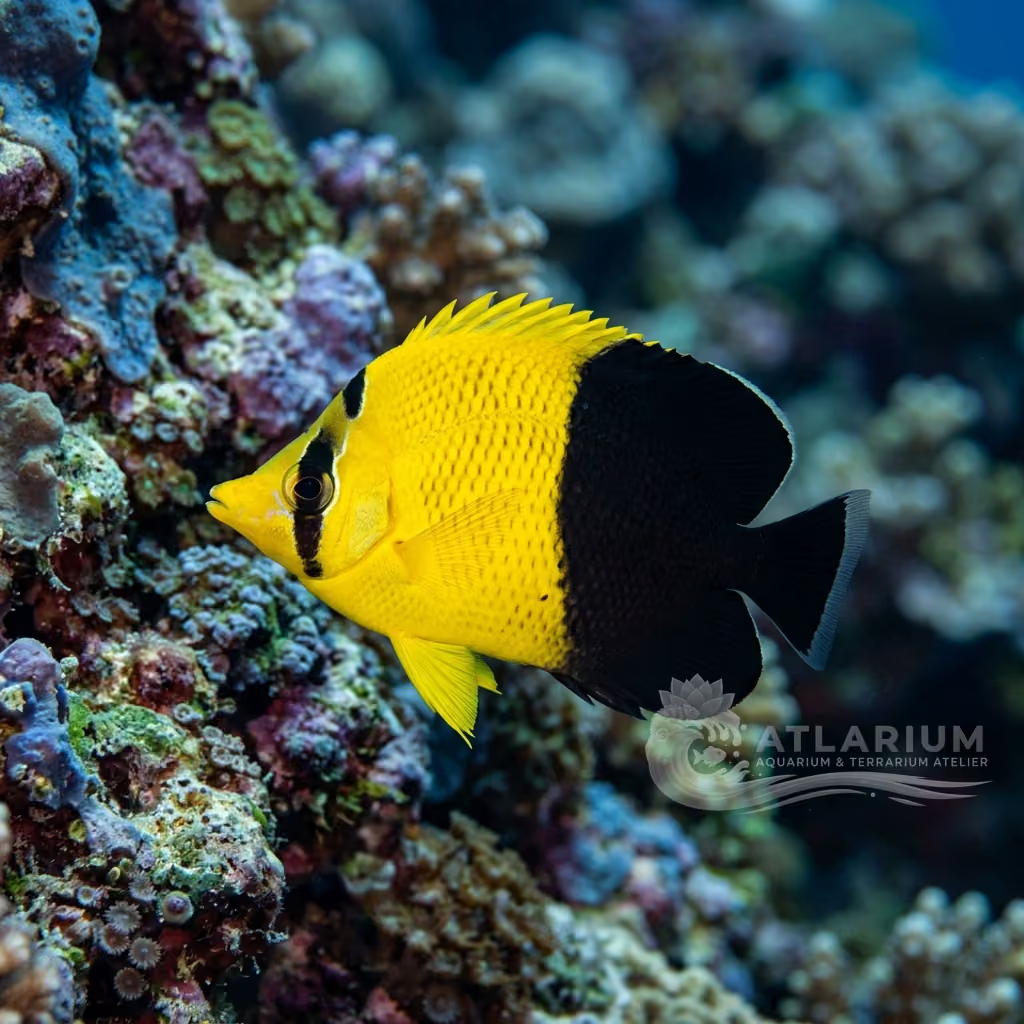
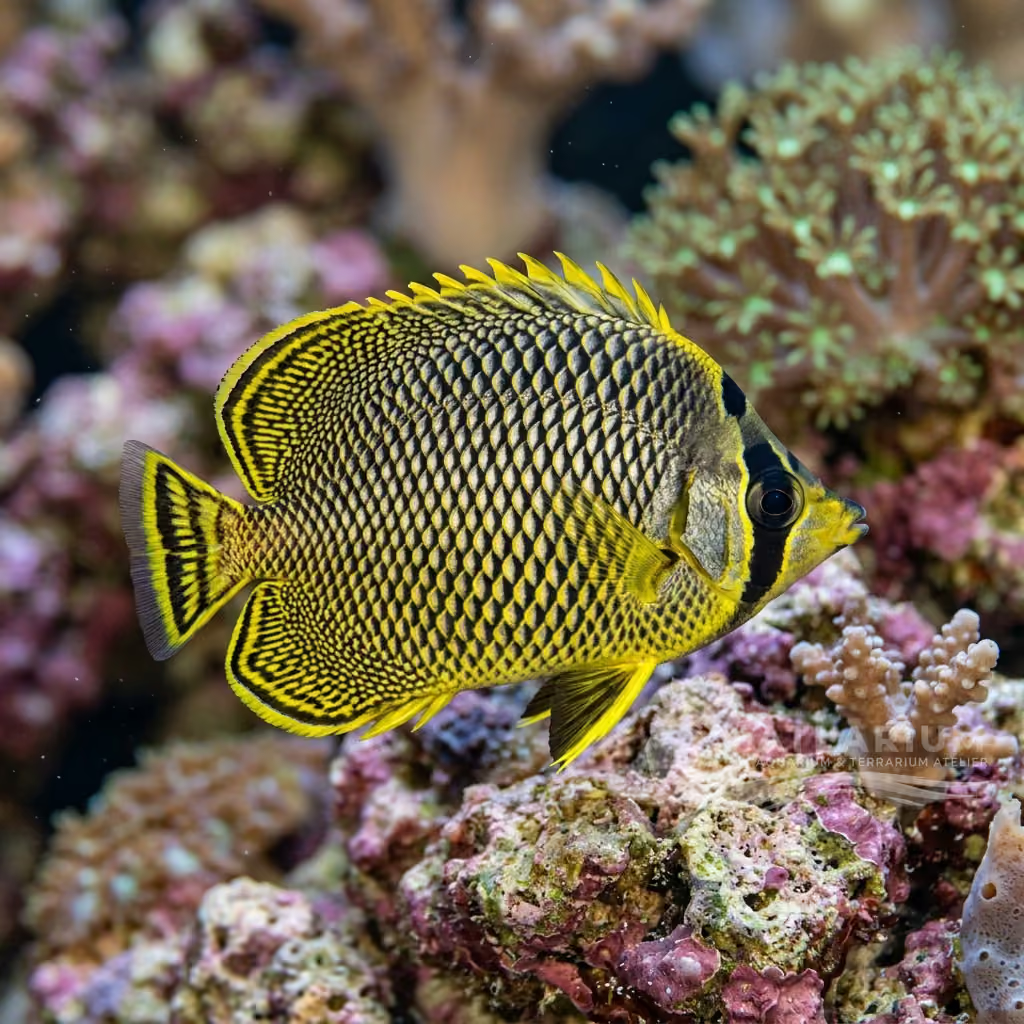
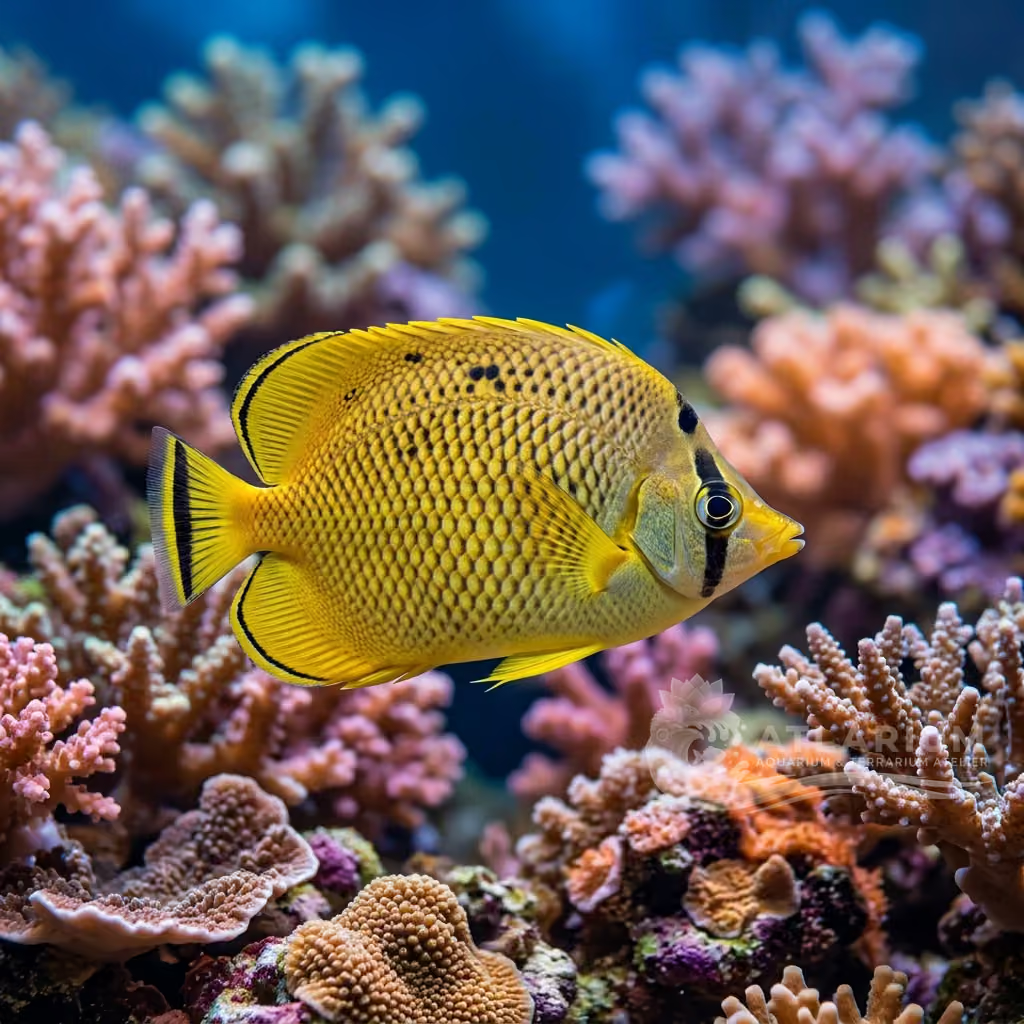
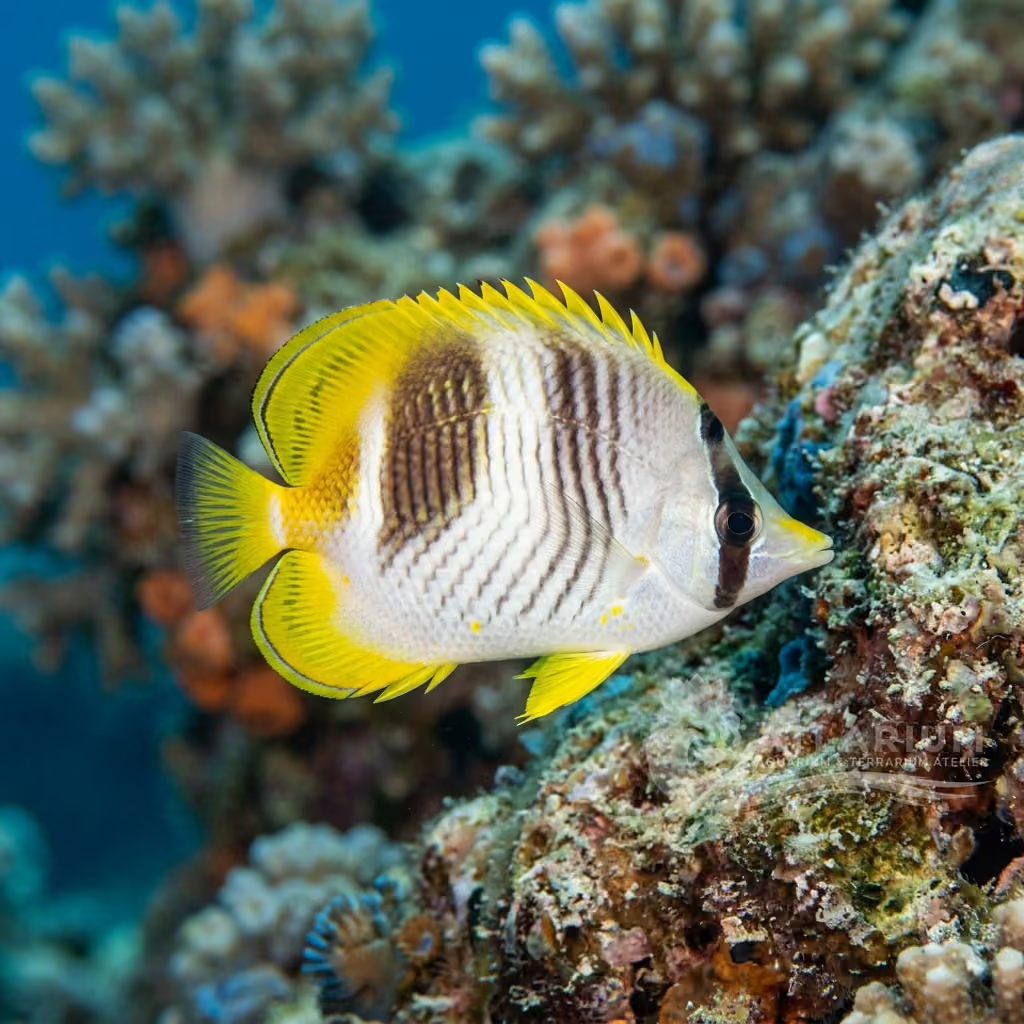
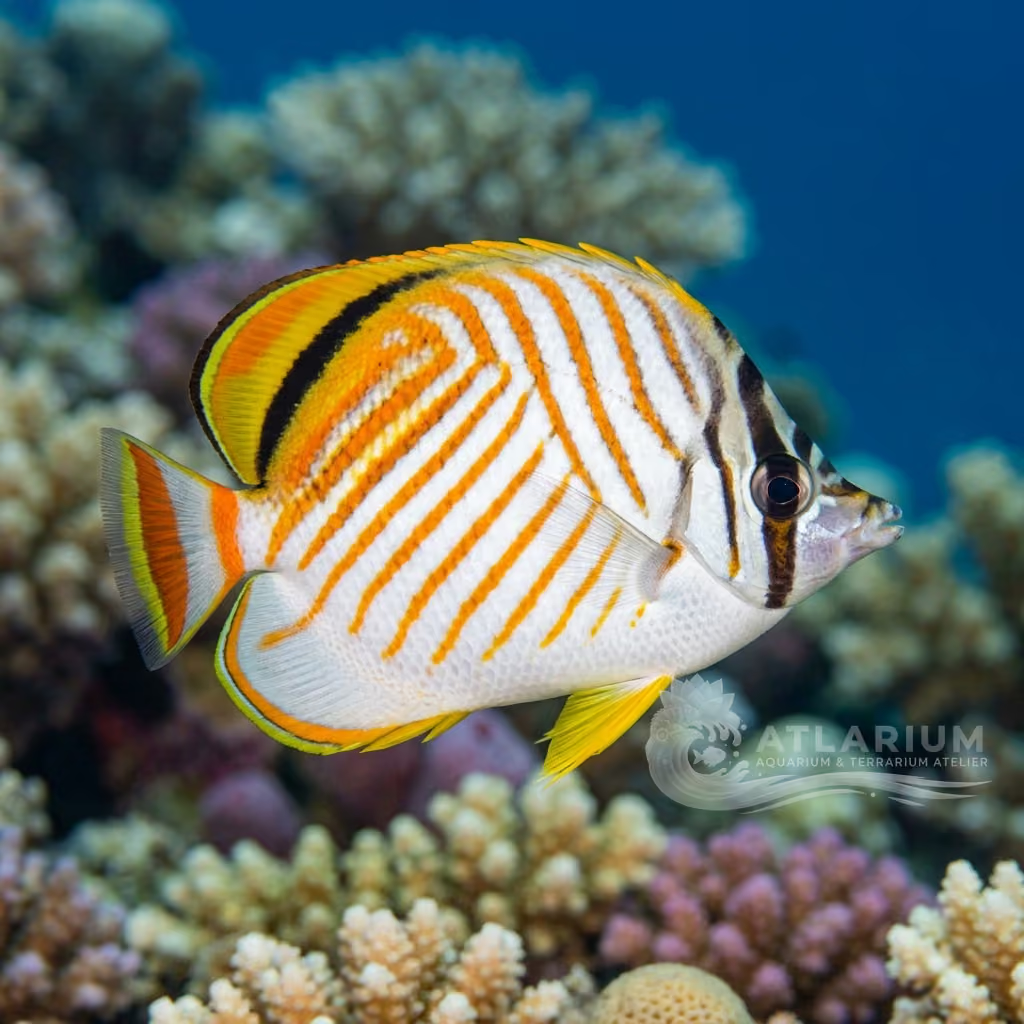
Easter Island butterflyfish
Chaetodon litus
Endemic to Easter Island, this uniquely dark and elegant butterflyfish thrives in cool, rocky coastal waters. It requires ample space and a varied omnivorous diet.
Water Temperature
19 - 24 °C
pH Value
8.1 - 8.4
Water type
Marine
Tank level
Bottom and middle
Adult size
15 cm
Minimum tank volume
>= 300 L
Minimum group
>= 1

Species description
Geographical Origin and Habitat: This species has an extremely restricted geographical range and is endemic to the subtropical waters of Easter Island (Rapa Nui) and Salas y Gómez Island in the southeastern Pacific Ocean. It inhabits wave-swept rocky and volcanic reefs, typically at depths between 1 and 25 meters, where the water is cool, highly agitated, and clear, with abundant marine algae and scattered hardy stony corals.
Taxonomy and Morphology: Chaetodon litus belongs to the Chaetodontidae family. It features a typical disc-shaped body, strongly compressed laterally and covered with scales arranged in regular rows. The mouth is small and protractile, located at the end of a slightly pointed snout adapted for picking food from rocky crevices. Adults reach a maximum length of about 15 cm.
Social Behavior: It is a peaceful and curious fish that lives solitarily or in small, loose groups patrolling rocky shores. It exhibits low interspecific territoriality but may show defensive behaviors and warning displays toward conspecifics if space in the tank is limited. It is active during daylight hours and remains highly alert.
Coloration and Sexual Dimorphism: The coloration of this species is unusually dark and elegant for a butterflyfish. It features a uniform smoky-gray or dark brown body, with a thin, bright white margin along the edges of the dorsal, anal, and caudal fins. The scales on the body have slightly lighter centers, creating a subtle reticulated pattern. There is no visible sexual dimorphism.

Care, breeding and tankmates
Aquarium Setup: Requires a large aquarium, ideally no less than 300-400 liters. The aquascape should consist primarily of rocks arranged to form numerous crevices and caves, replicating a volcanic rocky reef. Water movement must be strong to simulate the high-energy coastal waters of its origin and to ensure excellent oxygenation throughout the tank.
Diet and Feeding: Unlike many other butterflyfish species that are obligate corallivores, Chaetodon litus is an opportunistic omnivore. It feeds on small crustaceans, worms, benthic algae, and eggs of other organisms. In captivity, it accepts frozen foods (brine shrimp, mysis, chopped krill) and high-quality dry pellets or flakes. Including plant-based foods containing spirulina is essential.
Water Quality: Because it comes from an isolated, subtropical environment, it prefers slightly cooler water temperatures than typical tropical reef aquariums, ideally between 20°C and 24°C. Parameters must be extremely clean and stable: pH between 8.1 and 8.4, salinity between 1.021 and 1.025, and nitrates/phosphates kept minimal through regular changes and efficient protein skimming.
Compatibility and Cohabitation: It is a gentle fish that can coexist with subtropical species or hardy, non-aggressive tropical fish. Being an opportunistic omnivore, it may nip at soft corals or stony coral polyps in an aquarium if hungry, so it is not considered completely reef-safe. It is compatible with medium-sized surgeonfish, gobies, and wrasses.
Aquarium Breeding: Breeding in aquariums has never been documented in captivity. In the wild, they are pelagic spawners that release eggs and sperm directly into the water column, allowing ocean currents to disperse the floating eggs. The larval development includes a complex pelagic stage (tholichthys) typical of butterflyfish, which is very difficult to replicate.
Risks and Diseases: Due to its subtropical origin, transitioning to the warm temperatures of typical reef aquariums (above 26°C) can cause chronic stress and weaken the immune system. It is susceptible to skin parasites (Cryptocaryon and Oodinium) and bacterial fin infections if water quality declines. Maintaining the aquarium at appropriate cooler temperatures is crucial to prevent these issues.

Geographic origin and distribution
This species has an extremely restricted geographical range and is endemic to the subtropical waters of Easter Island (Rapa Nui) and Salas y Gómez Island in the southeastern Pacific Ocean. It inhabits wave-swept rocky and volcanic reefs, typically at depths between 1 and 25 meters, where the water is cool, highly agitated, and clear, with abundant marine algae and scattered hardy stony corals.
Origin
Tropical oceans and reefs

Fish profile
- Temperament
- Territorial
- This butterflyfish is generally peaceful toward other unrelated fish species in the aquarium. However, they can show significant territorial aggression toward members of their own species or similarly shaped butterflyfish. They are active, curious swimmers that spend their days exploring their environment and picking at surfaces. Their behavior is best described as active yet non-confrontational with most tankmates.
- Diet
- Omnivore
- In the wild, this species is a carnivore that feeds on worms, small crustaceans, barnacles, and other benthic invertebrates. In captivity, they can be difficult to feed initially and require a varied diet of high-quality frozen foods. Mysis shrimp, brine shrimp, chopped clams, and specialized sponge-based preparations should be offered regularly. Feeding them live foods initially can help stimulate their natural foraging instinct and encourage them to eat.
- Life expectancy
- 5-10 years
- Adult size
- 15 cm
- Sex ratio
- 1:1 ratio
- In their natural habitat, Easter Island Butterflyfish are often found in male-female pairs or small groups. In a home aquarium, they are best kept singly unless you can acquire a verified mated pair. Attempting to keep multiple specimens together in a restricted space can lead to severe territorial disputes and stress. A very large tank is necessary if you plan to keep a group of these fish together.
- Feeding frequency
- Twice daily
- Due to their high metabolism and active lifestyle, these fish should be fed multiple times throughout the day. Offering small portions two to three times daily helps maintain their body weight and energy levels. Frequent feeding is especially important during the initial acclimation phase when they are adjusting to aquarium life. Consistent feeding schedules will also help reduce stress and support their immune system.
- Bioload
- Medium
- The Easter Island Butterflyfish produces a moderate amount of biological waste due to its size and active foraging behavior. It requires a well-established aquarium with a robust filtration system to handle this waste efficiently. Regular water changes and a high-performance protein skimmer are essential to maintain the pristine water quality it demands. Poor water conditions can quickly lead to stress and disease in this sensitive species.
- Flow
- Strong
- The Easter Island Butterflyfish prefers moderate to strong water flow to simulate their natural subtropical rocky reef habitat. This water movement helps keep the aquarium well-oxygenated, which is vital for their respiratory health. Adequate flow also encourages natural swimming behavior and helps keep waste from settling on the substrate. However, some calmer zones should be provided where the fish can rest without constantly fighting the current.
- Jump risk
- Yes
- Although the Easter Island Butterflyfish is not considered a habitual jumper, it can leap out of the water when startled or chased by tankmates. A tight-fitting lid or a secure mesh cover is highly recommended to prevent accidental escapes. This is especially important during the acclimation period when the fish is adapting to its new environment. Ensuring there are no gaps around equipment pipes will eliminate the risk of a fatal jump.
- Reproduction
- Oviparous
- This species is an oviparous pelagic spawner, releasing its eggs and sperm into the water column where fertilization occurs. In the wild, they form pairs during the breeding season to spawn. Breeding the Easter Island Butterflyfish in captivity is exceptionally difficult and has not been achieved in home aquariums. This is primarily due to the challenges of rearing their tiny, delicate larvae through the complex pelagic stage.
- Compatibility & tankmates
- Peaceful
- This species is generally compatible with other peaceful marine fish of similar size, such as tangs, wrasses, and clownfish. However, they are not considered reef-safe and will readily pick at corals, anemones, and feather dusters. They should not be housed with aggressive tankmates that might bully them or compete too fiercely for food. Keeping them with conspecifics is risky unless they are a confirmed male-female pair in a large tank.
- Tank level
- Middle/Bottom
- This species primarily occupies the lower and middle regions of the water column, where they forage among the rockwork. They spend most of their time hovering near rocky crevices, searching for food and shelter. While they occasionally venture to the upper levels during feeding, they generally prefer to stay close to the safety of the decor. Providing a tank layout with plenty of rock caves at these levels is crucial for their well-being.

Scientific Parameters & Models
FishBase
Window to the official scientific data of the species
Data synced on: 06/15/2026
- Trophic level
- 3.3 ± 0.6 se
- Resilience
- High (less than 15 months)
- Phylogenetic uniqueness (PD50)
- 0.5
- Bayesian Length-Weight
- a = 0.02291, b = 3
- VulnerabilityLow vulnerability (10 / 100)

Related species
Recommendations grouped by close relatives, companion choices, and similar care.