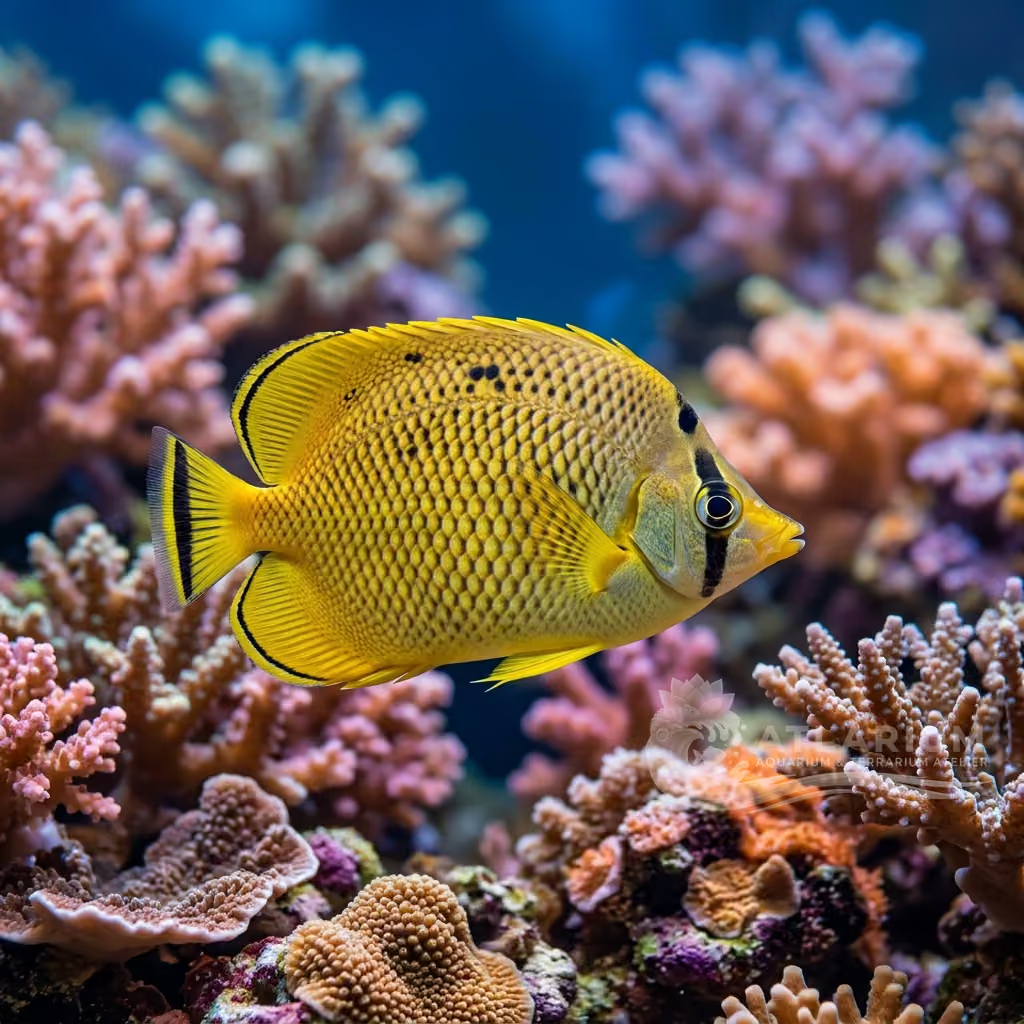
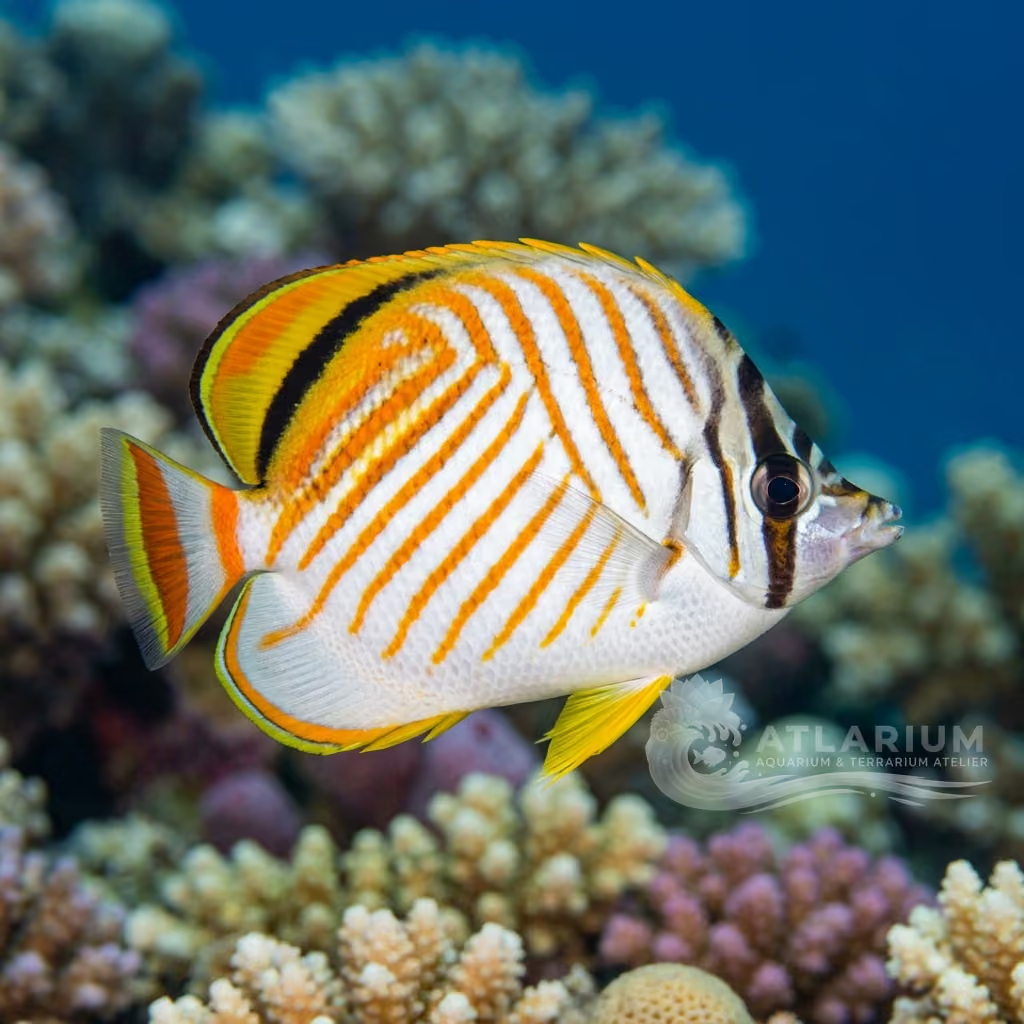
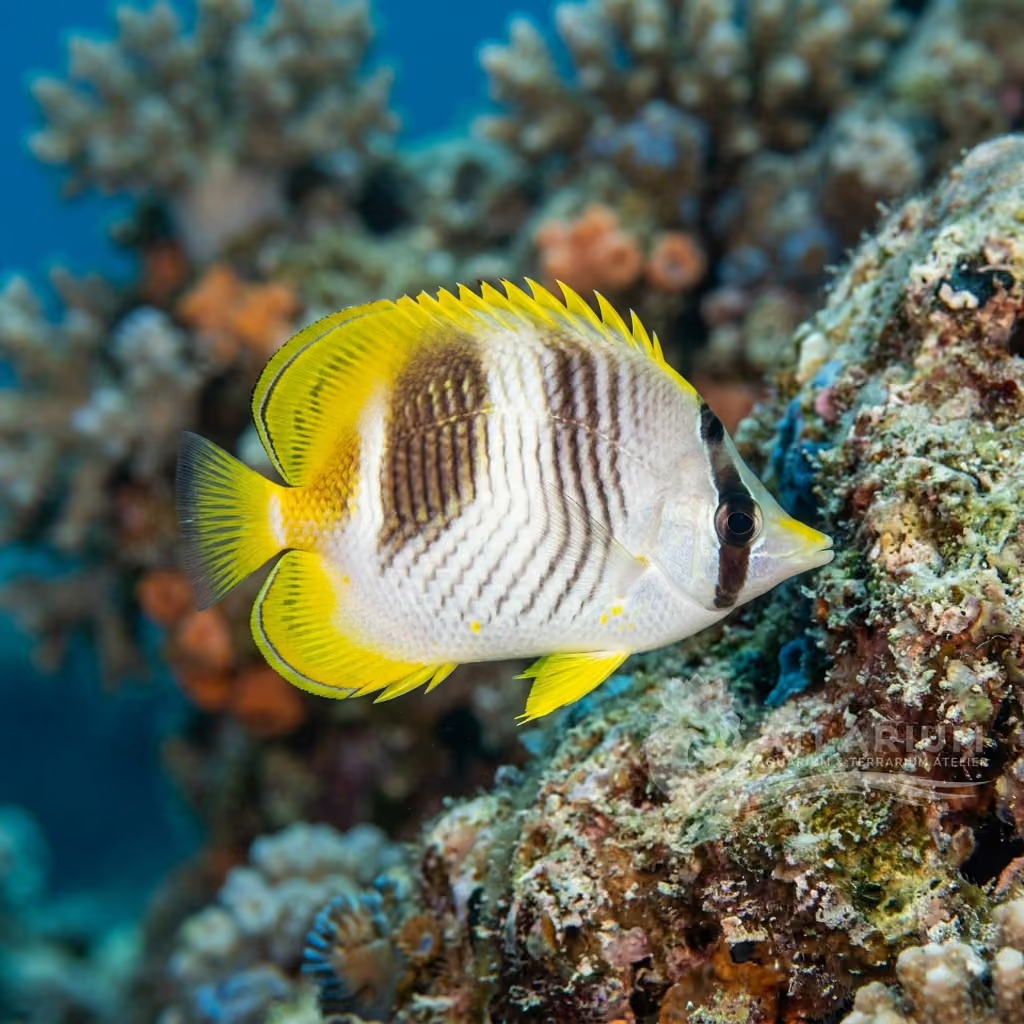
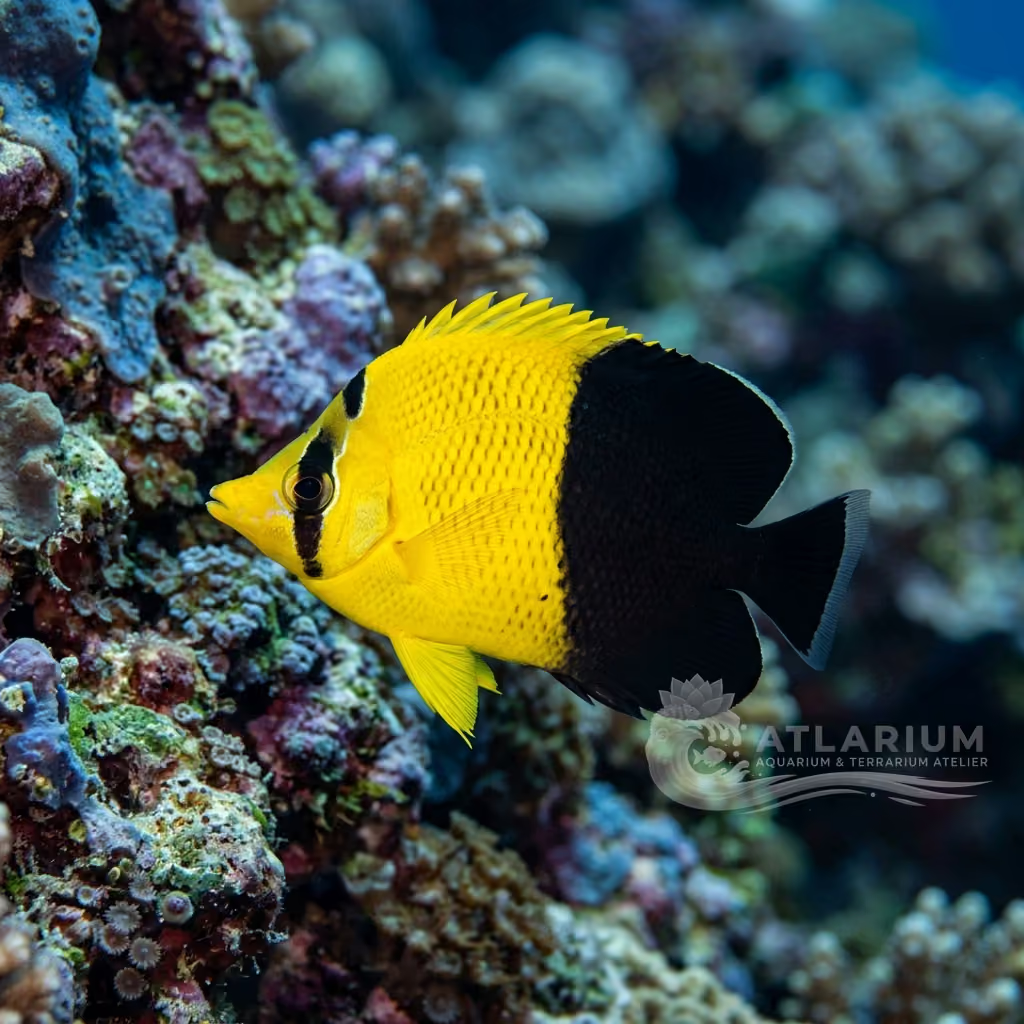
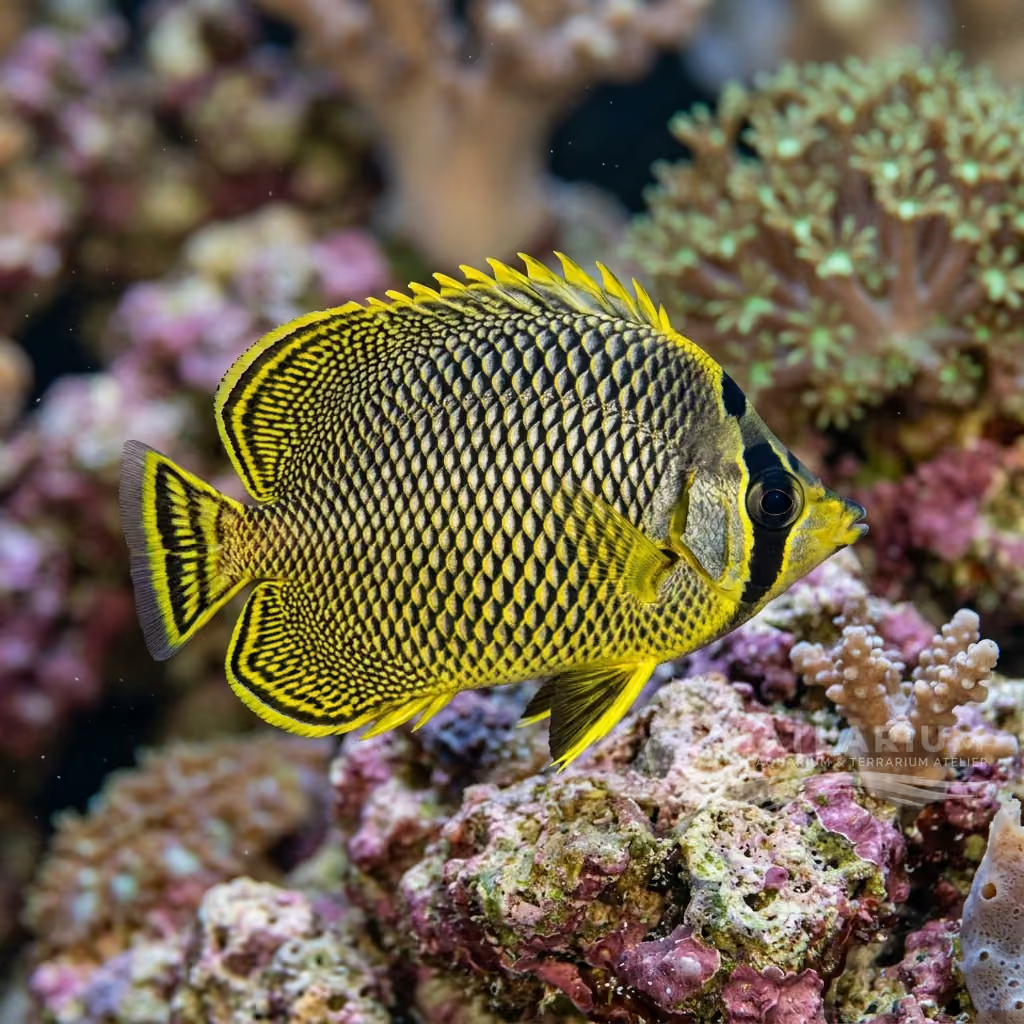
Gardiner's Butterflyfish
Chaetodon gardineri
A rare deep-water butterflyfish from the Indian Ocean, distinguished by a silvery body, bright yellow fins, and a large black spot. Requires cooler water and expert care.
Water Temperature
22 - 26 °C
pH Value
8.1 - 8.4
Water type
Marine
Tank level
Bottom and middle
Adult size
17 cm
Minimum tank volume
>= 300 L
Minimum group
>= 1

Species description
Geographical Origin and Habitat: Chaetodon gardineri is native to the northwestern Indian Ocean, with populations recorded in the Gulf of Aden, the Arabian Sea along Oman, Yemen, and eastward to Sri Lanka. It is a deep-water butterflyfish, inhabiting outer reef slopes, rocky drop-offs, and submerged reefs at depths ranging from 25 to 80 meters where temperatures are cooler.
Taxonomy and Morphology: Belongs to the Chaetodontidae family. Commonly known as Gardiner's butterflyfish. It features a tall, disc-like body, strongly compressed laterally, with a slightly elongated and pointed snout terminating in a mouth with fine teeth. Adults reach a maximum length of about 17 cm.
Social Behavior: It is a shy, secretive species, territorial toward its own kind but peaceful toward other reef fish. In nature, it lives solitarily or in stable pairs, searching deep rock crevices for prey. It requires a calm, low-stress aquarium environment to acclimate successfully.
Coloration and Sexual Dimorphism: Features a silvery-grey or white base body color, with a pattern of thin V-shaped dark stripes on its sides. Its key feature is a large black spot located on the upper rear body, with bright yellow dorsal, anal, and caudal fins. A vertical black band runs through the eye. There is no visible sexual dimorphism.

Care, breeding and tankmates
Aquarium Setup: Requires a large marine tank of at least 350-400 liters. The setup should replicate a deep-reef habitat with plenty of live rock arranged into spacious caves and dark overhangs where the fish can hide when startled. Provide vast open areas for swimming and keep lighting levels moderate.
Diet and Feeding: In nature, it feeds on small invertebrates, algae, and coral polyps. Acclimation to aquarium food is difficult; stimulate feeding initially with live feeds (brine shrimp, copepods) before transitioning to frozen foods like mysis, krill, chopped clam, and bloodworms. Feed several times daily in small amounts.
Water Quality: Coming from deep water, it prefers cooler temperatures than typical tropical reef fish, ideally between 21°C and 24°C. Water quality must be excellent and highly oxygenated: pH 8.1-8.4, salinity (SG) 1.022-1.025, and nitrates under 10 mg/l. A strong protein skimmer and regular water changes are required.
Compatibility and Cohabitation: Not reef-safe. It will nip and feed on hard coral polyps (both SPS and LPS) and disturb clams and sponges. Best kept in a fish-only setup. It can coexist with peaceful, moderate-swimming tankmates (like calm tangs, anthias, and gobies). Avoid aggressive or boisterous tankmates.
Aquarium Breeding: Sexual reproduction in the wild occurs via pelagic spawning, where eggs float in open water until hatching. There are no records of successful captive breeding or larval rearing in home aquariums due to the specific depth and physical spawning triggers they require.
Risks and Diseases: A delicate species, highly susceptible to external parasites like Cryptocaryon and Amyloodinium, especially if subjected to transport stress or temperature spikes. They are sensitive to nitrogenous waste buildup. A preventive quarantine in a quiet, temperature-regulated tank is highly recommended.

Geographic origin and distribution
Chaetodon gardineri is native to the northwestern Indian Ocean, with populations recorded in the Gulf of Aden, the Arabian Sea along Oman, Yemen, and eastward to Sri Lanka. It is a deep-water butterflyfish, inhabiting outer reef slopes, rocky drop-offs, and submerged reefs at depths ranging from 25 to 80 meters where temperatures are cooler.
Origin
Tropical oceans and reefsSouth and Southeast Asia

Fish profile
- Temperament
- Territorial
- Gardiner's Butterflyfish is generally a peaceful species toward other unrelated tankmates, making it a good candidate for large community aquariums. However, they can display significant territorial aggression toward conspecifics or other butterflyfishes that share a similar shape and color pattern. Because of this, they should be housed singly unless added to a very large system simultaneously with other butterflyfishes. Providing plenty of live rock with caves and passages will help minimize territorial disputes and stress.
- Diet
- Omnivore
- In their natural habitat, Gardiner's Butterflyfish feed on coral polyps, algae, hydroids, tunicates, and various small benthic invertebrates. In captivity, they can be challenging to feed initially, but once acclimated, they should be offered a diverse diet of meaty frozen foods like mysis shrimp, brine shrimp, and chopped seafood. They also benefit from the inclusion of herbivore preparations and marine algae to satisfy their nutritional needs. Offering live foods, such as blackworms or clams on the half-shell, can help stimulate a feeding response in finicky new arrivals.
- Life expectancy
- 8-12 years
- Adult size
- 17 cm
- Sex ratio
- 1:1 ratio
- In the aquarium, Gardiner's Butterflyfish is best housed singly unless a verified mated pair can be acquired. They can be highly territorial and aggressive toward conspecifics and other closely related butterflyfishes in restricted spaces. Keeping them in a group is not recommended unless the aquarium is exceptionally large, with ample territories and visual barriers. For standard home aquariums, stocking a single individual is the safest and most successful approach.
- Feeding frequency
- Twice daily
- To sustain their active lifestyle and high metabolism, Gardiner's Butterflyfish should be fed at least two to three times daily. Providing multiple smaller feedings throughout the day is much better than one large feeding, as it mimics their natural continuous grazing behavior. If the fish is newly introduced and hesitant to feed, offering small portions more frequently can encourage them to start eating. Ensuring that they get enough food without overfeeding the tank is key to maintaining clean water.
- Bioload
- Medium
- Gardiner's Butterflyfish is a moderately sized marine species that reaches up to 17 cm in length, requiring a moderate to high level of filtration. Like other butterflyfishes, they produce a moderate amount of metabolic waste and are highly sensitive to elevated levels of ammonia, nitrite, and nitrate. A robust protein skimmer and efficient biological filtration are crucial to maintaining the pristine water quality they need to thrive. Regular water changes and a well-monitored system are recommended to prevent stress and keep the bioload under control.
- Flow
- Strong
- Gardiner's Butterflyfish prefers moderate water flow, which reflects the currents of their native deep reef environments in the Western Indian Ocean. This level of flow helps distribute nutrients, keeps the water well-oxygenated, and allows the fish to swim naturally without excessive strain. Extremely strong currents should be avoided, as they can exhaust the fish, while weak flow might result in poor oxygenation and debris buildup. Creating areas of varied flow with some calmer resting zones is ideal.
- Jump risk
- Yes
- Although not classified as notorious jumpers compared to some wrasses or gobies, Gardiner's Butterflyfish can leap out of the tank when startled or stressed. This behavior is most common during their initial acclimation phase or if they are chased by more aggressive tankmates. To prevent tragic accidents, it is highly recommended to cover the aquarium with a tight-fitting lid or a secure mesh cover. Additionally, providing ample hiding spots in the rockwork helps the fish feel secure and reduces the likelihood of panic-induced jumping.
- Reproduction
- Oviparous
- Breeding Gardiner's Butterflyfish in captivity is exceptionally difficult, and there are no documented cases of successful spawning and raising of this species in home aquariums. In nature, they are oviparous, forming pairs to spawn and releasing pelagic eggs into the open ocean where the larvae drift before settling onto reefs. The complex pelagic larval stage and specific environmental cues make captive propagation highly impractical. Consequently, all specimens available in the aquarium trade are wild-caught.
- Compatibility & tankmates
- Peaceful
- Gardiner's Butterflyfish is compatible with a wide range of peaceful to semi-aggressive marine fish, such as tangs, clownfish, large damselfish, and wrasses. However, they are not considered reef-safe, as they will readily nip at and consume stony corals, soft corals, and various small invertebrates. They can also show aggression towards other butterflyfishes or species with similar coloration. For these reasons, they are best suited for fish-only-with-live-rock systems containing robust, non-coral tankmates.
- Tank level
- Middle/Bottom
- Gardiner's Butterflyfish is a reef-associated species that actively swims throughout the water column, but displays a preference for the middle and bottom levels of the aquarium. They spend much of their time grazing on live rock and exploring crevices in search of food. An open swimming area should be provided in these zones, combined with plenty of rockwork to simulate their natural deep reef environment. Ensuring adequate space in the lower half of the tank will encourage their natural exploratory behavior.

Scientific Parameters & Models
FishBase
Window to the official scientific data of the species
FishBase v25.04Data synced on: 06/15/2026
- Trophic level
- 3.6 ± 0.41 se
- Resilience
- High (less than 15 months)
- Phylogenetic uniqueness (PD50)
- 0.5
- Bayesian Length-Weight
- a = 0.02291, b = 3
- VulnerabilityLow vulnerability (10 / 100)

Related species
Recommendations grouped by close relatives, companion choices, and similar care.